Is Malta Worth Visiting? An Honest Assessment for First-Timers
Malta packs prehistoric temples, Baroque cityscapes, clear-water diving, and surprisingly good food into just 316 square kilometres. But summer crowds, rocky beaches, and rising prices give some travellers pause. Here is a clear-eyed breakdown of what you get and what to watch out for.
Plan and book this trip
Tools from our partner Travelpayouts help you compare flights and hotels. If you book through them, we may earn a commission at no extra cost to you.
Flights
Hotels map
TL;DR
- Malta rewards history lovers, divers, and culture seekers far more than beach-holiday purists — sandy beaches are limited.
- April to June and September to October are the sweet spots for visiting Malta: mild temperatures (20-28°C), smaller crowds, and lower hotel rates. See the best time to visit Malta for a full seasonal breakdown.
- The islands are small enough to cover in a week using public buses (from €2), but summer heat and tourist volume in July and August can test your patience.
- English is an official language, tap water is safe, and crime is low — logistics are genuinely easy for English-speaking visitors.
- Gozo and Comino add a completely different character to any trip. Check the Gozo travel guide if you want to understand what the smaller islands offer.
What Malta Actually Is (and What It Is Not)
The Republic of Malta is a small sovereign nation in the middle of the Mediterranean, sitting about 80 km south of Sicily and 284 km east of Tunisia. It covers just 316 square kilometres across three main inhabited islands: Malta, Gozo, and Comino. With a population of around 570,000, it is one of the most densely populated countries in the world. It uses the Euro, runs on Central European Time, and has two official languages: Maltese and English. Italian is also widely understood, spoken by around 62-66% of the population.
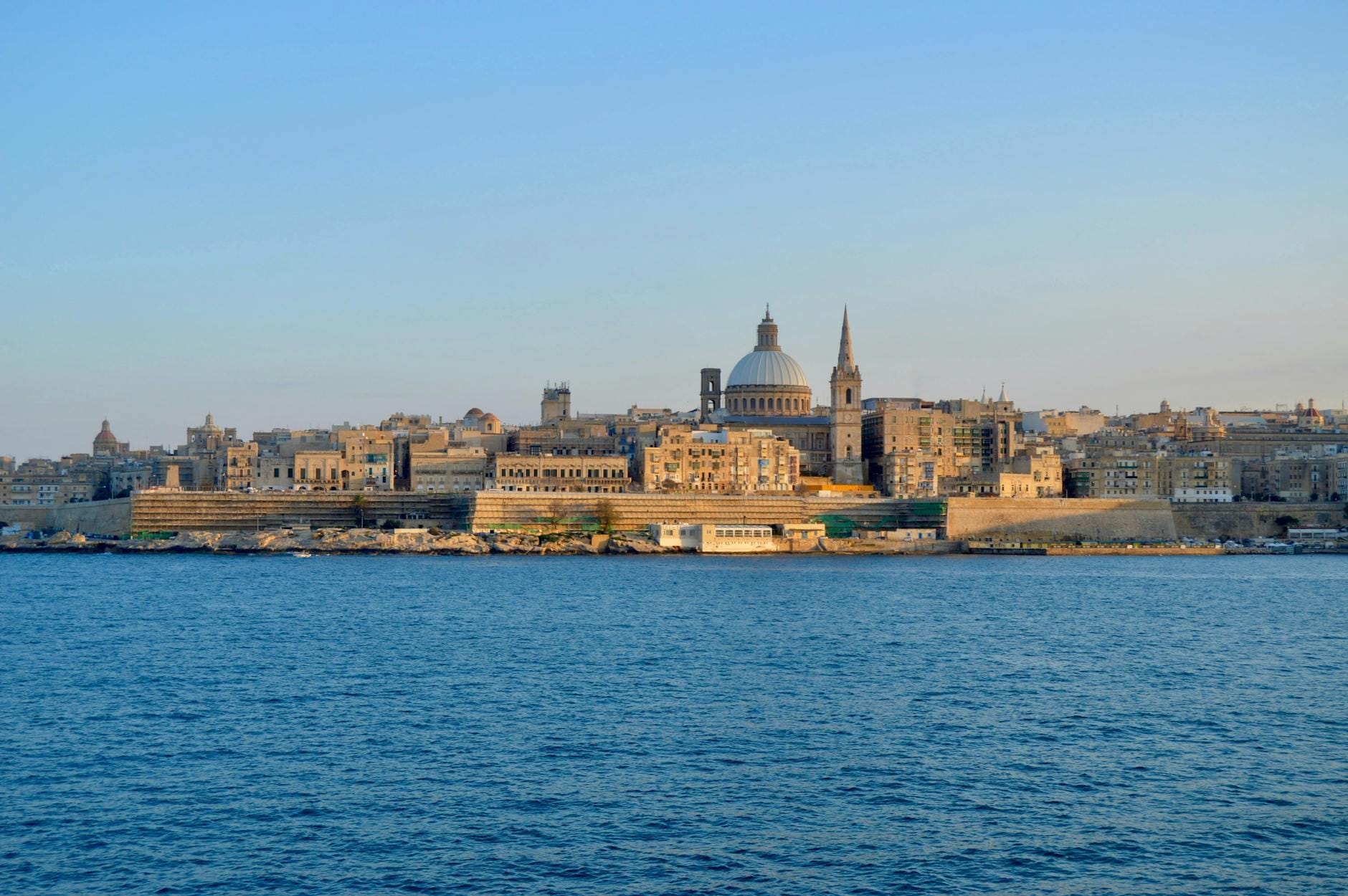
The most important thing to clarify upfront: Malta is not a conventional beach destination. If your ideal holiday involves long stretches of white sand and calm turquoise shallows, you will need to manage expectations. The coastline is predominantly rocky limestone, and the handful of sandy beaches (Golden Bay, Mellieħa Bay, Ramla Bay on Gozo) get genuinely packed from June through August. What Malta does offer instead is an extraordinary density of history, architecture, and underwater scenery within a very small area — and that combination is rare anywhere in the Mediterranean.
ℹ️ Good to know
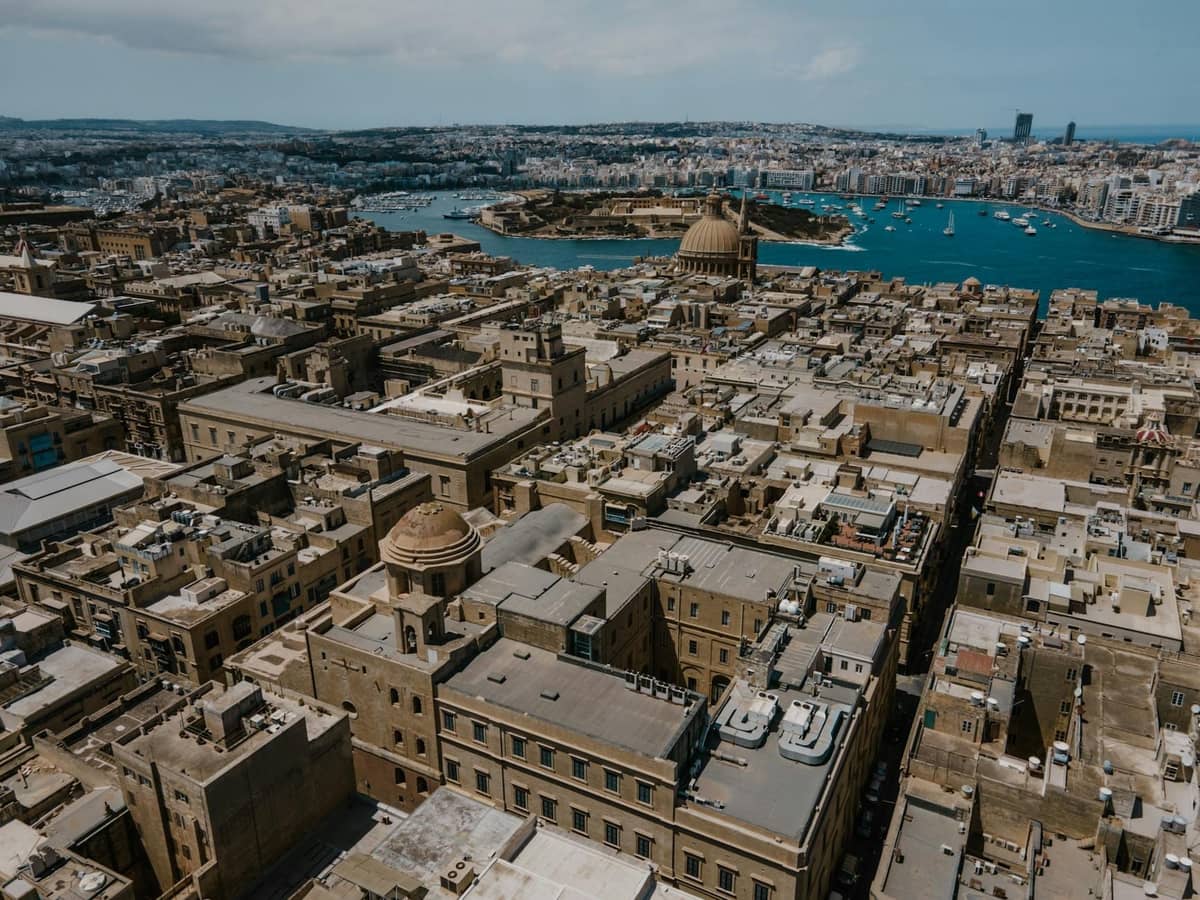
Malta's UNESCO-listed capital Valletta is the smallest EU capital by both area and population, yet it contains more than 320 monuments within less than 1 square kilometre. That density tells you a lot about the islands overall.
The Strong Case For Visiting Malta
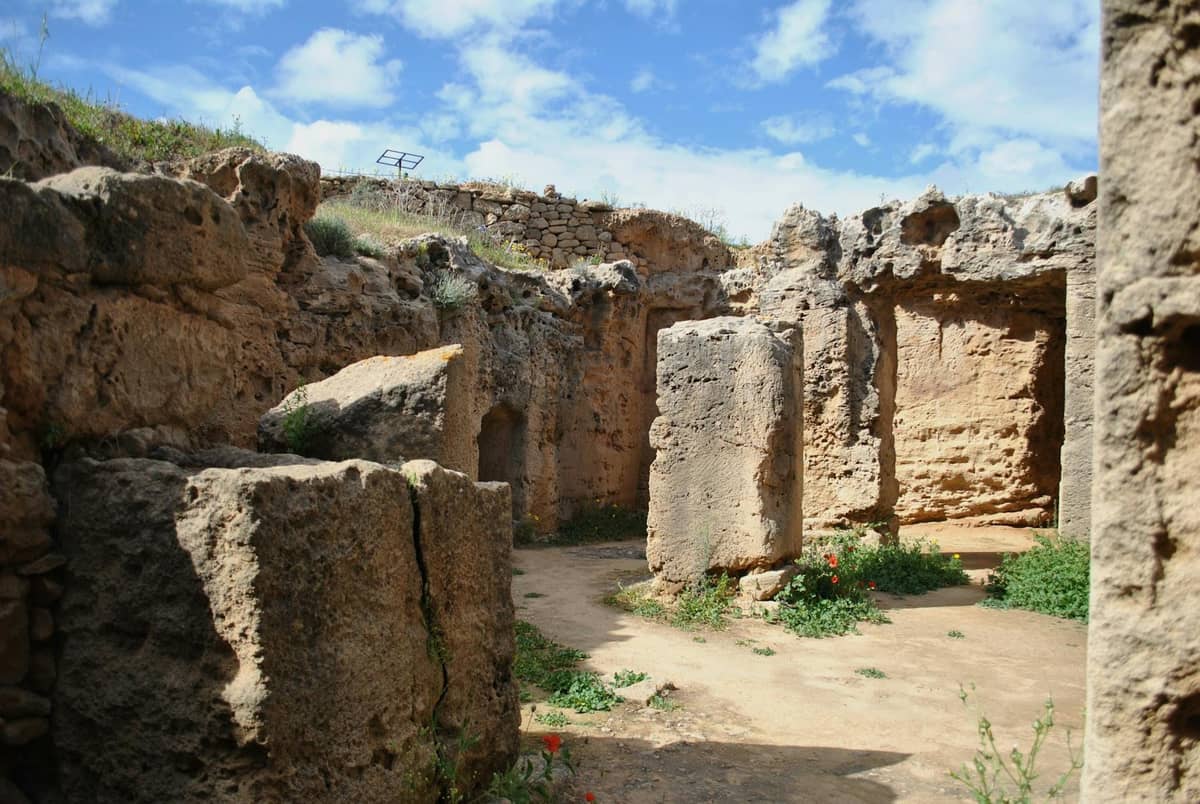
The history here is genuinely world-class. Malta's prehistoric temples, including Ħaġar Qim and the Mnajdra Temples, predate Stonehenge and the Egyptian pyramids by centuries. The Ħal Saflieni Hypogeum in Paola is a 5,500-year-old underground necropolis that genuinely has no equivalent in Europe. Access is strictly limited to 80 visitors per day, so book months in advance.
Beyond prehistory, the Knights of St John left behind Baroque fortifications and palaces that still define the skyline. Valletta's St John's Co-Cathedral contains two Caravaggio paintings and marble tombstones so densely carved they form a continuous mosaic across the floor. The fortified medieval city of Mdina, settled around 700 BC, sits on a ridge with views across most of the island. These are not minor curiosities — they are legitimate world-class sites.
- Diving and snorkelling Over 120 dive sites with water visibility often exceeding 30 metres. The Blue Hole in Gozo is one of Europe's top wall dives. Year-round water temperatures (16-27°C) make it practical in any season.
- English language ease English is an official language and universally spoken. Signs, menus, and transport apps all function in English. This makes Malta genuinely low-friction for first-time independent travellers.
- Compact size The entire main island of Malta is about 27 km long. A week is enough to cover the key sites without rushing. You can reach almost anywhere by public bus from €2 per journey.
- Food culture Maltese cuisine draws on Arab, Sicilian, and British influences. Pastizzi (flaky pastry filled with ricotta or mushy peas) cost around €0.30-0.50 each. Fresh fish at Marsaxlokk market on Sunday mornings is a serious highlight.
- Safety and practicality Malta consistently ranks among Europe's safest countries. Tap water is safe to drink. Healthcare is good. The emergency number is 112.
The Honest Drawbacks You Should Know About
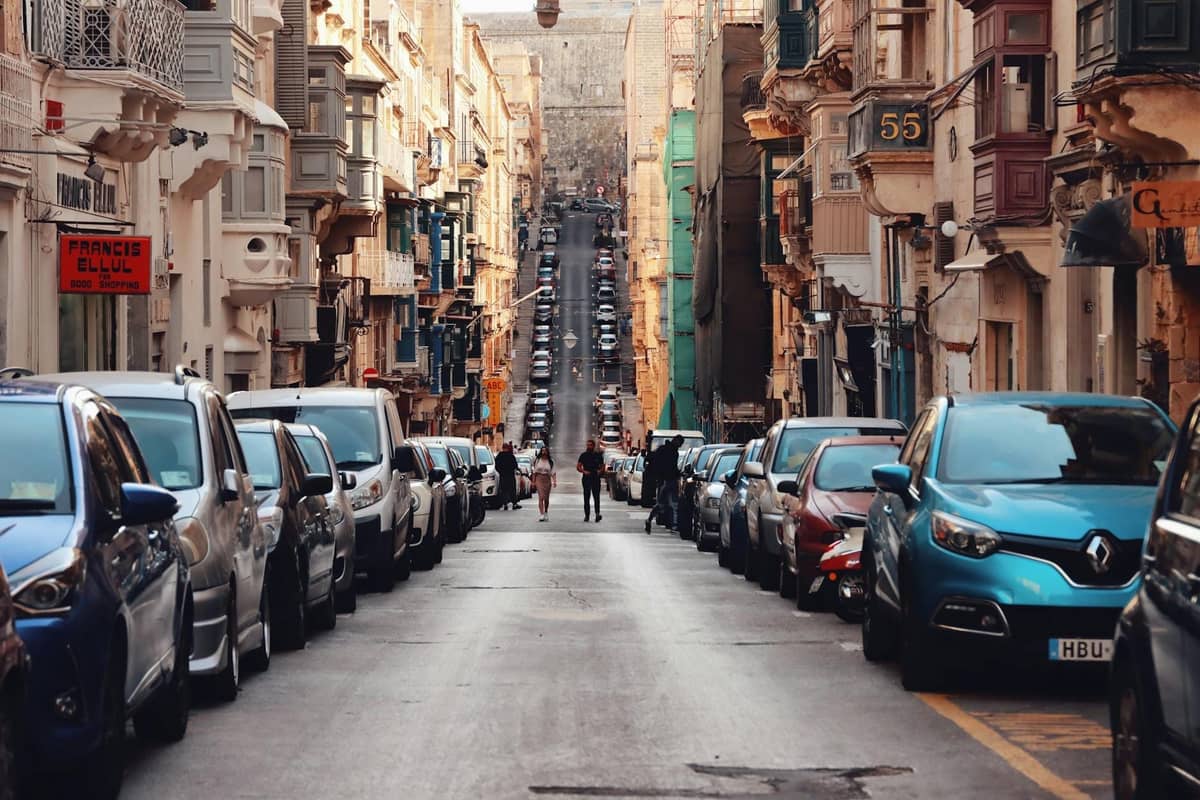
Summer in Malta (June through August) is brutal in two ways: heat and crowds. Temperatures regularly hit 32°C with high humidity, and the narrow streets of Valletta or Mdina can feel suffocating at midday. More significantly, accommodation prices spike, popular sites like the Blue Lagoon on Comino become genuinely unpleasant with day-tripper volume, and traffic on the main island grinds to a halt. Construction noise in tourist areas is also a recurring complaint from visitors who expected a serene Mediterranean escape.
The beach situation deserves an honest look. Malta has 82 beaches rated 'excellent' by EU water quality standards, and 12 Blue Flag beaches as of 2023. But the vast majority of coastline is rocky, and the sandy beaches are small relative to the demand placed on them in peak season. If you want long lazy beach days, you can find them, but you will need to time your visit carefully or accept crowds as part of the experience.
⚠️ What to skip
The Blue Lagoon on Comino is one of the most photographed spots in Malta, but in July and August it is overwhelmed with day-trippers. If you go in peak season, take the earliest possible boat and leave before noon. Off-season, it is genuinely beautiful and far more enjoyable.
Malta has become noticeably more expensive over the past five years. Mid-range hotel rooms in Valletta or Sliema run €100-200 per night in peak season. Restaurant meals in tourist areas are priced at Western European levels, though local bakeries and village cafes remain affordable. Budget travellers can still manage, but Malta is no longer the bargain it once was for European visitors.
- Overrated in peak season: the Blue Lagoon, Mdina at midday in July, any beach on a summer weekend
- Watch your belongings at busy beaches — petty theft from unattended bags does happen, though violent crime is rare
- Driving in Malta requires patience: roads are narrow, signage inconsistent, and local driving culture is assertive
- Some villages are virtually closed on Sundays except for church services — plan accordingly
- The bus system, while extensive, can be slow and unreliable in heavy traffic
When to Go: Seasons Ranked Honestly
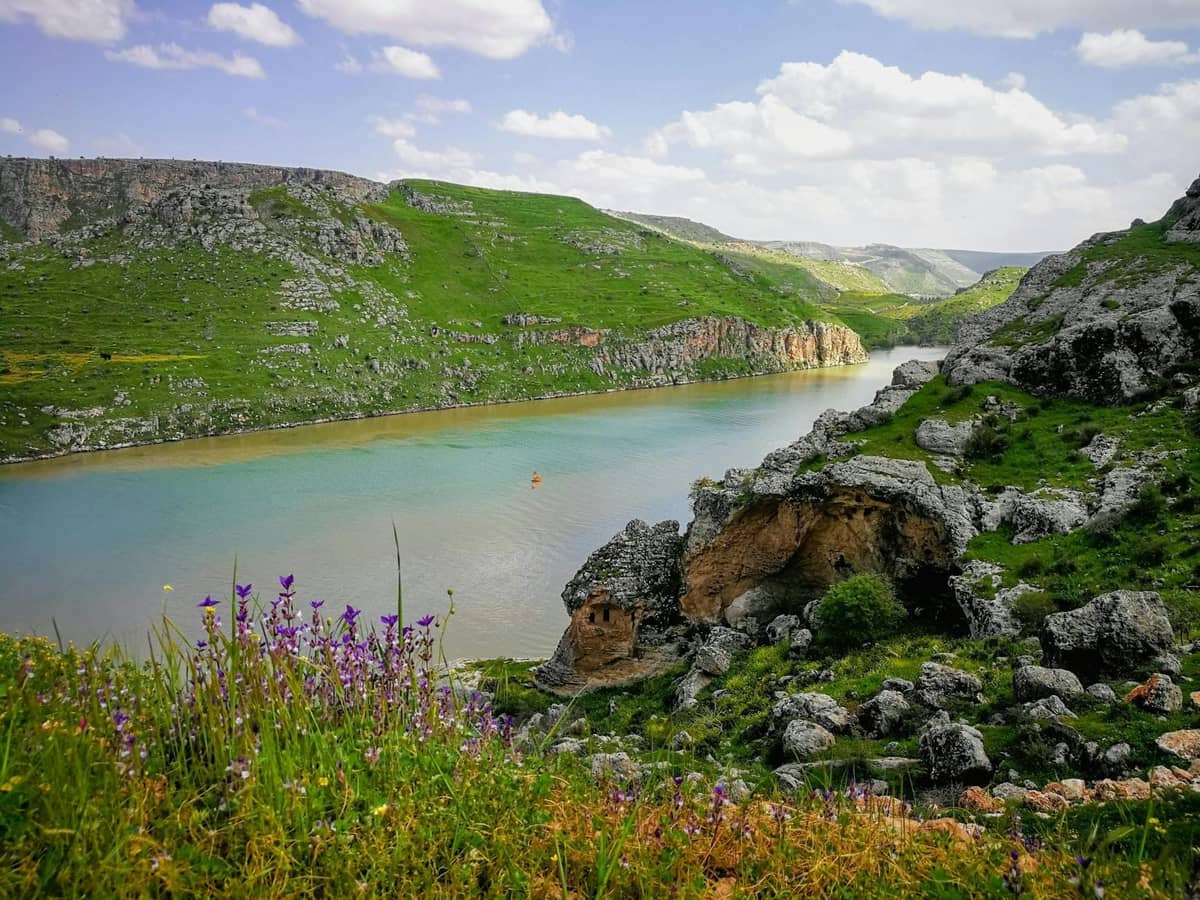
April through June is the best window for most visitors. Temperatures sit between 20-28°C, rainfall is low, and the island has not yet hit peak tourist season. Wildflowers are out in spring, making the countryside and cliff walks genuinely scenic. Hotel rates are lower than summer, and you can visit major sites without queuing for 45 minutes.
September and October are equally strong, and many experienced travellers prefer this period. The sea has warmed up all summer (reaching 26-27°C), so swimming and diving are at their best, while the worst of the heat has broken. October brings the occasional short storm, but nothing that disrupts a trip significantly.
Winter (December through February) brings temperatures of 12-16°C with regular rain, and some beach infrastructure closes entirely. But it is an underrated time for history-focused trips. Sites like the Grandmaster's Palace in Valletta and the Lascaris War Rooms are rarely crowded in January. Diving continues year-round, and Carnival in February adds genuine local colour.
✨ Pro tip
Malta gets around 300 sunny days per year, so even shoulder season delivers reliable good weather. The key variable is crowd levels, not sunshine. Plan around the tourist calendar, not just the weather forecast.
Who Malta Is Best Suited For
Malta works extremely well for history and archaeology enthusiasts, divers, couples looking for a short city-break with culture, and families who want a mix of activity and education. The English language environment makes it particularly accessible for UK, US, Australian, and Canadian visitors. EU and Schengen passport holders enter visa-free; US, Canadian, and Australian citizens can stay up to 90 days under Schengen rules without a visa.
For couples, the combination of Valletta's architecture, candlelit dinner options in the Three Cities, and boat trips to Gozo creates a genuinely romantic itinerary. The guide to Malta for couples covers specific recommendations. Families with children have more options than most expect: Popeye Village, the Malta National Aquarium, and interactive museum experiences at sites like Fort St Elmo work well with younger visitors.
Malta is less suited to travellers whose primary goal is long beach relaxation, backpackers on very tight budgets (there are cheaper Mediterranean alternatives), and anyone expecting the kind of unspoiled quiet that rural Greece or Croatia can offer. The islands are small, densely populated, and increasingly commercial in the main tourist corridors.
Practical Logistics: Getting There and Around
Malta International Airport (IATA: MLA) is located about 8 km from Valletta. Getting into the city is straightforward: the X1 express bus route costs €2 and takes 40-60 minutes depending on traffic. Taxis from official ranks run €20-30 and take 20-30 minutes. Bolt and Uber both operate in Malta and are generally cheaper than traditional taxis.
The public bus network covers the main island and connects to the Gozo ferry at Ċirkewwa. A single bus journey costs €2.50, and a 7-day unlimited pass is available if you plan to move around frequently. For more detail on navigating the islands, the getting around Malta guide covers buses, ferries, taxis, and car hire in full. Car hire gives you more flexibility but parking in Valletta and Mdina is genuinely difficult, and driving style takes getting used to.
💡 Local tip
Type G plugs (the same three-pin style used in the UK) are standard in Malta. Bring an adaptor if you are travelling from continental Europe or North America. Voltage is 230V. Tap water is safe to drink throughout the islands.
FAQ
Is Malta worth visiting for just 3-4 days?
Yes, a long weekend works if your focus is Valletta, Mdina, and one day trip. You will not see Gozo or Comino properly in that time, but the main island's highlights are compact enough to cover without rushing. A 7-day trip gives you the fuller picture.
Is Malta expensive compared to other Mediterranean destinations?
It sits roughly in the middle. More expensive than Greece or Croatia for accommodation in peak season, but cheaper than Italy or France. Budget around €80-120 per day for mid-range travel including accommodation, meals, and transport. Street food and local bakeries keep food costs low if you use them.
Is Malta safe for solo travellers and women travelling alone?
Yes. Malta consistently ranks among Europe's safer countries. Violent crime is rare. The main risks are petty theft at crowded beaches and the occasional aggressive tout near tourist sites. Normal urban awareness applies, but solo travel is not considered risky here.
Do I need to speak Maltese or any other language to visit?
No. English is a co-official language and is spoken everywhere: shops, restaurants, transport, government services. You will encounter zero language barrier as an English speaker. Italian is useful on Gozo but not necessary.
What is overrated about Malta that most travel guides do not mention?
The Blue Lagoon in summer is overrated due to crowds. The famous fishing village of Marsaxlokk is worth visiting on Sunday for the fish market, but the rest of the week it is much quieter and less scenic than photos suggest. Some popular viewpoints in Valletta are lined with souvenir stalls that detract from the experience. Going slightly off the main tourist trail, even by a few streets, consistently improves the experience.