The Knights of Malta: History Trail & Key Sites
The Knights of Malta left an indelible mark on this archipelago across more than two centuries of rule. This guide traces their history through the fortresses, cathedrals, and palaces they built, with practical advice on visiting each key site today.
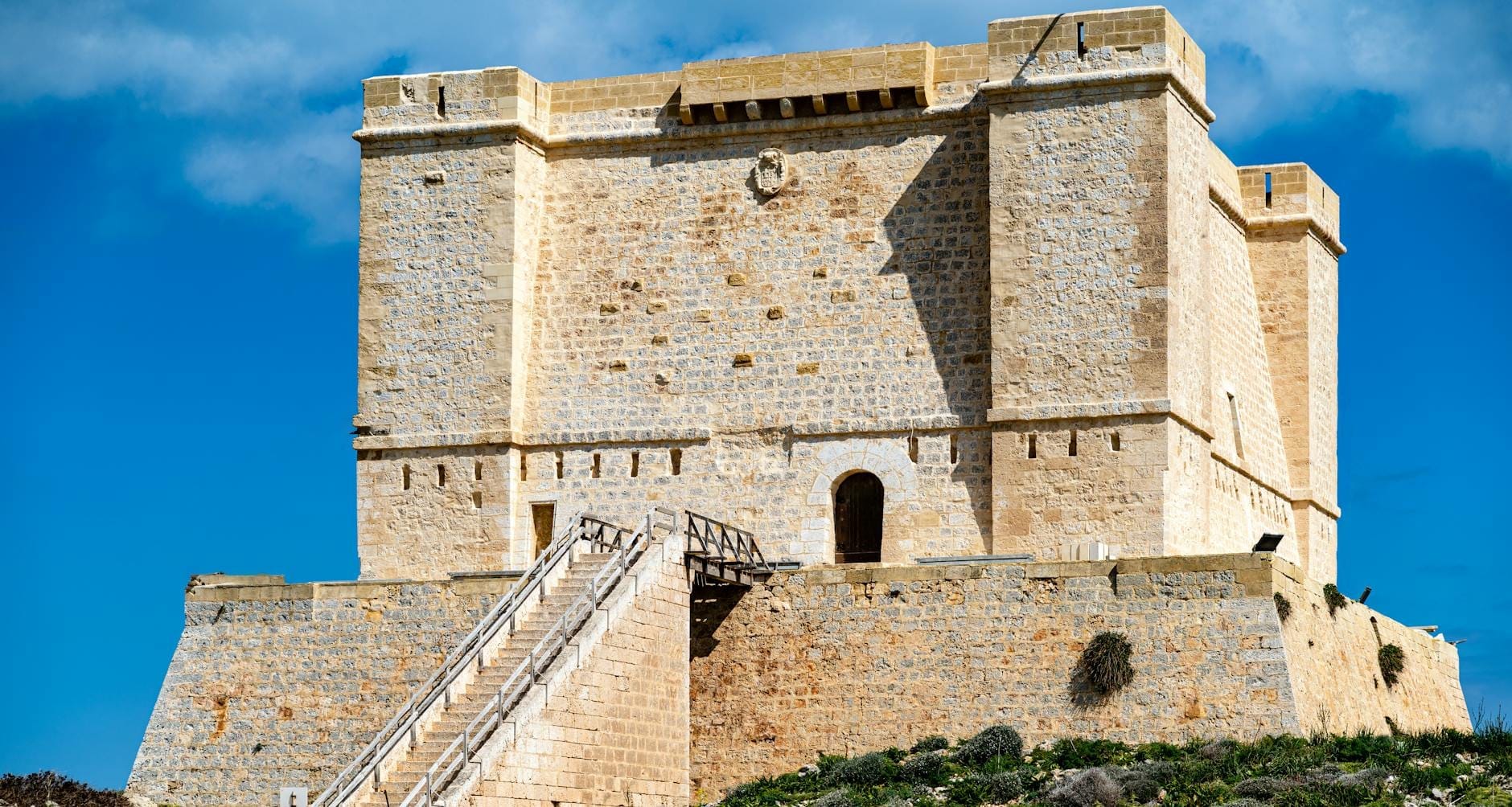
Plan and book this trip
Tools from our partner Travelpayouts help you compare flights and hotels. If you book through them, we may earn a commission at no extra cost to you.
Flights
Hotels map
TL;DR
- The Knights of Malta (formally the Sovereign Military Order of Malta, originally the Knights Hospitaller) ruled the Maltese archipelago from 1530 to 1798, shaping nearly every major monument in Valletta.
- The best concentration of Knights-era sites is in Valletta, which the Knights founded in 1566 following the Great Siege of 1565.
- Top sites include the Grandmaster's Palace, St. John's Co-Cathedral, Fort St. Elmo, and Fort St. Angelo, most of which charge between €5 and €15 admission.
- The Order still exists today as a recognized sovereign entity under international law, distinct from the modern Republic of Malta.
- For the best experience, pair this trail with a 3-day Malta itinerary that allows time for each site without rushing.
Who Were the Knights of Malta? A Brief History
The Order traces its roots to Jerusalem in the 11th century, where merchants from Amalfi founded a hospital to care for Christian pilgrims, regardless of their faith or origin. After the First Crusade (1099), this charitable brotherhood was militarized and became the Knights Hospitaller, one of the most powerful military orders in medieval Christendom. They held Rhodes from 1310 until 1522, when Ottoman forces under Suleiman the Magnificent expelled them after a prolonged siege.
Holy Roman Emperor Charles V offered the Knights the Maltese islands as a permanent base in 1530, in exchange for the annual tribute of a single Maltese falcon. The Order accepted reluctantly: Malta was rocky, largely barren, and strategically exposed. But the Knights transformed it. Under successive Grandmasters, they fortified harbors, constructed hospitals, built an entire new capital city, and turned Malta into one of the most formidable defensive positions in the Mediterranean. Their 268-year tenure ended in 1798 when Napoleon Bonaparte took the islands without firing a single shot, thanks largely to internal betrayal.
ℹ️ Good to know
The Order did not dissolve after losing Malta. The Sovereign Military Order of Malta continues to operate today from Rome as a recognized sovereign entity under international law, with diplomatic relations with over 110 countries. It is not the same institution as the modern Maltese government.
Valletta: The City the Knights Built
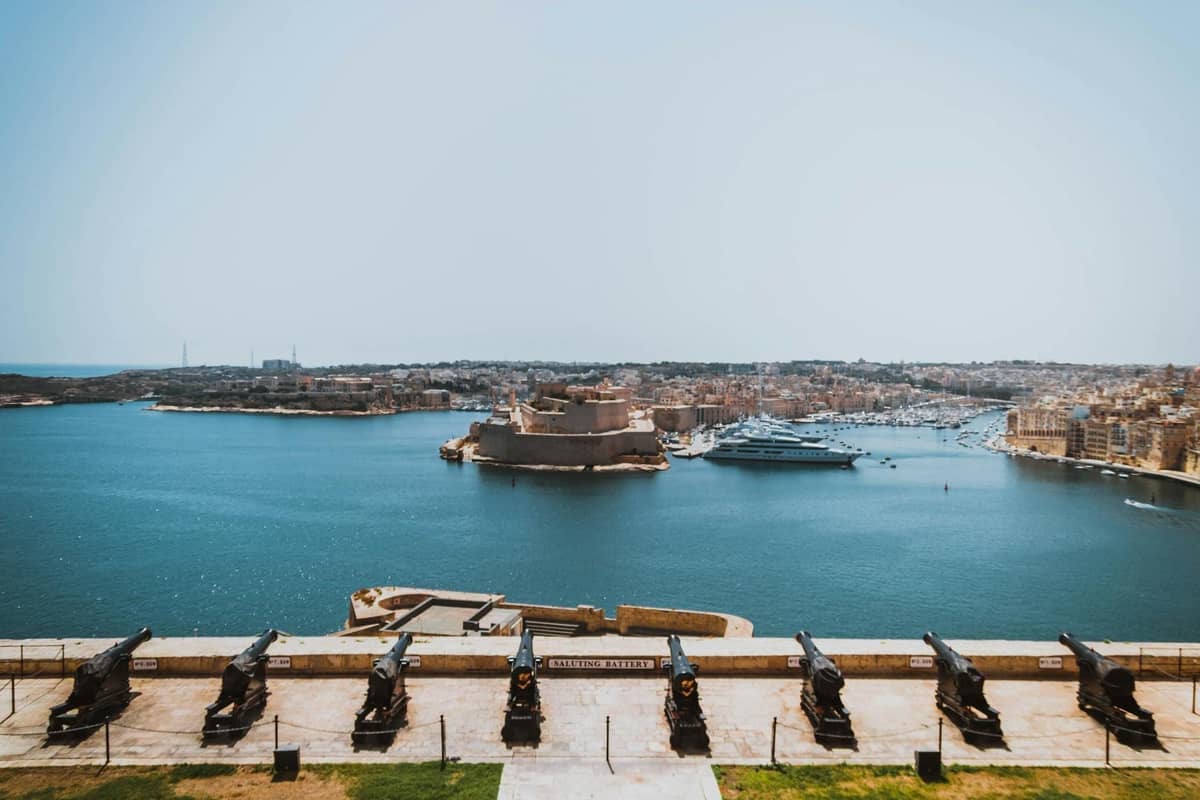
Valletta was founded in 1566 by Grandmaster Jean de la Valette, the hero of the Great Siege of 1565. The entire city was planned on a grid layout by military architect Francesco Laparelli (a pupil of Michelangelo), making it one of the earliest examples of planned urban design in Europe. UNESCO recognized the city as a World Heritage Site in 1980. Almost every major building you see in Valletta today has Knights-era origins, which makes the capital the single best starting point for any history trail.
A full day in Valletta is the minimum to do justice to the main sites. The city is compact (less than 1 square kilometer), so all key attractions are walkable, though the streets slope steeply toward the bastions. Start at City Gate in the morning before tour groups arrive, and work your way through the interior toward Fort St. Elmo at the peninsula's tip.
The Key Sites: What to See and What to Expect
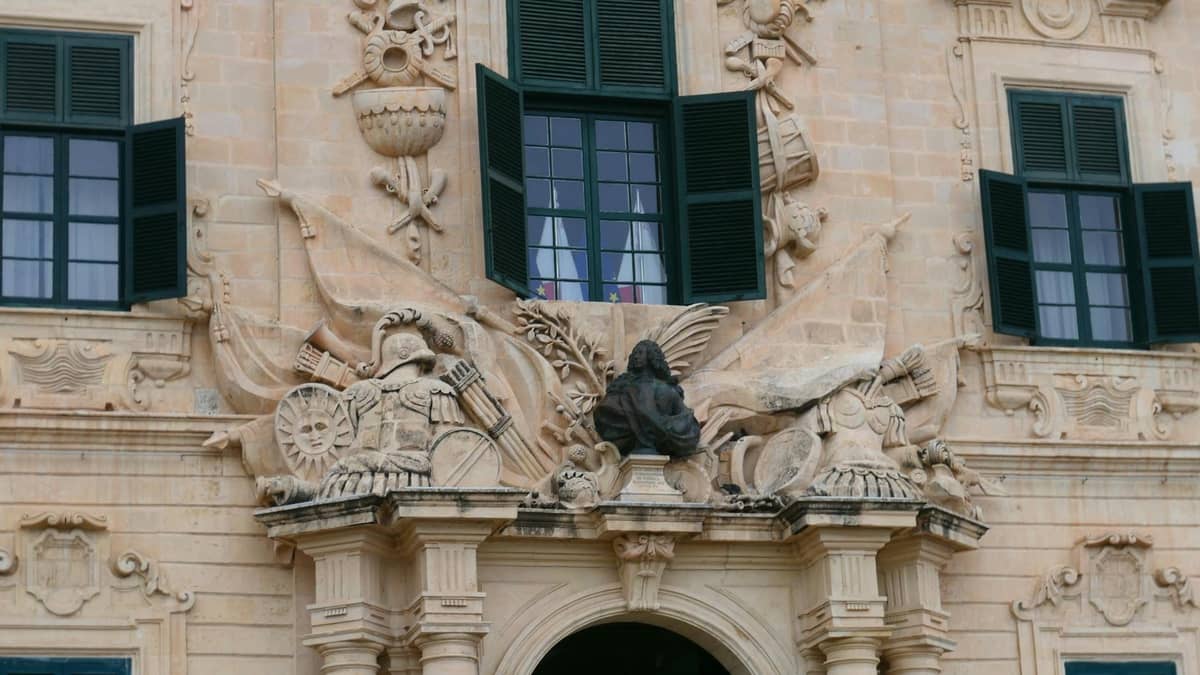
The Grandmaster's Palace is the most direct link to the Order's political power. The Knights established it as their administrative headquarters in 1571, and it remained the seat of government until 1798. The State Rooms house the celebrated Great Siege Frescoes, a series of paintings by Matteo Perez d'Aleccio commissioned in the 1570s that document the 1565 siege in cinematic detail. The adjacent Armoury holds one of Europe's finest collections of 16th and 17th century armor, including full suits made for specific Grandmasters. Admission to the Armoury is separate from the State Rooms; expect to spend 60 to 90 minutes total.
No site better illustrates the Knights' wealth and ambition than St. John's Co-Cathedral. Built between 1573 and 1578 as the Order's conventual church, its exterior is deliberately austere, a military facade that gives nothing away. The interior, however, is one of the most ornate Baroque spaces in the world: every inch of the nave walls is carved in high relief, each side chapel belongs to a different langue (national grouping) of the Order, and the entire floor is paved with the marble tombstones of Knights. The Oratory houses Caravaggio's 'The Beheading of Saint John the Baptist' (1608), the only painting he ever signed. Arrive at opening time (generally 9:30am, though verify current hours) to avoid tour groups. Modest dress is required: shoulders and knees must be covered.
Fort St. ElmoFort St. Elmo stands at the tip of Valletta's peninsula and holds the bloodiest chapter in Maltese history. During the Great Siege of 1565, the Knights held this fort for 31 days against an overwhelming Ottoman force before it fell, buying enough time for relief to arrive. The fort now houses the National War Museum and offers sweeping views across both the Grand Harbour and Marsamxett Harbour. It is less polished than the Cathedral or Palace, which is part of its appeal: you can still feel the scale of what happened here.
- Grandmaster's Palace (Valletta) The Knights' seat of government from 1571 to 1798. State Rooms and Armoury open to the public. Home to the Great Siege Frescoes and a world-class collection of Knights Hospitaller armor.
- St. John's Co-Cathedral (Valletta) The Order's conventual church, built 1573-1578. Baroque interior of extraordinary richness. Houses Caravaggio's 'The Beheading of Saint John the Baptist.' Each chapel represents a national langue of the Order.
- Fort St. Elmo (Valletta) Site of the most dramatic episode in the Great Siege of 1565. Now the National War Museum. Essential for understanding the military context of the Knights' rule.
- Fort St. Angelo (Birgu) The Knights' original headquarters before Valletta was built. Sits across the Grand Harbour in the Three Cities. Partially open to visitors with archaeological layers spanning Phoenician to British periods.
- Verdala Palace (Buskett) Built in 1586 by Grandmaster Hugues Loubenx de Verdalle as a summer retreat. Located within the Buskett Gardens woodland. Not always open to the public; check current access before visiting.
💡 Local tip
Buy a combined ticket if available at the Grandmaster's Palace, as entry to both the State Rooms and Armoury together saves money compared to individual admissions. Prices fluctuate seasonally; budget around €10-15 per site for most major attractions.
Beyond Valletta: The Three Cities and Birgu
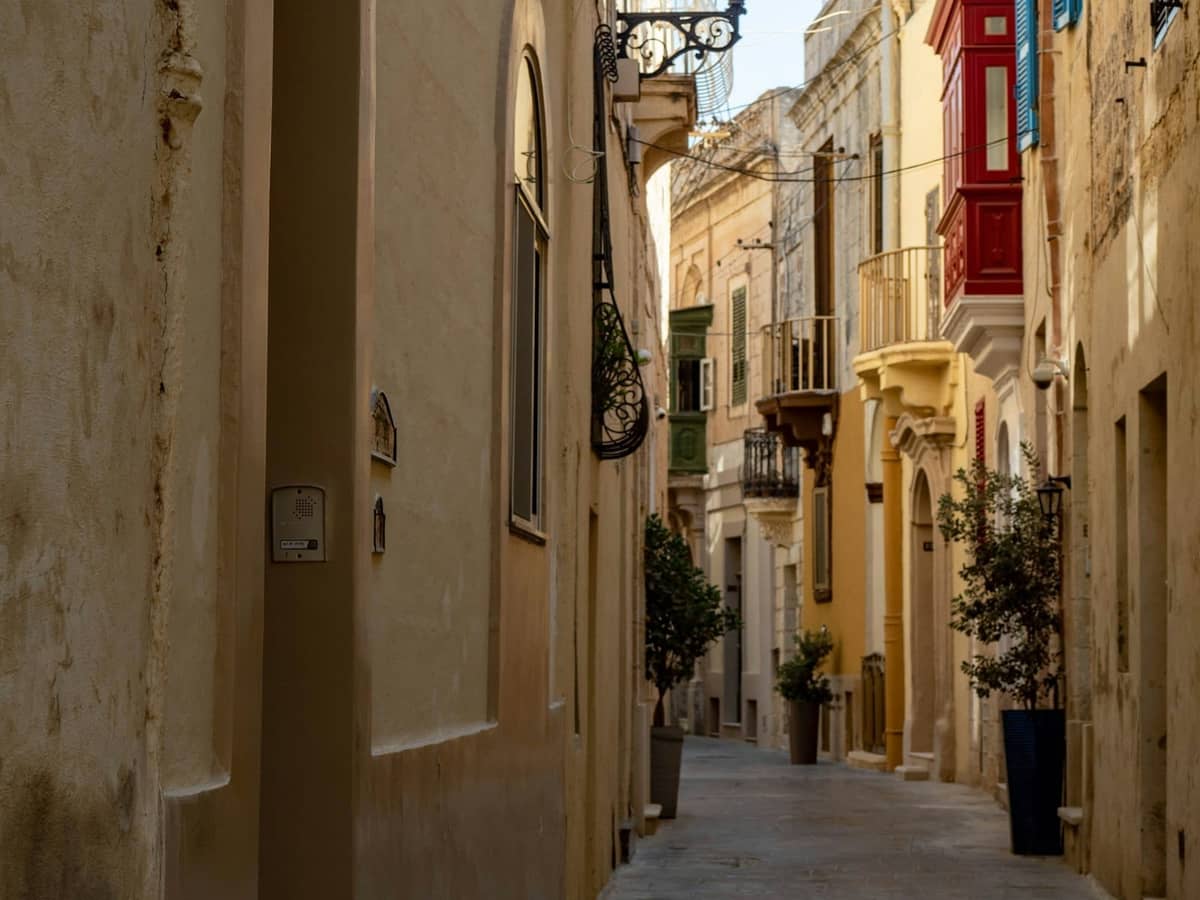
Before Valletta existed, the Knights operated from Birgu (now called Vittoriosa), one of the Three Cities across the Grand Harbour. Birgu is where the Order first established itself after arriving in 1530, and it retains a more intimate, less touristed atmosphere than Valletta. The streets are narrow enough that two people can barely pass, and the sense of medieval scale is more tangible here than anywhere else in Malta.
Fort St. Angelo anchors the Birgu waterfront and served as the Order's military command center throughout the Great Siege. The Fort St. Angelo has been partially restored and opened to visitors in recent years, with Heritage Malta managing access. The site layers Phoenician, Roman, Norman, Aragonese, and Knights-era construction, making it one of the most historically complex sites in the archipelago. The Inquisitor's Palace in Birgu is also worth including: it is the only surviving Inquisitor's Palace in the world open to visitors, and while the Inquisition operated separately from the Knights, the two institutions coexisted in the same city for centuries.
Planning Your Knights History Trail: Practical Logistics
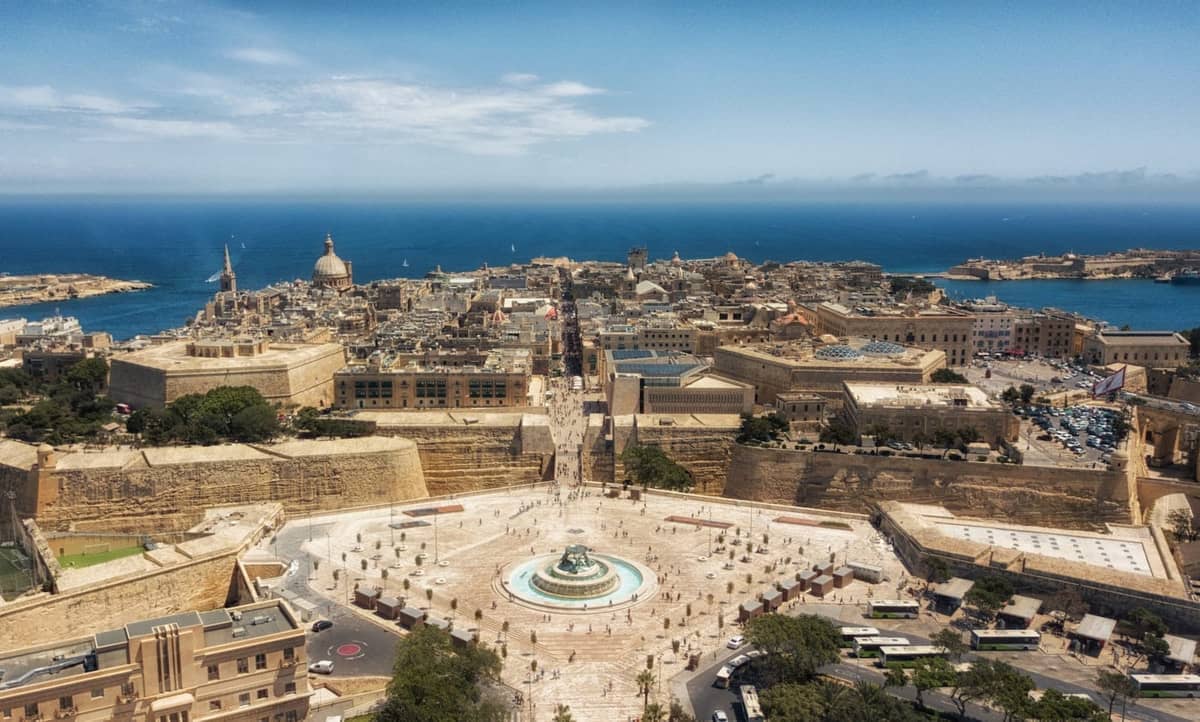
The main sites divide naturally into two geographic clusters: Valletta (the Grandmaster's Palace, St. John's Co-Cathedral, Fort St. Elmo, and the Lascaris War Rooms) and the Three Cities across the harbour (Fort St. Angelo, the Inquisitor's Palace, and the Maritime Museum in Birgu). Most visitors tackle Valletta first, then cross by ferry or taxi to the Three Cities. The Grand Harbour ferry from Valletta to Birgu takes about 5 minutes and runs regularly during daylight hours, making it far preferable to driving around the harbour.
Two full days is the realistic minimum to cover both clusters without rushing. Spring (April to June) and autumn (September to October) are the best windows: temperatures sit between 20 and 28 degrees Celsius, crowds are manageable, and sites are fully operational. Summer brings intense heat and peak tourist volumes; the Grandmaster's Palace in particular can feel overwhelmed by large tour groups between 10am and 2pm in July and August. Arrive at opening time or after 3pm to avoid the worst congestion.
⚠️ What to skip
Verdala Palace in the Buskett Gardens is not reliably open to independent visitors. It functions as an official government residence and opens to the public only during specific events or organized tours. Do not build a trip around it without confirming access in advance through Heritage Malta or the official Malta Tourism Authority.
- Wear comfortable shoes: Valletta's streets slope significantly, and cobblestones are uneven.
- Carry water in summer; temperatures inside stone buildings can be deceptive.
- Book St. John's Co-Cathedral in advance during peak season to guarantee entry with a specific time slot.
- The Grand Harbour ferry from Valletta's Lower Barrakka Gardens area to Birgu is inexpensive and the most atmospheric way to arrive at the Three Cities.
- Audio guides at the Grandmaster's Palace and St. John's Co-Cathedral add significant depth and are worth the extra cost.
- Church visits across Malta require covered shoulders and knees; keep a light scarf in your bag.
Context and Common Misconceptions
The Knights of Malta are frequently mythologized in ways that obscure the actual history. They were not exclusively Maltese: the Order was organized into national langues (tongues) representing different European kingdoms, including France, Spain, Portugal, England, Germany, Italy, Aragon, and Auvergne. Maltese knights existed but were a small proportion of the whole. The Order's leadership and administrative culture was predominantly French and Southern European.
The Order also ruled Malta with a sometimes heavy hand. The local Maltese population paid taxes, provided labor for fortification projects, and had limited political representation under the Grandmasters. The relationship between the Knights and the Maltese people was complex and not uniformly positive. For a fuller picture of Maltese identity across different eras, the Hal Saflieni Hypogeum and the Hagar Qim Temples place the Knights in perspective: Malta was already home to one of the world's oldest civilizations thousands of years before the Order arrived.
The Order's departure in 1798 was less heroic than its arrival. When Napoleon arrived with 500 ships and 30,000 soldiers, the Knights surrendered after only two days of resistance. Many historians attribute this to internal corruption and the fact that French knights refused to fight against French forces. Napoleon expelled the Order from Malta within weeks, and the islands passed eventually to British control in 1800. The Sovereign Military Order of Malta relocated to Rome, where it has operated ever since from the Villa del Priorato di Malta on the Aventine Hill, a property the Order has held since 1312.
FAQ
Are the Knights of Malta still active today?
Yes. The Sovereign Military Order of Malta continues to operate from Rome as a recognized sovereign entity under international law, with diplomatic relations with over 110 countries. It focuses on humanitarian and medical work worldwide. It is entirely separate from the modern Republic of Malta.
How long does it take to visit the main Knights of Malta sites?
Budget at least two full days: one for the Valletta cluster (Grandmaster's Palace, St. John's Co-Cathedral, Fort St. Elmo) and one for the Three Cities (Fort St. Angelo, Inquisitor's Palace in Birgu). If you want to include Verdala Palace, confirm public access before planning around it.
What is the best time of year to visit the Knights history sites?
April to June and September to October offer the best combination of comfortable temperatures (20-28°C), fewer tour groups, and full site access. July and August are the peak months when sites like St. John's Co-Cathedral and the Grandmaster's Palace see the heaviest visitor volumes, particularly between 10am and 2pm.
Do I need to book tickets in advance for the Knights sites?
For St. John's Co-Cathedral, advance booking is strongly recommended during summer and around Maltese public holidays. The Grandmaster's Palace and Fort St. Elmo generally allow walk-in entry, though this can change during peak periods. Check Heritage Malta's official website for current ticket pricing and any pre-booking requirements.
Were the Knights of Malta the same as the Knights Templar?
No. The Knights Hospitaller (later Knights of Malta) and the Knights Templar were separate medieval military orders. After the Templars were dissolved by Pope Clement V in 1312, some of their assets, including the Villa del Priorato di Malta in Rome, were transferred to the Knights Hospitaller. The two orders had overlapping timelines but distinct structures, missions, and fates.