Gozo is the quieter, greener counterpart to Malta's main island, offering Neolithic temples, dramatic sea cliffs, clear-water bays, and a pace of life that feels deliberately unhurried. At 67 km² it is small enough to cross in an afternoon yet layered enough to reward a week. Whether you come for a day trip or settle in for several nights, Gozo operates on its own terms.
Gozo sits roughly 6 km northwest of Malta across the Gozo Channel, and the short ferry crossing marks a genuine shift in character: the landscape opens into rolling fields, honey-coloured villages, and cliffs that drop straight into the Mediterranean. It is the second-largest island in the Maltese archipelago, quieter and more rural than its neighbour, and proud of it.
Orientation
Gozo is an oval-shaped island measuring about 14 km long by 7 km wide, covering 67 km². The island lies at approximately 36°03′N, 14°15′E, separated from northern Malta by the Gozo Channel. Its highest point, Ta' Dbiegi, rises to around 190 m, and the terrain is noticeably hillier and more fertile than the main island. Unlike Malta's urban sprawl, Gozo is organised around a network of self-contained villages, each with its own parish church dominating the skyline.
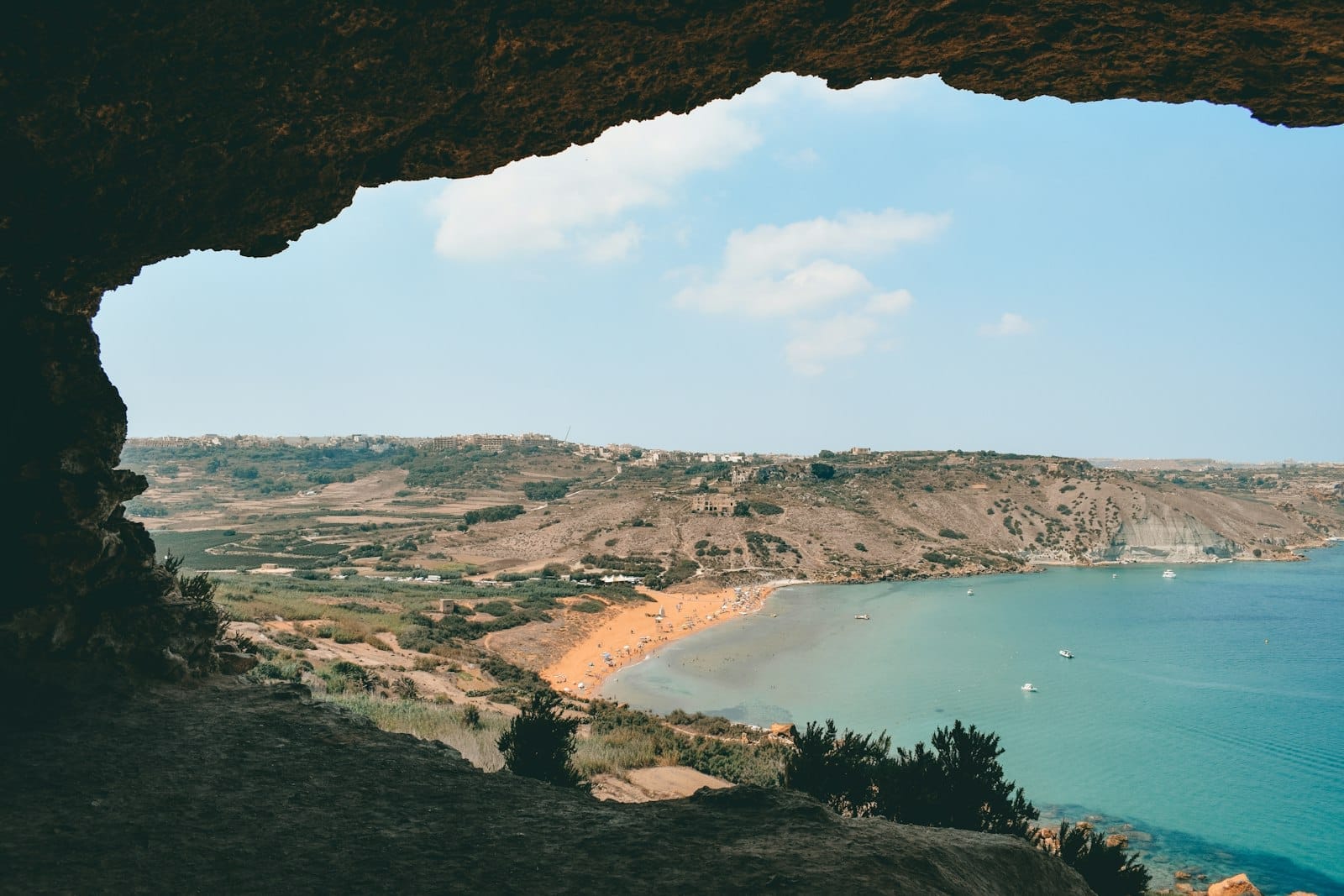
Victoria, known locally as Rabat, is the island's capital and sits roughly at the geographic centre. Almost every bus route on the island radiates from Victoria's bus terminus, making it the natural hub for getting around. The ferry port at Mġarr is on the southeastern tip of the island, about 6 km from Victoria by road. The northern coast, including the Calypso Cave viewpoint above Ramla Bay, and the western headlands around Dwejra, are the island's most photogenic stretches. The south and east are more densely settled, with villages like Xewkija and Munxar offering a more workaday Gozitan atmosphere.
For travellers already familiar with Malta, it helps to think of Gozo as sitting in the opposite corner from the Three Cities and Valletta. If you are based in Sliema or St Julian's, reaching the Ċirkewwa ferry terminal on Malta's northern tip takes around 45 minutes by bus or car. From Valletta it is a similar journey. Gozo then rewards a minimum of one full day, though two or three nights is what actually lets the island settle in.
Character & Atmosphere
Gozo earns its reputation as the slower island. The villages wake up early: by 7 am, bakers in places like Nadur and Xagħra have their ovens running, and the smell of fresh ftira bread carries into the street. The main road through Victoria fills with school traffic and delivery vans, then quietens dramatically after 9 am as the village day settles into its rhythm. There is none of the continuous background hum you get along the Sliema promenade.
Midday in summer brings a near-complete stillness to the interior. The limestone buildings absorb the heat, shutters go down, and the only movement is in the shade of the village square. This is when the coastal areas come into their own: the bays fill with swimmers and the occasional dive boat, and waterfront cafés in places like Xlendi and Marsalforn do their busiest trade. The light in the late afternoon is extraordinary, particularly at Dwejra where the inland sea and the cliffs catch a warm amber tone that photographers plan entire trips around.
After dark, Gozo is genuinely quiet by Mediterranean standards. Victoria has a handful of wine bars and restaurants around Republic Street and the market area that stay lively until midnight on weekends, and Marsalforn has a small strip of bars popular with younger visitors and divers. But there is no nightlife district comparable to Paceville on Malta. If you want to be in bed by 10 pm with the windows open to cricket sounds and cool air, Gozo will not disappoint you. If you need three floors of music, it is the wrong island.
ℹ️ Good to know
Gozo observes the feast days of its individual parish churches with considerable enthusiasm. Village festas involve brass bands, fireworks, and decorated streets that can make sleeping difficult. Check the local calendar before booking accommodation in a village during July or August.
What to See & Do
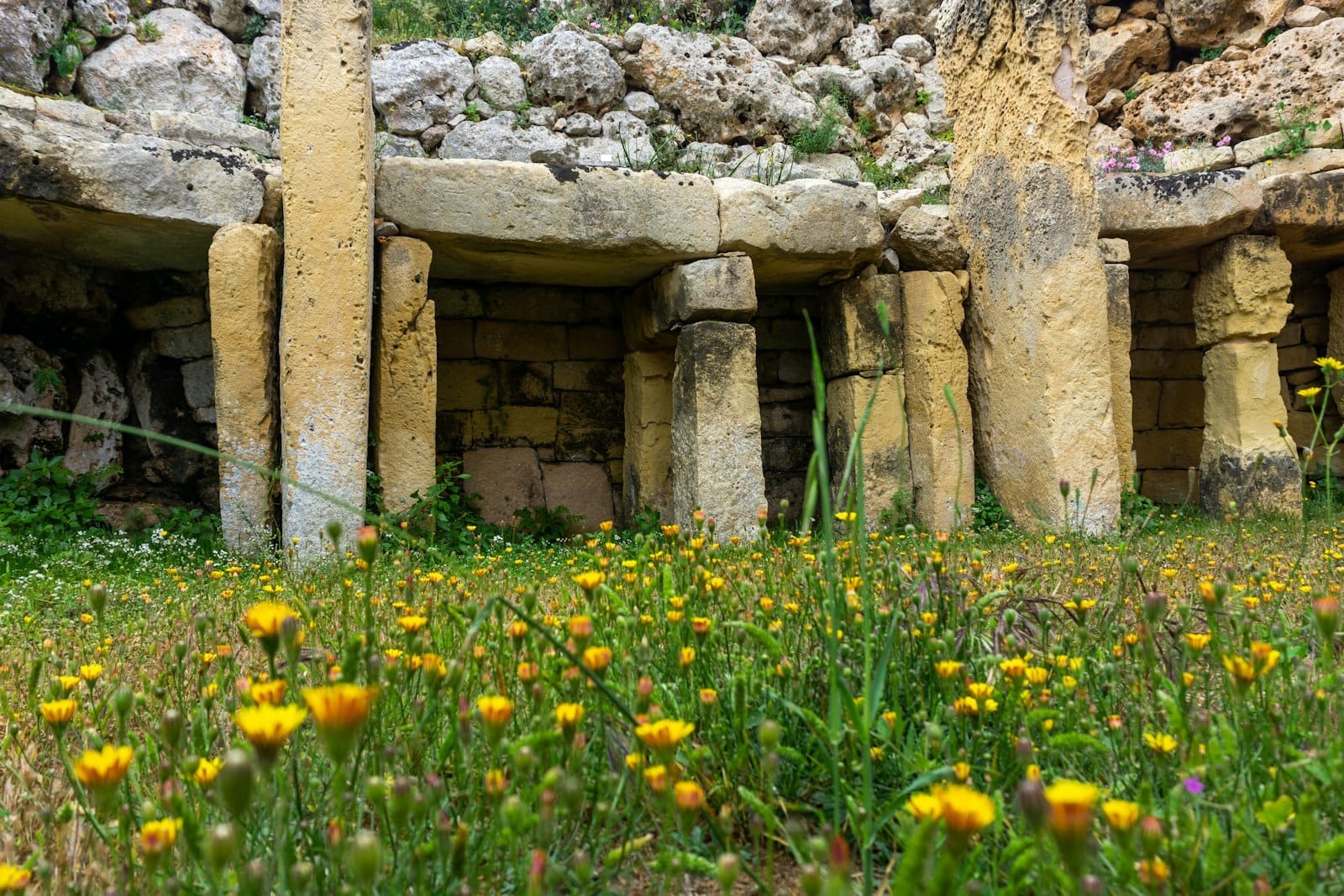
The anchor attraction is the Ġgantija Temples near the village of Xagħra. Dating to approximately 3600–3200 BC, these are among the oldest free-standing structures in the world, predating both Stonehenge and the Egyptian pyramids. The site is compact but genuinely impressive in scale: the stones are massive, and standing inside the southern temple you get a palpable sense of the effort involved in their construction. Allow at least 90 minutes including the small adjacent museum, which contextualises the finds well.
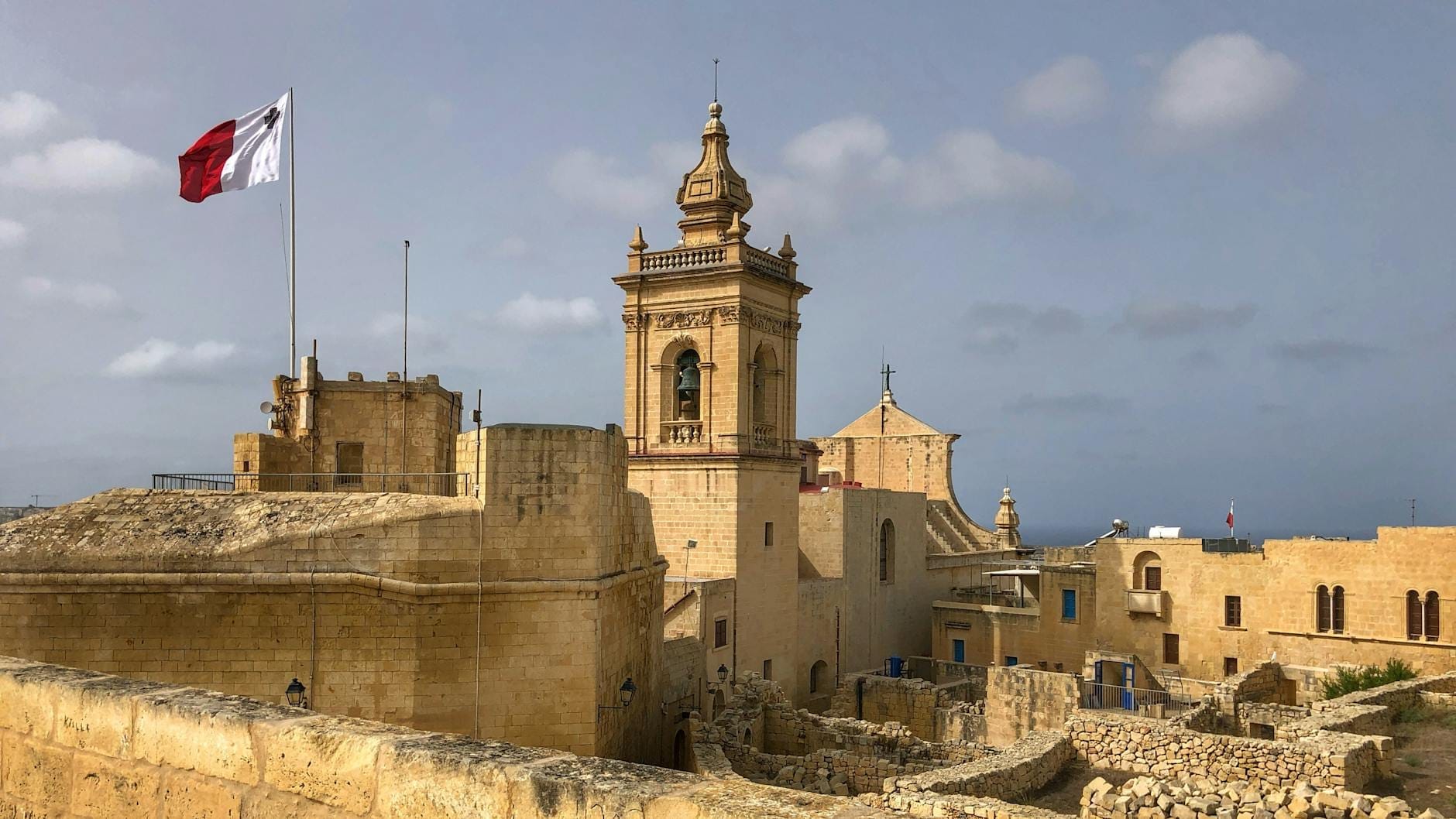
Victoria's medieval citadel, the Citadella, sits on a high promontory above the capital and is visible from most of the island. The fortified walls enclose a cathedral, several small museums covering natural history, archaeology, and folklore, and a network of narrow streets that were once home to the entire island population during periods of Ottoman raids. The views from the bastions sweep across Gozo in all directions. Budget two hours minimum. For a deeper look at Gozo's history, the Citadella in Victoria remains the most rewarding single site on the island.
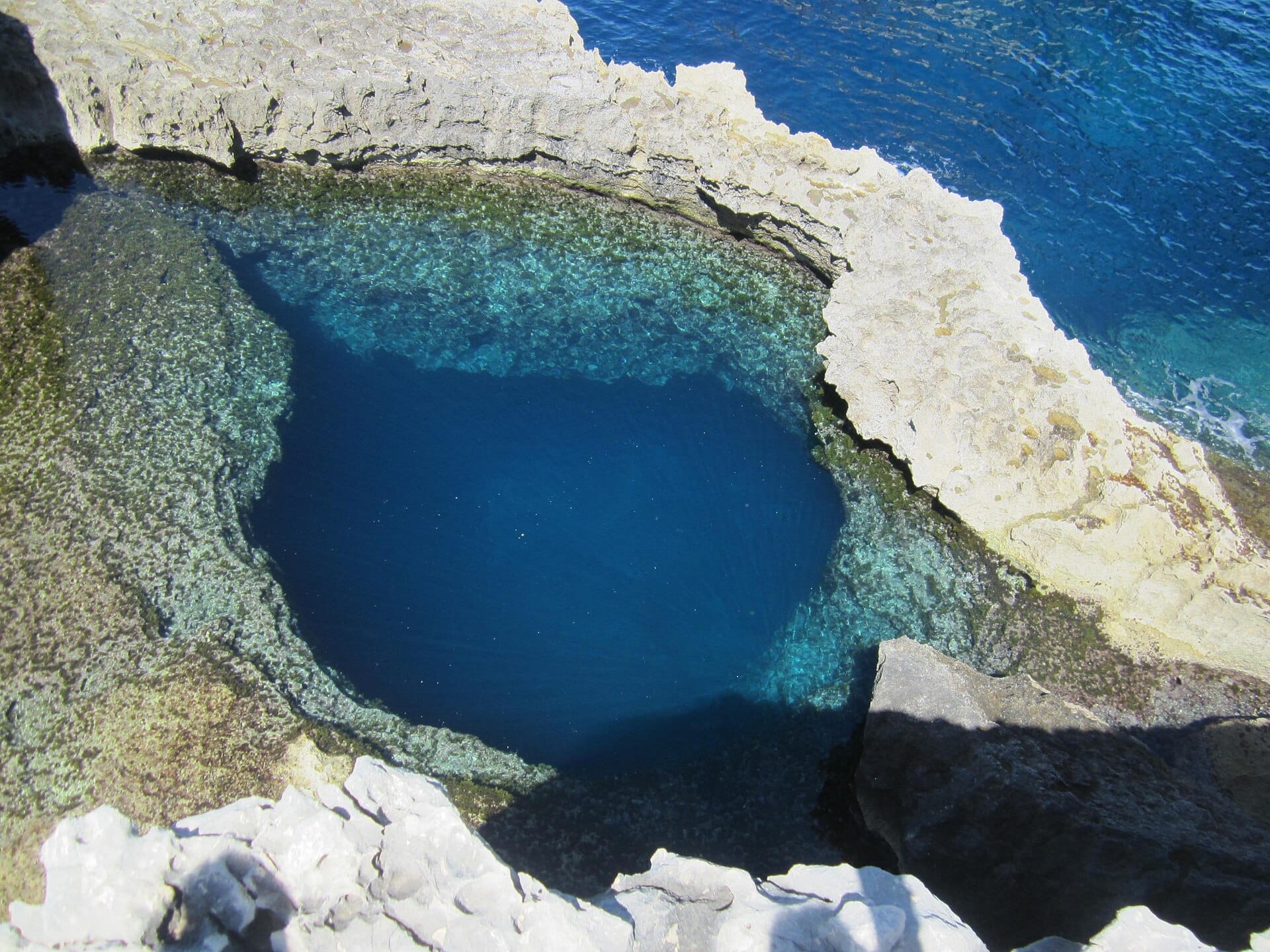
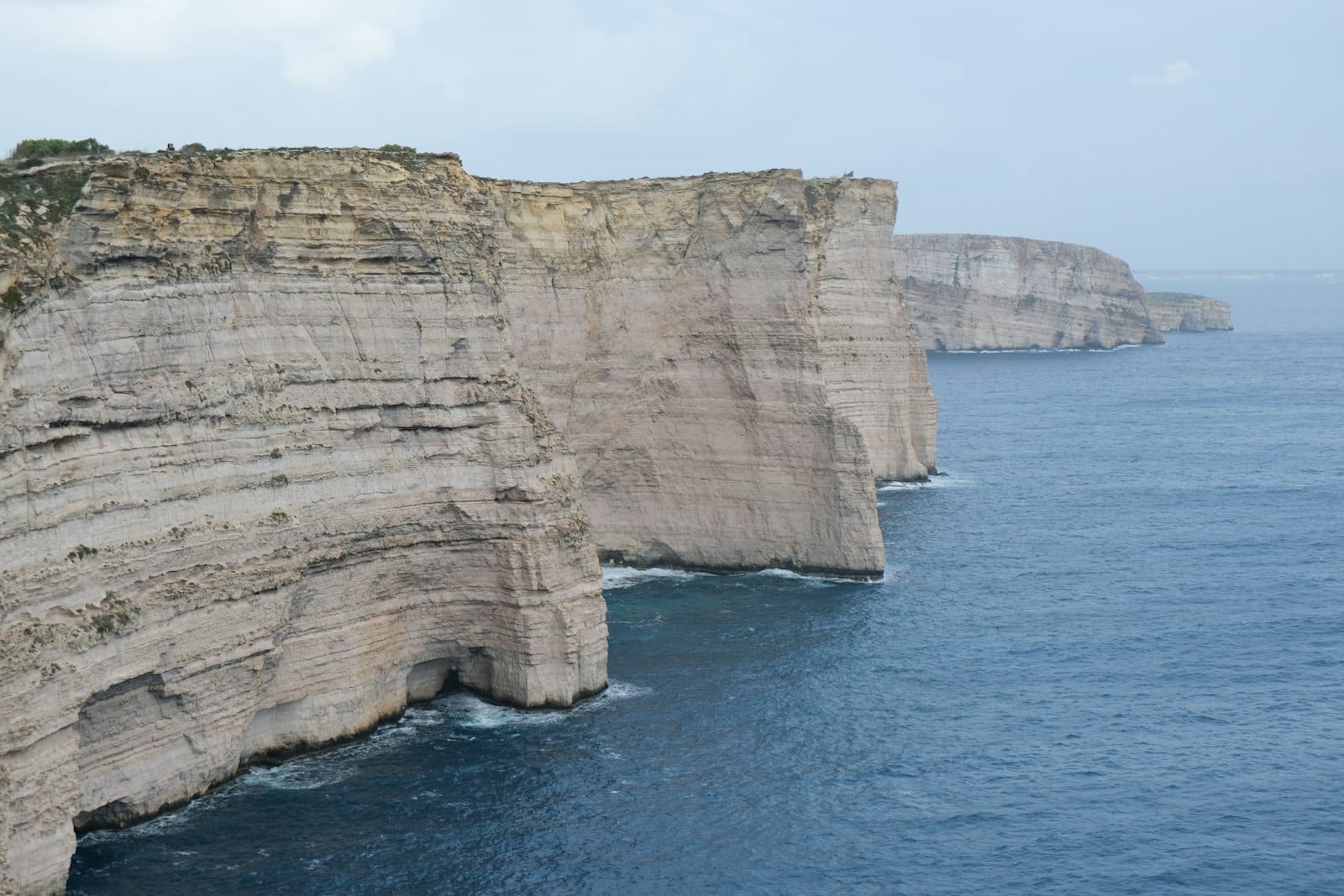
On the western coast, the Dwejra area is defined by dramatic geology: the inland sea, a tidal lagoon connected to the open Mediterranean through a rock arch, and the Dwejra Blue Hole, one of Malta's premier dive sites. The Azure Window rock arch that once defined this coastline collapsed in 2017, but the area remains visually striking and geologically fascinating. The Dwejra Blue Hole draws divers from across Europe for its wall diving and underwater cave systems.
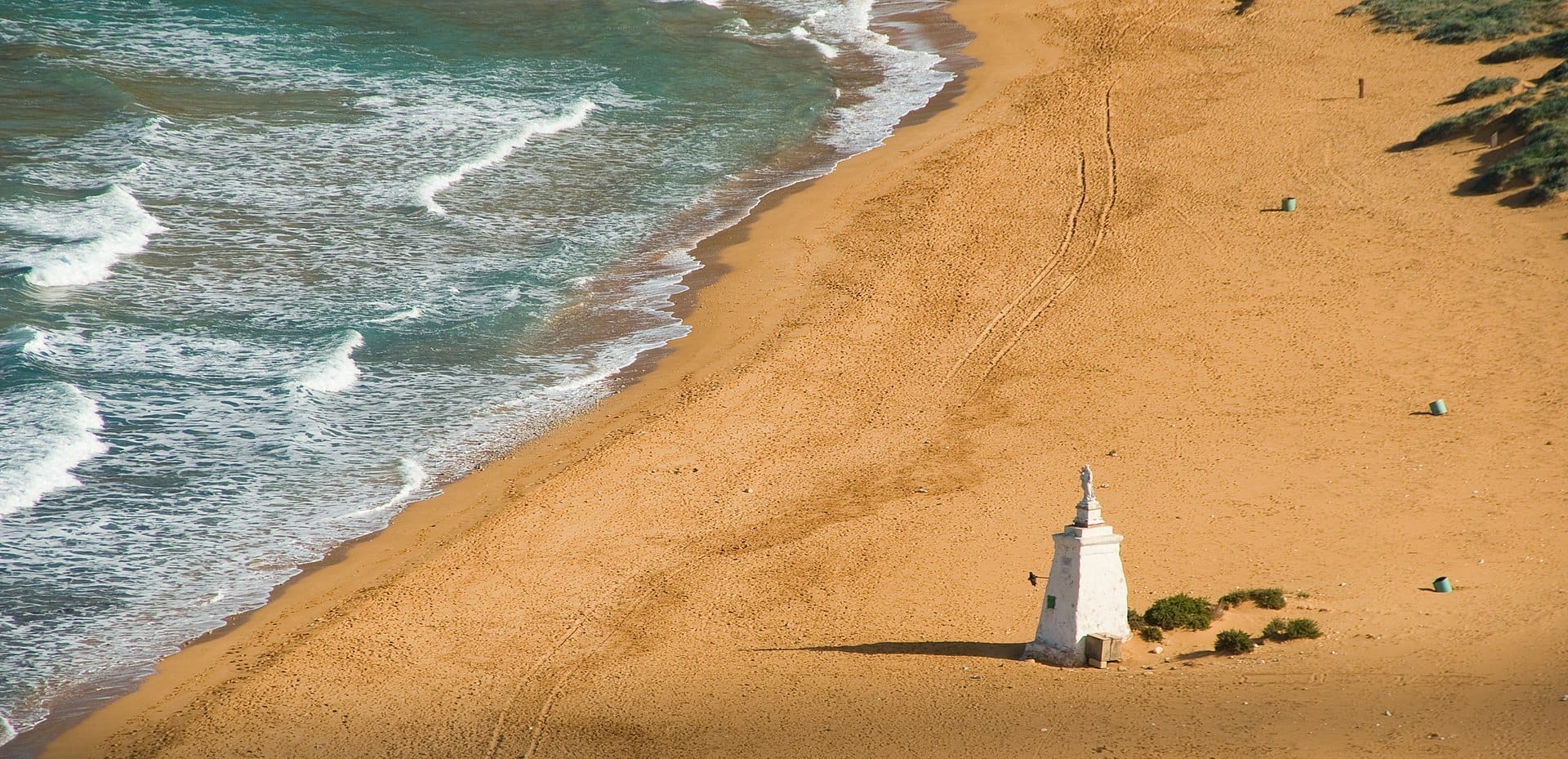
For beaches, Ramla Bay on the north coast is the island's largest and most photogenic, with distinctive red-orange sand framed by low hills. It gets crowded in July and August but is accessible by bus from Victoria. Calypso's Cave, the site traditionally associated with Homer's Odyssey, sits above the bay on the eastern ridge and offers one of the best panoramic views on the island. On the south coast, Xlendi Bay is a narrow inlet with calm water and a more local character than Ramla.
Ġgantija Temples: Neolithic site near Xagħra, UNESCO World Heritage listed
Citadella Victoria: fortified medieval hilltop with panoramic bastions and museums
Dwejra: inland sea, Blue Hole dive site, dramatic coastal geology
Ramla Bay: the island's main beach, red sand, good swimming
Xlendi Bay: sheltered southern inlet, popular with locals year-round
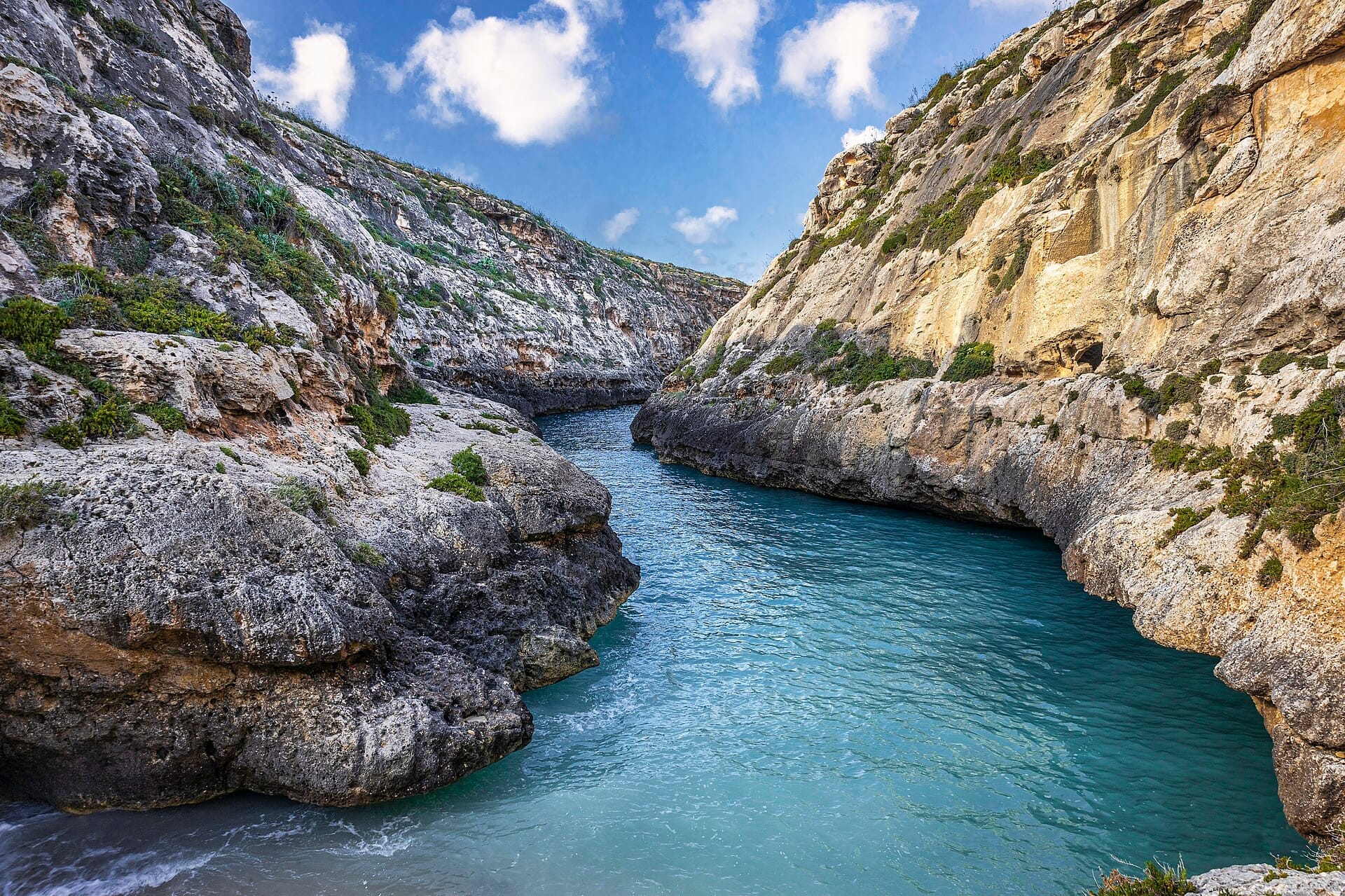
Wied il-Għasri: narrow gorge on the north coast, accessible by a short walk to a pebble cove
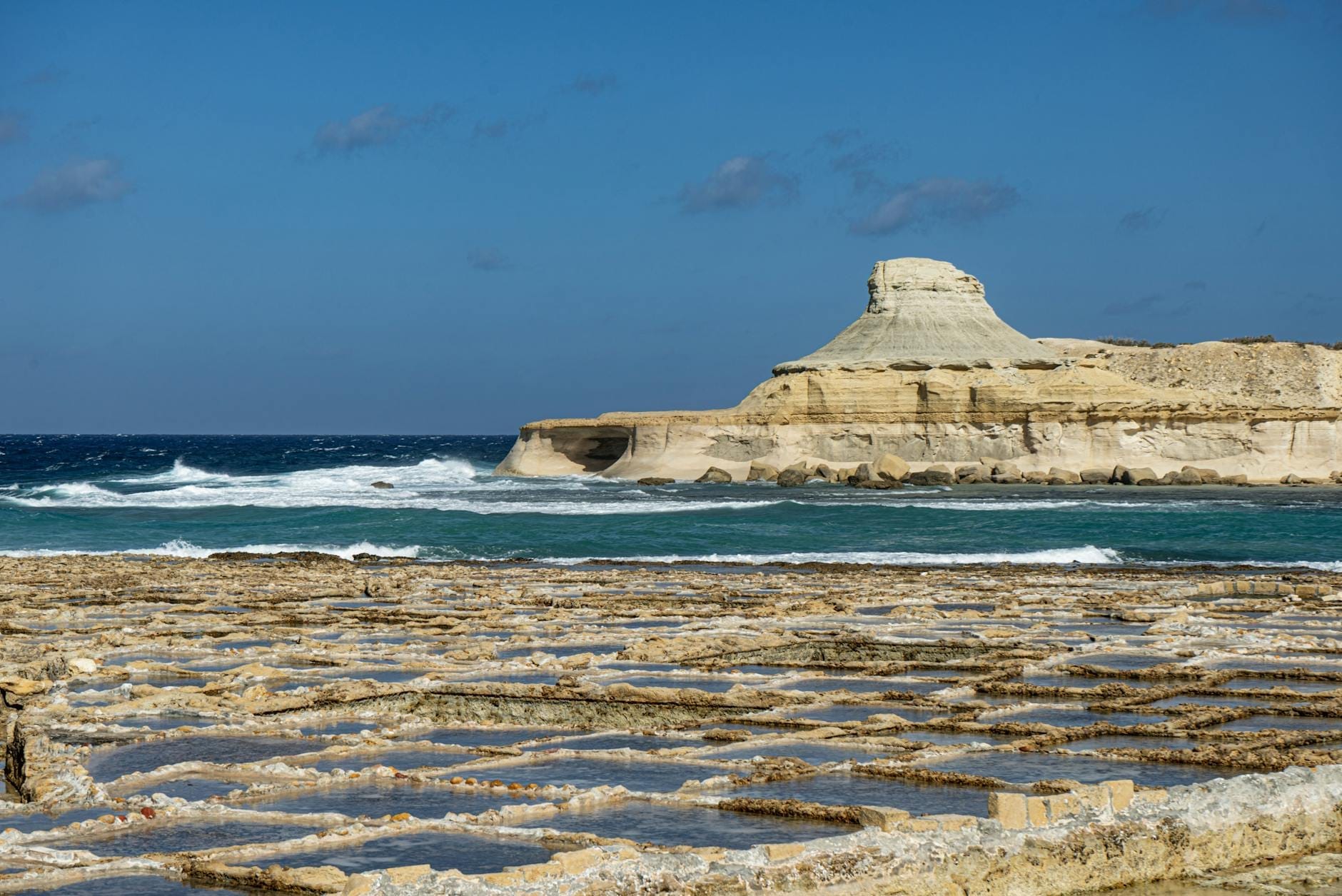
Salt Pans near Marsalforn: working sea salt pans carved from the rock, photogenic at low sun
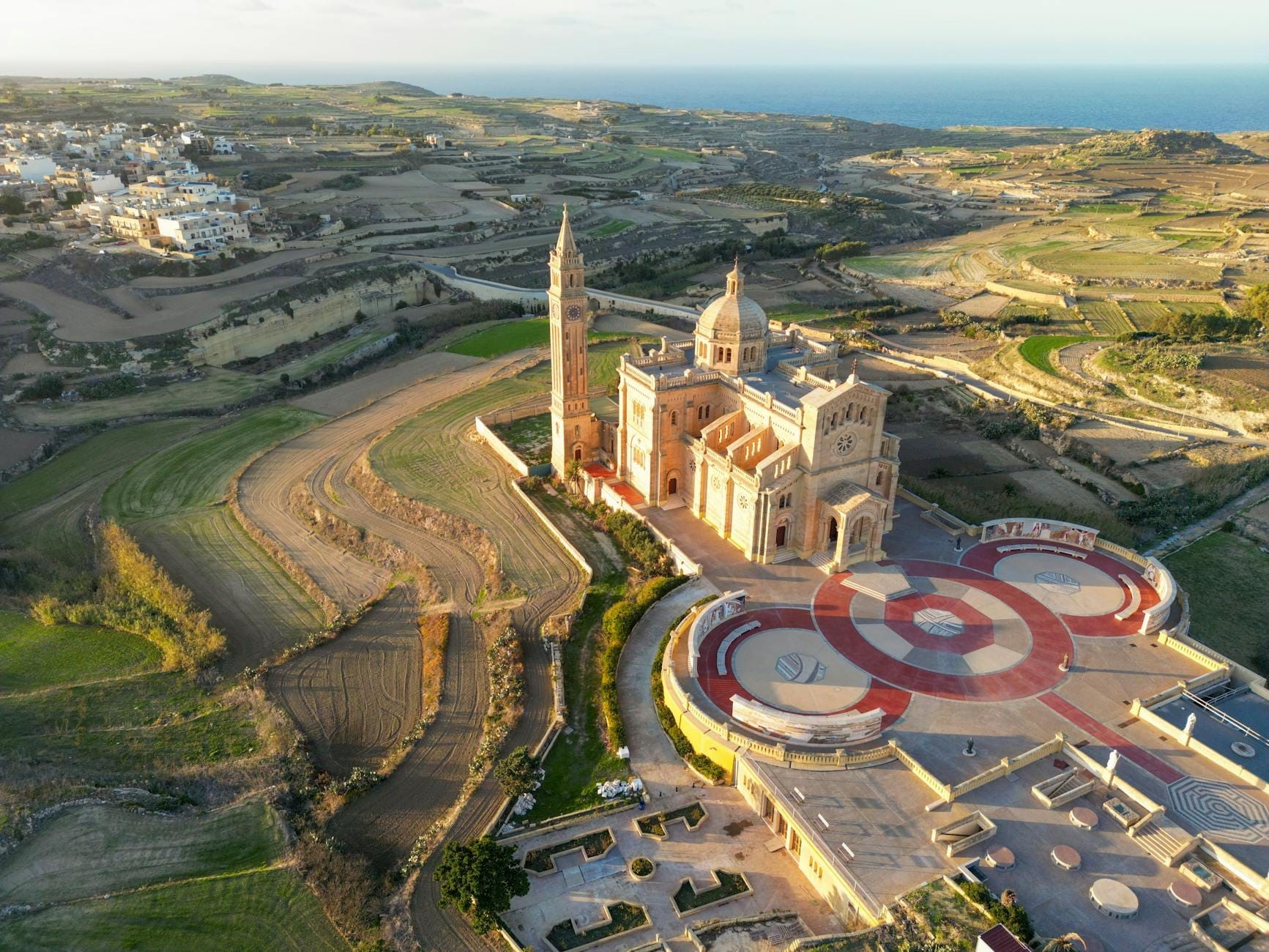
Ta' Pinu Basilica: national sanctuary between Gharb and Victoria, important pilgrimage site
Gozo is also one of the best diving destinations in Malta, with clear water, multiple wrecks, and the Blue Hole offering conditions suitable for everything from beginners to technical divers. Several dive schools operate out of Marsalforn and Xlendi.
💡 Local tip
If you only have one day on Gozo, combine Ġgantija Temples in the morning with the Citadella at midday, then drive west to Dwejra for the afternoon light and dinner at one of the waterfront spots in Xlendi on the way back to Mġarr.
Eating & Drinking
Gozitan food is closely related to Maltese cuisine but leans even harder into local produce. The island is particularly known for its cheeses: ġbejna, small rounds of sheep or goat cheese served fresh, marinated in olive oil and herbs, or sun-dried and peppered. You will find them in every village café, on bread at breakfast, and as part of antipasto spreads in restaurants. Local honey, sun-dried tomatoes, and the island's own ftira flatbread are equally worth seeking out.
Victoria's market area, around the street running south from the bus terminus, has the most concentrated selection of cafés and restaurants. The options range from simple pastry shops and coffee bars, where a coffee and a pastizzi (flaky pastry filled with ricotta or mushy peas) costs under €2, to sit-down restaurants serving rabbit stew, fresh fish, and grilled octopus at moderate prices. Expect €15–25 per person for a proper meal with wine at a mid-range restaurant.
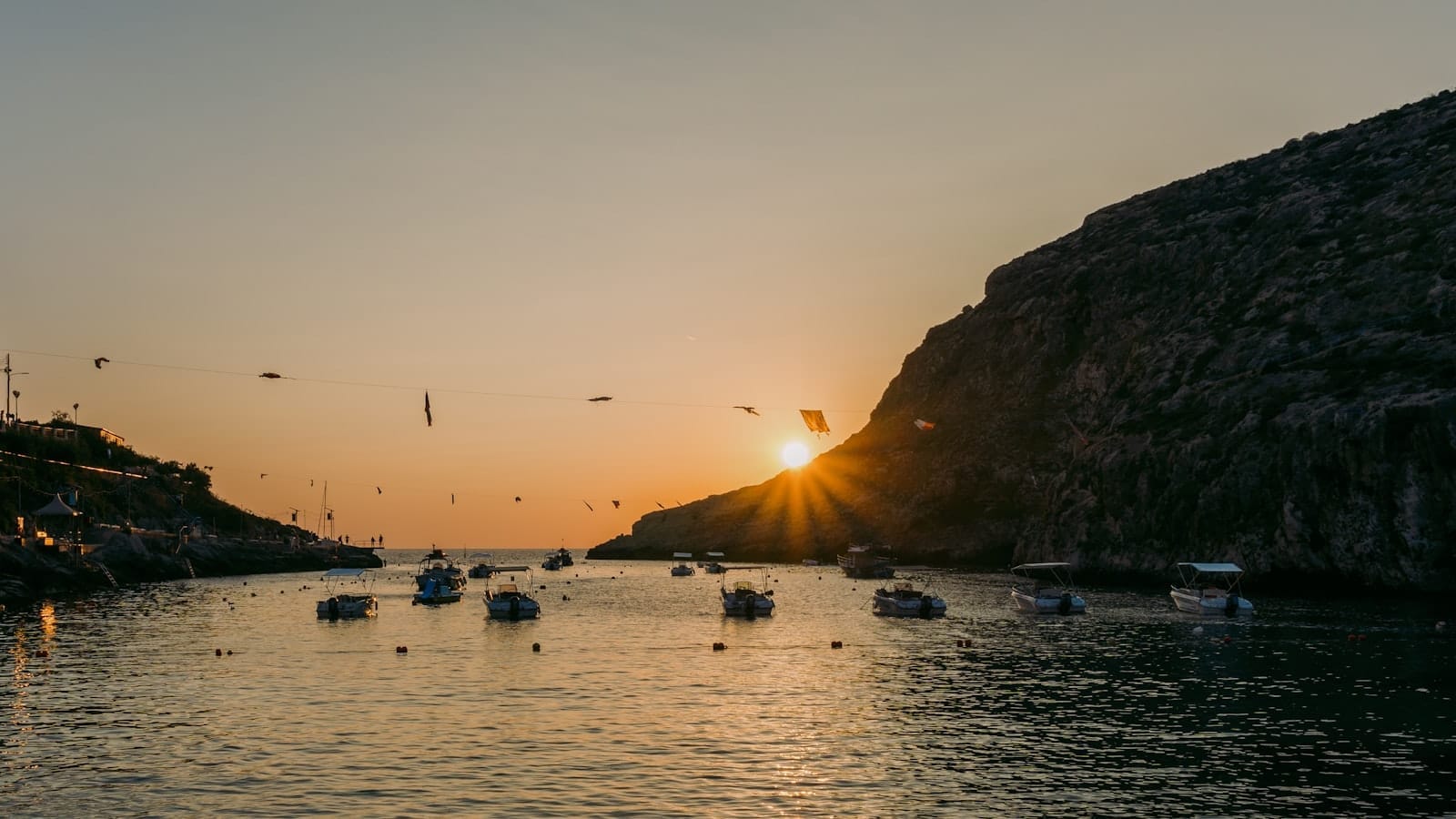
The coastal villages have their own dining scenes. Xlendi and Marsalforn both have waterfront restaurants that serve fish caught the same day, and the setting, particularly in Xlendi where the bay narrows to almost nothing at the village's edge, makes the experience. For a broader picture of what to eat across the archipelago, the Maltese food guide covers the regional variations well.
Gozo is also experiencing a slow wave of farm-to-table and artisan food businesses, particularly around Xagħra and the Gharb area. A few small producers sell directly from their farms: olive oil, capers, and wine from the island's limited but enthusiastic viticulture. These are not tourist operations in the glossy sense; they are family businesses that have recently started welcoming visitors.
Getting There & Around
The only regular way to reach Gozo is by ferry. Gozo Channel Line operates crossings from Ċirkewwa on Malta's northern coast to Mġarr harbour on Gozo's southeast corner. The crossing takes approximately 25 minutes and runs roughly every 45 minutes, with more frequent service in summer. The return fare is €4.65 per passenger (as of current published rates; verify before travel). The ferry is also the most practical option for taking a car or renting one on Gozo itself. Foot passengers are the majority in tourist season.
From Malta's main transport hub in Valletta or the central Sliema area, reaching Ċirkewwa takes about 45–60 minutes on bus route 41 or 42, operated by Malta Public Transport. For more detail on navigating the bus network across both islands, the guide to getting around Malta covers routes, fares, and practical tips.
Once on Gozo, the bus network radiates from Victoria's bus terminus. Buses connect Victoria to Mġarr, Marsalforn, Xlendi, Xagħra, Ramla Bay (seasonal), and most other villages. Services are less frequent than on Malta and can be infrequent outside peak hours. A hired car or scooter gives you considerably more freedom and is the recommended option for anyone planning to see the coastal areas and temples in a single day. Taxis and minivans are available at Mġarr pier and in Victoria.
⚠️ What to skip
The last ferry from Gozo to Malta runs late at night, but services reduce significantly after around 10 pm. If you are on a day trip and plan to have dinner on Gozo, check the return ferry schedule before you sit down to eat. Missing the last convenient crossing means either a late-night trip or an unplanned overnight stay.
Gozo also makes a logical base for exploring Comino, the tiny uninhabited island between the two. Boat trips to the Blue Lagoon depart from Mġarr harbour and take around 20 minutes. Booking ahead is advisable in July and August. The Blue Lagoon is genuinely clear and worth the trip, but it gets heavily visited between 10 am and 4 pm.
Where to Stay
Accommodation on Gozo skews toward farmhouses and converted village houses rather than large hotels. This is deliberate: Gozo has resisted the mass-market hotel development that characterises parts of the Malta coast, and many of the best places to stay are traditional Gozitan stone buildings that have been converted into self-catering properties or small boutique guesthouses. They tend to have thick walls that keep temperatures manageable in summer, private terraces or courtyards, and an overall quietness that proper hotels rarely achieve.
The village of Xagħra, close to Ġgantija and positioned centrally on the island, is a good base if you want easy access to beaches and the main sights without staying in Victoria. Marsalforn, on the north coast, suits divers and anyone who wants to walk to the sea in the morning. Victoria itself has several guesthouses and is the most practical base if you plan to use buses rather than hire a car. Xlendi appeals to couples looking for a quieter setting with water nearby.
For travellers weighing up whether to base themselves on Gozo or Malta, the key trade-off is access versus atmosphere. Malta gives you easier connections to Valletta, the Three Cities, and the airport. Gozo gives you slower mornings and less traffic noise. A sensible approach for a longer trip is to spend the first few days on Malta, then cross to Gozo for the second half. The Malta accommodation guide covers the main options across both islands.
Planning Your Visit
The best months to visit Gozo are April to June and September to October. Temperatures sit between 20°C and 28°C, the sea is warm enough to swim comfortably from late May onwards, and the island has not yet filled with the August peak-season crowds. The landscape is at its greenest in spring, which makes a difference on an island where the visual appeal of the rolling countryside matters. July and August are perfectly viable but come with heat, competition for parking at beaches, and significantly more people on the ferries. For a broader picture of timing across the archipelago, the best time to visit Malta guide covers seasonal trade-offs in detail.
Gozo rewards slow travel more than almost anywhere else in the archipelago. The island works as a day trip from Malta, but a single day is genuinely not enough to see Ġgantija, the Citadella, Dwejra, and a beach without feeling rushed. Two nights minimum lets you hit the main sights without skipping the parts that are harder to name but easier to feel: the quiet of a village square at midday, a swim in the early evening when the day-trippers have left, dinner that stretches past 10 pm without anyone rushing you.
Gozo also fits naturally into a longer Malta itinerary. The 7-day Malta itinerary typically allocates two to three nights on Gozo as part of a broader island circuit.
TL;DR
Gozo is Malta's second island: rural, historically layered, and considerably quieter than the main island, with the Ġgantija Temples, Citadella Victoria, and Dwejra as its headline sites.
Best for: couples, divers, history travellers, anyone who wants beaches without a resort atmosphere, and slow-travel enthusiasts who prefer a farmhouse over a chain hotel.
Not ideal for: travellers who need active nightlife, those relying entirely on public transport to reach coastal areas, or anyone who cannot afford more than a single rushed day.
Getting there is easy: the Ċirkewwa–Mġarr ferry runs frequently throughout the day and costs around €4.65 return; the crossing takes 25 minutes.
Two nights is the practical minimum; three or four lets the island breathe properly and allows you to combine beaches, temples, cliffs, and the capital without feeling that you missed something.
Malta's megalithic temples are among the oldest free-standing stone structures on Earth, predating Stonehenge by over a thousand years. This guide covers every major site, practical logistics, seasonal advice, and the archaeological context that makes these temples worth the trip.
Malta's coastline is far more varied than the island's small size suggests. From the turquoise waters of Comino's Blue Lagoon to Gozo's red-sand Ramla Bay and Malta's dramatic rocky inlets, this guide covers every type of beach the archipelago has to offer — with candid notes on crowds, access, and the best times to go.
Malta is a year-round destination, but the timing of your trip changes everything. This guide breaks down every season honestly — weather, crowds, prices, and what's actually open — so you can choose the right month for your priorities.
For a country this small, Malta packs a remarkable density of dramatic scenery. These are the viewpoints that earn the detour, from clifftop sunsets and fortress panoramas to harbor vistas and Gozitan sea inlets.
Malta is small enough to explore fully in a week, but the islands around it reward dedicated day trips. From the prehistoric temples of Gozo to the sea caves of the Blue Grotto and the medieval streets of Mdina, these are the best excursions to take from Malta's main island.
Malta packs an extraordinary amount of history, scenery, and culture into a tiny island, and much of it costs nothing. From UNESCO-listed prehistoric temples to cliff-top walks, baroque city streets, and crystal-clear swimming coves, this guide covers the best free experiences across Malta, Gozo, and Comino.
Malta is small — just 316 sq km — but navigating it efficiently takes some planning. This guide covers every transport option available, from the Tallinja bus network to Gozo ferries, ride-hailing apps, and car rental, with straightforward takes on what works and what doesn't.
Gozo is smaller, quieter, and slower-paced than Malta — and that is exactly the point. This guide covers the ferry, the best things to do, where to focus your time, and why two days here beats a rushed day trip.
Malta rewards curious travelers who look beyond the postcard highlights. From sheltered limestone inlets and rock-cut swimming holes to ancient temples and baroque palaces lost in the countryside, these are the places where the real Malta reveals itself.
Malta packs prehistoric temples, Baroque cityscapes, clear-water diving, and surprisingly good food into just 316 square kilometres. But summer crowds, rocky beaches, and rising prices give some travellers pause. Here is a clear-eyed breakdown of what you get and what to watch out for.
The Knights of Malta left an indelible mark on this archipelago across more than two centuries of rule. This guide traces their history through the fortresses, cathedrals, and palaces they built, with practical advice on visiting each key site today.
Three days is enough to cover Malta's greatest hits if you plan smartly. This itinerary takes you through UNESCO-listed Valletta, the ancient Silent City of Mdina, the prehistoric temples of the south coast, and the rural island of Gozo, with practical advice on timing, transport, and what to skip.
Malta is best understood from the water. Whether you want to drift through sea caves glowing electric blue, anchor above the clearest lagoon in the Mediterranean, or cruise past 700 years of Grand Harbour fortifications, these are the boat trips worth planning your days around.
Malta is one of the Mediterranean's top diving destinations, with crystal-clear water, dramatic underwater topography, and wrecks accessible to every skill level. This guide covers the best dive sites on Malta and Gozo, what to expect at each depth, seasonal conditions, and everything you need to plan a successful dive trip.
Malta makes a compelling case as a romantic destination despite its size. Medieval walled cities, cliff-top sunsets, private boat trips to turquoise lagoons, and candlelit wine bars in a Baroque capital — this guide covers the best romantic experiences in Malta for couples, with clear advice on what's worth booking and what to skip.
Seven days is enough time to experience Malta's greatest hits without burning out. This day-by-day itinerary covers the UNESCO capital of Valletta, the island of Gozo, the Blue Lagoon at Comino, medieval Mdina, and the fishing villages of the south coast, with practical advice on what to skip and how to get around without a car.
Malta's nightlife ranges from the dense club strip of Paceville to the refined jazz bars of Valletta's Strait Street. This guide breaks down where to go by neighbourhood, what to expect at each type of venue, and how to avoid the most common tourist mistakes.
Malta surprises most travelers: it is an EU country with a UNESCO capital, 7,000 years of history, and genuinely affordable daily costs if you know where to look. This guide breaks down realistic daily budgets, free and cheap attractions, transport costs, food prices, and the seasonal timing that makes the biggest difference.
Malta consistently ranks among the world's top 10 countries for personal safety, but that doesn't mean risks don't exist. This guide covers crime statistics, common scams, road dangers, beach hazards, and neighborhood-by-neighborhood safety so you can visit with confidence.
The Malta to Sicily ferry is one of the most rewarding short trips in the Mediterranean. This guide covers the Virtu Ferries catamaran route, ticket prices, seasonal schedules, what to do in Pozzallo and beyond, and everything you need to plan a seamless day trip from Malta.
Malta is a surprisingly strong family destination for its size. English is widely spoken, the country is genuinely safe, distances are short, and the mix of beaches, history, and interactive attractions keeps children of all ages engaged. This guide covers the best kid-friendly spots, seasonal advice, transport logistics, and frank assessments of what works and what doesn't.
Malta packs an extraordinary range of experiences into just 316 square kilometres. This guide covers the best things to do across the archipelago, from Valletta's Baroque cathedrals and prehistoric temples to sea caves, clifftop walks, and the famous Blue Lagoon, with practical advice on what's worth your time and what to skip.
Valletta packs more history per square metre than almost any capital in Europe. This guide covers the top things to do in Valletta, from its world-class Baroque cathedral and a 500-year-old star fort to harbour boat tours and the best spots for Maltese coffee. Practical, opinionated, and built for real trips.
Maltese food is one of the Mediterranean's most underrated culinary traditions. This guide covers the essential dishes, the best street food, seasonal specialities, and practical advice on where to eat well without overpaying.
Choosing where to stay in Malta shapes your entire trip. This guide breaks down the best neighborhoods, from the historic capital Valletta to the beach towns of the north, with honest advice on what each area actually delivers.