Santa Marija Bay, Comino: A Hidden Beach Beyond the Crowds
Santa Marija Bay is the largest beach on Comino, offering shallow turquoise water, natural tamarisk shade, and a 17th-century chapel above the shore. Less visited than the Blue Lagoon, it rewards those willing to walk or arrive by boat with a more spacious, calmer alternative on this tiny car-free island.
Quick Facts
- Location
- Comino island, Malta
- Getting There
- Boat or ferry from Cirkewwa (Malta) or Mgarr (Gozo); 25-min walk from Blue Lagoon or short walk from San Niklaw Bay
- Time Needed
- 2–4 hours minimum; full day if combining with other Comino spots
- Cost
- Free entry; ferry/boat fares apply separately
- Best for
- Swimmers, snorkelers, couples, and anyone seeking quieter water than Blue Lagoon
What Santa Marija Bay Actually Is
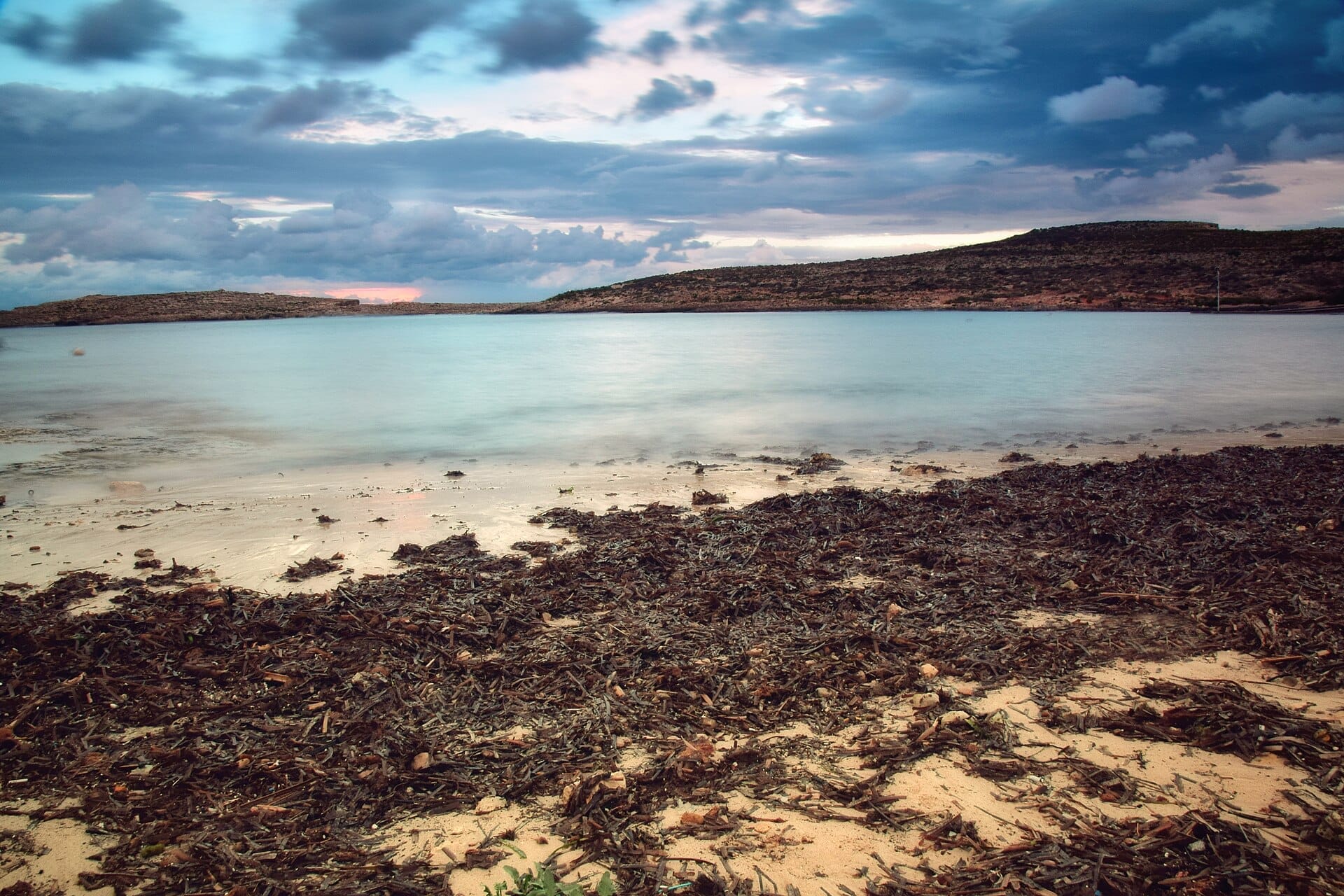
Santa Marija Bay (Maltese: Ramla ta' Santa Marija) is the largest beach on Comino, the small car-free island that lies between Malta and Gozo in the central Mediterranean. It is a public beach, free to access at any hour, and sits on the northern coast of the island, away from the concentration of day-trip boats that crowd the more famous Blue Lagoon on the opposite shore. The water is shallow for a good distance, clear enough to see the sandy bottom, and calm enough on most days for non-swimmers to wade with confidence.
What sets it apart from most small island beaches in the Mediterranean is the line of tamarisk trees that provides genuine shade along the sand. On a July afternoon when the limestone rocks around the Blue Lagoon radiate heat back at you, the tamarisk canopy here makes a meaningful difference. Facilities include showers and public toilets under tamarisk trees, which is more than many beaches on Comino offer.
💡 Local tip
Arrive by the first morning ferry if you want the bay to yourself. By mid-morning in summer, tour boats begin arriving and the beach gets noticeably busier. After 3:30pm, the crowds thin as day-trippers return to their ferries.
Getting to Santa Marija Bay
Comino has no roads open to private vehicles and no bridge connecting it to Malta or Gozo. Getting to Santa Marija Bay means arriving by water. The most common routes are the short ferry crossings from Cirkewwa on Malta's northwest tip or from Mgarr Harbour on Gozo. Several ferry operators run seasonal services, and organised boat tours from multiple Malta harbours include Comino stops.
Once on Comino, Santa Marija Bay is roughly a 20-minute walk across the island from the Blue Lagoon, or a shorter walk from San Niklaw Bay, where the island's main jetty is located. The path is mostly flat but crosses exposed limestone terrain, so wear shoes with grip rather than flip-flops. Alternatively, boat tour operators may drop passengers directly at Santa Marija Bay rather than at the main Blue Lagoon landing point. If you are planning a wider island day, the Blue Lagoon on Comino is the obvious companion stop, though the contrast in atmosphere between the two is worth understanding before you go.
Comino sits within the wider context of Malta's island-hopping possibilities. For more on moving between the islands efficiently, the getting around Malta guide covers ferry timetables, costs, and the key departure points in detail.
Tickets & tours
Hand-picked options from our booking partner. Prices are indicative; availability and final rates are confirmed when you complete your booking.
Roundtrip ferry to Comino Blue Lagoon with Gozo option from Marfa
From 15 €Instant confirmationFree cancellationBlue Lagoon and Comino snorkeling cruise
From 30 €Instant confirmationFree cancellationMalta two islands cruise to Comino and Gozo
From 30 €Instant confirmationFree cancellationRoundtrip ferry to Comino Blue Lagoon with Gozo option from Cirkewwa
From 15 €Instant confirmationFree cancellation
The Beach Experience: Water, Shade, and History
The bay opens up gradually as you approach from the interior footpath. The sand is pale and coarse rather than fine, sitting between flat limestone outcrops that extend into the water on both flanks. Snorkelers tend to explore these rocky edges, where seagrass patches attract small fish. The central sandy floor of the bay stays shallow for 15–25 metres, making it one of the more forgiving entry points for families with young children or those less confident in open water.
Above the beach on the low hill to the south stands the Chapel of the Holy Family (Santa Marija), which adds genuine historical weight to a visit here. Originally dedicated to the Annunciation, chapel records date back to the 17th century. The current structure was built in 1618 and enlarged in 1667 and again in 1716. A Sunday Mass is still celebrated here, a remarkable fact given that Comino's permanent resident population has dwindled to a handful of people. The chapel is small and unassuming from the outside, but its position above the bay means it appears in almost every photograph taken from the water.
A short distance inland stands St. Mary's Tower, a coastal watchtower constructed in 1618 by the Knights of St John. The Knights built a network of these towers across the Maltese islands to provide early warning of Ottoman or pirate raids approaching from the sea. The tower at Santa Marija Bay is one of the better-preserved examples and is visible from the beach. It does not currently function as a public attraction with regular access, but it is worth the short detour to see it up close.
For context on the Knights of St John and their influence across Malta's landscape, the Knights of Malta history guide provides useful background that enriches a visit to sites like the Santa Maria Tower.
How the Bay Changes Through the Day
Early morning at Santa Marija Bay is as quiet as a Mediterranean beach gets in summer. The water is glassy, the light is cool and flat, and the only sounds are small waves lapping the limestone edges and occasional bird calls from the scrubland behind the shore. This is the window for underwater visibility too: before boats arrive and churn the sandy bottom, visibility extends several metres in the clear water.
By 10am in high summer, the dynamic shifts. Ferry passengers from the first morning crossings begin walking over from the main landing point, and tour boats start anchoring in the bay. The beach never reaches the density of the Blue Lagoon on a peak day, but it does get busy. Sun loungers, available for hire from seasonal operators near the shore, fill up. The smell of sunscreen and the noise of speedboat engines entering the bay become part of the experience.
Late afternoon, roughly from 3:30pm onward, is the second quiet period. Most day-trippers are boarding the return ferries by this point. The light shifts from overhead white to a lower golden angle that picks up the colour of the limestone differently. If you are staying overnight near the island (holiday bungalows exist nearby), the evening at this bay, when almost all boat traffic has cleared, is the hour that most visitors never see.
⚠️ What to skip
In winter and during periods of strong northeast winds (the Gregale), Comino ferries may be cancelled or reduced. Santa Marija Bay itself can see rough surf under these conditions. Check ferry operator schedules the night before and have a fallback plan.
Practical Walkthrough: What to Bring and What to Expect
Comino has very limited food and drink infrastructure. A kiosk near Santa Marija Bay operates in high season, but supplies and opening consistency are not guaranteed. Bring more water than you think you need. In July and August, temperatures regularly reach 27–28°C, the island is almost entirely exposed limestone with little shelter beyond the tamarisk trees at the beach itself, and the walk between sites is longer than it looks on a map.
- Footwear with grip: the path from San Niklaw Bay to Santa Marija Bay crosses rough limestone
- At least 2 litres of water per person for a half-day visit in summer
- Snorkel gear: rental is not reliably available on Comino; bring your own
- Cash: card payment infrastructure on Comino is minimal
- Sun protection: the tamarisk shade is useful but the swim approach to the water is fully exposed
- A waterproof bag or dry sack if you are arriving by water taxi or smaller boat
Photography is best from the water looking back toward the chapel and tower. A waterproof camera or phone case is useful here. Morning light hits the chapel facade directly; afternoon light falls across the bay from the west, giving the water a deeper blue. Drone operation over Comino is subject to Malta's Civil Aviation regulations; permits may be required depending on the flight plan.
ℹ️ Good to know
Accessibility note: The beach has no paved or wheelchair-accessible path. The walk from the ferry jetty at San Niklaw Bay involves uneven stone terrain. Swimmers with mobility limitations may find the water entry easier from the central sandy section rather than the rocky flanks.
Who Will Enjoy This Beach Most, and Who Might Not
Santa Marija Bay works well for swimmers and snorkelers who want clear, sheltered water without the boat density of the Blue Lagoon. Families with older children who swim with confidence will find the bay's shallow entry useful. Couples who are spending a full day on Comino and want a more relaxed, less commercial atmosphere than the island's main attraction will get real value from the walk over here.
Travellers who want a beach with soft white sand, beach bars, and immediate facilities will be disappointed. This is a working natural beach on a near-uninhabited island. If your priority is beach comfort rather than scenery and water quality, the organised beaches on the main island, such as Golden Bay or Mellieha Bay, offer more infrastructure with considerably less travel effort.
The visit also requires a reasonable level of physical mobility for the walk, and the overall experience depends heavily on weather and ferry availability. Anyone visiting Malta for just two or three days should consider whether a full Comino excursion is the best use of their time. The Malta 3-day itinerary guide gives useful context for prioritising across a short trip.
Insider Tips
- Book the first morning ferry from Cirkewwa rather than a midday tour boat. The difference in beach crowd density between 8am and 11am arrival is dramatic in peak summer.
- Walk to the St. Mary's Tower before settling on the beach. The path takes roughly 10 minutes from the shore and gives an elevated view of the bay that most visitors miss.
- Sunday Mass is held at the chapel. Attending offers a rare glimpse of religious and community life continuing on a nearly uninhabited island.
- Snorkeling is best on the rocky flanks of the bay rather than the central sandy section. The seagrass beds along the limestone edges attract wrasse, sea bream, and occasional octopus.
- If returning to Malta via a private water taxi rather than the scheduled ferry, you can negotiate a later pickup time and stay for the quieter late afternoon, which transforms the atmosphere completely.
Who Is Santa Marija Bay For?
- Snorkelers and swimmers wanting clear, sheltered water with less boat traffic than Blue Lagoon
- Couples on a full-day Comino excursion who want quieter alternatives to the main tourist spot
- History-curious visitors who want beach and context: the chapel and tower add real depth to the visit
- Photographers working in morning or late afternoon light when the crowd volume drops
- Travellers on a return visit to Malta looking for something beyond the standard itinerary
Nearby Attractions
Other things to see while in Comino:
- Blue Lagoon
The Blue Lagoon sits between the tiny island of Comino and the uninhabited Cominotto islet, offering some of the clearest, most photographed water in the entire Mediterranean. It earns the hype on a calm morning — but summer afternoons can bring hundreds of day-trippers. Knowing when to go, how to get there, and what to realistically expect makes all the difference.
- Crystal Lagoon
Crystal Lagoon sits on the west side of Comino island, offering some of the clearest water in the Maltese archipelago. With a 30-metre boulder tunnel, sea caves, and depths ideal for snorkelling and diving, it draws far fewer visitors than its famous neighbour — but reaching it requires planning.