Casa Rocca Piccola: Inside Valletta's Living Noble Palace
Casa Rocca Piccola is a 16th-century aristocratic palace on Valletta's Republic Street, home to the de Piro family for roughly 350 years and still occupied today. Guided tours take visitors through 50 furnished rooms stacked with Maltese silver, antique furniture, lace collections, and paintings, before descending into a genuine WWII air-raid shelter carved beneath the building.
Quick Facts
- Location
- 74 Republic Street, Valletta, Malta
- Getting There
- Valletta is pedestrian-only; a 10-min walk from City Gate bus terminus
- Time Needed
- 1 to 1.5 hours
- Cost
- Paid admission; children under 14 free, student discounts available. Check official site for current prices.
- Best for
- History lovers, architecture enthusiasts, and anyone curious about Maltese noble life
- Official website
- casaroccapiccola.com
What Is Casa Rocca Piccola?
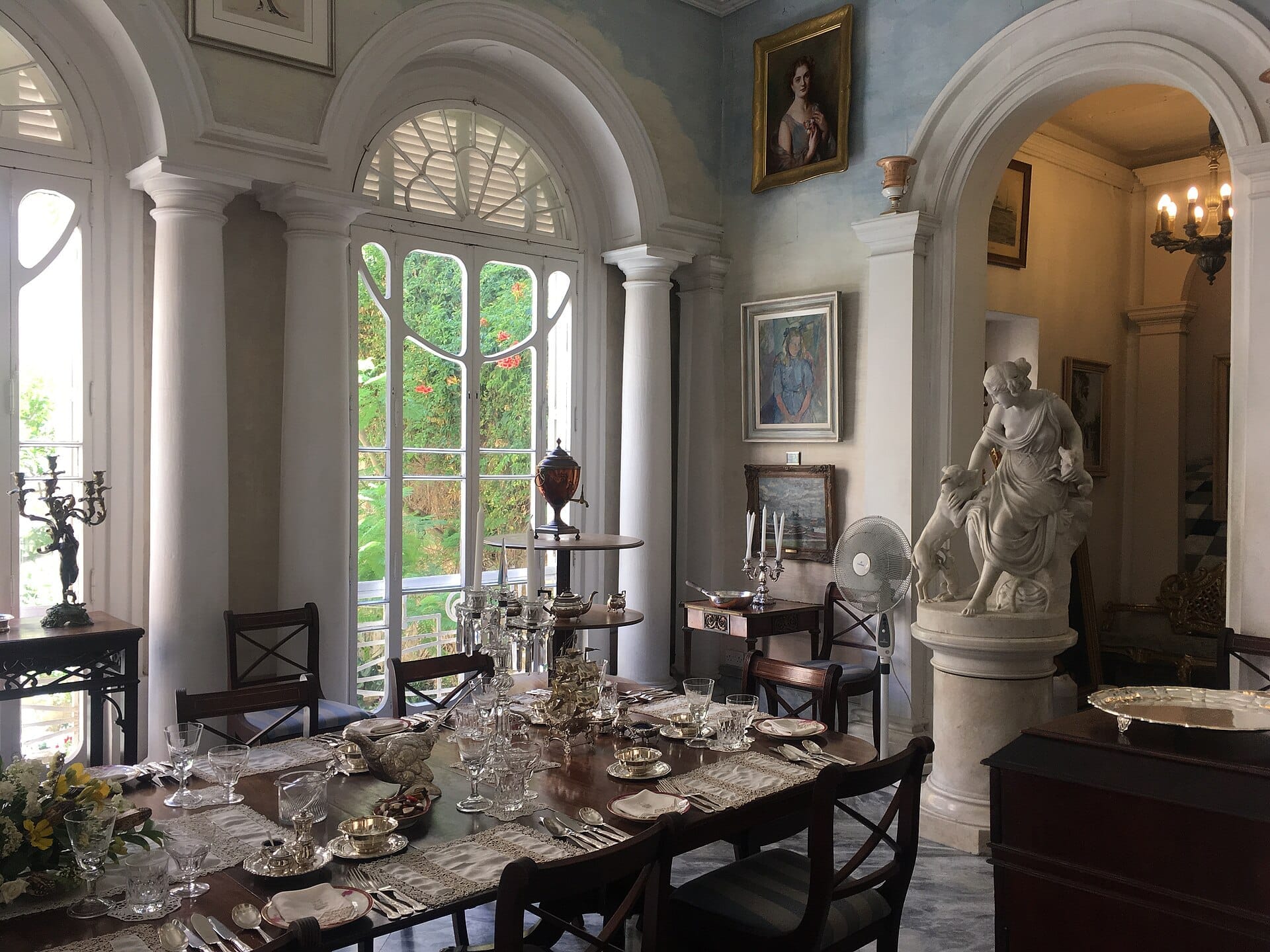
Casa Rocca Piccola is one of the few surviving 16th-century aristocratic palaces in Valletta that remains both privately owned and open to the public. The building was originally constructed for Admiral Don Pietro la Rocca, a Knight of the Order of St. John, who secured a rare papal dispensation to include a private garden, hence the early name 'la casa con giardino'. The de Piro noble family has called it home for approximately 350 years, and the current Marquis still lives on the upper floors while the lower levels receive visitors.
That unusual combination, a house that is genuinely inhabited rather than museumified, gives Casa Rocca Piccola a texture that formal state museums cannot replicate. The rooms feel used. Portrait galleries, dining tables set for occasions that seem recent, and personal objects accumulated across centuries create an atmosphere closer to a very old family home than an exhibit.
💡 Local tip
Book your tour slot in advance, especially from April through October. Guided tours run from 10am till 5pm (last admission 4pm), and the 10am slot offers the quietest experience before tour groups arrive from cruise ships docked at Valletta's Grand Harbour.
A Walk Through 400 Years of Maltese History
The palace dates to the late 1500s, placing its construction within decades of Valletta's founding in 1566 by Grand Master Jean de Valette following the Great Siege of 1565. The Knights of St. John built Valletta as a fortified city, and the nobility who settled here were expected to maintain houses commensurate with their rank. Casa Rocca Piccola, despite the modest word 'piccola' (small) in its name, is anything but: it contains over 50 rooms spread across multiple floors.
The de Piro family, who acquired the palace centuries ago, accumulated collections that now read as a compressed history of Maltese decorative arts. Look for the silverware, some pieces hallmarked in Malta and dating to the Baroque period, alongside Maltese lace so fine it was traditionally reserved for church vestments and aristocratic wardrobes. Paintings on the walls span religious iconography and family portraiture, and the furniture mixes European Baroque with pieces that reflect the island's position as a trading crossroads between North Africa, Sicily, and mainland Europe.
For context on how Valletta's noble architecture fits into the broader island story, the Knights of Malta history guide covers the Order's role in shaping the built environment you see throughout the city.
Tickets & tours
Hand-picked options from our booking partner. Prices are indicative; availability and final rates are confirmed when you complete your booking.
City Sightseeing hop-on hop-off bus tour of Gozo
From 20 €Instant confirmationFree cancellationThe Malta Experience Audio-Visual Show and La Sacra Infermeria Tour
From 20 €Instant confirmationFree cancellationLuggage Storage in Malta
From 6 €Instant confirmationFree cancellation6-day heritage and attractions pass in Malta
From 80 €Instant confirmationFree cancellation
The WWII Air-Raid Shelter: The Underside of the Palace
Beneath the elegant reception rooms, the tour descends into a different kind of history. The air-raid shelter cut into the rock under Casa Rocca Piccola was the second such shelter dug in Malta and provided refuge for more than 100 people during World War II. Malta endured one of the most sustained aerial bombardments of the war between 1940 and 1942, and shelters like this one were not a precaution but a necessity.
The shelter is presented with period details including original furnishings, medical equipment, and personal effects that give the space an immediacy that photographs cannot. The temperature underground drops noticeably, which serves as a reminder of how long people would have spent in these conditions. The contrast between the gilded rooms above and the raw limestone passages below makes this one of the more affecting heritage experiences in Valletta.
ℹ️ Good to know
The shelter involves narrow staircases and uneven rock floors. Visitors with mobility difficulties should check accessibility arrangements with the palace in advance, as some sections may be difficult to navigate.
How the Experience Changes Through the Day
The palace faces Republic Street, Valletta's principal spine, and by mid-morning this thoroughfare carries a steady flow of visitors heading toward St. John's Co-Cathedral and the Grand Master's Palace. The 10am tour slot catches the building before foot traffic builds, and the light in the courtyard garden is softer and more photogenic at that hour.
By early afternoon, particularly on days when cruise ships are in port at the Grand Harbour, Valletta's streets become considerably more crowded and tour groups may overlap at the palace entrance. If you are arriving without a reservation, the 3pm or 4pm slot often has more availability and the streets outside are calming as day-trippers depart. The garden, a genuinely rare feature in densely built Valletta, catches afternoon light well and rewards a few quiet minutes after the tour concludes.
Valletta rewards slow exploration. Pair a morning at Casa Rocca Piccola with an afternoon at the St. John's Co-Cathedral, which is a five-minute walk along Republic Street, or continue to the Grand Master's Palace immediately opposite for a second layer of the Knights' legacy.
What to Know Before You Visit
The palace is open with daily tours from 10am till 5pm (last admission 4pm). Sunday opening varies, so confirm on the official website before planning your visit around it. Public holiday hours may also differ.
Valletta is a fully pedestrianised city centre, so arriving by car is impractical. The main bus terminus sits just outside City Gate at the western entrance to Valletta, roughly a 10-minute walk along Republic Street to number 74. From Sliema, the ferry crossing to Valletta's Marsamxett waterfront takes around 10 minutes and lands you an easy walk from the palace.
Photography is generally permitted in public areas of the palace, but check with guides before photographing private family spaces. The garden is a particular draw for photographers: it is genuinely unusual to find green space within Valletta's tight urban grid. Light conditions there are best in the morning and again in the late afternoon.
If this visit is part of a broader Valletta day, the things to do in Valletta guide covers how to sequence the city's major sites without doubling back unnecessarily.
Honest Assessment: Is It Worth Your Time?
Casa Rocca Piccola is not for everyone. Visitors looking primarily for grand spectacle or sweeping views will find the scale intimate rather than imposing. The rooms are richly furnished but not on the monumental level of, say, a ducal palace in Venice or a royal residence in Madrid. What it offers instead is specificity: a real family's accumulated life over 350 years, told through objects that have not been curated for maximum impact but simply kept.
Travelers with a genuine interest in decorative arts, social history, or the layered experience of how noble Maltese families actually lived will find it absorbing. The WWII shelter adds a dimension that moves the visit beyond period furniture and into living memory. For anyone on a short Valletta visit who has already seen the cathedral and the main palaces, it serves as a particularly rewarding deeper cut.
Those with limited time in Malta who are prioritising beaches, open-air archaeology, or the prehistoric temple sites may reasonably place this lower on the list. Similarly, very young children may find the indoor, object-led format slow going.
For a broader sense of how to allocate time across the islands, the Malta 3-day itinerary offers a practical framework.
Insider Tips
- Book the 10am guided tour slot for the quietest experience. By 11:30am, cruise-ship groups often arrive in numbers that change the pace of the visit considerably.
- Ask your guide about the palace's costume collection. A rotating selection of historical Maltese dress is displayed and receives less attention than the silver and furniture, but it is one of the more distinctive holdings.
- The courtyard garden is small but photographically rewarding. Position yourself near the garden doorway looking back into the stone interior for a shot that captures both the greenery and the Baroque architecture simultaneously.
- Children under 14 enter free, and the WWII shelter section genuinely engages older children who find the period objects and the underground setting more compelling than room after room of antique furniture.
- Republic Street gets congested in the early afternoon. If you finish your tour around 11:30am, walk to the Upper Barrakka Gardens immediately before the pre-lunch crowds peak there, then return along Merchants Street for a quieter parallel route back to City Gate.
Who Is Casa Rocca Piccola For?
- History and decorative arts enthusiasts who appreciate intimate, object-rich environments over grand-scale spectacle
- Couples looking for a slower-paced, culturally substantive morning in Valletta
- Travelers with a specific interest in WWII Mediterranean history and civilian experiences
- Architecture lovers curious about how Baroque noble houses functioned as lived-in spaces rather than formal institutions
- Visitors on a second or third Malta trip who have already covered the headline sites and want something more layered
Nearby Attractions
Other things to see while in Valletta:
- Basilica of Our Lady of Mount Carmel
The Basilica of Our Lady of Mount Carmel anchors Valletta's skyline with a 42-metre oval dome visible from across Marsamxett Harbour. Originally built in 1570 by the architect of Valletta himself, bombed flat in World War II, and rebuilt over two decades, this is a church with a remarkable story behind its serene facade.
- City Gate & Renzo Piano Parliament
The City Gate and Parliament House form Valletta's most architecturally charged entrance. Designed by Renzo Piano and completed between 2011 and 2015, this project replaced a clumsy 1960s gateway and derelict opera ruins with something genuinely bold. Entry to the public spaces is free and open around the clock.
- Fort St. Elmo & National War Museum
Standing at the tip of the Sciberras Peninsula, Fort St. Elmo has guarded Valletta's twin harbours for over five centuries. Inside, the National War Museum takes visitors from Bronze Age Malta through to the WWII siege that earned the island its George Cross, with artefacts that are genuinely difficult to find anywhere else in the Mediterranean.
- Grandmaster's Palace & State Rooms
The Grandmaster's Palace in Valletta has served as a seat of power for the Knights Hospitaller, British governors, and Malta's parliament. Today, its restored State Rooms and legendary Armoury offer one of the most historically rich indoor experiences in the Mediterranean.