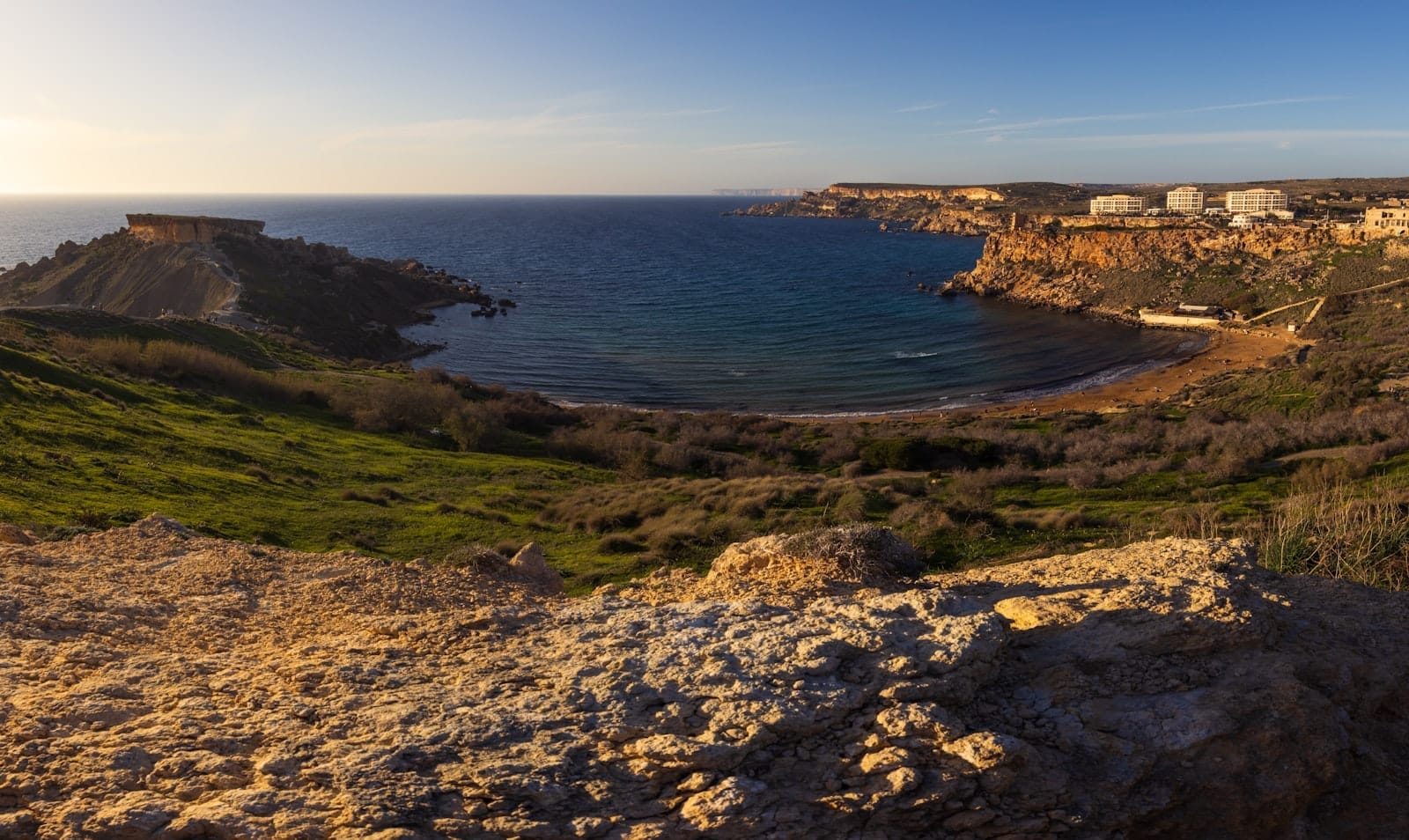
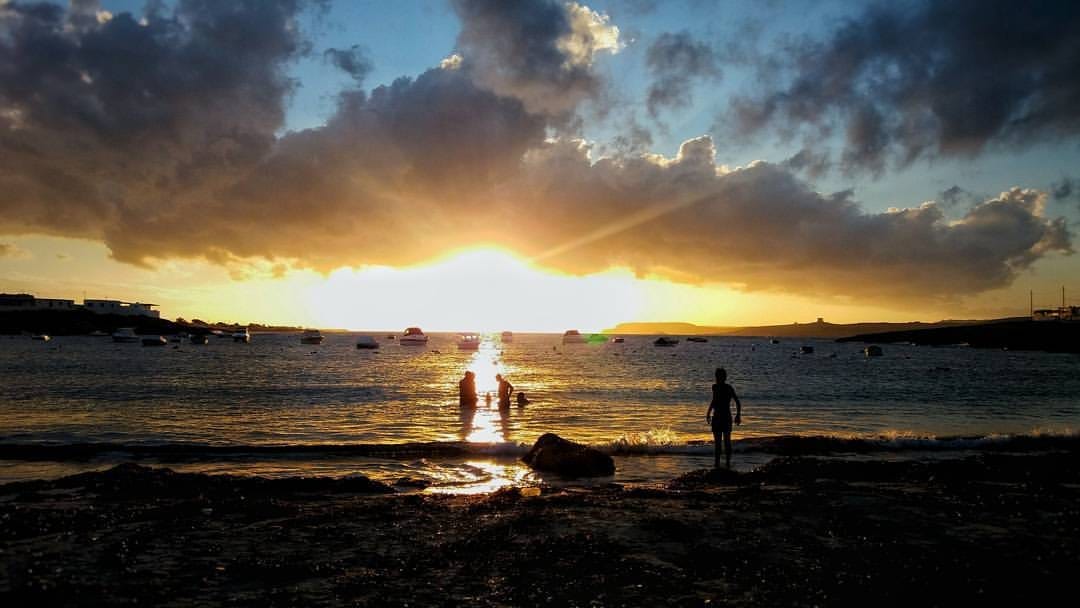
Mellieħa sits at Malta's northwestern tip, combining the island's largest sandy beach with a hilltop village of limestone streets, Baroque churches, and centuries-old coastal defenses. It is the quietest of Malta's main tourist bases and the natural jumping-off point for day trips to Gozo and Comino.
Mellieħa is where Malta feels least like a city and most like a Mediterranean coastline that hasn't fully made up its mind about tourism. The hilltop village, the wide sweep of Ghadira Bay below it, and the scrubby headlands stretching north toward the Cirkewwa ferry terminal occupy a part of the island that moves at a noticeably slower pace than Sliema or St. Julian's.
Orientation
Mellieħa occupies the far northwest of Malta, roughly 20 km from Valletta by road. The town sits on a long ridge above sea level, with the village core clustered around its parish church at the top and the coastal strip of Ghadira Bay spreading out below. The two parts of Mellieħa feel distinctly different: the upper village is quiet, residential, and historic, while the lower shore road is lined with hotels, beach bars, and the kind of infrastructure that caters to summer visitors.
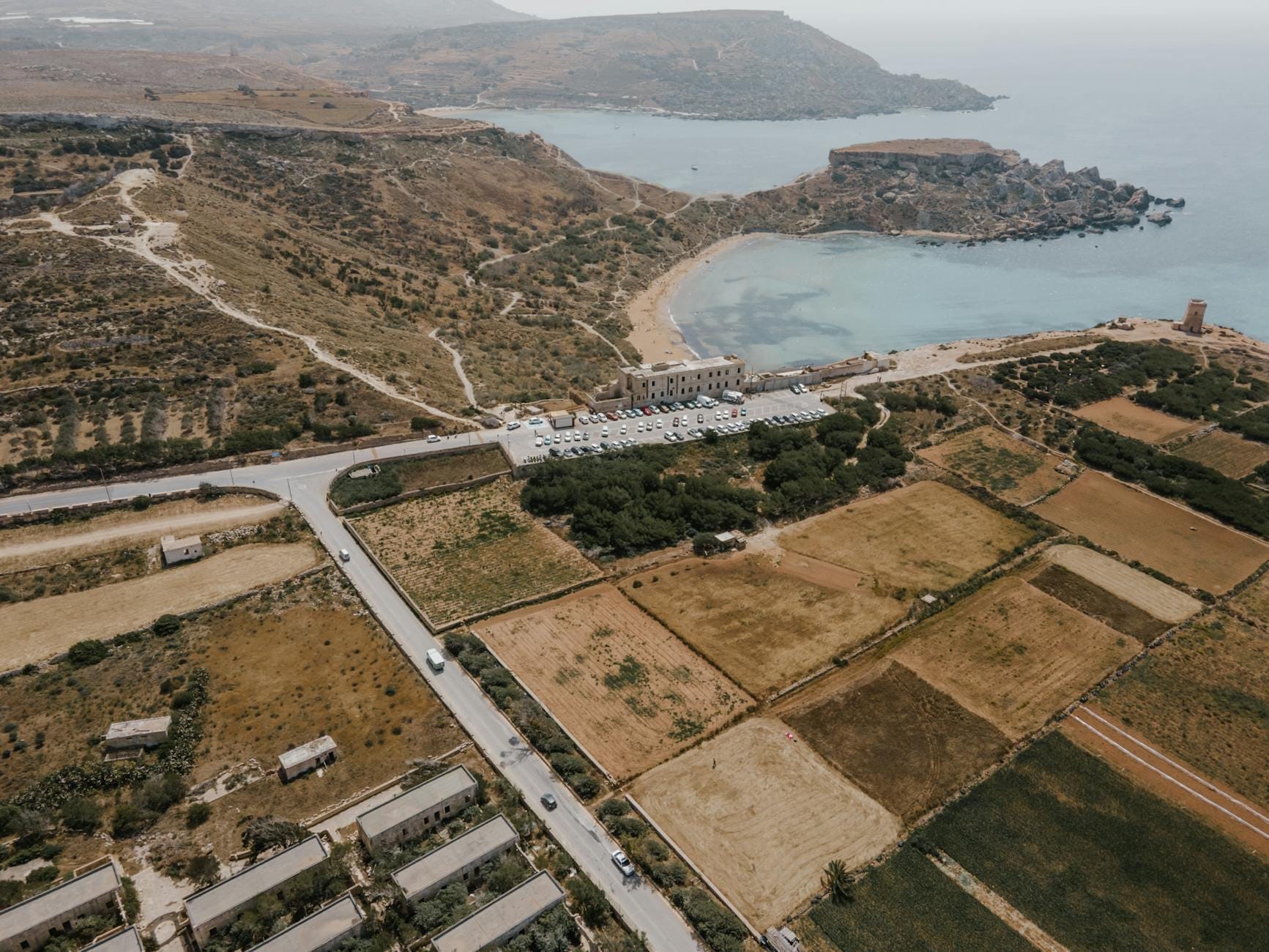
To the north, the road continues through increasingly open countryside toward the Cirkewwa ferry terminal, passing St. Agatha's Tower (the Red Tower) and the entrance to Armier Bay. To the south and east, the landscape opens into low limestone scrubland before connecting with the rest of Malta via the main arterial roads through Mgarr and Naxxar. Mellieħa Bay itself, also called Ghadira Bay, is the largest sandy beach on the Maltese islands, which explains much of the town's summer appeal.
The administrative parish of Mellieħa (postcode MLH) includes several distinct sub-areas: the village proper on the ridge, the beach development around Ghadira, the Selmun Peninsula to the east, and the far northern reaches toward Cirkewwa. Travelers coming from Valletta will pass through several other towns before the road opens up into the northern countryside that characterizes this part of the island. For a broader overview of planning your time in Malta, the Malta 3-day itinerary guide places Mellieħa in context with the rest of the island.
Character and Atmosphere
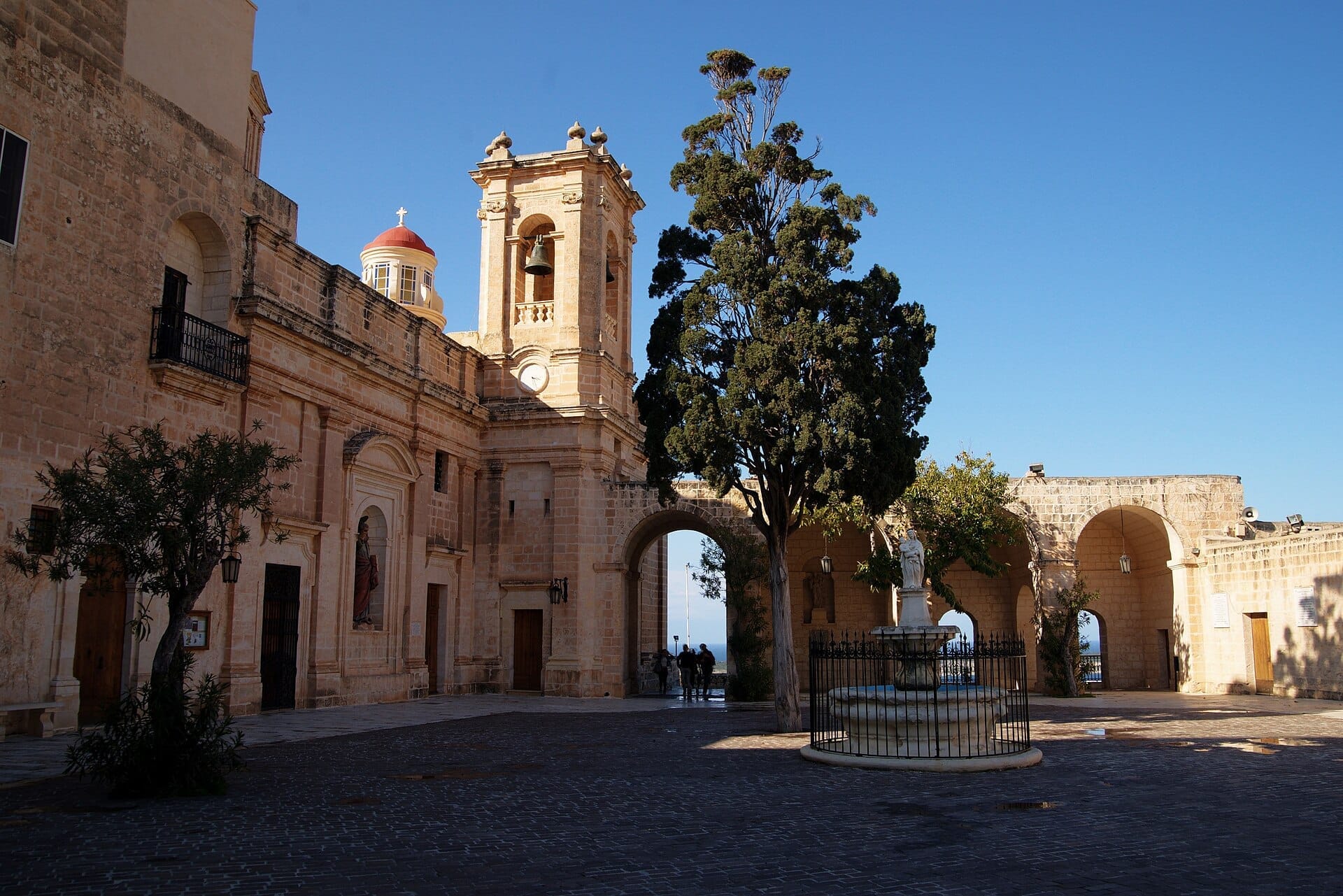
Early mornings in the upper village are genuinely calm. The streets around the main square and the parish church are made of the same warm, honey-colored limestone as everything else in Malta, but here they feel less polished than in Valletta or Mdina. Locals walk to the bakery. The church bells mark the hour. Cats occupy patches of morning sun on low walls. It is the texture of ordinary Maltese town life, unmediated by tour groups.
By mid-morning in July and August, the scene shifts entirely as you descend toward the beach. The shore road fills with rental cars, the beach fills with sunbathers, and the restaurants and bars along the front start opening their terraces. This split personality is worth understanding before you book accommodation: staying in the upper village means quiet evenings and a short drive or steep walk to the beach; staying on the shore road means convenient beach access and more noise from traffic and nightlife.
Outside the peak summer months, roughly October through May, Mellieħa is noticeably different again. The beach hotels thin out, many seasonal restaurants close, and the village recovers its workaday character. The parish feast on September 8 is the one date when the whole town comes alive regardless of season, with fireworks, brass bands, and the kind of street celebration that is genuinely local rather than staged for visitors.
💡 Local tip
If you want the beach without the high-season crowds, late September and early October offer warm water (still around 24-25°C), far fewer visitors, and the bonus of the surrounding countryside turning golden before the autumn rains arrive.
What to See and Do
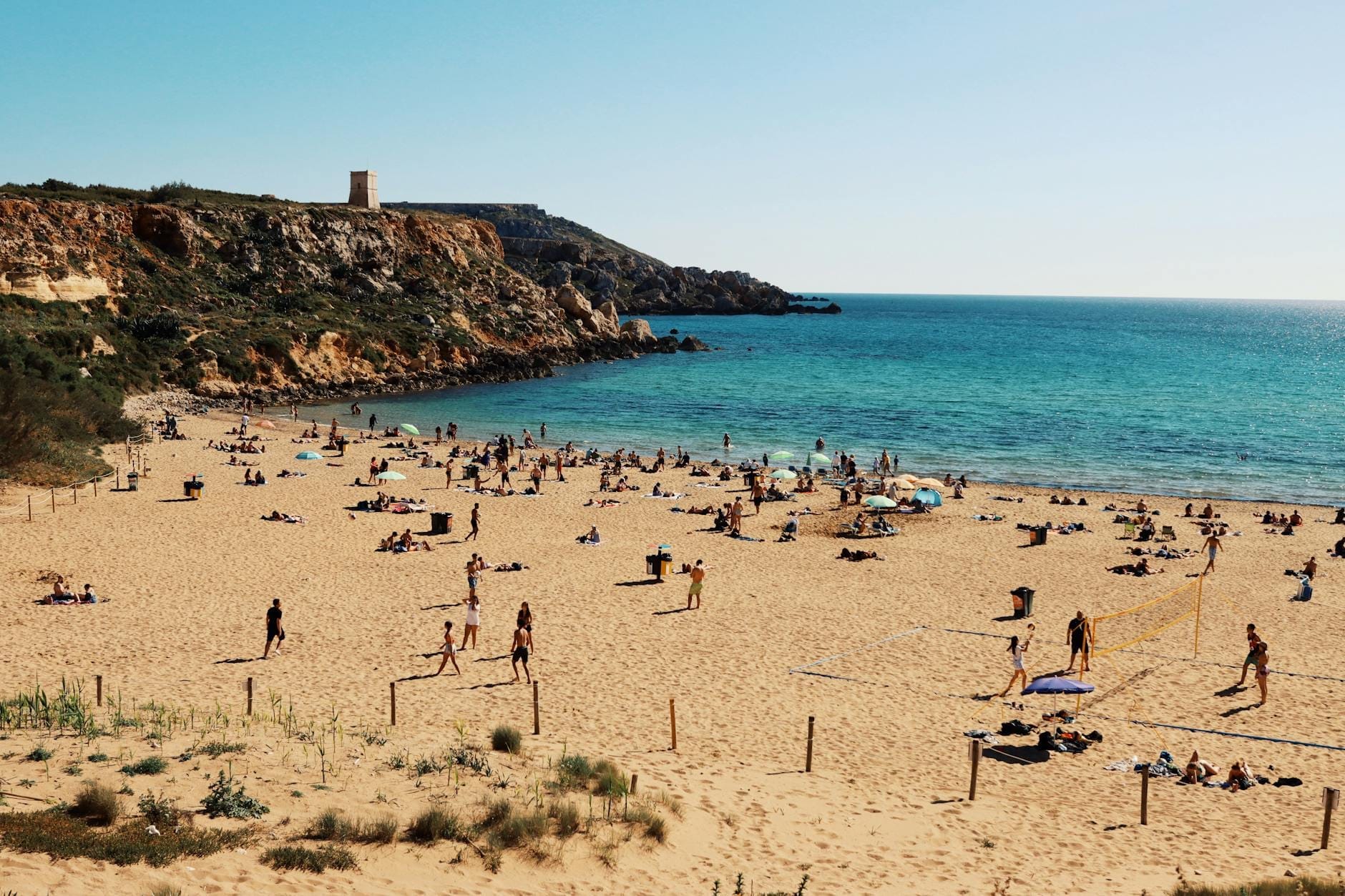
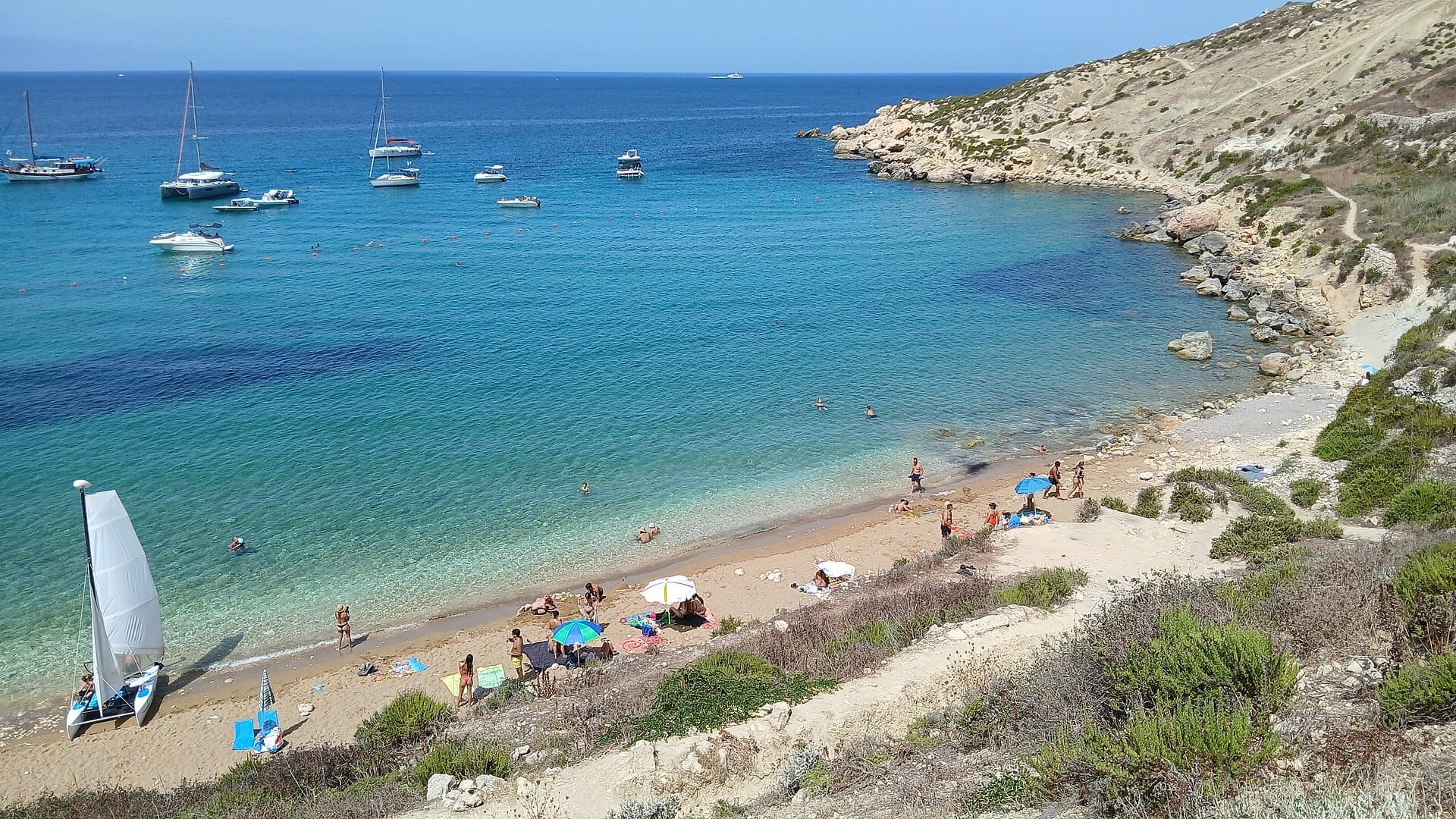
The beach is the central reason most people come to Mellieħa, and Ghadira Bay delivers. At roughly 800 metres long, it is shallow, sandy, and sheltered enough for families. The water is clear and gently shelving, which makes it one of the better spots in Malta for children and for anyone who prefers to wade in rather than jump off rocks. In summer it gets crowded, particularly on weekends when Maltese families from across the island arrive in numbers.
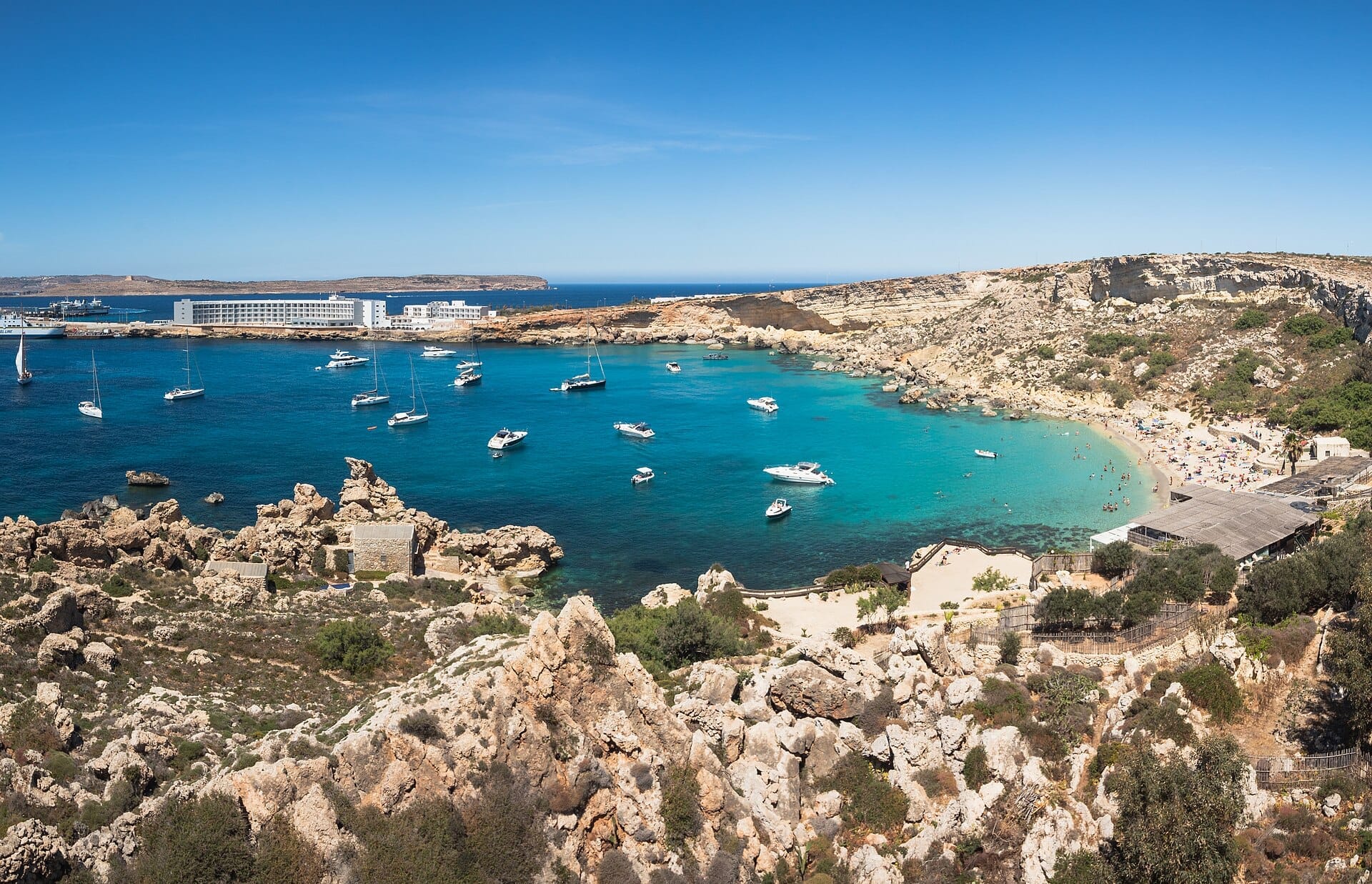
Directly behind the beach, the Għadira Nature Reserve is a wetland and bird sanctuary covering about 6 hectares. It records over 140 species of migratory and resident birds and is open to visitors from September through May, which aligns neatly with the autumn and spring migration peaks. Hours are generally Monday to Thursday 14:00-18:00 and Saturday to Sunday 10:00-16:00, though these can vary seasonally. For beach alternatives beyond Ghadira, Armier Bay lies a few kilometres further north and offers a different, scrappier atmosphere with fewer facilities but more space in summer.
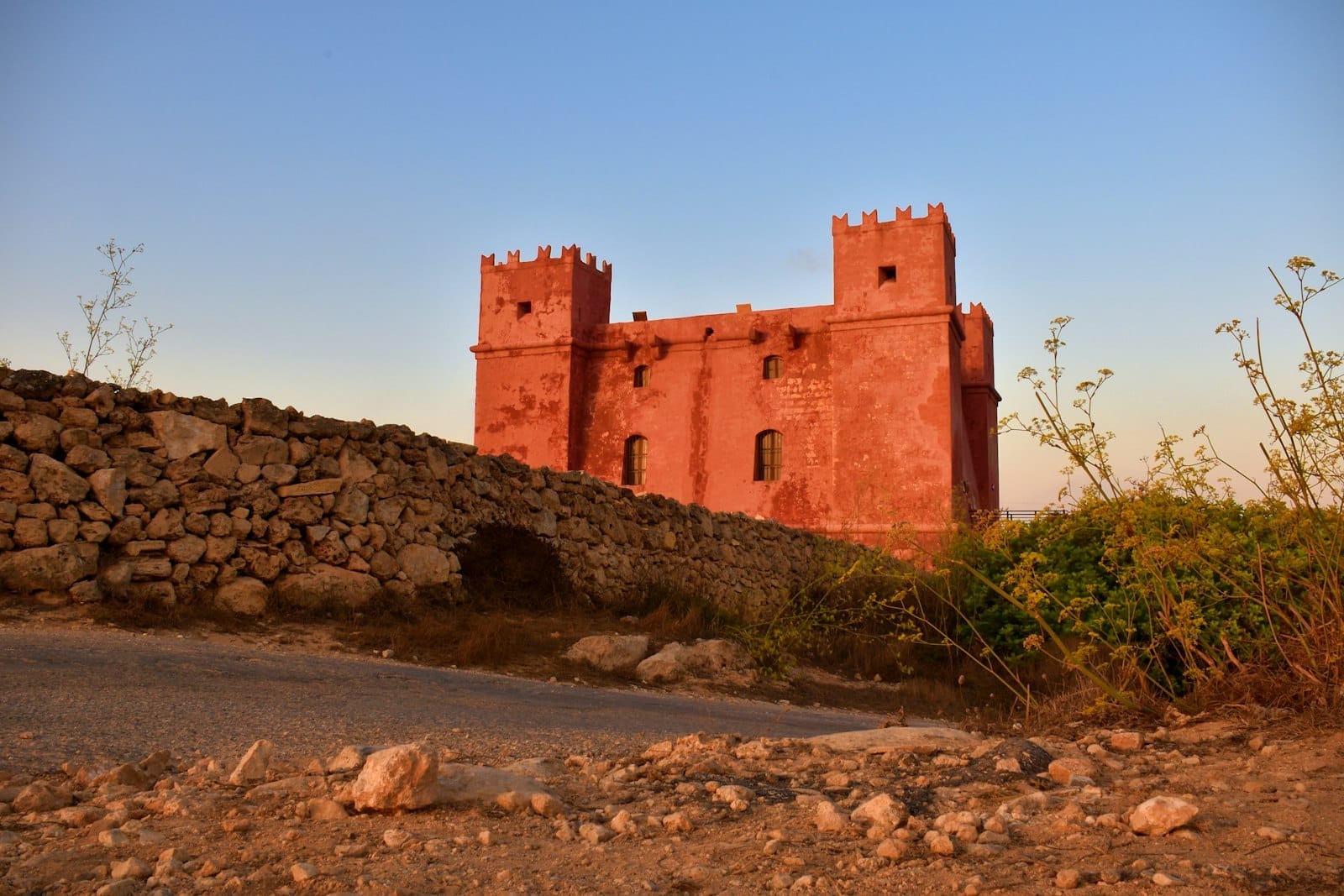
North of the village on the road to Cirkewwa, St. Agatha's Tower (the Red Tower) is one of the better-preserved coastal fortifications built by the Knights of St. John in the 17th century. Entry costs around €2 for adults and the views from the top across the northern tip of Malta and toward Gozo on a clear day are worth the modest climb. The tower is open in the mornings and afternoons in summer and from roughly 10:00 to 16:00 in winter.
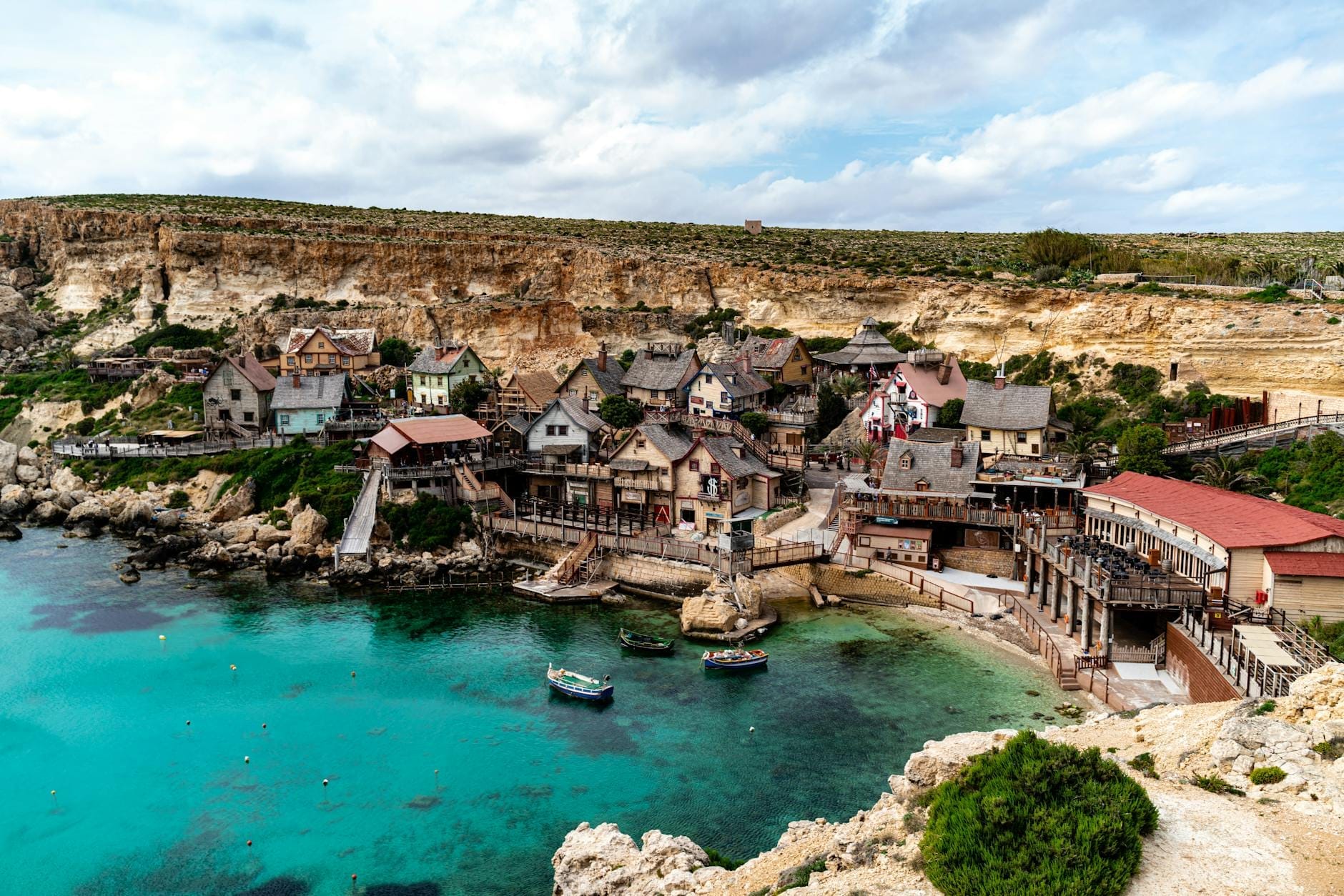
At Anchor Bay, a short drive west of the village, Popeye Village is the preserved film set from the 1980 Robert Altman musical. It is unabashedly a theme park, and adults visiting without children may find the entry fee (around €11-15 depending on season and package) hard to justify. With kids, it tends to go over well. Bus route 101 serves this stop.
The Selmun Peninsula to the east of the town holds the 18th-century Selmun Palace, a baroque tower-house that now operates as a hotel. The surrounding headland is open to walkers and the coastal views from the Selmun cliffs looking south toward St. Paul's Bay are among the quieter scenic rewards in northern Malta. The Mistra Battery, an 18th-century coastal fort on the western side of Mistra Bay, was closed for restoration at the time of writing.
Ghadira Bay: Malta's largest sandy beach, best visited on weekday mornings in summer
Għadira Nature Reserve: birdwatching wetland open Sep-May behind the beach
Red Tower (St. Agatha's Tower): 17th-century coastal fort with panoramic northern views
Popeye Village: 1980 film set at Anchor Bay, family-friendly attraction
Selmun Palace and Peninsula: baroque architecture and coastal walking
Mellieħa Parish Church: hilltop Baroque church dominating the village skyline
ℹ️ Good to know
Mellieħa is the main base for day trips to Gozo and Comino. The Cirkewwa ferry terminal is roughly 10 km north of the village and Gozo-bound ferries run frequently throughout the day. Most Blue Lagoon boat trips also depart from or near Cirkewwa.
Day Trips from Mellieħa
No other part of Malta is better placed for reaching the outer islands. The ferry crossing from Cirkewwa to Mgarr Harbour in Gozo takes around 25 minutes and runs continuously. A full day on Gozo is easily managed with an early start, and staying in Mellieħa rather than Valletta or Sliema saves 30-40 minutes of travel each way. The Gozo travel guide covers what to do once you're there.
For Comino and the Blue Lagoon, most boat trips collect passengers from the beach area or from Cirkewwa. The crossing takes 15-20 minutes. Summer crowds at the Blue Lagoon are significant, so earlier departures make a real difference. The Malta boat trips guide has practical booking information.
Eating and Drinking
The food scene in Mellieħa is weighted toward the kind of solid, unfussy Mediterranean cooking that serves a summer resort crowd: grilled fish, pasta, pizza, and Maltese staples like rabbit stew (fenek) and bragioli. The village's main street and the shore road both have restaurants, with the upper village options tending to be slightly more local in atmosphere and the beach-front places more tourist-oriented in both price and presentation.
For an overview of what to order wherever you eat in Malta, the guide to Maltese food is useful. In Mellieħa, look for ftira (a local bread ring sometimes stuffed with tuna, capers, and olives) at bakeries in the upper village. It makes an inexpensive and genuinely local lunch that you can take to the beach.
Cafés in the village square serve decent espresso and pastizzi (flaky pastry filled with ricotta or mushy peas) from early morning. In summer, the beach bars and kiosks on the shore road open from around 09:00 and serve drinks, snacks, and light meals through the afternoon. Evening dining on the beach road tends toward later starts, with most restaurants filling up from around 19:30 onward in peak season.
⚠️ What to skip
Many restaurants and bars in Mellieħa's beach area are seasonal and close entirely between November and March. If you are visiting outside the summer window, check ahead before planning an evening out, as the village's dining options contract considerably in winter.
Getting There and Around
From Valletta, the Malta Public Transport bus network serves Mellieħa on routes that follow the main northern road through Naxxar, Mosta, and St. Paul's Bay. The journey from Valletta takes roughly 60-70 minutes by bus depending on traffic, which is heavier in summer. For general advice on navigating Malta by public transport, the guide to getting around Malta covers fares, frequency, and practical tips.
Bus route 41 connects Mellieħa with Valletta and St. Paul's Bay. Route 101 runs through the village and continues to Anchor Bay (Popeye Village) and Cirkewwa, making it the most useful route for reaching the ferry terminal and the northern beaches without a car. Bus fares are approximately €2 per journey for adults (verify current prices at maltapublictransport.com.mt before travel).
By car, Mellieħa is signposted from most main roads in northern Malta. The drive from Valletta takes around 35-40 minutes outside peak hours and can stretch to an hour or more on summer weekends when Ghadira Bay attracts large numbers of day visitors. Parking near the beach is available but fills quickly on hot weekdays. The upper village has easier parking on residential streets.
Bolt and Uber both operate in Malta and can be used to reach Mellieħa from Valletta, Sliema, or the airport. A ride from Malta International Airport takes around 35-45 minutes depending on traffic and typically costs €25-40. For moving around within Mellieħa itself, the village core is walkable, but the distance between the hilltop and the beach (roughly 15-20 minutes on foot via a steep road) means that a car or the occasional bus journey is useful.
Where to Stay
Mellieħa is a legitimate alternative base to Sliema or St. Julian's for travelers whose priorities are beaches, outdoor space, and easy access to Gozo rather than nightlife and city-level amenities. The accommodation supply splits between larger resort-style hotels on or near the beach and smaller guesthouses and self-catering apartments in the upper village. For a broader comparison of where to base yourself across Malta, the where to stay in Malta guide is worth reading before you book.
The beach hotels are convenient for families and couples who want to spend most of their time at Ghadira Bay. They tend to be well-equipped with pools, restaurants, and organized watersports, and some offer package deals that include transfers from the airport. The trade-off is that they place you at a distance from the village character, and the surrounding area on the shore road feels functional rather than atmospheric.
Staying in the upper village suits independent travelers and anyone who wants a quieter base from which to day-trip to Gozo, Comino, and other parts of the island. The Selmun Palace hotel on the eastern peninsula is a distinctive option for those who want architectural character in a quieter setting, though you will need a car or taxi to reach both the village and the beach from there.
Mellieħa is particularly well suited to families, given the shallow beach, the Popeye Village attraction, and the calmer pace compared to the resort strips around St. Julian's. The guide to Malta with kids has more on family-focused planning across the island.
Honest Drawbacks
Mellieħa has genuine drawbacks worth knowing before you commit. In July and August, Ghadira Bay is very popular and the shore road can feel congested and noisy. The village does not have the density of restaurants, bars, or cultural attractions that Valletta or Sliema offer, so travelers who expect city-level variety in the evenings will find it limited.
Getting around without a car is manageable but requires patience with the bus schedule, which runs less frequently in the evenings and on Sundays. If you plan to explore the rest of Malta from a Mellieħa base, the extra travel time to Valletta, Mdina, and the southern beaches adds up across a short trip. Mellieħa works best as a base for those who actually want to spend significant time in the north, not as a cheaper alternative to more central accommodation.
TL;DR
Mellieħa is Malta's northernmost town, best known for Ghadira Bay, the island's largest sandy beach, and its position near the Cirkewwa ferry to Gozo.
The town has two distinct zones: a quiet hilltop village with limestone streets and a Baroque parish church, and a shore road with seasonal hotels and beach facilities.
Best suited to families, beach-focused travelers, and anyone using it as a base for day trips to Gozo and Comino.
Not ideal for travelers who want walkable city life, a wide restaurant scene, or easy evening access to Malta's nightlife and cultural attractions.
Outside summer, the beach infrastructure closes significantly, but the village and the northern countryside remain pleasant for walkers and those interested in coastal fortifications like the Red Tower.
Malta's megalithic temples are among the oldest free-standing stone structures on Earth, predating Stonehenge by over a thousand years. This guide covers every major site, practical logistics, seasonal advice, and the archaeological context that makes these temples worth the trip.
Malta's coastline is far more varied than the island's small size suggests. From the turquoise waters of Comino's Blue Lagoon to Gozo's red-sand Ramla Bay and Malta's dramatic rocky inlets, this guide covers every type of beach the archipelago has to offer — with candid notes on crowds, access, and the best times to go.
Malta is a year-round destination, but the timing of your trip changes everything. This guide breaks down every season honestly — weather, crowds, prices, and what's actually open — so you can choose the right month for your priorities.
For a country this small, Malta packs a remarkable density of dramatic scenery. These are the viewpoints that earn the detour, from clifftop sunsets and fortress panoramas to harbor vistas and Gozitan sea inlets.
Malta is small enough to explore fully in a week, but the islands around it reward dedicated day trips. From the prehistoric temples of Gozo to the sea caves of the Blue Grotto and the medieval streets of Mdina, these are the best excursions to take from Malta's main island.
Malta packs an extraordinary amount of history, scenery, and culture into a tiny island, and much of it costs nothing. From UNESCO-listed prehistoric temples to cliff-top walks, baroque city streets, and crystal-clear swimming coves, this guide covers the best free experiences across Malta, Gozo, and Comino.
Malta is small — just 316 sq km — but navigating it efficiently takes some planning. This guide covers every transport option available, from the Tallinja bus network to Gozo ferries, ride-hailing apps, and car rental, with straightforward takes on what works and what doesn't.
Gozo is smaller, quieter, and slower-paced than Malta — and that is exactly the point. This guide covers the ferry, the best things to do, where to focus your time, and why two days here beats a rushed day trip.
Malta rewards curious travelers who look beyond the postcard highlights. From sheltered limestone inlets and rock-cut swimming holes to ancient temples and baroque palaces lost in the countryside, these are the places where the real Malta reveals itself.
Malta packs prehistoric temples, Baroque cityscapes, clear-water diving, and surprisingly good food into just 316 square kilometres. But summer crowds, rocky beaches, and rising prices give some travellers pause. Here is a clear-eyed breakdown of what you get and what to watch out for.
The Knights of Malta left an indelible mark on this archipelago across more than two centuries of rule. This guide traces their history through the fortresses, cathedrals, and palaces they built, with practical advice on visiting each key site today.
Three days is enough to cover Malta's greatest hits if you plan smartly. This itinerary takes you through UNESCO-listed Valletta, the ancient Silent City of Mdina, the prehistoric temples of the south coast, and the rural island of Gozo, with practical advice on timing, transport, and what to skip.
Malta is best understood from the water. Whether you want to drift through sea caves glowing electric blue, anchor above the clearest lagoon in the Mediterranean, or cruise past 700 years of Grand Harbour fortifications, these are the boat trips worth planning your days around.
Malta is one of the Mediterranean's top diving destinations, with crystal-clear water, dramatic underwater topography, and wrecks accessible to every skill level. This guide covers the best dive sites on Malta and Gozo, what to expect at each depth, seasonal conditions, and everything you need to plan a successful dive trip.
Malta makes a compelling case as a romantic destination despite its size. Medieval walled cities, cliff-top sunsets, private boat trips to turquoise lagoons, and candlelit wine bars in a Baroque capital — this guide covers the best romantic experiences in Malta for couples, with clear advice on what's worth booking and what to skip.
Seven days is enough time to experience Malta's greatest hits without burning out. This day-by-day itinerary covers the UNESCO capital of Valletta, the island of Gozo, the Blue Lagoon at Comino, medieval Mdina, and the fishing villages of the south coast, with practical advice on what to skip and how to get around without a car.
Malta's nightlife ranges from the dense club strip of Paceville to the refined jazz bars of Valletta's Strait Street. This guide breaks down where to go by neighbourhood, what to expect at each type of venue, and how to avoid the most common tourist mistakes.
Malta surprises most travelers: it is an EU country with a UNESCO capital, 7,000 years of history, and genuinely affordable daily costs if you know where to look. This guide breaks down realistic daily budgets, free and cheap attractions, transport costs, food prices, and the seasonal timing that makes the biggest difference.
Malta consistently ranks among the world's top 10 countries for personal safety, but that doesn't mean risks don't exist. This guide covers crime statistics, common scams, road dangers, beach hazards, and neighborhood-by-neighborhood safety so you can visit with confidence.
The Malta to Sicily ferry is one of the most rewarding short trips in the Mediterranean. This guide covers the Virtu Ferries catamaran route, ticket prices, seasonal schedules, what to do in Pozzallo and beyond, and everything you need to plan a seamless day trip from Malta.
Malta is a surprisingly strong family destination for its size. English is widely spoken, the country is genuinely safe, distances are short, and the mix of beaches, history, and interactive attractions keeps children of all ages engaged. This guide covers the best kid-friendly spots, seasonal advice, transport logistics, and frank assessments of what works and what doesn't.
Malta packs an extraordinary range of experiences into just 316 square kilometres. This guide covers the best things to do across the archipelago, from Valletta's Baroque cathedrals and prehistoric temples to sea caves, clifftop walks, and the famous Blue Lagoon, with practical advice on what's worth your time and what to skip.
Valletta packs more history per square metre than almost any capital in Europe. This guide covers the top things to do in Valletta, from its world-class Baroque cathedral and a 500-year-old star fort to harbour boat tours and the best spots for Maltese coffee. Practical, opinionated, and built for real trips.
Maltese food is one of the Mediterranean's most underrated culinary traditions. This guide covers the essential dishes, the best street food, seasonal specialities, and practical advice on where to eat well without overpaying.
Choosing where to stay in Malta shapes your entire trip. This guide breaks down the best neighborhoods, from the historic capital Valletta to the beach towns of the north, with honest advice on what each area actually delivers.