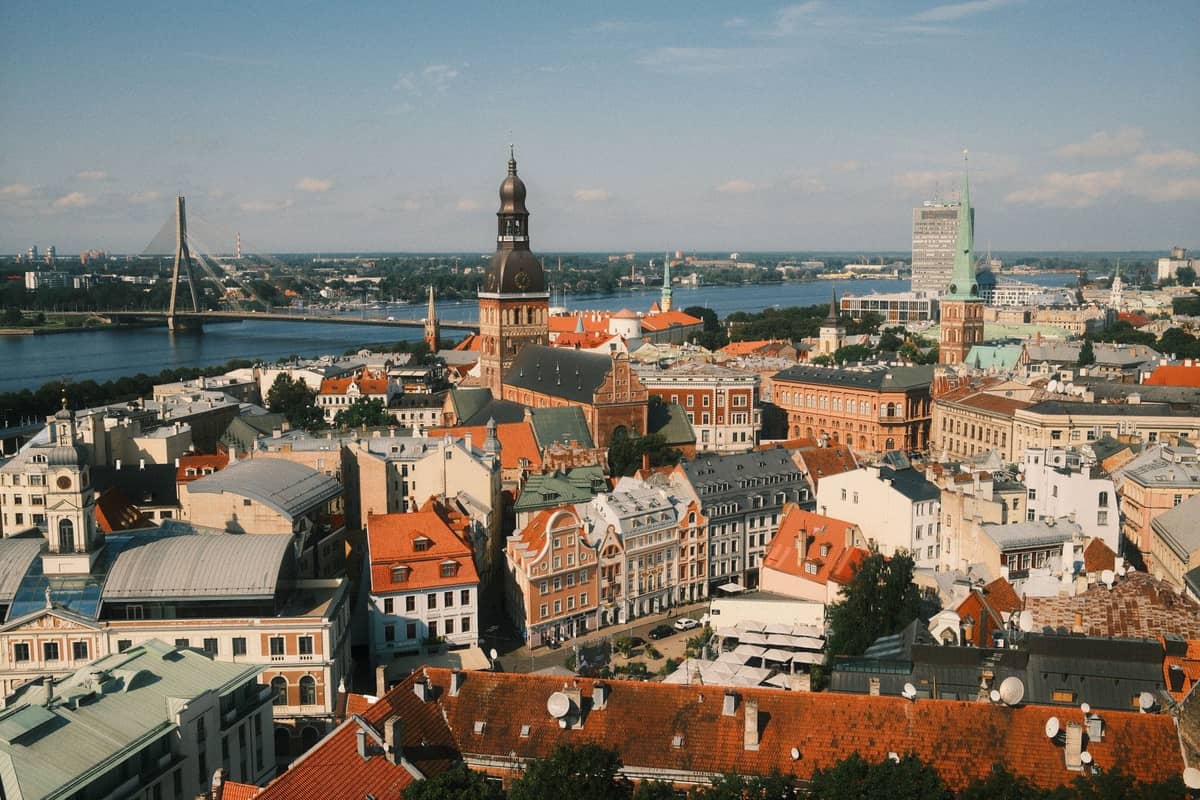
Vecrīga is Riga's historic heart: a compact UNESCO World Heritage district of cobbled lanes, medieval churches, and Hanseatic merchant houses wedged between the Daugava River and the City Canal. It contains the city's most visited landmarks, its liveliest restaurant strip, and some of its most atmospheric streets — all within easy walking distance of each other.
Vecrīga, Riga's Old Town, is where the city began: a medieval Hanseatic port that has preserved its street plan, its Gothic churches, and its layers of architectural history across more than eight centuries. It is the unavoidable center of any trip to Riga — not because every street is polished for tourists, but because the genuine bones of the city are still here, underneath the souvenir shops and terrace bars.
Orientation
Vecrīga sits on the right (east) bank of the Daugava River, forming a roughly triangular wedge of about one square kilometer. The western edge runs along the Daugava riverfront. The eastern and northern edges follow the City Canal (Pilsētas kanāls), a slim waterway that traces the line of the original medieval city fortifications. The boulevards framing those edges — Aspazijas bulvāris to the north, Zigfrīda Annas Meierovica bulvāris curving toward the river to the south, and 13. janvāra iela along the southwest — define Old Town's boundary with the Centre district (Centrs) beyond the canal.
The internal geography is not a grid. Streets follow medieval patterns: some are wide enough for two cars, others narrow to barely a shoulder's width. The main pedestrian spine runs roughly south to north, connecting the Town Hall Square area (Rātslaukums) near the river up through Dome Square (Doma laukums) and on toward the northern edge near the City Canal and Aspazijas bulvāris. Most visitors naturally gravitate along this corridor without realizing it.
Old Town shares no hard physical barrier with the adjoining Centre district — cross Aspazijas bulvāris and you move from medieval cobblestones into the Art Nouveau apartment blocks of the 19th century city almost instantly. The Freedom Monument stands just across the canal, a useful landmark for orienting yourself when you emerge from Old Town's narrower lanes.
Character & Atmosphere
Vecrīga changes character several times across a single day, and those changes matter for how you experience it. In the early morning, before 9am, the cobbled streets around Dome Square and St. Peter's Church are genuinely quiet. The light at this hour is worth noting: northern European morning light falls low and gold across the red-brick facades, and the spires of St. Peter's and the Cathedral catch it in a way that photographs cannot fully capture. The only sounds are delivery vans navigating the narrow lanes and the occasional café opening its shutters.
By mid-morning the tour groups arrive and the tone shifts. Town Hall Square becomes a staging area for walking tours; the main pedestrian streets — Tirgoņu iela, Kalķu iela, Meistaru iela — grow progressively crowded. This is when Vecrīga feels most like a heritage attraction rather than a living neighborhood. The souvenir shops open, the amber jewelry displays go out, and the coffee prices on terrace menus are noticeably higher than a ten-minute walk away in Centrs.
Late afternoon brings a different crowd: locals crossing through to reach the waterfront, office workers from the surrounding area, and visitors who have done the main sights and are now looking for a drink. The streets around Dome Square in particular fill with an after-work energy between 5pm and 8pm. After dark, Old Town becomes Riga's primary nightlife district. The bars and clubs around Kalku and the side streets running toward the river stay active until well past midnight, especially on weekends. It is louder than much of the rest of the city, and groups of stag and hen parties from Northern Europe remain a visible presence, particularly in summer.
💡 Local tip
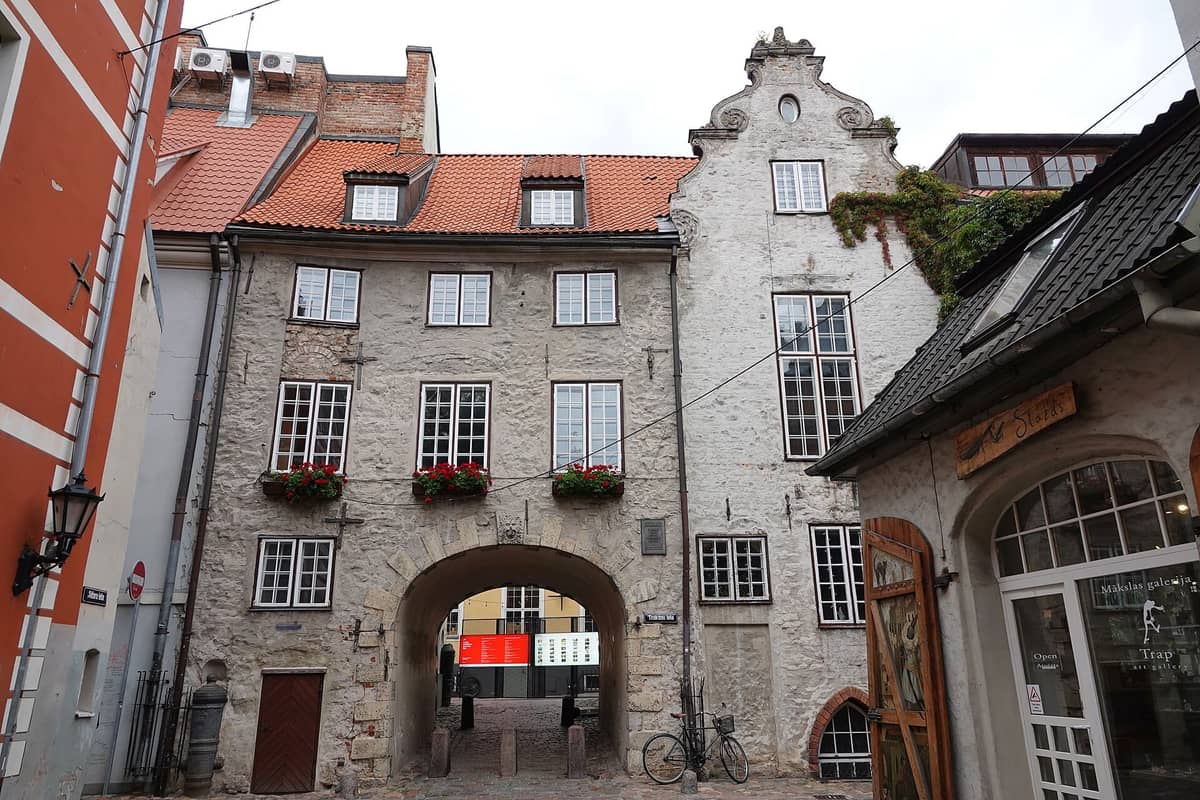
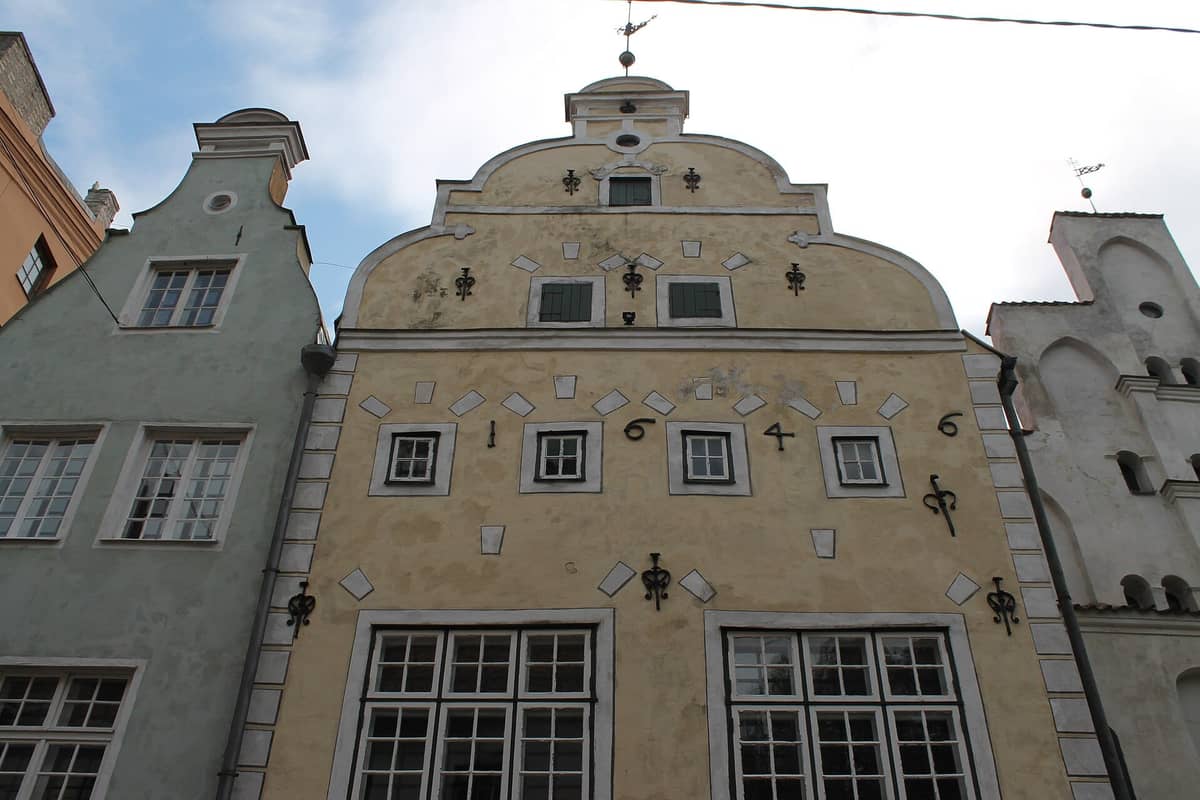
If you want to photograph Old Town without crowds, aim for weekday mornings before 9am. The streets around the Three Brothers and Swedish Gate are particularly atmospheric at this hour.
What to See & Do
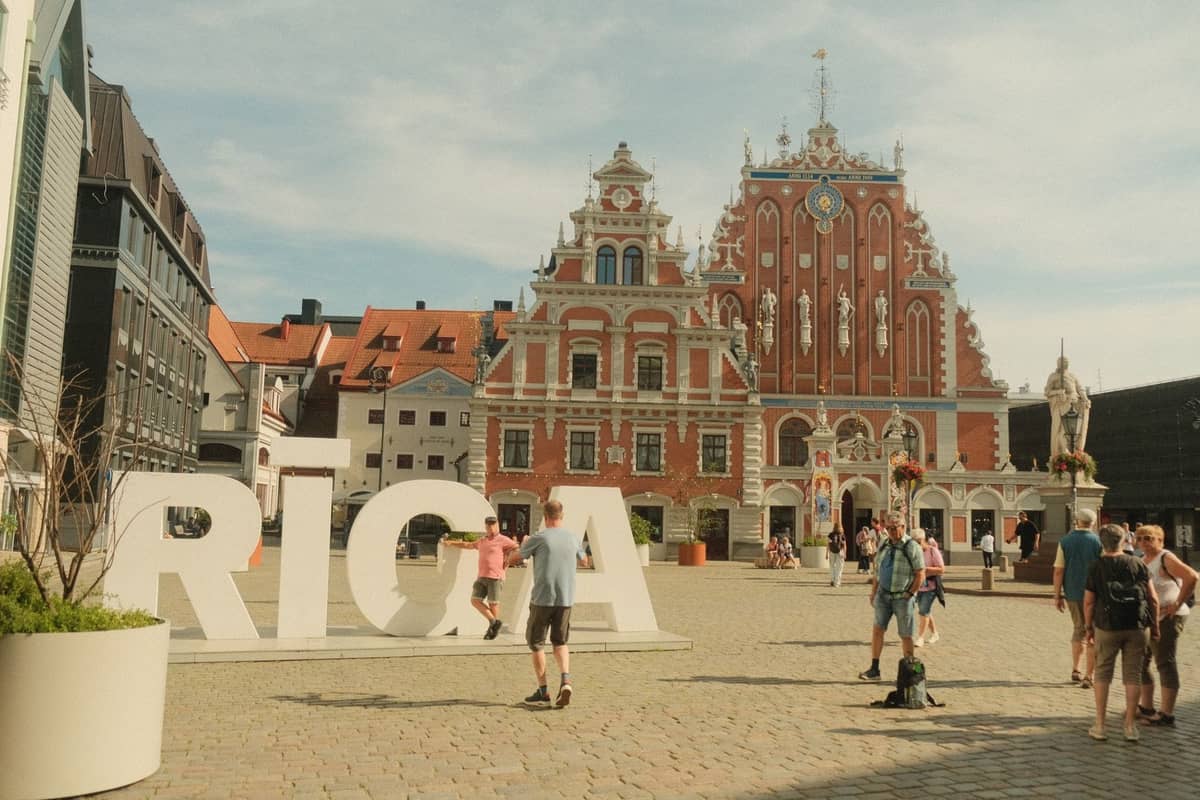
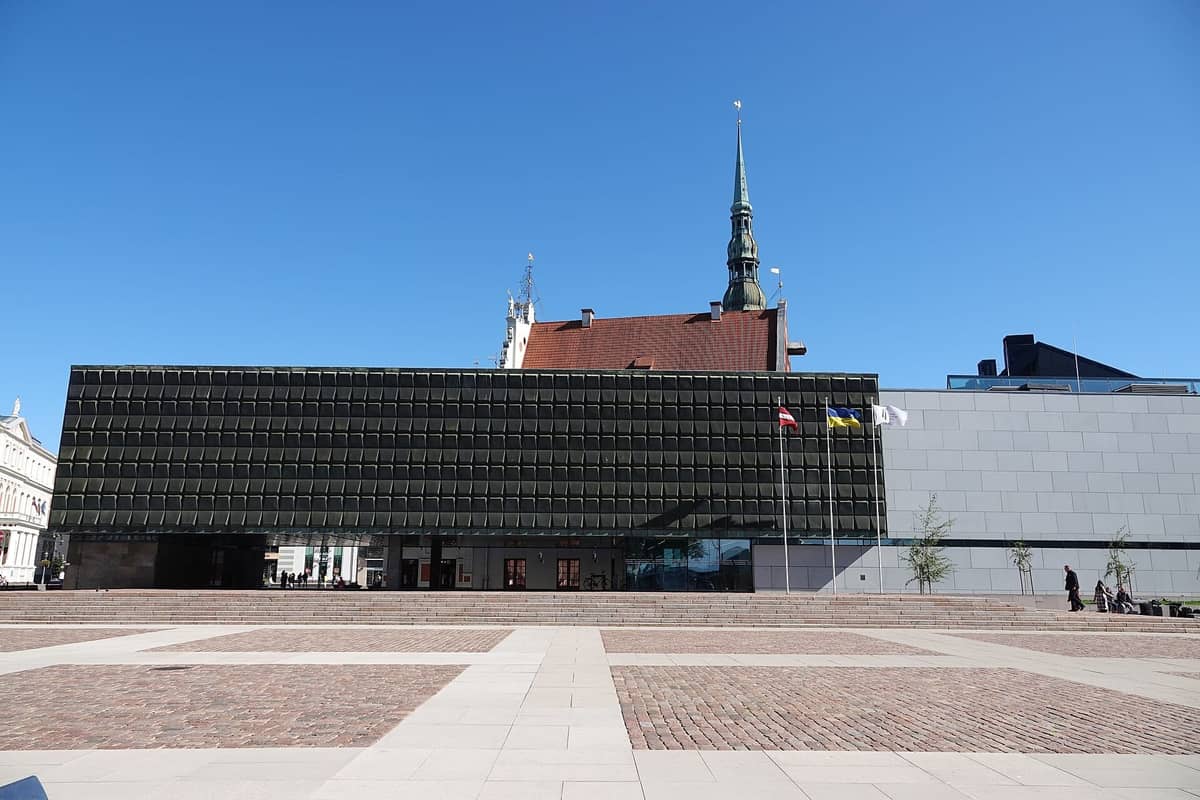
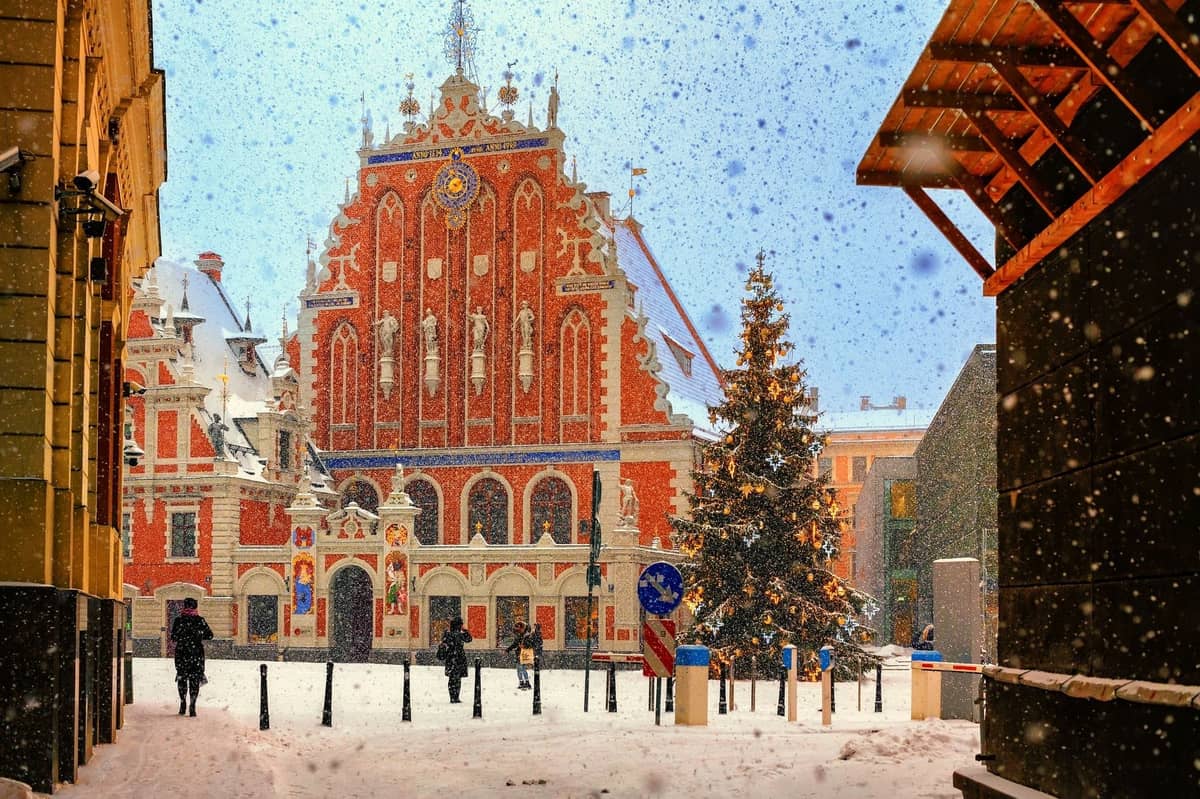
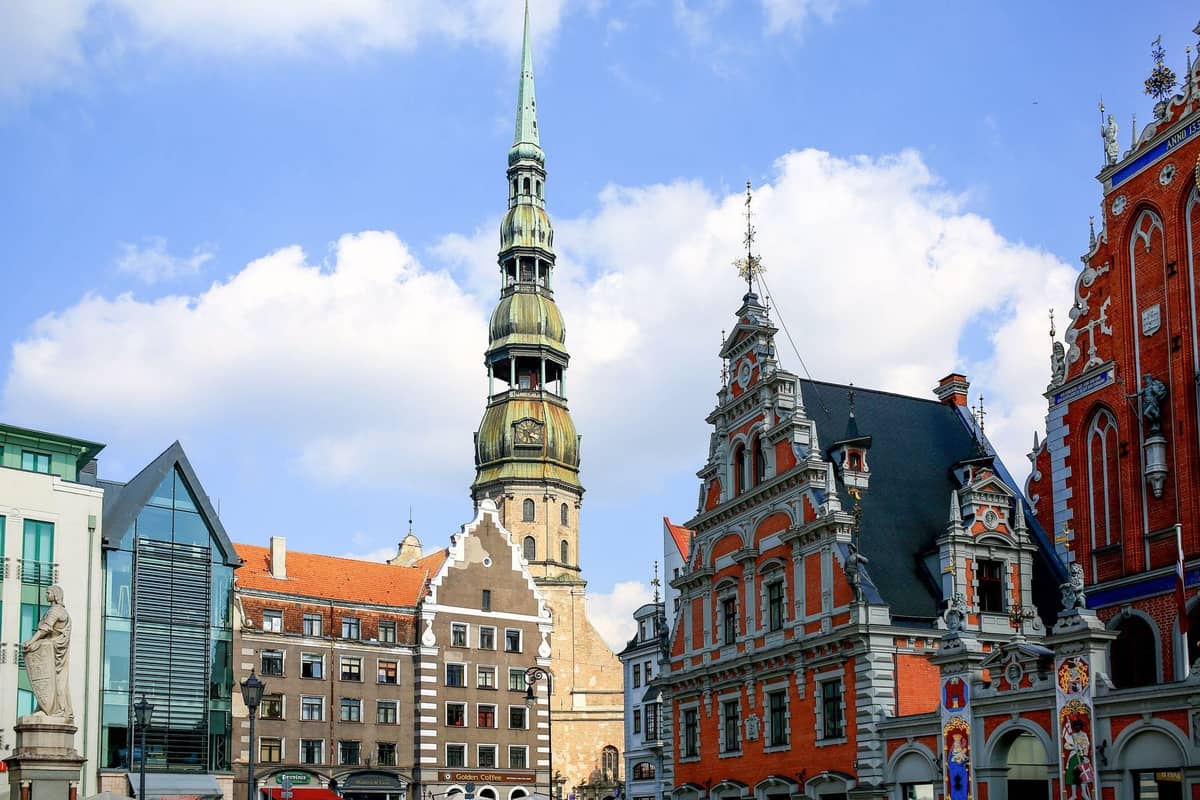
The single most rewarding thing to do in Vecrīga is walk without a fixed plan — but knowing where the anchors are helps. Town Hall Square is the logical starting point for most visitors. The square is defined by the reconstructed House of the Blackheads, a Gothic-Renaissance merchant guild building that was destroyed in World War II and rebuilt in the 1990s. The reconstruction is meticulous and the interior is open to visitors. Across the square, the Latvian Riflemen monument and the Museum of the Occupation of Latvia occupy the southern edge.
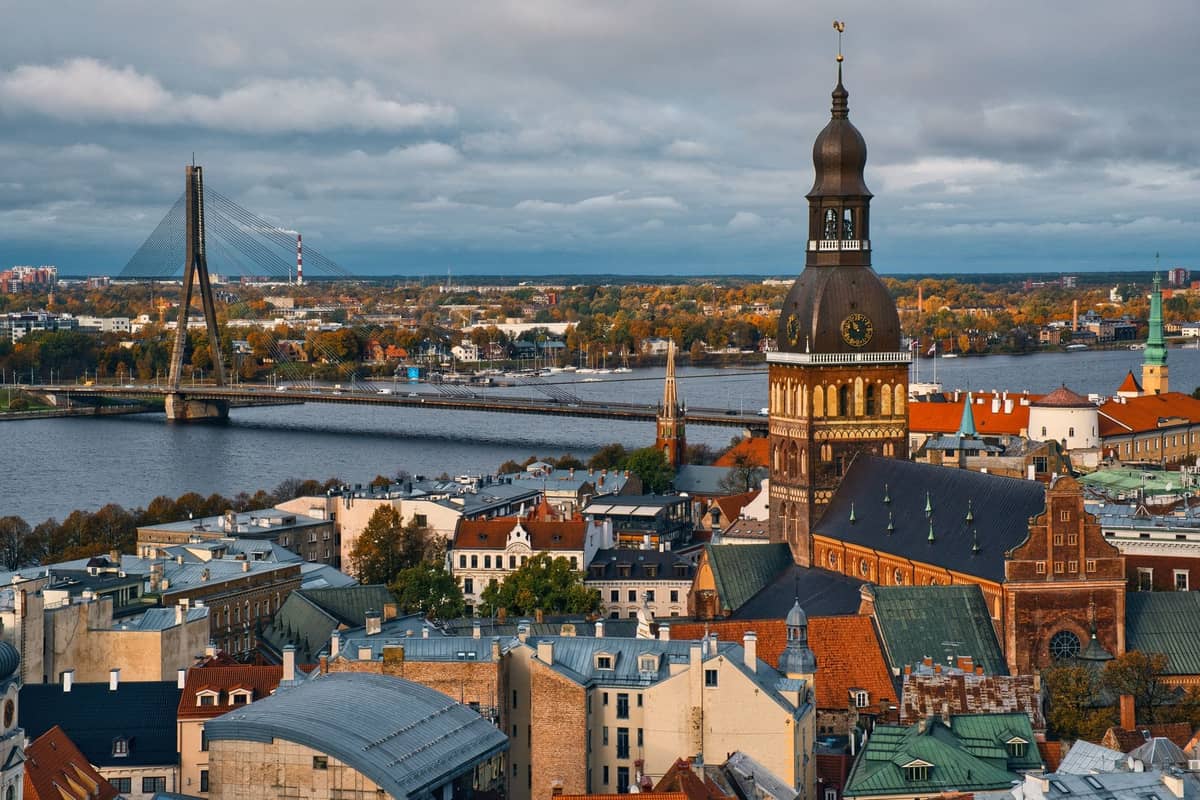
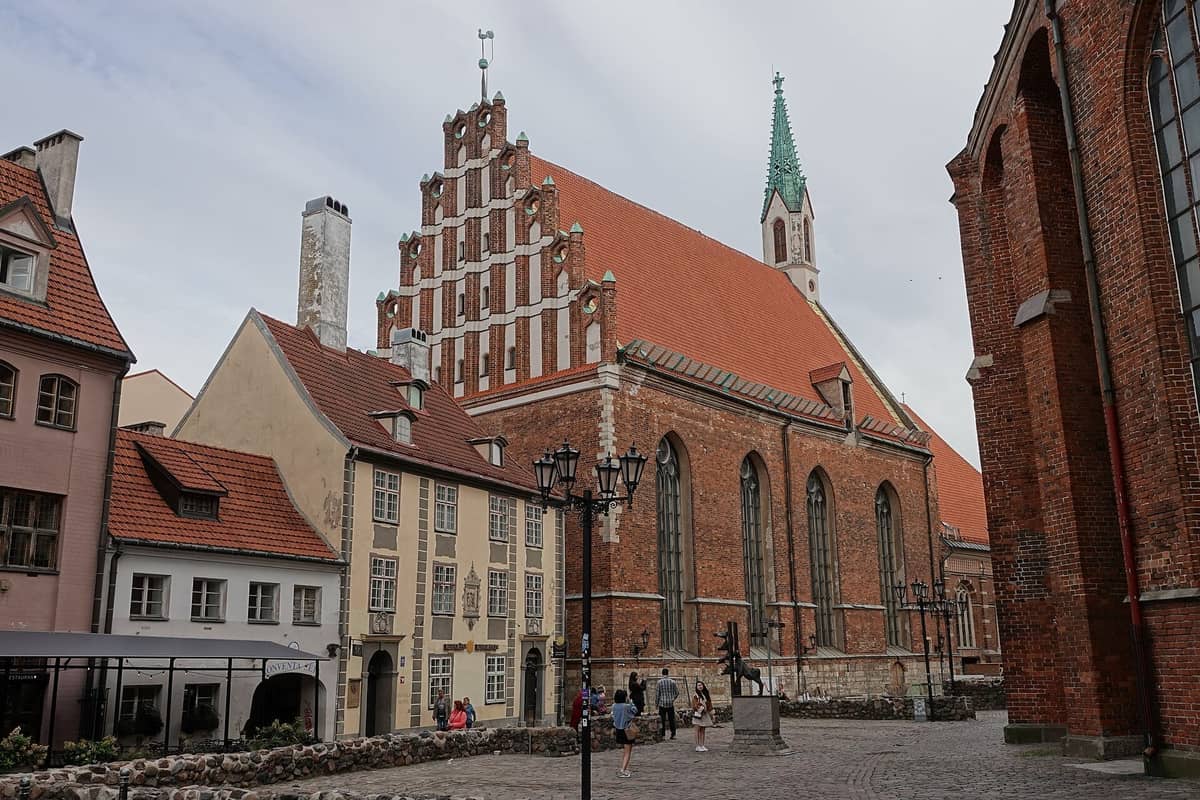
Walking north from Town Hall Square brings you to Dome Square and the Riga Dome Cathedral, the largest medieval church in the Baltic states. The Dome's interior organ is one of the largest in Europe and the cathedral hosts regular concert performances. Adjacent to it, the cloister arcade is one of the quieter and more contemplative spaces in the whole district. Continue north along narrow Jauniela street and you reach the area around the Three Brothers, a row of three medieval residential buildings representing architectural styles from the 15th to the 17th century — the oldest surviving dwelling houses in Riga.
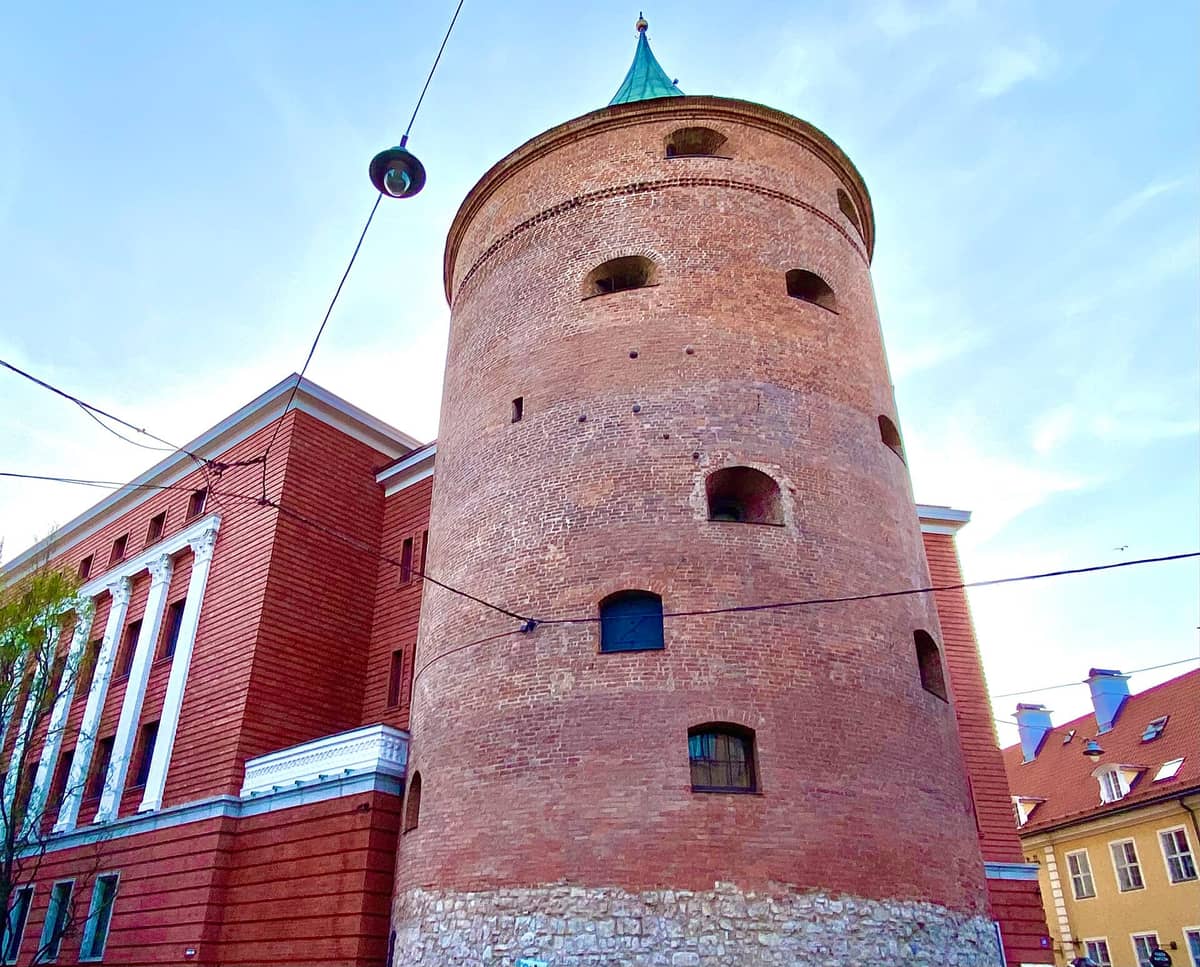
The northeastern corner of Old Town contains two of its most evocative medieval remnants. The Swedish Gate is the only surviving city gate from Riga's fortification wall, dating to the 17th century. A few steps away, the Powder Tower is the last standing tower of the medieval ring, now housing a military museum. These two structures together give the best physical sense of what the fortified medieval city looked like.
For the view, St. Peter's Church offers a lift to its observation gallery, from which you can see the full extent of Vecrīga's roofline and across the Daugava to the Pārdaugava district. The Museum of the Occupation of Latvia is a serious and well-documented look at Latvia under Soviet and Nazi occupation. It is not a light experience, but it is essential context for understanding modern Riga.
Riga Dome Cathedral: medieval architecture and organ concerts
House of the Blackheads: reconstructed Hanseatic merchant hall
St. Peter's Church: panoramic observation gallery
Three Brothers: oldest residential buildings in Riga
Swedish Gate and Powder Tower: surviving medieval fortifications
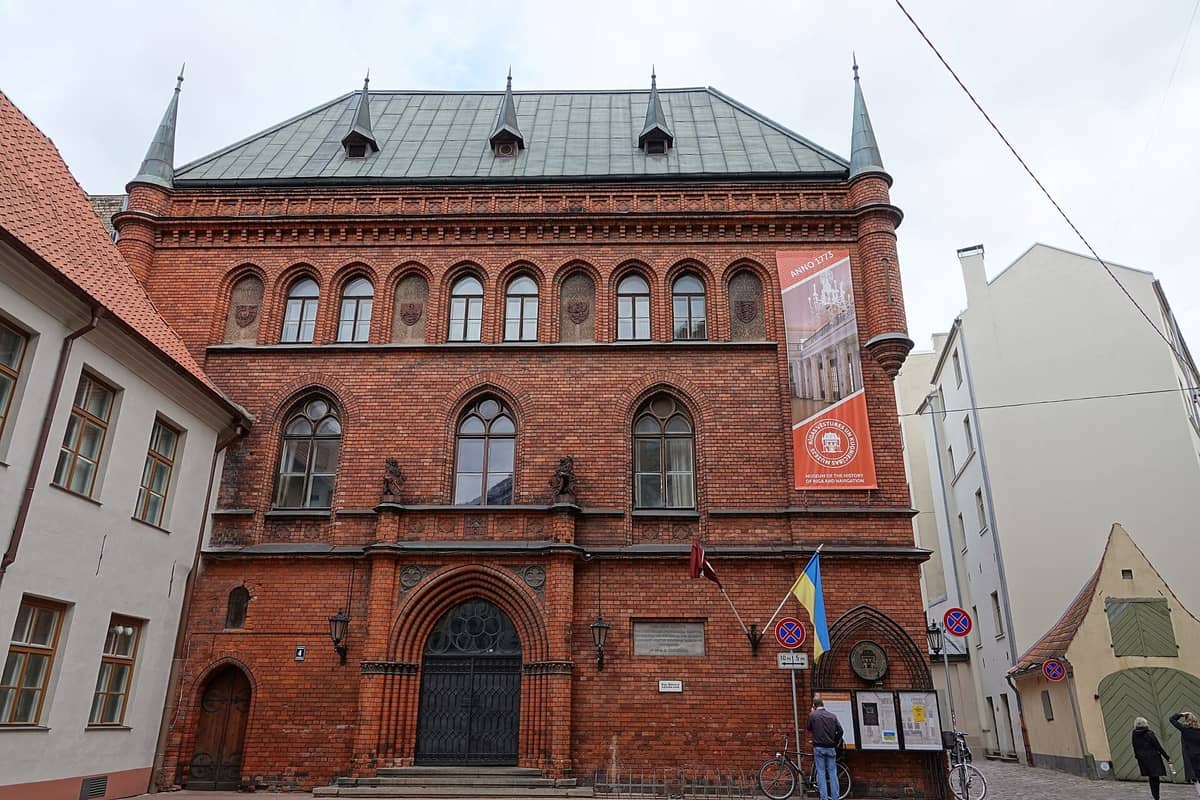
Museum of the Occupation of Latvia: essential historical context
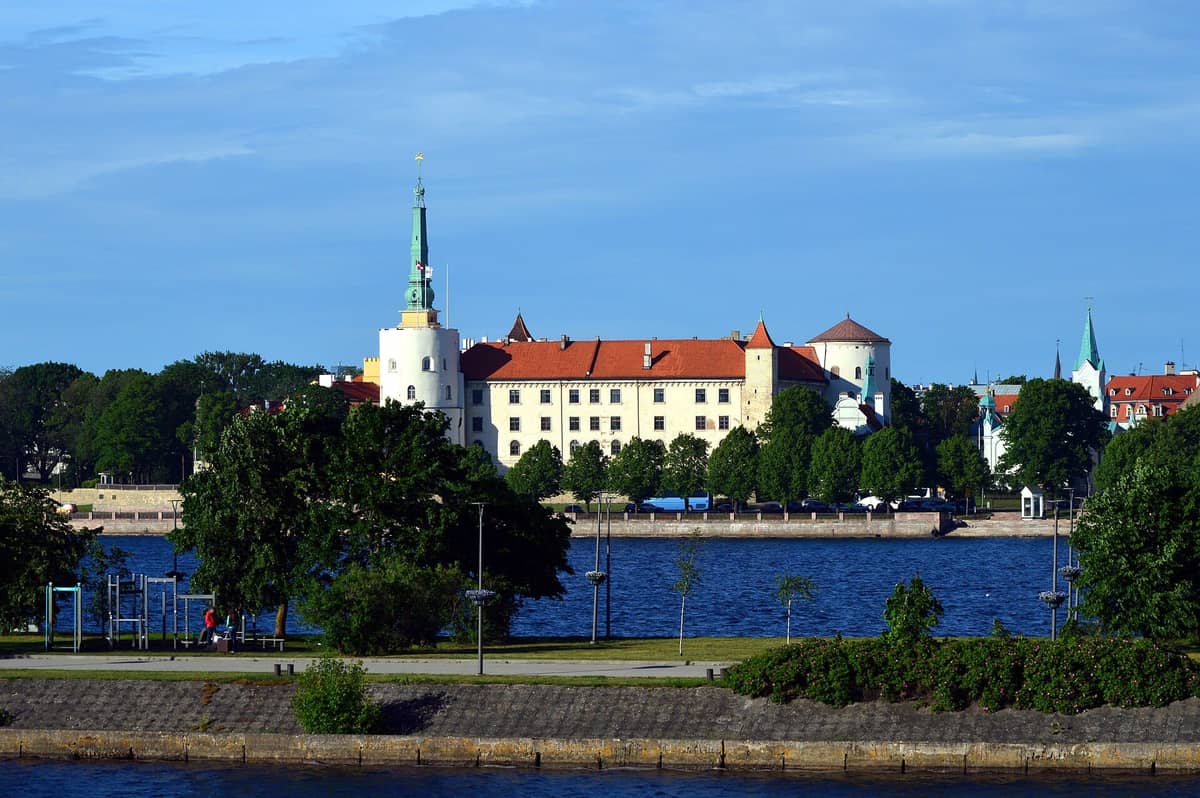
Riga Castle: on the northern riverfront, seat of the Latvian president
ℹ️ Good to know
Riga Castle, at the northern tip of Old Town on the riverfront, is the official residence of Latvia's president. The exterior and grounds are visible from the street; interior access is generally not available to the public.
Eating & Drinking
The food scene in Vecrīga is uneven. There are genuinely excellent restaurants here, but they sit alongside tourist-trap establishments charging Old Town prices for mediocre food. The general rule: the closer a restaurant is to Town Hall Square or the main pedestrian axis, the more it is pricing for foot traffic. Step one street off the main routes and the quality-to-price ratio improves considerably. For the broader context of what Latvian food looks like, the Riga food guide covers the full city.
Latvian food in Old Town ranges from traditional rye bread dishes and smoked fish to updated interpretations of Central European cooking. Dark rye bread (rupjmaize) is a staple that appears on almost every table. Smoked eel and pike-perch from the Daugava are found on menus that lean into local sourcing. A number of mid-range restaurants around Dome Square and the streets leading toward Riga Castle offer Latvian-focused menus at prices that, while higher than the surrounding Centre district, are not unreasonable by Northern European standards.
The bar scene is heavily concentrated along and around Kalku iela and the streets running west toward the river. This strip is where Riga's nightlife is most accessible and most internationally oriented — which also means it is the loudest and most expensive part of the district after 10pm. Wine bars and cocktail lounges occupy medieval cellars throughout the area; the atmospheric low-ceilinged settings are a genuine draw. Coffee is easily found; several specialty coffee shops have opened in recent years in the quieter northern end of Old Town, around the area near the Powder Tower.
⚠️ What to skip
Nightlife pricing in Old Town can be significantly inflated. Check menus carefully before ordering drinks, particularly at establishments advertising live music or entertainment near Town Hall Square. These venues tend to charge two to three times the price of comparable bars in the Centre district.
Getting There & Around
Vecrīga is one of the easiest parts of Riga to reach and the hardest to navigate by car. Private vehicles are restricted or regulated across much of the district, and parking is limited and expensive. The practical approach for almost everyone is to arrive on foot or by public transit and then walk. Getting around Riga covers the full city transport network.
From Riga Central Station (Rīgas Centrālā stacija), the southeastern corner of Old Town is a five-minute walk west across 13. janvāra iela. The station is served by trains from across Latvia and from Tallinn, and the nearby international coach terminal handles most long-distance bus routes. If you arrive by train or long-distance bus, you can be in the heart of Old Town in under ten minutes on foot.
From Riga International Airport (RIX), Bus 22 runs directly to the city and stops near the edge of Old Town, with a journey time of roughly 30–40 minutes depending on traffic. The airport is also reachable by taxi or ride-hailing, with a typical journey of 20-30 minutes. Full details on the airport transfer options are covered in the Riga airport guide.
Tram and bus lines run along Aspazijas bulvāris along the northern edge of Old Town and along the waterfront, connecting the district to the Centre and to Pārdaugava across the river. Within Old Town itself, the streets are entirely walkable and most of the distances between landmarks are under ten minutes on foot. The district is compact enough that you will repeatedly cross the same squares from different directions.
Where to Stay
Staying in Vecrīga puts you within walking distance of virtually every major sight in Riga and inside the city's most atmospheric architecture. Hotels here range from international chains in converted historic buildings to smaller boutique properties in genuine medieval structures with uneven floors and low ceilings. For a full overview of the accommodation landscape across the city, the where to stay in Riga guide breaks down all the main areas.
The northern end of Old Town, around the area between Dome Square and the Powder Tower, tends to be quieter at night than the southern end near Town Hall Square and the river-facing entertainment streets. For travelers who prioritize sleep, this matters: weekend nights near the bar strips on Kalku iela can be noisy until 3am or later, and Old Town's dense stone-and-brick construction does not muffle sound effectively.
Old Town suits travelers who want to step outside their door and immediately be in the historic city, and who don't mind paying a premium for that. It is less suited to budget travelers or those who prefer a residential, locals-first atmosphere — for that, the Centre district or the Āgenskalns area across the river offer more everyday Riga at lower prices. Families with young children should be aware that cobblestones and strollers are a difficult combination on many of the older streets.
Practical Assessment: Who Old Town Is For
Vecrīga is not a neighborhood in the everyday residential sense. Very few people actually live here; the resident population is small relative to the area's size. Most buildings are given over to tourism, hospitality, offices, and cultural institutions. This means Old Town never fully loses its heritage-attraction feel, even on a quiet Tuesday morning in November.
That said, the architecture is genuinely extraordinary. Riga's Old Town is a UNESCO World Heritage Site for real reasons, not bureaucratic ones: the medieval street pattern, the Romanesque and Gothic church interiors, the Hanseatic merchant buildings, and the layers of construction from the 13th century onward are remarkable. Combine a base here with day trips to the Art Nouveau district ten minutes north, and you get a full picture of how Riga's architectural identity was built across different centuries.
First-time visitors to Riga should spend at least a full day here, ideally starting with the Riga Old Town walking tour to get oriented, then breaking away from the main tourist corridors into the quieter streets near Riga Castle and the northern waterfront. The district rewards unhurried exploration far more than it rewards ticking off a checklist.
TL;DR
Vecrīga is the UNESCO-listed medieval core of Riga, containing the city's most significant historic architecture including the Dome Cathedral, House of the Blackheads, Three Brothers, and St. Peter's Church.
The district is compact — roughly one square kilometer — and almost entirely walkable, five minutes from Riga Central Station and well-served by trams and buses along its perimeter.
It is the city's main nightlife and dining hub, with quality ranging from excellent to tourist-trap; the streets around Kalku iela are noisy on weekend nights.
Best suited for first-time visitors, architecture enthusiasts, and travelers who want maximum sightseeing convenience — less suited for budget travelers or those seeking everyday local life.
Early mornings offer the most atmospheric experience; summer weekends bring the largest crowds and highest prices across the whole district.
Two days in Riga is genuinely enough to cover the city's best sights, from the medieval lanes of Vecrīga to the extraordinary Art Nouveau district and the sprawling Central Market. This itinerary is built for efficiency, not rushing — with practical advice on where to linger and what to skip.
Three days is the sweet spot for Riga. Enough time to cover the medieval Old Town, the Art Nouveau district, and the Central Market properly, with a full day left for a train ride to Jūrmala's Baltic coast or Sigulda's castle valley. This guide breaks it all down day by day, with transport logistics, honest priorities, and seasonal advice.
Riga holds the world's largest concentration of Art Nouveau architecture, with over 700 buildings spanning four distinct style variants. This guide covers where to find the best façades, how to read the architecture, what to skip, and how to plan a half-day or full-day exploration of the Quiet Centre and beyond.
Riga stands out for a city of its size for museums. Whether you want medieval history, Soviet-era chills, or Latvia's finest art, the city has a museum for it. This guide covers the 12 best, with practical advice on what to prioritise and what to expect.
Riga rewards visitors differently depending on when you arrive. This guide breaks down every season's weather, crowd levels, pricing patterns, and key events so you can make an informed decision about when to go.
Riga is an outstanding base for exploring Latvia. Within an hour or two by train or car, you can walk a medieval castle tower, swim in the Baltic Sea, or wander through a surreal peat bog. These are the best day trips from Riga, with practical transport details for each.
Riga rewards budget-conscious travellers more than almost any other European capital. From medieval Old Town lanes and Art Nouveau facades to riverside promenades and free museum days, here are the best free experiences the city has to offer.
Riga has no metro, but its tram, trolleybus, and bus network covers almost every corner of the city for around €1.50 a ride when bought in advance. This guide breaks down every transport option, from airport bus 22 to night routes, e-tickets, and when it actually makes sense to take a taxi.
Riga is one of Northern Europe's most underestimated capitals: a UNESCO-listed Old Town, over 300 Art Nouveau buildings, a serious food scene, and prices that undercut most Western European cities. But it's not perfect. Here's an honest look at whether Riga deserves a place on your itinerary.
Riga International Airport (RIX) is the Baltic states' largest airport, just about 10–13 km from the city centre. This guide covers the arrivals process, terminal layout, immigration tips, and every realistic option for reaching central Riga quickly and affordably.
Latvian cuisine is built on rye, pork, fish, and preserved foods shaped by centuries of cold-climate cooking. This guide covers the essential dishes, drinks, and food spots to know before you eat your way through Riga — from Central Market stalls to traditional cafeterias and beyond.
Riga rewards couples with medieval cobblestone streets, a gorgeous Art Nouveau district, waterfront promenades, and a food scene serious enough to anchor multiple evenings. This guide covers the best romantic experiences across every season, from free sunset walks to private boat cruises on the Daugava.
Riga transforms in winter into one of Northern Europe's most atmospheric cold-season destinations. This guide covers the Old Town Christmas Market, seasonal ice rinks, what the weather actually feels like, and how to get the most out of a visit between November and January.
Riga's nightlife has more range than many visitors expect. Old Town's medieval streets fill with cocktail bars and live music venues, while the creative quarter around Tallinas iela draws a more local crowd. This guide breaks down where to drink, dance, and explore after dark — by neighborhood, budget, and time of year.
Walk the medieval streets of Riga's Old Town (Vecrīga) without a guide. This route covers every major landmark from the Freedom Monument to the House of the Blackheads, with practical advice on what costs money, what to skip, and how to time your visit.
Riga is one of Europe's most affordable capital cities, with a realistic daily budget of €35–55 covering accommodation, food, transport, and sightseeing. This guide breaks down exactly where your money goes, what to skip, and how to stretch every euro further.
Riga is one of the safer European capitals, but certain scams and situations catch tourists off guard every year. This guide breaks down real risks, the scams most likely to hit you, and practical steps to avoid them — from Old Town bar traps to taxi overcharging.
Riga rewards shoppers with one of Europe's great food markets, a lively craft scene, and local design studios that go well beyond fridge magnets. This guide covers where to shop, what to buy, what to skip, and how to do it without overpaying.
Riga carries more than 50 years of Soviet history in its streets, buildings, and museums. This guide covers the key Cold War sites, occupation memorials, Soviet-era architecture, and the historical context you need to make sense of what you're seeing.
Riga is a genuinely rewarding family destination, but it works best when you know where to focus. From Mežaparks forest trails and canal boat tours to the Ethnographic Open-Air Museum and a Jūrmala beach day, this guide covers the top family activities in Riga with practical details on what to do by season, how to get around, and what to avoid.
Riga packs medieval churches, extraordinary Art Nouveau architecture, Soviet-era landmarks, and one of Europe's great markets into a walkable city centre. This guide covers the best things to do across the Old Town, Centrs, and beyond, including day trips to Sigulda and Jūrmala.
Choosing where to stay in Riga shapes your entire trip. This guide breaks down every major neighbourhood, from the UNESCO-listed Old Town to the Art Nouveau streets of Centrs, with practical advice on what each area costs, who it suits, and what you'll give up.