Is Riga Worth Visiting? An Practical Assessment for 2025
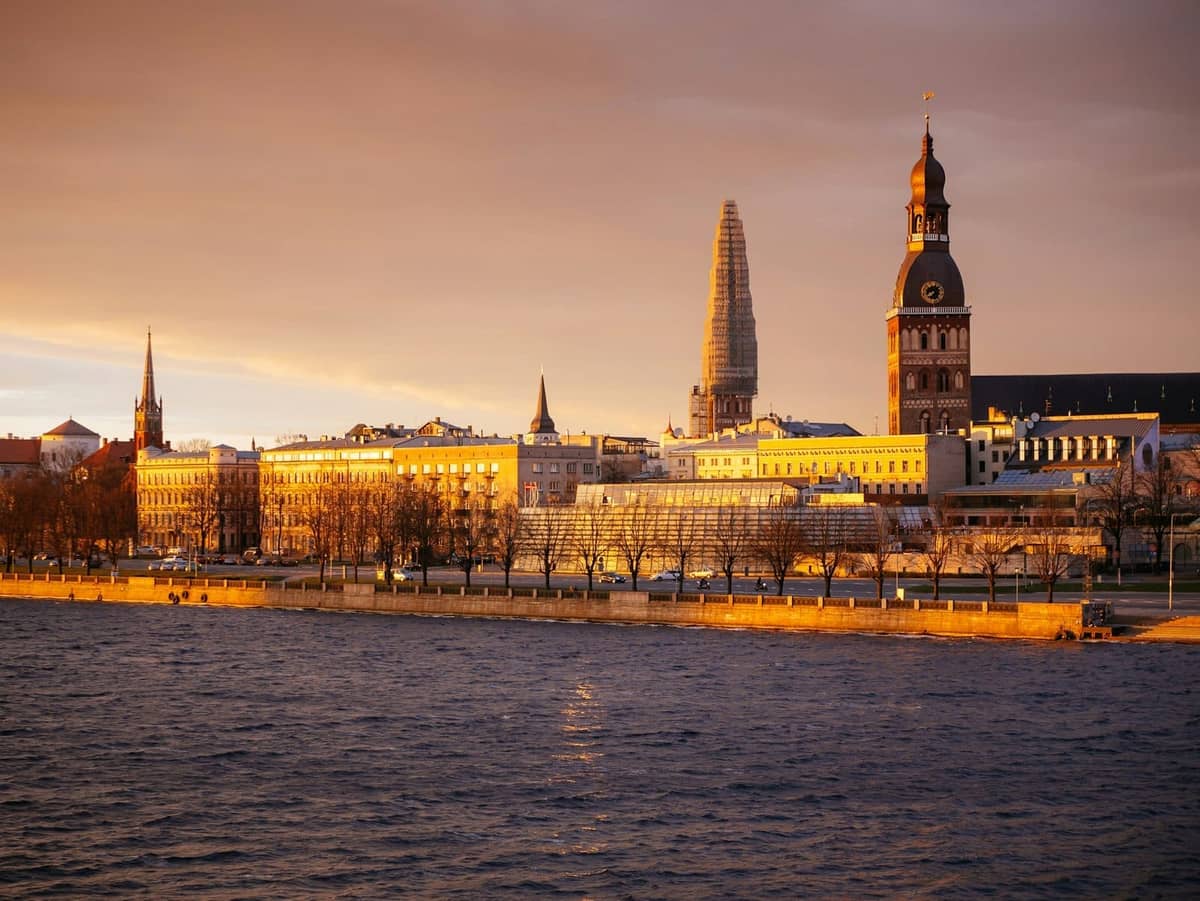
Riga is one of Northern Europe's most underestimated capitals: a UNESCO-listed Old Town, over 300 Art Nouveau buildings, a serious food scene, and prices that undercut most Western European cities. But it's not perfect. Here's an honest look at whether Riga deserves a place on your itinerary.
Plan and book this trip
Tools from our partner Travelpayouts help you compare flights and hotels. If you book through them, we may earn a commission at no extra cost to you.
Flights
Hotels map
TL;DR
- Riga is Latvia's capital and the largest of the three Baltic capitals, with around 605,000 residents.
- The Historic Centre is a UNESCO World Heritage Site and home to one of the world's largest concentrations of Art Nouveau architecture — see the Art Nouveau Riga guide for a full breakdown.
- Budget travelers can get by on €65–85/day; mid-range visitors typically spend €160–190/day. Budget travelers can get by on €65–85/day; mid-range visitors typically spend €160–190/day.
- Summer (June–August) is peak season with the best weather; winter has charm but short days and sub-zero temperatures.
- Riga rewards curious travelers who want depth — history, architecture, food, and culture — but offers little if you're chasing beach resorts or nightlife on par with Vilnius or Tallinn.
What Makes Riga Stand Out in Northern Europe
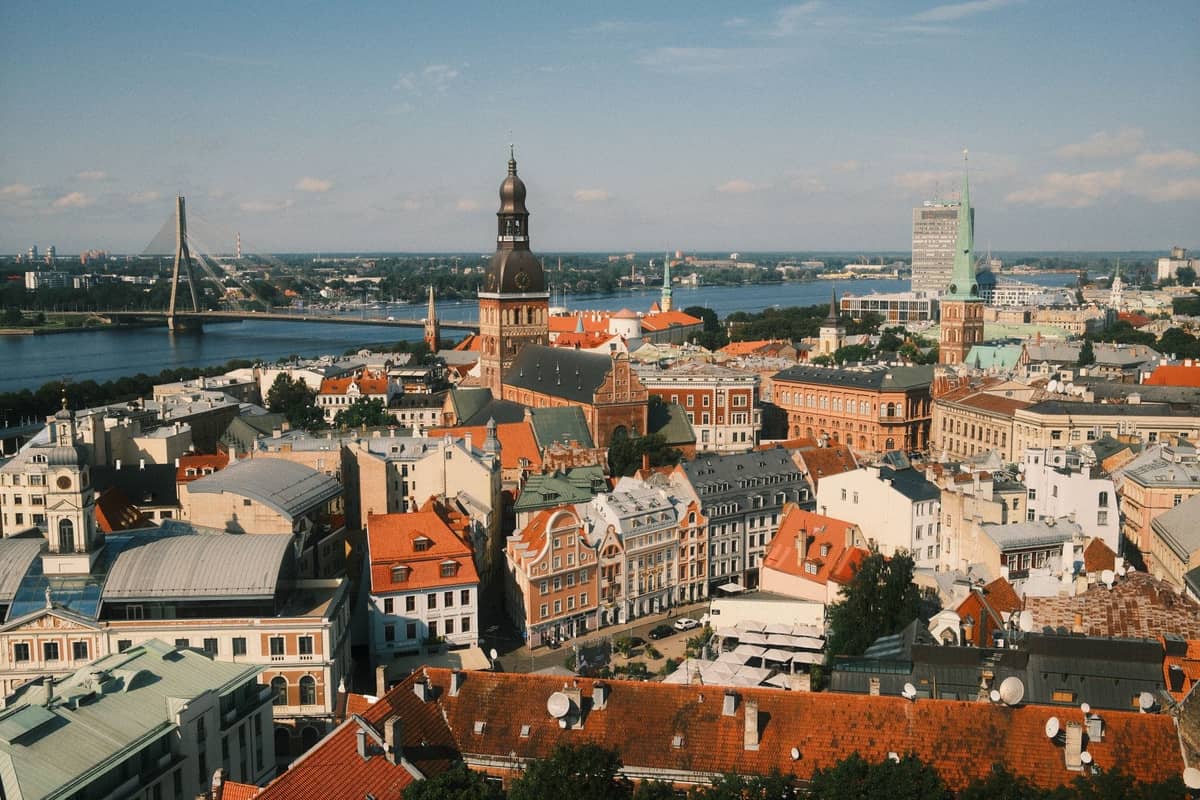
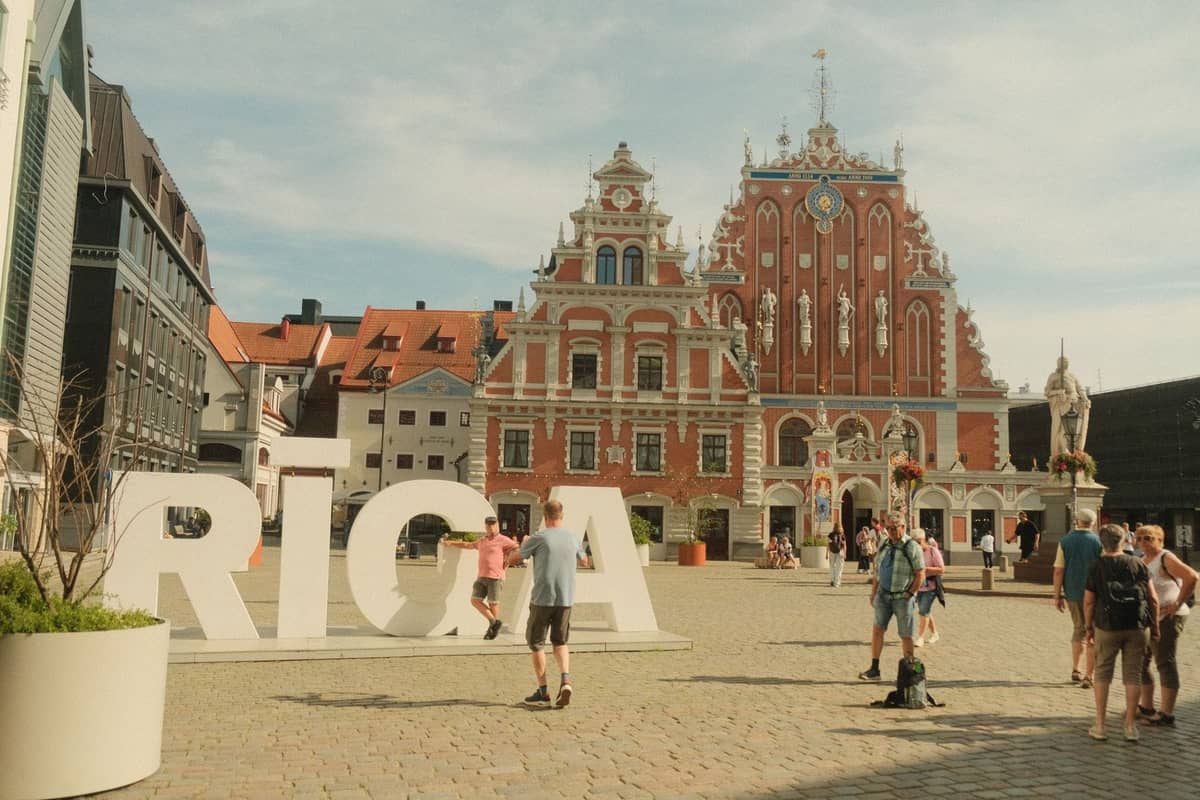
Riga is worth visiting primarily for three reasons: the density of its architecture, the quality of its Old Town, and the value it offers relative to other EU capitals. Founded in 1201 and once a major Hanseatic League trading hub, the city accumulated centuries of architectural wealth before the Soviet period ever arrived. That history is still very visible today. The Old Town (Vecrīga) is a UNESCO World Heritage Site with cobblestone streets, medieval guild houses, and landmarks like the House of the Blackheads and the Riga Dome Cathedral packed into a walkable core.
Beyond the medieval core, Riga's Art Nouveau district is genuinely extraordinary. Estimates vary between 300 and 800 Art Nouveau buildings depending on how strictly the style is defined, but even the conservative figure makes this one of the densest concentrations in Europe. Most of these buildings are on Alberta iela and the surrounding streets in the Centre district, a 10-minute walk from the Old Town. This is not a single museum or a curated tour stop — it's a functioning neighborhood where the architecture simply surrounds you.
ℹ️ Good to know
Riga is not an undiscovered destination, but it's far less crowded than Prague, Krakow, or Tallinn during peak summer months. It's not an undiscovered destination, but it's far less crowded than Prague, Krakow, or Tallinn during peak summer months. You can walk most of the Old Town on a summer morning without fighting through tour groups.
The Case Against Riga
Riga is not for everyone, and it's worth being direct about that. The city's appeal is intellectual and aesthetic rather than sensory. If you're expecting a warm climate, a vibrant beach culture, or a nightlife scene on par with European party capitals, you'll be disappointed. Summers are pleasant but rarely hot — average July temperatures sit around 17–20°C — and the shoulder seasons (March–April, October–November) can be grey, damp, and uninspiring.
The Old Town, while beautiful, is relatively compact. A thorough walk covers it in half a day. Travelers who prefer constant stimulation or a long list of top-tier attractions may feel the city runs out of obvious things to do by day three. The surrounding neighborhoods outside the historic core are uneven — some have genuine character, others are just post-Soviet residential blocks with little to offer a visitor. Knowing which areas are worth your time and which aren't is the difference between a good trip and a mediocre one.
⚠️ What to skip
Riga had a well-documented reputation as a stag party destination through the 2010s, particularly in the Old Town on weekends. That culture has faded significantly but hasn't disappeared entirely. Friday and Saturday nights around certain Old Town bars can be rowdy. If you're sensitive to that, book accommodation slightly away from the main square area or visit mid-week.
What Riga Actually Costs: A Realistic Budget Breakdown
Latvia uses the Euro, and Riga is noticeably cheaper than Stockholm, Helsinki, Copenhagen, or even Tallinn for most categories. A sit-down lunch at a local restaurant typically runs €8–14 per person. Dinner at a mid-range restaurant with drinks lands around €25–40 per person. Coffee is usually €2–3. Latvia uses the Euro, and Riga is noticeably cheaper than Stockholm, Helsinki, Copenhagen, or even Tallinn for most categories. A sit-down lunch at a local restaurant typically runs €8–14 per person. Dinner at a mid-range restaurant with drinks lands around €25–40 per person. Coffee is usually €2–3. A single public transport ticket is around €1.50, and the tram and bus network is efficient enough that you rarely need a taxi within the city.
- Budget traveler (hostels, self-catering, free attractions) €65–85 per day. Riga has solid hostel infrastructure, and many of the best sights — Art Nouveau streets, parks, markets — cost nothing.
- Mid-range traveler (3-star hotels, sit-down meals, paid museums) €160–190 per day. This gets you a comfortable central hotel, two proper restaurant meals, and entry to two or three paid attractions.
- Comfortable/luxury traveler €250+ per day. Riga has a growing number of boutique hotels and high-end restaurants, though the top end doesn't match Paris or Copenhagen for sheer depth of options.
- Tourism tax €1 per person per night, charged by accommodations since January 2023. Minor, but factor it in for longer stays.
Getting from Riga International Airport (RIX) to the city center is straightforward and cheap. Bus 22 runs directly to the center for around €1.50. Taxis and ride-hailing apps typically charge €10–25 depending on traffic and time of day, with the journey taking 15–25 minutes. The airport is about 10 km from the center. For more on navigating the city once you arrive, the covers trams, buses, cycling, and walking routes in detail. For more on navigating the city once you arrive, the getting around Riga guide covers trams, buses, cycling, and walking routes in detail.
The Best Things to Do in Riga (And What to Skip)
The strongest argument for visiting Riga is the range of genuinely interesting things to do within a compact area. The Riga Central Market, housed in five former WWI Zeppelin hangars near the train station, is one of Europe's largest markets and one of the city's best experiences regardless of your interests. The , housed in five former WWI Zeppelin hangars near the train station, is one of Europe's largest markets and one of the city's best experiences regardless of your interests. You can eat extremely well here for a little money — smoked fish, rye bread, local dairy, and seasonal produce from Latvian farms. Go on a weekday morning to avoid the weekend crowds.
For history, the Museum of the Occupation of Latvia is one of the most important and sobering museums in the Baltic region, covering both Soviet and Nazi occupation periods. It's not a comfortable visit, but it's an essential one for understanding modern Latvia. The KGB Building (Corner House) offers guided tours of the former secret police headquarters — a genuinely affecting experience that requires advance booking.
- Old Town walking circuit: House of the Blackheads, Riga Dome Cathedral, St. Peter's Church tower (excellent city views), Swedish Gate, Three Brothers — half a day comfortably.
- Alberta iela and the Art Nouveau district: best explored on foot in 2–3 hours; the Riga Art Nouveau Museum at Alberta iela 12 is the one paid stop worth making.
- Riga Central Market: weekday morning is ideal; budget 1–2 hours.
- Museum of the Occupation of Latvia: allow 2 hours minimum.
- Mežaparks and the Daugava riverfront: good for a half-day of walking away from tourist infrastructure.
- Day trips: Jūrmala (25 minutes by train) for Baltic beaches, or Sigulda for hiking and castle ruins.
What to skip: the view from the Latvian Academy of Sciences observation deck is interesting for Soviet architecture fans but not essential. Many of the souvenir shops around Town Hall Square sell generic Baltic amber at inflated prices — buy amber at the Central Market instead if you want it at fair value. And unless you have a specific interest in cars, the Riga Motor Museum (about 10 km from the center) is hard to justify for most visitors on a short trip.
✨ Pro tip
Riga's best free experiences are consistently underused by visitors: the Esplanade Park and Vermane Garden for morning walks, the Kalnciema Quarter Saturday market for local crafts and food, and simply walking the Art Nouveau streets without entering any paid venues. A well-planned day in Riga can cost almost nothing without feeling like you're cutting corners.
When to Visit: Seasons, Crowds, and Practical Timing
Riga sits at 57°N latitude, which shapes the visitor experience more than most travelers expect. Summer days are long — about 17 hours of daylight around the solstice — which makes June and July genuinely magical for walking and outdoor dining. Temperatures sit around 17–25°C from June through August. This is peak season, and while Riga never feels overwhelmed the way Amsterdam or Dubrovnik does, prices are higher and the best-reviewed hotels book out early. For a deeper look at seasonal trade-offs, the best time to visit Riga guide covers each month in detail.
Winter is the honest surprise. Temperatures average around -5°C in January, and daylight shrinks to under 7 hours. That sounds brutal, and for some visitors it is. But Riga's December Christmas markets are genuinely atmospheric, the city is far less crowded, and hotel prices drop significantly. The Old Town under snow looks like a different place. If you're comfortable with cold weather and short days, Riga in winter has a specific appeal that summer can't replicate. The Riga City Festival in August is worth timing a visit around if you're going in summer.
Practical Logistics: Getting There, Getting Around, Staying Safe
Riga International Airport (RIX) connects to most major European hubs, and airfares from Western Europe are generally reasonable given the city's lower tourist profile compared to Tallinn or Vilnius. Latvia is in the Schengen Area and the EU, so entry requirements depend on your nationality — EU and most Western passport holders need no visa, but verify your specific situation with official sources before traveling, as visa policies change.
The city center is highly walkable. The Old Town and the Art Nouveau district are both reachable on foot from most central hotels. Trams and trolleybuses cover routes beyond the walkable core efficiently. Emergency number in Latvia is 112. The country dialing code is +371. Riga is generally considered a safe city for tourists, but the same common-sense precautions apply as anywhere: watch for pickpocketing in crowded market areas and be aware of your surroundings in the Old Town late at night. The Riga safety tips guide has specific advice on neighborhoods and situations to be aware of.
💡 Local tip
English is widely spoken in tourist areas, hotels, and restaurants. Outside the center — particularly at local markets or neighborhood shops — Latvian and Russian are more common. Learning a few words of Latvian (paldies for 'thank you', lūdzu for 'please') is appreciated and goes over well with locals.
FAQ
Is Riga worth visiting for just 2 days?
Yes, 2 days is enough to cover the Old Town, the Art Nouveau district, the Central Market, and one or two museums. You won't exhaust the city but you'll get a strong impression of what makes it distinctive. Prioritize the House of the Blackheads, Alberta iela, and the Central Market as your core stops.
Is Riga expensive compared to other European cities?
No. Riga is noticeably cheaper than most Western and Northern European capitals. A realistic mid-range daily budget is around €160–190, including accommodation, meals, and attractions. Budget travelers can manage on €65–85 per day. It's roughly comparable to Krakow or Porto, and cheaper than Tallinn or Helsinki.
Is Riga safe for solo travelers?
Generally yes. Riga has a low violent crime rate and the main tourist areas are well-lit and active. The main concerns are standard urban ones: pickpocketing in crowds and situational awareness around late-night bar areas in the Old Town on weekends. Solo female travelers report few issues, though the usual urban precautions apply.
How does Riga compare to Tallinn and Vilnius?
Riga is the largest of the three Baltic capitals, with a denser urban core and more architectural variety. Tallinn's Old Town is arguably more perfectly preserved but much more tourist-saturated. Vilnius has a younger, more energetic feel. Riga sits between them: more urban and complex than Tallinn, more historically layered than Vilnius. If you can only visit one Baltic capital, the right choice depends on your priorities, but Riga offers the most architectural depth.
What is the best neighborhood to stay in Riga?
For most visitors, staying in or immediately adjacent to the Old Town or the Centre district gives the best access to major sights on foot. The Centre district (around Alberta iela and Elizabetes iela) is slightly quieter than the Old Town at night and well-positioned for the Art Nouveau district. Avoid booking accommodation far from the center unless you have a specific reason — the outer residential districts have little to offer tourists.