Is Riga Safe? A Practical Guide to Safety, Scams & Smart Travel
Riga is one of the safer European capitals, but certain scams and situations catch tourists off guard every year. This guide breaks down real risks, the scams most likely to hit you, and practical steps to avoid them — from Old Town bar traps to taxi overcharging.
Plan and book this trip
Tools from our partner Travelpayouts help you compare flights and hotels. If you book through them, we may earn a commission at no extra cost to you.
Flights
Hotels map
TL;DR
- Riga is generally a low-to-moderate risk city; violent crime against tourists is rare.
- The main risks are concentrated in Old Town at night and around Riga Central Station: pickpocketing, bar scams, and taxi overcharging.
- Always use Bolt or another app-based ride service with upfront fares — never accept hailed cabs outside the airport or Old Town.
- In any bar or club, demand a printed menu with prices before ordering and pay per round, not at the end.
- Emergency number: 112. Tourist police: contact 112 for urgent incidents. Riga uses the Euro (EUR) and is part of the Schengen Area.
How Safe Is Riga for Tourists?
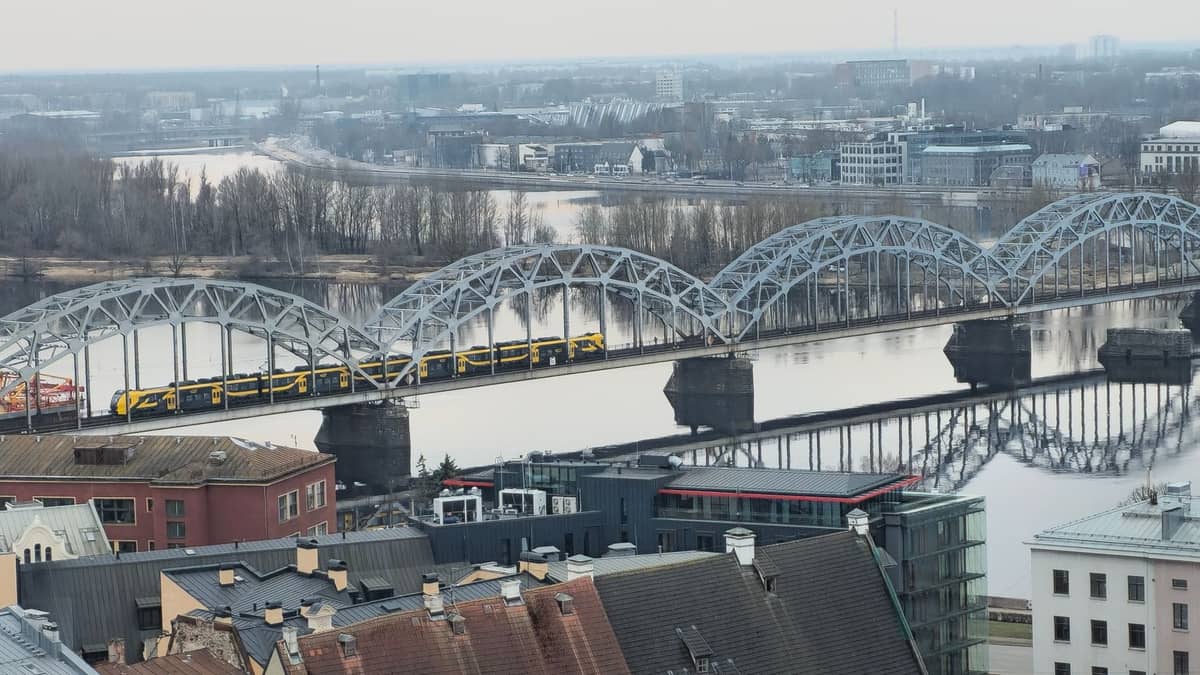
Riga is safe by any reasonable European standard. The UK Foreign, Commonwealth and Development Office, Canada's travel advisory service, and Australia's Smartraveller all classify Latvia as a low-threat destination for travellers, noting that the risks tourists face are almost entirely limited to opportunistic crime: pickpocketing, overcharging, and nightlife scams. Serious violent crime targeting visitors is uncommon. For context on what you are actually walking into, the case for visiting Riga is strong, and safety concerns should not deter you.
That said, 'safe' does not mean 'no-risk'. Riga's Old Town concentrates tourists, which also concentrates the people targeting them. The areas around Riga Central Station and the central market can feel rougher after dark. Knowing where the risks actually sit is more useful than a blanket reassurance.
ℹ️ Good to know
Latvia is a member of the EU and the Schengen Area. Citizens of EU/EEA countries and many others (including the US, UK, Canada, and Australia) can enter visa-free for short stays. Always verify current entry requirements with your government's official travel advisory before booking, as rules can change.
The Scams Most Likely to Affect You
Bar and nightclub scams are the single biggest issue tourists report in Riga. The setup is consistent: someone outside a bar or club in Old Town — often an attractive stranger, sometimes a group — invites you in for a drink. You order, you enjoy the evening, and then a bill arrives that is three to ten times what you would reasonably expect. Sometimes prices are written in tiny print on a laminated card. Sometimes they are simply made up on the spot. Venues relying on this tactic count on tourists being too embarrassed or confused to challenge the bill.
The fix is simple but requires discipline: always ask for a printed menu with prices before you order anything, and pay per round rather than running a tab. If a bill arrives that seems inflated, photograph it immediately, stay calm, and call +371 6718 1818 (Tourist Police) before paying. Paying under protest or after photographing the bill preserves your options.
- Bar / Nightclub Overcharging Touts outside Old Town bars invite tourists in; bills arrive massively inflated. Always request a price menu before ordering. Pay per round. Photograph suspicious bills and call Tourist Police (+371 6718 1818) if pressured.
- Unlicensed Taxi Overcharging Drivers outside the airport and near Old Town quote arbitrary flat fares with no meter. Always use Bolt, eTaxi, or another app-based service that shows the fare before you confirm. Regulated taxi firms like Red Cab and XTaxi are legitimate alternatives.
- Street Currency Exchange Strangers offering 'better rates' than banks or ATMs. This always ends in shortchanging, counterfeit notes, or outright theft. Use bank ATMs inside buildings only.
- Unsolicited Help at ATMs or Ticket Machines Someone 'helpfully' guides you through a machine and either shoulder-surfs your PIN or swaps your card. Decline all unsolicited assistance at ATMs and transit ticket machines.
- Fake Petitions or Charity Collectors Common across European tourist cities: someone asks you to sign a clipboard while an accomplice picks your pocket. In Riga this tends to cluster near the Freedom Monument and busier Old Town squares.
⚠️ What to skip
If someone outside a bar in Old Town approaches you and starts a conversation that ends in an invitation for 'one drink', treat it as a potential scam regardless of how natural it feels. This is the most reported tourist complaint in Riga, and it works because it feels spontaneous.
Taxis, Rideshares & Getting Around Safely
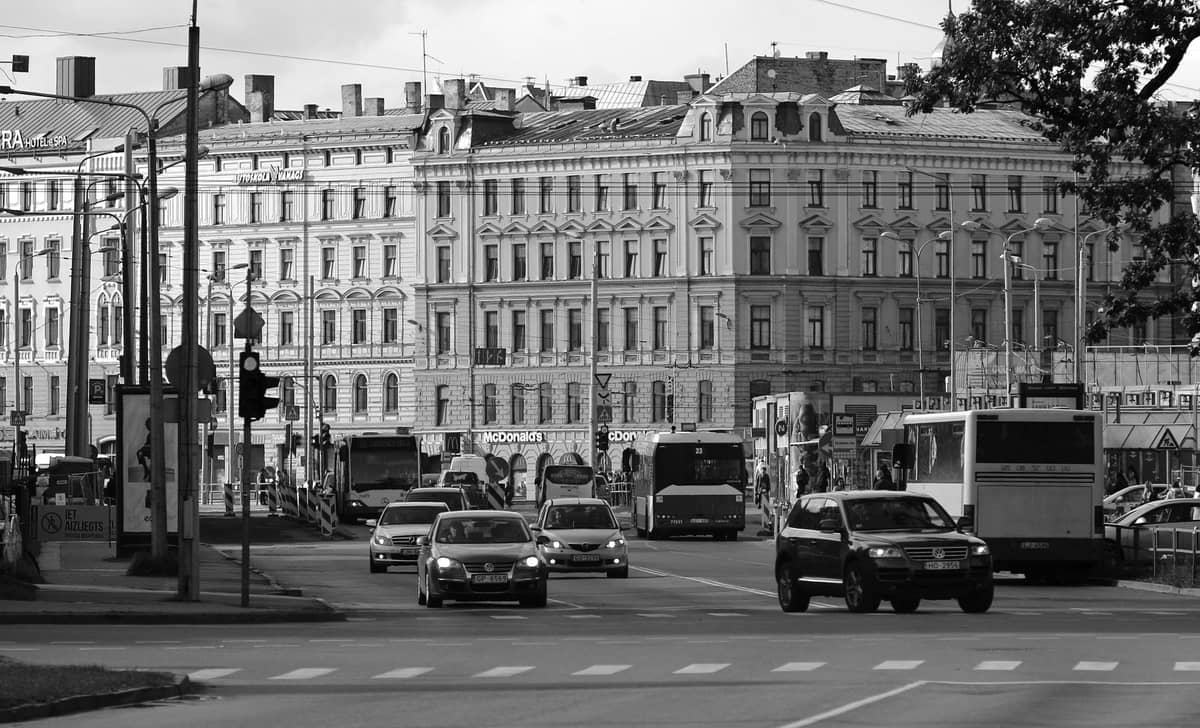
The taxi situation in Riga is straightforward once you know the rule: never get into a car that you hailed from the street near tourist areas. Use an app. Bolt dominates the market in Riga, shows you the fare before you confirm, and tracks your route by GPS. A Bolt ride from Riga International Airport (RIX) to Old Town typically costs well under €20 depending on time of day and demand surges, and the app shows the exact figure before you book.
If you prefer a licensed taxi company over an app, Red Cab and XTaxi are widely cited as reliable options. Avoid accepting a price quoted verbally before you enter the vehicle. For getting around Riga more broadly, the municipal tram, trolleybus, and bus network is safe, affordable, and reasonably well-signed in English for main routes.
✨ Pro tip
Install Bolt before you land. It works on Latvian mobile data and Wi-Fi. Having it ready at the airport removes the window where unlicensed drivers approach you in arrivals halls.
Neighbourhoods, Times of Day & Seasonal Safety
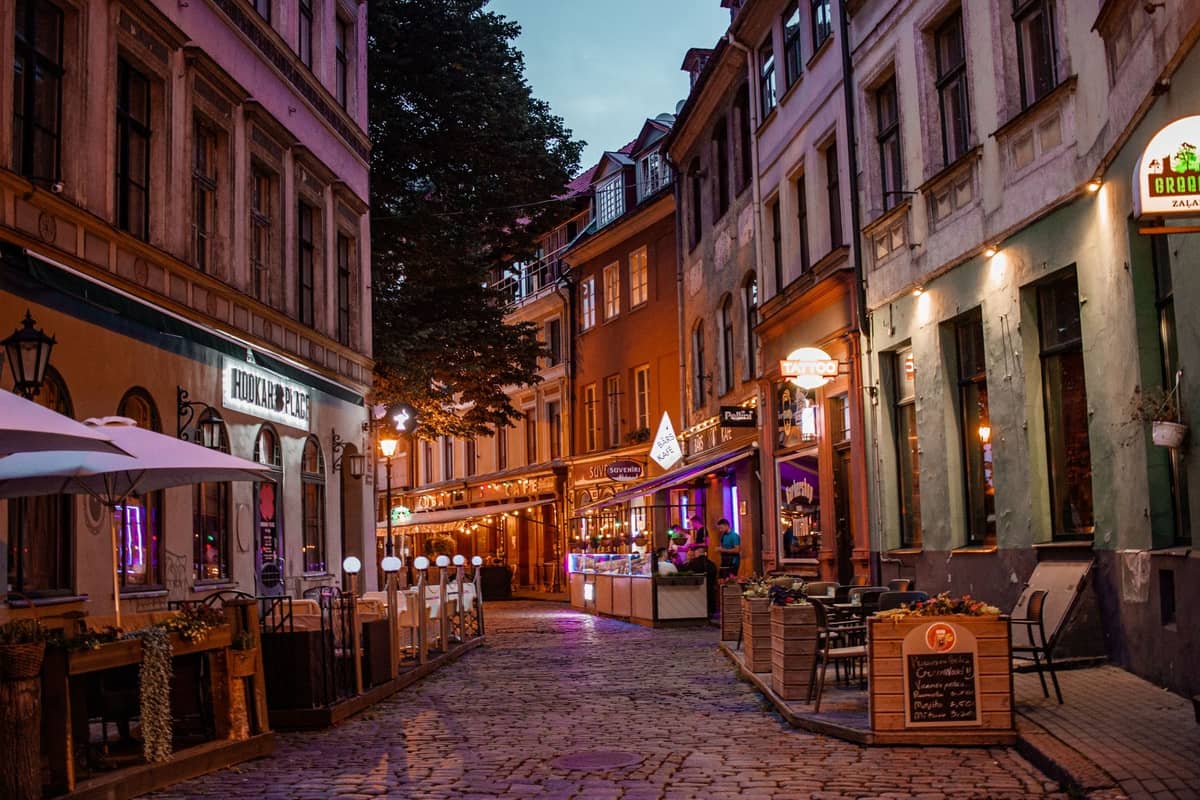
Old Town (Vecrīga) is safe during the day and early evening. After midnight, the dynamic shifts: large groups of stag-party tourists, alcohol, and the venues that profit from them create the conditions for the scams described above. The Riga nightlife scene is genuinely good, but knowing which venues are reputable matters more here than in most European cities.
The area around Riga Central Station and the Central Market can feel uncomfortable after dark, particularly if you are alone. It is not a dangerous area by any objective measure, but it attracts petty theft and aggressive begging more than the tourist core does. Keep bags closed and valuables out of sight, and you will be fine.
Seasonal risk is a real factor. Riga winters are genuinely cold, with average January temperatures well below freezing and streets that can be icy and poorly lit by 4pm. Non-slip footwear is not optional — falls on ice are a practical safety issue, not a minor inconvenience. Stick to well-lit main streets after dark in winter. For more on what to expect, see the guide to visiting Riga in winter.
- Old Town daytime and early evening: very safe for tourists, normal urban precautions apply.
- Old Town after midnight: elevated scam risk in certain bars; stick to reputable venues and keep your group together.
- Central Station area at night: petty theft risk higher than average; keep bags zipped and stay alert.
- Art Nouveau District and residential Centre: calm, low-risk at all hours.
- Winter months (Nov-Mar): icy pavements are a genuine hazard; wear grip-soled footwear.
ATMs, Payments & Money Safety
Riga uses the Euro. Card payments are widely accepted in hotels, restaurants, and shops. ATMs are plentiful, but some practical rules reduce risk significantly: use ATMs located inside bank branches rather than standalone street machines, check for any unusual attachments or loose components around the card slot before inserting your card, and always shield your PIN with your hand. If a machine retains your card, call your bank immediately and report it to the bank branch in person if possible.
Dynamic currency conversion (DCC) is worth knowing about: some ATMs and card terminals offer to convert the charge to your home currency at the point of payment. Decline this. The exchange rate applied is almost always worse than your bank's rate. Always pay in Euros when given the choice.
💡 Local tip
Notify your bank before travelling to Latvia. Some banks flag EU transactions from less common destinations as suspicious and temporarily block your card. A quick call or app notification before you leave prevents this.
Practical Safety Contacts & Resources
The general emergency number in Latvia is 112, which covers police, ambulance, and fire services. The tourist police, who specifically handle tourist-related incidents including scams and theft, can be reached at 110. Latvia's country dialing code is +371. The official Riga tourism portal, LiveRiga, publishes current safety guidance at liveriga.com. For government-level advice, the UK FCDO, Canadian government, and Australian Smartraveller all maintain current Latvia travel advisories. These are worth checking before departure, particularly for any developments around the Freedom Monument area during significant public events or anniversaries.
Travel insurance is strongly recommended. Medical care in Latvia is functional but can be expensive for non-EU citizens without coverage. If you are planning broader activities beyond the city, including day trips from Riga to areas like Sigulda or the national parks, make sure your policy covers outdoor activities.
- Emergency services (police, ambulance, fire): 112
- Tourist Police (scams, theft, tourist incidents): +371 6718 1818
- Latvia country code: +371
- Riga official tourism: liveriga.com
- UK travel advice: gov.uk/foreign-travel-advice/latvia
- Canadian travel advice: travel.gc.ca/destinations/latvia
- Australian travel advice: smartraveller.gov.au/destinations/europe/latvia
FAQ
Is Riga safe for solo female travellers?
Yes, with the same caveats that apply to any European capital. Solo female travellers report few issues during the day and in well-lit central areas. The main advice: avoid isolated streets in Old Town after midnight, do not accept drinks from strangers in bars, and use app-based taxis rather than street hails. The general risk level is comparable to Prague or Tallinn.
Is Old Town Riga safe at night?
Old Town is generally safe at night, but it hosts the highest concentration of tourist-targeted scams in the city, particularly bar overcharging. Stick to venues with clear printed menus, avoid bars where touts recruit outside, and travel with others after midnight if possible. The streets themselves are not dangerous — the risk is financial, not physical.
What is the biggest scam to watch out for in Riga?
Bar and nightclub overcharging in Old Town is the most commonly reported scam by far. Someone befriends you on the street and invites you for a drink; the bill arrives at a wildly inflated price. The prevention is simple: always see a printed price menu before ordering, and pay per round rather than running a tab.
How do I get from Riga Airport to the city safely?
Use Bolt or another app-based rideshare service. Open the app before you exit arrivals, request a ride, and meet the driver at the designated pickup point. This gives you the driver's name, plate number, GPS tracking, and a fixed fare displayed in advance. Avoid drivers who approach you inside the terminal offering rides.
Is petty theft a big problem in Riga?
Pickpocketing exists, as in any tourist city, but it is not rampant. The highest-risk locations are crowded areas of Old Town, the Central Market, and public transport during busy periods. Use a bag that closes securely, keep your phone in a front pocket or inner pocket, and stay aware of your surroundings in crowded spaces. These standard precautions are sufficient for the vast majority of visitors.