Getting Around Riga: The Complete Transport Guide
Riga has no metro, but its tram, trolleybus, and bus network covers almost every corner of the city for around €1.50 a ride when bought in advance. This guide breaks down every transport option, from airport bus 22 to night routes, e-tickets, and when it actually makes sense to take a taxi.
Plan and book this trip
Tools from our partner Travelpayouts help you compare flights and hotels. If you book through them, we may earn a commission at no extra cost to you.
Flights
Hotels map
TL;DR
- Riga's public transport is run by Rīgas Satiksme and covers the city with trams, trolleybuses, and buses. There is no metro.
- A single ride costs around €1.50 when bought in advance at a kiosk or via app. On bus 22 you can also buy a ticket from the driver for €2 by bank card.
- Airport bus 22 connects Riga International Airport (RIX) to the city centre in about 30 minutes. See the Riga airport guide for full arrival logistics.
- 24-hour and 72-hour unlimited passes offer good value for short stays. Buy them at Narvesen kiosks or via the Mobilly app.
- Old Town (Vecrīga) is walkable. For anywhere beyond the historic centre, public transport is fast, reliable, and cheap.
The Basics: How Riga's Transport Network Works
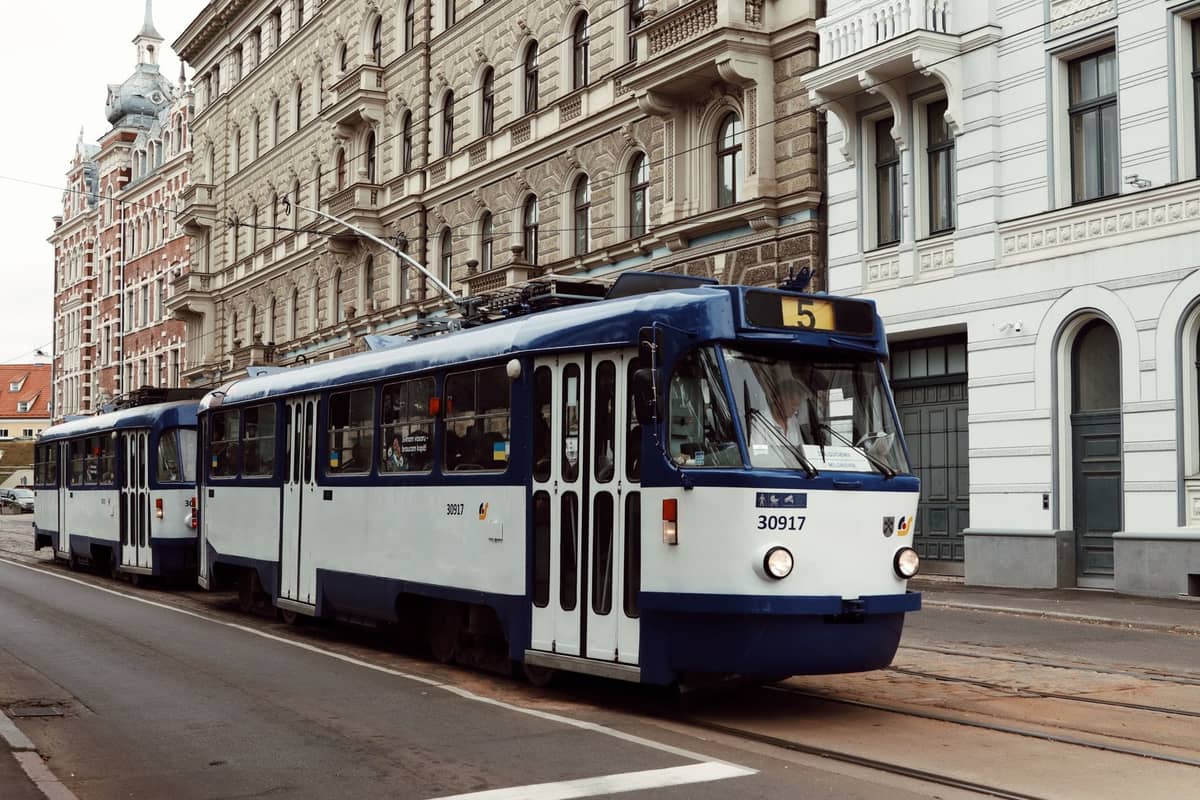
Riga is a mid-sized European capital with a population of around 614,000 and an area of about 307 km². The city does not have an underground metro, which surprises some visitors expecting a Baltic equivalent of Tallinn or Vilnius. What it has instead is a well-maintained surface network of trams, trolleybuses, and diesel buses, all operated by the municipal company Rīgas Satiksme. The network covers almost every district, from the historic Old Town and Art Nouveau district to outer neighborhoods like Mežaparks, Āgenskalns, and the Zemgale and Kurzeme suburbs.
Services run from approximately 05:00 until around midnight, depending on the route. The frequency is solid during peak hours (07:00–09:00 and 16:30–18:30 on weekdays) and perfectly adequate during off-peak periods. In winter, services continue through ice and snow, though delays can occur during particularly severe weather. For most visitors spending two or three days in the city, a combination of walking and public transport handles everything.
ℹ️ Good to know
Riga has no metro or underground rail system. All public transport operates on the surface. This is not a problem for tourists, as the city centre is compact and well-served by trams and buses.
Tickets, Fares, and Where to Buy Them
The Rīgas Satiksme network uses an e-ticket system called the e-talons. Almost every purchase and validation happens through this contactless smart card or via mobile apps. For visitors, the most convenient options are the budget-friendly Narvesen kiosks (found at major stops and throughout the city), ticket machines at selected platforms, Latvia Post offices, or the Mobilly app and the official Rīgas Satiksme ticket app, both available for Android and iOS. Buying at a kiosk or via app is significantly cheaper than paying on board.
- Single ride, bought in advance Around €1.50 at kiosks, machines, or via app. Validate by tapping on the reader inside the vehicle.
- Single ride, from the driver Around €2.00, cash only. Convenient in an emergency but not something to rely on daily.
- 24-hour unlimited pass Around €5 on the municipal network. Excellent value if you plan to make more than three trips in a day.
- 72-hour unlimited pass Around €8. The practical choice for a 3-day itinerary. Covers all trams, trolleybuses, and buses.
- E-talons card (reloadable) A reusable smart card you top up and tap. Better than buying individual tickets if you stay longer or visit Riga regularly.
⚠️ What to skip
Ticket inspectors (kontrolieri) operate across all lines without warning. Fines for travelling without a valid ticket are considerably higher than the fare itself. Always validate your e-ticket or show a valid pass before inspectors ask.
Fares and tariff structures do change periodically. Always check the current prices on the official Rīgas Satiksme website (rigassatiksme.lv/en) before your trip. The figures above reflect publicly reported fares but should be verified before you travel.
Getting from Riga Airport to the City Centre
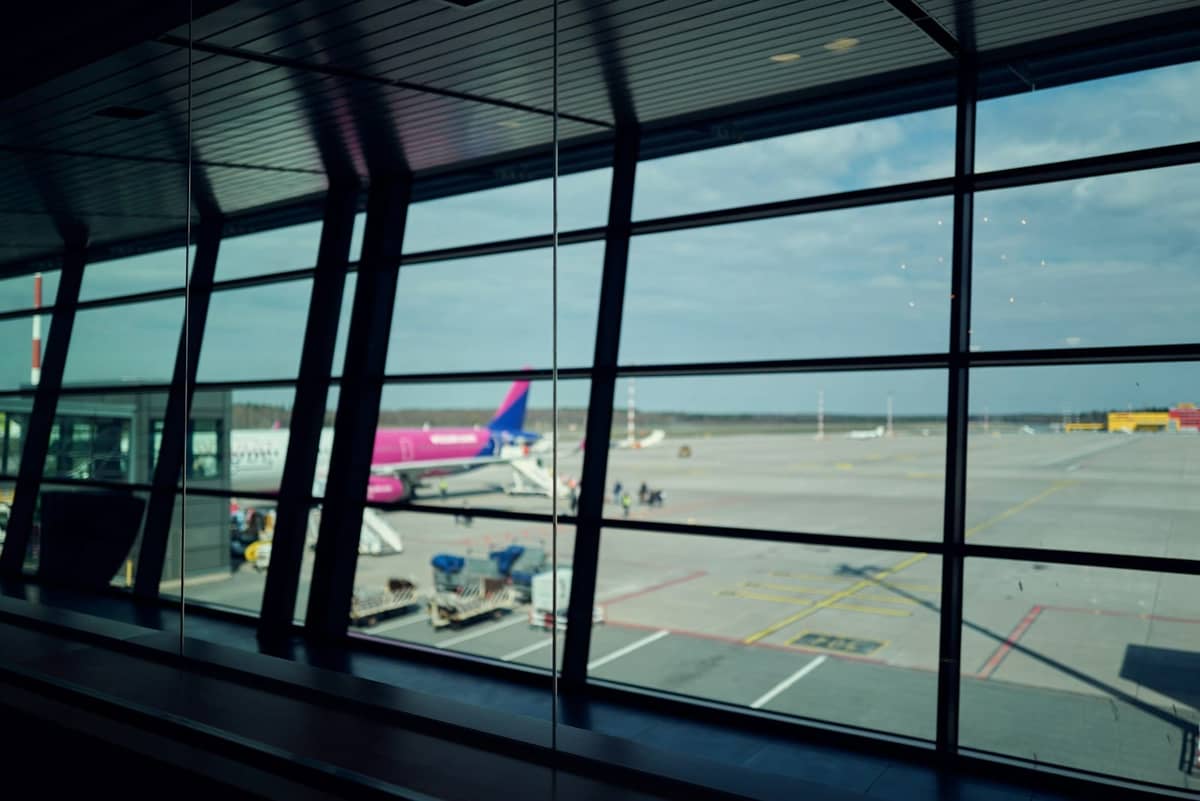
Riga International Airport (IATA code: RIX) is the main gateway into the city. Getting from the airport into central Riga is straightforward and cheap. Bus 22 is the dedicated airport line, running between the terminal and central Riga (stopping at key points including near the Central Station and the Old Town corridor) in roughly 30 minutes. Departures run every 10 to 30 minutes depending on the time of day.
Bus 22 is a regular municipal service, which means it uses the same fares as any other line. Buy a ticket at the kiosk or vending machine in the arrivals hall, use the Mobilly app, or pay the driver at the higher on-board rate. For a group of three or four people, a taxi or ride-hailing service from the airport can actually be competitive on price once you factor in luggage and convenience, but for solo travellers or pairs, bus 22 is the obvious choice.
💡 Local tip
If you arrive late at night and bus 22 has finished its service, designated taxis wait outside arrivals. Always use official metered taxis or a pre-booked app-based service. Avoid unlicensed drivers who approach you inside the terminal.
Key Routes for Visitors
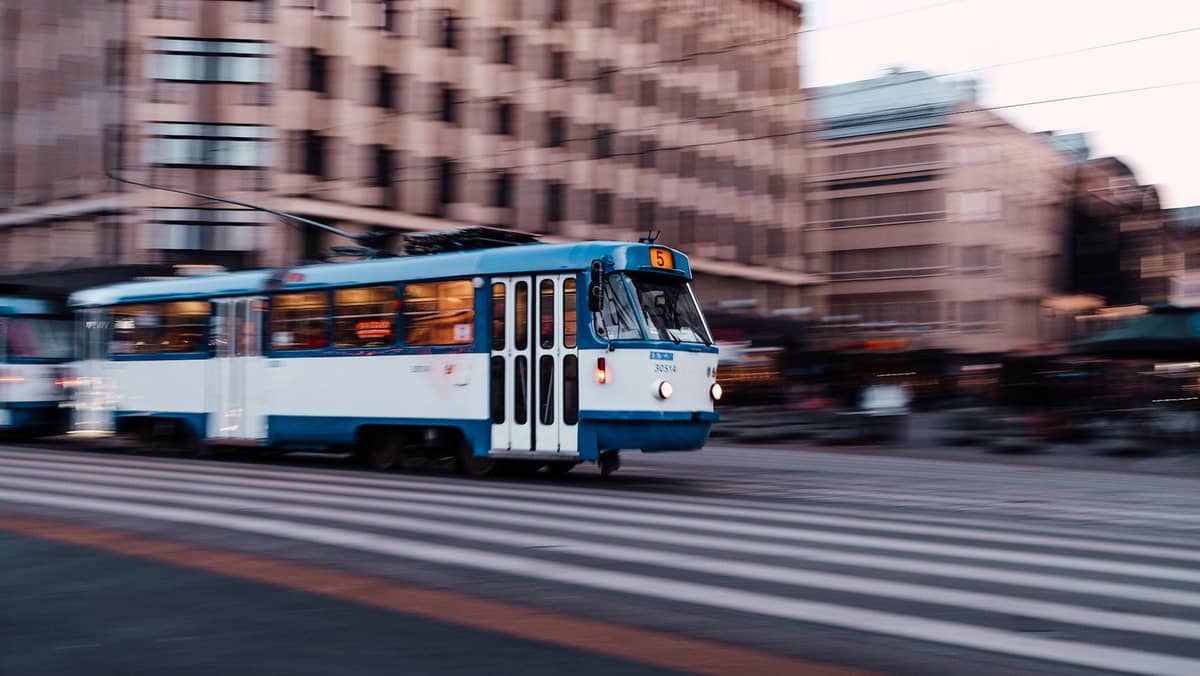
For most sightseeing, Riga's Old Town and the Art Nouveau district along Alberta iela are walkable from the city centre. The real advantage of public transport kicks in when you want to reach parks, markets, or outer neighborhoods without a taxi fare.
- Tram 11 City centre to Mežaparks, the large forest park in the northeast. Around 30 minutes. One of the most pleasant tram rides in the city.
- Buses 4, 7, 8 Connect the centre to Āgenskalns on the left bank of the Daugava, useful for reaching the Āgenskalns market and the Kalnciema Quarter weekend market.
- Bus 22 Airport to city centre, as above. Also useful for reaching areas along the airport corridor.
- Trams in the centre Multiple tram lines cross through or near the Old Town perimeter, making it easy to reach the Central Market, Central Station, and Esplanade Park.
If you're planning a day trip to Jūrmala or Sigulda, those routes depart from Riga Central Station by suburban train rather than the city bus and tram network. The Rīgas Satiksme e-talons are not valid on intercity or suburban rail, so you need a separate ticket for those journeys.
Taxis, Ride-Hailing, and Private Options
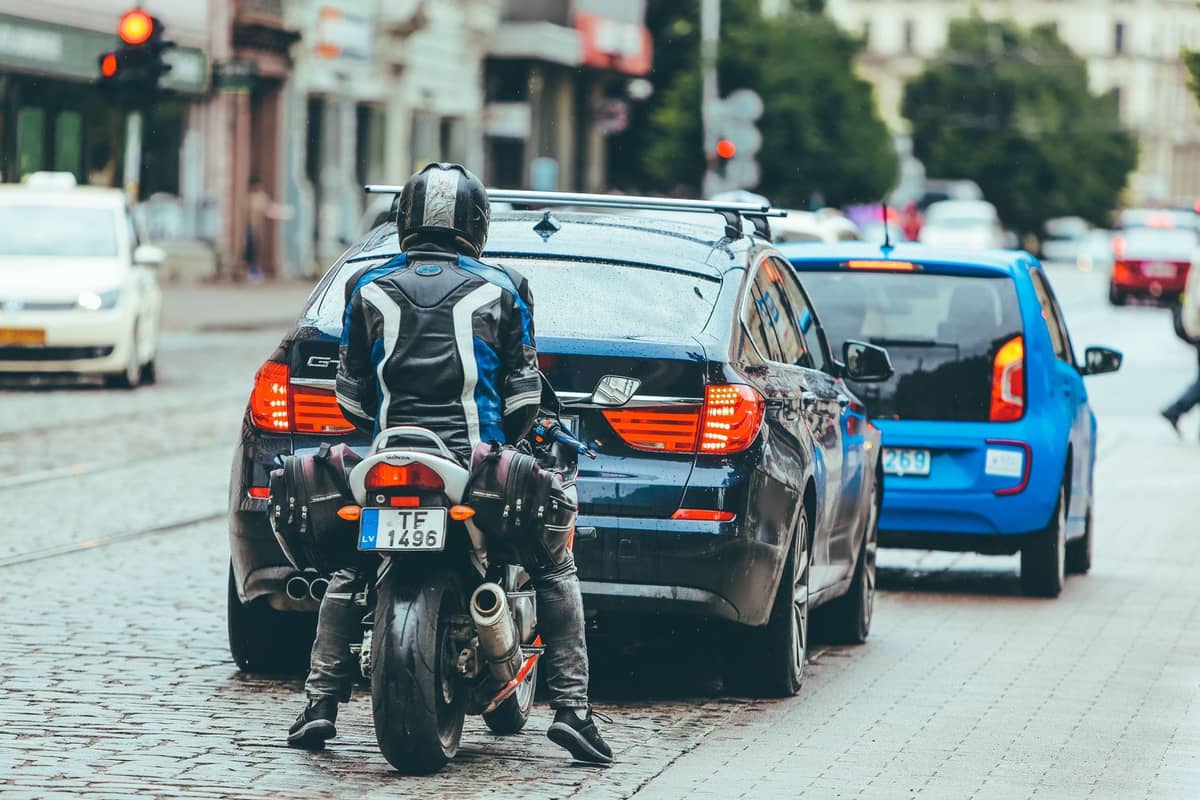
Taxis in Riga are metered and generally affordable by Western European standards. The main ride-hailing platforms operating in the city include Bolt (formerly Taxify), which has strong coverage across Riga and is the most widely used app-based option. Standard ride-hailing apps work the same way as elsewhere: request via the app, price is shown upfront, and payment is card or in-app. Bolt is particularly practical for late-night trips after public transport has stopped, or for reaching areas that buses serve infrequently.
Street taxis are also available, but as with any city, it's worth being cautious about unmarked cabs or drivers who approach you rather than the other way around. For predictability, a metered, licensed taxi or an app-based booking is the safer choice. For the Old Town area specifically, where traffic restrictions apply in summer, drivers may drop you at the nearest accessible point rather than inside the pedestrian zone.
Cycling, Scooters, and Walking
Riga is reasonably flat, which makes cycling a genuinely practical option in warmer months, roughly April through October. Seasonal bike-share and e-scooter services operate in the city during this period, though availability and provider names shift from year to year, so check what's current on arrival. The Daugava River promenade and paths through Mežaparks are particularly well-suited to cycling, with dedicated lanes and minimal car traffic.
For most visitors, walking is the main mode of transport within the historic centre. The distance from the Town Hall Square to Alberta iela in the Art Nouveau district is about 1.5 km, and most major Old Town attractions are within 500 metres of each other. In winter, icy pavements are a genuine consideration. Wear grip-soled footwear from November to March, as the cobblestones in Vecrīga freeze quickly and are not always gritted.
✨ Pro tip
If you're spending two to three days in Riga and plan to venture beyond the Old Town, buy the 72-hour unlimited pass on arrival. At around €8, it pays for itself after about five single-ride journeys and removes the need to think about tickets for the rest of your stay.
Night Transport and Late-Night Options
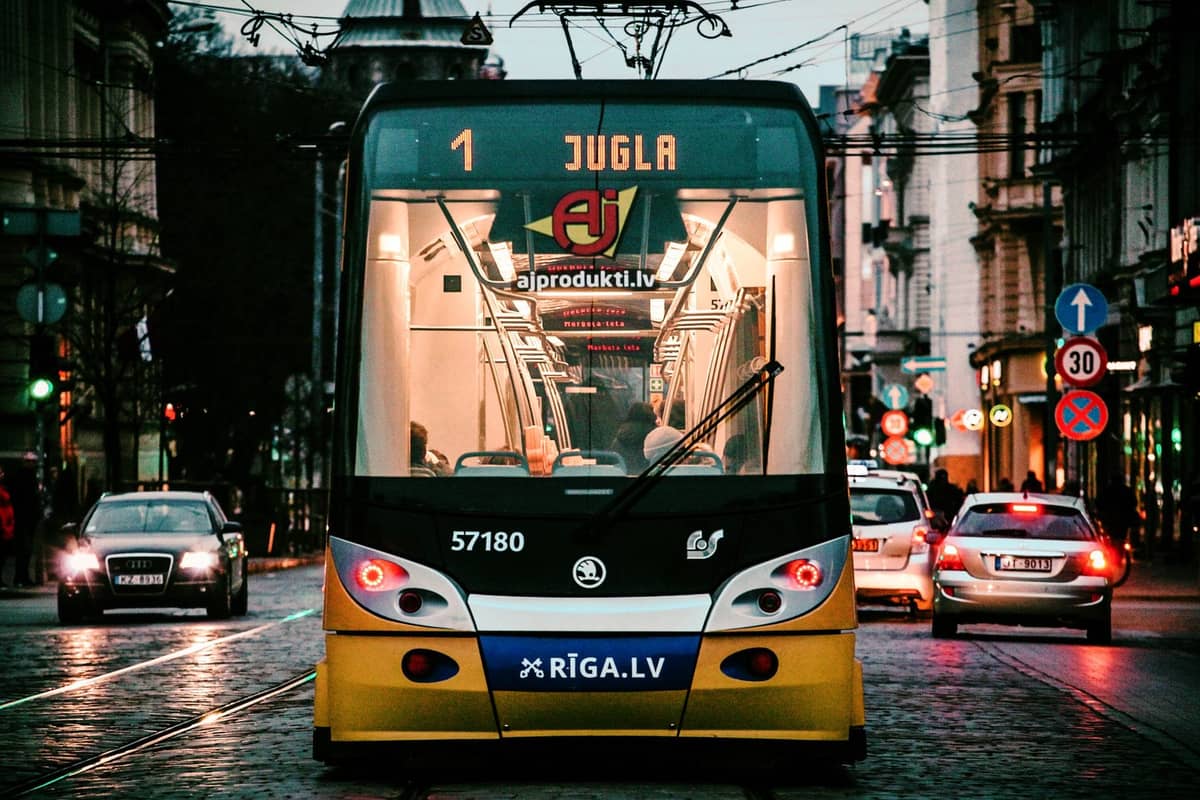
Riga's bus and tram services generally run until around midnight, with some routes operating slightly later on Fridays and Saturdays. The same fare rules apply: buy in advance at kiosks or via app, or pay the slightly higher on-board rate where available.
For more on how Riga's nightlife areas map onto transport routes, the Riga nightlife guide covers which parts of the city are walkable from the Old Town and which require a short taxi or bus ride.
FAQ
Does Riga have a metro or underground?
No. Riga has no metro system. All public transport operates on the surface: trams, trolleybuses, and buses. This is a common misconception. The network is well-developed and covers the entire city, but it is entirely above ground.
How much does a bus or tram ticket cost in Riga?
A single ride bought in advance at a kiosk, vending machine, or via the Mobilly or Rīgas Satiksme apps costs around €1.50. On bus 22, paying the driver by bank card costs €2. A 24-hour unlimited pass costs around €5, and a 72-hour pass around €8. Prices are subject to change, so verify at rigassatiksme.lv before you travel.
How do I get from Riga Airport to the city centre?
Bus 22 is the standard route. It runs every 10 to 30 minutes, takes about 30 minutes, and uses the same fares as the rest of the municipal network (around €1.50 in advance or €2 from the driver by bank card). Buy a ticket at the kiosk in arrivals, use the Mobilly app, or pay the driver. Taxis and Bolt are also available outside arrivals and worth considering for late-night arrivals or groups with heavy luggage.
Can I use one ticket across trams, trolleybuses, and buses?
Yes. Within the Rīgas Satiksme network, your e-talons ticket or travel pass is valid across all three modes: trams, trolleybuses, and buses. However, it is not valid on suburban or intercity trains, which require separate tickets from Latvian Railways (Pasažieru vilciens).
Is Riga easy to get around on foot?
For Old Town sightseeing, yes. The historic core is compact and most major attractions are within easy walking distance of each other. Beyond the centre, the city spreads out considerably and public transport becomes more practical. In winter, watch out for icy cobblestones in Vecrīga; they can be genuinely slippery and are not always treated promptly after a freeze.