Mežaparks Forest Park: Riga's Breathing Room
Mežaparks Forest Park is Riga's most expansive urban green space, stretching across a former garden city neighbourhood on the western shore of Lake Ķīšezers. Free to enter and open year-round, it combines dense pine forest, a landmark concert stage, and lakeside cycling paths within around 20–30 minutes of the city centre by tram.
Quick Facts
- Location
- Mežaparks, Rīga 1014, Latvia — Northern District, western shore of Lake Ķīšezers
- Getting There
- Tram line 11 or several city buses from Riga city centre; alight at the Mežaparks stop
- Time Needed
- 2–4 hours for a relaxed walk; half a day if combining with Riga Zoo or a concert
- Cost
- Free entry to the park. Riga Zoo and Great Bandstand events charge separate admission
- Best for
- Families, cyclists, runners, picnickers, and anyone who needs a break from stone streets
- Official website
- rigasmezi.lv/mezaparks?lang=en
What Mežaparks Actually Is
Mežaparks Forest Park — officially the Kultūras un atpūtas parks "Mežaparks" — is the largest urban park in Riga, occupying a pine-forested peninsula in the city's north-eastern district. It is not a manicured botanical garden or a formal civic square. It is, in the most literal sense, a working urban forest that Rigans use on their lunch breaks, weekend mornings, and summer evenings. The air carries the faint resinous smell of pine well before you reach the treeline, which is the first signal that you have left the stone-and-asphalt city behind.
The park opened in its current cultural and recreational form in 1949, but its origins predate Soviet Riga by decades. In the early 20th century, the area was conceived as one of the world's earliest garden city developments: a planned residential neighbourhood designed around the coexistence of architecture and nature, rather than the erasure of one for the other. That design logic is still legible today in the wide tree-lined alleys and the way the residential streets of the Mežaparks neighbourhood bleed quietly into the forest without any sharp boundary.
ℹ️ Good to know
Entry to the park itself is free of charge at all hours, year-round. Riga Zoo and the Great Bandstand ticketed events are separate. You can visit the park on any budget at any time.
The Park at Different Times of Day
Early mornings, particularly on weekdays, belong to the runners. The main forest alleys are wide enough for several people to run abreast, and the soft bark-chip and compacted gravel surfaces are gentler underfoot than city pavements. By around 8am in summer, the benches along the lakeshore path begin filling with older residents who arrive with coffee flasks and feed the ducks with the quiet efficiency of people who have been doing this for twenty years.
Midday on a weekend is the park at its fullest: families with small children on pedal bikes, teenagers with speakers set at a volume just below confrontational, couples on inline skates, and a modest but reliable contingent of people napping in the grass. The sound profile shifts from birdsong-dominant to a low roar of human activity, which is pleasant rather than oppressive — the forest is large enough to absorb it.
Late afternoon in summer is the most photogenic window. Light comes through the pines at a low, sideways angle and hits the lake surface with the kind of warmth that makes every smartphone photo look better than it deserves to. The path along Lake Ķīšezers is the place to be at this hour. In winter, the park takes on a completely different character: snow muffles the paths, and the bare birch trees at the forest edge create stark, graphic silhouettes against low grey skies. Fewer people come, which is precisely why some visitors prefer it.
Winter in Riga deserves its own planning. The Riga in winter guide covers what the city offers when temperatures drop, including how Mežaparks feels under snow compared to its summer identity.
Tickets & tours
Hand-picked options from our booking partner. Prices are indicative; availability and final rates are confirmed when you complete your booking.
Canal boat sightseeing tour in Riga
From 13 €Instant confirmationArt and culture walking tour of Riga with a local
From 66 €Instant confirmationFree cancellationSelf-guided discovery walk in Riga - the essential old town and its secrets
From 30 €Instant confirmationFree cancellationExclusive private guided tour of Riga's architecture with a local
From 175 €Instant confirmationFree cancellation
The Great Bandstand: A Venue Worth Understanding
The most architecturally significant structure in the park is the Mežaparks Great Bandstand (Mežaparka Lielā estrāde), which anchors the open concert area on the park's southern edge. This is not a secondary venue. The Latvian Song and Dance Festival, part of the UNESCO-listed Latvian Song and Dance Celebration, is held here. The rebuilt bandstand — modernised in recent years with improved infrastructure and audience facilities — can hold tens of thousands of spectators on the sloped grass field that faces the stage.
Outside of major events, the bandstand area is quiet and walkable. The scale of the structure only becomes clear when you stand at the back of the audience field and look toward the stage: it is vast in a way that photographs underrepresent. If you visit during the Song and Dance Festival years (held every five years, with upcoming editions continuing the long tradition), plan well in advance — accommodation across Riga books out.
💡 Local tip
Check the official bandstand site (estrade.riga.lv) for the current summer concert schedule. Mainstream Latvian and international acts perform here regularly in the summer season, often at lower ticket prices than European festival equivalents.
Riga Zoo and the Northern Edge
Riga Zoo sits on the northern edge of Mežaparks and is technically a separate attraction with its own admission fee. It is one of the older zoos in the Baltic states and is genuinely worth including if you are visiting with children. The grounds are spacious enough that a visit takes the better part of a half-day. Combining the zoo with a walk through the forest park is a natural pairing — enter the park from the zoo side and walk south toward the lake for a completely different perspective than the tram-stop entrance provides.
For families planning a fuller day out, the Riga with kids guide covers the zoo, park, and other family-relevant stops across the city in more detail.
Getting There and Moving Around Inside
Tram line 11 connects Mežaparks to Riga's central tram network and is the most straightforward way to arrive without a car. The journey from the city centre takes roughly 20 minutes and costs the standard Riga public transport fare, payable by contactless card on board or via the city transport app. The tram stop drops you near the main park entrance, from which the forest alleys, lake path, and bandstand area are all walkable without needing any additional transport.
Inside the park, foot and bicycle are the right modes. Cycling is well-suited here: the main alleys are flat, well-surfaced, and wide. Bicycle rental is not available inside the park itself, so bring your own or rent from one of the city-centre docking stations before boarding the tram. The lakeside path running along Ķīšezers is the most rewarding cycling route, offering unobstructed water views for most of its length.
If you are orienting yourself more broadly around how to navigate Riga, the getting around Riga guide covers the tram, bus, and trolleybus network in detail, including fare structures and timetable resources.
⚠️ What to skip
The park paths can be icy and ungritted in deep winter (December to February). If you are visiting after overnight frost, wear footwear with grip. The lakeside path is especially exposed and catches wind off the water.
Photography and What to Actually Look For
The visual interest in Mežaparks is quieter than a cathedral or a viewpoint tower. What rewards attention here is texture and scale: the bark of century-old pines, the way light moves through a forest canopy, the Art Nouveau and Jugendstil villas visible through the trees in the residential streets bordering the park. These houses, some in good repair and some slowly losing to the climate, are a separate attraction in themselves — the garden city planning that shaped this area produced architecture that is quite different in mood from the dense Jugendstil blocks of central Riga.
The architectural heritage of central Riga is separately documented in the Art Nouveau Riga guide, which covers the Alberta Street corridor and the broader concentration of Jugendstil buildings closer to the city centre.
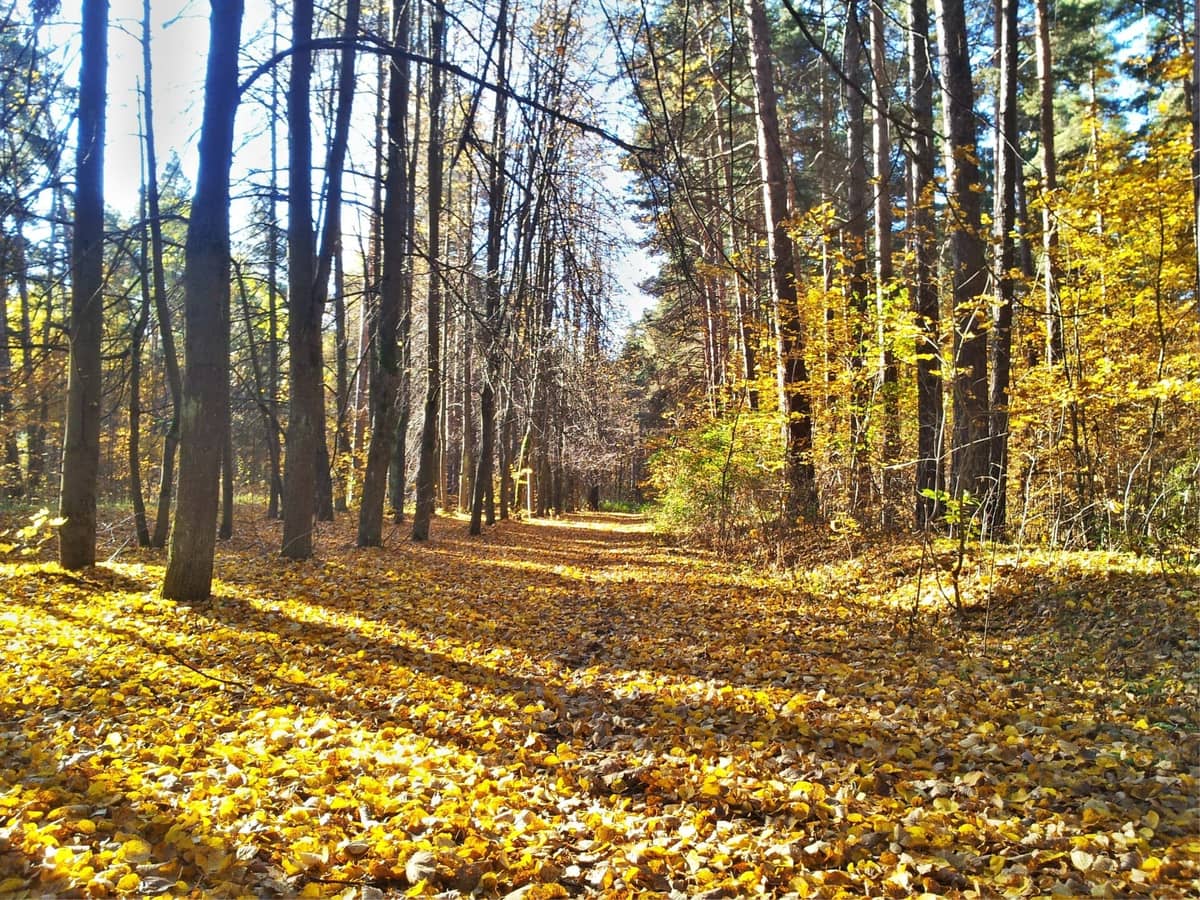
For landscape photography, the hour before sunset in summer, roughly 8–9pm in June, gives the best light on the lake. A long focal length aimed across the water from the eastern lakeshore path picks up the tree reflections and, on still evenings, the surface takes on an almost metallic quality. In autumn — late September through October — the birch and oak zones at the park's edges turn amber and rust against the evergreen pines, creating colour combinations that make for straightforward but genuinely striking images.
Practical Assessment: What This Park Is and Is Not
Mežaparks will not appear in most 48-hour Riga itineraries, and for visitors with very limited time, Old Town and the central city offer more concentrated cultural content per hour. But that framing misses what the park is actually for. It is a large, functional, well-maintained urban forest where Rigans go to be outside without leaving the city. Its value is proportional to how much time you want to spend at a human rather than touristic pace.
Visitors who find city parks generically uninteresting and prefer concentrated historical or culinary experiences may find a walk here unremarkable. The park has no single showstopper attraction beyond the Great Bandstand context, and it requires a 20-minute tram journey that some travellers on short visits will not want to spend. All of that is honest. For everyone else — particularly those who have already covered Old Town and want a different register of the city — Mežaparks is a reliable, unhurried afternoon.
For context on how to fit Mežaparks into a broader Riga itinerary, the 3 days in Riga itinerary positions it as an optional half-day extension once the major central landmarks have been covered.
Insider Tips
- The residential streets of the Mežaparks neighbourhood — between the tram stop and the park's northern boundary — contain some of the most intact early-20th-century garden city villas in Riga. Walking these streets rather than heading straight into the forest adds 15 minutes and a different architectural story.
- Lake Ķīšezers is large enough that walking the full perimeter takes you well beyond Mežaparks into quieter residential areas where tourist infrastructure disappears entirely. If you want to see how Rigans actually live near water, keep walking past the obvious park section.
- For the Latvian Song and Dance Festival (held every five years), the bandstand field opens to general public viewing areas at no charge for some rehearsal and smaller-stage events. Check the festival programme in advance — full ticketed concerts sell out months ahead.
- The park's western alleys, away from the lakeside, are noticeably less busy at all times of day. If you want near-solitude in a city forest, take any path that leads away from the water rather than toward it.
- Cafés inside the park are seasonal and most active roughly May through September. Outside those months, bring your own supplies or grab coffee before boarding the tram — there is no reliable year-round café provision inside the park boundaries.
Who Is Mežaparks Forest Park For?
- Cyclists and runners looking for flat, forested routes outside the city grid
- Families combining a forest walk with a visit to Riga Zoo on the same afternoon
- Travellers on repeat visits to Riga who have already covered the central landmarks
- Visitors attending a concert or event at the Mežaparks Great Bandstand
- Anyone who wants to see how Riga functions as a city beyond its tourist core
Nearby Attractions
Combine your visit with:
- Āgenskalns Market
Āgenskalns Market (Āgenskalna tirgus) has anchored the left bank of the Daugava since 1898. Its architect-designed red-brick pavilion, restored in 2022, now blends a working food market with cafés, a bar, and a regular vintage and design market — all free to enter.
- Daugava River Promenade
The Daugava River Promenade stretches along the right bank of the Daugava from the edge of Old Town southward through the Ķengarags suburb. It is free, open around the clock, and offers some of the most unobstructed views of Riga's skyline, the wide river, and the left bank's quieter residential district. Whether you walk it at sunrise or cycle it on a summer evening, the promenade gives the city a different scale entirely.
- Ethnographic Open-Air Museum of Latvia
Spread across 87 hectares of pine forest on the shore of Lake Jugla, the Ethnographic Open-Air Museum of Latvia preserves rural Latvian building traditions in one walkable landscape. Founded in 1924 and open to the public since 1932, it is one of the oldest open-air museums in Europe. Allow at least half a day.
- Kalnciema Quarter
A restored complex of 18th and 19th-century wooden buildings on the left bank of the Daugava, Kalnciema Quarter hosts a popular Saturday market, summer concerts, and independent cafés. It offers a quieter, residential counterweight to Old Town's stone and crowds.