Riga Art Nouveau: The Complete Architecture Guide
Riga holds the world's largest concentration of Art Nouveau architecture, with over 700 buildings spanning four distinct style variants. This guide covers where to find the best façades, how to read the architecture, what to skip, and how to plan a half-day or full-day exploration of the Quiet Centre and beyond.
Plan and book this trip
Tools from our partner Travelpayouts help you compare flights and hotels. If you book through them, we may earn a commission at no extra cost to you.
Flights
Hotels map
TL;DR
- Riga has 700+ Art Nouveau buildings, concentrated in the Quiet Centre district roughly 10 minutes on foot from the Old Town.
- The style spans four variants: Eclectic/Decorative, Perpendicular/Vertical, National Romantic, and Neo-Classical. Alberta iela is the most photographed street, but far from the only one worth seeing.
- Riga's historic centre, including its Art Nouveau fabric, has been a UNESCO World Heritage Site since 1997.
- The Riga Art Nouveau Museum on Alberta iela is the best single indoor stop — check opening hours before you go (typically Tuesday–Sunday, 10:00–18:00).
- Winter visits are possible but daylight is short; summer gives the best light for facade detail. See our best time to visit Riga guide for seasonal planning.
Why Riga's Art Nouveau Collection Is Unlike Anywhere Else in Europe
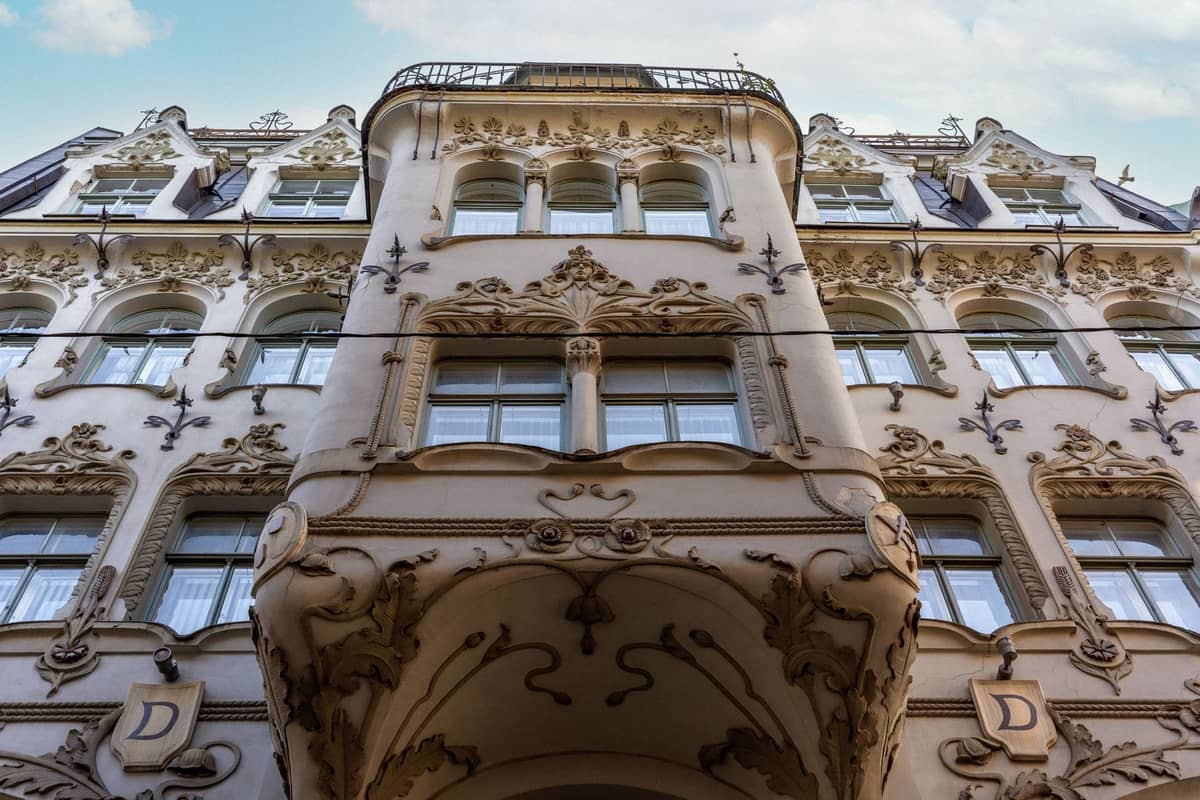
Most European cities have a neighbourhood or a handful of Art Nouveau buildings worth seeking out. Riga has an entire district built in the style within a single decade. Roughly one third of central Riga was constructed between approximately 1904 and 1914, a period of rapid economic growth when local merchants and industrialists competed to build the most ornate residential and commercial blocks the city had ever seen. The result is a streetscape density that no other city in the world has matched.
Riga's historic centre was inscribed on the UNESCO World Heritage List in 1997, with the Art Nouveau fabric explicitly cited as part of its significance. The European Route of Art Nouveau lists over 700 buildings in Riga alone. For context, Brussels, a city often cited alongside Riga for its Art Nouveau heritage, has roughly 500 protected examples spread across a metropolitan area several times larger.
ℹ️ Good to know
The local Latvian term for Art Nouveau is 'Jūgendstils' (from the German 'Jugendstil'). You'll see this spelling on museum signage, official tourism materials, and the city's dedicated architecture portal at jugendstils.riga.lv. Knowing the term helps when asking locals for directions or reading building plaques.
The Four Style Variants: How to Tell Them Apart
Calling it all 'Art Nouveau' is technically accurate but somewhat imprecise. Riga's collection is usually divided into four distinct sub-styles, each with different visual signatures. Understanding them makes the architecture far more interesting to explore, because you start to notice patterns rather than just accumulating impressions of ornate stonework.
- Eclectic / Decorative Art Nouveau The most visually dramatic variant. Façades are covered with sculpted faces (often masks, sphinxes, or female heads), floral motifs, writhing figures, and elaborate cornices. Alberta iela 2 and 4, both designed by Mikhail Eisenstein, are the flagship examples. Eisenstein was a civil engineer, not a trained architect, which partly explains why the ornamentation feels almost excessive — deliberately theatrical.
- Perpendicular / Vertical Art Nouveau A more restrained style influenced by the Vienna Secession and the work of designers like Otto Wagner. Lines are cleaner, verticality is emphasised, and ornament is used sparingly as a frame rather than a surface. Look for this variant on Elizabetes iela and parts of Brīvības iela.
- National Romantic This is the most distinctly Latvian variant, blending Art Nouveau forms with folk motifs, local stonework textures, and references to Baltic mythology. The buildings feel heavier and more rooted than the decorative examples. Architects like Konstantīns Pēkšēns and Eižens Laube led this movement, which was partly a cultural statement about Latvian identity at a time when the region was still under Russian imperial rule.
- Neo-Classical Art Nouveau The latest and most subdued phase, blending classical symmetry with simplified Art Nouveau detailing. Often mistaken for straightforward classicism by casual observers. Common in the outer edges of the Quiet Centre district.
Where to Go: Streets and Buildings Worth Your Time
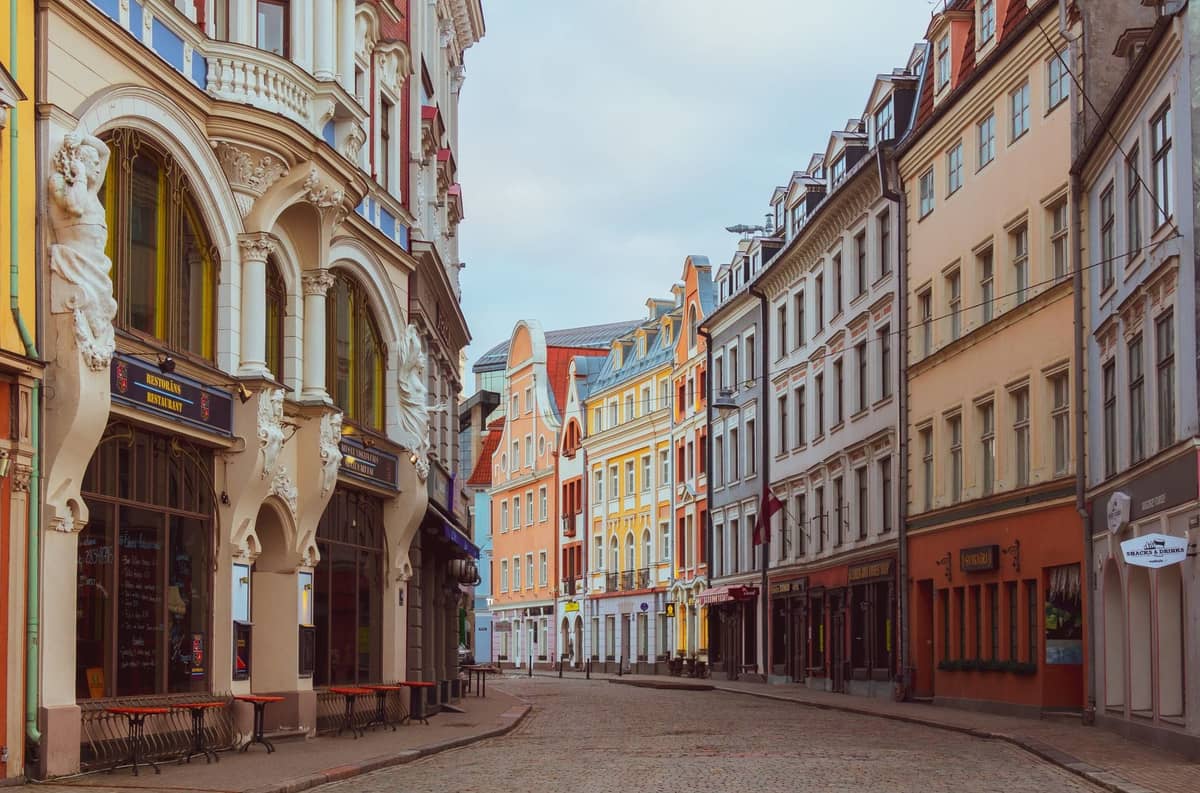
The main cluster of Art Nouveau architecture sits in the Art Nouveau district, a part of what Rigans call the 'Quiet Centre' (Klusais centrs). It begins roughly where the Old Town's medieval core ends, about a 10-minute walk north and east of the Freedom Monument. The district is entirely walkable, and a focused half-day is enough to cover the highlights.
- Alberta iela The single most concentrated street for Decorative Art Nouveau. Buildings 2, 4, 6, 8, and 13 — all by Mikhail Eisenstein — are the most photographed. Arrive before 10:00 in summer to avoid tour groups. The street is relatively short (under 400 metres) and pedestrian-friendly.
- Elizabetes iela Longer and more varied than Alberta iela, this street mixes Perpendicular Art Nouveau with National Romantic examples. Less crowded than Alberta and arguably more rewarding for sustained exploration. Numbers 10b and 33 are standouts.
- Strēlnieku iela Often overlooked by visitors who stay on Alberta iela. Several well-preserved National Romantic buildings and fewer tourists. A good street to end on when the main crowds arrive elsewhere.
- Brīvības iela Riga's main commercial artery has Art Nouveau buildings interspersed with later construction. Less purely atmospheric than the residential streets, but useful for understanding how the style coexisted with everyday urban life.
⚠️ What to skip
Alberta iela is genuinely outstanding, but treating it as the only Art Nouveau street in Riga means missing two thirds of the collection. Many visitors spend 20 minutes on Alberta, take photos, and leave — without realising that Elizabetes iela, Strēlnieku iela, and Antonijas iela offer equally impressive examples with far fewer people. Build at least 2–3 hours into your schedule to do the district justice.
The Riga Art Nouveau Museum: What to Expect Inside
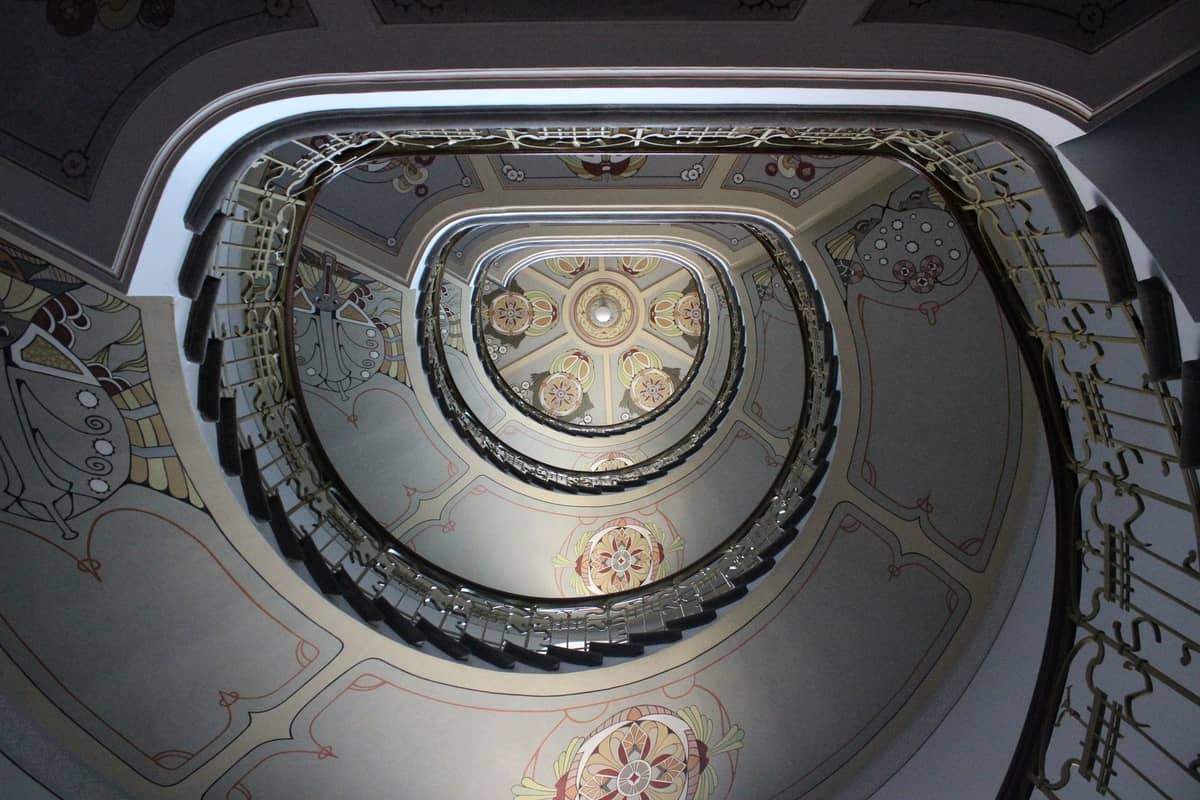
The Riga Art Nouveau Museum at Alberta iela 12 is the best indoor complement to the street-level exploration. The museum occupies a period apartment that has been restored to its early 20th-century appearance, giving you a sense of what it actually felt like to live inside one of these buildings rather than just admire the façade.
The interiors include original furniture, stained glass, decorative woodwork, and ceramic tile work consistent with the period. Guided tours are available and add significant value, since many of the design choices only make sense when explained in context. Typical opening hours are Tuesday through Sunday, 10:00 to 18:00, but verify current hours directly with the museum before visiting, as schedules have changed in recent years. Entrance fees apply; budget around 8–10 EUR per adult, though this should be confirmed at the time of your visit.
💡 Local tip
Photography inside the museum may require a separate fee or prior arrangement. If interior photography is important to you, confirm the current policy when booking. Exterior photography of any building in Riga is unrestricted and free.
How to Plan Your Art Nouveau Walk: Routes and Timing
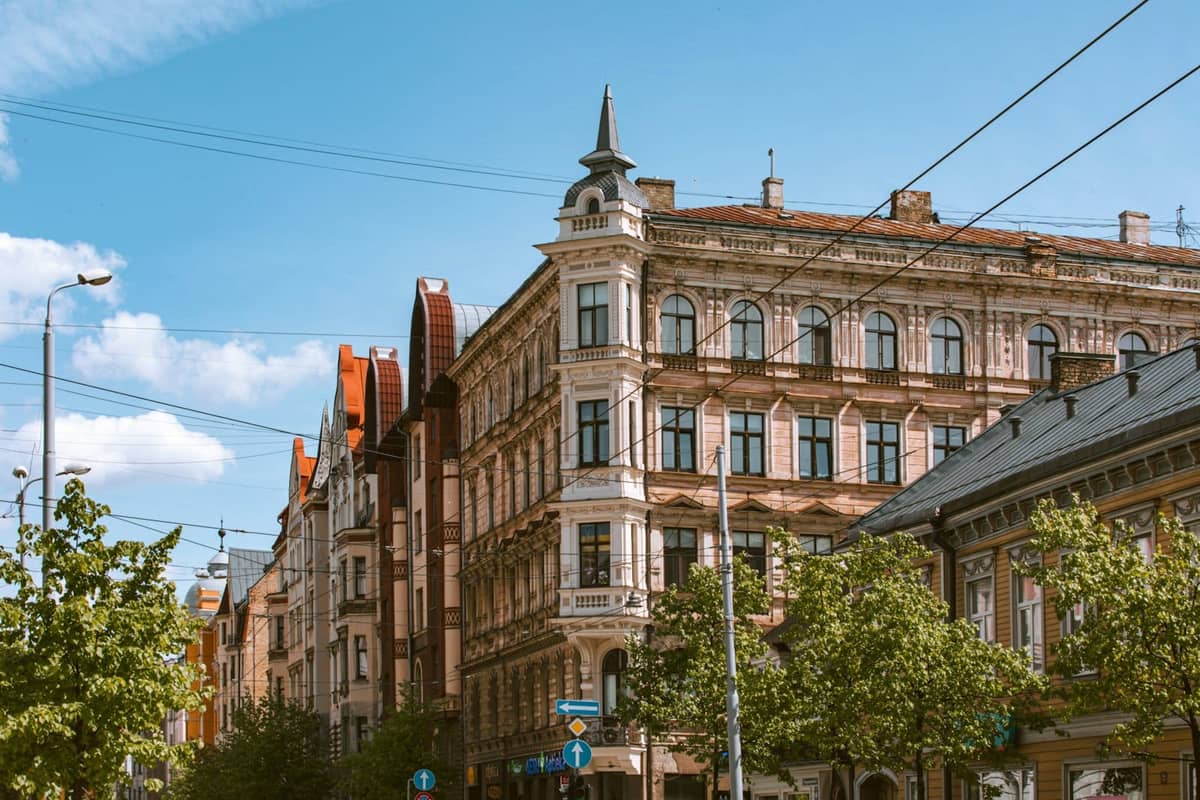
A focused half-day (3–4 hours) is enough to cover Alberta iela, Elizabetes iela, and the museum. A full day allows you to extend into the National Romantic zones further along Brīvības iela and explore the broader centre of Riga at a relaxed pace. The district is flat and compact, so walking is the only sensible option; cycling is possible but unnecessary given the distances.
Lighting matters more than most guides acknowledge. The decorative façades on Alberta iela face roughly west-northwest, meaning afternoon light (from around 14:00–17:00 in summer) catches the sculptural detail most favourably for photography. Morning visits are quieter and better for unhurried looking, but the light is flatter. In winter, usable daylight in Riga can be as short as 7–8 hours, so plan accordingly and prioritise outdoor viewing earlier in the day.
If you are combining Art Nouveau with Old Town sightseeing, the logical approach is to start in the Old Town in the morning, visit landmarks like the House of the Blackheads and the Riga Dome Cathedral, then walk north to the Art Nouveau district after lunch. This avoids retracing your steps and makes geographic sense given the layout. Our Old Town walking tour guide covers that half of the day in detail.
✨ Pro tip
Download the official Riga Tourism Art Nouveau map before you arrive, or pick up a printed copy at the city's tourist information centre near the Town Hall Square. The map marks over 20 buildings with addresses and architectural notes, and it is free. Smartphone signal in the district is reliable, but having an offline reference keeps you looking at buildings rather than your phone.
Practical Logistics: Getting There, Costs, and What to Skip
The Art Nouveau district is reachable on foot from most central accommodation in under 20 minutes. From Riga's Old Town, walk north along Brīvības iela past the Freedom Monument and turn left onto Alberta iela. Trams and trolleybuses run along Brīvības iela if you prefer not to walk the full distance. For full details on navigating the city, the getting around Riga guide covers public transport routes and ticketing.
The exterior viewing of all Art Nouveau buildings is entirely free. Costs only arise if you enter the museum (around 8–10 EUR), join a guided walking tour (typically 15–25 EUR per person), or purchase architecture-focused books and prints from the museum shop. Self-guided exploration is genuinely viable here: the buildings speak for themselves, and the quality of free printed materials from the tourist office is high.
- Skip generic 'Art Nouveau walking tours' offered near Alberta iela at busy tourist kiosks — they are often overpriced for what amounts to a 45-minute stroll of the same five buildings anyone can find on a free map.
- The souvenir shops directly on Alberta iela charge premium prices for postcards and prints available cheaper at Riga Central Market or larger bookshops in the centre.
- Avoid visiting the museum on Mondays: most sources indicate it is closed, though verify this before your visit.
- If you have limited time and can only see one street, make it Alberta iela — but if you have an extra 30 minutes, Elizabetes iela is worth it.
Riga's Art Nouveau district pairs well with a broader exploration of the city's architectural and cultural layers. For a fuller picture of what makes Riga worth visiting beyond the famous façades, the things to do in Riga guide provides a wider framework, and the best museums in Riga guide covers where to go when the weather turns.
FAQ
How many Art Nouveau buildings does Riga have?
Riga has over 700 buildings listed on the European Route of Art Nouveau, making it the city with the highest concentration of Art Nouveau architecture in the world. Roughly one third of the central city was built in the style between approximately 1904 and 1914.
Is Alberta iela the only street with Art Nouveau in Riga?
No. Alberta iela is the most famous street for Decorative Art Nouveau, particularly the buildings designed by Mikhail Eisenstein, but significant examples also exist on Elizabetes iela, Strēlnieku iela, Antonijas iela, and Brīvības iela. A thorough exploration of the Quiet Centre district is recommended over treating Alberta iela as the sole destination.
Do you need to pay to see Riga's Art Nouveau buildings?
Viewing the exterior façades is completely free. The main cost is entering the Riga Art Nouveau Museum at Alberta iela 12, which typically charges around 8–10 EUR for adults. Guided walking tours are available for 15–25 EUR per person but are not necessary for a rewarding self-guided visit.
What is the difference between the Art Nouveau styles in Riga?
Riga's Art Nouveau is divided into four variants. Eclectic/Decorative is the most ornate, with sculpted faces and floral motifs. Perpendicular/Vertical is cleaner and more Secessionist in influence. National Romantic blends Art Nouveau forms with Latvian folk motifs and heavier stonework. Neo-Classical is the most restrained, mixing classical symmetry with subtle Art Nouveau detailing.
What is the best time of day to visit the Art Nouveau district in Riga?
For photography, afternoon light (roughly 14:00–17:00 in summer) catches the sculptural detail on west-facing façades most effectively. For a quieter visit with fewer tour groups, go before 10:00. In winter, prioritise morning hours since usable daylight can be as short as 7–8 hours and you want maximum light for viewing exterior ornamentation.