Best Time to Visit Riga: A Season-by-Season Guide
Riga rewards visitors differently depending on when you arrive. This guide breaks down every season's weather, crowd levels, pricing patterns, and key events so you can make an informed decision about when to go.
Plan and book this trip
Tools from our partner Travelpayouts help you compare flights and hotels. If you book through them, we may earn a commission at no extra cost to you.
Flights
Hotels map
TL;DR
- May and September are the best overall months: comfortable temperatures (10-18°C), long daylight, and prices 20-30% below peak summer rates.
- July and August are peak season: warmest weather (up to 25-30°C), outdoor festivals, and the most expensive hotels with the largest crowds.
- December brings a genuine festive atmosphere with Christmas markets, but January and February offer the cheapest prices of the year at the cost of short daylight and icy streets.
- November is widely considered the least appealing month for first-time visitors: grey, wet, and short on daylight with no seasonal event to compensate.
- All major attractions including the Old Town and the Art Nouveau district operate year-round, so no season locks you out of Riga's core appeal.
Understanding Riga's Climate
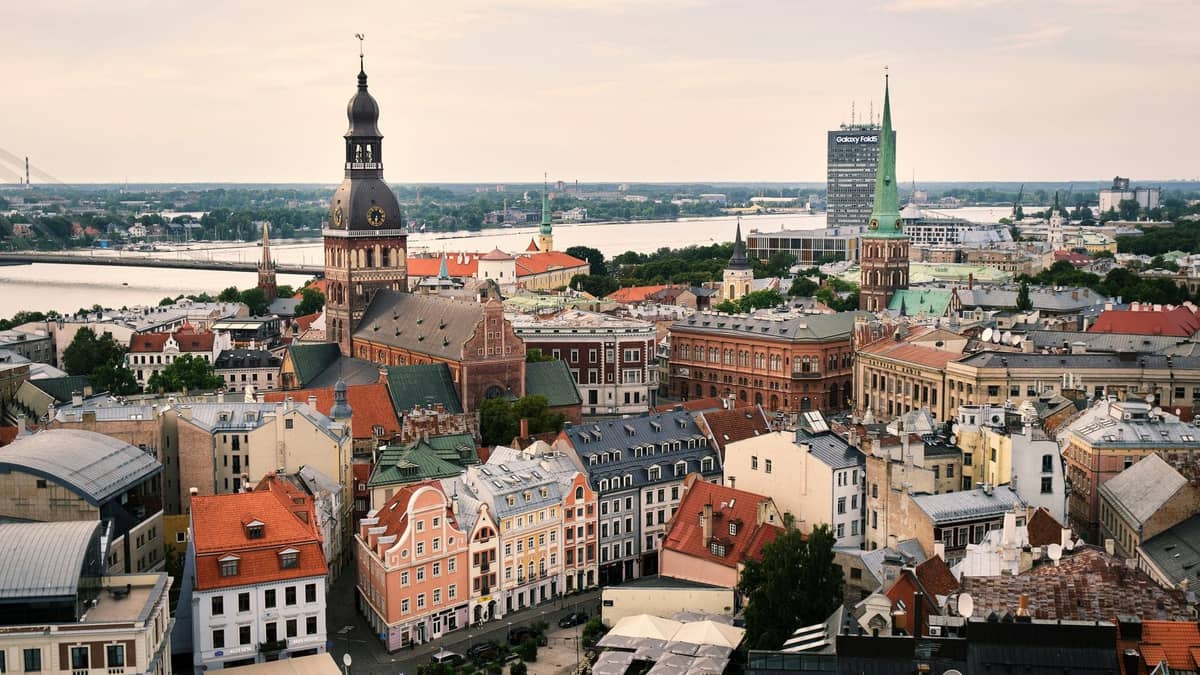
Riga sits at 56°57'N on the eastern Baltic coast, which gives it a humid continental climate softened slightly by maritime influence. The practical result: winters are cold and dark, summers are shorter but genuinely warm, and the shoulder seasons offer the kind of mild, photogenic conditions that make walking a medieval city centre enjoyable. Rainfall is spread across the year, though summer tends to be wetter than winter, so no single season is dramatically drier than another. What changes most sharply between seasons is temperature and, critically, daylight.
In December, Riga gets around 7 hours of daylight. By late June that figure stretches to around 18 hours. That swing has a direct impact on how much ground you can cover, how the city feels, and which activities make sense. A winter visit demands accepting that you'll do much of your sightseeing in near-darkness, while a midsummer visit means you can eat dinner outside at 9pm in full evening light.
ℹ️ Good to know
Latvia observes daylight saving time. Riga uses EET (UTC+2) in winter and EEST (UTC+3) in summer. This affects sunrise and sunset times significantly compared to Western European cities at similar latitudes.
Spring (April to May): The Smartest Window
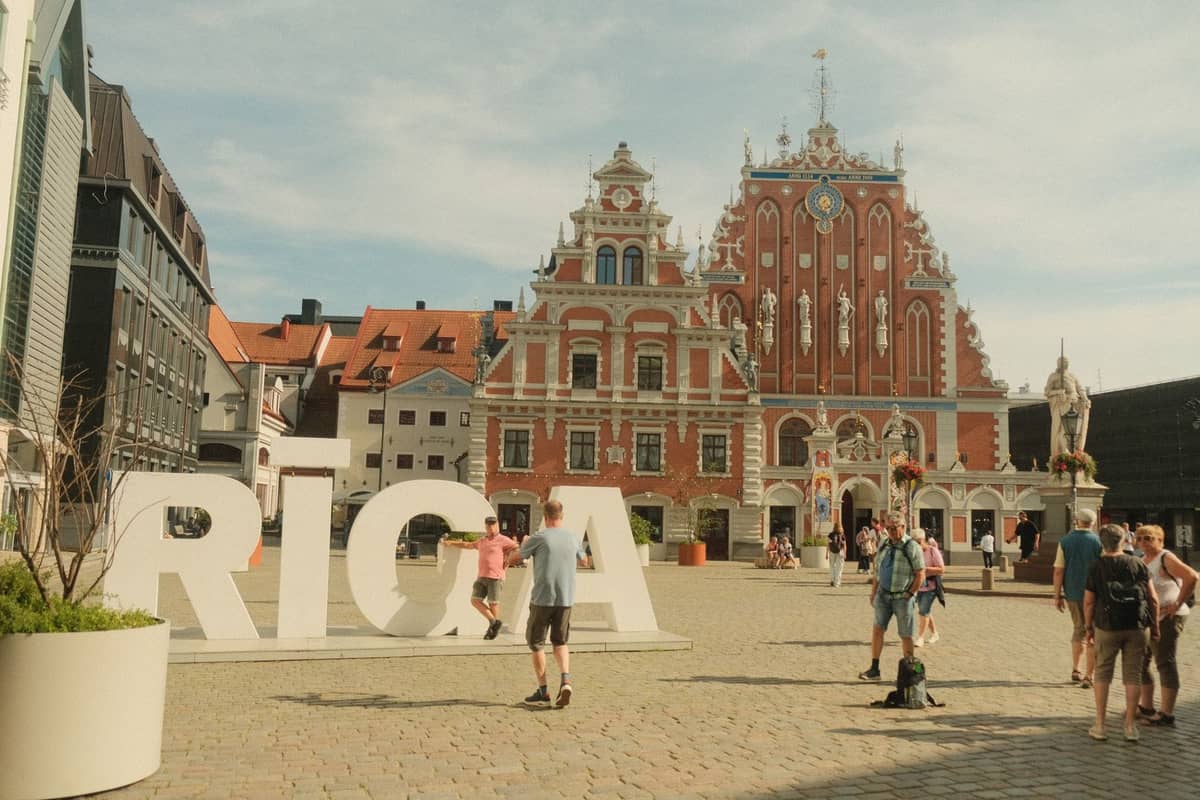
April is transitional: temperatures climb from around 5°C at the start of the month to 12-14°C by the end, the trees begin to fill out around Esplanade Park and the city's canal belt, and the tourist infrastructure fully reopens after its quiet winter mode. Crowds are light enough that you can stand in front of the House of the Blackheads for a photograph without waiting for a group tour to pass.
May is widely cited as the best single month to visit Riga, and the reasoning is solid. Daytime temperatures settle in the 14-18°C range, daylight extends past 9pm, the city's parks and outdoor cafes come fully alive, and hotel prices have not yet hit their summer peak. You get nearly all of summer's pleasures at noticeably lower cost and a fraction of the crowd density. Photography conditions are excellent too: soft light, green foliage, and long golden evenings.
✨ Pro tip
Book accommodation for the Midsummer (Jāņi) festival period in late June well in advance — it is Latvia's biggest national celebration and causes a spike in Riga hotel demand even though many locals leave the city for the countryside.
Summer (June to August): Peak Season Pros and Cons
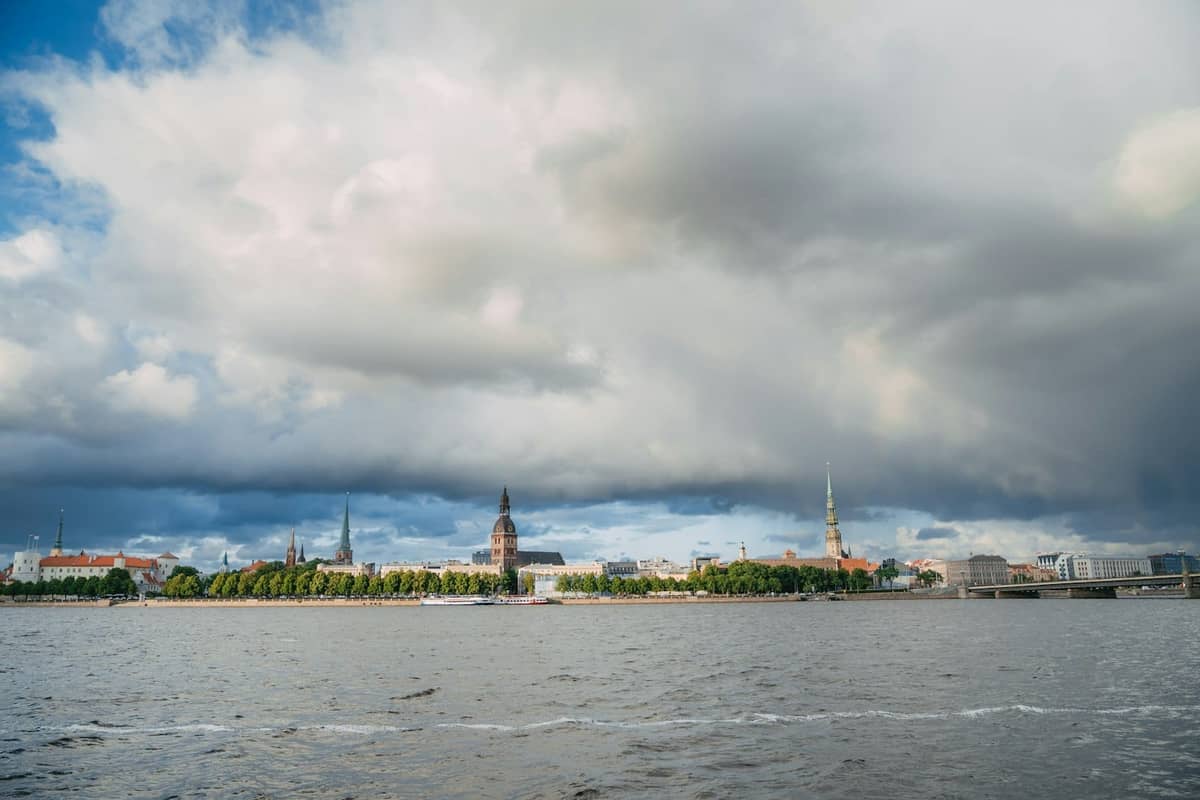
Summer is Riga at its most sociable. Outdoor restaurant terraces fill up, the Daugava River promenade draws evening walkers, and the beach resort of Jūrmala, about 25 km west of the city centre, becomes a genuine day-trip destination. Daytime highs average 20-22°C in June and July, but heatwaves pushing 30°C are not unusual and are becoming more frequent. Humidity stays moderate, so even warmer days are generally comfortable.
The drawbacks are real. The drawbacks are real. July and August are the most expensive months for accommodation, with rates that can run well above what you'd pay in May or September for the same hotel. The Old Town fills with large tour groups between roughly 10am and 4pm. Popular spots like the St. Peter's Church viewing platform can involve a wait. Riga International Airport (RIX) operates its densest schedule, which helps with flight options but means busier terminals.
June strikes a better balance than July or August for most visitors. You get the long days, the outdoor atmosphere, and the festival energy of Midsummer, but at slightly lower prices and with marginally fewer crowds. If you are travelling with children, the summer months work particularly well given the warm weather and extended opening hours at outdoor attractions.
- June Best balance of the summer months. Long evenings, Midsummer celebrations, pre-peak pricing in early June.
- July Warmest and busiest month. Highest hotel rates. Ideal if outdoor festivals and beach days at Jūrmala are a priority.
- August Still warm, crowds begin easing slightly in the second half. Watch for the Riga City Festival events in mid-August.
Autumn (September to October): The Other Sweet Spot
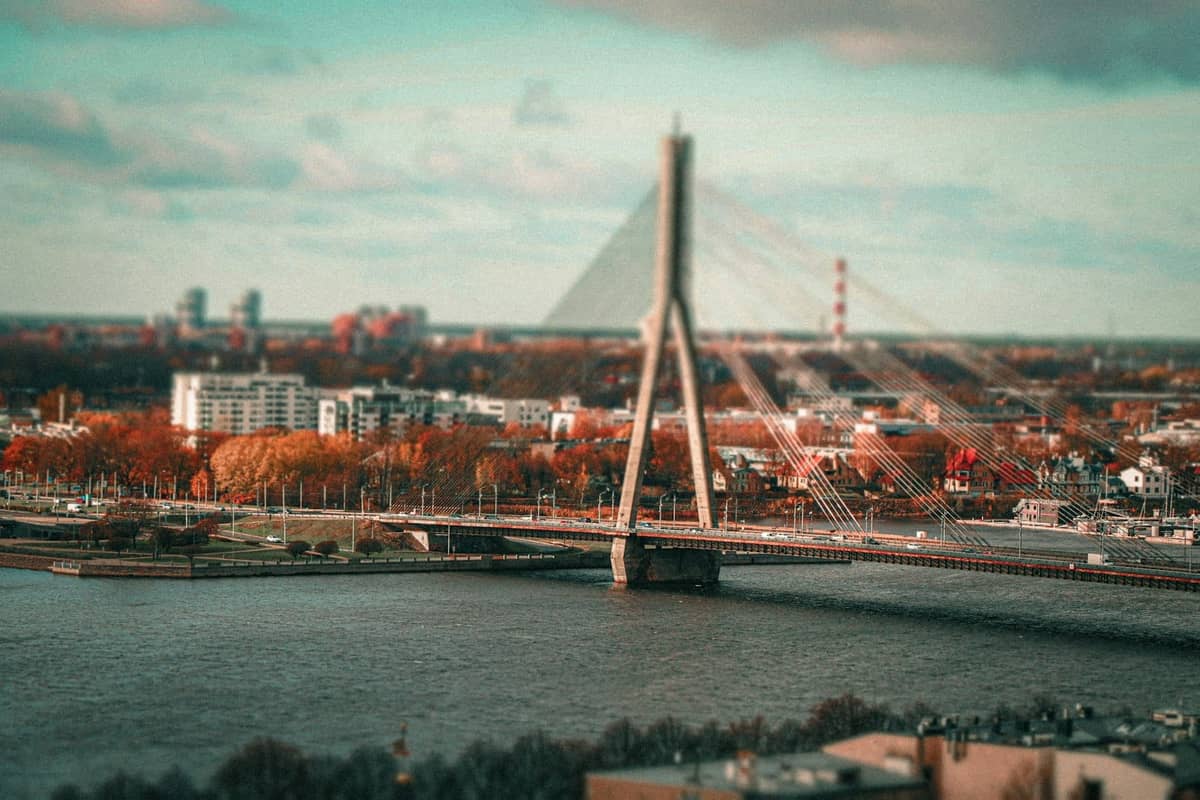
September is the autumn equivalent of May: shoulder pricing, thinning crowds, and weather that still allows comfortable outdoor exploring. Temperatures typically range from 12-18°C, daylight runs to around 8pm early in the month, and the city's Art Nouveau district is at its most photogenic under low golden autumn light. The architecture of Alberta iela and the surrounding streets photograph exceptionally well with the warm tones of early autumn.
October is more variable. Early October can still produce pleasant days above 10°C, but by the second half of the month temperatures drop into single digits and rain becomes more frequent. If you visit in October, pack layers and a waterproof jacket. The upside: hotel rates are noticeably lower than September and the Old Town feels genuinely quiet on weekday mornings.
⚠️ What to skip
November is consistently flagged by multiple travel sources as Riga's least rewarding month for first-time visitors. Expect persistent grey skies, frequent rain, temperatures around 3-7°C, and short daylight. Unless you have a specific reason to visit in November, it is worth shifting your dates by a few weeks in either direction.
Winter (December to March): Festive Highs and Quiet Lows
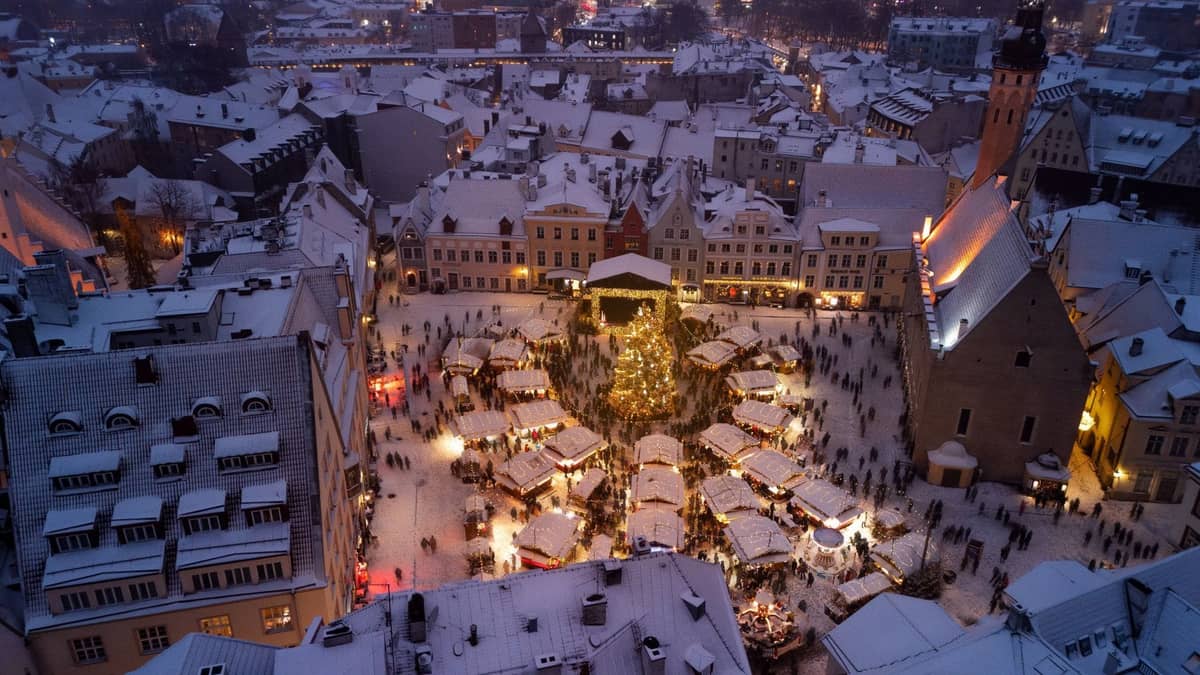
December splits neatly into two experiences. In the weeks leading up to Christmas, Riga's Town Hall Square hosts one of the Baltic's better Christmas markets, the Old Town feels cinematic with snow and fairy lights, and the city draws significant visitor numbers for short breaks. If you visit in December, book accommodation well ahead for the period between December 20 and January 2 — this window sees the highest winter demand and prices to match.
January and February are a different story entirely. These are the quietest and cheapest months of the year, with hotel prices that can fall well below summer rates. The tradeoff is significant: you get around 7-10 hours of daylight, temperatures that regularly drop below freezing, and the possibility of icy pavements. The museums and indoor attractions are uncrowded and fully operational, which makes this period genuinely worthwhile for visitors who prioritise culture over outdoor exploration. Riga's collection of museums, from the Occupation Museum to the Art Nouveau Museum, can fill several days comfortably.
March marks the slow return of light, with temperatures beginning to climb above freezing and daylight extending past 6pm by month's end. It lacks the charm of December's festive season and the appeal of spring, but it is a reasonable budget option for travellers who want a European city break without the summer price tag. For a full picture of what a cold-season visit looks like, the complete guide to Riga in winter covers practical preparation in more detail.
- Wear proper winter boots with grip from late November through March — Riga's cobblestones become genuinely hazardous when iced.
- Indoor attractions including the Riga Central Market operate year-round and are worth planning around in colder months.
- Short winter days mean you need to prioritise outdoor sightseeing in the morning and save museums for afternoons.
- Check airline schedules directly with Riga International Airport (RIX) — winter routes to some smaller European cities operate on reduced frequency.
Prices, Crowds, and Practical Timing
For budget-conscious travellers, the pricing curve is worth understanding clearly. Peak summer (July-August) sets the price ceiling. May and September typically run well below that ceiling with minimal sacrifice in experience quality. January and February drop furthest, often well below peak, but the weather trade-off is substantial. The has specific cost breakdowns for accommodation, food, and transport across the year. The Riga on a budget guide has specific cost breakdowns for accommodation, food, and transport across the year.
Crowd patterns follow pricing closely. The Old Town is at its most congested between late June and mid-August, especially on weekends. If you are following a self-guided Old Town walking tour, weekday mornings before 10am are noticeably quieter regardless of season. For day trips to destinations like Sigulda or Jūrmala, summer weekends see the highest traffic on regional trains and roads.
💡 Local tip
If your travel dates are flexible by even two weeks, shifting from the first week of July to mid-May or early September can meaningfully reduce accommodation costs while delivering comparable or better sightseeing conditions.
FAQ
What is the best month to visit Riga?
May and September offer the best overall conditions: mild temperatures between 10-18°C, long daylight hours, light crowds, and prices 20-30% below the summer peak. May edges ahead for those who want the most daylight and the freshest seasonal energy.
Is Riga worth visiting in winter?
Yes, with realistic expectations. December is genuinely appealing for its Christmas market atmosphere and festive Old Town. January and February are very cheap and uncrowded, making them good for museum-focused trips, but expect under 9 hours of daylight, freezing temperatures, and icy cobblestones. November is the one winter-adjacent month most guides suggest avoiding.
How hot does Riga get in summer?
Average daytime highs in July and August run around 20-22°C, but heatwaves reaching 28-30°C or above occur regularly. Humidity is moderate, so it rarely feels oppressive. Evenings are long and warm enough for outdoor dining well into the night.
When is Riga cheapest to visit?
January and February are consistently the cheapest months, with hotel rates often 30-40% below summer peak. November and early March are also quiet and affordable, though both can feel bleak. May and September offer better value than summer without the extreme cold of deep winter.
Does rain affect a visit to Riga significantly?
Rainfall in Riga is spread across the year with no dramatic dry or wet season. Summer months see occasional thunderstorms but also many clear days. Autumn and spring can be overcast and drizzly. A compact umbrella or waterproof layer is useful year-round, but rain rarely disrupts a full day of sightseeing.