Riga on a Budget: How to Visit Without Breaking the Bank
Riga is one of Europe's most affordable capital cities, with a realistic daily budget of €35–55 covering accommodation, food, transport, and sightseeing. This guide breaks down exactly where your money goes, what to skip, and how to stretch every euro further.
Plan and book this trip
Tools from our partner Travelpayouts help you compare flights and hotels. If you book through them, we may earn a commission at no extra cost to you.
Flights
Hotels map
TL;DR
- A realistic daily budget is €40–55 per person, covering a hostel bed, meals, public transport, and activities.
- The cheapest months to visit are January–March and November, when accommodation drops 25–40% below summer rates. See our guide on the best time to visit Riga for a full seasonal breakdown.
- Riga's Old Town restaurants often charge more than equivalent spots a few streets away — eat local by heading to Lido or the Central Market.
- Most of the city's best sights — including Art Nouveau architecture, parks, and historic squares — are free. Check our list of free things to do in Riga for a full rundown.
- Riga is not as expensive as Western Europe. Viable daily budgets start at €40–55 if you use hostels, cook occasionally, and walk.
What Riga Actually Costs: Daily Budget Breakdown
Riga sits comfortably in the affordable tier of European capitals. Based on 2025–2026 pricing, a backpacker spending on hostel dorms, supermarket meals, and mostly free attractions can get by on €40–55 per day. A more comfortable budget traveler — eating one sit-down meal daily, visiting a museum or two, and using public transport — lands in the €40–55 range. That's the sweet spot for most visitors.
- Backpacker (€30–40/day) Hostel dorm bed (€12–18), supermarket breakfast and lunch (€5–7), one canteen dinner (€8–10), public transport or walking (€1.50–3), free sights only.
- Comfortable budget (€40–55/day) Hostel private room or cheap guesthouse (€25–35), café breakfast (€4–6), market lunch (€6–8), restaurant dinner off the tourist trail (€12–15), 1–2 paid attractions (€5–10 combined).
- Mid-range (€70–100/day) Two-star hotel or apartment rental (€45–65), restaurant meals twice daily (€25–35), taxis occasionally, museum entries. This guide isn't really for you — but you'll still find the tips useful.
ℹ️ Good to know
Riga uses the euro (EUR). Tap water is safe to drink throughout the city, which saves a surprising amount over a multi-day stay. Card payments are widely accepted, including on some public transport ticket machines.
Accommodation: Where to Sleep Without Overpaying
Hostel dorm beds in central Riga typically run €15–18 per night. If you're flexible about location and don't mind being a short tram ride from Old Town, the Āgenskalns and Centrs neighborhoods offer dorm beds from €12–16. These areas are safe, well-connected, and give you a more realistic picture of how Riga actually lives.
Staying in Old Town is convenient but adds a premium. Expect to pay 20–30% more for the same room type compared to the Centre district. Budget travelers who book Old Town hostels often report noisy weekends from bar crawls — a practical reason to consider the quieter residential streets instead.
💡 Local tip
Book accommodation for late June through August well in advance. Riga's summer festival season, including the Riga City Festival and Song and Dance celebrations, drives higher demand at budget properties. Prices during these peaks can rise substantially.
Getting Around Riga Cheaply
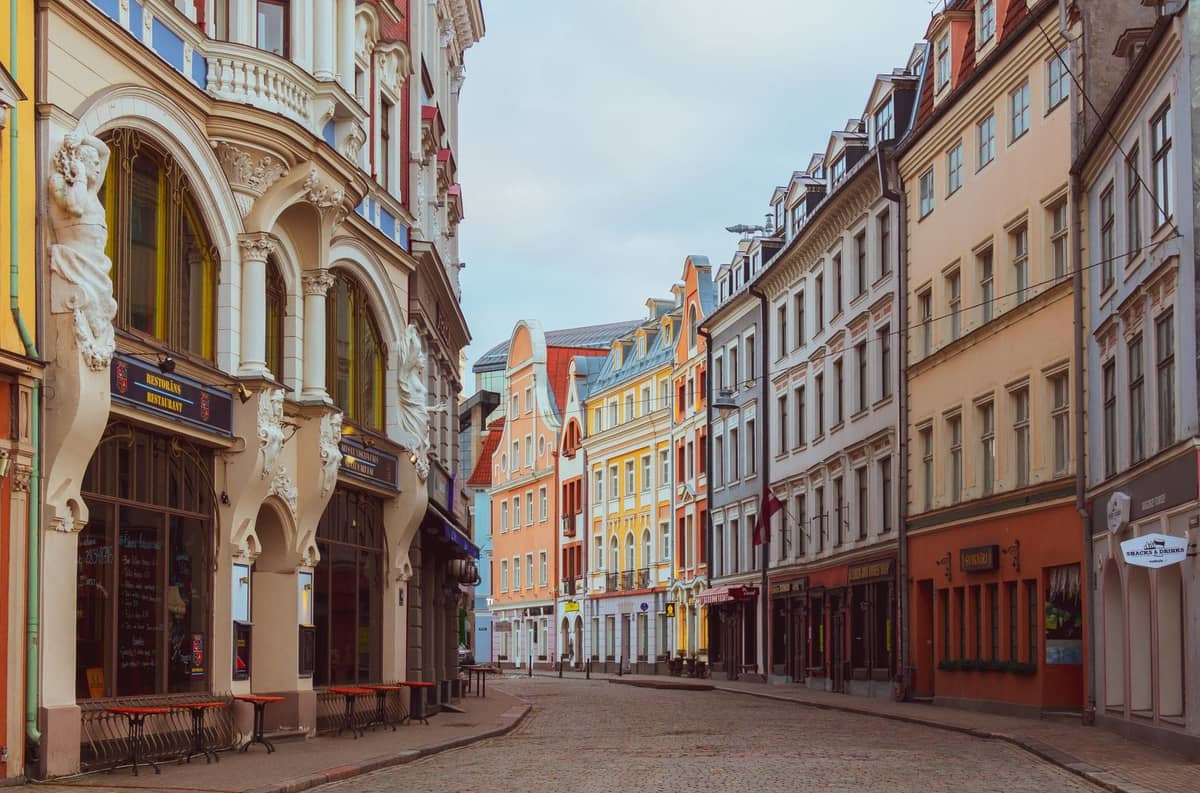
Riga's historic centre is genuinely walkable. From the Old Town to the Art Nouveau district on Alberta iela is about 1.5 km — 20 minutes on foot. The Central Market is 10 minutes south of Old Town on foot. For most visitors, walking covers the majority of daytime sightseeing at zero cost.
When you do need transport, Riga operates trams, trolleybuses, and buses under the Rīgas Satiksme network. A single ticket costs about €1.50, with on-board purchases costing more. Pick up tickets at Narvesen kiosks or validate via the official app. A multi-day pass can pay for itself quickly if you're using public transport daily.
- Airport bus 22 from Riga International Airport (RIX) to the city centre: about €1.50 per trip, runs roughly every 30 minutes, journey around 30 minutes.
- Bolt (ride-hailing) is widely used and substantially cheaper than unmetered street taxis. A typical cross-city trip runs €4–7.
- Avoid unmarked taxis at the airport and outside tourist bars — fares can be exploitative without a meter agreement upfront.
- Rīgas Satiksme route planner covers tram, bus, and trolleybus lines with real-time scheduling.
For day trips, the national rail operator Latvijas Dzelzceļš runs affordable connections. Trains to Jūrmala take around 30 minutes and cost under €2 one-way from Riga Central Station — one of the best-value excursions in the Baltics. Check day trips from Riga for more options.
Eating Well on a Budget in Riga
Food is where Riga rewards budget travelers most generously. The rule is simple: walk away from Town Hall Square and your bill drops by a third. The tourist core around the House of the Blackheads and Dome Cathedral prices its menus for visitors on short stops. Locals eat elsewhere.
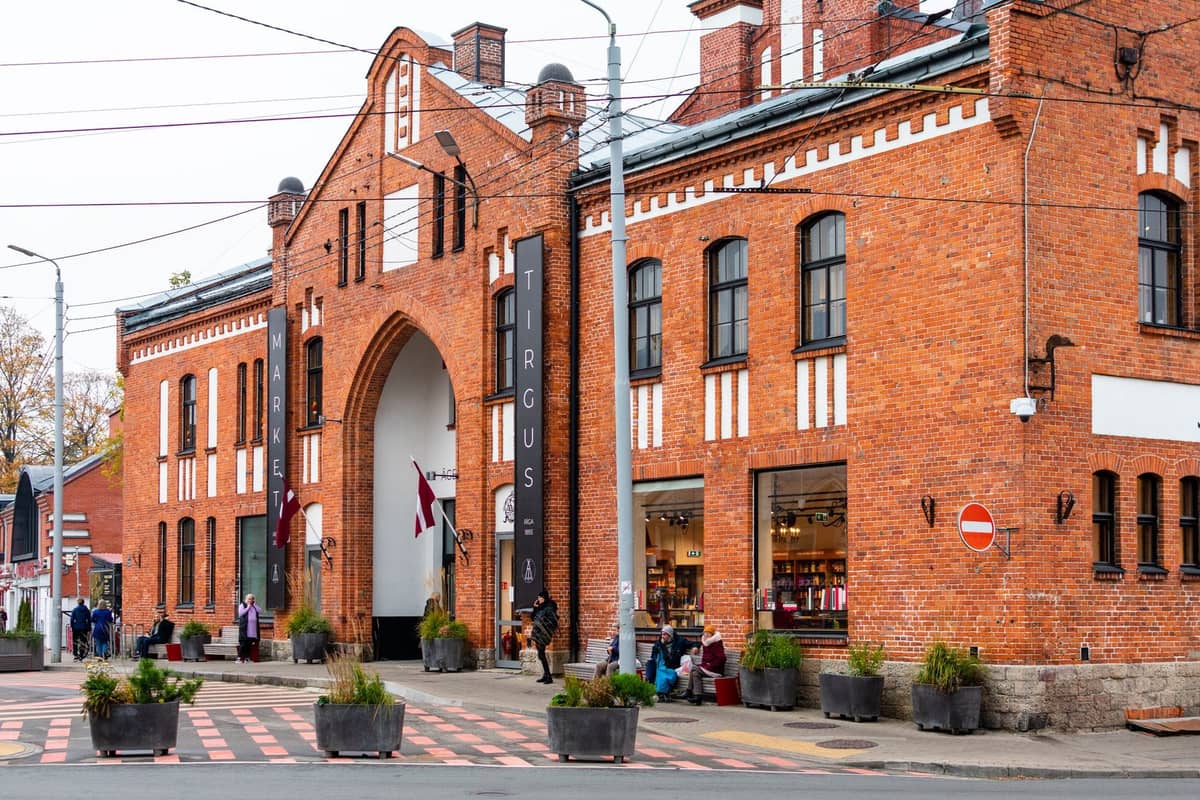
The single best budget eating option in the city is Riga Central Market, one of Europe's largest covered markets, housed in five giant former Zeppelin hangars. Grab a portion of smoked fish, fresh rye bread, local cheese, or a bowl of soup from market canteens for €2–5. This is where locals shop and eat, and quality is consistently good.
Lido is the go-to Latvian canteen chain for sit-down budget meals. The concept is buffet-style: fill a tray with traditional dishes like grey peas with bacon (pelēkie zirņi), beetroot salad, pork ribs, and dark rye bread. A filling meal rarely tops €10–12. The main Lido on Krasta iela operates like a food court and is especially good value.
- Self-catered breakfast and lunch from Rimi or Maxima supermarkets: €5–7 per day total.
- Canteen-style lunch at Lido or a local bistro: €6–10 including a drink.
- Sit-down dinner in the Centrs or Āgenskalns neighborhood: €10–15 for a full meal with beer.
- Old Town restaurant dinner: €18–28 for the same quality — skip it unless someone else is paying.
- Latvian black rye bread (rupjmaize) from a supermarket: under €1.50 for a loaf that lasts days.
⚠️ What to skip
Restaurants immediately adjacent to Riga Town Hall Square and the Dome Cathedral consistently charge tourist-level prices. A beer at an Old Town terrace can cost €5–7 versus €2.50–3.50 in a neighborhood bar two streets away. The food isn't better — the location is what you're paying for.
Free and Low-Cost Attractions
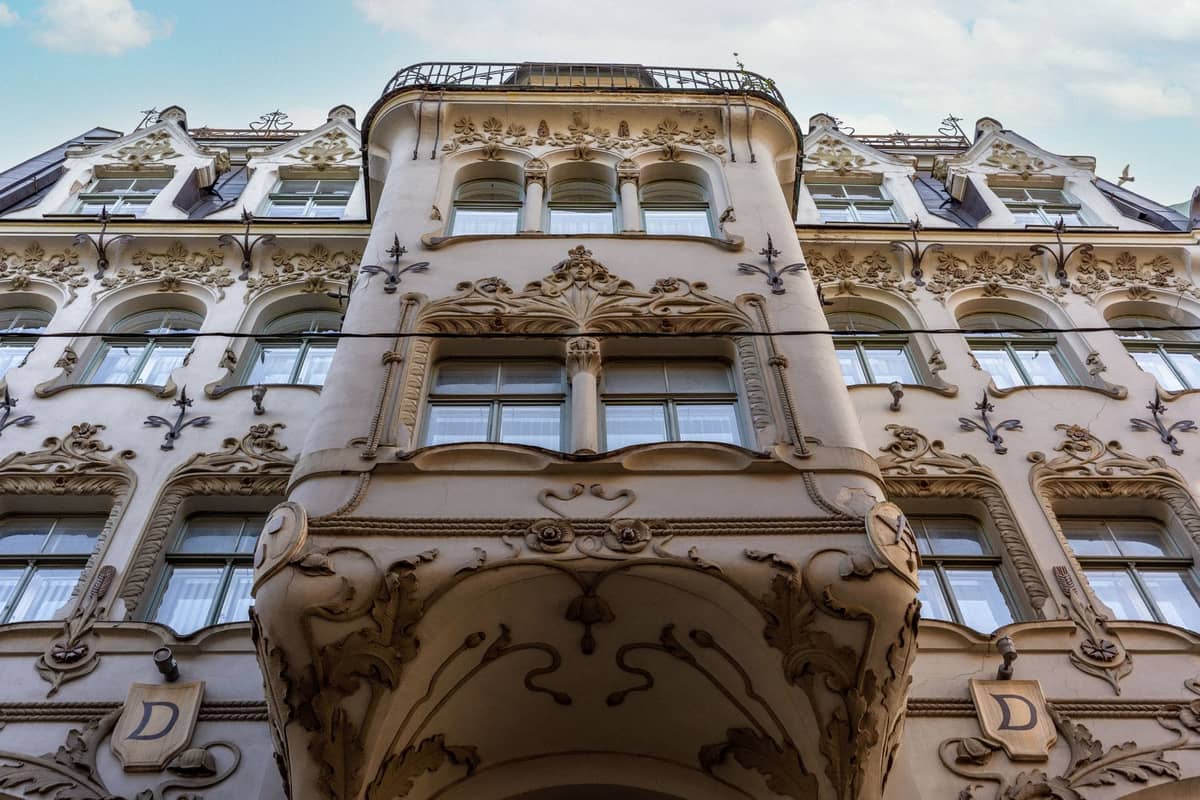
Riga's architecture alone justifies a visit at zero entry cost. The Art Nouveau district, concentrated around Alberta iela, is an open-air museum of Jugendstil facades. Walking the streets costs nothing. If you want context and interiors, the Riga Art Nouveau Museum charges a modest entry fee and is worth every cent. For full detail, read the Art Nouveau Riga guide.
Parks are free and genuinely pleasant. Bastejkalns Park sits along the old city canal and is the most central green space, ideal for a picnic between sightseeing stops. The Esplanade Park connects the Orthodox Cathedral neighborhood to the National Museum of Art and makes for a scenic 20-minute walk.
Paid attractions worth the entry fee for budget travelers: the Museum of the Occupation of Latvia (Soviet and Nazi occupation history, sobering and important), and St. Peter's Church tower for panoramic city views. The Latvian Academy of Sciences observation deck is a less-visited but cheaper alternative for skyline photos.
✨ Pro tip
The first Sunday of each month offers free or reduced entry at several Riga state museums, including the Latvian National Museum of Art. Check individual museum websites before your visit, as schedules vary. Combining this with a Saturday Kalnciema Quarter market visit makes for an excellent low-cost weekend in Riga.
Seasonal Timing: When Budget Travelers Should Visit
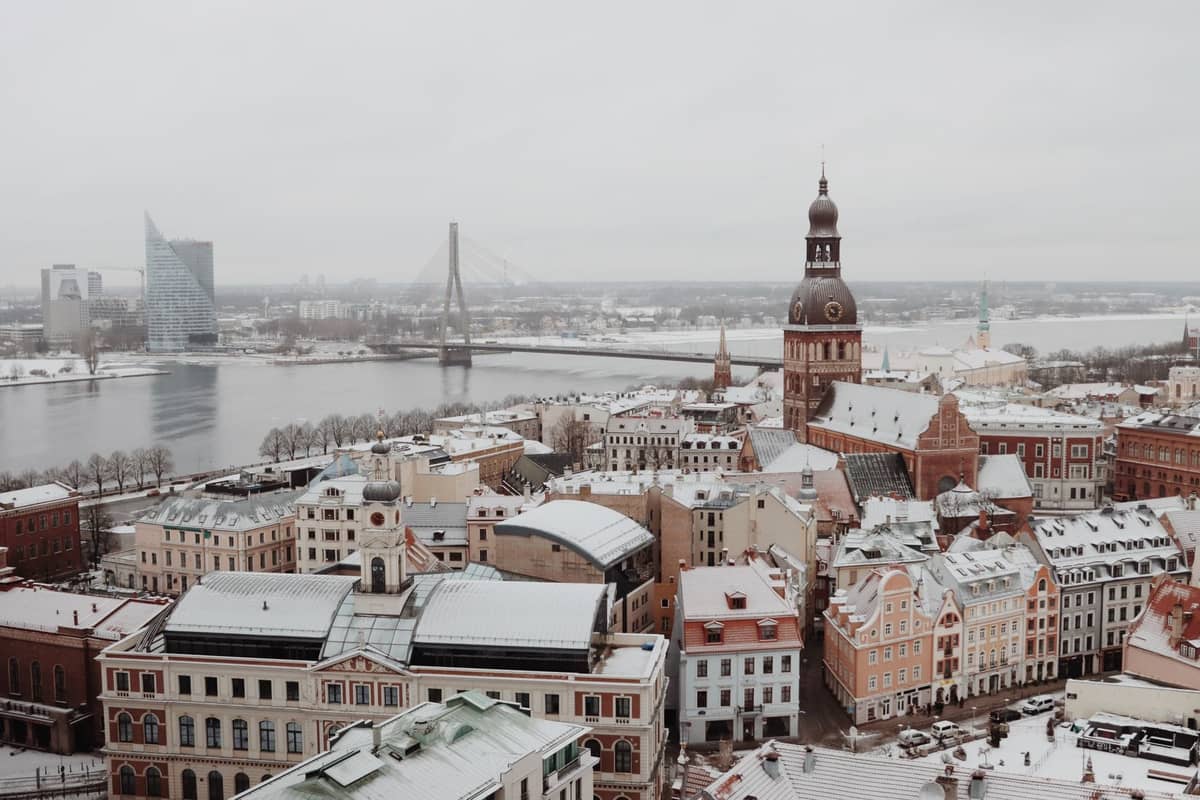
The cheapest window is January through March, when accommodation prices drop 25–40% from summer peaks and the city is far less crowded. Riga in winter is cold (temperatures regularly below 0°C) and daylight is short, but the Christmas market in December and the general cozy atmosphere of the Old Town have real appeal. Read the full guide to Riga in winter if you're considering an off-season trip.
The shoulder seasons — April through May and September through October — offer the best balance of price and experience. Accommodation runs below July-August rates, most attractions are fully open, and the weather is manageable. May in particular can be excellent: long daylight hours, blooming parks, and prices that haven't caught up with the summer calendar.
July and August are peak season. Prices are at their highest, popular spots are crowded, and budget beds fill fast. If you must visit in summer, book at least 6–8 weeks ahead for hostels and consider staying slightly outside the tourist core.
FAQ
How much money do I need per day in Riga?
Plan on €40–55 per day for a comfortable budget trip covering a hostel or cheap guesthouse, three meals (mixing supermarket and sit-down eating), public transport, and one or two paid attractions. Strict backpackers using dorms and cooking most meals can manage €40–55. Mid-range travelers spending on hotels and restaurants typically spend €70–100.
Is Riga cheap compared to other European capitals?
Yes. Riga is significantly cheaper than Western and Northern European capitals. It's comparable to Vilnius and slightly more affordable than Tallinn. Meals, transport, and accommodation all cost less than equivalents in cities like Amsterdam, Stockholm, or Dublin.
What is the cheapest way to get from Riga airport to the city?
Bus 22 connects Riga International Airport (RIX) to the city centre for around €1.50 per trip when bought in advance at a kiosk. The journey takes about 30 minutes and runs roughly every 30 minutes. Buying a ticket on board costs more. Bolt ride-hailing is the next cheapest option and is far cheaper than unmetered taxis.
What are the best cheap places to eat in Riga?
Riga Central Market is the top choice for cheap, authentic food — soups, smoked fish, and local produce at market prices. The Lido canteen chain serves traditional Latvian buffet meals for under €10–12. Supermarkets like Rimi and Maxima are excellent for self-catering. Avoid restaurants directly on Town Hall Square and around the Cathedral if budget matters.
Are there free things to do in Riga?
Many of Riga's best attractions are free. Walking the Art Nouveau district around Alberta iela, exploring Old Town streets, visiting Bastejkalns Park and the city canal, and watching the sunset from the Daugava river embankment all cost nothing. Some state museums also offer free or reduced entry on the first Sunday of the month.