Jūrmala is Latvia's largest resort city, stretching around 32 kilometres along the Gulf of Riga west of the capital. A chain of historic resort districts connected by train, it trades Riga's urban energy for pine-scented dunes, Art Nouveau wooden villas, and one of the longest white-sand beaches in the Baltic. Most visitors treat it as a day trip from Riga, but its quieter western neighbourhoods reward a longer stay.
Jūrmala is Latvia's answer to a classic European seaside resort: a long, pine-backed beach, weathered wooden villas half-hidden behind garden gates, and a central pedestrian street that fills with café tables in summer and falls nearly silent by October. It sits just 25 kilometres west of Riga, close enough for a morning train ride but different enough in pace, light, and atmosphere to feel like a genuine escape.
Orientation
Jūrmala is not a single town but a chain of resort districts strung along a narrow strip of land between the Gulf of Riga to the north and the Lielupe River to the south. The city stretches roughly 32 kilometres from west to east, covering about 100 square kilometres in total, yet at its narrowest points it is only a kilometre or two wide. That geography defines everything about how you experience it: you arrive by train, step out into a forested neighbourhood, and walk north through the dunes to reach the sea.
The districts run in a roughly continuous chain from Ķemeri and Jaunķemeri in the far west through Sloka, Kauguri, Vaivari, Asari, Melluži, Pumpuri, Jaundubulti, Dubulti, Majori, Dzintari, Bulduri, Lielupe, and Priedaine toward the eastern edge nearest Riga. Each has its own train station on the Riga–Tukums II suburban rail line, making it possible to hop between districts without a car. The practical centre for most visitors is the Majori and Dubulti cluster, which functions as the city's downtown: it holds the main pedestrian street, the highest concentration of restaurants and cafés, and the best-maintained public beach access points.
Jūrmala sits approximately 25 kilometres west of central Riga and about 15 kilometres from Riga International Airport. For anyone planning a visit from the capital, it is the clearest and most accessible day trip from Riga, reachable in around 30 minutes by suburban train.
Character & Atmosphere
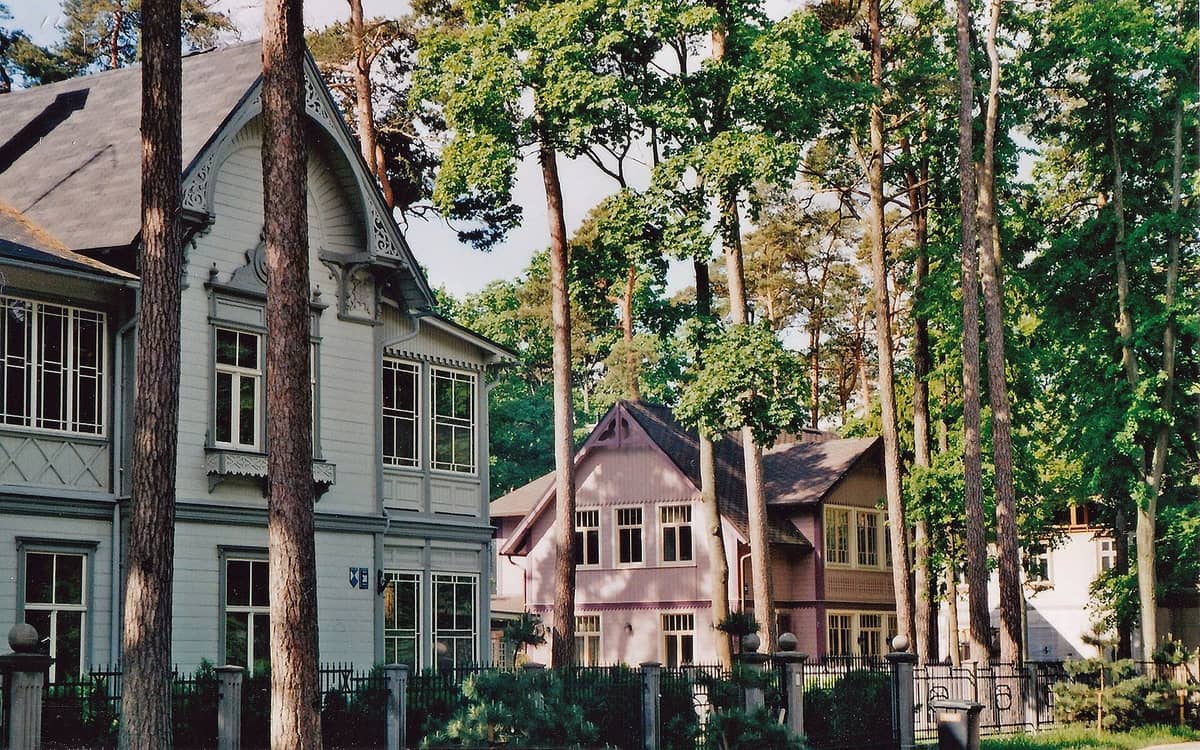
Jūrmala has been a resort destination since the 18th century, and the layers of that history are visible in the streetscape. Behind Jomas iela, the main pedestrian strip in Majori, you find wooden villas in varying states of care: some freshly repainted in butter-yellow or mint-green, others fading behind overgrown lilac hedges. These are not tourist-facing reconstructions but actual residential buildings, many of them still functioning as family homes or small guesthouses. The combination of ornate carved woodwork, steeply pitched roofs, and mature garden trees gives the residential streets a storybook quality that is genuinely unusual for a city of this size.
In the early morning, Jūrmala belongs entirely to locals. Dog walkers move through the pine-and-birch forests between the residential streets and the dunes. The beach itself, before 9am in summer, is almost empty: raked sand, a low sun cutting across the Gulf, the smell of pine resin mixing with sea air. By midday in July and August the picture changes completely. The beach fills with families, the outdoor terraces along Jomas iela run at capacity, and the train from Riga arrives every 30 minutes or so with fresh crowds. By evening the pace slows again, restaurants quieten after 9pm, and the forested streets behind the beach become genuinely still.
Outside the summer season, Jūrmala shifts character entirely. From October through April, Jomas iela is nearly deserted, many restaurants close or reduce hours, and the beach stretches in both directions without another person in sight. The winter light over the Gulf is flat and silver. If you appreciate empty beaches and unhurried architecture walks, this off-season atmosphere has real appeal; if you are hoping for the resort experience, you need to come between late May and early September.
ℹ️ Good to know
Jūrmala has 12 designated public bathing areas along its coast, each with lifeguard coverage during the summer season and basic facilities including changing rooms and shower points. Majori and Dzintari beaches are the busiest and best-equipped.
What to See & Do
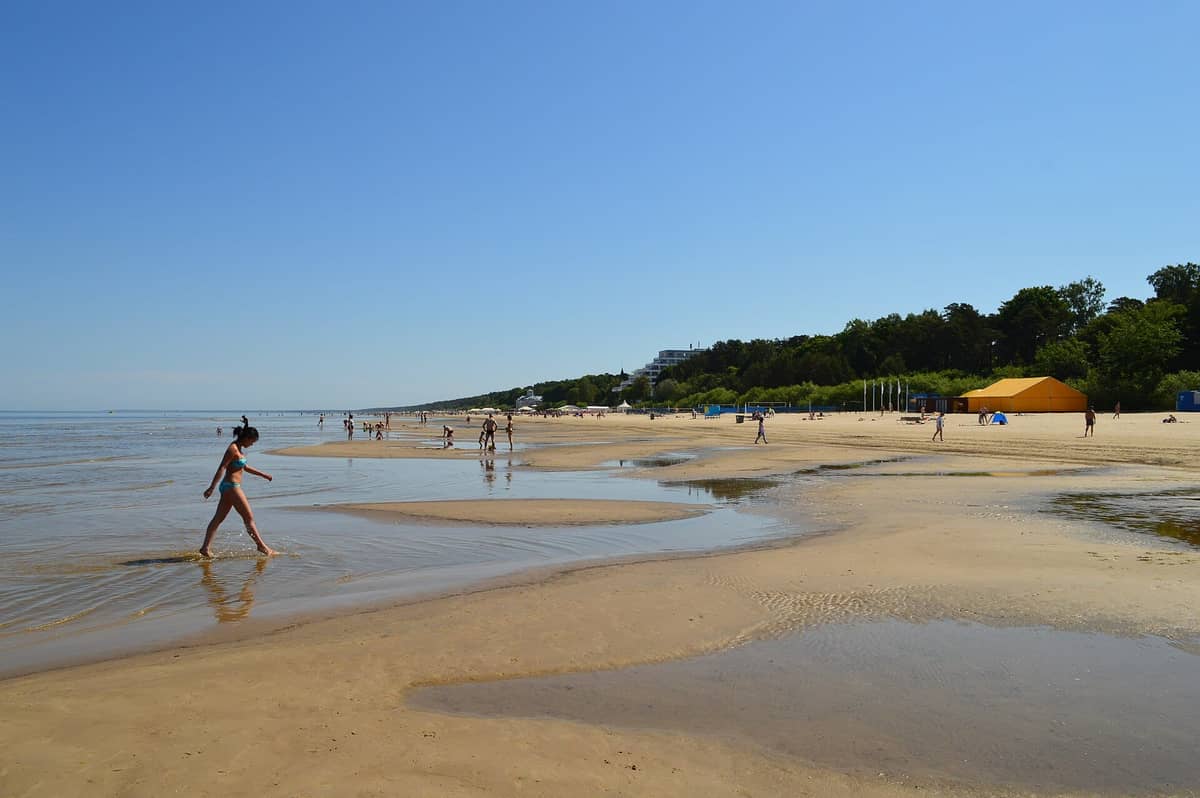
The beach is the starting point for almost every visit. The white-sand shore runs continuously for more than 30 kilometres, backed by low dunes planted with beach grass and, further inland, stands of Scots pine. The sand is fine and pale, the water shallow and relatively warm by Baltic standards in high summer. Majori beach is the most accessible point from the train station of the same name, a short walk north along Turaidas iela through the dunes. It is the busiest section, with the most infrastructure, but the crowd thins noticeably within 15 minutes of walking in either direction along the shore.
Jomas iela, the approximately 1.1-kilometre pedestrian street running through Majori, is the social centre of the resort. It connects Majori train station to the beach access point and is lined with café terraces, ice-cream kiosks, souvenir shops, and a handful of more serious restaurants. The street is entirely car-free and pleasant to walk at any time of day, though in peak summer it can feel crowded. The architecture along Jomas iela includes several well-preserved wooden buildings that demonstrate why Jūrmala is considered one of the most significant collections of wooden resort architecture in northern Europe.
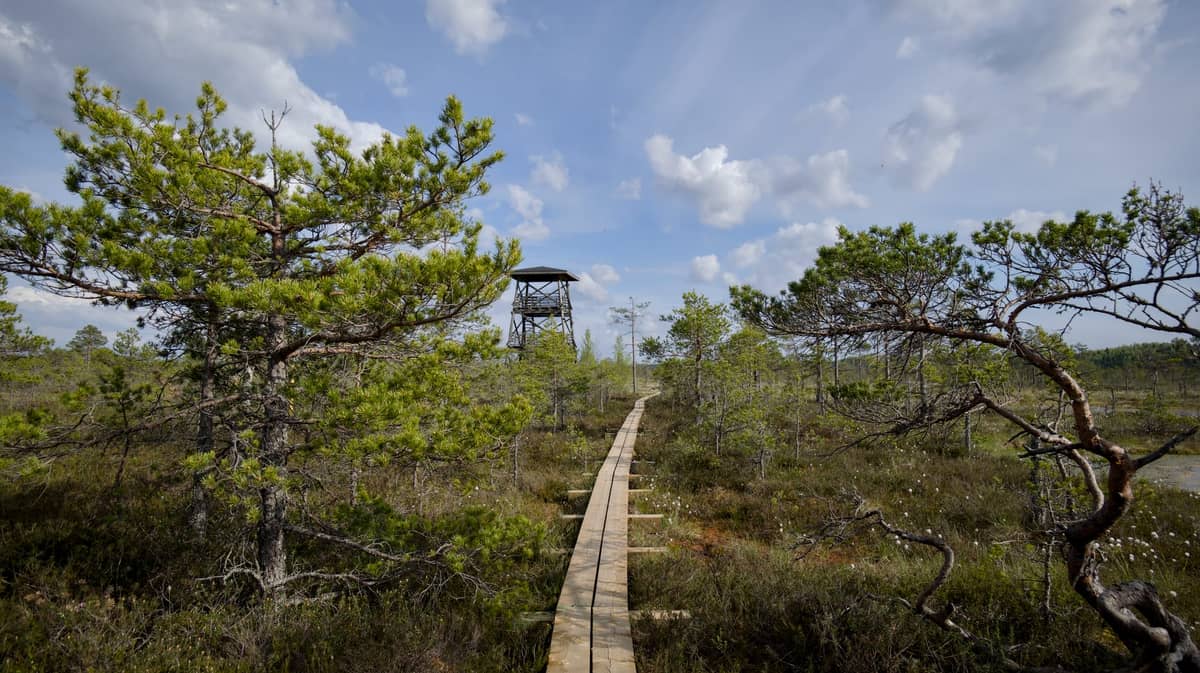
At the western end of Jūrmala, the Ķemeri district offers a completely different experience. The Ķemeri National Park begins at the edge of town and encompasses bog landscapes, forest trails, and the Great Ķemeri Bog boardwalk, which leads out over open peatland with views that feel far removed from any resort. This is the part of Jūrmala that rewards visitors with more than a beach day in mind. The historic Ķemeri sanatorium building, a 1936 interwar sanatorium later used in the Soviet period now long closed, is visible from the road and has become something of an urban exploration landmark.
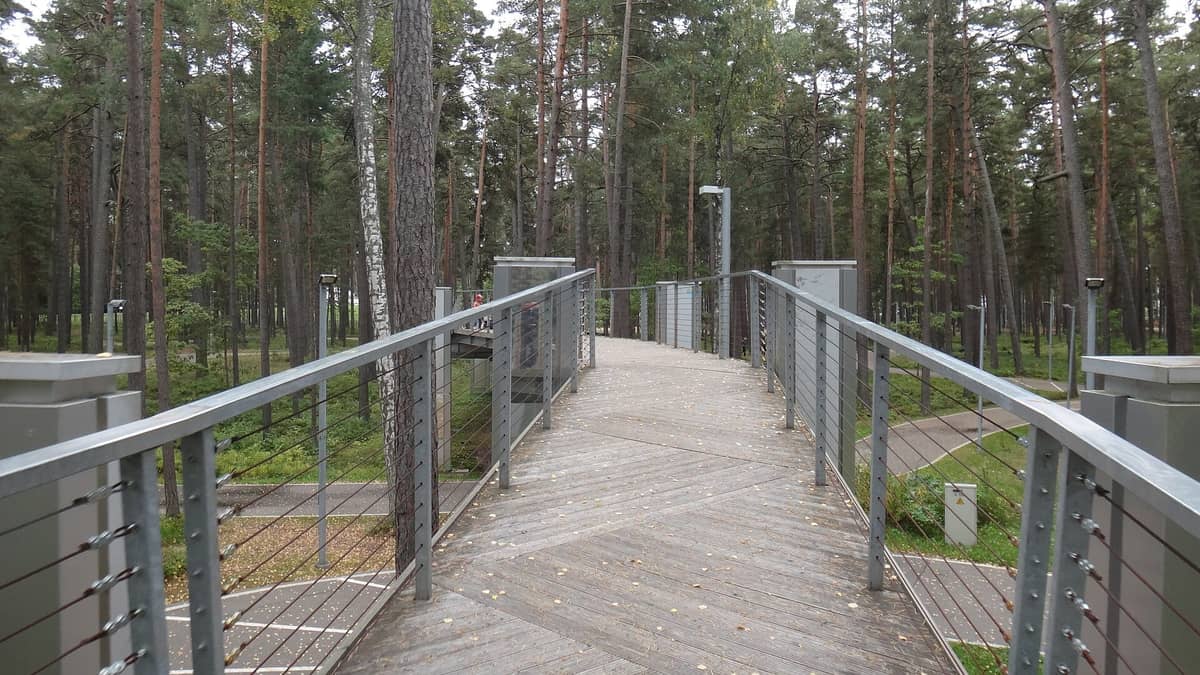
The Dzintari Forest Park occupies the wooded area behind Dzintari beach, between the sea and the rail line. It contains a concert amphitheatre used for major summer festivals, walking and cycling paths, and enough mature forest to feel genuinely quiet despite being minutes from the beach. The park connects the Dzintari and Majori districts on foot and is one of the more pleasant routes between the two train stations.
Walk the full length of Jomas iela from the train station to the beach and back via a parallel street to compare the two faces of Majori
Rent a bicycle and cycle east or west along the coast road to reach less-visited beach sections in Bulduri or Melluži
Take the train two stops west to Dubulti to see the Art Nouveau church and quieter streets
Walk the Great Ķemeri Bog boardwalk (about 3.4 km loop) in the early morning when mist sits over the open bog
Attend a summer concert at the Dzintari Concert Hall open-air amphitheatre
Eating & Drinking
Jūrmala's food scene is concentrated almost entirely along Jomas iela and the streets immediately adjacent to it in Majori. The range runs from straightforward café food and ice cream to mid-range restaurants serving Latvian-European fusion dishes. Prices are noticeably higher than equivalent places in Riga, particularly for seafood and restaurants with terrace tables directly on Jomas iela. Budget around 20 to 35 euros per person for a full sit-down dinner with drinks at a mid-range Majori restaurant in summer.
The food that makes most sense here is simple and seasonal: fresh Baltic fish, local smoked eel, rye bread with cottage cheese, and in late summer, dishes built around wild mushrooms and berries foraged from the surrounding forests. Several restaurants along and just off Jomas iela lean into this Latvian coastal identity rather than defaulting to international menus, and those tend to deliver the most satisfying meals.
For coffee and lighter eating, the streets around Majori station have a handful of decent bakeries and café-bars that cater to the local crowd as much as tourists. These are generally better value and more reliably open outside peak season than the terrace restaurants on Jomas iela itself. In summer, beach kiosks sell smoked fish, grilled corn, and cold drinks along the dune access paths.
💡 Local tip
If you are visiting in summer, consider arriving early and having lunch on Jomas iela before noon. Terrace tables at popular spots fill quickly by 1pm, and the street itself becomes significantly more crowded from midday onward. Early arrivals also get the beach before the midday crowds.
Getting There & Around
The suburban train from Riga Central Station (Rīgas Centrālā stacija) to Majori takes approximately 30 to 45 minutes and runs frequently throughout the day, particularly in summer. Trains on the Riga–Tukums line stop at every district along the way, including Priedaine, Lielupe, Bulduri, Dzintari, Majori, Dubulti, and onward to Sloka and Ķemeri. This is by far the easiest and cheapest way to reach Jūrmala from central Riga. Consult the getting around Riga guide for current ticket prices and timetable information.
Note that Jūrmala operates a vehicle entry fee system for private cars during the peak summer season, typically from June through August. If you are arriving by car from Riga, you will pass through a toll point on the main approach road. The fee applies per vehicle entering the resort zone and is payable at the entry checkpoint. This makes the train an even more practical option for day trippers.
Within Jūrmala, the most practical way to move between districts is to use the same suburban train line. Trains run in both directions roughly every 30 minutes in summer, and the stations are spaced close enough that hopping one or two stops to explore a different beach section or neighbourhood takes very little time. Cycling is a good alternative: the flat terrain and relatively low traffic on the residential streets behind the beach make Jūrmala one of the more enjoyable places to ride a bike in the Riga region. Bicycle rental is available near Majori station in season.
⚠️ What to skip
The vehicle entry fee into Jūrmala in summer applies to most private cars and is enforced with automated camera control. Make sure to pay at the marked points on the approach roads if driving. Fines for non-payment are significantly higher than the entry fee itself.
Where to Stay
Most visitors from Riga treat Jūrmala as a day trip, which is entirely reasonable given the train frequency. However, staying overnight or for several nights gives you access to the early-morning and evening atmosphere that day-trippers never see. For accommodation options across the wider region, the where to stay in Riga guide covers both city and resort options.
The best base for most visitors is the Majori or Dzintari area, within easy walking distance of both Jomas iela and the beach. This cluster has the highest density of guesthouses, small hotels, and apartment rentals, and staying here means you can walk to the beach before the day-trip trains arrive. Bulduri and Dubulti, two stops further east and west respectively, are quieter residential resort districts with some guesthouse accommodation and a more local character.
The western districts around Ķemeri suit visitors who are specifically coming for the national park and bog trails rather than the beach resort experience. Accommodation options there are sparse, so book well in advance if this is your focus. The Ķemeri area is a poor base for anyone wanting easy access to Riga, as train frequency drops on the western end of the line.
Majori and Dzintari: best for beach access, restaurants, and train connections
Bulduri: quieter, slightly more local feel, still within a short cycle of Majori
Dubulti: the historical administrative centre, interesting wooden architecture, calmer streets
Ķemeri: for nature-focused visitors; limited facilities, poor choice for beach holidaymakers
Is Jūrmala Worth the Trip?
Jūrmala is not a destination that suits every type of traveller equally. If you are spending two or three days in Riga and want a break from city sightseeing, a half-day or full-day train trip to Majori in the summer months is a straightforward, rewarding excursion. The beach is genuinely good by Baltic standards, Jomas iela is pleasant for a slow lunch, and the wooden villa architecture is worth a couple of hours of unhurried walking. It fits naturally into a three-day Riga itinerary as an afternoon escape.
For visitors interested in Soviet-era history and architecture, Jūrmala adds an interesting layer: many of the larger sanatoria and rest houses visible in the western districts date from the Soviet period, when Jūrmala was a major all-union resort. This connects to a broader thread running through the region that the Riga Soviet history guide traces in more detail.
The honest caveat is this: in peak July and August, Jūrmala's central strip is crowded and prices are high. The beach is large enough to absorb the numbers, but Jomas iela can feel like a tourist trap on a busy Saturday afternoon. Go on a weekday, arrive early, and walk beyond the central section of the beach and you will have a substantially better experience than the crowds suggest.
TL;DR
Jūrmala is Latvia's premier beach resort, 25 km west of Riga and about 30–35 minutes by suburban train from Riga Central Station.
The resort stretches around 32 km along the Gulf of Riga, divided into a chain of districts; Majori is the practical centre with the main beach access, pedestrian street, and best transport connections.
Best visited in summer (late May to early September) for beach and outdoor dining; outside this window many businesses close and the atmosphere shifts to quiet and off-season.
Ķemeri National Park at the western end of the city adds a nature and bog-trail dimension that is entirely separate from the beach resort experience.
Ideal for: beach day trips from Riga, families in summer, cycling holidays, architecture enthusiasts interested in Baltic wooden resort buildings, and nature walkers targeting Ķemeri bog.
Two days in Riga is genuinely enough to cover the city's best sights, from the medieval lanes of Vecrīga to the extraordinary Art Nouveau district and the sprawling Central Market. This itinerary is built for efficiency, not rushing — with practical advice on where to linger and what to skip.
Three days is the sweet spot for Riga. Enough time to cover the medieval Old Town, the Art Nouveau district, and the Central Market properly, with a full day left for a train ride to Jūrmala's Baltic coast or Sigulda's castle valley. This guide breaks it all down day by day, with transport logistics, honest priorities, and seasonal advice.
Riga holds the world's largest concentration of Art Nouveau architecture, with over 700 buildings spanning four distinct style variants. This guide covers where to find the best façades, how to read the architecture, what to skip, and how to plan a half-day or full-day exploration of the Quiet Centre and beyond.
Riga stands out for a city of its size for museums. Whether you want medieval history, Soviet-era chills, or Latvia's finest art, the city has a museum for it. This guide covers the 12 best, with practical advice on what to prioritise and what to expect.
Riga rewards visitors differently depending on when you arrive. This guide breaks down every season's weather, crowd levels, pricing patterns, and key events so you can make an informed decision about when to go.
Riga is an outstanding base for exploring Latvia. Within an hour or two by train or car, you can walk a medieval castle tower, swim in the Baltic Sea, or wander through a surreal peat bog. These are the best day trips from Riga, with practical transport details for each.
Riga rewards budget-conscious travellers more than almost any other European capital. From medieval Old Town lanes and Art Nouveau facades to riverside promenades and free museum days, here are the best free experiences the city has to offer.
Riga has no metro, but its tram, trolleybus, and bus network covers almost every corner of the city for around €1.50 a ride when bought in advance. This guide breaks down every transport option, from airport bus 22 to night routes, e-tickets, and when it actually makes sense to take a taxi.
Riga is one of Northern Europe's most underestimated capitals: a UNESCO-listed Old Town, over 300 Art Nouveau buildings, a serious food scene, and prices that undercut most Western European cities. But it's not perfect. Here's an honest look at whether Riga deserves a place on your itinerary.
Riga International Airport (RIX) is the Baltic states' largest airport, just about 10–13 km from the city centre. This guide covers the arrivals process, terminal layout, immigration tips, and every realistic option for reaching central Riga quickly and affordably.
Latvian cuisine is built on rye, pork, fish, and preserved foods shaped by centuries of cold-climate cooking. This guide covers the essential dishes, drinks, and food spots to know before you eat your way through Riga — from Central Market stalls to traditional cafeterias and beyond.
Riga rewards couples with medieval cobblestone streets, a gorgeous Art Nouveau district, waterfront promenades, and a food scene serious enough to anchor multiple evenings. This guide covers the best romantic experiences across every season, from free sunset walks to private boat cruises on the Daugava.
Riga transforms in winter into one of Northern Europe's most atmospheric cold-season destinations. This guide covers the Old Town Christmas Market, seasonal ice rinks, what the weather actually feels like, and how to get the most out of a visit between November and January.
Riga's nightlife has more range than many visitors expect. Old Town's medieval streets fill with cocktail bars and live music venues, while the creative quarter around Tallinas iela draws a more local crowd. This guide breaks down where to drink, dance, and explore after dark — by neighborhood, budget, and time of year.
Walk the medieval streets of Riga's Old Town (Vecrīga) without a guide. This route covers every major landmark from the Freedom Monument to the House of the Blackheads, with practical advice on what costs money, what to skip, and how to time your visit.
Riga is one of Europe's most affordable capital cities, with a realistic daily budget of €35–55 covering accommodation, food, transport, and sightseeing. This guide breaks down exactly where your money goes, what to skip, and how to stretch every euro further.
Riga is one of the safer European capitals, but certain scams and situations catch tourists off guard every year. This guide breaks down real risks, the scams most likely to hit you, and practical steps to avoid them — from Old Town bar traps to taxi overcharging.
Riga rewards shoppers with one of Europe's great food markets, a lively craft scene, and local design studios that go well beyond fridge magnets. This guide covers where to shop, what to buy, what to skip, and how to do it without overpaying.
Riga carries more than 50 years of Soviet history in its streets, buildings, and museums. This guide covers the key Cold War sites, occupation memorials, Soviet-era architecture, and the historical context you need to make sense of what you're seeing.
Riga is a genuinely rewarding family destination, but it works best when you know where to focus. From Mežaparks forest trails and canal boat tours to the Ethnographic Open-Air Museum and a Jūrmala beach day, this guide covers the top family activities in Riga with practical details on what to do by season, how to get around, and what to avoid.
Riga packs medieval churches, extraordinary Art Nouveau architecture, Soviet-era landmarks, and one of Europe's great markets into a walkable city centre. This guide covers the best things to do across the Old Town, Centrs, and beyond, including day trips to Sigulda and Jūrmala.
Choosing where to stay in Riga shapes your entire trip. This guide breaks down every major neighbourhood, from the UNESCO-listed Old Town to the Art Nouveau streets of Centrs, with practical advice on what each area costs, who it suits, and what you'll give up.