Where to Stay in Riga: Best Areas & Hotels Guide
Choosing where to stay in Riga shapes your entire trip. This guide breaks down every major neighbourhood, from the UNESCO-listed Old Town to the Art Nouveau streets of Centrs, with practical advice on what each area costs, who it suits, and what you'll give up.
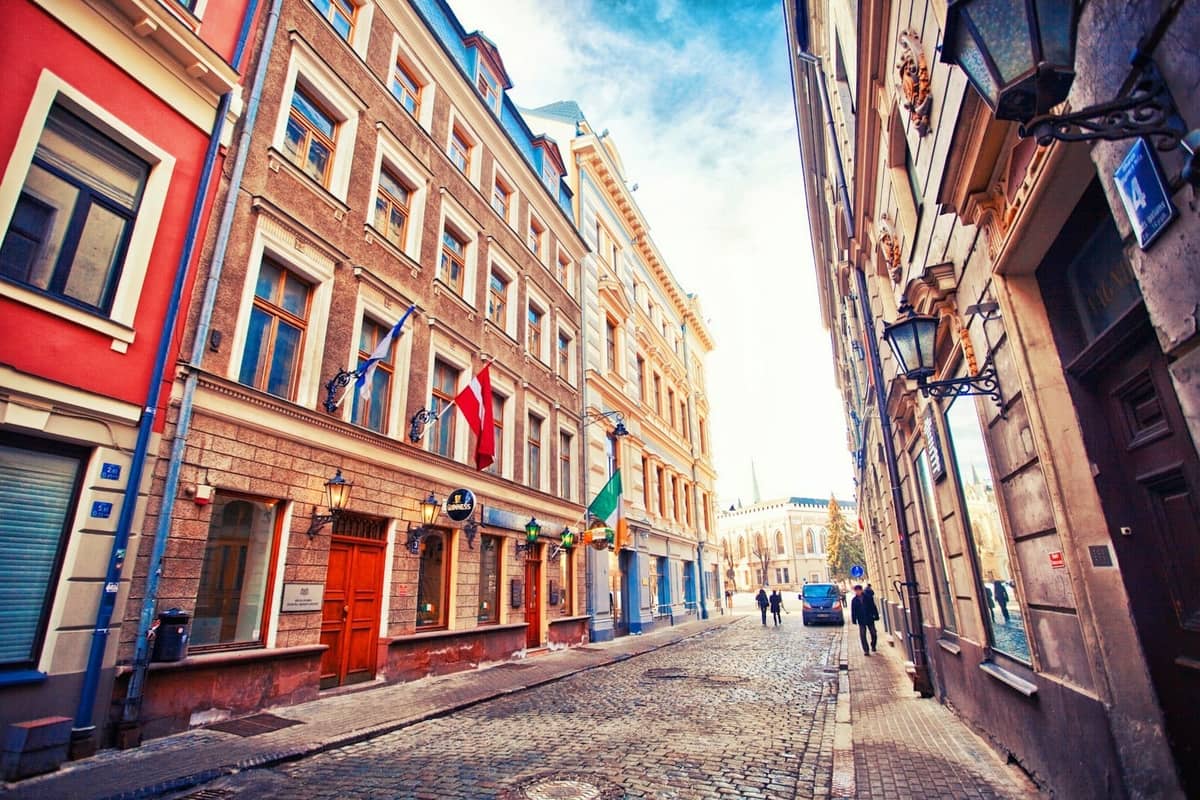
Plan and book this trip
Tools from our partner Travelpayouts help you compare flights and hotels. If you book through them, we may earn a commission at no extra cost to you.
Flights
Hotels map
TL;DR
- Old Town (Vecrīga) is the classic first-timer base: all major sights within a 10-minute walk, but expect noise on weekend nights and higher prices in summer.
- Centrs and the Quiet Centre offer better value, calmer evenings, and world-class Art Nouveau architecture right outside your door, still walkable to Old Town in 10-20 minutes.
- Āgenskalns, across the Daugava River, suits travellers who want a local neighbourhood feel; trams connect it to the centre in about 15 minutes.
- Budget doubles in Old Town start around €60/night; mid-range runs €90-120; luxury options sit at €140 and above. Centrs and outer areas undercut these by 20-40%.
- Public transport (trams, trolleybuses, buses) run by Rīgas Satiksme makes outlying areas practical, so don't rule out cheaper neighbourhoods if walkability isn't your priority.
How to Choose Your Base in Riga
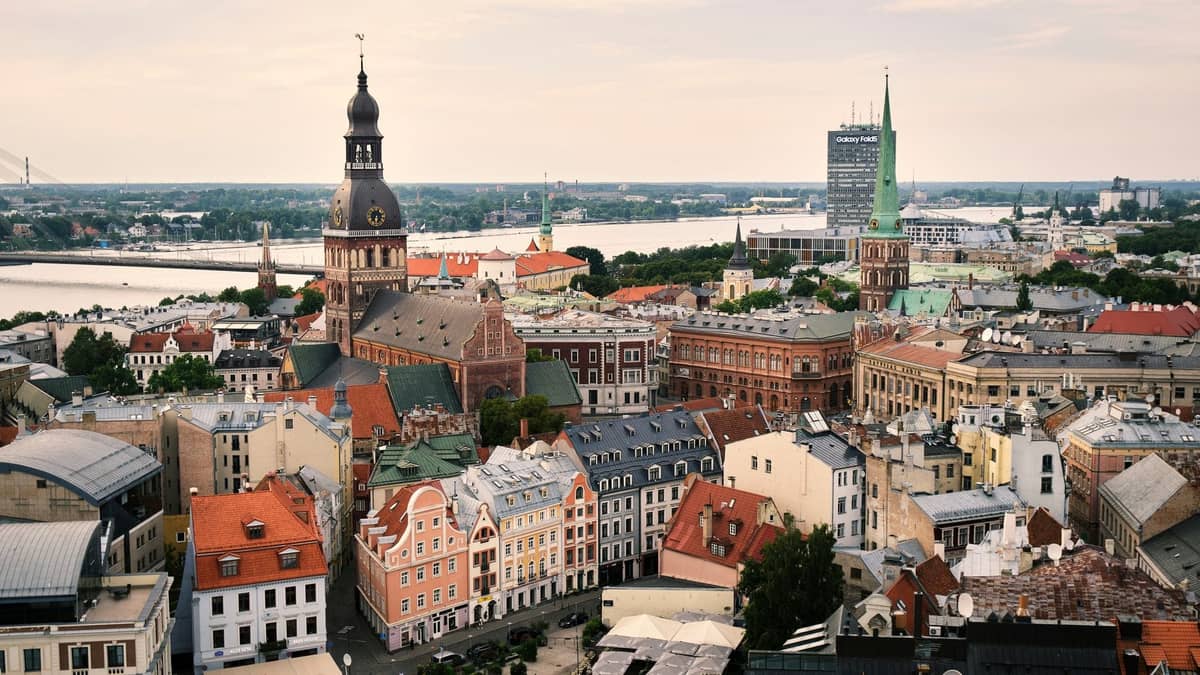
Riga is a compact capital of around 605,000 people spread across 304 km², which means the decision of where to stay is less about distance and more about atmosphere and price. The city centre is walkable enough that a hotel in Centrs puts you 15 minutes from the main sights on foot, while Āgenskalns across the river is only a short tram ride away. The real trade-off is between convenience, cost, and the kind of city experience you want.
For a short visit of one or two days, staying inside or adjacent to Old Town makes sense purely for logistics. For longer stays, or repeat visitors who already know the highlights, branching into Centrs or even Āgenskalns pays off in lower prices and a more genuine feel for everyday Riga. Check the 2-day Riga itinerary if you're working out how much ground you actually need to cover.
ℹ️ Good to know
Riga uses the Euro (EUR). The timezone is EET (UTC+2) in winter and EEST (UTC+3) during daylight saving time. Emergency number is 112. Country dialling code is +371.
Old Town (Vecrīga): Best for First-Timers
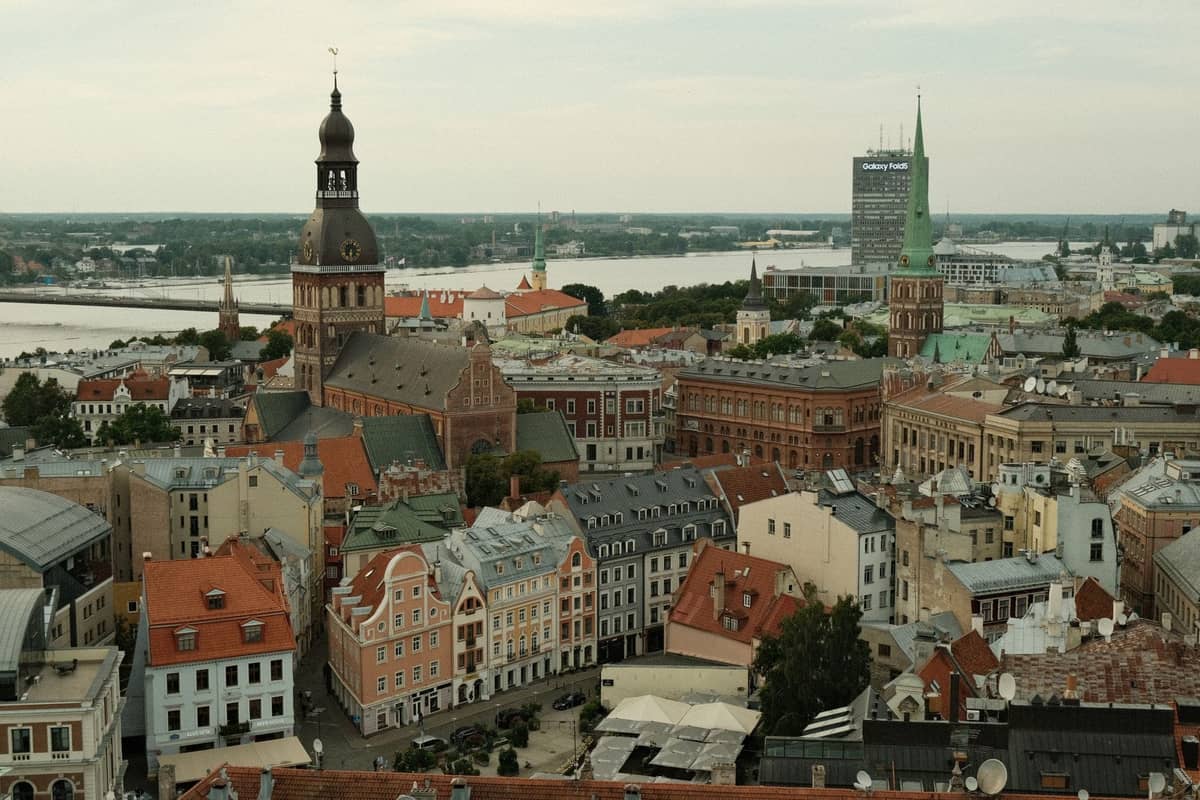
Old Town is Riga's UNESCO-listed medieval core, and it earns that status. Cobblestone lanes connect the House of the Blackheads, the Riga Dome Cathedral, the Three Brothers, and the Powder Tower within a radius you can cover in a comfortable half-day walk. Staying here means you're seconds away from the main sights before the tour groups arrive in the morning.
- Pros Everything within walking distance; romantic medieval atmosphere; strongest concentration of restaurants, bars, and cafés in the city.
- Cons Weekend nights get loud, especially around bar streets; rooms are generally the most expensive in Riga; some streets are heavily trafficked by stag parties and tour groups.
- Price range Budget doubles around €60/night; mid-range €90-120; luxury from €140 and up. Prices spike noticeably from May through September.
- Best for First-time visitors, couples, short stays of 1-3 nights, anyone who wants to spend evenings walking the old streets without needing to think about transport.
⚠️ What to skip
Light sleepers should be careful when booking Old Town hotels near Kalķu iela or Livu Square. Outdoor terraces and bars keep things noisy until late on Fridays and Saturdays. Ask specifically for a courtyard-facing room, or choose a side street at least one block away from the main squares.
Centrs and the Quiet Centre: Best for Value and Architecture
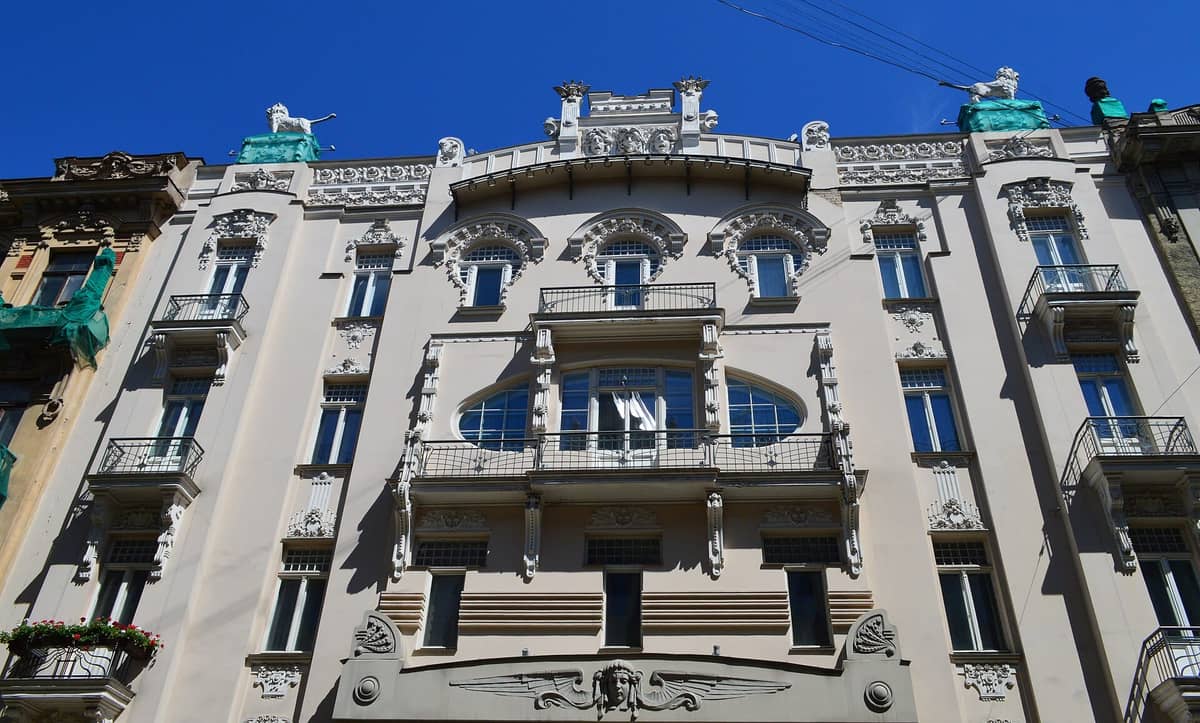
The neighbourhood immediately north and northeast of Old Town, known as Centrs or the Quiet Centre, is arguably the smartest base in Riga for most travellers. This is where you'll find the city's extraordinary concentration of Art Nouveau buildings, particularly along Alberta iela. Walking these streets in the morning before the day warms up is one of the better free experiences Riga offers.
Hotels here tend to run 20-35% cheaper than Old Town equivalents for a similar standard. The streets are quieter at night, green spaces like Esplanade Park and Vērmane Garden are close by, and you're still within a 15-20 minute walk of Old Town's main sights. Public transport connections from Centrs are also excellent, making day trips and airport runs easier.
Travellers interested in Riga's broader cultural scene will find the Latvian National Museum of Art and the Latvian National Opera within easy reach, as well as the Riga Art Nouveau Museum on Alberta iela itself. This is the neighbourhood for anyone who wants architectural beauty on their morning walk rather than souvenir shops.
✨ Pro tip
If you're staying in Centrs and want to understand the neighbourhood's architectural significance before you wander, the Riga Art Nouveau Museum on Alberta iela offers excellent context for around €10. The guided tours are thorough and genuinely informative.
Āgenskalns and the Left Bank: Best for Local Atmosphere
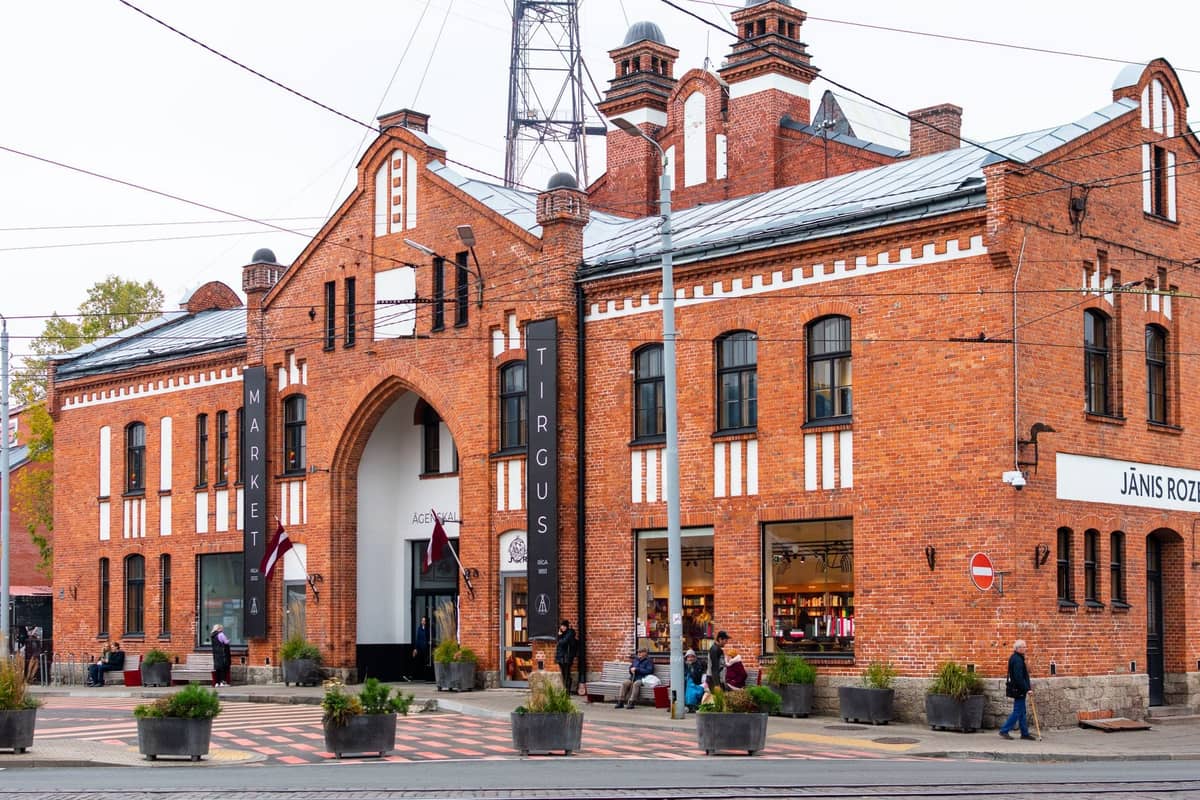
Across the Daugava River, the Āgenskalns neighbourhood and its surrounding streets offer a completely different Riga experience. This is where wooden 19th-century architecture still lines residential streets, the Āgenskalns Market draws local shoppers on weekend mornings, and the Kalnciema Quarter hosts a popular Saturday market with local food producers and craftspeople.
Accommodation options here lean toward smaller guesthouses, apartments, and budget hotels, with prices at the lower end of the Riga scale. Trams and buses cross the river frequently and reach Old Town in around 15 minutes, so the perceived distance is larger than the actual inconvenience. The trade-off is that you'll need to use transport every time you want to visit the main sights, which adds up on a busy itinerary.
This area suits travellers who've already seen Riga's highlights, those on tighter budgets, or anyone who actively prefers a neighbourhood that isn't geared around tourism. It's not the right choice for a packed 48-hour first visit.
Other Areas Worth Knowing About
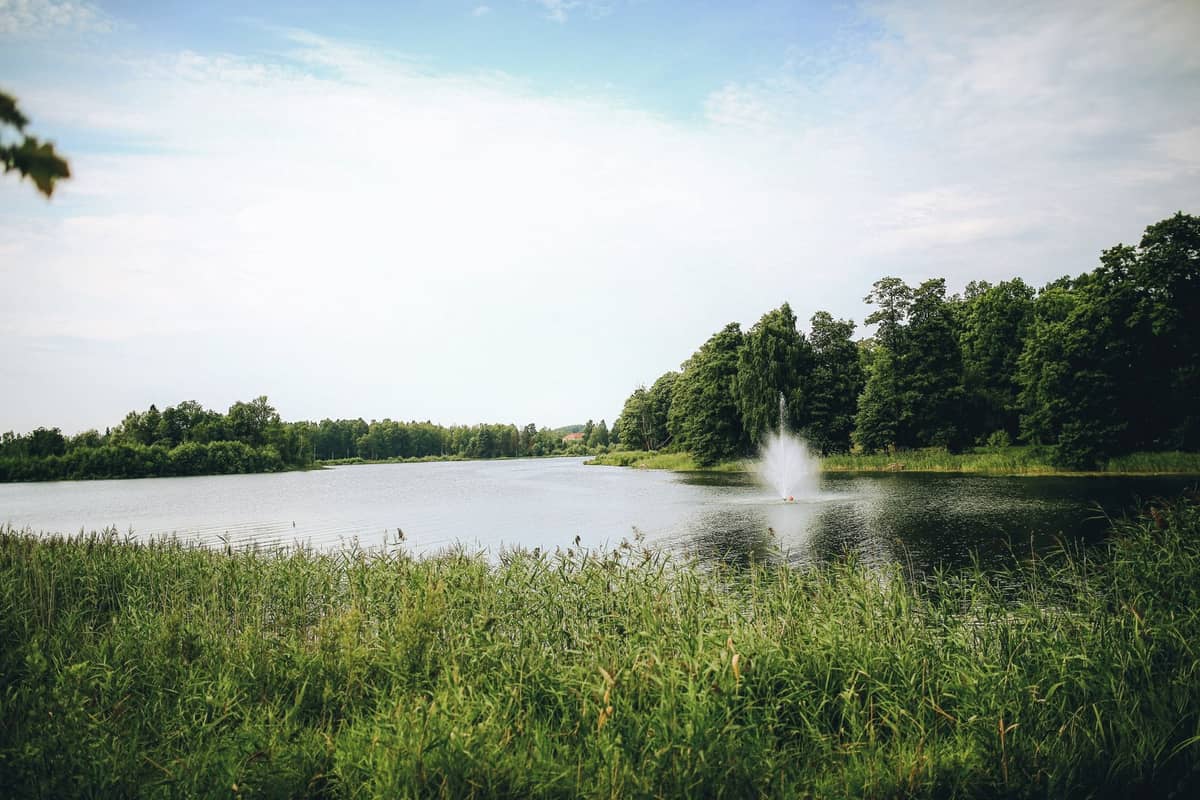
Mežaparks, in the northern part of the city, is a leafy residential area around a lake and adjacent to the Mežaparks park and zoo. It's genuinely pleasant in summer but requires relying on trams to reach Old Town, and hotel options are limited. Think of it as a resort-style retreat within the city limits rather than a practical sightseeing base.
The area around Riga Central Station and the Central Market is often dismissed in travel guides but deserves an honest assessment. It's busy, not particularly attractive, and the market itself closes in the early afternoon, but it's well-connected, generally safe, and home to some of the cheapest hotels in central Riga. If your priority is getting in and out efficiently rather than strolling historic streets, it works fine.
- Mežaparks: best for summer visits, families with children, nature-focused travellers. Needs a tram to reach the sights.
- Central Station area: best for budget travellers and transit-focused stays. Functional rather than atmospheric.
- Teika: a largely residential northeastern district with a few boutique options, good transport links, and low prices. Rarely featured in guides but perfectly practical.
- Jugla and outer districts: too far from the centre for most visits unless you're in Riga specifically for business or a long stay.
Practical Tips for Booking Your Riga Hotel
Riga's high season runs from late spring through early autumn, roughly May to September, with July and August seeing the highest prices and the most visitors. During this window, Old Town hotels in particular fill up fast, and prices for mid-range options can jump significantly compared to shoulder season. Booking three to four weeks ahead for summer stays in Old Town is wise; Centrs and outer areas remain more available.
Riga in winter is a different proposition entirely. Prices drop substantially, the city is far less crowded, and the Christmas Market in Town Hall Square makes December genuinely atmospheric. The Riga in winter guide covers what to expect from November through February, including which areas still feel lively when the tourist season is over.
- Public transport Rīgas Satiksme operates trams, trolleybuses, and buses across the city. Tickets are cheap and the network is reliable; staying outside the centre is entirely practical if you're comfortable using it.
- Airport access Riga International Airport (RIX) is served by bus routes into the city centre. Taxis and ride-hailing apps are also available. Factor in transfer time when choosing your neighbourhood.
- City tax Riga charges a small tourist accommodation tax per person per night. Confirm the current rate with your hotel at the time of booking, as it is subject to change.
- Noise on weekends Old Town bars run until late on Fridays and Saturdays. If this is a concern, book Centrs or request a quieter room position explicitly.
💡 Local tip
If you're combining Riga with day trips to Jūrmala, Sigulda, or other destinations, staying near Riga Central Station or in Centrs puts you closest to the rail connections you'll need. Old Town is a 15-minute walk from the station, so it's not a major inconvenience, but worth factoring in if you plan to travel by train.
For a fuller picture of how the city fits together and which sights justify their time, the complete things to do in Riga guide is worth reading before you finalise your neighbourhood choice. Where you sleep directly affects which sights feel effortless and which ones require planning.
FAQ
Is Old Town the best area to stay in Riga?
For first-time visitors on short trips, yes. Old Town puts you within walking distance of the main sights, and the medieval atmosphere is genuinely impressive. But it's the most expensive area and can be noisy on weekend nights. Centrs is a better all-round choice for many travellers: quieter, cheaper by 20-35%, and still walkable to Old Town in 15-20 minutes.
What is the cheapest area to stay in Riga?
Āgenskalns on the left bank of the Daugava and the area around Riga Central Station offer the lowest prices for central accommodation. Some listings in Āgenskalns start from around €29/night for budget options. Teika and other residential outer districts are cheaper still, but require more reliance on public transport.
How far is Centrs from Old Town in Riga?
The Quiet Centre and Art Nouveau district around Alberta iela are roughly 10-20 minutes on foot from the main Old Town sights, depending on exactly where you're staying. This is a comfortable walking distance for most visitors, and the route takes you past interesting architecture en route.
Is it safe to stay in Riga city centre?
Riga's central neighbourhoods, including Old Town, Centrs, and Āgenskalns, are generally considered safe for tourists. Standard city precautions apply: watch your belongings in busy areas, be aware of your surroundings late at night. The Central Station and Central Market area is busier and less polished but is not described by reputable sources as inherently unsafe.
When is the best time to book a hotel in Riga?
Riga's peak season is May through September. For summer stays in Old Town, booking three to four weeks in advance is advisable. Winter (November to March) sees lower prices and better availability across all areas. December is worth considering if you're drawn to Christmas Market atmosphere in Old Town.