Best Things to Do in Riga: 25 Attractions Worth Your Time
Riga packs medieval churches, extraordinary Art Nouveau architecture, Soviet-era landmarks, and one of Europe's great markets into a walkable city centre. This guide covers the best things to do across the Old Town, Centrs, and beyond, including day trips to Sigulda and Jūrmala.
Plan and book this trip
Tools from our partner Travelpayouts help you compare flights and hotels. If you book through them, we may earn a commission at no extra cost to you.
Flights
Hotels map
Riga rewards curious travellers who go beyond the obvious. The UNESCO-listed Old Town is genuinely impressive, but the city's real range shows when you venture into the Art Nouveau district, explore Soviet-era landmarks, and discover the left-bank food scene. First-timers can cover the core highlights in two days, while three or more days lets you breathe and explore properly. This guide is structured to help you make the most of every neighbourhood, with the best day trips included at the end. For a deeper dive into the Old Town layout, the Riga Old Town walking tour guide is worth reading before you go.
Old Town Essentials (Vecrīga)
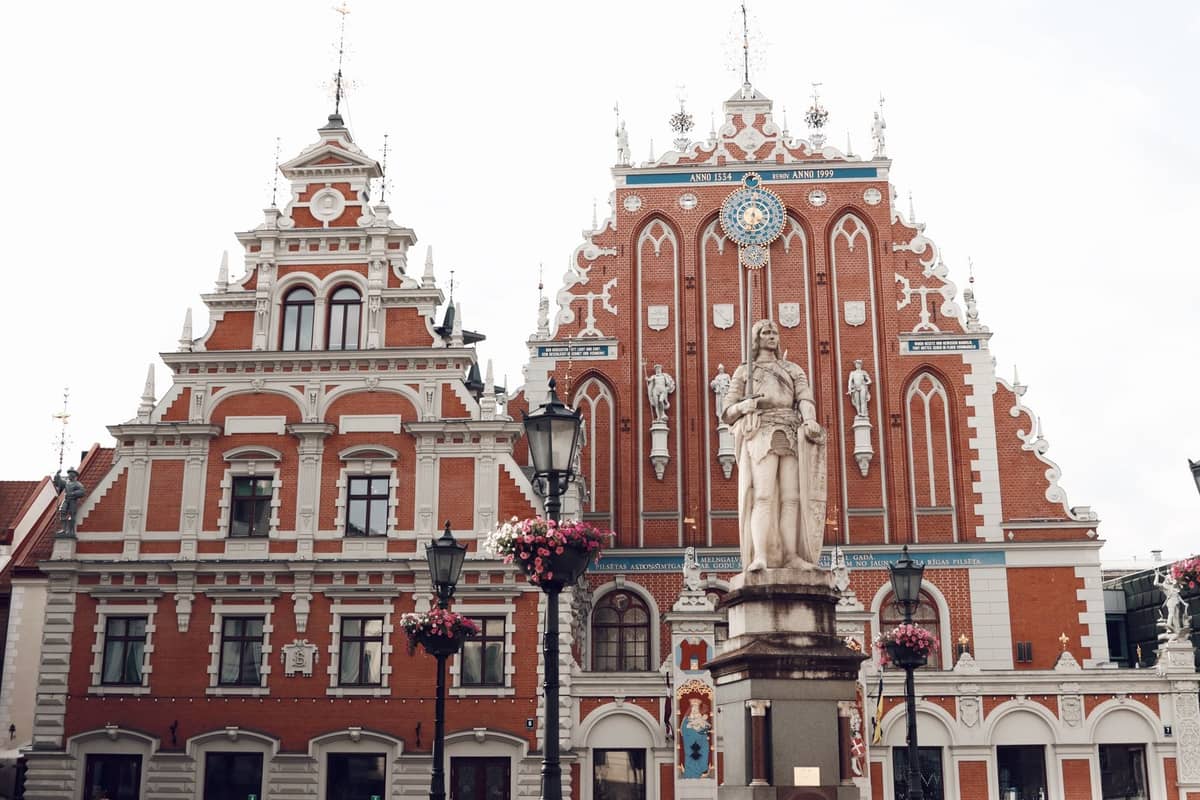
Riga's Old Town is compact enough to cover on foot in a half-day, but rich enough to reward a full day of slow exploration. The medieval streetscape is extraordinarily well preserved, and the major landmarks are clustered tightly around Vecrīga. Start at Town Hall Square and work outward through the lanes.
1. Start Your Old Town Walk at Town Hall Square
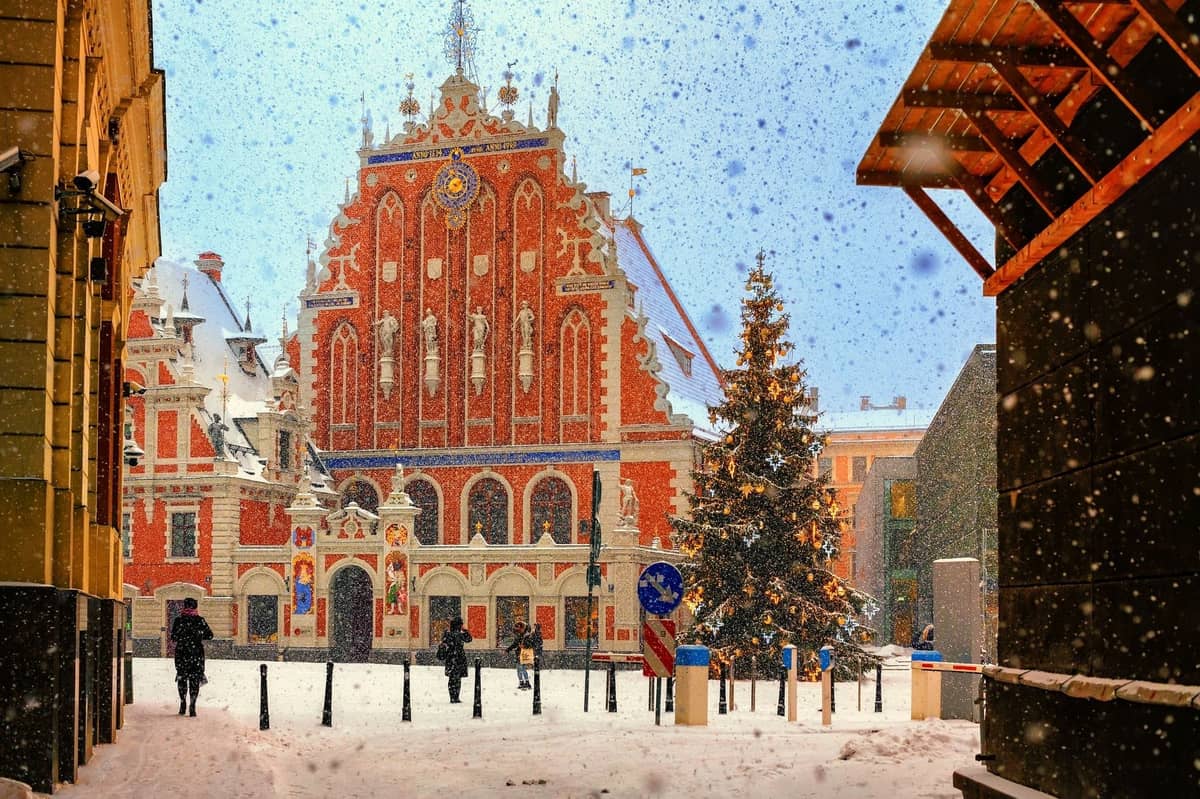
The natural anchor of Old Town Riga, flanked by the House of the Blackheads, the Town Hall, and the Roland Statue. It hosts Christmas markets in winter and summer festivals, making it the city's most animated public space year-round.
Explore1. Start Your Old Town Walk at Town Hall Square
The natural anchor of Old Town Riga, flanked by the House of the Blackheads, the Town Hall, and the Roland Statue. It hosts Christmas markets in winter and summer festivals, making it the city's most animated public space year-round.
Explore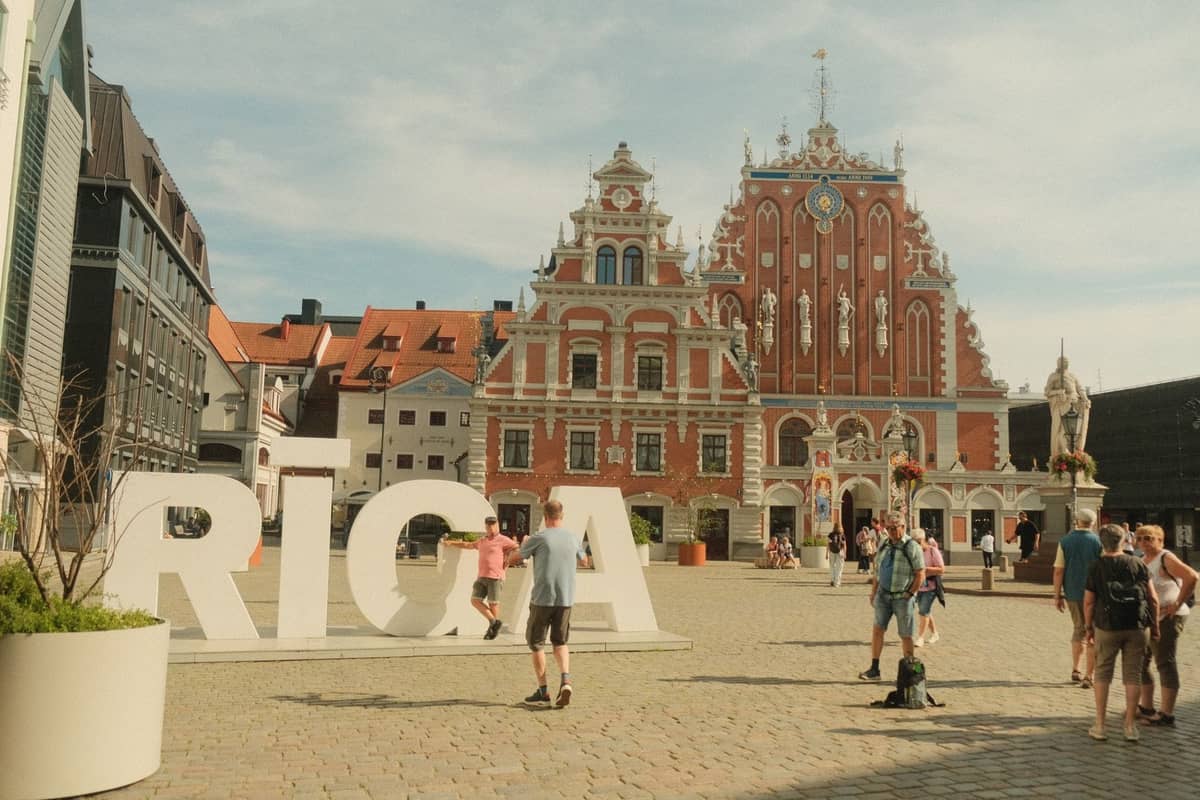
2. Admire the House of the Blackheads' Extraordinary Facade
Riga's most iconic building, a lavishly ornate Dutch Renaissance guild hall rebuilt in the 1990s. The interior museum is worth 30 minutes, but the exterior alone is one of the most photographed sights in the entire Baltic region.
Explore2. Admire the House of the Blackheads' Extraordinary Facade
Riga's most iconic building, a lavishly ornate Dutch Renaissance guild hall rebuilt in the 1990s. The interior museum is worth 30 minutes, but the exterior alone is one of the most photographed sights in the entire Baltic region.
Explore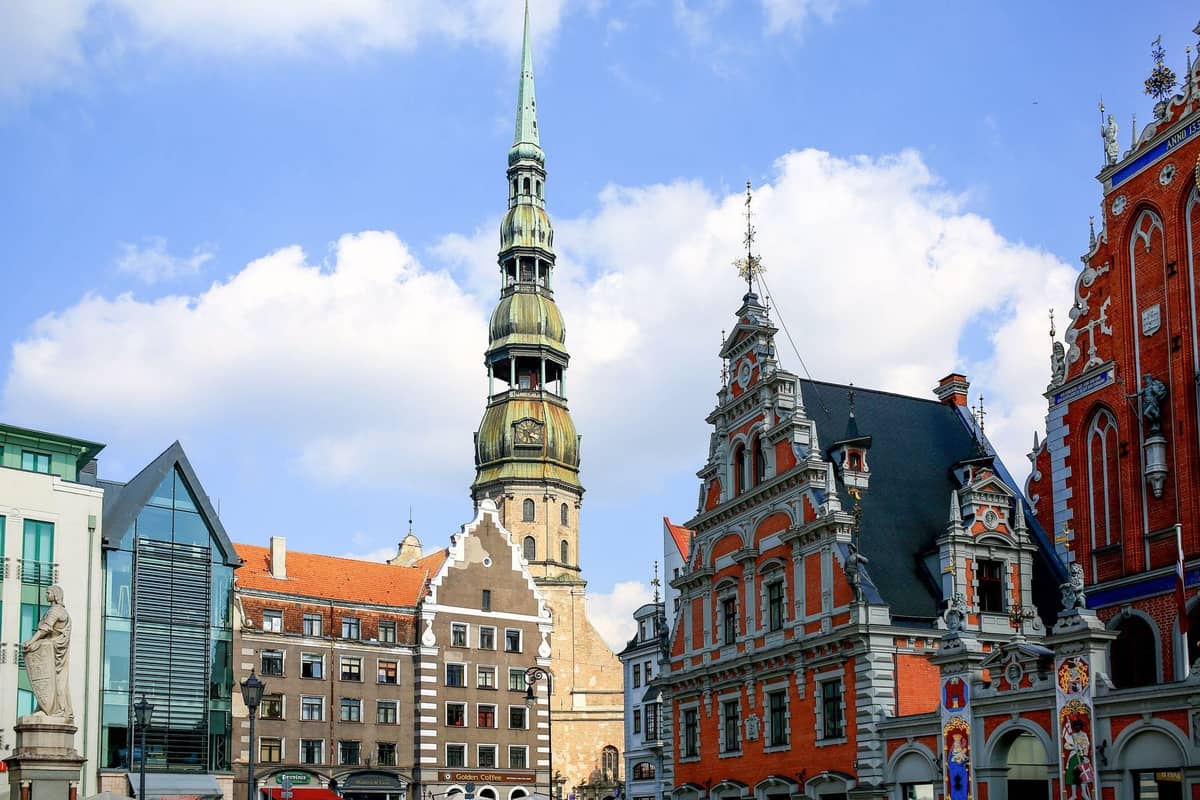
3. Climb St. Peter's Church Tower for the Best Old Town Views
Riga's defining Baroque steeple offers panoramic views over medieval rooftops and the Daugava from its observation deck. Take the elevator up and spend 20 minutes identifying landmarks before heading back into the streets below.
Explore3. Climb St. Peter's Church Tower for the Best Old Town Views
Riga's defining Baroque steeple offers panoramic views over medieval rooftops and the Daugava from its observation deck. Take the elevator up and spend 20 minutes identifying landmarks before heading back into the streets below.
Explore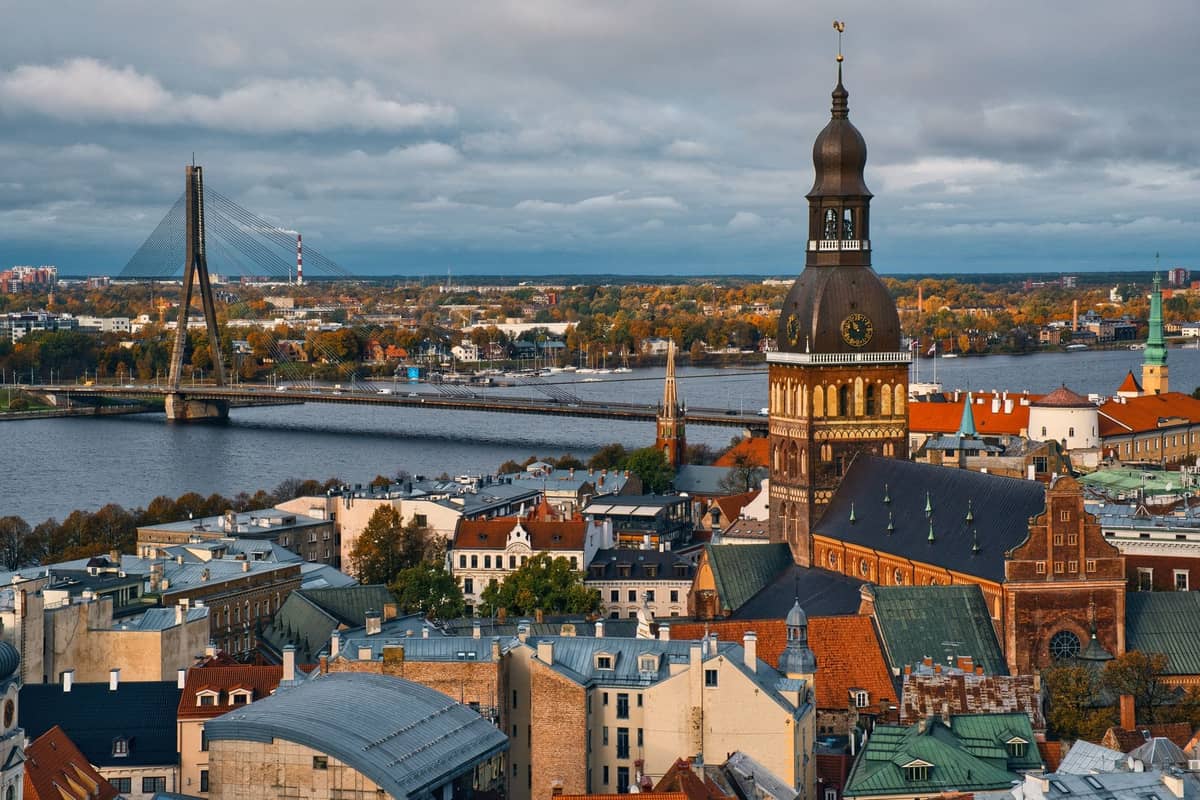
4. Visit the Dome Cathedral, the Baltic's Largest Medieval Church
Founded in 1211, Riga Cathedral impresses with its vast Romanesque interior, ancient cloister, and one of Europe's finest pipe organs. The attached museum adds context, and organ concerts are scheduled regularly throughout the year.
Explore4. Visit the Dome Cathedral, the Baltic's Largest Medieval Church
Founded in 1211, Riga Cathedral impresses with its vast Romanesque interior, ancient cloister, and one of Europe's finest pipe organs. The attached museum adds context, and organ concerts are scheduled regularly throughout the year.
Explore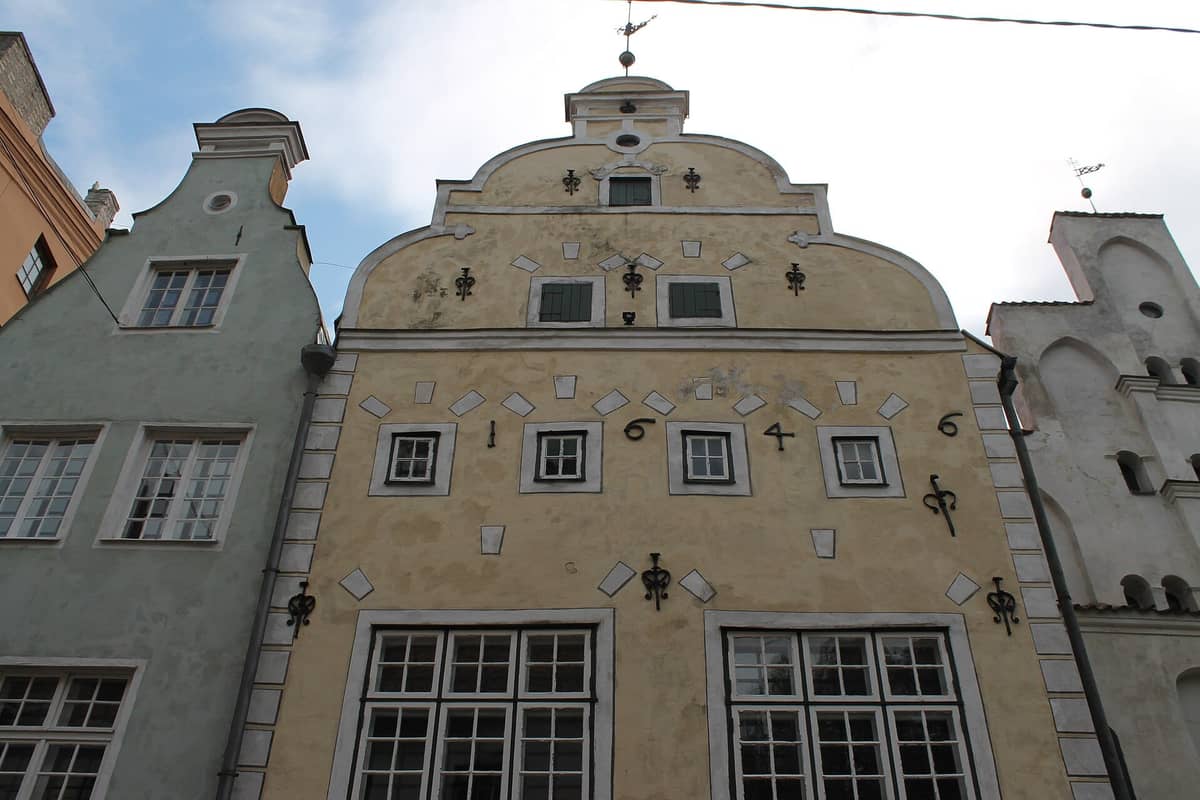
5. Walk Past the Three Brothers, Riga's Oldest Houses
A row of three medieval stone houses dating from the 15th to 17th centuries, this ensemble is the oldest surviving residential streetscape in Riga. The buildings now house the Latvian Museum of Architecture, free to enter and worth a quick look.
Explore5. Walk Past the Three Brothers, Riga's Oldest Houses
A row of three medieval stone houses dating from the 15th to 17th centuries, this ensemble is the oldest surviving residential streetscape in Riga. The buildings now house the Latvian Museum of Architecture, free to enter and worth a quick look.
Explore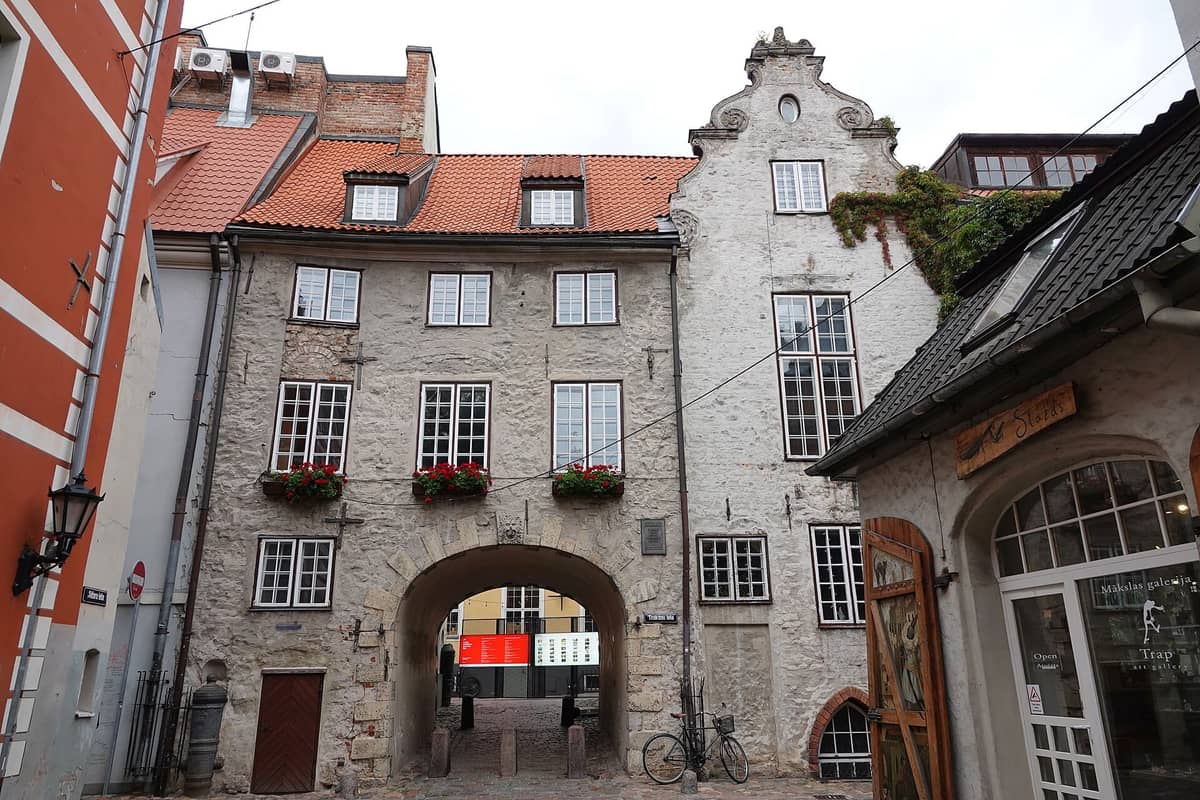
6. Pass Through the Swedish Gate, the Old Town's Last Surviving Gate
Built in 1698, this narrow stone gate is the only original city gate remaining in Riga's Old Town walls. The adjacent Jacob's Barracks complete a perfectly preserved 17th-century streetscape that feels genuinely removed from modern life.
Explore6. Pass Through the Swedish Gate, the Old Town's Last Surviving Gate
Built in 1698, this narrow stone gate is the only original city gate remaining in Riga's Old Town walls. The adjacent Jacob's Barracks complete a perfectly preserved 17th-century streetscape that feels genuinely removed from modern life.
Explore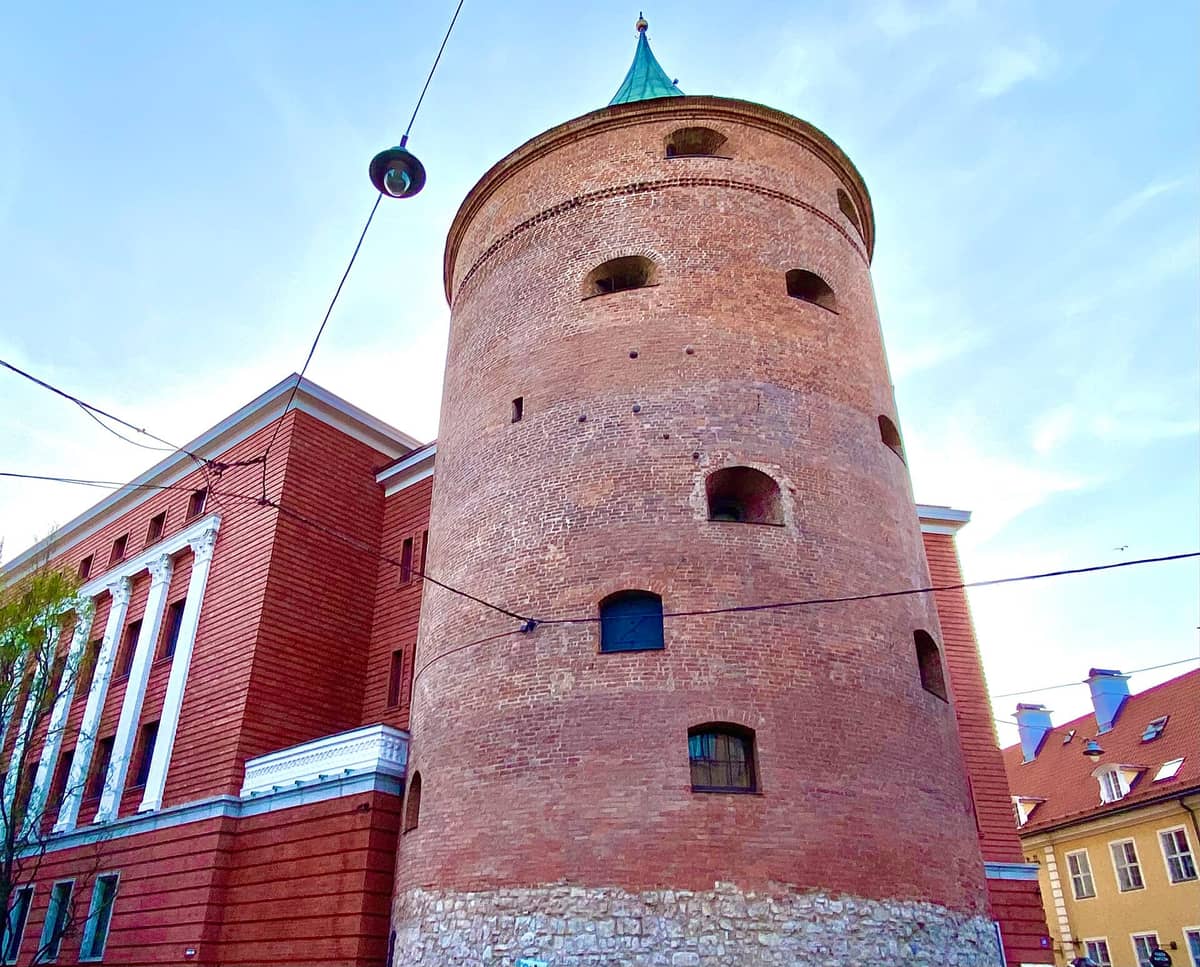
7. Explore the Powder Tower and Its Military History Museum
One of the last surviving towers from Riga's medieval fortifications, built in the 14th century with walls up to 3 metres thick. Inside, the Latvian War Museum covers eight centuries of military history with well-presented exhibits across multiple floors.
Explore7. Explore the Powder Tower and Its Military History Museum
One of the last surviving towers from Riga's medieval fortifications, built in the 14th century with walls up to 3 metres thick. Inside, the Latvian War Museum covers eight centuries of military history with well-presented exhibits across multiple floors.
Explore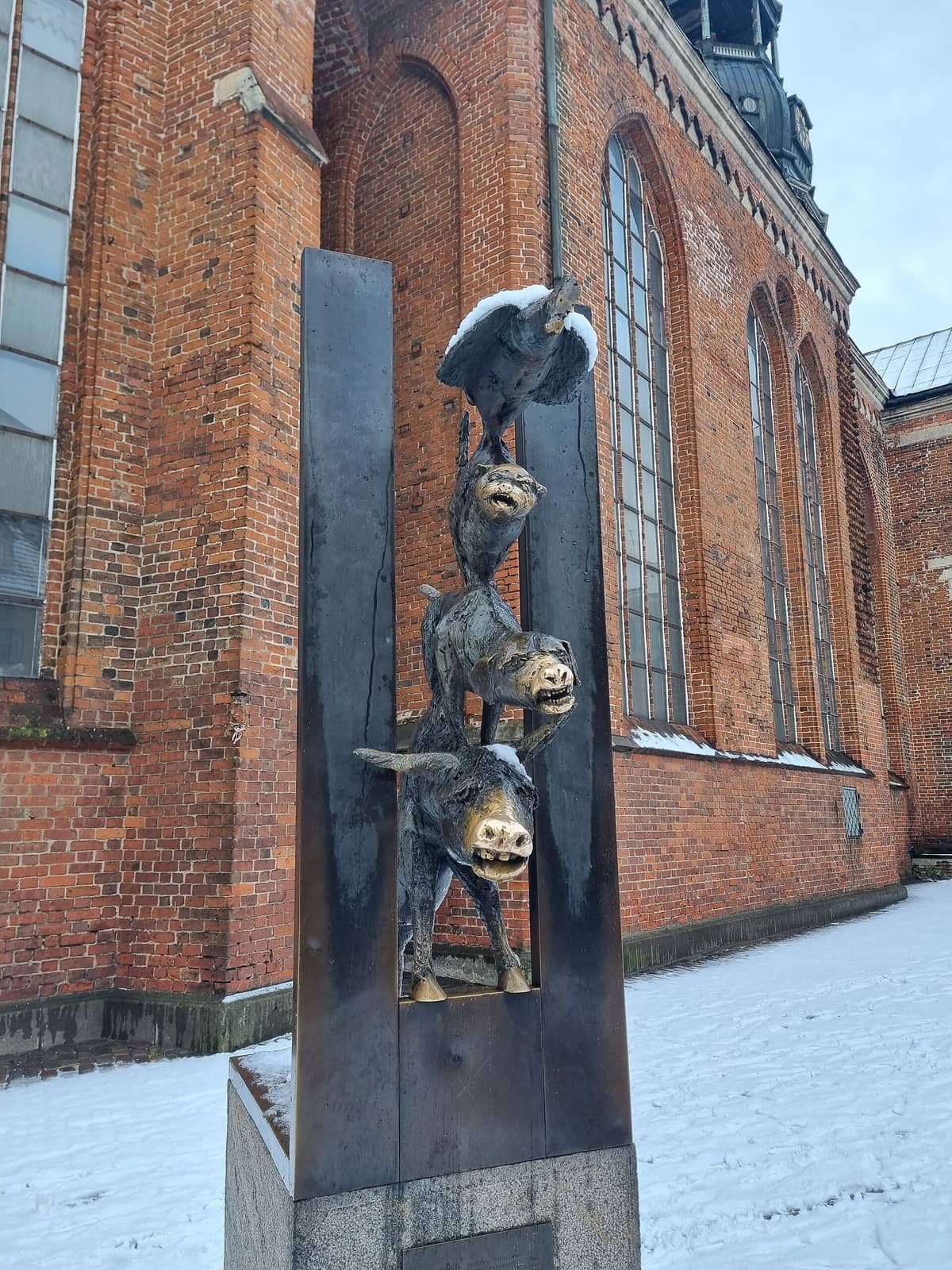
8. Find the Bremen Town Musicians Sculpture for Good Luck
This bronze sculpture of the four Bremen Town Musicians is a gift from Riga's German twin city and one of Old Town's most beloved spots. Rub the donkey's nose for luck, then look up: the surrounding lane is one of Old Town's most photogenic corners.
Explore8. Find the Bremen Town Musicians Sculpture for Good Luck
This bronze sculpture of the four Bremen Town Musicians is a gift from Riga's German twin city and one of Old Town's most beloved spots. Rub the donkey's nose for luck, then look up: the surrounding lane is one of Old Town's most photogenic corners.
ExploreArt Nouveau Architecture & Museums
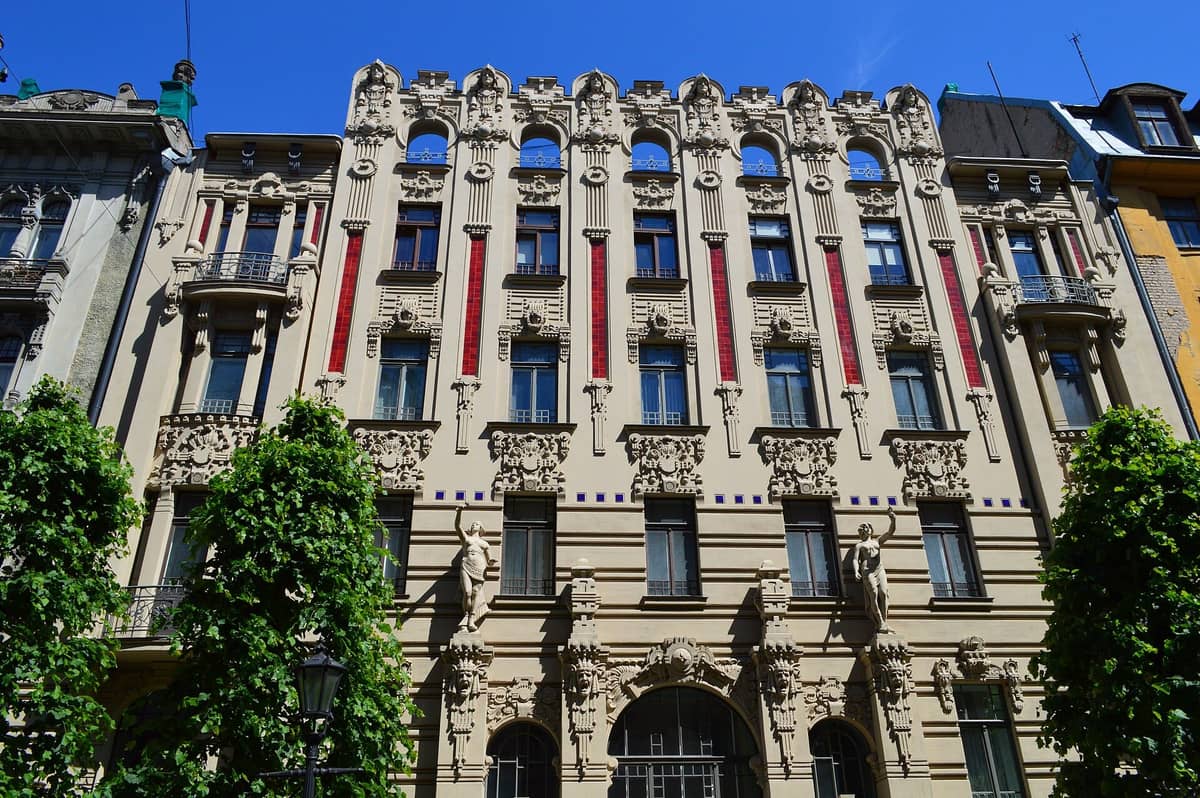
Riga has one of the world's greatest concentrations of Art Nouveau buildings, with around one third of its entire city centre built in the Jugendstil style between the late 1890s and 1914. The covers the full neighbourhood in detail, but the two stops below are essential even on a short visit. The Art Nouveau district guide covers the full neighbourhood in detail, but the two stops below are essential even on a short visit.
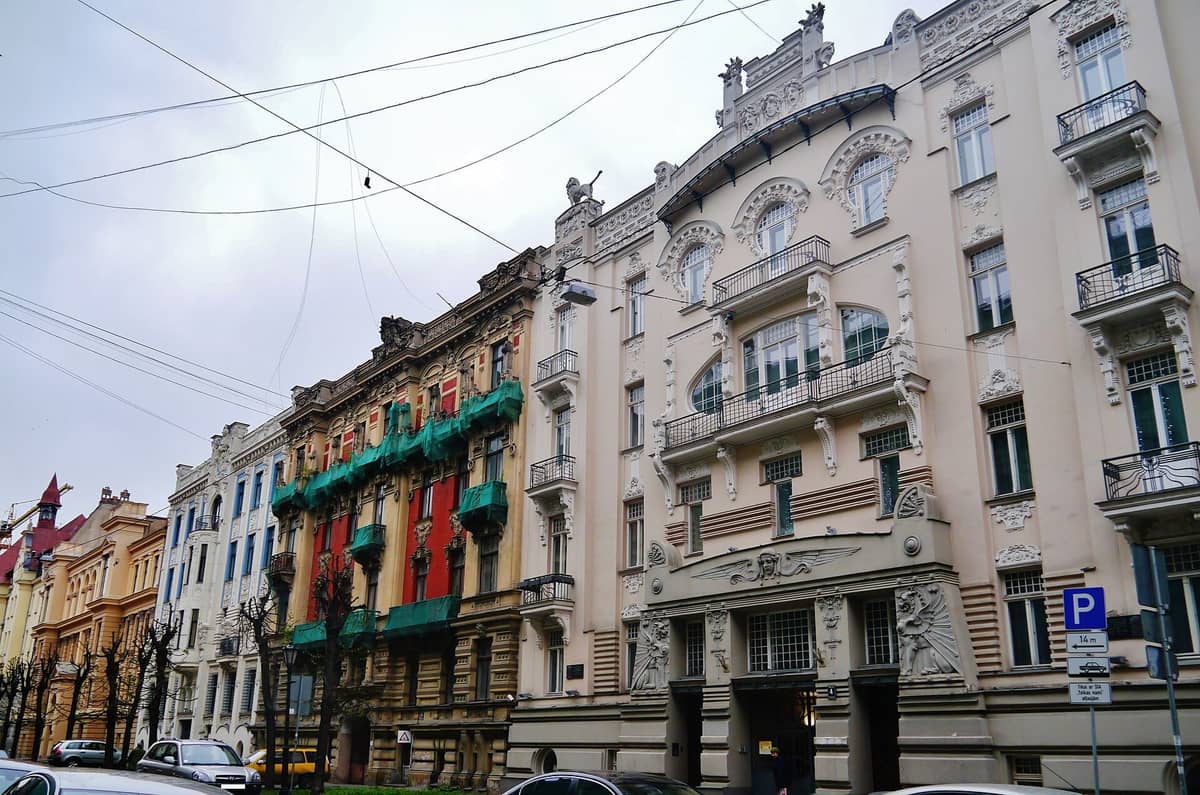
9. Walk Alberta iela to See Mikhail Eisenstein's Jugendstil Masterpieces
The single most impressive street in Riga's Art Nouveau district, lined with elaborate facades covered in sculpted faces, mythological figures, and ornamental flourishes. Allow 20 minutes to walk slowly and photograph the details at numbers 2, 4, 6, and 13.
Explore9. Walk Alberta iela to See Mikhail Eisenstein's Jugendstil Masterpieces
The single most impressive street in Riga's Art Nouveau district, lined with elaborate facades covered in sculpted faces, mythological figures, and ornamental flourishes. Allow 20 minutes to walk slowly and photograph the details at numbers 2, 4, 6, and 13.
Explore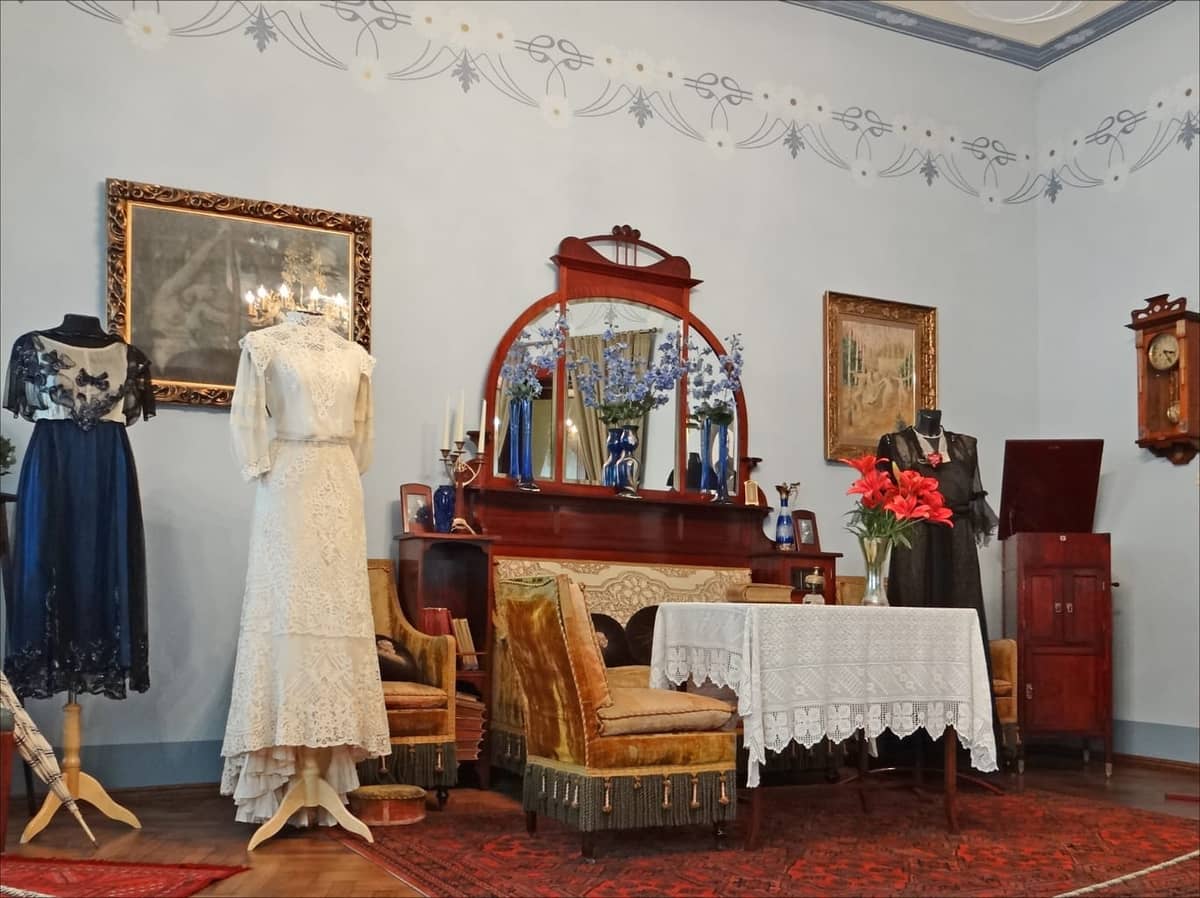
10. Step Inside a Preserved Jugendstil Apartment at the Art Nouveau Museum
Housed in an authentic early 20th-century apartment at Alberta iela 12, this museum recreates the interior of a prosperous Riga home with original furniture and decorative details. It is the best way to understand the style from the inside, not just the street.
Explore10. Step Inside a Preserved Jugendstil Apartment at the Art Nouveau Museum
Housed in an authentic early 20th-century apartment at Alberta iela 12, this museum recreates the interior of a prosperous Riga home with original furniture and decorative details. It is the best way to understand the style from the inside, not just the street.
ExploreHistory & Culture
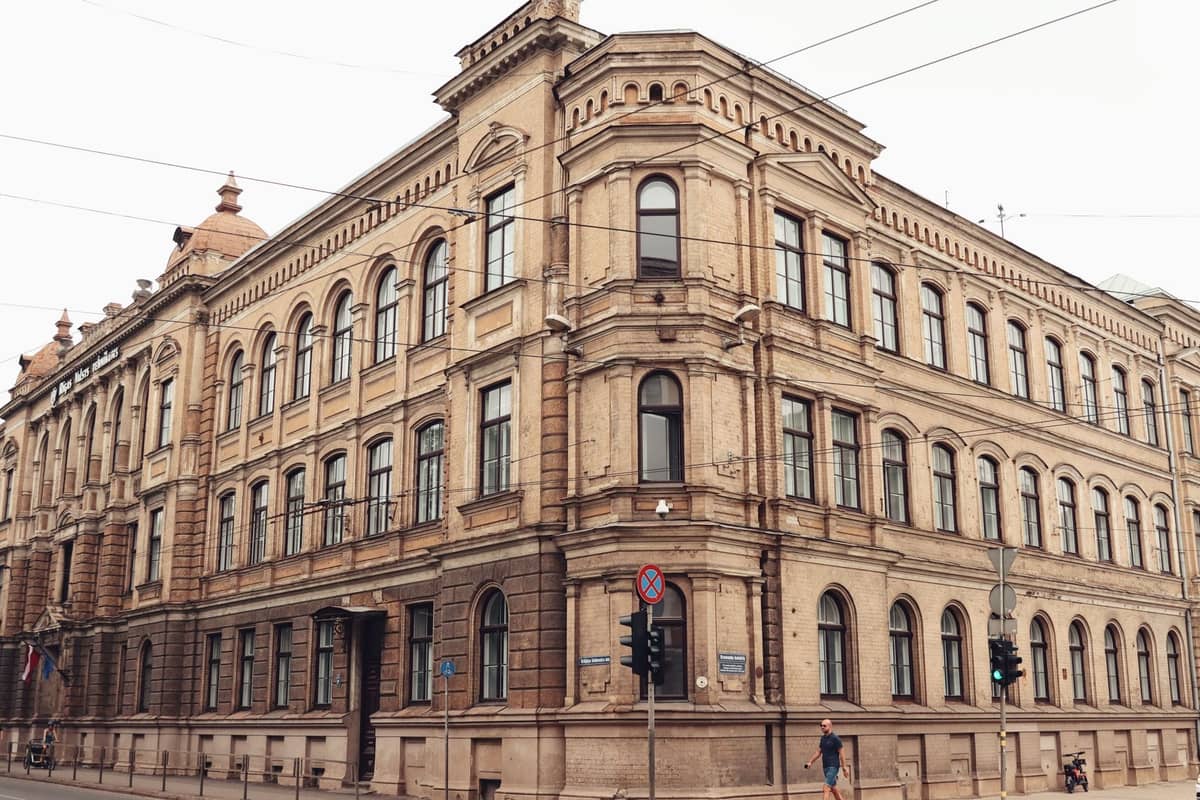
Riga's 20th-century history is complex and deeply felt. Soviet occupation, Nazi occupation, and the independence movement of 1991 are all part of the city's living memory, and several museums address this history with real depth. The Soviet history guide is useful background reading before visiting the Corner House or Salaspils. For a broader overview of the city's museum scene, see the best museums in Riga guide.
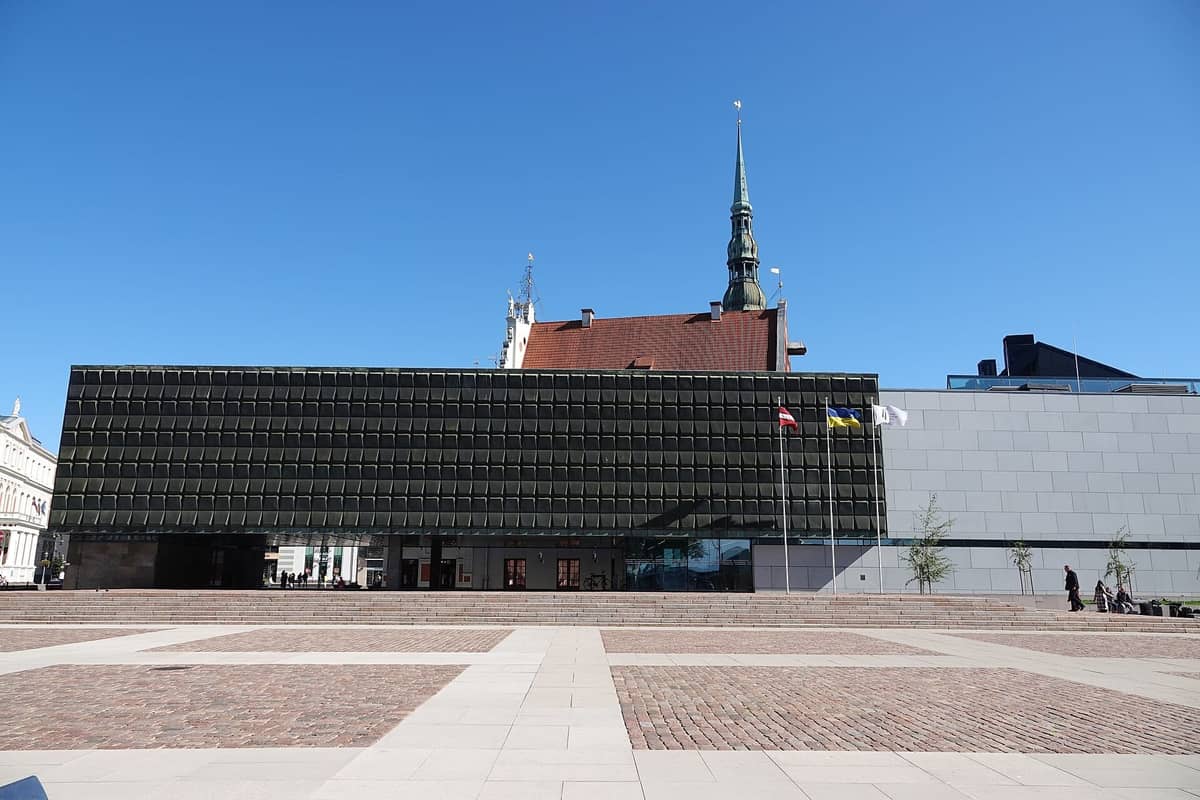
11. Understand Latvia's 20th Century at the Museum of the Occupation
This sobering museum documents Soviet and Nazi occupation between 1940 and 1991 using personal testimonies, artefacts, and multimedia exhibits. Plan at least 90 minutes; the personal deportation stories are particularly affecting and essential context for the city.
Explore11. Understand Latvia's 20th Century at the Museum of the Occupation
This sobering museum documents Soviet and Nazi occupation between 1940 and 1991 using personal testimonies, artefacts, and multimedia exhibits. Plan at least 90 minutes; the personal deportation stories are particularly affecting and essential context for the city.
Explore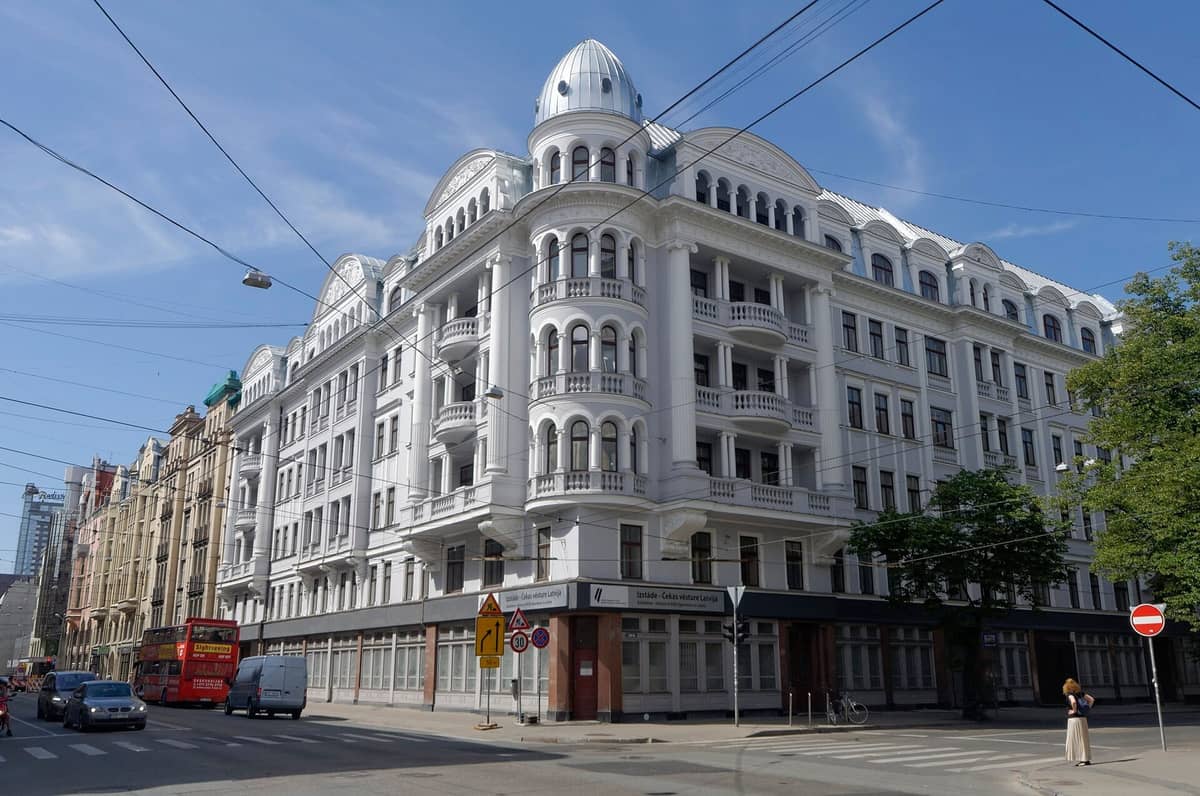
12. Tour the Former KGB Headquarters at the Corner House
The most chilling Cold War landmark in Riga, where thousands of Latvians were interrogated and deported. Guided tours take you through preserved cells and interrogation rooms; the experience is disturbing in the best educational sense. Book ahead in summer.
Explore12. Tour the Former KGB Headquarters at the Corner House
The most chilling Cold War landmark in Riga, where thousands of Latvians were interrogated and deported. Guided tours take you through preserved cells and interrogation rooms; the experience is disturbing in the best educational sense. Book ahead in summer.
Explore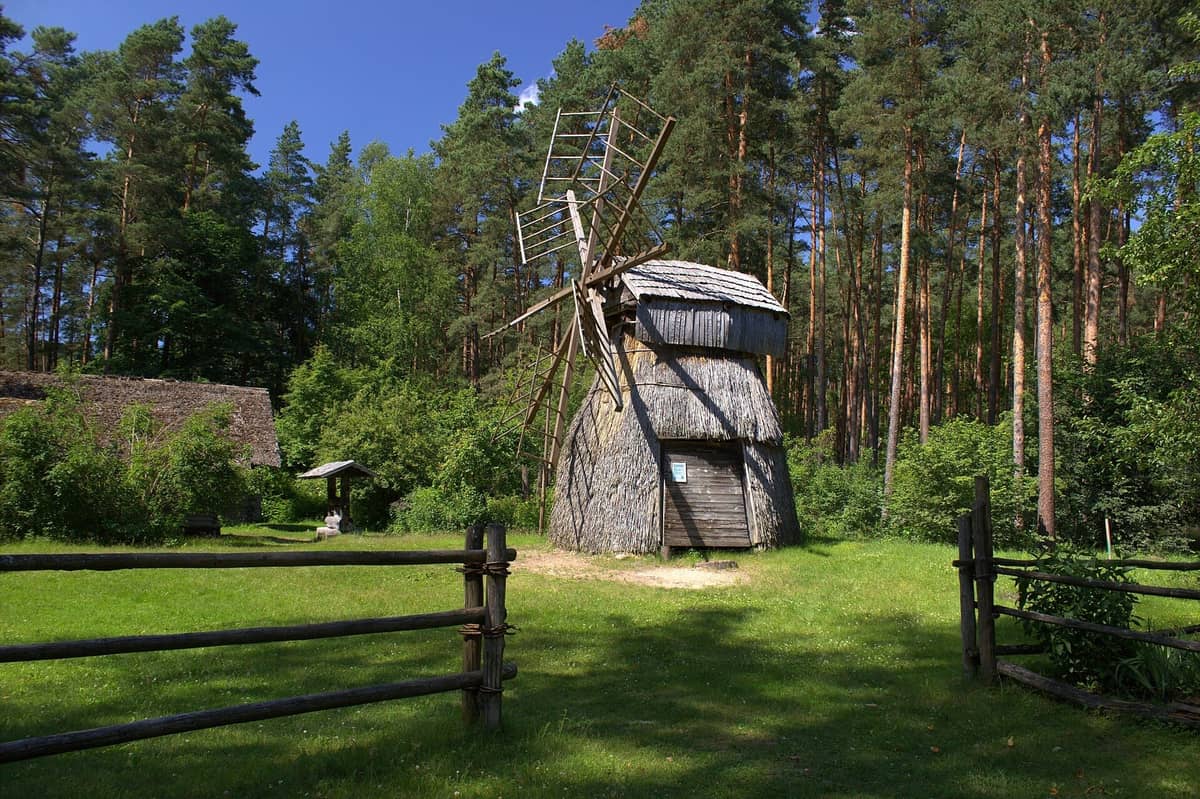
13. Spend a Half-Day at the Ethnographic Open-Air Museum
Spread across 87 hectares of lakeside forest, this museum features over 100 authentic farmsteads, windmills, and churches relocated from across Latvia. Go on a weekend when craftsmen demonstrate traditional skills. Allow at least three hours to see it properly.
Explore13. Spend a Half-Day at the Ethnographic Open-Air Museum
Spread across 87 hectares of lakeside forest, this museum features over 100 authentic farmsteads, windmills, and churches relocated from across Latvia. Go on a weekend when craftsmen demonstrate traditional skills. Allow at least three hours to see it properly.
Explore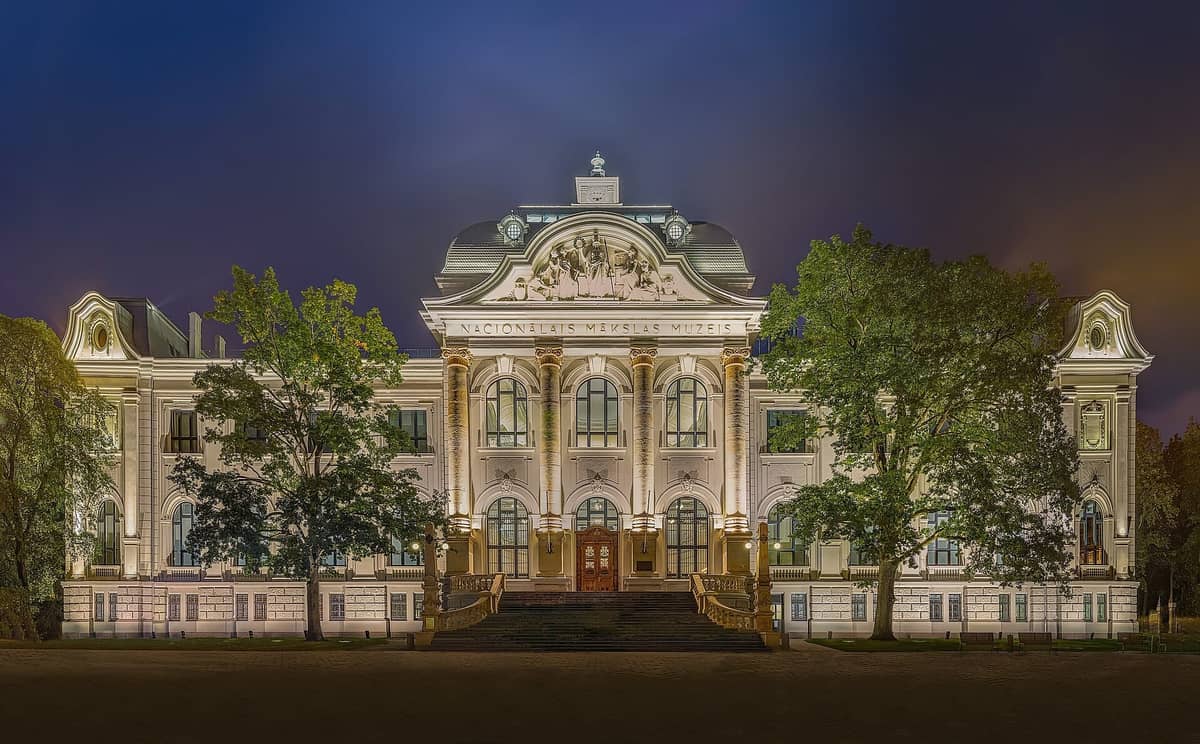
14. See Latvian Painting at the National Museum of Art
The country's premier fine arts institution, housed in a grand Neoclassical building near Esplanade Park. Its recently renovated galleries hold the largest Latvian art collection in existence, from 18th-century portraits to bold 20th-century canvases. Allow 90 minutes.
Explore14. See Latvian Painting at the National Museum of Art
The country's premier fine arts institution, housed in a grand Neoclassical building near Esplanade Park. Its recently renovated galleries hold the largest Latvian art collection in existence, from 18th-century portraits to bold 20th-century canvases. Allow 90 minutes.
Explore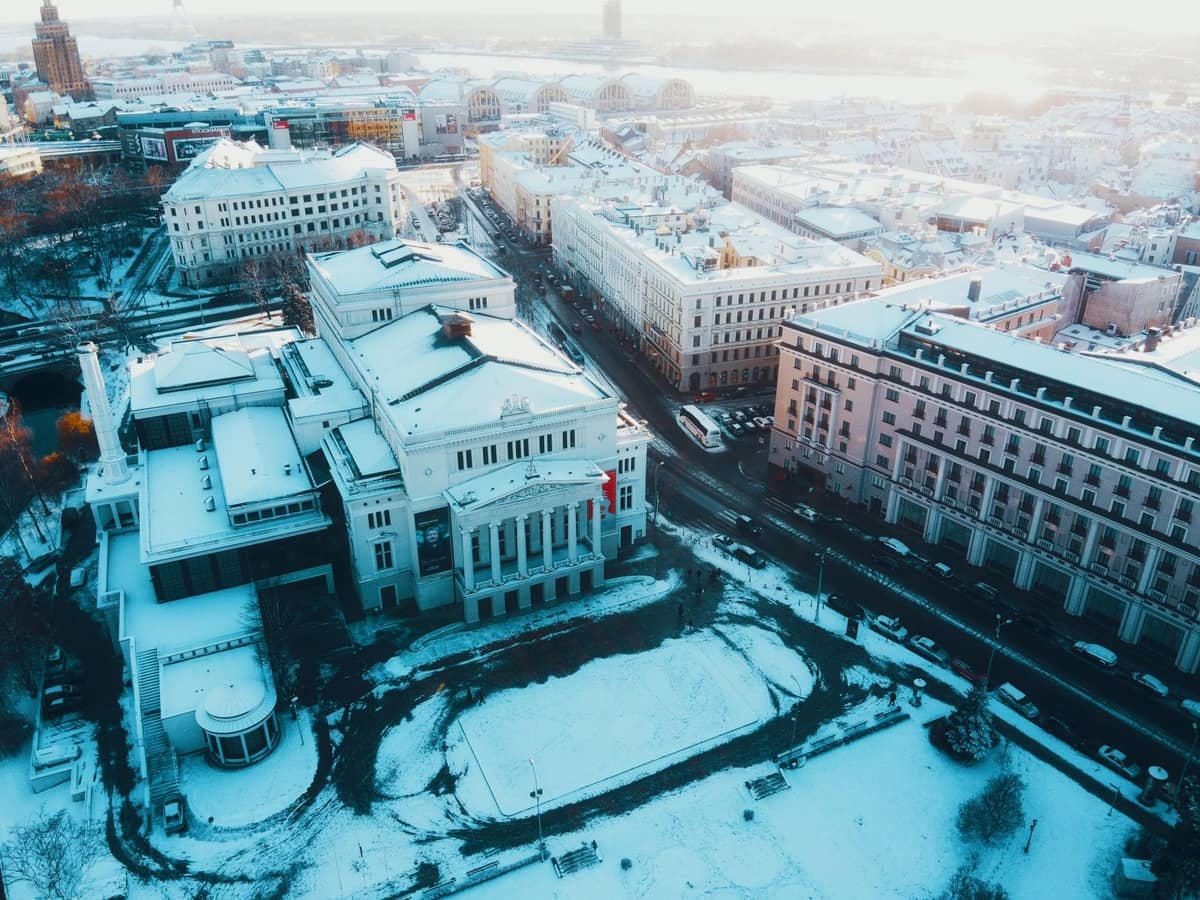
15. Attend an Opera or Ballet Performance at Riga's National Opera House
One of the finest opera houses in Northern Europe, housed in a beautiful Neoclassical building from 1863. Tickets are remarkably affordable by Western European standards. Check the programme in advance: the opera and ballet seasons run September through June.
Explore15. Attend an Opera or Ballet Performance at Riga's National Opera House
One of the finest opera houses in Northern Europe, housed in a beautiful Neoclassical building from 1863. Tickets are remarkably affordable by Western European standards. Check the programme in advance: the opera and ballet seasons run September through June.
ExploreMarkets, Parks & City Walks
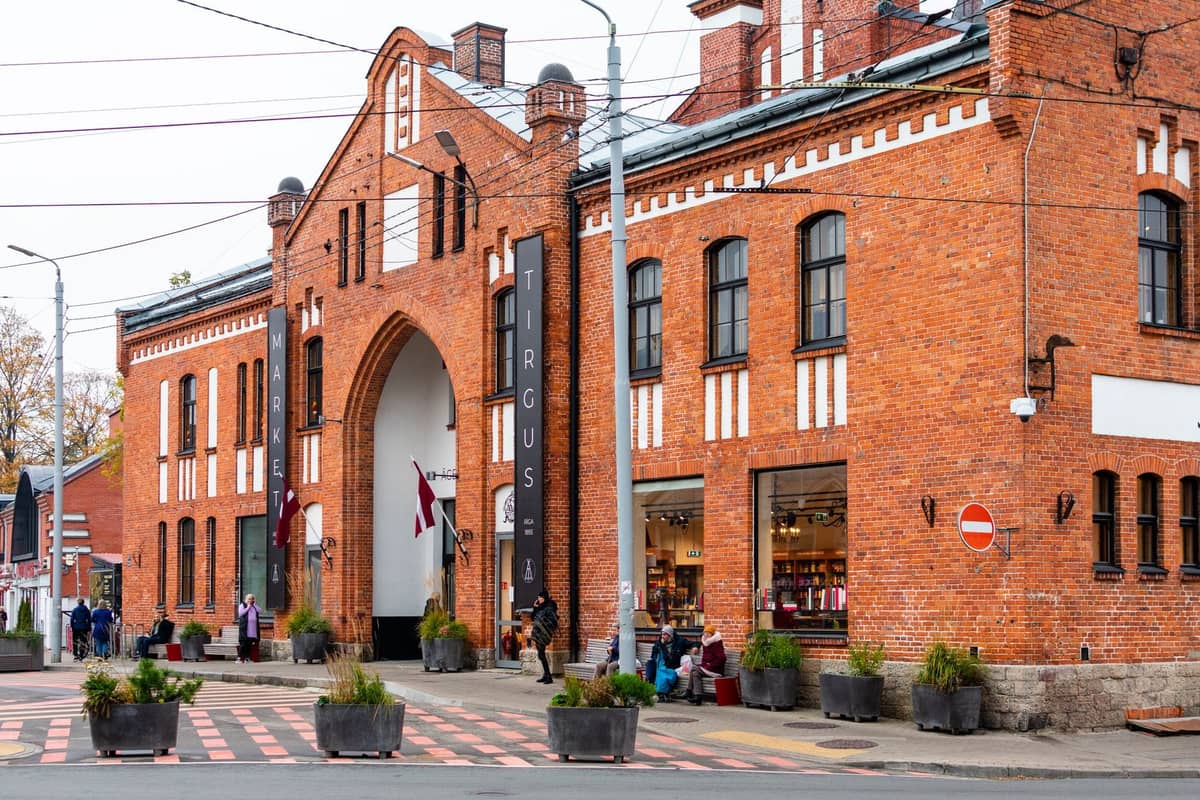
Beyond the sights, Riga's daily life plays out in its markets and parks. The Centrs district has most of the parks and the Central Market within easy walking distance of each other. The left-bank neighbourhoods around Āgenskalns are increasingly worth the short walk or tram ride across the river.
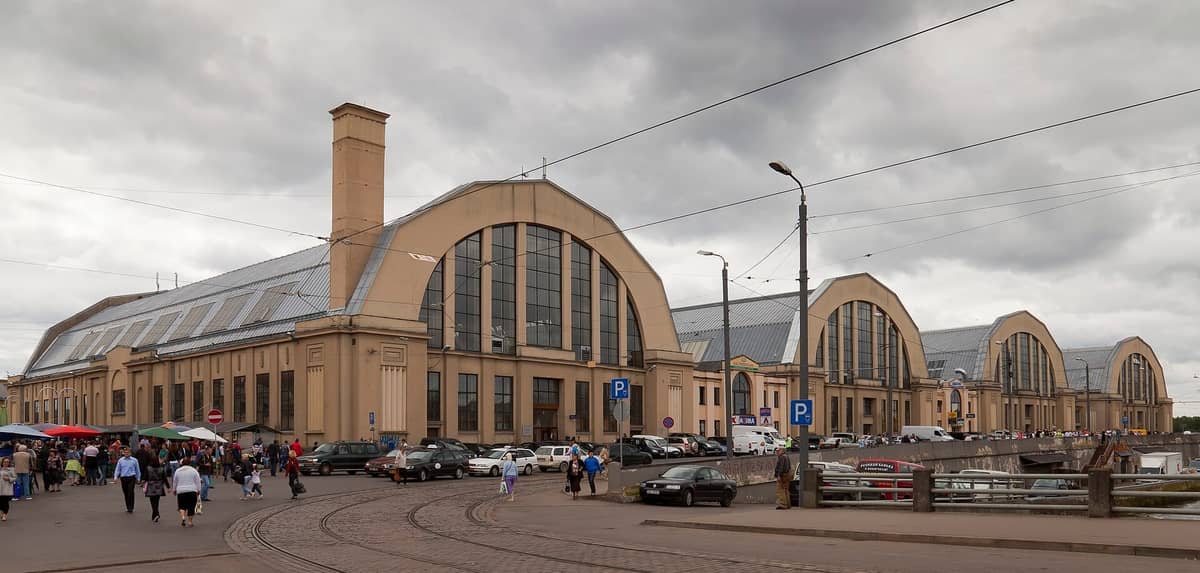
16. Explore Riga Central Market Inside Former Zeppelin Hangars
Five enormous WWI-era Zeppelin hangars house one of Europe's great markets, selling fresh Baltic fish, smoked meats, local cheeses, and street food. Go before noon for the best produce and atmosphere. It is both a UNESCO-listed landmark and a working food market.
Explore16. Explore Riga Central Market Inside Former Zeppelin Hangars
Five enormous WWI-era Zeppelin hangars house one of Europe's great markets, selling fresh Baltic fish, smoked meats, local cheeses, and street food. Go before noon for the best produce and atmosphere. It is both a UNESCO-listed landmark and a working food market.
Explore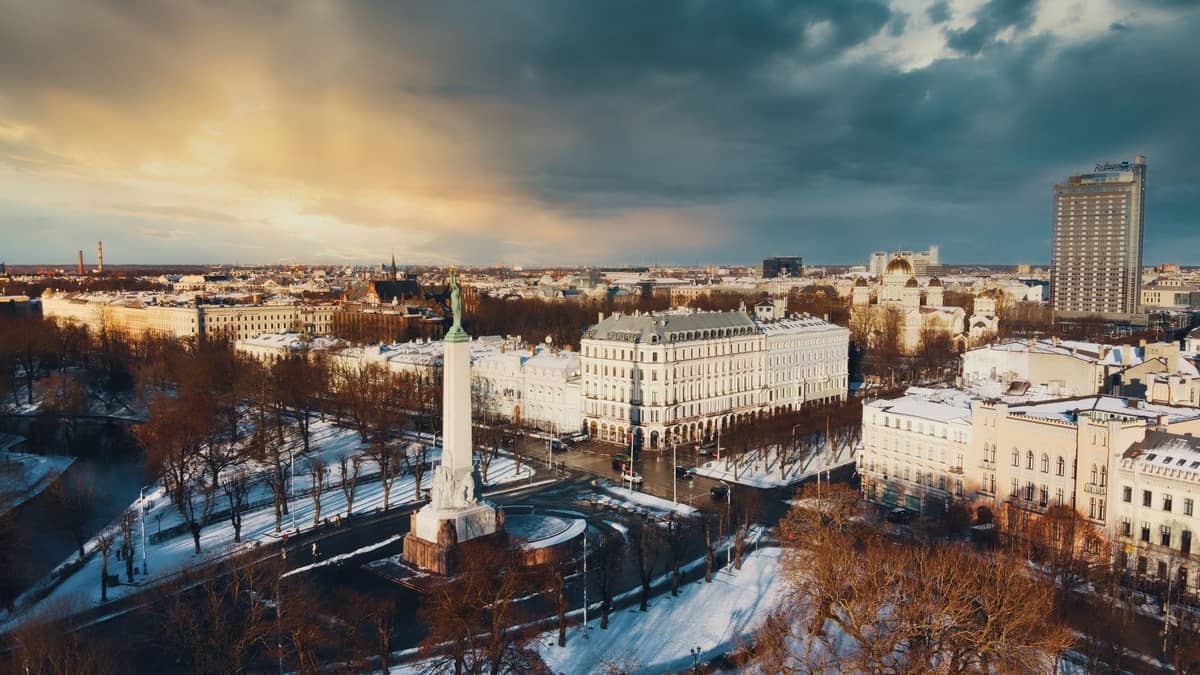
17. Pay Your Respects at the Freedom Monument, Riga's National Symbol
A 42-metre granite and copper monument erected in 1935, with the figure of Milda holding three golden stars above the city. The changing of the guard ceremony happens at the top of the hour and the monument marks the boundary between Old Town and modern Centrs.
Explore17. Pay Your Respects at the Freedom Monument, Riga's National Symbol
A 42-metre granite and copper monument erected in 1935, with the figure of Milda holding three golden stars above the city. The changing of the guard ceremony happens at the top of the hour and the monument marks the boundary between Old Town and modern Centrs.
Explore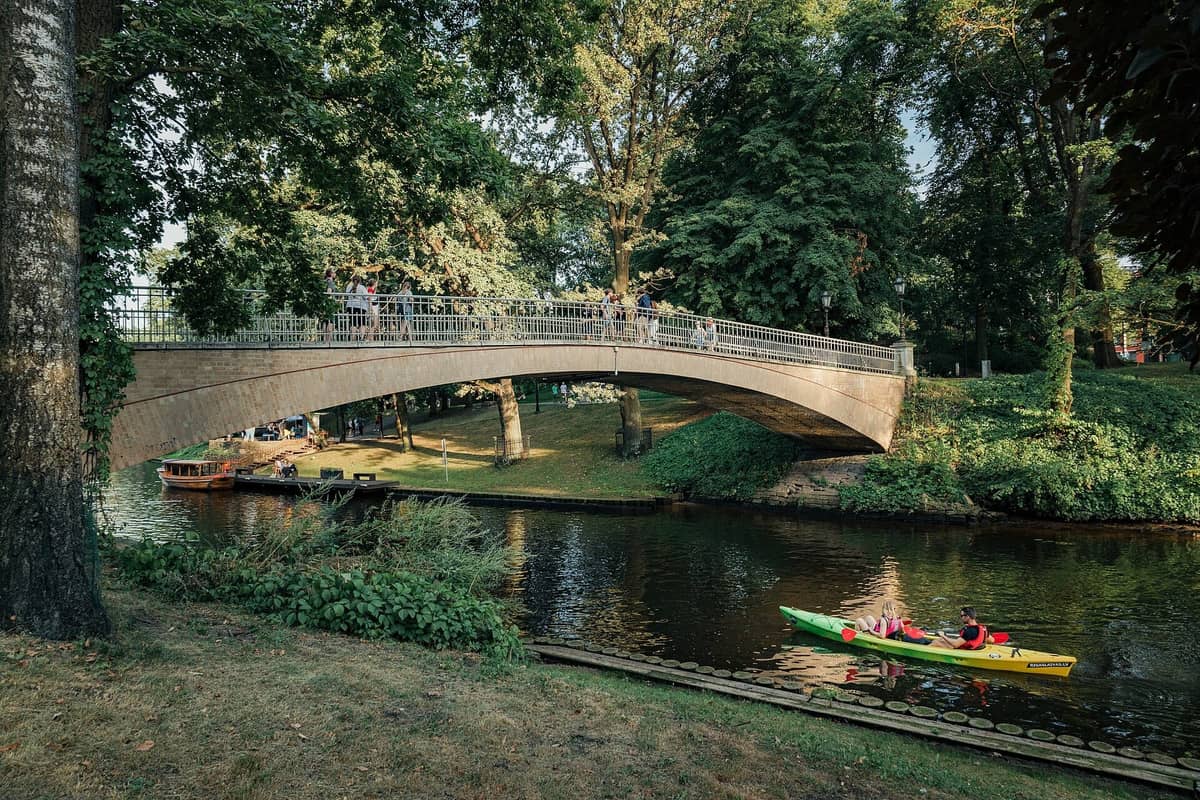
18. Walk the City Canal Loop Through Bastejkalns Park
Built on former city fortification mounds, this park follows the Old Town canal with weeping willows, footbridges, and views of medieval walls. It connects Freedom Monument to the Old Town in a 20-minute walk and is one of Riga's most scenic everyday routes.
Explore18. Walk the City Canal Loop Through Bastejkalns Park
Built on former city fortification mounds, this park follows the Old Town canal with weeping willows, footbridges, and views of medieval walls. It connects Freedom Monument to the Old Town in a 20-minute walk and is one of Riga's most scenic everyday routes.
Explore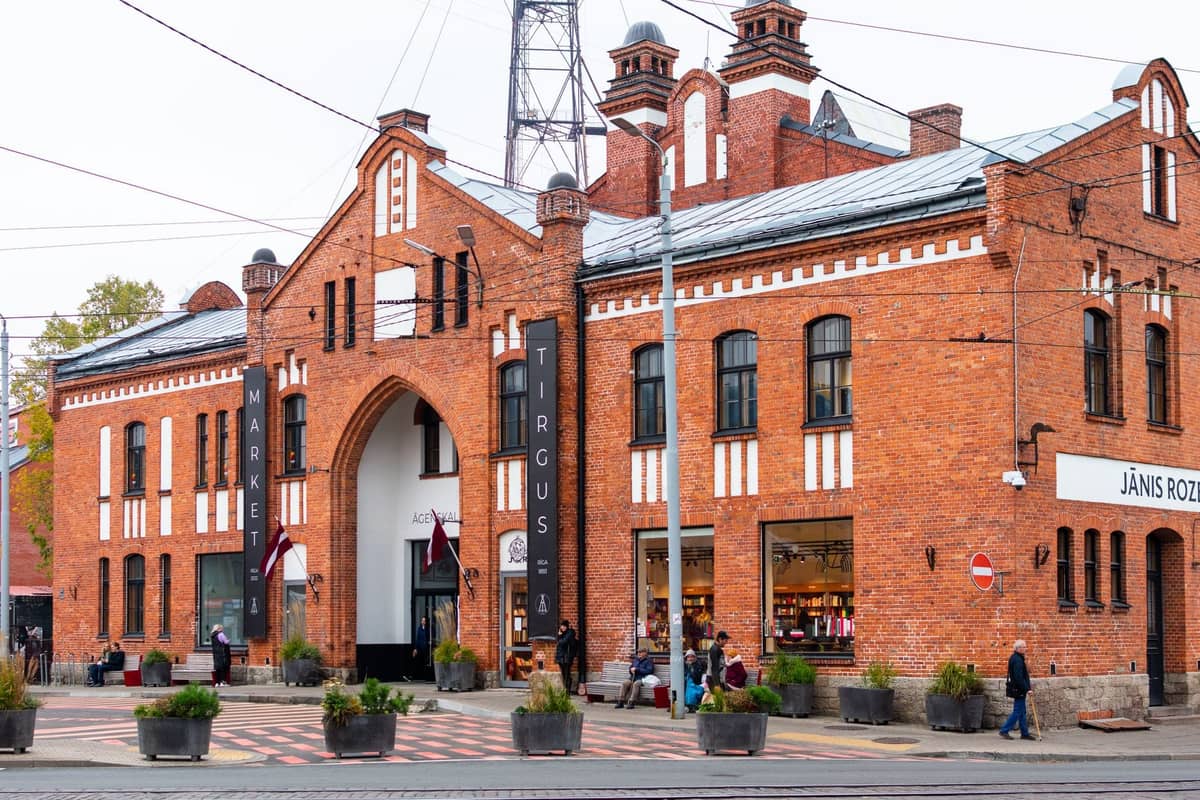
19. Browse Āgenskalns Market for the Most Local Food Scene in Riga
A beautifully renovated Art Nouveau market hall on the left bank of the Daugava, packed with artisan food stalls, craft coffee roasters, and local producers. Saturday mornings are the liveliest. It is the best single spot to understand Riga's emerging foodie neighbourhood.
Explore19. Browse Āgenskalns Market for the Most Local Food Scene in Riga
A beautifully renovated Art Nouveau market hall on the left bank of the Daugava, packed with artisan food stalls, craft coffee roasters, and local producers. Saturday mornings are the liveliest. It is the best single spot to understand Riga's emerging foodie neighbourhood.
Explore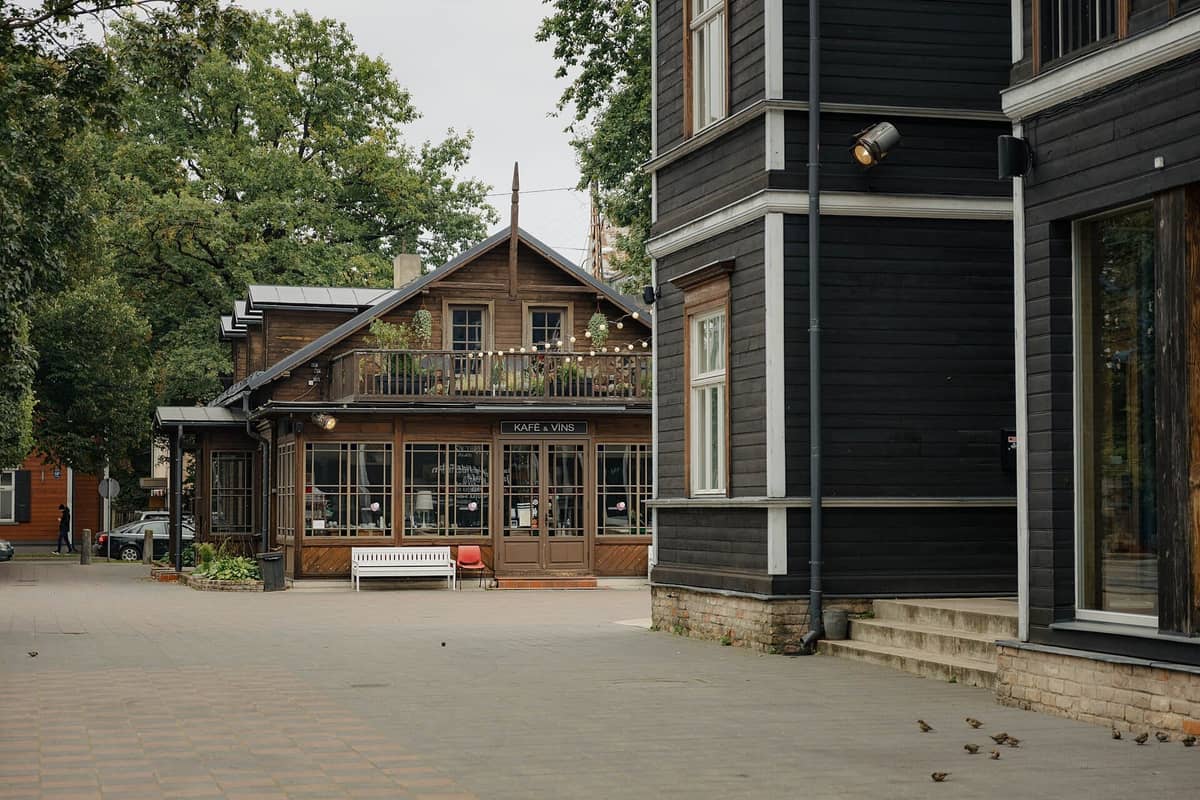
20. Visit Kalnciema Quarter on Saturday for Latvian Crafts and Design
A restored complex of 19th-century wooden buildings hosting a Saturday artisan market with Latvian ceramics, textiles, food, and design goods. The setting alone, with wooden architecture and courtyard atmosphere, makes it one of the most photogenic spots in the city.
Explore20. Visit Kalnciema Quarter on Saturday for Latvian Crafts and Design
A restored complex of 19th-century wooden buildings hosting a Saturday artisan market with Latvian ceramics, textiles, food, and design goods. The setting alone, with wooden architecture and courtyard atmosphere, makes it one of the most photogenic spots in the city.
Explore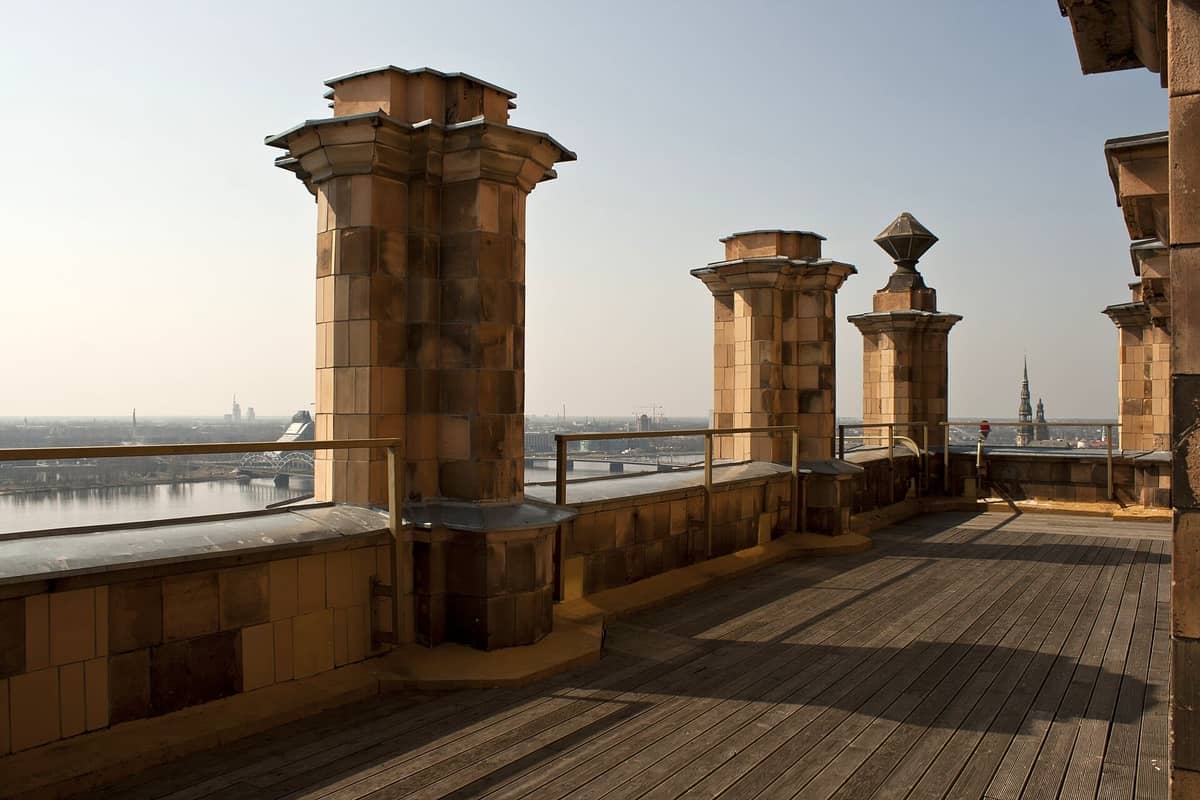
21. Ride Up the Stalinist Skyscraper for Panoramic City Views
The Academy of Sciences observation deck on the 17th floor is Riga's most underrated viewpoint, offering sweeping views over the rooftops and the Daugava without the queues of St. Peter's. The Stalinist architecture itself is a significant reason to visit the building.
Explore21. Ride Up the Stalinist Skyscraper for Panoramic City Views
The Academy of Sciences observation deck on the 17th floor is Riga's most underrated viewpoint, offering sweeping views over the rooftops and the Daugava without the queues of St. Peter's. The Stalinist architecture itself is a significant reason to visit the building.
Explore💡 Local tip
The Riga Card covers free entry or discounts at many museums, unlimited public transport, and free guided tours. It is worth calculating against your planned itinerary, especially if you plan to visit four or more paid attractions.
Day Trips from Riga
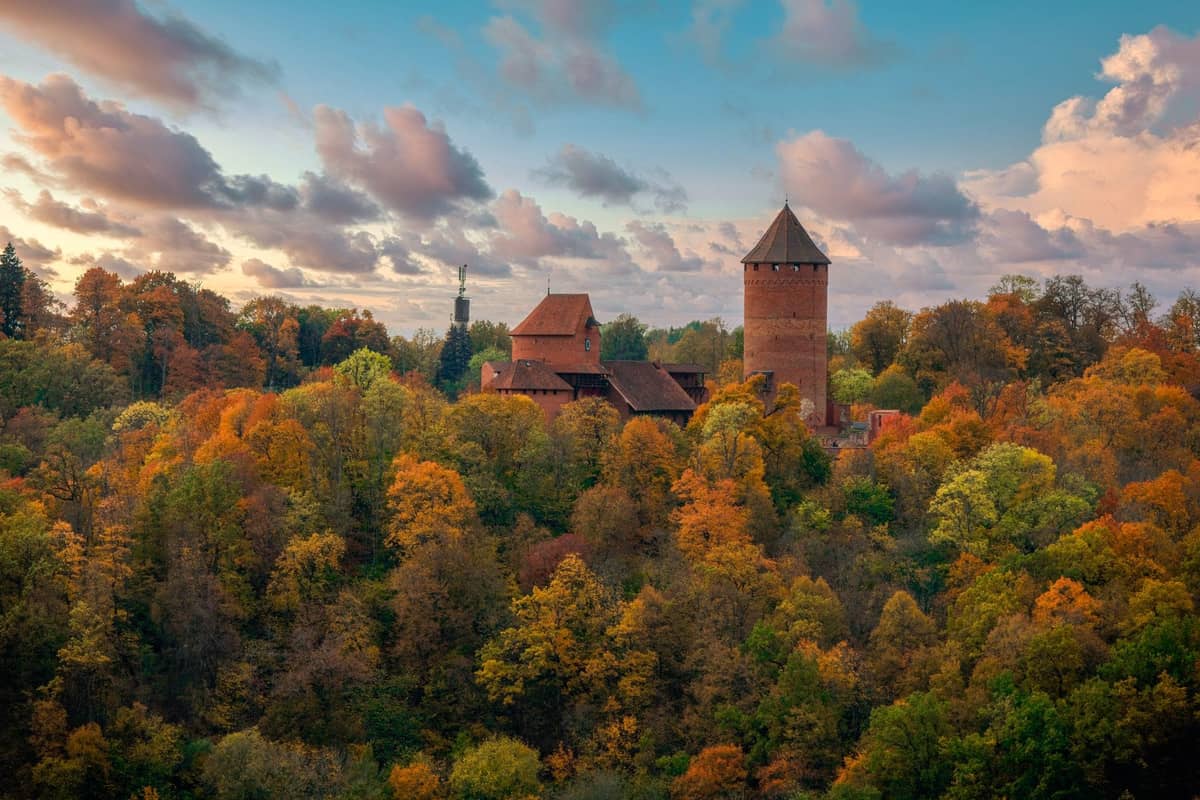
Riga's location makes it an excellent base for day trips. Sigulda's Gauja Valley is about an hour by train, and Jūrmala's Baltic beaches are reachable in around 30 minutes. The full range of options is covered in the day trips from Riga guide.
22. Explore Turaida Castle and Its Gauja Valley Viewpoints
A striking red-brick medieval fortress from 1214, fully restored with a museum, tower viewpoint, and surrounding museum-reserve with ancient burial mounds. It is the most visited historic site outside Riga and pairs perfectly with the Sigulda hiking trails on the same day.
Explore22. Explore Turaida Castle and Its Gauja Valley Viewpoints
A striking red-brick medieval fortress from 1214, fully restored with a museum, tower viewpoint, and surrounding museum-reserve with ancient burial mounds. It is the most visited historic site outside Riga and pairs perfectly with the Sigulda hiking trails on the same day.
Explore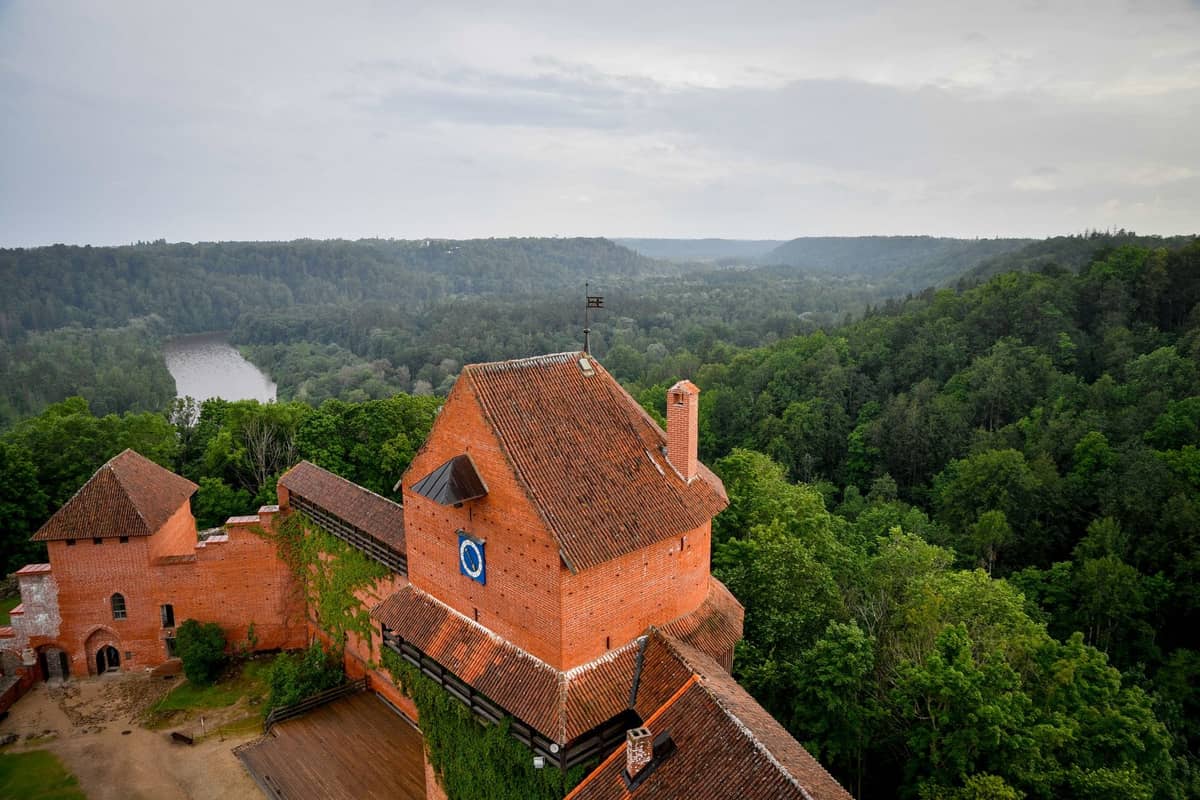
23. Hike the Gauja Valley Trails Around Sigulda
Well-marked trails wind through ancient sandstone valleys and pine forests in Gauja National Park, with viewpoints like Krimulda offering sweeping valley panoramas. Trails range from easy 2-hour loops to full-day hikes; the Gauja River bluffs are especially dramatic in autumn.
Explore23. Hike the Gauja Valley Trails Around Sigulda
Well-marked trails wind through ancient sandstone valleys and pine forests in Gauja National Park, with viewpoints like Krimulda offering sweeping valley panoramas. Trails range from easy 2-hour loops to full-day hikes; the Gauja River bluffs are especially dramatic in autumn.
Explore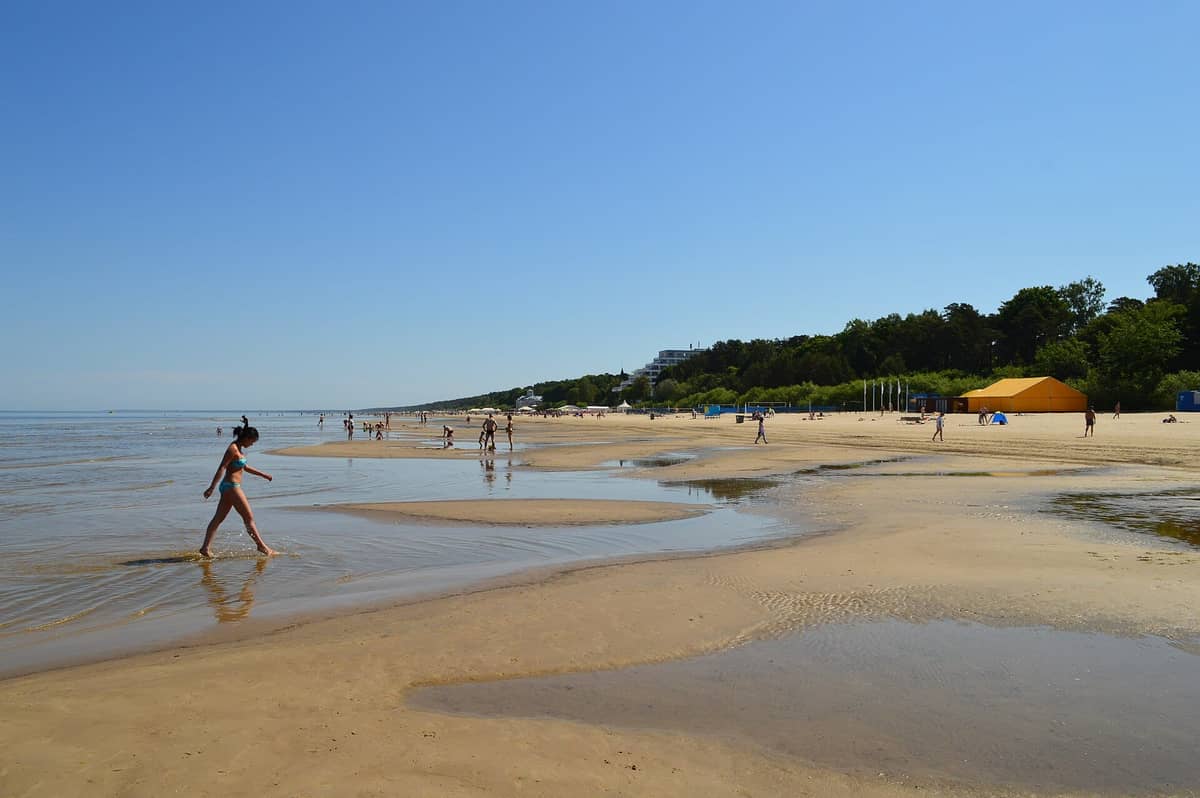
24. Take the Train to Jūrmala's White-Sand Baltic Beach
Majori Beach offers a long stretch of white sand backed by pine forests, with beach cafes and the pedestrian Jomas iela street nearby. The train from Riga takes around 30 minutes. Summer weekends are lively; weekday mornings in June or August are peaceful and beautiful.
Explore24. Take the Train to Jūrmala's White-Sand Baltic Beach
Majori Beach offers a long stretch of white sand backed by pine forests, with beach cafes and the pedestrian Jomas iela street nearby. The train from Riga takes around 30 minutes. Summer weekends are lively; weekday mornings in June or August are peaceful and beautiful.
Explore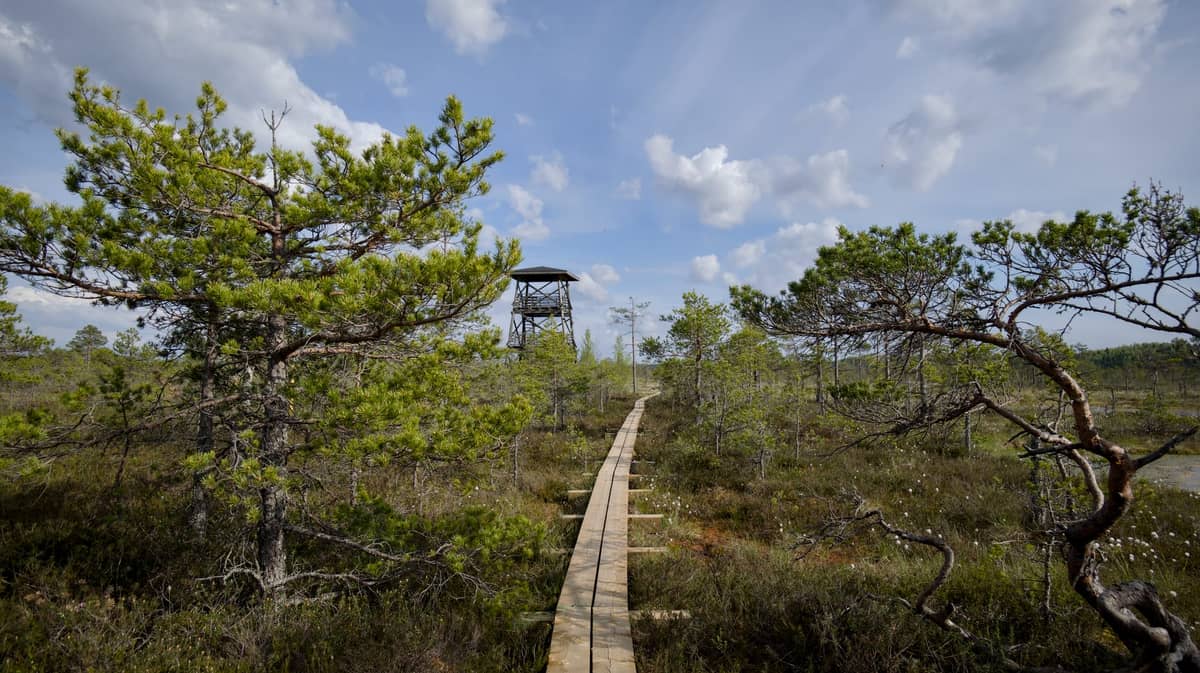
25. Walk the Kemeri Bog Boardwalk Through a Surreal Landscape
The Great Kemeri Bog boardwalk crosses an ancient peat bog of open pools, dwarf pines, and cloudberry fields that feels entirely unlike anywhere else in Latvia. The loop trail takes about 90 minutes and is accessible year-round, with autumn and early winter being particularly atmospheric.
Explore25. Walk the Kemeri Bog Boardwalk Through a Surreal Landscape
The Great Kemeri Bog boardwalk crosses an ancient peat bog of open pools, dwarf pines, and cloudberry fields that feels entirely unlike anywhere else in Latvia. The loop trail takes about 90 minutes and is accessible year-round, with autumn and early winter being particularly atmospheric.
ExploreFAQ
How many days do you need in Riga to see the main attractions?
Two full days covers the Old Town, Freedom Monument, Central Market, and Art Nouveau district comfortably. Three days lets you add museums like the Occupation Museum and Corner House, plus a half-day trip to Jūrmala or Sigulda. For most visitors, two to three days is a good amount for a first visit.
Is Riga worth visiting outside of summer?
Yes. The Old Town, Central Market, museums, and opera all operate year-round. Spring and autumn are quieter, with lower prices and smaller crowds at major sights.
What is the best free thing to do in Riga?
Walking Alberta iela and the surrounding Art Nouveau streets costs nothing and takes about an hour. The Freedom Monument, Bastejkalns Park canal walk, and Daugava promenade are all free. The Museum of the Occupation of Latvia is well worth a visit, though donations are appreciated.
Is Riga's Old Town walkable?
Completely. Vecrīga is a compact medieval district where most major sights are within a short walk of each other. The Art Nouveau district in Centrs is a further 10-minute walk from the Old Town edge, and Riga Central Market is at the Old Town's southern boundary.
What is the best viewpoint in Riga?
St. Peter's Church tower is the classic choice for views over the medieval rooftops and the Daugava River. The Latvian Academy of Sciences observation deck offers a wider panorama of the whole city. Both charge a small entry fee.