Soviet Riga: A Guide to Cold War History & Architecture
Riga carries more than 50 years of Soviet history in its streets, buildings, and museums. This guide covers the key Cold War sites, occupation memorials, Soviet-era architecture, and the historical context you need to make sense of what you're seeing.
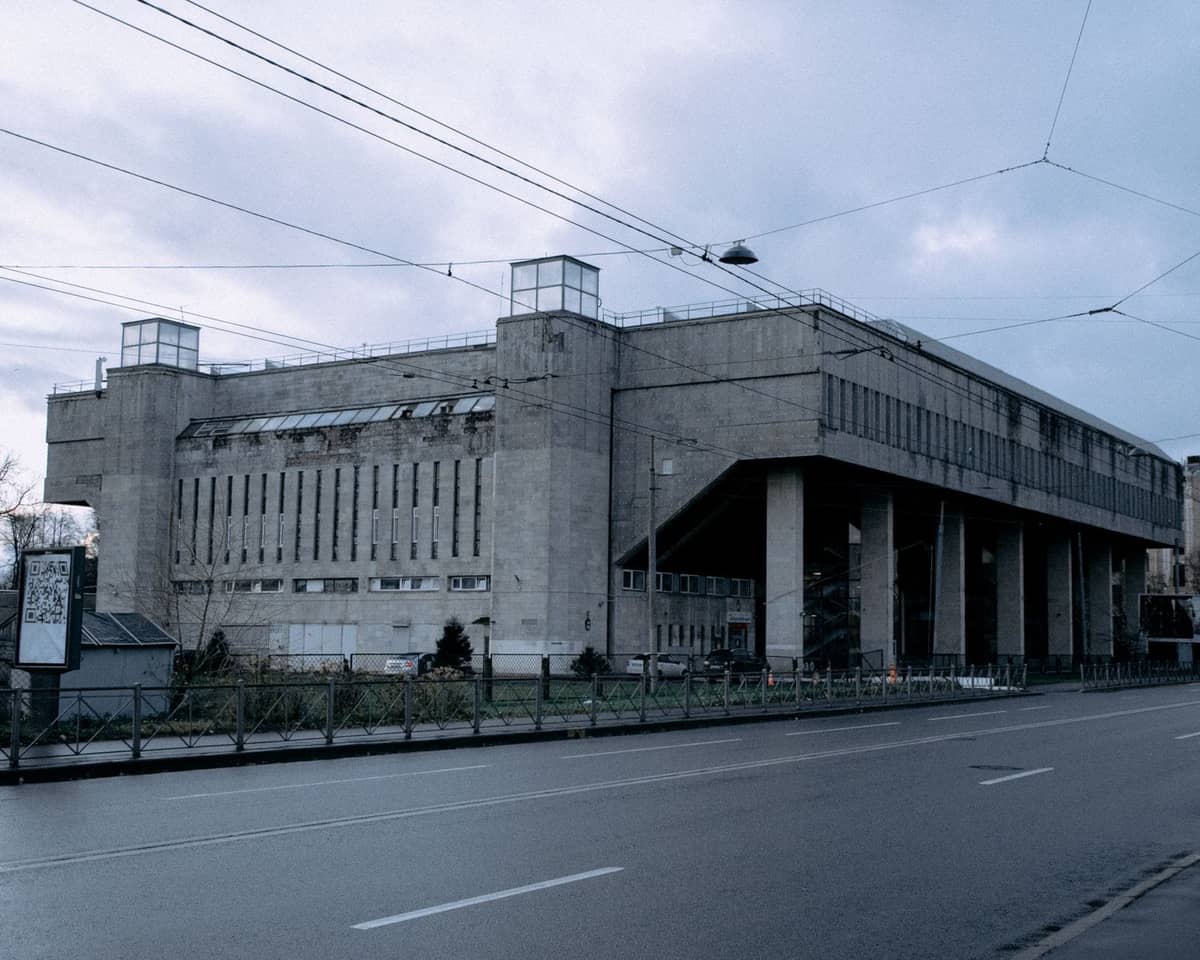
Plan and book this trip
Tools from our partner Travelpayouts help you compare flights and hotels. If you book through them, we may earn a commission at no extra cost to you.
Flights
Hotels map
TL;DR
- Soviet occupation of Latvia ran from 1940 to 1991 (with a Nazi interlude, 1941-1944), reshaping Riga's demographics, architecture, and urban layout entirely.
- The Museum of the Occupation of Latvia is the single best starting point for understanding this period, with admission typically around €5-10.
- The KGB's former headquarters, known as the Corner House, is open for tours and offers some of the most sobering Cold War history in the Baltics.
- Soviet-era architecture stretches well beyond the Old Town — the Latvian Academy of Sciences and the massive Maskavas Forštate district are essential stops.
- Summer gives you the most daylight for exploring outdoor Soviet-era estates; winter tours are shorter but dramatically atmospheric with the right guide.
Understanding Soviet Riga: The Historical Framework
Most visitors to Riga arrive knowing the city for its medieval Old Town and Art Nouveau boulevards. The Soviet chapter is harder to read without context, partly because it was systematically obscured after 1991, and partly because the physical evidence is spread across a large city that has since been reshaped by private investment and EU funding. But spend a few hours with the right map and a basic understanding of the timeline, and Soviet Riga becomes one of the most legible Cold War landscapes in Europe.
Latvia was first occupied and annexed by the USSR in June 1940 under the Molotov-Ribbentrop Pact, becoming the Latvian Soviet Socialist Republic. Nazi Germany occupied the country from 1941 to 1944, during which time Riga's Jewish community was almost entirely murdered. Soviet forces returned in 1944 and remained until Latvia restored its independence in August 1991, while the last Russian troops withdrew in 1994. That means Riga experienced two brutal occupations in succession, and the Soviet one alone lasted nearly five decades. Any serious engagement with the city's Cold War history requires holding both occupations in mind at once.
ℹ️ Good to know
A persistent misconception: Soviet occupation did not begin in 1945. It started in 1940, a full year before the Nazi invasion. The Museum of the Occupation of Latvia treats both regimes, 1940-1991, under a single narrative. This framing is deliberate and historically precise.
After 1944, Riga became the command hub of the Soviet Baltic Military District and was industrialized on a large scale. Factories producing rail cars, electronics, and metalworking equipment brought a massive influx of Russian-speaking workers from across the USSR. By the late Soviet period, ethnic Latvians had become a minority in their own capital. This demographic transformation, engineered through deliberate resettlement policy, is central to understanding the tensions that persisted in Riga long after independence.
The Essential Sites: Where Soviet History Is Still Visible
The Museum of the Occupation of Latvia near Riga Town Hall Square is the logical first stop. The exhibition covers deportations to Siberia, resistance movements, the gulag system, and daily life under both Soviet and Nazi rule. The building itself is a Soviet-era structure — a squat, dark-bricked cube that was deliberately designed to be aesthetically oppressive. Admission is typically €5-10 for adults; check the official site for current hours as they vary by season.
A ten-minute walk from the museum brings you to the KGB Building, known as the Corner House (Stūra māja in Latvian). This eight-floor building on Brīvības iela served as the headquarters of the Soviet secret police and later the KGB. Thousands of Latvians were interrogated, tortured, and sentenced to death or deportation within its walls. Tours of the interior are available and include the original prison cells in the basement. It is not light viewing, but it is essential for anyone serious about this history.
- Museum of the Occupation of Latvia Covers 1940-1991 under both Soviet and Nazi regimes. Near the Old Town. Admission around €5-10. Strong on personal testimonies and deportation records.
- Corner House (KGB Headquarters) Brīvības iela 61. Guided tours include the original prison cells. One of the most intact KGB facilities open to the public in the former Soviet bloc.
- Latvian Academy of Sciences A textbook example of Stalinist architecture in Riga. The observation terrace offers panoramic views over the city and surrounding Soviet-era housing estates.
- Maskavas Forštate (Moscow Suburb) A densely layered district southeast of the centre, mixing pre-war Jewish heritage with Soviet apartment blocks and contemporary immigrant communities.
- Agenskalns and Kengarags Two residential districts dominated by Soviet-era panel housing (Khrushchyovkas and later Brezhnev-era blocks). Best understood on foot or with a local guide.
Soviet Architecture in Riga: What to Look For
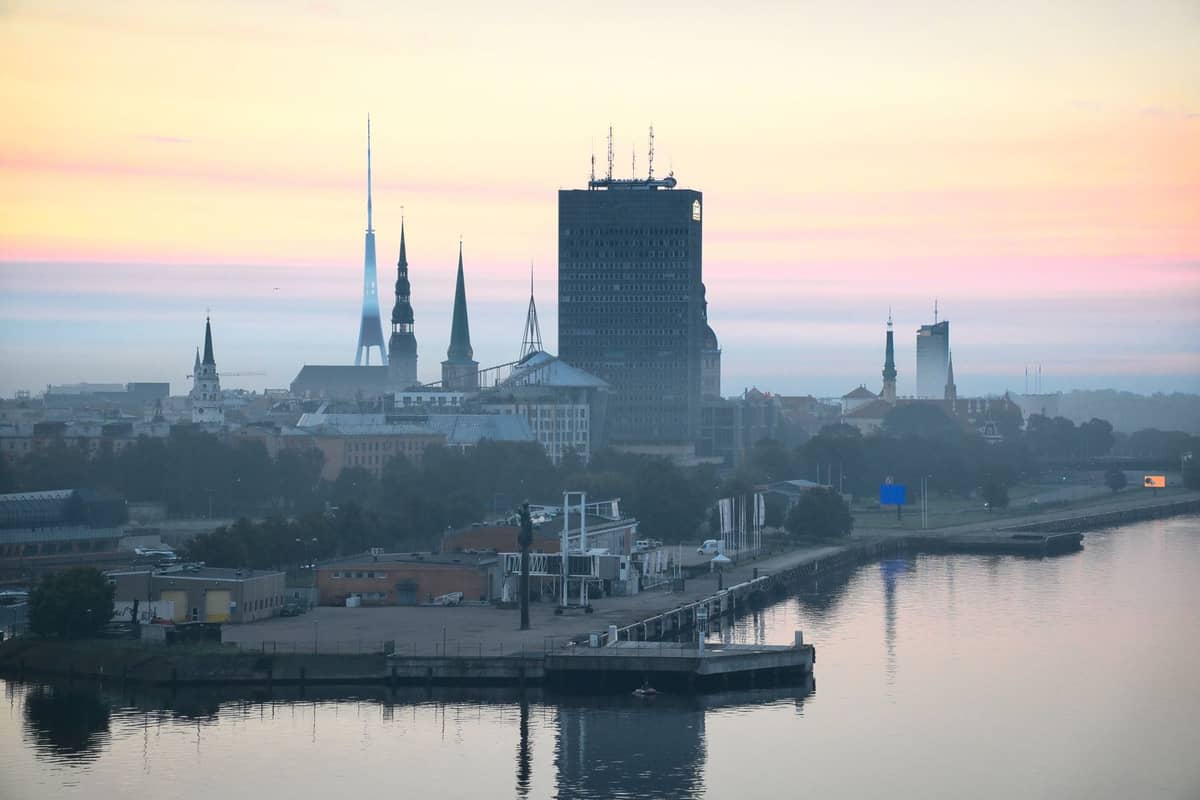
Riga's Soviet architectural legacy falls into roughly three phases. The Stalinist period (1944-1956) produced monumental, ornate structures built to project imperial power. The standout example is the Latvian Academy of Sciences, completed in 1958, which mirrors the 'Seven Sisters' skyscrapers in Moscow. Its wedding-cake silhouette towers over the surrounding low-rise fabric and remains the most photographed Soviet building in the city. The observation deck is open to the public and offers one of the best elevated views in Riga.
The Khrushchev era (1956-1964) brought rapid, utilitarian residential construction — the infamous Khrushchyovkas. These five-story panel apartment buildings were mass-produced across the entire Soviet Union and are found throughout Riga's outer districts. They were built quickly and cheaply to solve a genuine housing crisis, and many are now being renovated or replaced. The Brezhnev era continued this industrialized housing model at larger scale, producing the vast mikrorayoni (micro-districts) such as Purvciems and Imanta that still house a large portion of Riga's population.
✨ Pro tip
The Latvian Academy of Sciences observation terrace is open most days for a small fee, usually under €10. From the top, you can orient yourself relative to the Soviet housing estates to the south and east, the Art Nouveau district to the northwest, and the Old Town directly below. It is one of the most efficient ways to understand Riga's spatial history in a single glance.
Soviet urban planners also left their mark on Riga's street layout and public spaces. Victory Park (Uzvaras parks) in the Pardaugava district, on the western bank of the Daugava, formerly contained a large Soviet war memorial erected in 1985 to commemorate the Soviet victory over Nazi Germany, which was demolished in 2022; the site remains a reference point in debates over memory politics in Latvia.
Guided Tours vs. Self-Guided Exploration
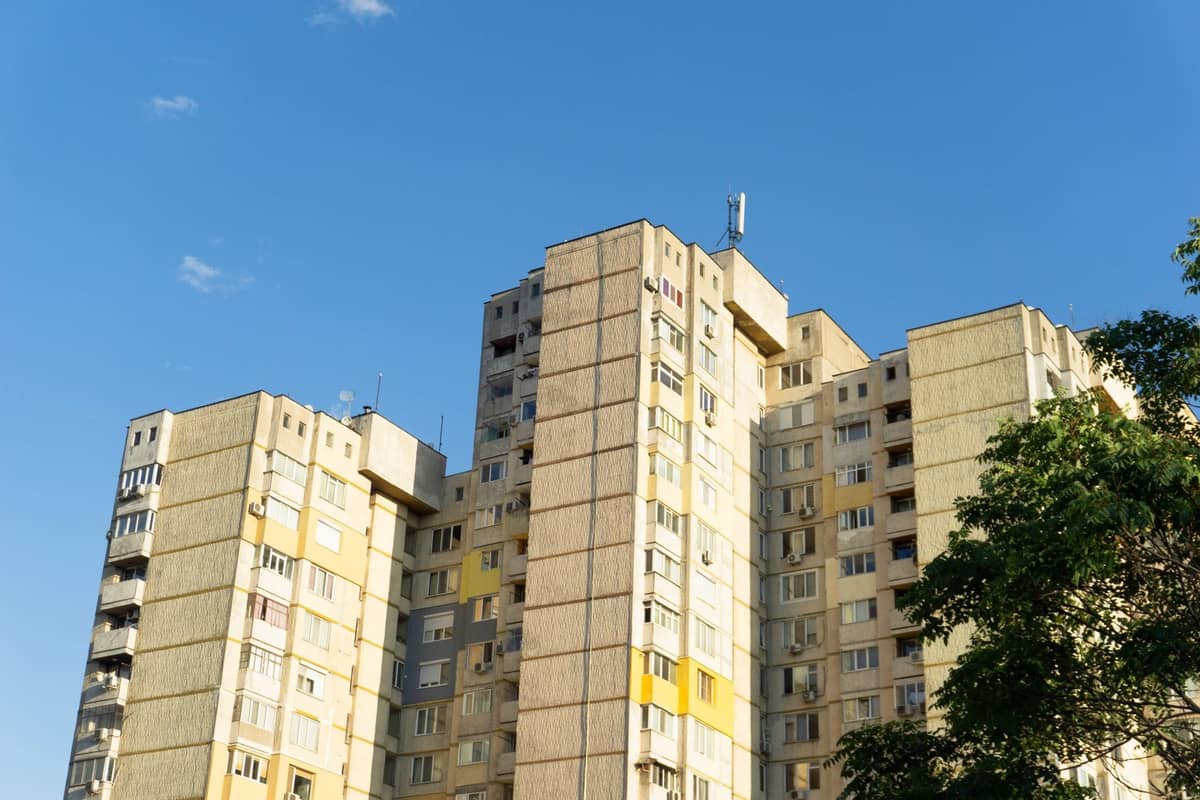
Riga's Soviet sites reward prior knowledge. Without context, a panel apartment block looks like any other post-war housing estate; with it, the same building becomes readable as deliberate policy made concrete. Whether you opt for a guided tour or explore independently depends on your existing background and how much time you have.
Specialist operators such as Riga Sights run dedicated Soviet history tours, typically lasting around three hours and covering the Corner House, the Academy of Sciences, Soviet-era murals, and several residential districts. Private tours start from around €60 per person. Group tours are significantly cheaper. These are worth booking if you have limited time or want a guide who can provide the human stories behind the buildings — the difference between knowing that deportations happened and hearing the specific mechanics of how the KGB organized them is considerable.
For self-guided exploration, the best approach is to combine the Museum of the Occupation with a walk through Maskavas Forštate and then out to one of the larger micro-districts by tram or bus. Getting around Riga by public transport is straightforward and cheap — trams run regularly from the city centre to the outer districts. Budget at least half a day for the indoor museums and another half day for the architectural walk.
⚠️ What to skip
The Corner House tours cover genuinely disturbing material, including original execution equipment and detailed records of individual cases. It is not suitable for young children and can be emotionally difficult for anyone with family connections to Latvian deportation history. The staff are well-trained and the presentation is handled carefully, but go in prepared.
Day Trips: Soviet History Beyond Riga
Some of the most compelling Cold War sites in Latvia are outside Riga's city limits. The Secret Soviet Bunker in Līgatne is perhaps the most dramatic. Built beneath a sanatorium in the Gauja Valley, it was designed to house top Soviet Latvian officials in the event of a nuclear war. It was kept secret until the late 1990s and is now open for guided tours. The bunker preserves period furniture, communications equipment, and propaganda materials almost exactly as they were left. Getting there without a car requires some planning, but operators in Riga regularly combine it with nature stops in the Gauja Valley.
The Salaspils Memorial marks the site of a Nazi-run concentration camp about 18 km southeast of Riga, where tens of thousands of people, predominantly Jewish civilians from across occupied Europe, were killed between 1941 and 1944. The memorial was built during the Soviet period and reflects Soviet memorial aesthetics: massive concrete figures on a stark open plain. It remains one of the most powerful and architecturally significant memorial sites in the Baltic states. It is reachable by commuter train from Riga Central Station.
- Secret Soviet Bunker, Līgatne: About 60–75 minutes from Riga by car. Tours run regularly; book ahead in summer.
- Salaspils Memorial: 18 km from Riga, accessible by train from Rīga Centrālā stacija to Darzini or Salaspils and a short walk. Free entry.
- Karosta, Liepāja: A former Soviet naval base on the coast, about 3.5 hours from Riga. Open-air prison tours available. Best as an overnight trip.
- Skrunda-1: A ghost town built around a decommissioned Soviet radar installation. Remote but extraordinarily preserved.
Practical Advice for Visiting Soviet-Era Riga
Soviet Riga is a year-round destination, but conditions vary significantly by season. Summer (June-August) offers long daylight hours — Riga sits at about 57 degrees north, so midsummer evenings stay light until around 10:30pm — which is ideal for walking the outer housing districts. Winter visits are shorter and colder, but snow transforms the monumental Stalinist structures in ways that feel almost cinematic. For a broader view of the best time to visit Riga, seasonal crowd patterns matter less for Soviet sites than for the Old Town.
Budget-conscious travelers will find most outdoor Soviet architecture is free to view. The main paid sites are the Museum of the Occupation (around €10 for adults, €5 for concessions), the Corner House (guided tour fee, verify current price), and the Academy of Sciences observation deck (typically up to about €10). The Riga on a budget guide covers broader cost-saving strategies across the city.
For context on where these sites sit within the broader urban layout, the things to do in Riga guide covers the full city including the Old Town, Art Nouveau district, and the central market. Soviet history integrates naturally into a two or three-day itinerary rather than requiring a separate trip.
💡 Local tip
Photography rules vary by site. The Corner House allows photography in most areas but not in certain archive sections. The Occupation Museum prohibits flash photography and asks visitors to be respectful near personal testimonial displays. Always check on arrival rather than assuming.
FAQ
Is there a dedicated Soviet history tour in Riga?
Yes. Several operators run Soviet-themed tours, with Riga Sights being one of the best-established. Private tours of around three hours start from approximately €60 per person. Group tours are available at lower per-person rates. Tours typically cover the Corner House (KGB headquarters), the Academy of Sciences, Soviet-era murals, and residential micro-districts. Book in advance during the summer peak season.
When did Soviet occupation of Latvia actually begin?
Soviet occupation began in June 1940, following the Molotov-Ribbentrop Pact between Nazi Germany and the USSR. It was not a post-World War II development. Nazi Germany then occupied Latvia from 1941 to 1944, after which Soviet rule resumed and continued until Latvia declared independence in 1990. The full period of Soviet rule (excluding the Nazi interlude) ran from 1940 to 1991.
What is the best museum for Soviet and Cold War history in Riga?
The Museum of the Occupation of Latvia is the most comprehensive. It covers both the Soviet and Nazi occupation periods from 1940 to 1991 and includes detailed documentation of the deportations to Siberia, resistance movements, and daily life under occupation. It is located near Riga Town Hall Square in the Old Town. The Corner House (KGB Building) complements it well, focusing specifically on the secret police and political repression.
Can I visit Soviet-era housing districts on my own?
Yes. Districts like Purvciems, Imanta, Kengarags, and Agenskalns are ordinary residential areas that are safe to walk through. They are connected to the city centre by trams and buses. There is no visitor infrastructure in these areas, so a map and some background reading beforehand makes the visit far more meaningful. A guided tour is worth considering if you want to understand what you are looking at in real time.
How does Soviet Riga fit into a broader Riga itinerary?
Soviet history integrates naturally into a two or three-day Riga visit. Day one typically covers the Old Town and Art Nouveau district. Day two can focus on the Occupation Museum, Corner House, and a walk through Maskavas Forštate or a tram ride to the outer micro-districts. If you have a third day, the Salaspils Memorial and Līgatne Bunker make a compelling day trip combination. The sites are accessible by public transport and do not require a rental car for the city-based itinerary.