Shopping in Riga: Markets, Souvenirs & Local Finds
Riga rewards shoppers with one of Europe's great food markets, a lively craft scene, and local design studios that go well beyond fridge magnets. This guide covers where to shop, what to buy, what to skip, and how to do it without overpaying.
Plan and book this trip
Tools from our partner Travelpayouts help you compare flights and hotels. If you book through them, we may earn a commission at no extra cost to you.
Flights
Hotels map
TL;DR
- Riga Central Market (Nēģu iela 7) is the essential stop: five zeppelin hangars, low local prices, and open daily from 07:00.
- The best craft and souvenir shopping is at Kalnciema Quarter (Saturdays) and Berga Bazārs — not the souvenir kiosks in Old Town.
- Peak produce season is summer to early autumn; the Christmas market runs late November to early January in Old Town.
- Most markets close by 17:00–18:00. Malls stay open until 21:00. Bring some cash for market stalls, though cards are increasingly accepted.
- For budget-conscious shoppers, see our Riga on a budget guide — the market circuit costs almost nothing to enjoy.
Riga Central Market: One of Europe's Largest Indoor Markets
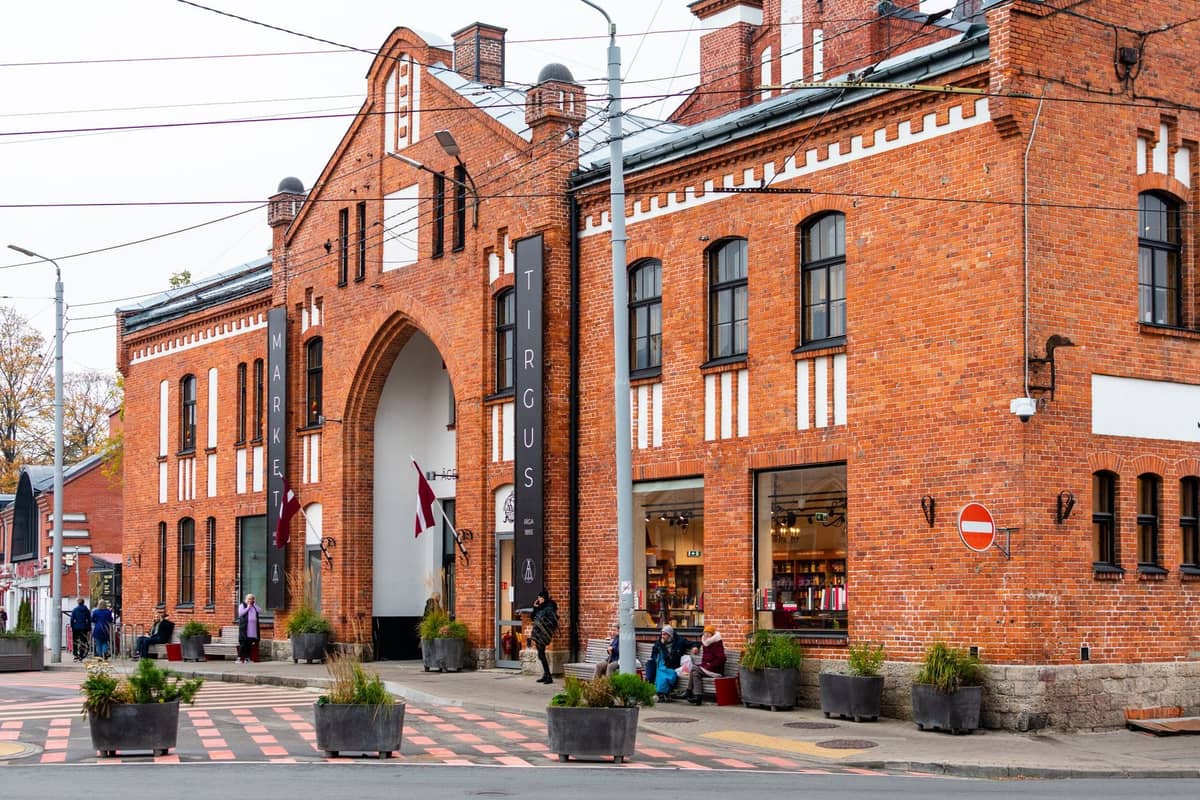
No shopping guide to Riga begins anywhere other than Rīgas Centrāltirgus. Built in the 1920s inside five repurposed German military zeppelin hangars, the Central Market at Nēģu iela 7 is part of Riga’s UNESCO-listed historic centre — not a tourist attraction dressed up as a market, but a real grocery market that locals use daily. The hangars are divided by product: meat, fish, dairy, vegetables, and a gastronomy pavilion. Outside, a sprawling open-air section sells flowers, clothing, household goods, and more produce.
Official hours as of 2026: indoor pavilions 07:30–17:00, outdoor stalls 07:00–18:00. There is also a Farmers' Night Market running 17:30–07:30, making it one of the few market venues in the city with any late-night presence. The market is a short walk from the central railway and bus stations, making it a natural first stop after arriving in Riga. For more context on what to do around it, the Old Town walking tour passes close by.
- Smoked fish Local sprats and eel from the fish pavilion are among the best edible souvenirs in Latvia. Prices are well below supermarket rates.
- Rye bread Dense, dark Latvian sourdough rye is a staple. Look for loaves from small bakery stalls rather than the packaged versions.
- Honey and preserves Local bee farmers sell wildflower and forest honeys from designated stalls — far better quality than the tourist-shop equivalent.
- Seasonal berries and mushrooms From June through September, the outdoor section fills with wild blueberries, chanterelles, and strawberries. This is when the market is at its best.
- Cheese and dairy The dairy pavilion carries regional cheeses, including Jāņu siers (caraway cheese), particularly popular around the Midsummer festival in June.
💡 Local tip
Go on a weekday morning before 10:00 for the best selection and the fewest crowds. Saturdays draw more visitors and the outdoor stalls get congested. The market is primarily a locals' grocery run — respect that, and you'll get better prices and a more genuine experience.
Craft Markets and Weekend Shopping
For handmade goods, Latvian design, and locally produced food that goes beyond the Central Market, the city's weekend craft circuit is where real finds happen. The best starting point is Kalnciema Quarter (Kalnciema iela 35), a preserved wooden architecture complex on the left bank of the Daugava. Its Saturday farmers' and craft market runs roughly 09:00–14:00 in summer and operates bi-weekly in winter with reduced hours. Expect locally made ceramics, linen textiles, natural cosmetics, specialty foods, and occasional live folk music.
Berga Bazārs, a 19th-century courtyard complex at Elizabetes iela 83/85 in the Centre district, takes a different angle: permanent boutiques selling Latvian design, jewellery, and fashion, with occasional pop-up farmers' markets. Shops here generally open around 10:00–19:00. The atmosphere is more curated and quiet than the weekend markets, making it a good choice for deliberate shopping rather than browsing.
If you are visiting Āgenskalns Market (Nometņu iela 64) on the left bank, note that it follows a similar rhythm to Central Market but is smaller and more neighbourhood-focused. It is especially worthwhile in summer and early autumn when outdoor stalls are fully active with local produce. The market draws a genuine mix of local residents and visiting foodies, with a growing selection of artisan food producers alongside the traditional fresh food stalls.
✨ Pro tip
Kalnciema Quarter is less than 15 minutes from Old Town by tram. If you are planning a Saturday itinerary, combine the market with a walk along the Daugava riverside — the views back toward the Old Town skyline are among the best in the city.
The Flea Market and Vintage Shopping
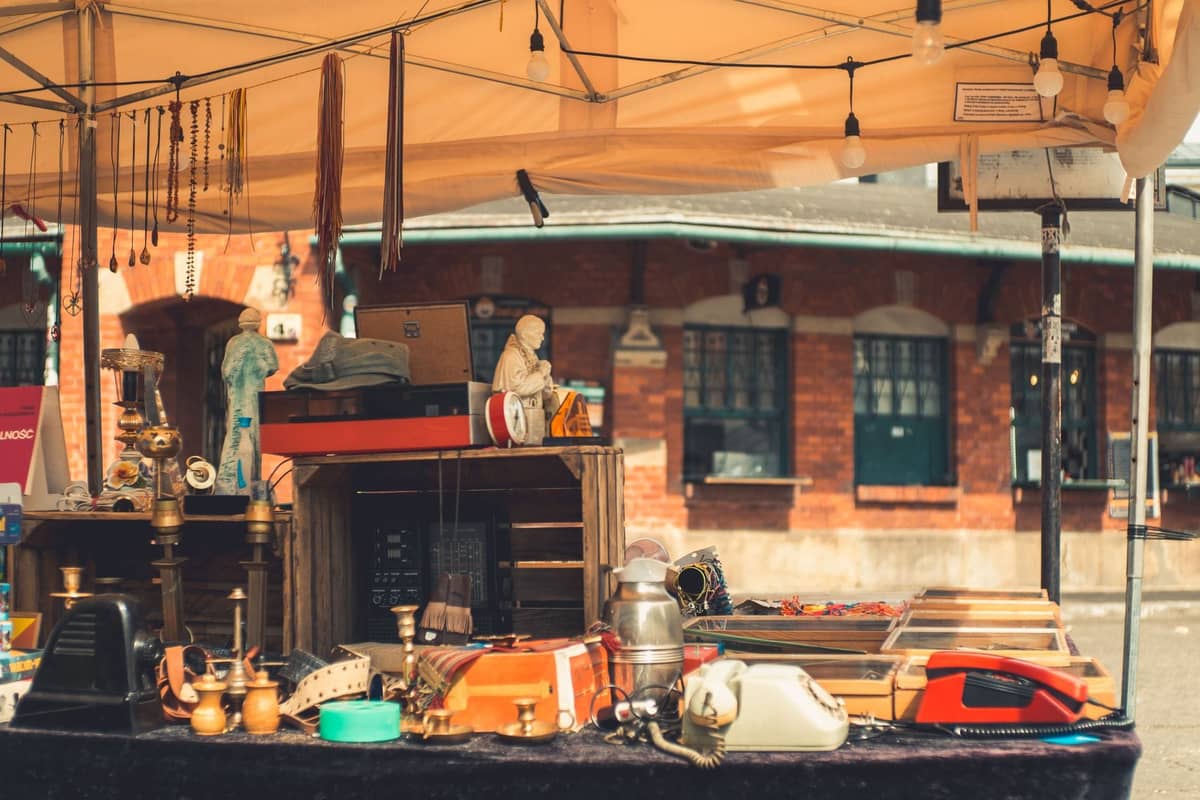
Riga's flea market culture is serious business, not a tourist add-on. The main venue is the Riga Flea Market (Rīgas otrreizējā tirgus) at Krasta iela 76, which runs most Saturdays from around 08:00 to 13:00. The range is genuinely eclectic: Soviet-era cameras, amber jewellery of varying quality, old Latvian books, military insignia, vintage clothing, Soviet-era kitchenware, and linen tablecloths. For anyone interested in the Soviet period specifically, this is a far more authentic and affordable source than the souvenir kiosks in Old Town.
⚠️ What to skip
Not everything at the flea market described as 'antique' or 'Soviet-era' is genuine. Soviet military medals and badges in particular are widely reproduced. If you are buying for collection value rather than aesthetics, do some research beforehand. Amber is also sold here, but the quality and authenticity varies enormously — see the souvenir section below for amber-buying guidance.
What to Buy: The Best Souvenirs from Riga
The souvenir shops concentrated in and around Old Town sell mostly generic Baltic-branded merchandise at significant markups. A linen tea towel that costs €5 at the Central Market or Kalnciema Quarter can appear in an Old Town shop for €15–20. The items worth buying are the ones that are genuinely Latvian in origin and difficult to source elsewhere.
- Amber jewellery: Latvia is one of the world's primary amber sources. Buy from established jewellers rather than street kiosks — look for pieces where the amber has visible inclusions or a non-uniform colour, which are signs of authenticity. The Latvian amber craft tradition is old and the quality ceiling is high.
- Latvian linen: Linen has been produced in Latvia for centuries. Tablecloths, clothing, and household textiles made from locally grown and woven linen are genuinely distinctive. Avoid anything labelled 'Latvian design' that is made in China — check the label.
- Rye bread and smoked fish: Both travel reasonably well as food souvenirs and are far cheaper at the Central Market than at airport shops. Vacuum-packed smoked sprats are a particularly good choice.
- Riga Black Balsam: This bitter herbal liqueur, produced since the 18th century, is available everywhere — supermarkets sell it at the best price (around €8–12 for a 500ml ceramic bottle). The currant version is a milder introduction for those new to it.
- Natural cosmetics: Several Latvian brands produce genuinely good skincare using local forest and botanical ingredients. Look for these at Berga Bazārs or Kalnciema Quarter rather than Old Town shops.
- Latvian folk art and ceramics: Traditional Latvian geometric patterns appear on everything from woven belts (jostas) to ceramic mugs. Handmade versions from craft markets are worth paying more for than the machine-printed alternatives.
Malls and Mainstream Shopping
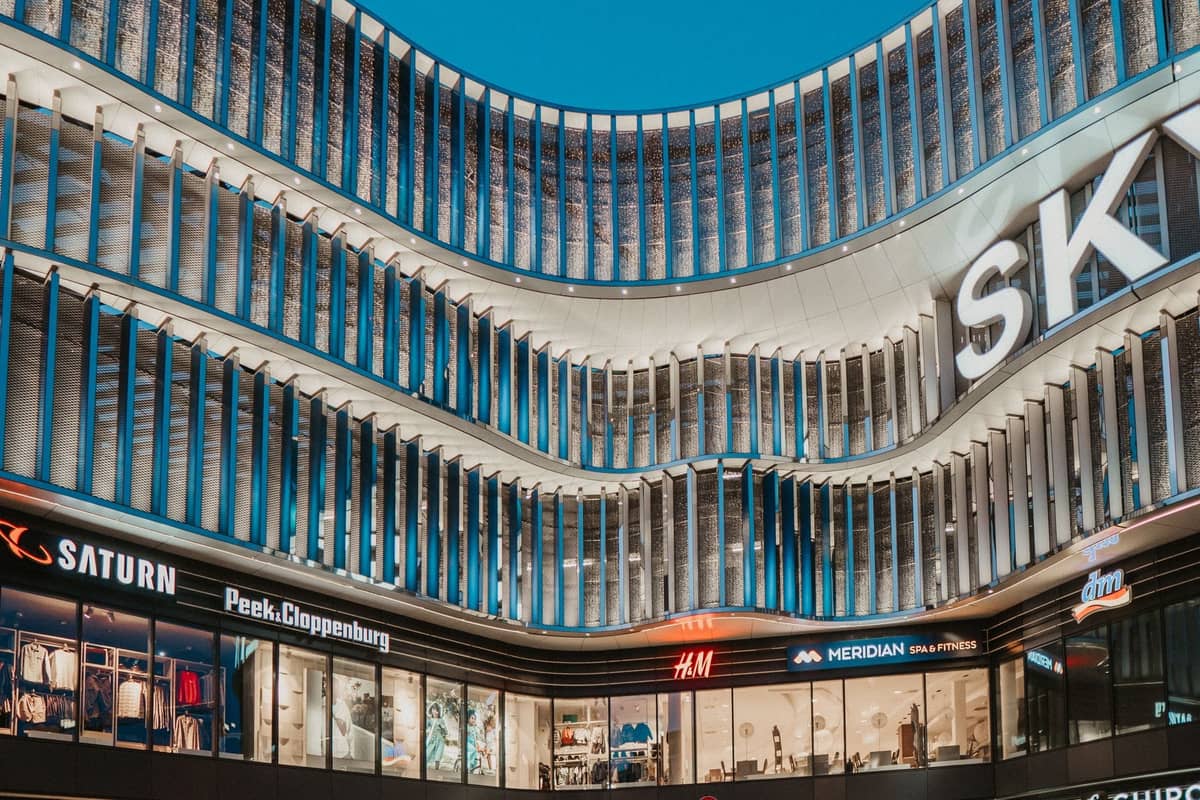
If you need international brands, electronics, or clothing outside of craft-market hours, Riga has several large shopping centres. Origo Mall is directly attached to the central railway station, making it convenient for a quick stop. Galerija Centrs and Galleria Riga are both in the Centre district within walking distance of Old Town. Stockmann, the Finnish department store, carries a broader range of mid-to-high-end goods. All major malls generally open 10:00–21:00 daily. Pricing reflects standard European rates — there are no particular bargains for international goods compared to Western Europe.
For visitors interested in Riga's architectural character as much as its shops, the Centre district around Alberta iela and the Art Nouveau quarter contains several independent boutiques and studios. This is a long walk from Central Market but rewarding if combined with the Art Nouveau architecture guide. The neighbourhood has a noticeably different pace from the Old Town tourist corridor.
Seasonal Shopping: Christmas Markets and Summer Fairs
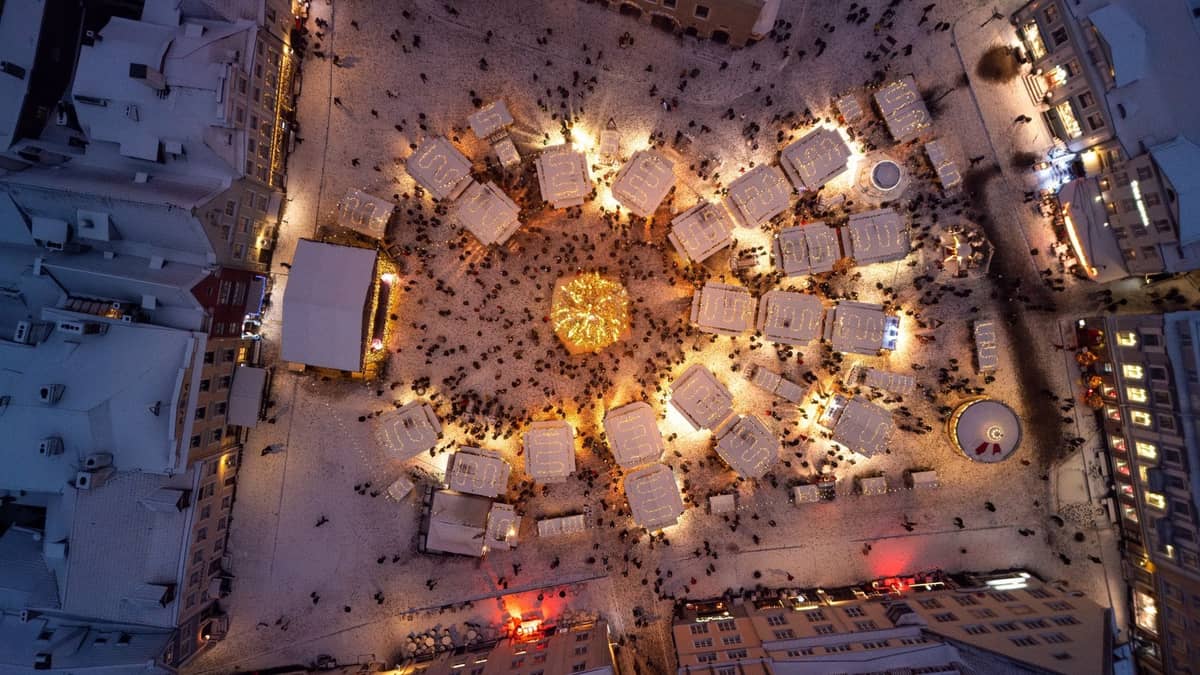
Riga's Christmas market is one of the better ones in the Baltic region and runs from late November to around early January in the Old Town squares, primarily Līvu laukums and the Dome Square area. Stalls sell handmade crafts, seasonal food (gingerbread, mulled wine, smoked meats), and Latvian design goods. Hours are typically daily from late morning through the evening. It draws significant crowds on weekends — weekday visits are more relaxed.
Beyond Christmas, summer is the high season for outdoor markets throughout the city. The best time to visit Riga for shopping specifically is June through September: outdoor stalls at Central Market are fully loaded, Kalnciema Quarter runs every Saturday, and the Āgenskalns Market is at peak variety. The Midsummer festival (Jāņi) in late June also brings a surge of traditional craft and food goods to market stalls across the city.
ℹ️ Good to know
Most market stalls still prefer cash, particularly at flea markets and smaller outdoor vendors. Renovated venues like Āgenskalns Market and Kalnciema Quarter have improved card acceptance, and all shopping malls are fully card-friendly. Carrying a mix of both is sensible for a full day of market shopping. The currency is the Euro (EUR).
FAQ
What is the best market in Riga for tourists?
Riga Central Market (Nēģu iela 7) is the most substantial and worthwhile visit: it is genuinely large, historically significant, and stocked with quality local food at fair prices. For crafts and Latvian design, Kalnciema Quarter on Saturdays is the better choice. The two markets serve different purposes and ideally you visit both.
Where can I buy authentic amber in Riga?
Established jewellery shops and reputable craft market stalls are safer than street kiosks or Old Town souvenir shops. Look for amber with natural inclusions and non-uniform colouring — pure transparent amber in perfect shapes is often synthetic. The Latvian amber craft tradition is long-standing; Berga Bazārs has several jewellers with quality pieces.
What time does Riga Central Market close?
The indoor pavilions close at 17:00, and outdoor stalls close at 18:00. The Farmers' Night Market runs from 17:30 to 07:30. Plan morning visits for the best selection and fewest crowds.
Is shopping in Riga cheap compared to Western Europe?
For locally produced goods — food at Central Market, craft items, Riga Black Balsam from supermarkets, linen from markets — prices are noticeably lower than in Western European capitals. International brand goods in malls are priced at standard European rates with no particular discount.
What are the best things to bring home from Riga?
The most practical and genuinely Latvian choices are: Riga Black Balsam (buy at a supermarket, not a tourist shop), vacuum-packed smoked fish or rye bread from Central Market, amber jewellery from a reputable seller, and linen textiles from Kalnciema Quarter or Āgenskalns Market. Avoid the generic souvenir merchandise concentrated in Old Town kiosks.