What to Eat in Riga: A Complete Latvian Food & Drink Guide
Latvian cuisine is built on rye, pork, fish, and preserved foods shaped by centuries of cold-climate cooking. This guide covers the essential dishes, drinks, and food spots to know before you eat your way through Riga — from Central Market stalls to traditional cafeterias and beyond.
Plan and book this trip
Tools from our partner Travelpayouts help you compare flights and hotels. If you book through them, we may earn a commission at no extra cost to you.
Flights
Hotels map
TL;DR
- Latvian food is hearty, rooted in rye bread, pork, potatoes, fish, and dairy — not just meat-heavy stews, though those exist too.
- The Riga Central Market is the single best place to sample local food in one visit — go in the morning for the full selection.
- Self-service cafeterias like Lido offer authentic meals for around €4–11, making them ideal for budget travelers.
- Key dishes to seek out: rupjmaize (dark rye bread), pelēkie zirņi (grey peas with bacon), rasols (potato salad), sprats, and sklandrausis (rye pastry tart).
- For broader trip planning, see the full Riga travel guide for context on neighborhoods and timing.
The Building Blocks of Latvian Cuisine
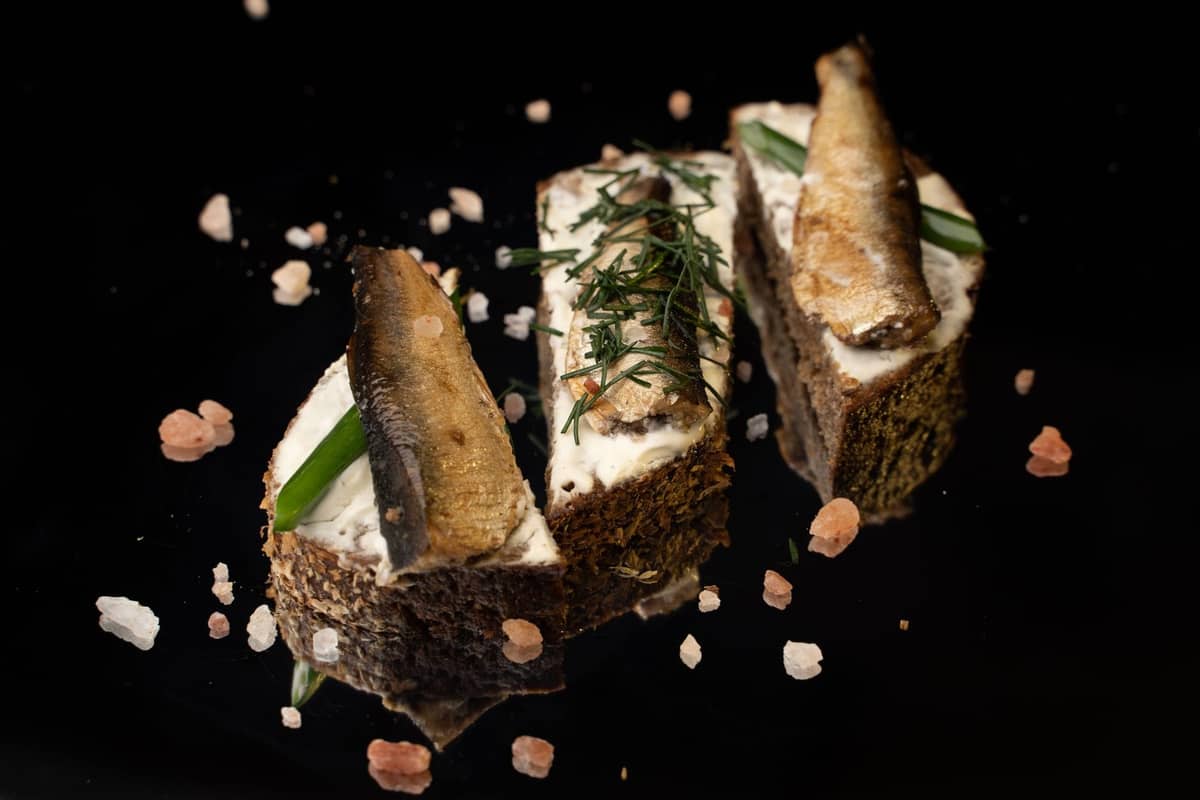
Latvian food evolved to fuel people through long, cold winters. The cuisine relies on a short list of core ingredients: dark rye, potatoes, pork, smoked fish, cabbage, dairy, and preserved or fermented foods. Smoking, salting, pickling, and fermenting are not novelty techniques here — they are the backbone of how food has been stored and flavored for generations.
What this means for a visitor is that the flavor profile skews earthy, sour, smoky, and dense. You will not find light Mediterranean plates or spice-forward cooking at a traditional Latvian table. That said, Riga is a capital city with a diverse food scene, and the traditional fare sits alongside Scandinavian-influenced modern restaurants, excellent fish dishes, and a growing vegetarian-friendly segment.
ℹ️ Good to know
Latvian cuisine is frequently lumped in with Eastern European food, but it has more in common with Estonian and Lithuanian cooking than with Polish or Czech cuisine. The Baltic influence — particularly smoked fish and rye — is the defining thread.
Essential Latvian Dishes to Try in Riga
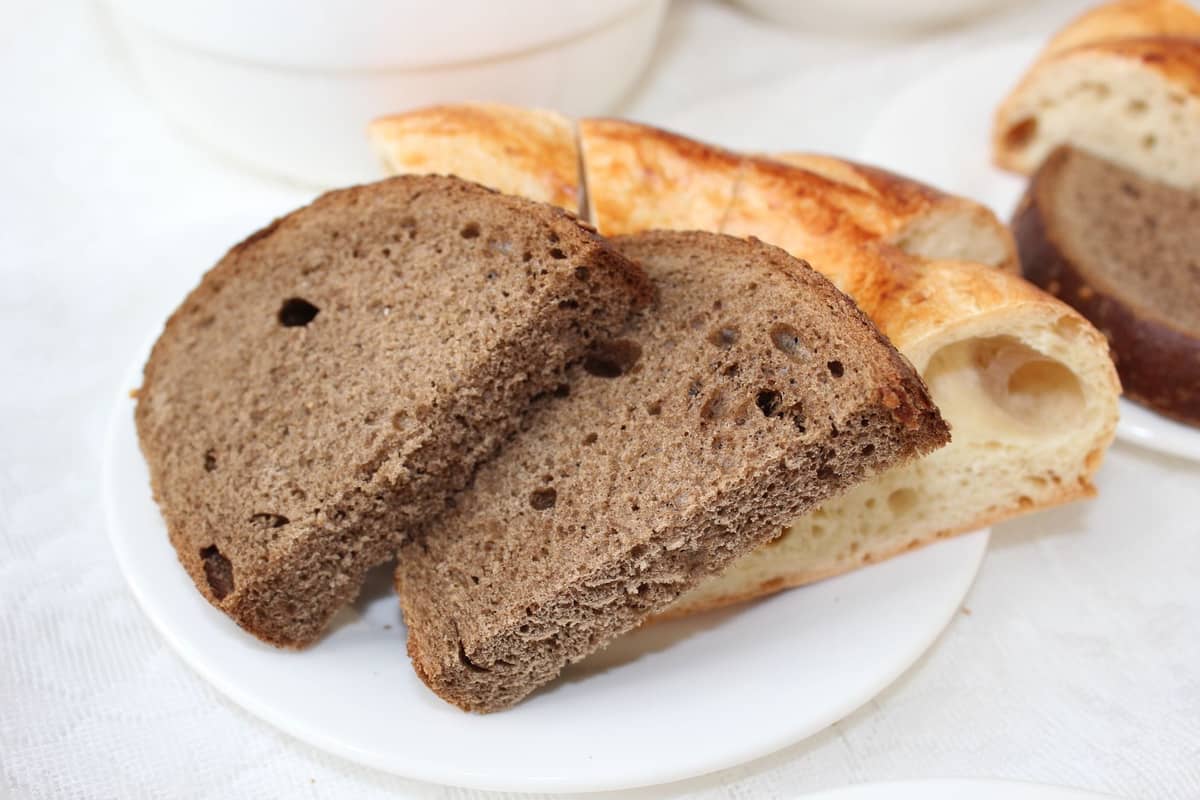
Start with rupjmaize — dark rye bread that is denser, sourer, and more intensely flavored than any supermarket rye you have encountered. It is served with almost every meal and often eaten with butter, smoked fish, or a slice of cheese. Good rupjmaize has a slightly sticky crumb and a mildly bitter, fermented aftertaste. If you try nothing else, try this.
- Rupjmaize Dark rye bread; the cornerstone of Latvian eating. Look for it at Central Market or served as a starter in any traditional restaurant.
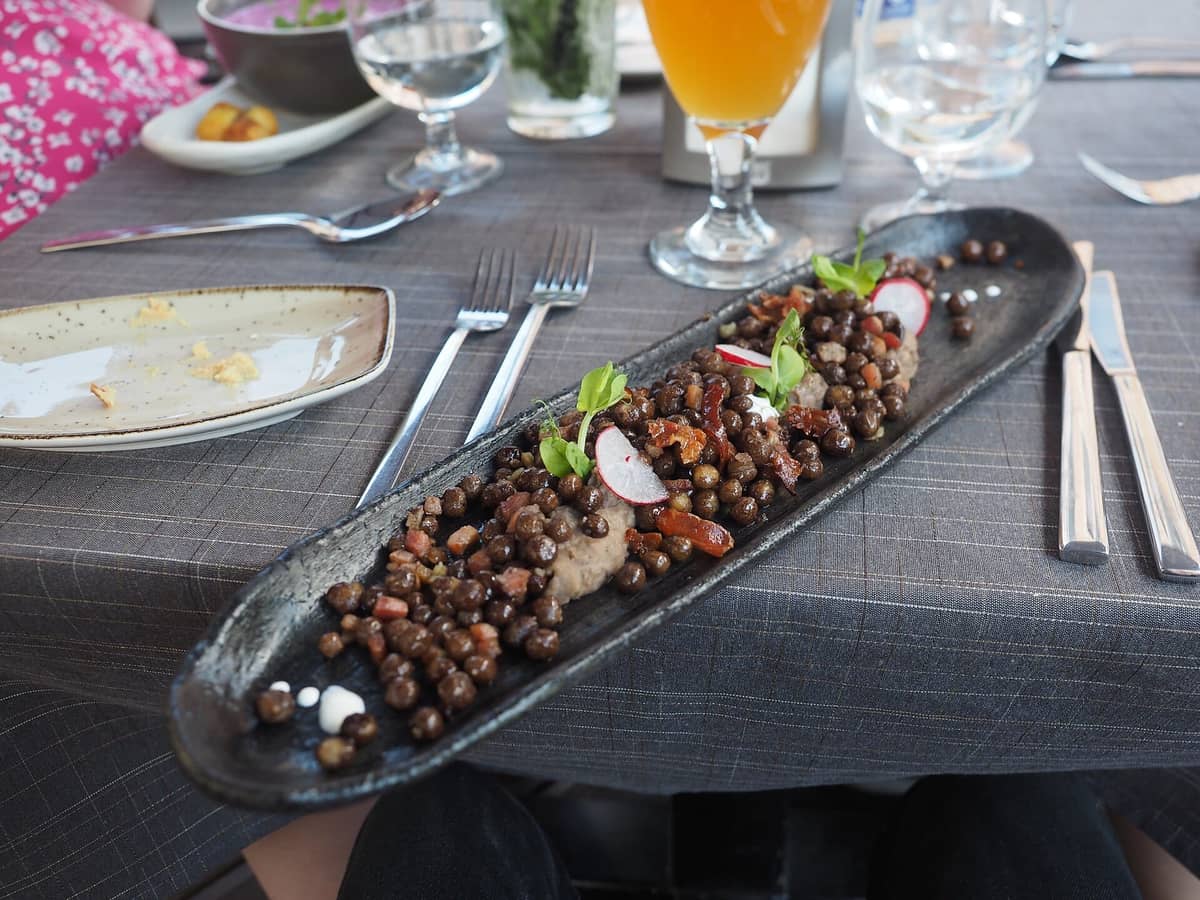
- Pelēkie zirņi Grey peas cooked with smoked bacon or lard. A national dish, traditionally served at Midsummer (Jāņi) but available year-round.
- Rasols A cold salad of diced potatoes, ham or sausage, gherkins, eggs, and mayonnaise. Similar to Olivier salad but distinctly Latvian in proportion and taste.
- Sklandrausis A small open-faced tart made from rye pastry filled with mashed potato or carrot and sweetened with honey or sugar. Has EU-protected geographical indication status.
- Smoked and marinated sprats Tiny canned or freshly smoked Baltic sprats are a genuine local staple, not a tourist gimmick. Often served on rye bread with mustard or pickles.
- Cabbage soup (skābeņu zupa) Thick, warming, and slightly sour from fermented cabbage. Common in winter and at self-service cafeterias.
- Kefīrs and rūgušpiens Fermented dairy drinks available in every supermarket. Kefīrs is tart and drinkable; rūgušpiens is thicker, like a pourable yogurt. Both are worth trying with a piece of rye bread.
One dish worth knowing about before you order: aukstā zupa, or cold beet soup. It is brilliant in summer — a cold, bright-pink bowl of kefir, beets, cucumbers, and dill, usually served with a hot boiled potato on the side. In winter it disappears from most menus. If you are visiting between June and August, order it at least once.
💡 Local tip
Sklandrausis is easy to overlook because it looks plain, but the combination of rye, carrot, and honey is unexpectedly good. Look for it at Riga Central Market or at bakeries in the Old Town.
Where to Eat in Riga: Markets, Cafeterias, and Restaurants
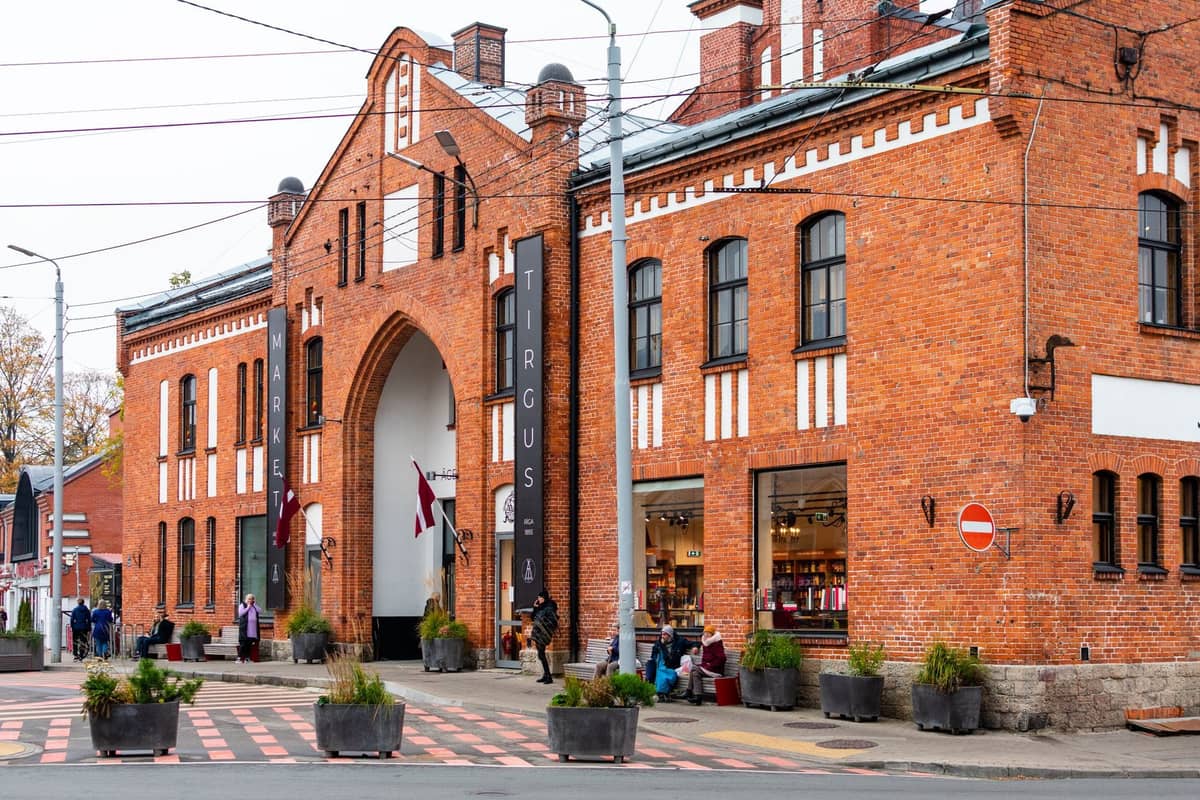
The Riga Central Market (Rīgas Centrāltirgus) is the most important food destination in the city. Housed in five giant zeppelin hangars near the train station, it covers over 72,000 square meters and sells everything from fresh fish and smoked meats to cheese, bread, pickles, and produce. Arrive before noon on a weekday for the best variety and shorter queues. It is genuinely one of the largest markets in Europe and is located just next to the UNESCO-listed Historic Centre of Riga.
For a sit-down traditional meal at low cost, the Lido chain of self-service restaurants is the most practical option in Riga. You select dishes cafeteria-style from a counter loaded with traditional Latvian food: roast pork, grey peas, beetroot salads, soups, and pastries. Expect to spend around €4–8 for a main course, or up to €11 for a full tray with soup and dessert. The quality is reliable and the portions are large. Lido is not a tourist trap — locals eat here regularly.
For a more atmospheric eating experience, Old Town Riga has a concentration of restaurants serving traditional Latvian food alongside European menus. Quality varies significantly, and the most tourist-facing spots near the main squares tend to charge a premium for mediocre versions of Latvian classics. Walk one or two streets away from Town Hall Square and the options improve and the prices drop.
The Kalnciema Quarter market, held on Saturday mornings in the Āgenskalns neighborhood across the Daugava River, is a smaller, more artisan alternative to Central Market. Local producers sell cheese, smoked meats, bread, honey, and seasonal preserves. It is calmer and more curated than Central Market, and worth the short tram ride if you are visiting on a Saturday.
⚠️ What to skip
Restaurants directly on Līvu laukums (Dome Square) and the main Old Town squares often charge significantly more for identical dishes available one street over. Check menus posted outside before sitting down — prices are legally required to be displayed.
Latvian Drinks: What to Order
Beer is the dominant alcoholic drink in Latvia, and Latvian lagers are generally good. Aldaris and Valmiermuiža are the most widely available local brands; Valmiermuiža in particular is well-regarded for its unfiltered craft beers. Craft beer has expanded significantly in Riga over the past decade, and bars in the Center and Old Town now stock Latvian craft options alongside imports.
Riga Black Balsam (Rīgas Melnais Balzams) is the iconic Latvian spirit and one of the most distinctive things you can drink in the city. It is a dark, thick, herbal liqueur made from 24 plants, flowers, and berries. The taste is intensely bitter, medicinal, and slightly sweet — comparable to Jägermeister or Fernet but more complex. It is traditionally mixed with blackcurrant juice to make it more approachable, or poured over ice cream as a dessert. Straight shots are for the committed. A small bottle makes an excellent souvenir.
- Riga Black Balsam: drink mixed with blackcurrant juice, in coffee, or on vanilla ice cream
- Valmiermuiža: unfiltered local wheat beer, widely available on draft
- Kvass: fermented rye bread drink, lightly alcoholic, earthy and slightly sour — common at markets in summer
- Aukstā tēja (cold tea): a popular non-alcoholic café order, typically a cold-brewed herbal or black tea
- Kefīrs: sold in every supermarket, earthy and drinkable, pairs well with rye bread for a cheap breakfast
✨ Pro tip
Pick up a small bottle of Riga Black Balsam at the Latvijas Balzams shop near the Old Town rather than at the airport, where prices are higher. The 0.5L ceramic bottle version is the classic format and costs around €8–12 depending on the retailer.
Practical Eating Tips for Riga

Restaurant hours in Riga follow a fairly consistent pattern: most open for lunch around noon and serve through to midnight. Cafés typically open earlier, from around 9–10am, making them the best option for breakfast. Self-service cafeterias like Lido often open earlier and close later than sit-down restaurants, which makes them useful for off-hours meals.
If you are traveling on a tight budget, eating affordably in Riga is genuinely achievable. A filling lunch at a self-service cafeteria costs less than €10. Supermarkets like Rimi and Maxima stock good local bread, dairy, smoked fish, and preserves at low prices, and a picnic-style meal from Central Market or a supermarket is one of the most authentic ways to eat in the city.
Vegetarians will find Riga manageable but should set expectations correctly. Traditional Latvian cooking is heavily meat and dairy-based, and some dishes described as meatless contain lard or smoked fat. Modern restaurants in the Centre district offer solid plant-based menus, and the fresh produce sections at Central Market are excellent. Vegans will need to look harder but options do exist, particularly in the newer café-restaurant scene.
Seasonality matters more in Riga than in many European capitals. Summer brings strawberries, chanterelle mushrooms, and fresh dill in abundance at markets. Autumn is the season for preserved mushrooms, game dishes, and apple-based desserts. Winter food, covered in detail in the Riga winter guide, favors hearty soups, smoked meats, and the warming Black Balsam drinks that appear on café menus from October onward.
FAQ
What is the most traditional Latvian food to try in Riga?
Dark rye bread (rupjmaize) and grey peas with bacon (pelēkie zirņi) are considered the most quintessentially Latvian dishes. Both are widely available and inexpensive. Sklandrausis, the rye pastry tart with carrot or potato filling, is another genuinely local item worth seeking out at Central Market.
How much does food cost in Riga?
A main course at a self-service cafeteria like Lido runs around €4–8. A full sit-down meal at a mid-range restaurant costs approximately €15–25 per person including a drink. Old Town restaurants at peak tourist spots can charge significantly more. Supermarkets and market stalls are the cheapest option for snacks and ingredients.
Where is the best place to try Latvian food in Riga?
Riga Central Market is the best single stop for sampling local produce, breads, smoked fish, and cheese. For cooked traditional meals, self-service cafeterias like Lido offer the most authentic range at honest prices. Avoid the most tourist-facing restaurants on Town Hall Square — quality is inconsistent and prices are higher.
Is Latvian food good for vegetarians?
Traditional Latvian cuisine is predominantly meat and dairy-based, and many dishes contain lard or smoked fat even when they appear vegetarian on the menu. However, Riga's modern restaurant scene has grown considerably and there are good vegetarian and vegan options in the Centre district. Central Market's produce section is also excellent for fresh vegetables, bread, and cheese.
What should I drink in Riga?
Riga Black Balsam is the signature local spirit — a bitter herbal liqueur best mixed with blackcurrant juice. Local lagers and the Valmiermuiža craft beer range are reliable options. In summer, kvass (a fermented rye drink sold at markets) is worth trying. Kefīrs and rūgušpiens are the local fermented dairy drinks found in every supermarket.