Museum of the History of Riga and Navigation: Latvia's Oldest Public Museum Inside the Dome Cloister
Founded in 1773 and housed within the medieval cloister of the Riga Dome Cathedral complex, the Museum of the History of Riga and Navigation is the oldest public museum in Latvia. Its collections span Baltic archaeology, city history, and centuries of maritime trade, all within one of Old Town Riga's most atmospheric architectural settings.
Quick Facts
- Location
- Palasta iela 4, Old Town Riga (Vecrīga), LV-1050
- Getting There
- 10–15-minute walk from Riga Central Station; the museum sits at the Dome Cathedral cloister in the heart of Old Town
- Time Needed
- 1.5 to 2.5 hours for a thorough visit
- Cost
- Adults €5, students/seniors €3, pupils €1, family €7, children under 7 free
- Best for
- History enthusiasts, architecture lovers, rainy-day culture seekers
- Official website
- www.rigamuz.lv/rvkm/en
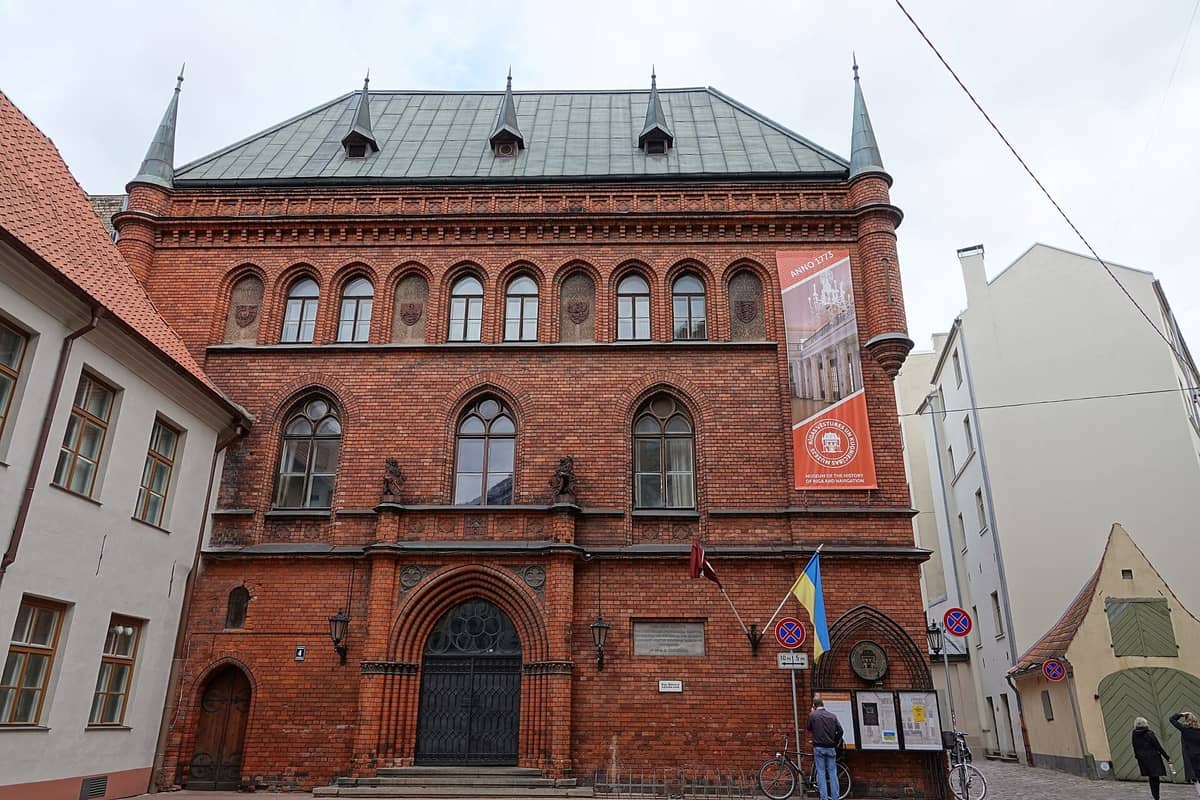
What Is the Museum of the History of Riga and Navigation?
The Museum of the History of Riga and Navigation, known in Latvian as Rīgas vēstures un kuģniecības muzejs, holds a distinction that few institutions in the Baltic states can claim: founded in 1773 and open to the public, it is the oldest public museum in Latvia and one of the oldest in Europe. That date matters because it places the museum's founding well before Latvian independence, before the Russian Empire's peak influence on the region, and deep within the era of Riga's flourishing Hanseatic legacy.
The museum occupies the cloister of the Riga Dome Cathedral ensemble, a Gothic complex that has anchored the spiritual and civic life of Old Town since the 13th century. Walking through its arched stone corridors before you even reach the first exhibit sets a tone that few city history museums can replicate. The building is part of the experience, not just a container for it.
💡 Local tip
The museum closes on Mondays and Tuesdays year-round and is open Wednesday–Sunday, 10:00–17:00. Plan accordingly, especially in winter when shorter daylight hours limit your Old Town walking time.
The Setting: A Medieval Cloister as Exhibition Space
Even before you pay admission, the approach along Palasta iela signals you are entering somewhere distinct. The narrow cobblestone lane runs along the side of the Dome Cathedral, and the entrance to the museum complex sits quietly within the cloister wall, easy to miss if you are rushing. Once inside, the cloister garden courtyard opens up around you, framed by Gothic arcading on multiple sides. In summer, the stone stays cool even at midday. In winter, the bare arches look severe and genuinely medieval.
The cloister itself dates from the 13th century, though it has been substantially modified over the following centuries. The building's irregular room sizes and low doorways are not design choices by a museum architect but the actual constraints of a medieval religious structure repurposed for public education. Some of the display spaces feel spacious; others are intimate to the point of being almost crowded with just a few visitors inside. That architectural unpredictability keeps the route through the collection feeling exploratory rather than procedural.
Tickets & tours
Hand-picked options from our booking partner. Prices are indicative; availability and final rates are confirmed when you complete your booking.
Exclusive historical walking tour of Riga with a local
From 600 €Instant confirmationFree cancellationCanal boat sightseeing tour in Riga
From 13 €Instant confirmationArt and culture walking tour of Riga with a local
From 66 €Instant confirmationFree cancellationSelf-guided discovery walk in Riga - the essential old town and its secrets
From 30 €Instant confirmationFree cancellation
The Collections: 800 Years of Riga in Object Form
The museum's permanent collection covers Riga's history from its founding in 1201 through the 20th century, with particular depth in the periods of Hanseatic prosperity and Baltic German civic culture. You will find archaeological finds from the earliest layers of the city, guild artifacts, ceremonial silverware, and an extensive collection of maps and city plans that trace how Riga's urban form evolved over eight centuries.
The navigation section earns its place in the museum's name. Riga's identity as a trading port shaped everything about the city, from its street layout to its social hierarchy, and the maritime exhibits reflect that. Ship models, navigational instruments, merchant ledgers, and trade goods recovered from the riverbed of the Daugava offer a concrete picture of what it meant for Riga to be one of the most significant ports on the eastern Baltic coast from the 13th through the 18th centuries.
For visitors already exploring Riga's layered past, the museum pairs naturally with the Museum of the Occupation of Latvia a short walk away, which picks up roughly where this collection ends, covering the Soviet and Nazi occupation periods in depth.
How the Visit Changes by Time of Day
Morning visits, between opening at 10:00 and about 11:30, are consistently the quietest. School groups occasionally arrive mid-morning, but on weekdays outside of local school holidays the galleries remain largely uncrowded. The cloister courtyard catches low-angle morning light in a way that makes it worth pausing in before entering the main exhibits.
Afternoons on weekends see more visitors, particularly in summer when Old Town foot traffic is at its peak. The rooms become warmer and slightly noisier, though the stone walls absorb sound better than modern museum construction typically does. If you are visiting specifically for photography of the cloister architecture, early weekday mornings in late spring or early autumn offer the clearest light and the fewest people in frame.
ℹ️ Good to know
Seasonal hours: May 1 through September 30, the museum is open daily 10:00–17:00. October 1 through April 30, it operates Wednesday through Sunday only, 10:00–17:00. Always confirm current hours at rigamuz.lv/rvkm/en before your visit.
Practical Walkthrough: Getting There and Getting Around Inside
The museum sits in Old Town Riga at Palasta iela 4, directly adjacent to the Dome Cathedral complex. From Riga Central Station, it is a straightforward 10-minute walk north through the Old Town pedestrian streets. There is no direct tram or bus stop at the entrance; the Old Town is best navigated on foot, and the museum is well within the walkable core.
Inside, the layout follows the cloister's original structure, meaning the route is not entirely linear. Signage is available in Latvian and English. Audio guides may be available for certain exhibitions; check the official website for current offerings before your visit. The museum shop at the exit carries a respectable selection of publications on Latvian and Baltic history, some of which are difficult to find elsewhere.
On accessibility: the cloister's medieval stone floors and narrow doorways present real challenges for visitors with mobility limitations. Specific accessibility information is not detailed in official materials at the time of writing, so it is worth contacting the museum directly before visiting if this is a concern.
⚠️ What to skip
Wear comfortable, flat shoes. The cloister floors are original stone, uneven in places, and can be slippery when wet after rain. This is not a venue suited to heels or unsupported footwear.
Practical Assessment: Is It Worth Your Time?
If your interest in Riga is primarily visual, focused on architecture and street atmosphere, you will likely be more engaged by a walk along Alberta iela or the exterior of the Three Brothers buildings than by this museum. The collection rewards those who read the context provided alongside each object, and that takes time and genuine curiosity about Baltic history.
For travelers who want to understand why Riga developed the way it did, how a small river port became the largest city in the Baltic states, and what daily life looked like across different centuries and ruling powers, this museum is one of the most substantive places in the city to find those answers. The 1773 founding date is not marketing copy; the institution has genuine depth accumulated over 250 years of collecting.
If you are building a broader itinerary, the Old Town walking tour pairs well with a stop here, giving you the street-level visual context that the museum's exhibits then explain in historical detail.
Children under about 10 may find the collection difficult to engage with without significant parental explanation. The exhibits are object-heavy and text-dependent, without the interactive installations that newer city museums use to hold younger visitors' attention. Teenagers with an interest in history or ships are a different matter.
Insider Tips
- The cloister courtyard is one of the quietest outdoor spaces in all of Old Town Riga on a busy summer afternoon. Even if you are uncertain about the exhibits, it is worth paying admission just to sit in the courtyard for 20 minutes and escape the tourist foot traffic on the surrounding streets.
- The museum's collection of historical Riga city maps is particularly strong. If cartography or urban history interests you, ask at reception whether the current display includes the large-format historical plans; they are among the most detailed records of how Old Town's street pattern formed.
- Family ticket pricing at €7 represents genuine value if you have two adults and at least one child. The per-person adult price is €5, so the family ticket pays off immediately for groups of three or more.
- The Dome Cathedral cloister and the museum share the same complex, but they are separately ticketed attractions. Budget time for both if you are visiting the area; the cloister's acoustics and medieval stonework are worth experiencing independent of the museum exhibits.
- Off-season visits from November through February are notably uncrowded. The stone interior stays cool regardless of season, so dress in layers; it can feel noticeably cold inside even when outdoor temperatures are mild.
Who Is Riga Museum of History and Navigation For?
- History enthusiasts who want substantive context on Riga's Hanseatic and maritime past
- Architecture lovers drawn to authentic medieval cloister spaces
- Rainy-day visitors needing a meaningful indoor alternative in Old Town
- Travelers who have already seen the exterior landmarks and want depth beyond facades
- Anyone with a specific interest in Baltic trade history, navigation, or cartography
Nearby Attractions
Other things to see while in Old Town (Vecrīga):
- Bremen Town Musicians Sculpture
Standing on Skārņu iela in Riga's medieval Old Town, this bronze sculpture of four stacked animals tells a Brothers Grimm story while carrying a quietly powerful political message about the end of the Iron Curtain. Cast in 1990 and gifted by the city of Bremen, it's free to visit, open around the clock, and one of the most photographed corners of Vecrīga.
- House of the Blackheads
Standing on Town Hall Square in Riga's Old Town, the House of the Blackheads is a reconstructed 14th-century guild hall with an ornate Dutch Renaissance facade that stops pedestrians cold. Behind the stone and gilded detail lies a layered story of medieval merchant culture, wartime destruction, and Latvian national pride.
- Museum of the Occupation of Latvia
Housed in the heart of Riga Old Town, the Museum of the Occupation of Latvia documents 51 years of Soviet and Nazi rule from 1940 to 1991. It is one of the most carefully assembled historical museums in the Baltic states, and a visit here fundamentally changes how you understand the country around you.
- Powder Tower & Latvian War Museum
The Powder Tower (Pulvertornis) is the sole surviving tower from Riga's medieval city walls, first recorded in 1330. Today it houses the Latvian War Museum, a free, well-curated institution spanning centuries of Baltic military history. It stands at the northern edge of Old Town, easy to find and easier to underestimate.