Castello & Sempione stretches from the medieval walls of Castello Sforzesco across Milan's largest urban park to the neoclassical Arco della Pace. It combines serious cultural institutions with relaxed green space and a neighborhood dining scene that draws locals far more than tourists.
Castello & Sempione is where Milan exhales. The Castello Sforzesco anchors the eastern end with centuries of civic history, while Parco Sempione spreads westward across 386,000 square meters of lawns, alleys, and ponds before giving way to the neighborhoods gathered around the Arco della Pace. Few areas in the city offer this combination of cultural weight and genuine daily life in such close proximity.
Orientation
Castello & Sempione occupies a broad northwest-facing wedge of central Milan, falling within Municipio 1. Its eastern edge begins at Piazza Castello and Piazza Cairoli, where the great brick ramparts of the Sforza fortress face the city. From there, the neighborhood expands westward into Parco Sempione, bounded to the north and northeast by Viale Elvezia and Viale Milton, and to the south and southwest by Via Mario Pagano and Via Bertani. At the far northwestern corner of the park, the Arco della Pace marks the point where the green space gives way to urban streets, with Corso Sempione running northwest from the arch toward the outer city.
Geographically, this places the neighborhood between several of Milan's most visited areas. To the southeast, Piazza Cairoli connects within minutes to the Duomo district and Brera. To the northeast, Via Legnano leads toward Porta Nuova and Isola. The western residential streets off Corso Sempione and around the Arco della Pace form a quieter, more intimate urban fabric that many visitors never reach, even though it sits only 15 minutes on foot from the Galleria Vittorio Emanuele II.
Understanding this position on the map is useful for planning. The Castello & Sempione area acts as a natural pivot between the historic city center and the quieter residential neighborhoods of the northwest. It also sits within easy reach of Brera, making it practical to combine both districts in a single half-day on foot.
Character & Atmosphere
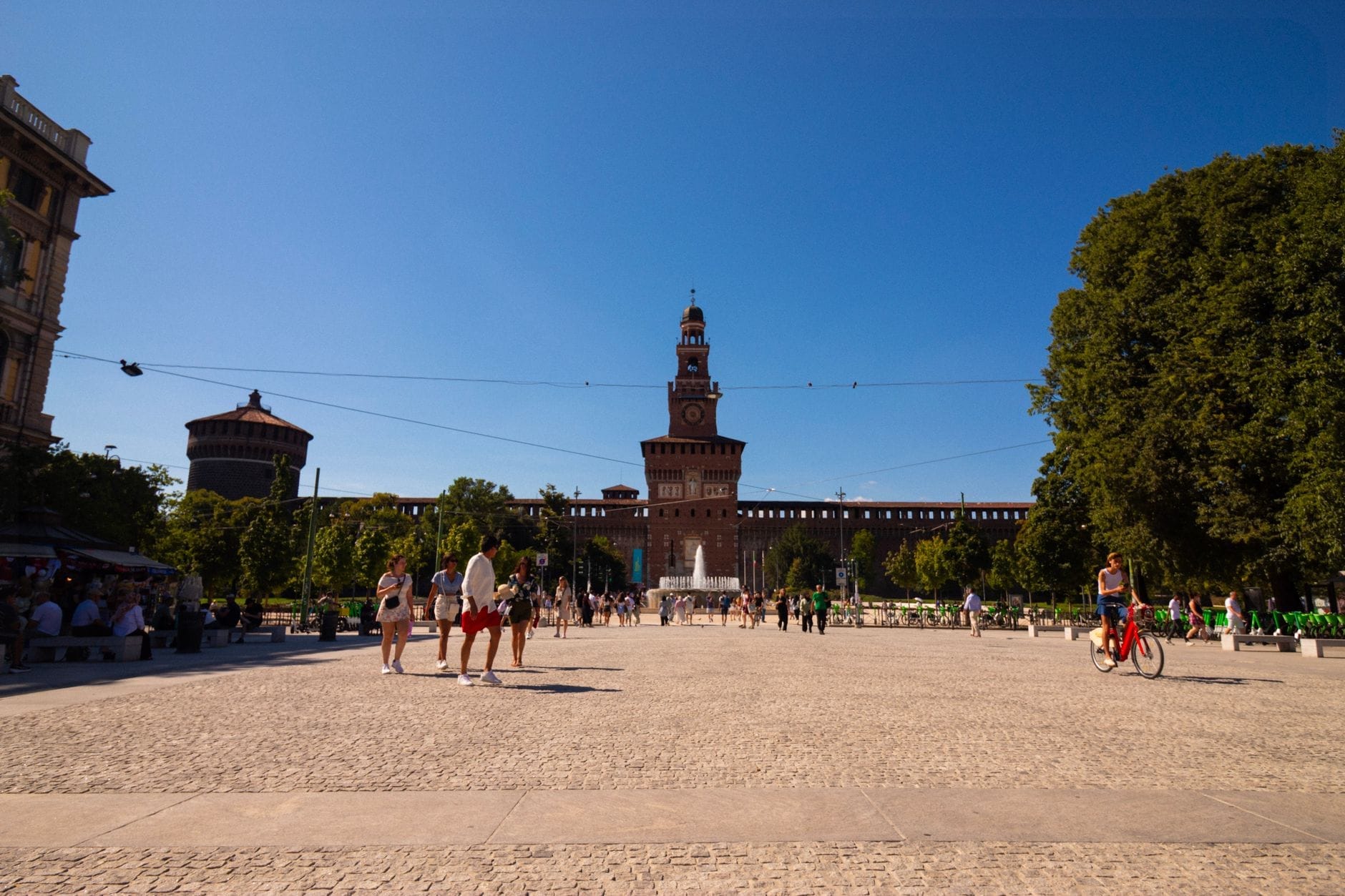
The tempo of this neighborhood changes more dramatically depending on the time of day than almost anywhere else in Milan. Early morning in Parco Sempione belongs to runners, dog walkers, and elderly Milanese men feeding pigeons near the central pond. The light filters through the park's mature plane trees in long diagonal beams, the paths are cool and quiet, and the Castello Sforzesco looms at the far end of the main axis looking more fortress than museum. It is, for those few hours, a genuinely peaceful corner of a major European city.
By midday the park fills with office workers eating lunch on the grass and school groups moving in loose clusters toward the castle gates. The Triennale terrace starts doing steady business. In summer, the central lawn around the small lake can become quite crowded, particularly on weekends. The atmosphere is relaxed rather than touristic, though: this is a park that Milanese people actually use, not one that exists primarily for visitors.
After dark, the area bifurcates. The park itself closes in the late evening, with fenced, controlled opening hours that vary by season, so it empties out cleanly. But the streets around the Arco della Pace and along the edges of Corso Sempione take on a completely different energy, with aperitivo bars, restaurants, and some of Milan's more relaxed nightlife drawing crowds that tend to be younger and less tourist-heavy than those in Navigli or Brera. The arch itself is lit at night and worth a short detour even if you are not eating in the area.
ℹ️ Good to know
Parco Sempione is fenced and has controlled opening hours: it opens early in the morning and closes in the late evening (hours vary by season). Plan any park visit accordingly, particularly in winter when darkness falls early.
What to See & Do
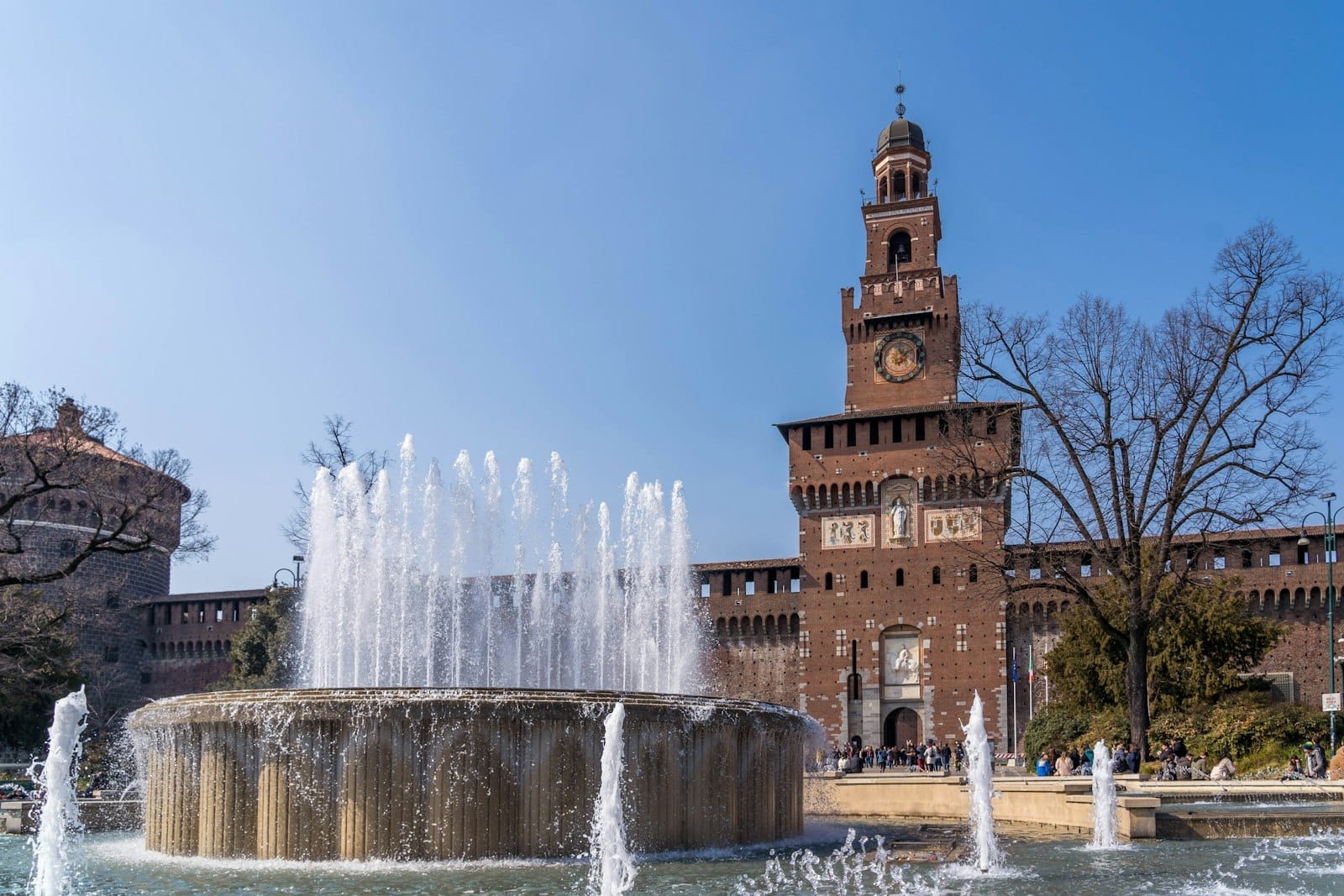
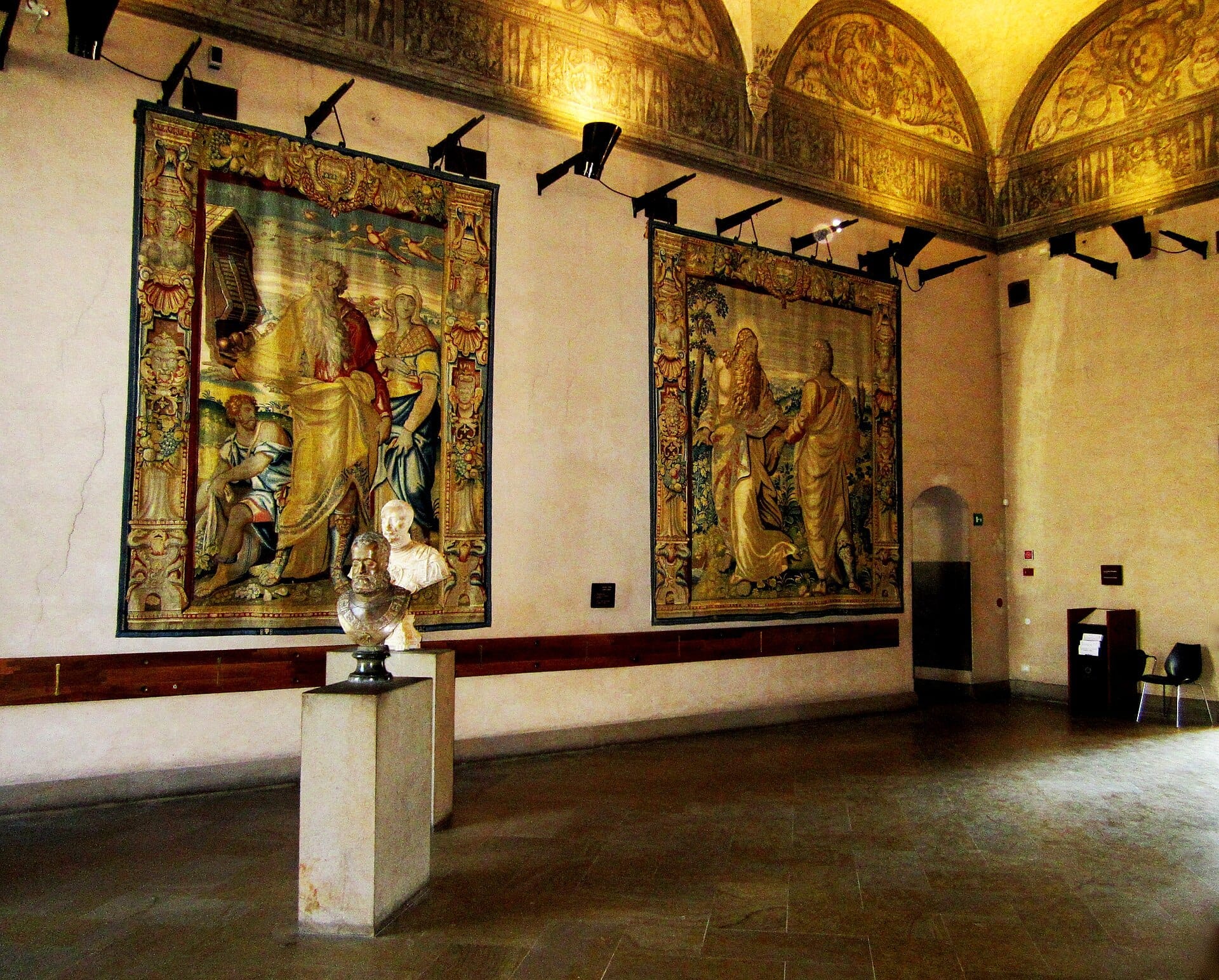
The Castello Sforzesco is the unmissable anchor of the neighborhood. Originally built in the 15th century by Francesco Sforza on the site of an earlier Visconti fortress, it was later redesigned by Bramante and Filarete and served as both a military stronghold and a Renaissance court. Today the complex houses the Musei del Castello, a group of civic museums spread across its courtyards and towers covering Egyptian antiquities, musical instruments, decorative arts, and Michelangelo's unfinished Rondanini Pietà, one of the most affecting works of late Renaissance sculpture in Italy.
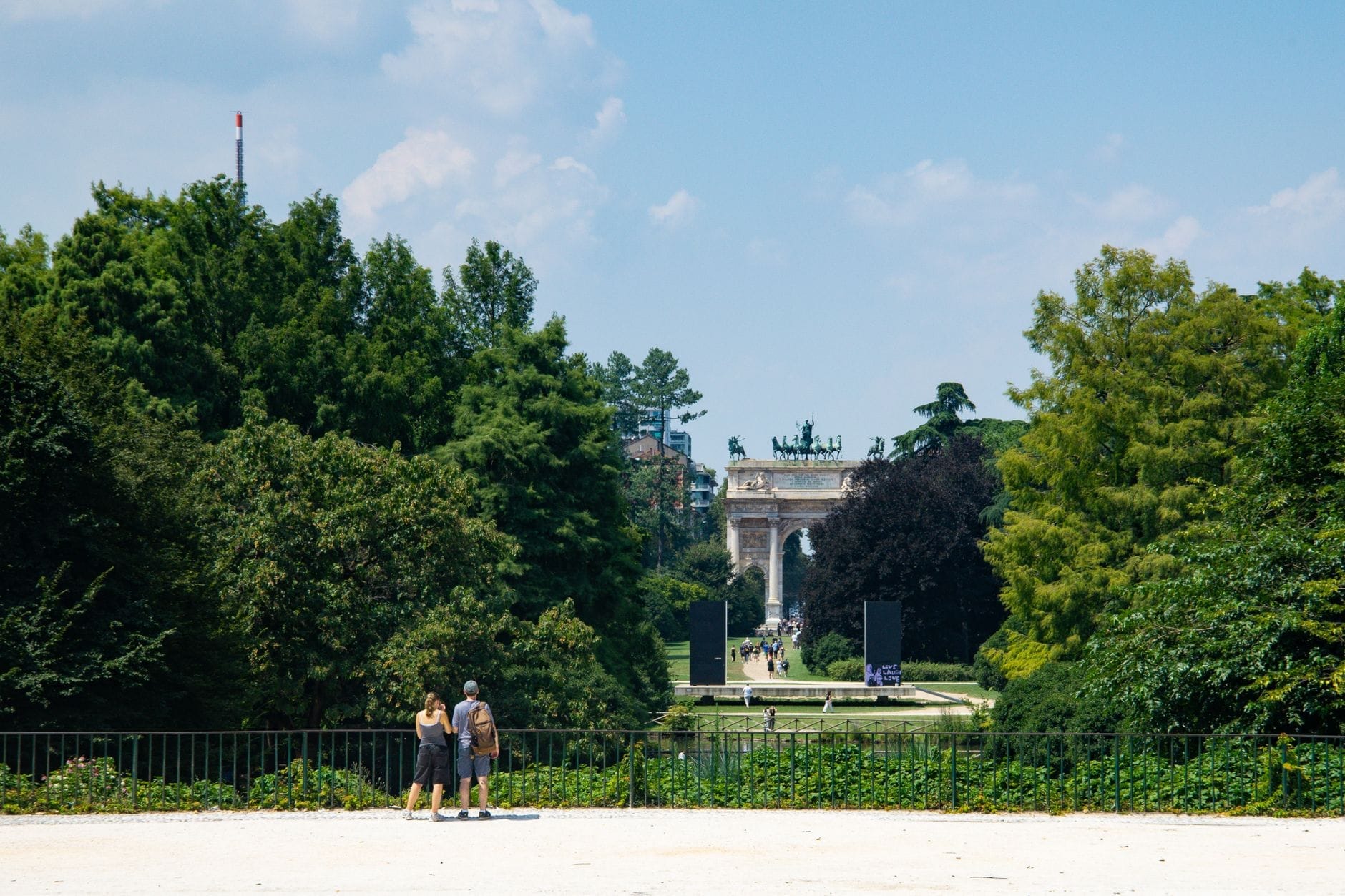
Directly behind the castle, Parco Sempione was laid out in the 1880s on the former ducal parade grounds and military training field, designed by Emilio Alemagna in the English landscape style. The result is Milan's most significant green space: 386,000 square meters of informal paths, a central pond, and a deliberately naturalistic layout that contrasts with the formal geometry of the castle walls.
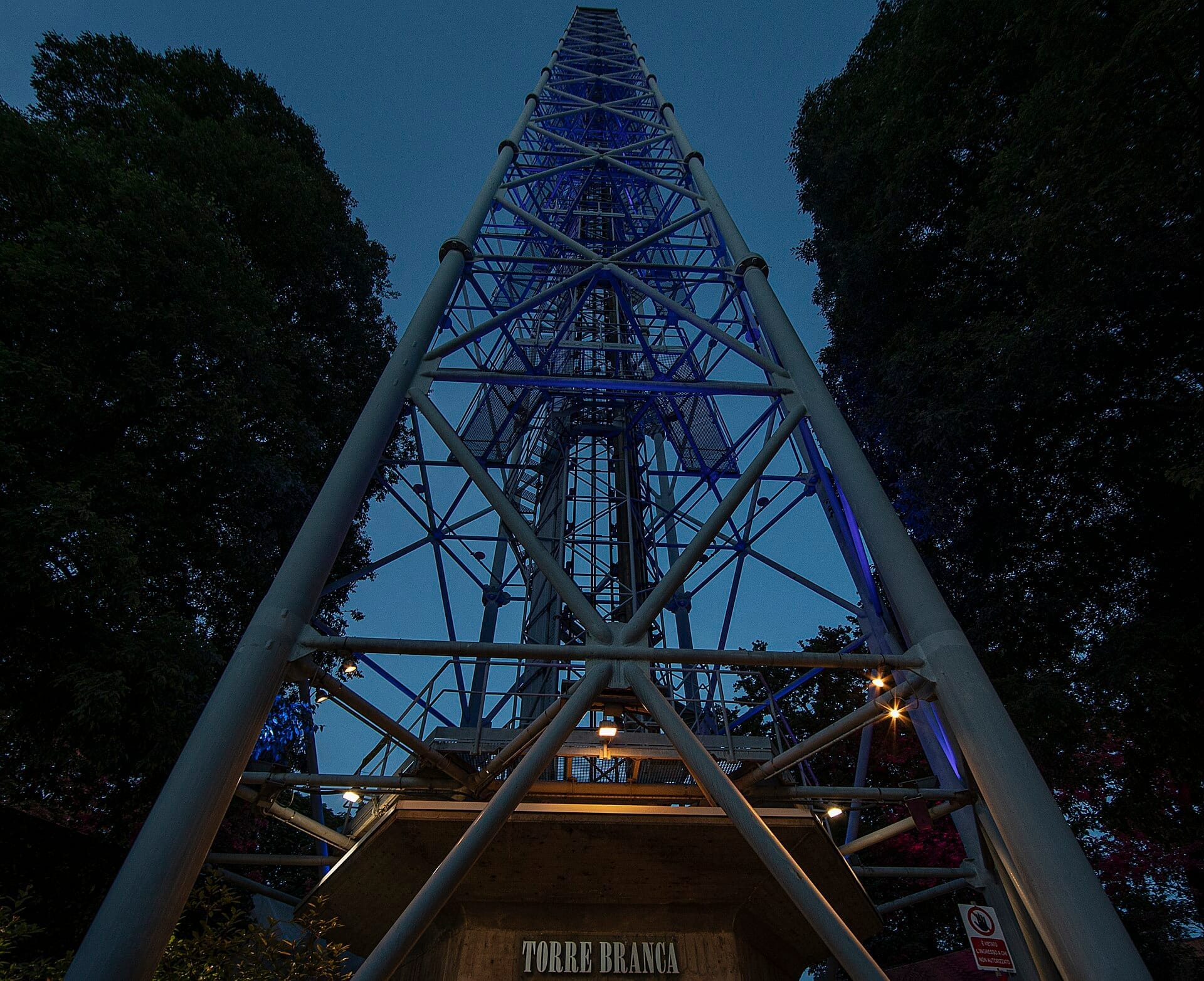
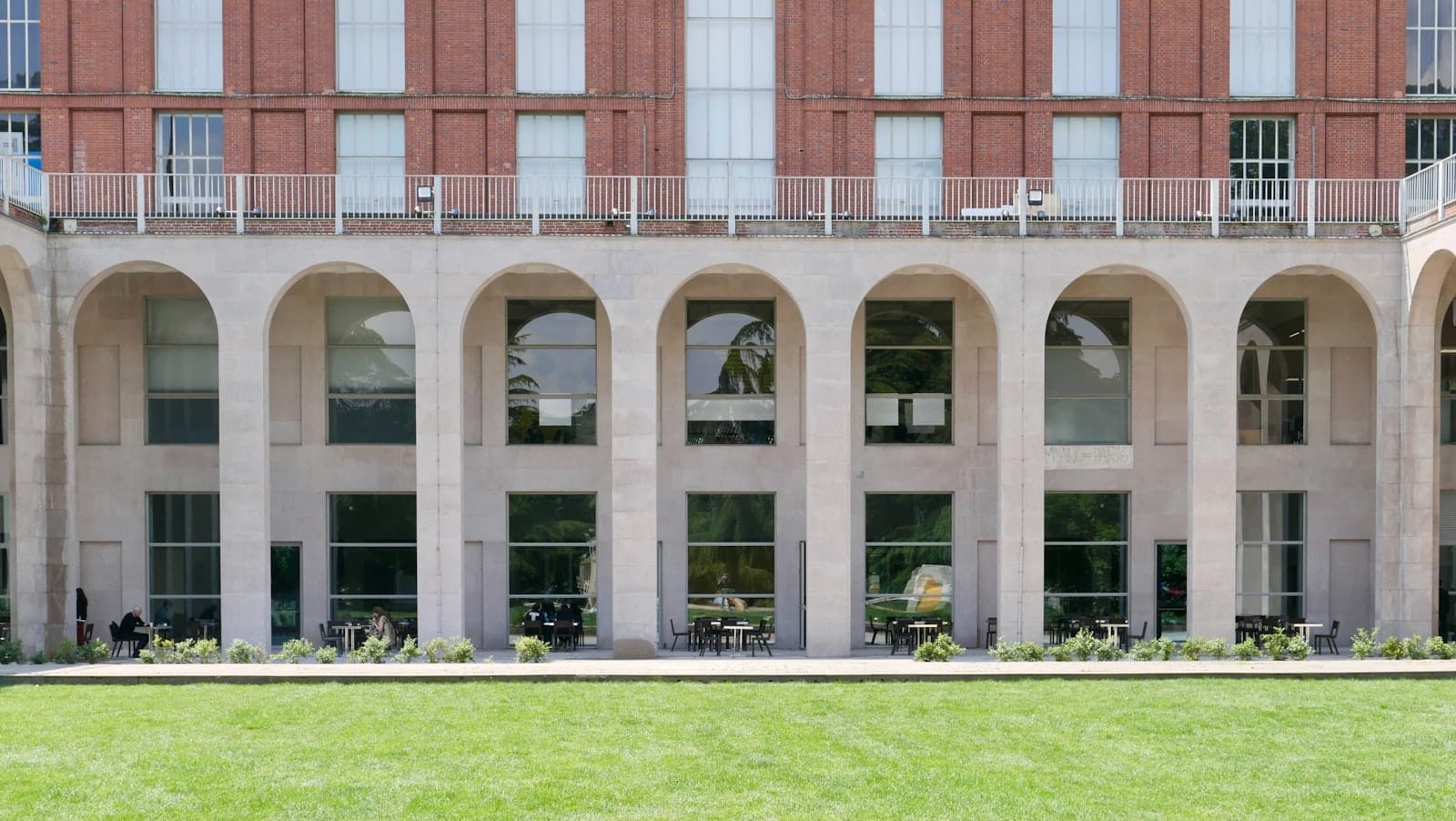
Within the park itself, several smaller attractions merit attention. The Torre Branca is a slender steel tower designed by Gio Ponti in 1933 that rises 108.6 meters above the park and offers one of the clearest views across central Milan when it is open. The Triennale Design Museum sits at the park's southern edge and hosts rotating exhibitions on architecture, design, fashion, and visual arts, making it one of the better cultural stops in the city for design-focused visitors.
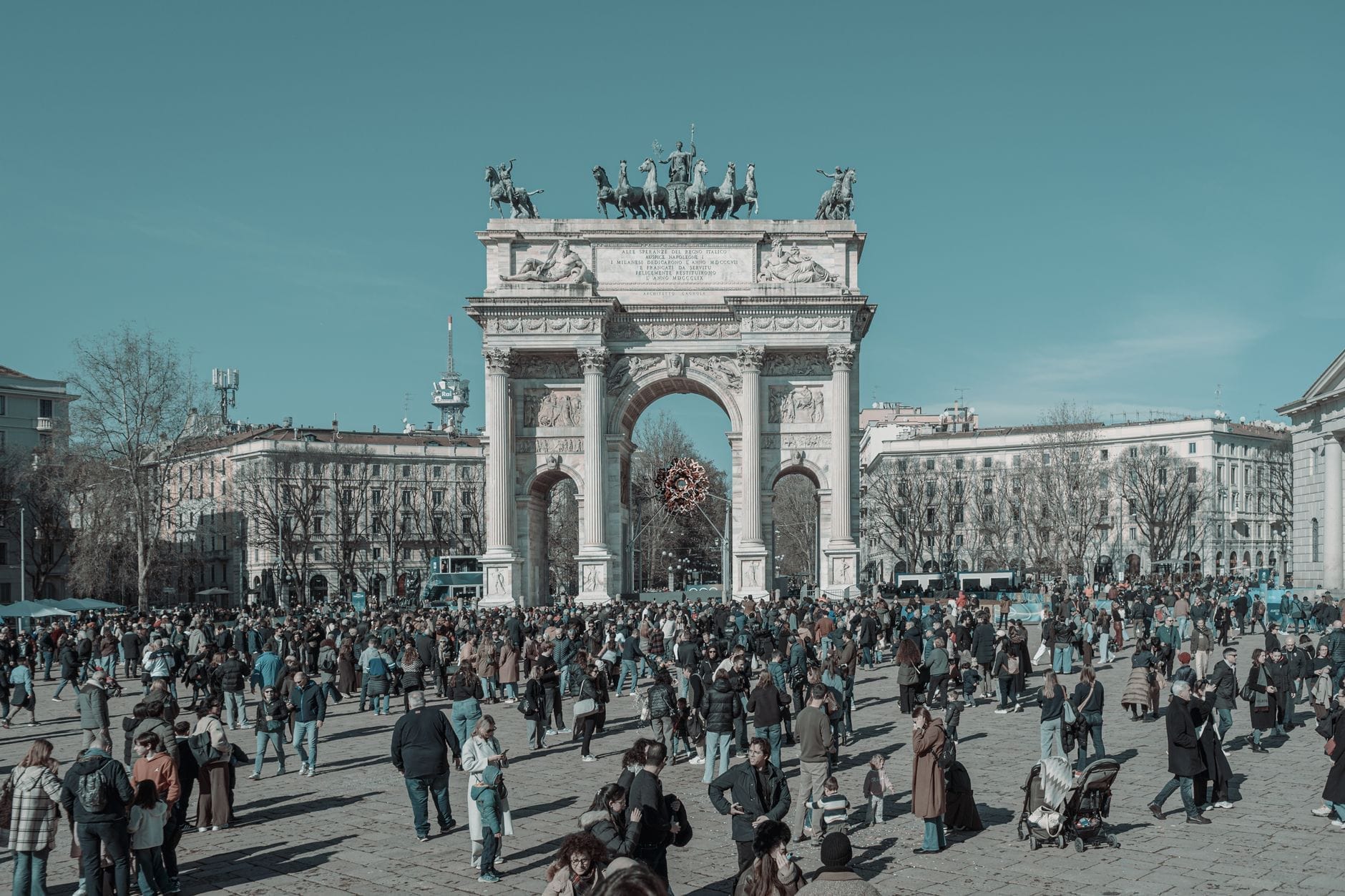
At the northwestern end of the park, the Arco della Pace stands at the head of Corso Sempione. Commissioned by Napoleon and completed under Austrian rule in 1838, the arch is a neoclassical monument on the scale of the Arc de Triomphe in Paris, though far less visited. The piazza around it makes a natural endpoint for a walk through the park and a starting point for exploring the residential streets to the west.
Castello Sforzesco and the Musei del Castello: allow at least 2 hours for the full museum circuit
Parco Sempione: a full circuit of the park on foot takes around 40 to 50 minutes at a relaxed pace
Triennale Design Museum: 1 to 2 hours depending on current exhibitions
Torre Branca: short visit, but check opening hours before going as they are limited and variable
Arco della Pace: best appreciated as a destination at the end of a park walk, particularly in evening light
💡 Local tip
The Musei del Castello are closed on Mondays. Tuesday through Sunday, a single ticket gives access to all the permanent collections. The Rondanini Pietà is housed in the Ospedale Spagnolo wing and is easy to miss if you follow only the main museum route — look for separate signage inside the complex.
Eating & Drinking
The food and drink scene in this neighborhood is split between the areas immediately around the castle, which cater largely to tourists and day visitors, and the streets west and northwest of the park, which are firmly local. The closer you get to Piazza Cairoli and the castle entrance, the more the offer shifts toward quick-service lunch spots, gelato counters, and café terraces aimed at museum visitors. That is not necessarily a problem, but it is different from what you find elsewhere in the neighborhood.
The area around the Arco della Pace and along the side streets off Corso Sempione is where the eating and drinking scene becomes particularly interesting. This stretch has developed over the past decade into one of Milan's more reliable aperitivo zones, with a concentration of bars doing the Milanese tradition of aperitivo properly: a drink, usually a Negroni, Spritz, or local vermouth, accompanied by a small spread of snacks included in the price. The aperitivo hour typically runs from around 6 to 9 in the evening and functions as a practical early dinner substitute for many Milanese.
For full-service dining, the streets between the park's western edge and Via Mario Pagano offer a mix of neighborhood trattorie, contemporary Italian restaurants, and a handful of international options. Prices are generally moderate, and the atmosphere tends toward the relaxed end of the spectrum. This is not where you go for a formal special-occasion dinner, but for a good plate of pasta and a carafe of local wine in a room full of Milanese families and young professionals, it is hard to beat.
The Triennale café and terrace on the park's southern edge is worth knowing about for daytime stops: the terrace faces the park and the castle in the background, and it functions as a decent lunch spot or afternoon coffee break even if you are not visiting the museum itself.
⚠️ What to skip
Restaurants and bars immediately facing the castle walls on Piazza Castello and Via Dante tend to charge tourist-adjusted prices and often require reservations for outdoor terrace seats on weekend evenings. If you are watching your budget, walk 10 minutes west into the streets behind the park before choosing where to eat.
Getting There & Around
The neighborhood is exceptionally well connected by public transit. Metro Line 1 (the red line) stops at Cairoli, which puts you directly on Piazza Castello at the main entrance to the Sforza complex. Line 2 (the green line) stops at Lanza, which covers the eastern side of the park and the approach from Brera. Cadorna, served by both Line 1 and suburban rail services, is about a 10-minute walk from the southern edge of the park and is useful if you are arriving from Milano Centrale or from Malpensa via the Malpensa Express.
Tram lines 1, 2, 4, 12, 14, and 19 all pass through the area, and bus lines 18, 37, 50, 58, 61, and 94 provide additional coverage. For visitors staying in the Duomo district or Brera, walking is often the most direct option: it is roughly 15 minutes on foot from Duomo di Milano to the castle entrance via Via Dante, one of Milan's main pedestrianized shopping streets.
Within the neighborhood itself, everything is walkable. The park has no internal vehicle access, so exploring it means walking or cycling. Bike-sharing stations are located near the park entrances, and cycling through Parco Sempione is permitted on the designated paths. From the castle to the Arco della Pace on foot takes about 20 minutes at a relaxed pace following the main park axis.
For broader orientation around Milan's transit network, including tram and metro connections to other districts, the getting around Milan guide covers all the practical options in detail.
Where to Stay
Accommodation in the Castello & Sempione area ranges from classic four-star hotels positioned around Piazza Cairoli and Via Dante, aimed at visitors who want fast access to both the castle and the Duomo, to smaller boutique hotels and apartment rentals in the quieter streets west of the park, around Via Mario Pagano and Corso Sempione.
Staying in the immediate castle area places you within walking distance of the historic center, Brera, and Parco Sempione, but the streets are busy during the day with tourist foot traffic and can be noisy in the evening near Via Dante. Staying on the western side, closer to the Arco della Pace, gives a more residential experience: quieter streets, easier access to the local restaurant and bar scene, and a generally lower price point than equivalents closer to the Duomo.
This neighborhood is a strong choice for first-time visitors who want to be central without paying Duomo-district prices, and for travelers who plan to visit the castle, the park, and the Triennale as a cluster. For a broader overview of accommodation options across the city, the where to stay in Milan guide provides comparisons across all major districts.
Practical Notes
Parco Sempione's fencing and video surveillance mean it is consistently well-maintained and reasonably safe during opening hours. After the park closes at dusk, the surrounding streets near the Arco della Pace are active and well-lit, particularly on weekends. The streets immediately around the castle are busier and benefit from steady foot traffic throughout the evening. No particular safety concerns distinguish this neighborhood from central Milan generally.
Spring and autumn are the best seasons for this neighborhood specifically: the park is at its best when the trees are leafing out in April or turning in October, and the castle's courtyards are much more pleasant to spend time in outside the summer heat. For timing advice across Milan more broadly, the best time to visit Milan guide covers seasonal considerations in detail. If you are interested in combining the Castello area with Milan's broader architectural heritage, the Milan architecture guide provides useful context on the Sforza complex and its place in the city's built history.
TL;DR
Castello & Sempione is Milan's most complete combination of historic monument, urban parkland, and local neighborhood life within a single walkable area.
The Castello Sforzesco and its Musei del Castello are among the most significant cultural sites in the city and can fill a full morning or afternoon on their own.
Parco Sempione is a working park used by Milanese residents daily, not a tourist setpiece — its atmosphere is noticeably different from other major European city parks.
The area around the Arco della Pace has a strong aperitivo and dining scene that is notably less tourist-oriented than equivalents in Navigli or the Duomo district.
Best suited to visitors who want cultural depth, green space, and easy access to the historic center without being in the middle of it.
Milan has over 70 museums, from Renaissance masterpiece galleries to free contemporary art spaces. This guide cuts through the options and tells you exactly which ones are worth your time, what to expect inside, and how to plan your visit.
Milan rewards visitors who time their trip well. This guide covers every season in detail — temperatures, crowd levels, key events, and what to skip — so you can make the most informed decision about when to go.
Milan rewards those who look up and climb higher. This guide covers the city's best viewpoints, from the Duomo's Gothic spires and Palazzo Lombardia's 39th-floor panorama to canal-side sunset bridges and design-forward skyscrapers.
Milan sits at the center of one of Europe's most rewarding day-trip networks. Within two hours by train you can reach Alpine lakes, medieval hilltop towns, Roman amphitheaters, and UNESCO World Heritage canals. This guide covers the best destinations, how to get there, and what to prioritize once you arrive.
Milan has one of Italy's best urban transport networks, but knowing which ticket to buy, which metro line to take, and how to reach the city from three different airports saves real time and money. This guide covers everything from ATM fares and the RicaricaMi card to bike sharing and walking distances between key neighborhoods.
Milan is Italy's most demanding city for high-end travel, where fashion weeks and design fairs can triple hotel rates overnight. This guide covers where to stay, what to spend, when to go, and how to move around Milan like someone who has done it before.
Three days in Milan is enough time to cover the cathedral district, the great art museums, the canal neighbourhood, and still fit in a day trip to Lake Como. This itinerary is built around how the city actually works: metro-first logistics, realistic opening hours, and clear advice on what to skip.
Milan is served by three airports: Malpensa (MXP), Linate (LIN), and Bergamo Orio al Serio (BGY). Together the three airports form Italy's largest airport system by passenger volume, handling over 56 million passengers per year. This guide breaks down the key differences, transport links, costs, and which airport makes sense for your trip.
Milan's built environment is a genuine timeline in stone, steel, and glass. This guide walks you through every major architectural era, from the Gothic Duomo to Porta Nuova's skyscrapers, with practical routes, seasonal advice, and candid assessments of what's worth your time.
Milan's churches span seventeen centuries of history, from 4th-century basilicas built by the city's patron saint to Renaissance chapels covered floor-to-ceiling in frescoes. This guide covers the essential sacred sites, practical visiting tips, and the lesser-known churches that reward the curious traveler.
Milan Design Week is the world's largest design festival, combining the professional Salone del Mobile furniture fair at Rho Fiera with hundreds of free Fuorisalone events across the city's design districts. This guide covers dates, tickets, neighborhoods, transport, and practical planning advice.
Milan is one of the world's four fashion capitals, home to storied design houses, serious shopping districts, and four Fashion Weeks a year. This guide covers everything from navigating the Quadrilatero della Moda to understanding what tourists can actually access during Milan Fashion Week 2026.
Milanese food is not what most visitors expect. Rice trumps pasta, butter beats olive oil, and the city's signature dishes carry centuries of culinary history. This guide covers every essential dish, realistic price expectations, seasonal eating patterns, and practical advice for dining well in Milan.
Milan surprises most couples. Behind the fashion showrooms and financial towers lies a city with candlelit canals, world-class opera, cobblestone art districts, and Gothic cathedral rooftops built for golden-hour views. This guide covers the best romantic experiences in Milan, with practical details on pricing, timing, and what to skip.
Milan rewards those who look beyond the Duomo and The Last Supper. From a chapel lined with human skulls to a free panoramic skyscraper and a botanical garden tucked behind one of Italy's great art museums, these are the experiences that reveal the city locals actually love.
Spring transforms Milan from a grey winter city into one of Europe's most enjoyable urban destinations. This guide covers the real weather, the best events, crowd expectations, and everything you need to plan a smart April or May trip.
Milan transforms in winter into one of Italy's most atmospheric cold-weather destinations, with Christmas markets around the Duomo, centuries-old fairs near Castello Sforzesco, and a city that keeps its cultural calendar packed well past the holidays. This guide covers what to see, when to go, and how to get the most out of the season.
Leonardo da Vinci spent more than two decades in Milan, leaving behind some of the most extraordinary works in Western art and science. This guide covers every significant site, explains what you'll actually find there, and tells you exactly how to book before you arrive.
Milan's nightlife runs on a distinct rhythm: aperitivo first, dinner second, clubs last. This guide breaks down every major area, the best bars and clubs, what things cost, and how to get home at 3am.
Milan has a reputation for luxury fashion and fine dining, but the city is far more accessible than most travelers assume. This guide breaks down realistic daily costs, the smartest ways to use public transport, which world-class attractions are free, and how timing your visit can cut hotel prices by 25–40%.
Milan shopping covers far more than luxury fashion. This guide breaks down the city's best shopping districts, from the Quadrilatero d'Oro's flagship stores to Navigli's vintage markets, with practical advice on what to skip, what to budget, and when to go.
Lake Como sits less than an hour from Milan by direct train, making it one of the most rewarding day trips in northern Italy. This guide covers every transport option, the best villages to visit, ferry logistics, and how to avoid the most common mistakes first-time visitors make.
The journey from Milan to Rome covers roughly 565-570 km and can take anywhere from 3 hours to 6+ depending on how you go. This guide breaks down every realistic option, with clear price comparisons, booking strategies, and the city-center-to-city-center math that makes the train far more competitive than most people expect.
The Milan to Venice route is one of Italy's most popular corridors, served by frequent high-speed trains that cover the distance in around 2 hours 15 to 30 minutes. This guide breaks down every option, from Frecciarossa tickets to bus alternatives, with practical advice on what's worth it and what to skip.
Milan rewards families more than most people expect. From the interactive Leonardo da Vinci Science Museum to the free courtyards of Castello Sforzesco and the rooftop terraces of the Duomo, the city packs a serious amount of child-friendly content into a compact, walkable center. This guide cuts through the noise with specific venues, practical assessments, and logistics that actually help.
Milan rewards visitors who look beyond the fashion weeks and luxury boutiques. This guide covers the essential things to do in Milan Italy, from cathedral rooftops and Renaissance masterpieces to canal-side aperitivo and contemporary architecture, with practical advice on what to book in advance and what to skip.
Milan rewards travelers who choose their base carefully. This guide breaks down every major neighborhood, explains the price realities, and tells you exactly when to book to avoid paying peak-event rates.