Best Museums in Milan: Top Picks for Art, Design & History
Milan has over 70 museums, from Renaissance masterpiece galleries to free contemporary art spaces. This guide cuts through the options and tells you exactly which ones are worth your time, what to expect inside, and how to plan your visit.
Plan and book this trip
Tools from our partner Travelpayouts help you compare flights and hotels. If you book through them, we may earn a commission at no extra cost to you.
Flights
Hotels map
Milan's museum scene punches well above its weight. Beyond the fashion and finance headlines, this city holds some of Italy's greatest art collections, a Leonardo da Vinci mural that stops people cold, and contemporary spaces that rival anything in London or Paris. Whether you have a single afternoon or a full week, use this guide alongside our 3-day Milan itinerary to build an intelligent route. Most museums cluster around a few key neighborhoods, so it's easy to combine two or three in a day. One critical note: nearly all major museums are closed on Mondays, and the first Sunday of each month brings free entry to many civic collections. For a deeper look at the artistic side of the city, see our Milan architecture guide alongside this one.
⚠️ What to skip
Book the Last Supper well in advance. Timed slots sell out fast and walk-ins are not accepted. Use the official Cenacolo Vinciano site or call +39 02 9280 0360.
Unmissable Art Galleries
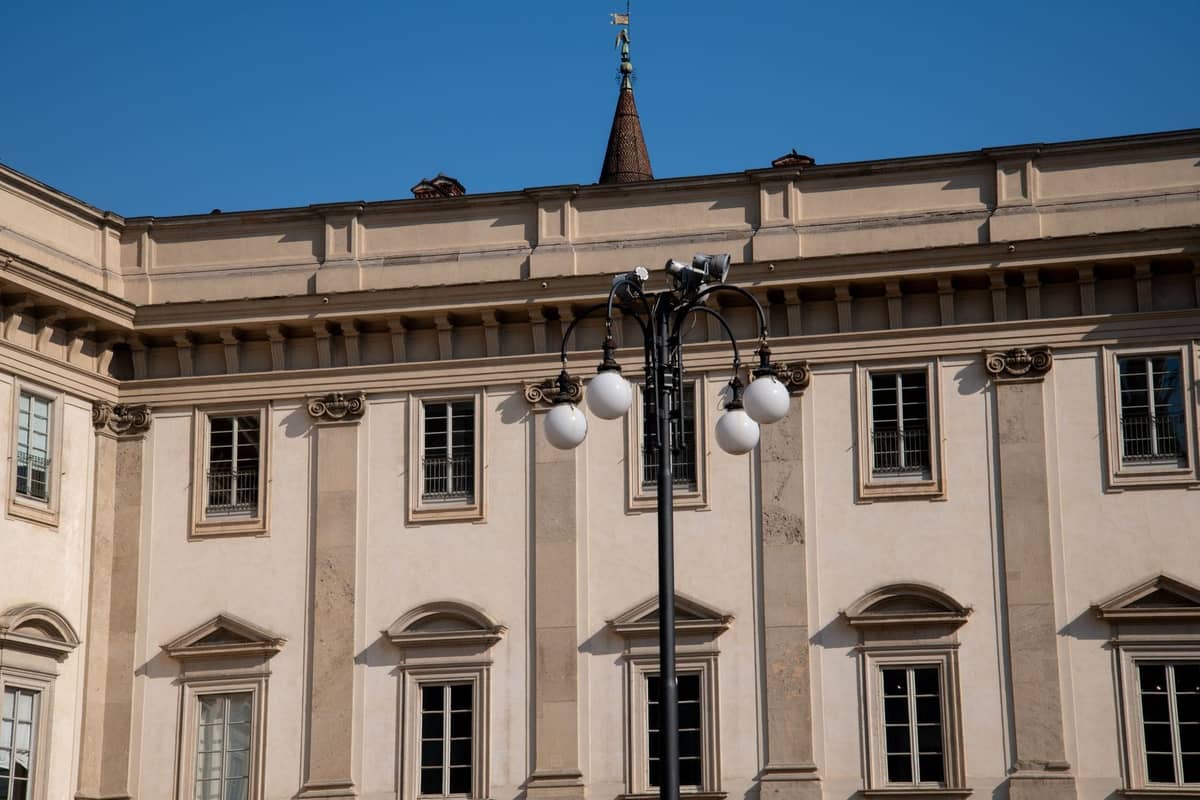
Milan's top art galleries span six centuries of Italian painting, from Gothic altarpieces to postwar abstraction. The Brera district anchors the city's gallery quarter, while the Duomo area packs in several world-class collections within easy walking distance.
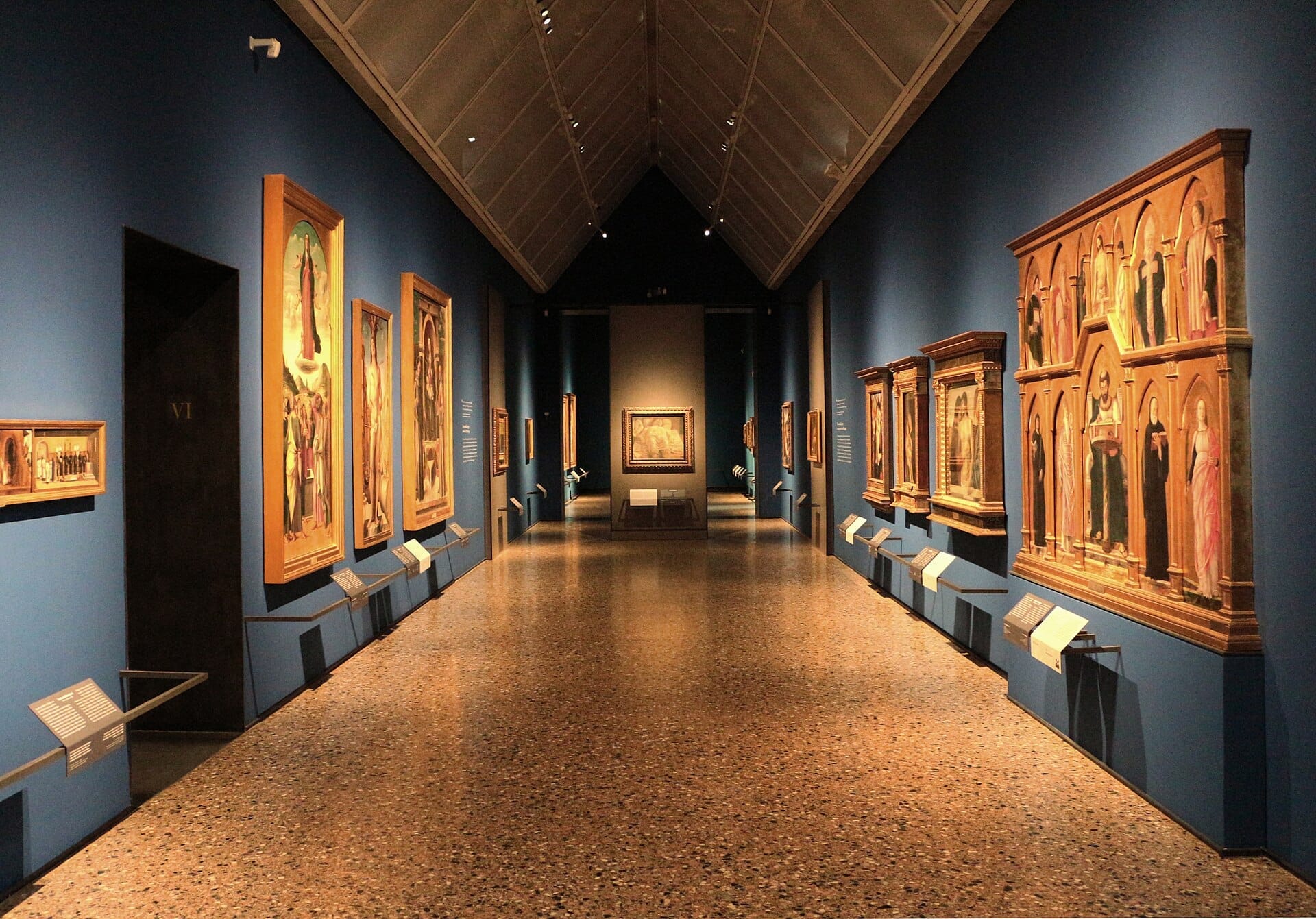
1. See Mantegna and Raphael at the Pinacoteca di Brera
Italy's greatest northern Italian painting collection spans 38 rooms in a 17th-century palazzo. Mantegna's Dead Christ, Raphael's Marriage of the Virgin, and Caravaggio's Supper at Emmaus are among the highlights. Open Tue–Sun, ticket around €15.
Explore1. See Mantegna and Raphael at the Pinacoteca di Brera
Italy's greatest northern Italian painting collection spans 38 rooms in a 17th-century palazzo. Mantegna's Dead Christ, Raphael's Marriage of the Virgin, and Caravaggio's Supper at Emmaus are among the highlights. Open Tue–Sun, ticket around €15.
Explore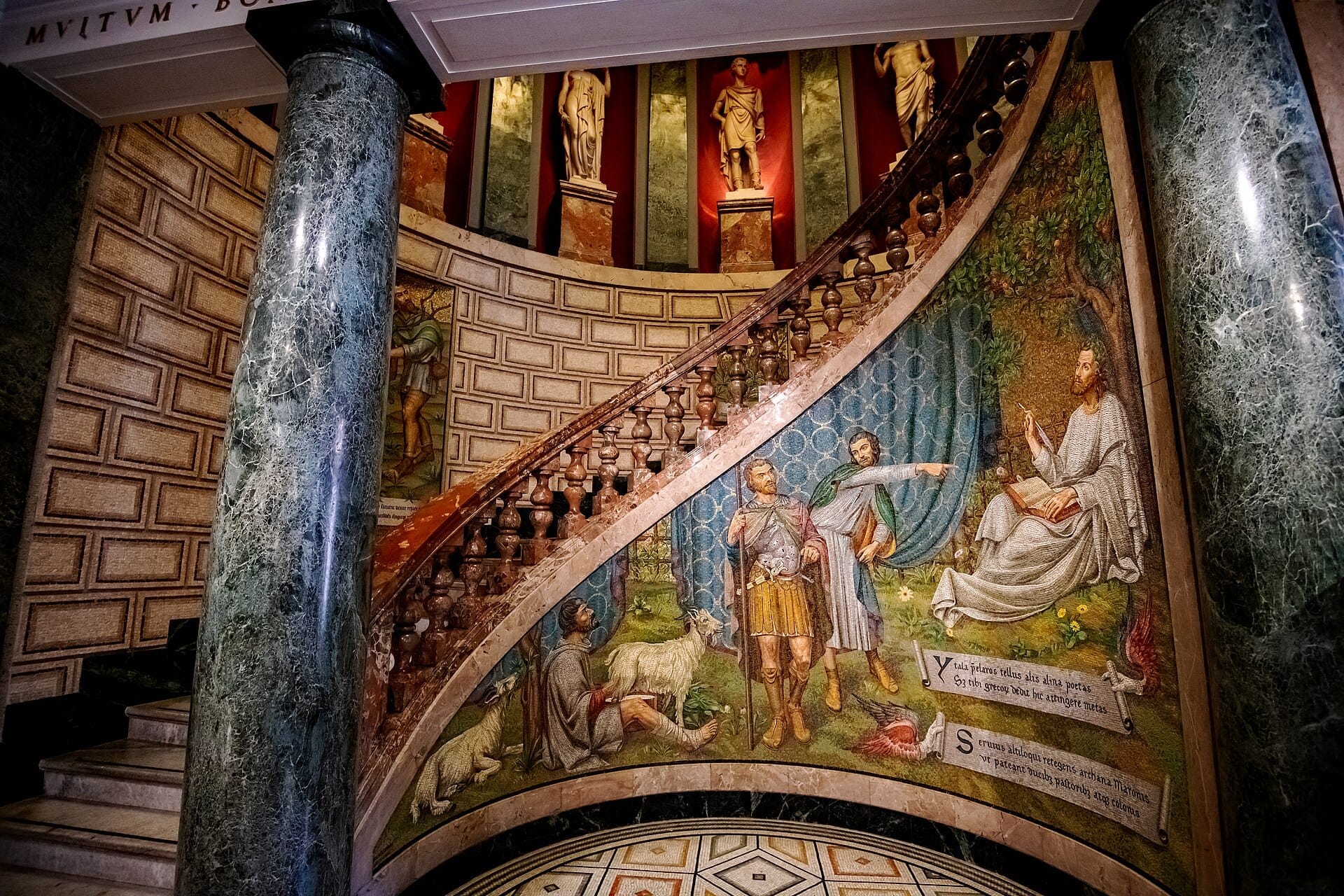
2. Discover Leonardo and Raphael at the Pinacoteca Ambrosiana
Founded in 1618, this is one of Italy's oldest collections. Raphael's full-scale School of Athens cartoon, Leonardo's Portrait of a Musician, and Caravaggio's Basket of Fruit share space with priceless manuscript holdings.
Explore2. Discover Leonardo and Raphael at the Pinacoteca Ambrosiana
Founded in 1618, this is one of Italy's oldest collections. Raphael's full-scale School of Athens cartoon, Leonardo's Portrait of a Musician, and Caravaggio's Basket of Fruit share space with priceless manuscript holdings.
Explore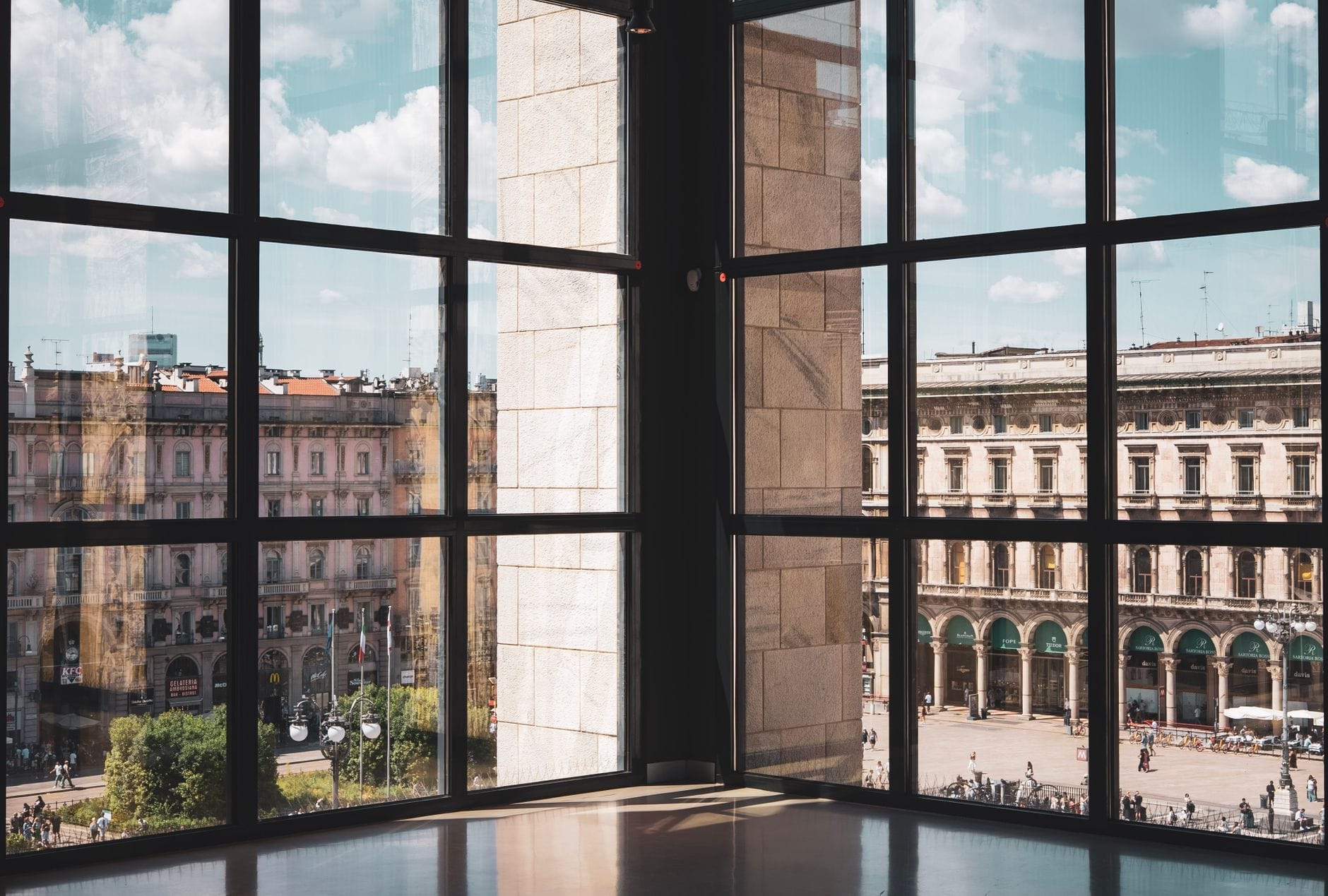
3. Follow Italian 20th-Century Art at the Museo del Novecento
Overlooking Piazza del Duomo, this collection traces Italian modernism from Futurism to Arte Povera. Boccioni, Fontana, Morandi, and De Chirico all feature strongly. Free on the first Sunday of each month; otherwise around €10.
Explore3. Follow Italian 20th-Century Art at the Museo del Novecento
Overlooking Piazza del Duomo, this collection traces Italian modernism from Futurism to Arte Povera. Boccioni, Fontana, Morandi, and De Chirico all feature strongly. Free on the first Sunday of each month; otherwise around €10.
Explore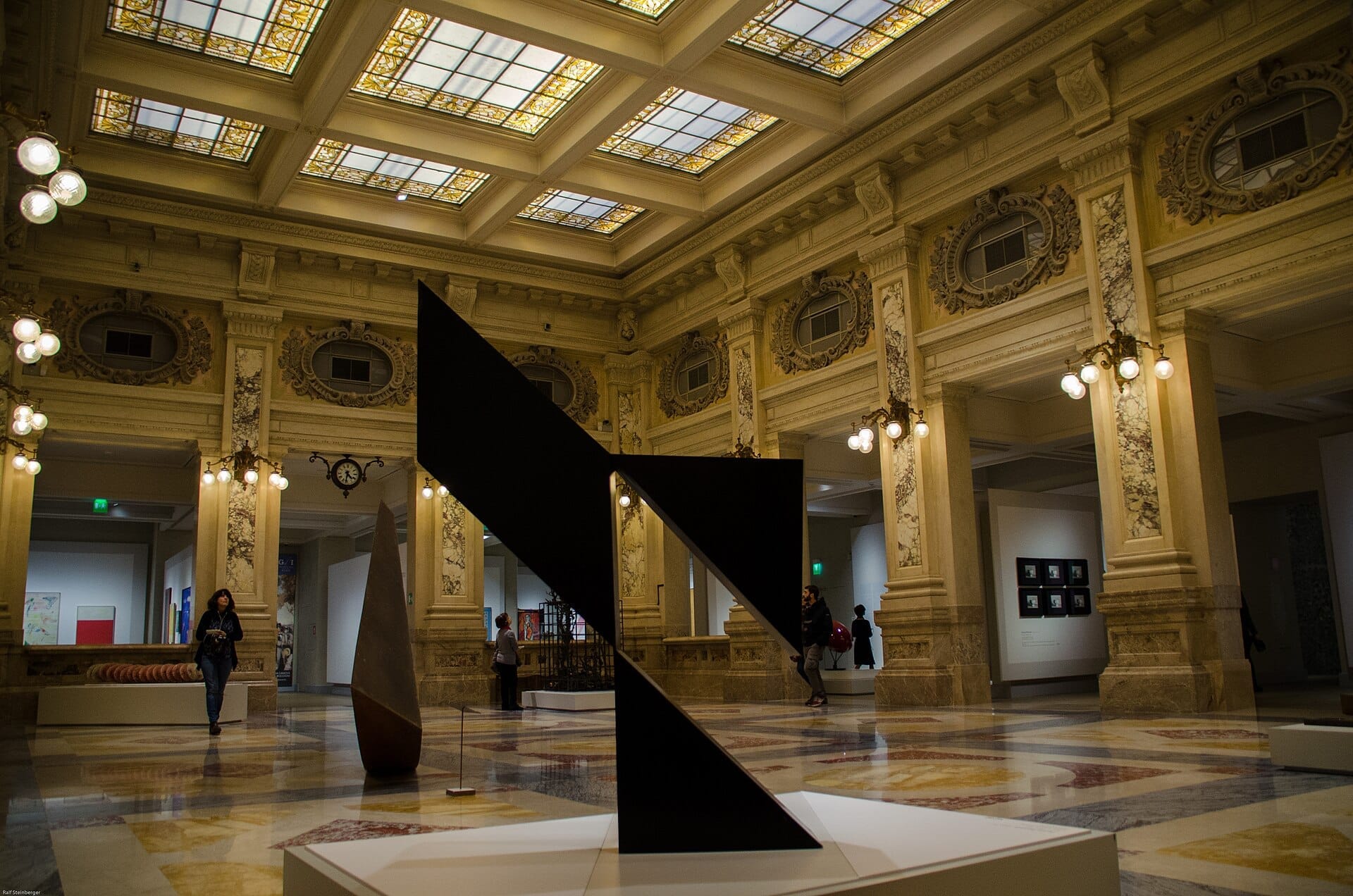
4. Explore 19th-Century Italian Art at the Gallerie d'Italia
Three interconnected historic palaces on Piazza della Scala hold Intesa Sanpaolo's exceptional collection of Romantic and Neoclassical Italian art, plus rotating photography exhibitions. Free entry on the first Sunday of each month.
Explore4. Explore 19th-Century Italian Art at the Gallerie d'Italia
Three interconnected historic palaces on Piazza della Scala hold Intesa Sanpaolo's exceptional collection of Romantic and Neoclassical Italian art, plus rotating photography exhibitions. Free entry on the first Sunday of each month.
Explore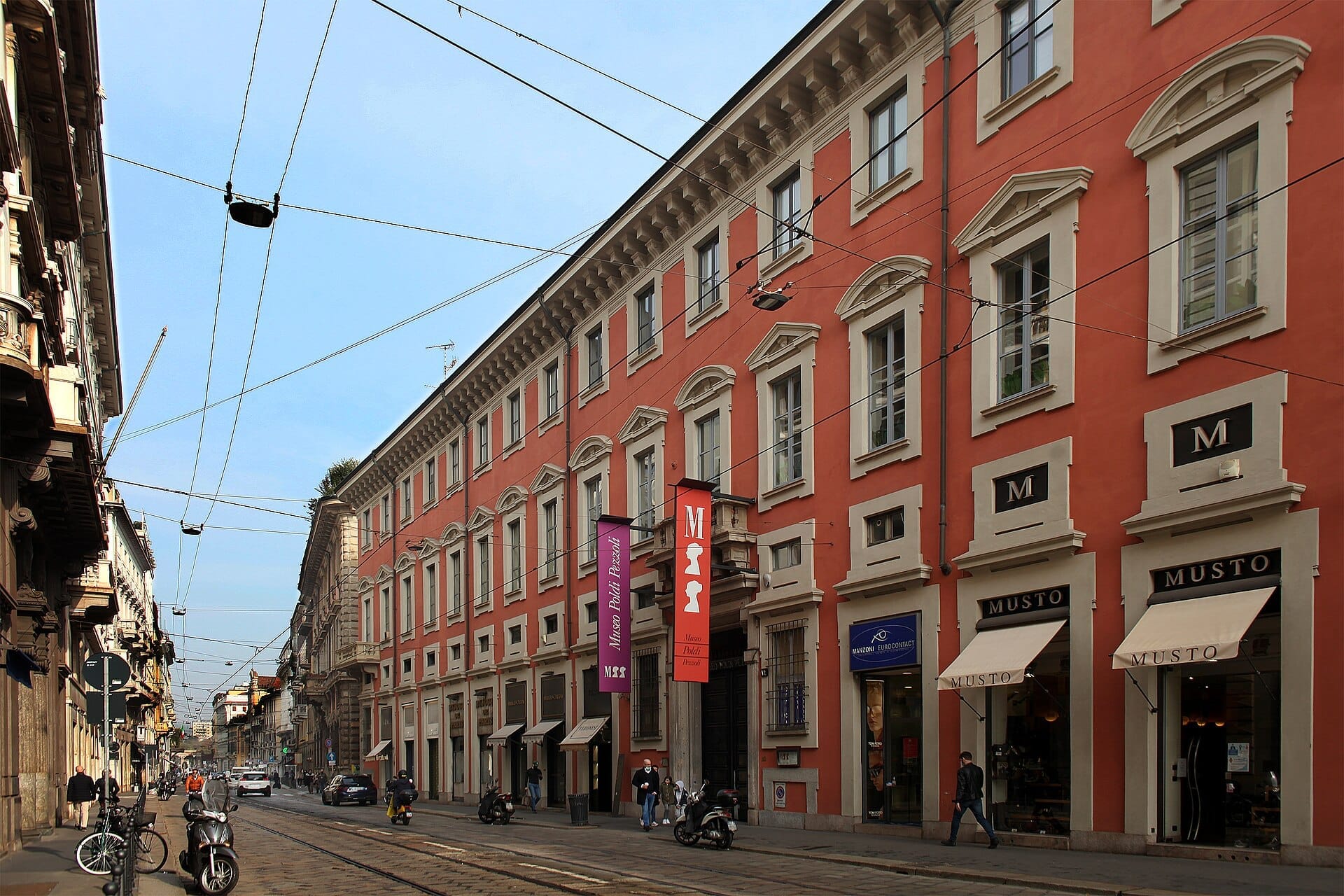
5. Step Inside a 19th-Century Aristocrat's Collection at Museo Poldi Pezzoli
A nobleman's private home preserved exactly as he left it, with Botticelli, Bellini, and Piero della Francesca displayed in sumptuously decorated period rooms. One of Milan's most intimate and atmospheric museum experiences.
Explore5. Step Inside a 19th-Century Aristocrat's Collection at Museo Poldi Pezzoli
A nobleman's private home preserved exactly as he left it, with Botticelli, Bellini, and Piero della Francesca displayed in sumptuously decorated period rooms. One of Milan's most intimate and atmospheric museum experiences.
ExploreLeonardo da Vinci & the Castello Sforzesco
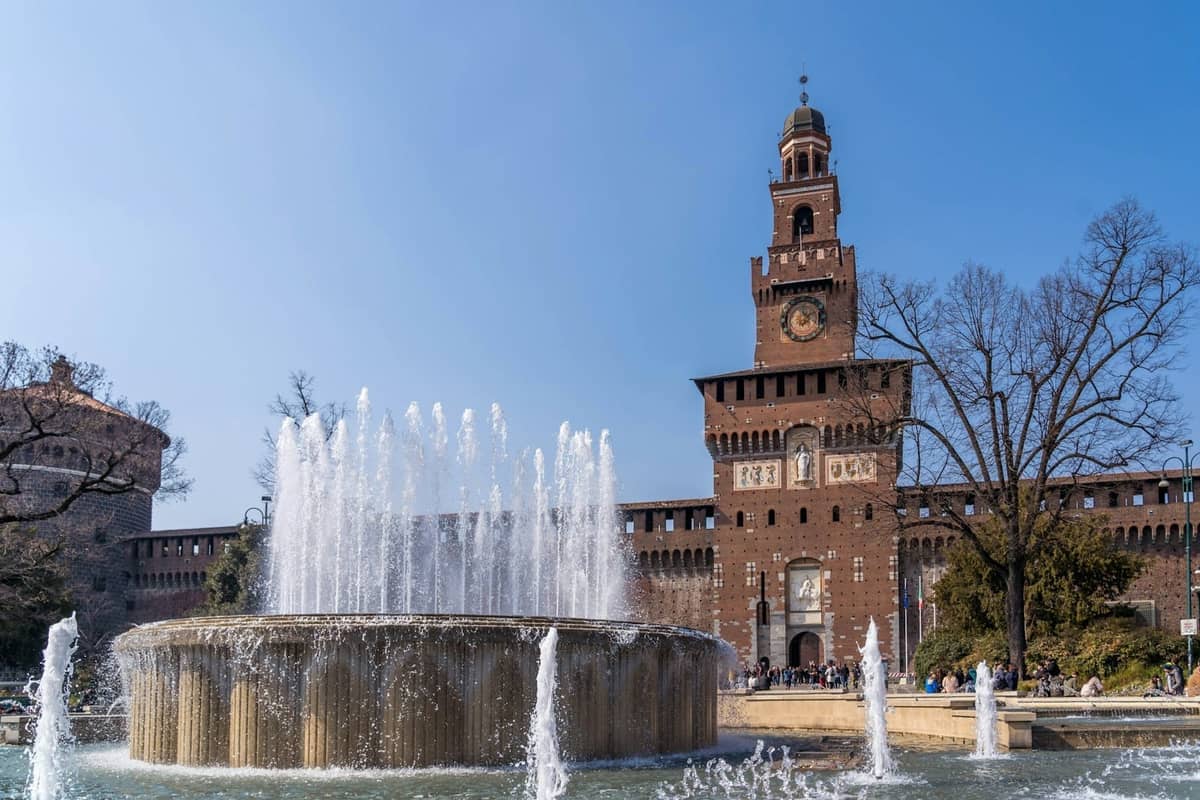
Two of Milan's greatest cultural draws sit in the same western quarter of the city: the Last Supper near Ticinese and the Castello Sforzesco museums a short walk north. The Milan Leonardo da Vinci guide covers both in detail if you want to plan a dedicated visit.
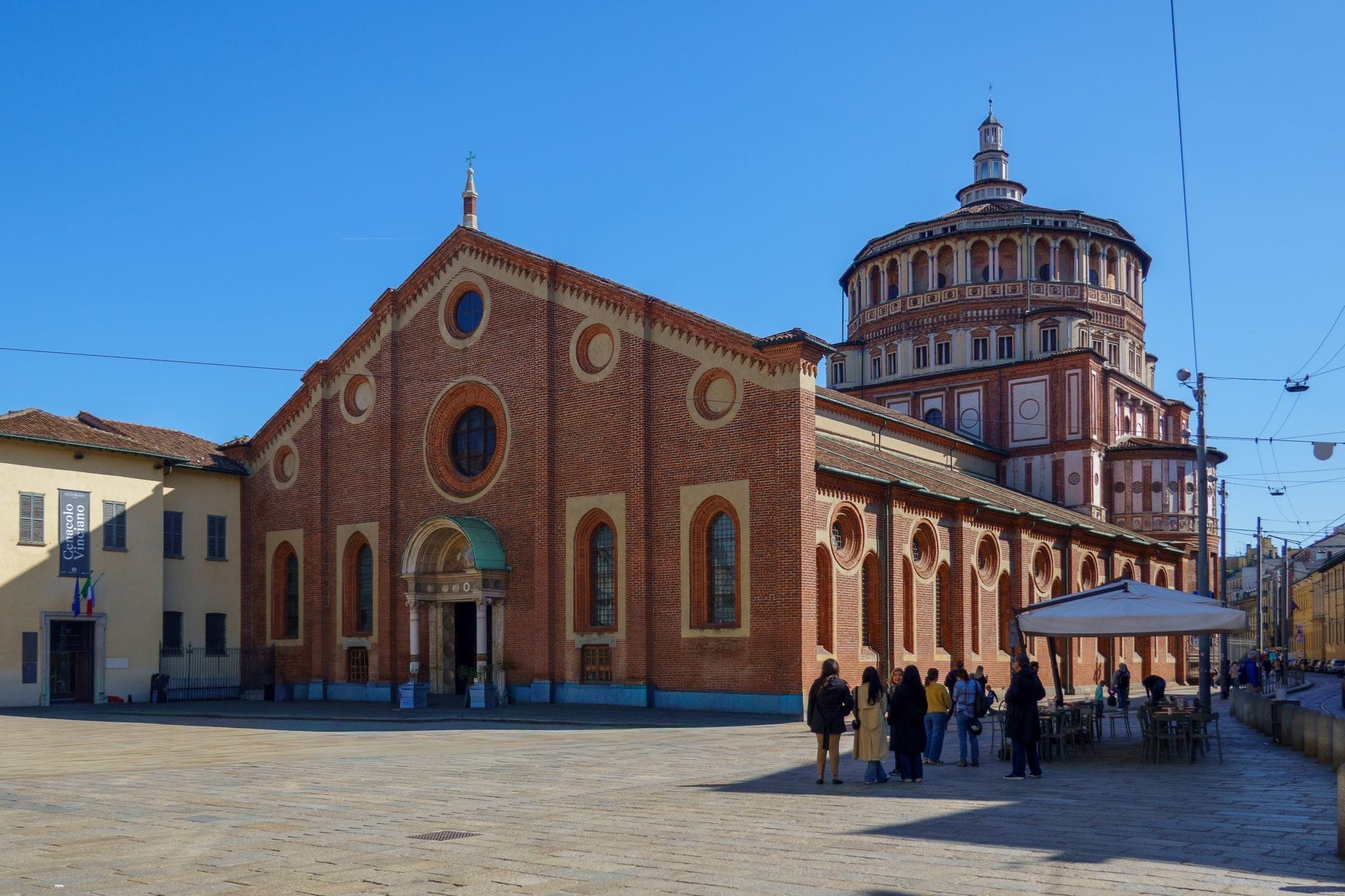
6. Stand in Front of Leonardo's Last Supper at Santa Maria delle Grazie
Leonardo's mural, painted around 1498 in the convent refectory, is still startling in person. Visits last 15 minutes in groups of 25. Book months ahead via the official site; do not rely on third-party resellers.
Explore6. Stand in Front of Leonardo's Last Supper at Santa Maria delle Grazie
Leonardo's mural, painted around 1498 in the convent refectory, is still startling in person. Visits last 15 minutes in groups of 25. Book months ahead via the official site; do not rely on third-party resellers.
Explore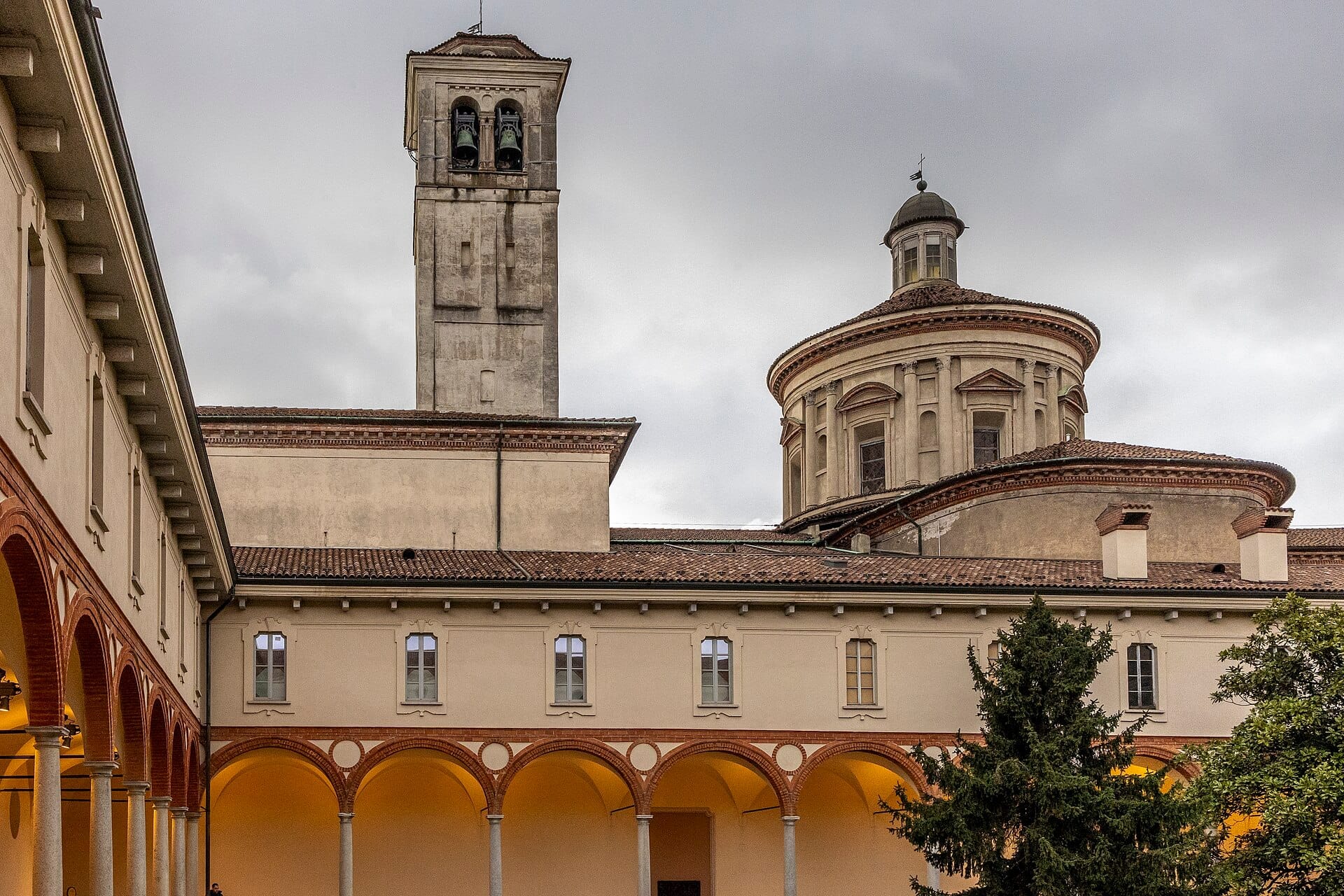
7. See Leonardo's Inventions at the Science and Technology Museum
Italy's largest science museum, named after Leonardo, houses wooden models of his inventions alongside trains, submarines, and interactive science exhibits. A full visit takes 2–3 hours; one of Milan's best family-friendly museums.
Explore7. See Leonardo's Inventions at the Science and Technology Museum
Italy's largest science museum, named after Leonardo, houses wooden models of his inventions alongside trains, submarines, and interactive science exhibits. A full visit takes 2–3 hours; one of Milan's best family-friendly museums.
Explore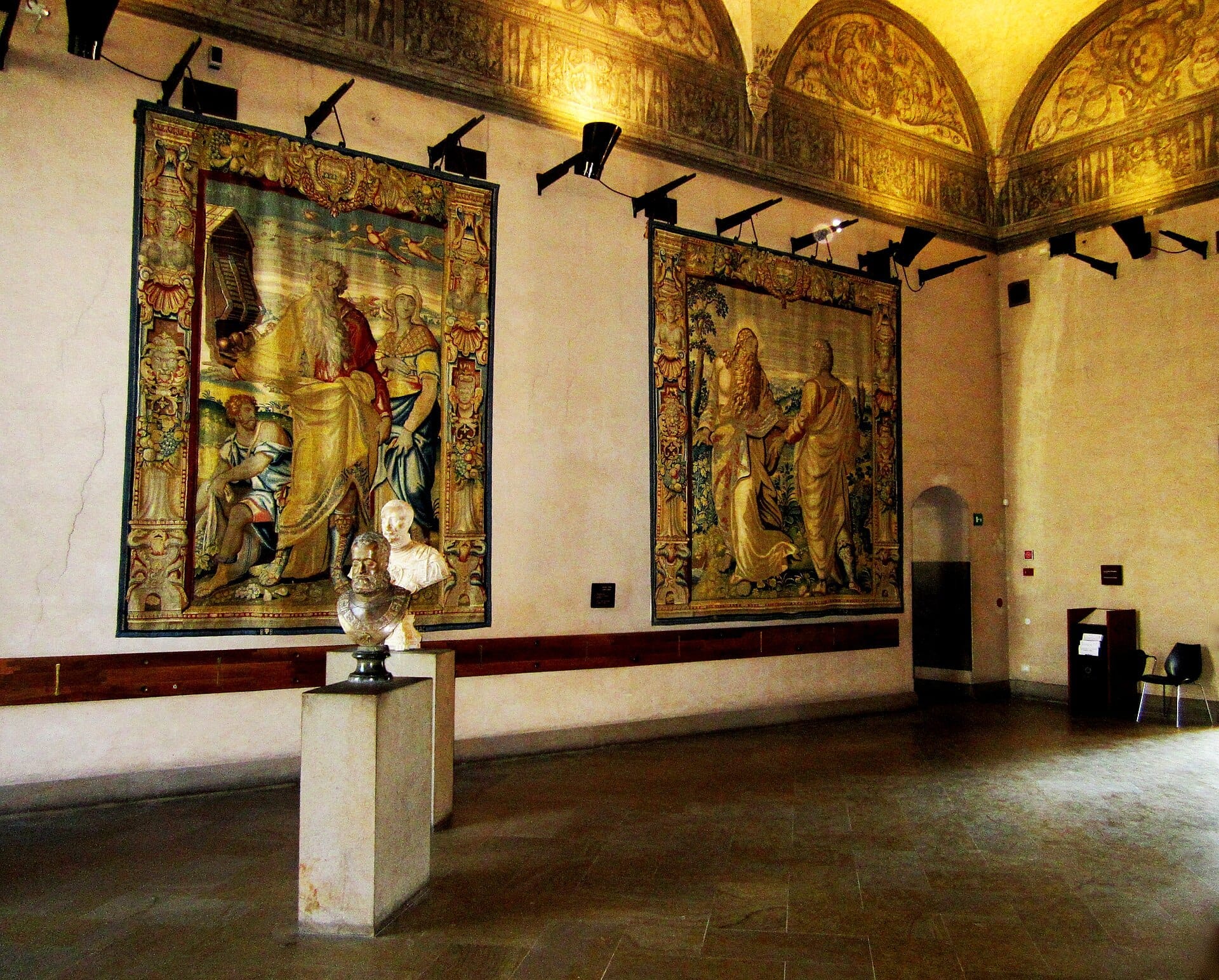
8. Visit Michelangelo's Final Sculpture at the Castello Sforzesco Museums
Nine museums inside the castle hold Egyptian mummies, ancient art, musical instruments, and Michelangelo's unfinished Pietà Rondanini, carved in his final years. The combined ticket is around €8 and covers the entire complex.
Explore8. Visit Michelangelo's Final Sculpture at the Castello Sforzesco Museums
Nine museums inside the castle hold Egyptian mummies, ancient art, musical instruments, and Michelangelo's unfinished Pietà Rondanini, carved in his final years. The combined ticket is around €8 and covers the entire complex.
ExploreContemporary Art & Design Museums
Milan is as serious about contemporary culture as it is about Renaissance painting. The city's design heritage connects directly to these spaces, especially during Milan Design Week, when many institutions host special programming. Several of the best contemporary venues are free to enter.
9. Spend a Half-Day at the Extraordinary Fondazione Prada
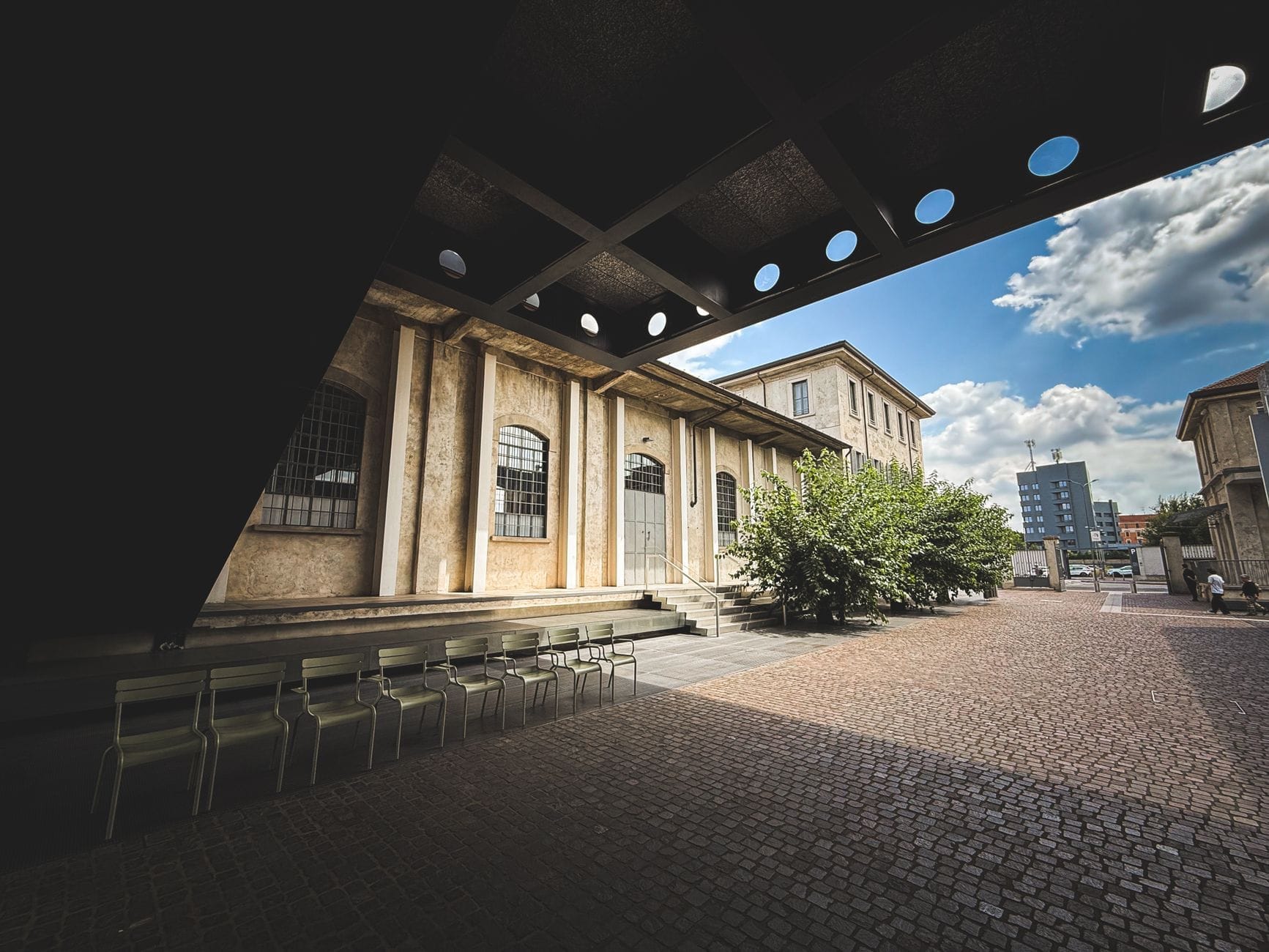
Rem Koolhaas's conversion of a 1910 distillery into a multi-building art campus is an architectural event in itself. Permanent and temporary shows are ambitious, the bar designed by Wes Anderson is worth seeing, and the Torre has panoramic views.
Explore9. Spend a Half-Day at the Extraordinary Fondazione Prada
Rem Koolhaas's conversion of a 1910 distillery into a multi-building art campus is an architectural event in itself. Permanent and temporary shows are ambitious, the bar designed by Wes Anderson is worth seeing, and the Torre has panoramic views.
Explore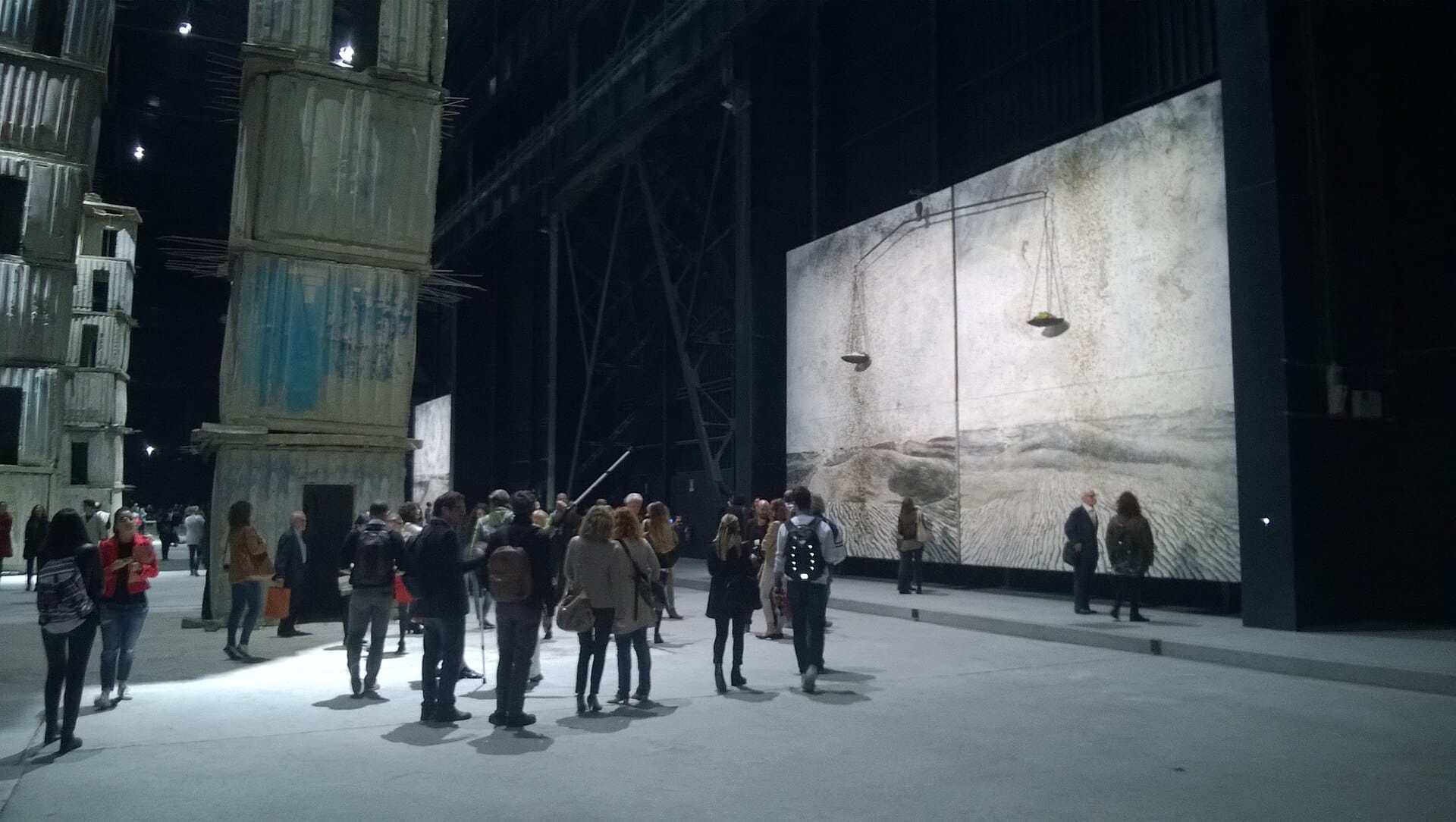
10. See Monumental Installations Free at Pirelli HangarBicocca
Europe's largest contemporary art space, in a former locomotive factory, is free to enter. Anselm Kiefer's permanent Seven Heavenly Palaces towers are a permanent fixture; rotating shows are consistently world-class. Open Thu–Sun.
Explore10. See Monumental Installations Free at Pirelli HangarBicocca
Europe's largest contemporary art space, in a former locomotive factory, is free to enter. Anselm Kiefer's permanent Seven Heavenly Palaces towers are a permanent fixture; rotating shows are consistently world-class. Open Thu–Sun.
Explore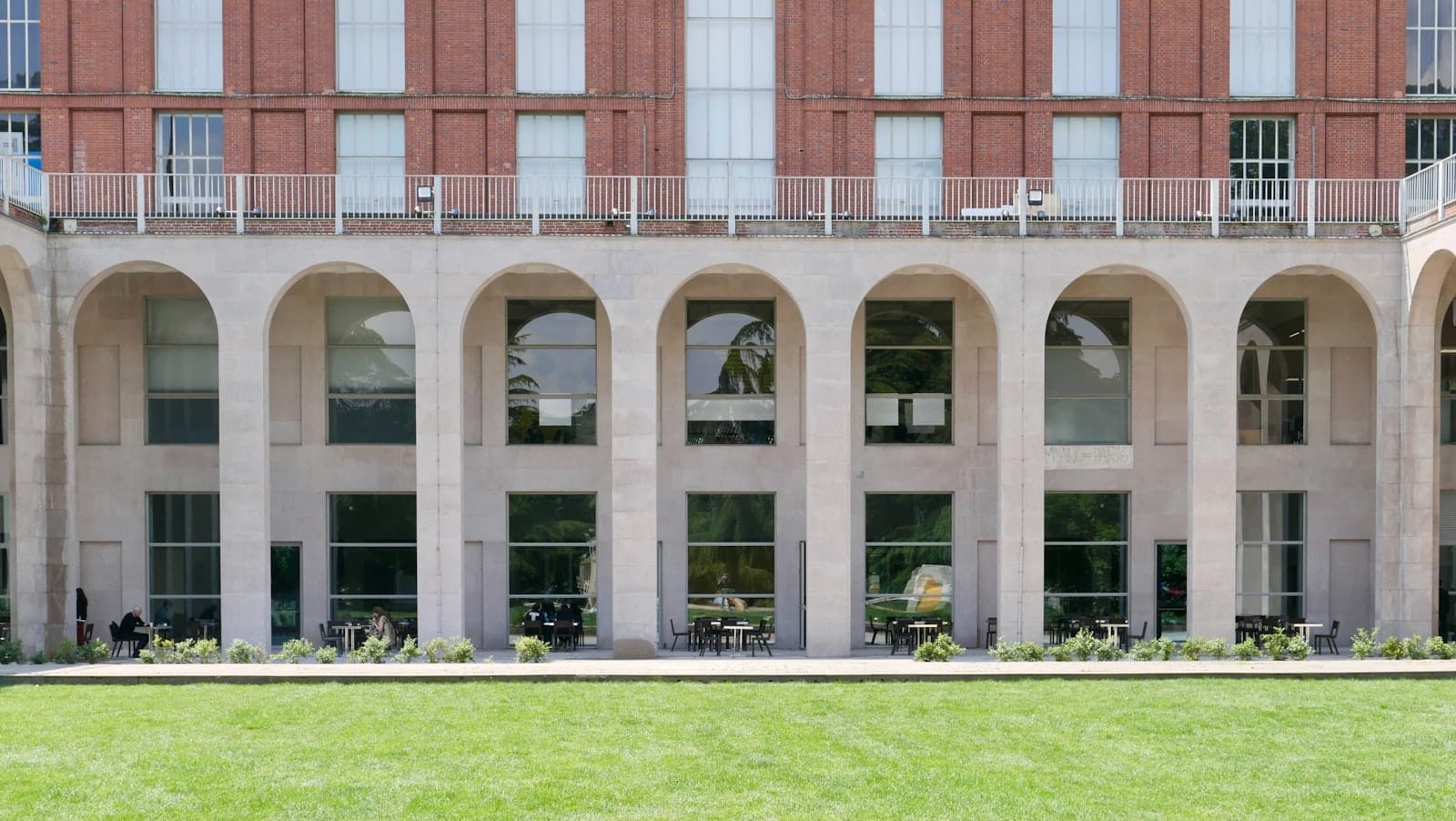
11. Explore Italian Design History at the Triennale Design Museum
Italy's only permanent design museum, in the Palazzo dell'Arte inside Parco Sempione, hosts major international exhibitions on architecture, applied arts, and industrial design. The building itself, by Giovanni Muzio, is worth the visit.
Explore11. Explore Italian Design History at the Triennale Design Museum
Italy's only permanent design museum, in the Palazzo dell'Arte inside Parco Sempione, hosts major international exhibitions on architecture, applied arts, and industrial design. The building itself, by Giovanni Muzio, is worth the visit.
Explore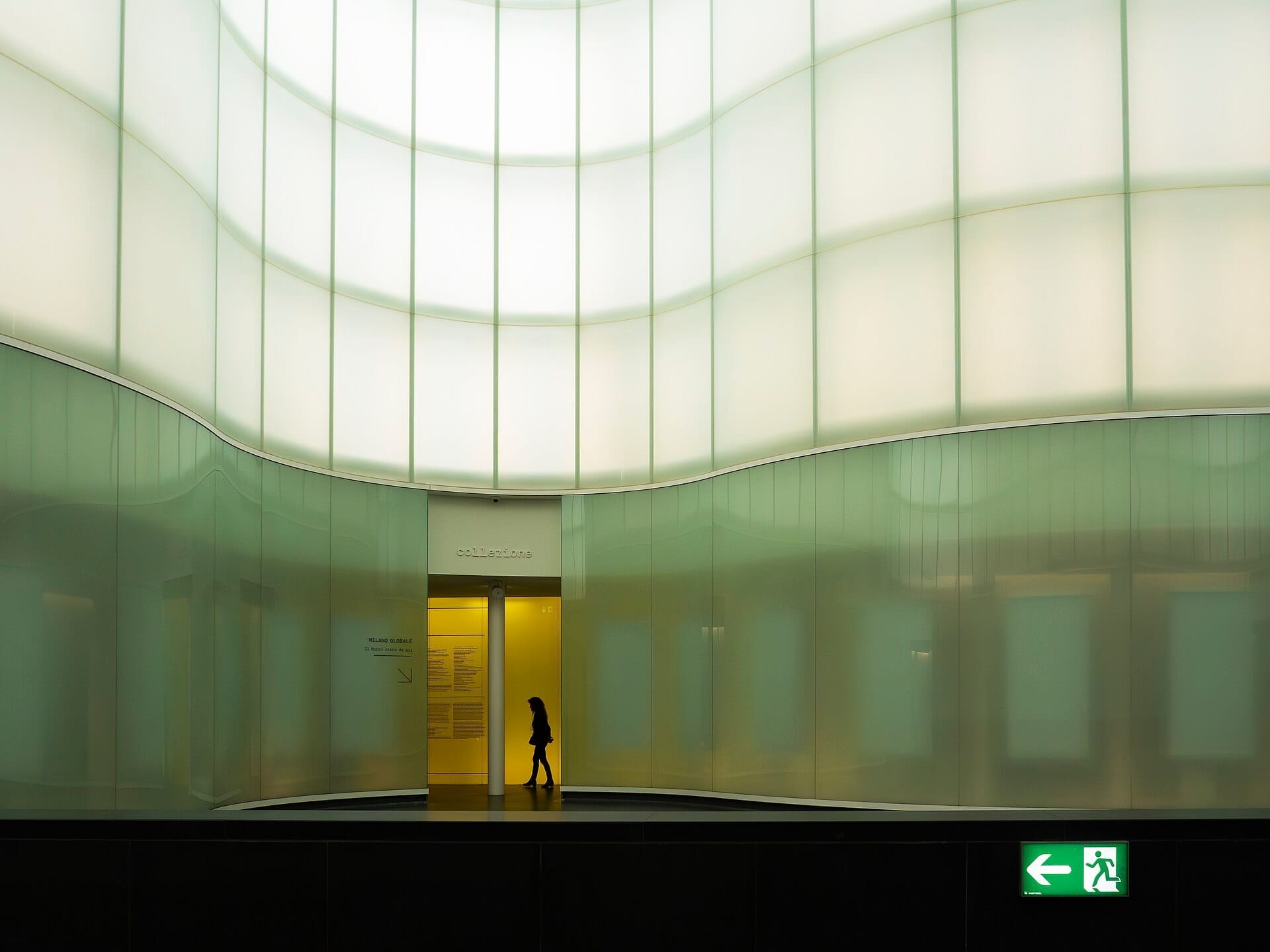
12. Catch World Culture Exhibitions at MUDEC
David Chipperfield's conversion of a former industrial building houses Milan's ethnographic collections and a rotating program of major international exhibitions on global art, fashion, and anthropology. Strong programming year-round.
Explore12. Catch World Culture Exhibitions at MUDEC
David Chipperfield's conversion of a former industrial building houses Milan's ethnographic collections and a rotating program of major international exhibitions on global art, fashion, and anthropology. Strong programming year-round.
ExploreFashion, History & Specialist Museums
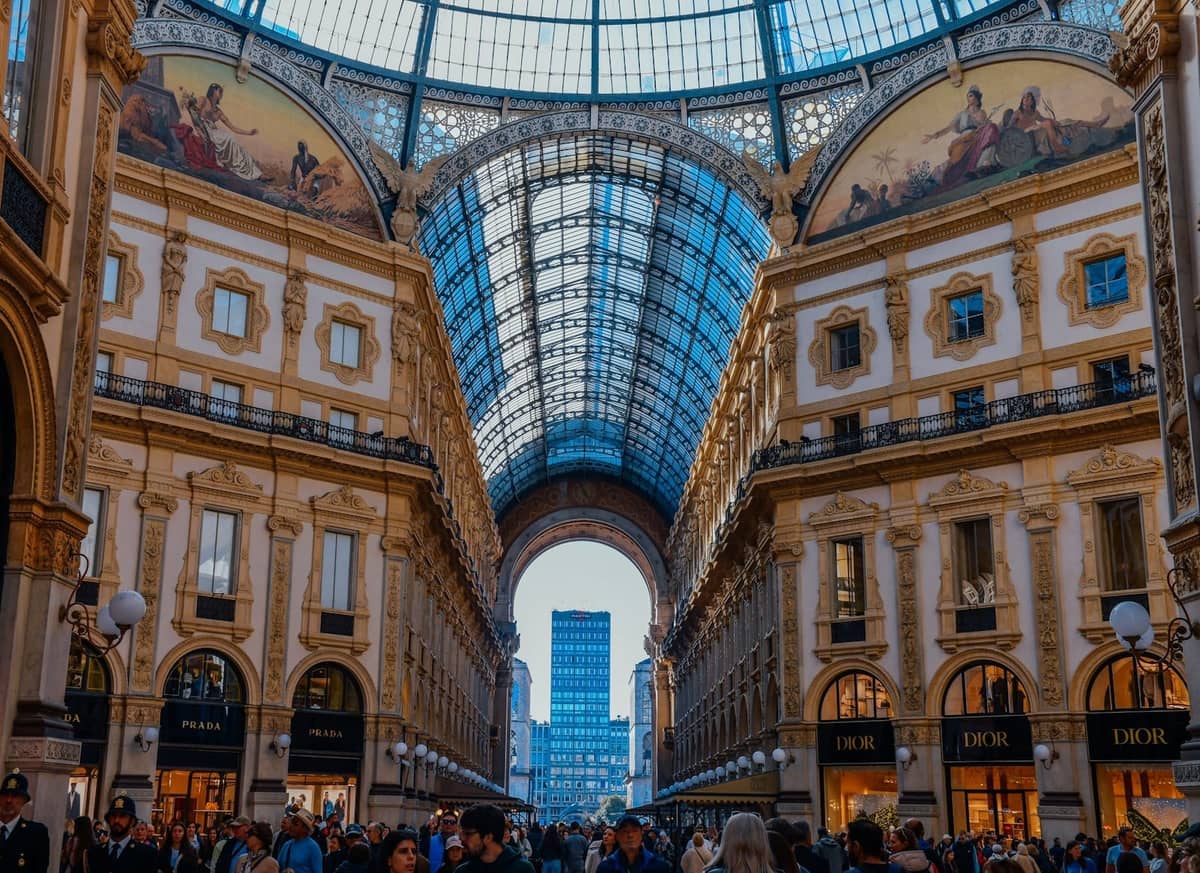
Milan rewards those who look beyond the headline galleries. The city's specialist museums cover fashion history, opera, Catholic relics, Roman archaeology, and one of the world's most unusual ossuary chapels. Many are in the Duomo district or the Quadrilatero della Moda, making them easy to fold into a broader itinerary.
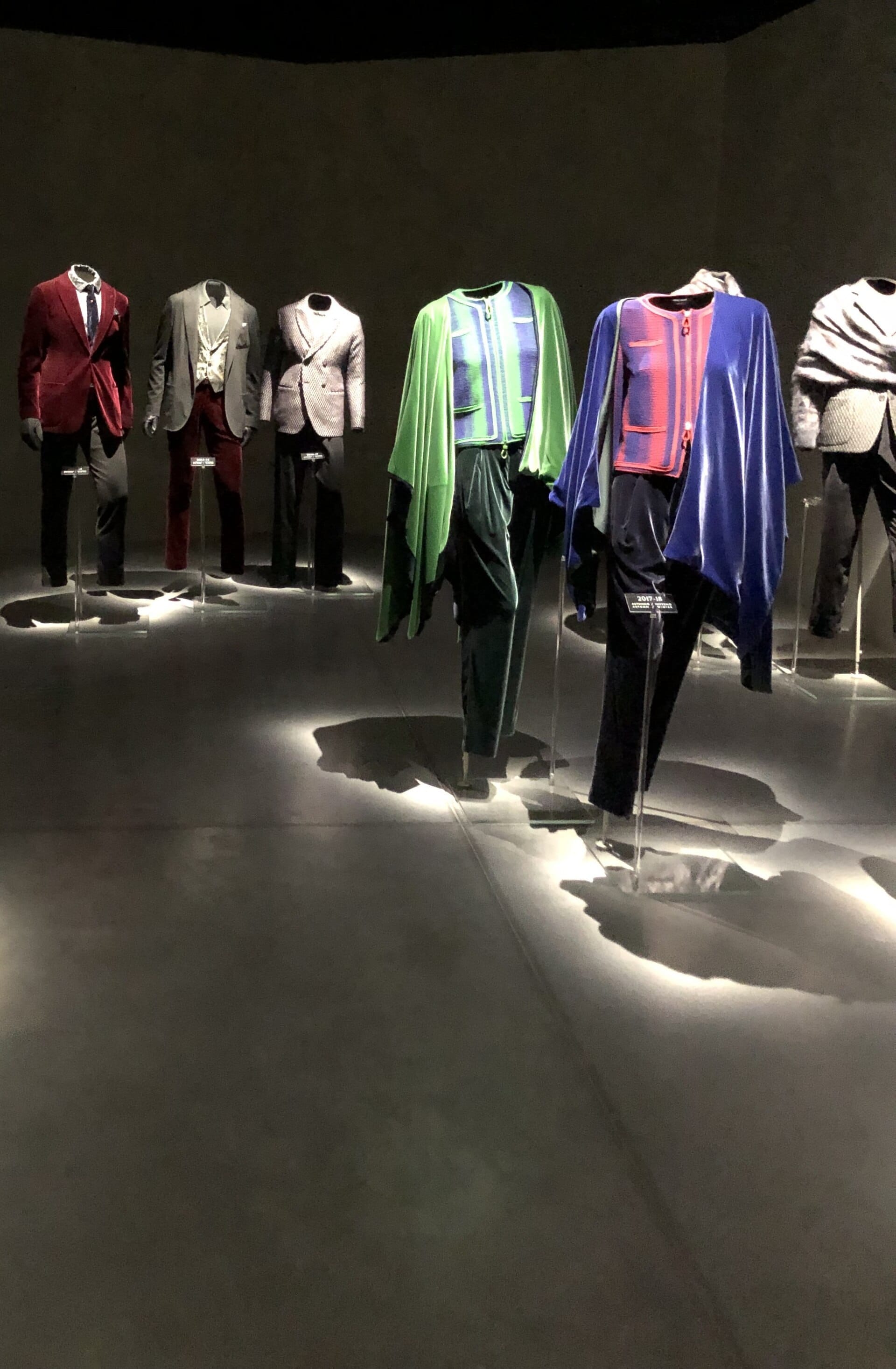
13. Trace 40 Years of Armani's Work at Armani Silos
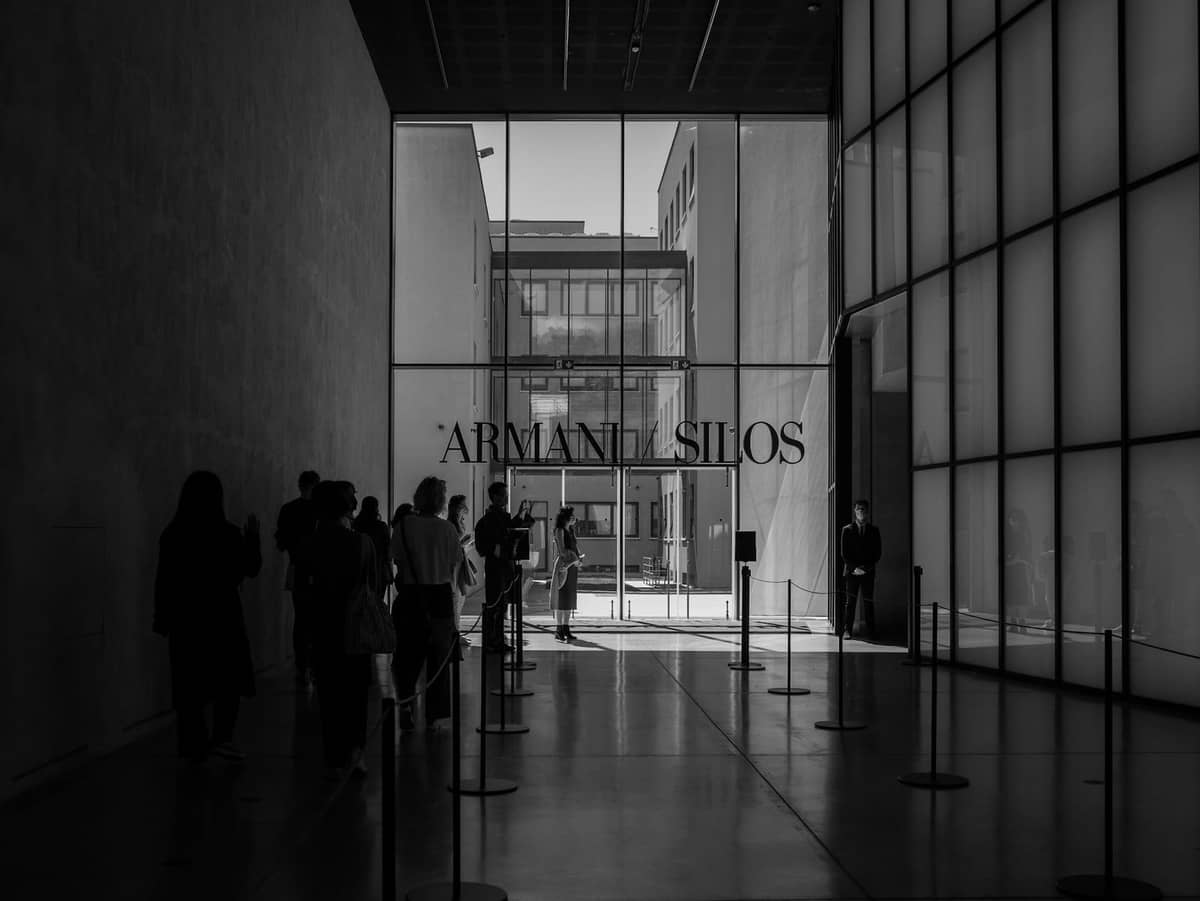
Giorgio Armani's private museum in a converted grain silo near Porta Genova shows four decades of fashion across four floors, including runway pieces, accessories, and film costumes. Open Wed–Sun; ticket around €12.
Explore13. Trace 40 Years of Armani's Work at Armani Silos
Giorgio Armani's private museum in a converted grain silo near Porta Genova shows four decades of fashion across four floors, including runway pieces, accessories, and film costumes. Open Wed–Sun; ticket around €12.
Explore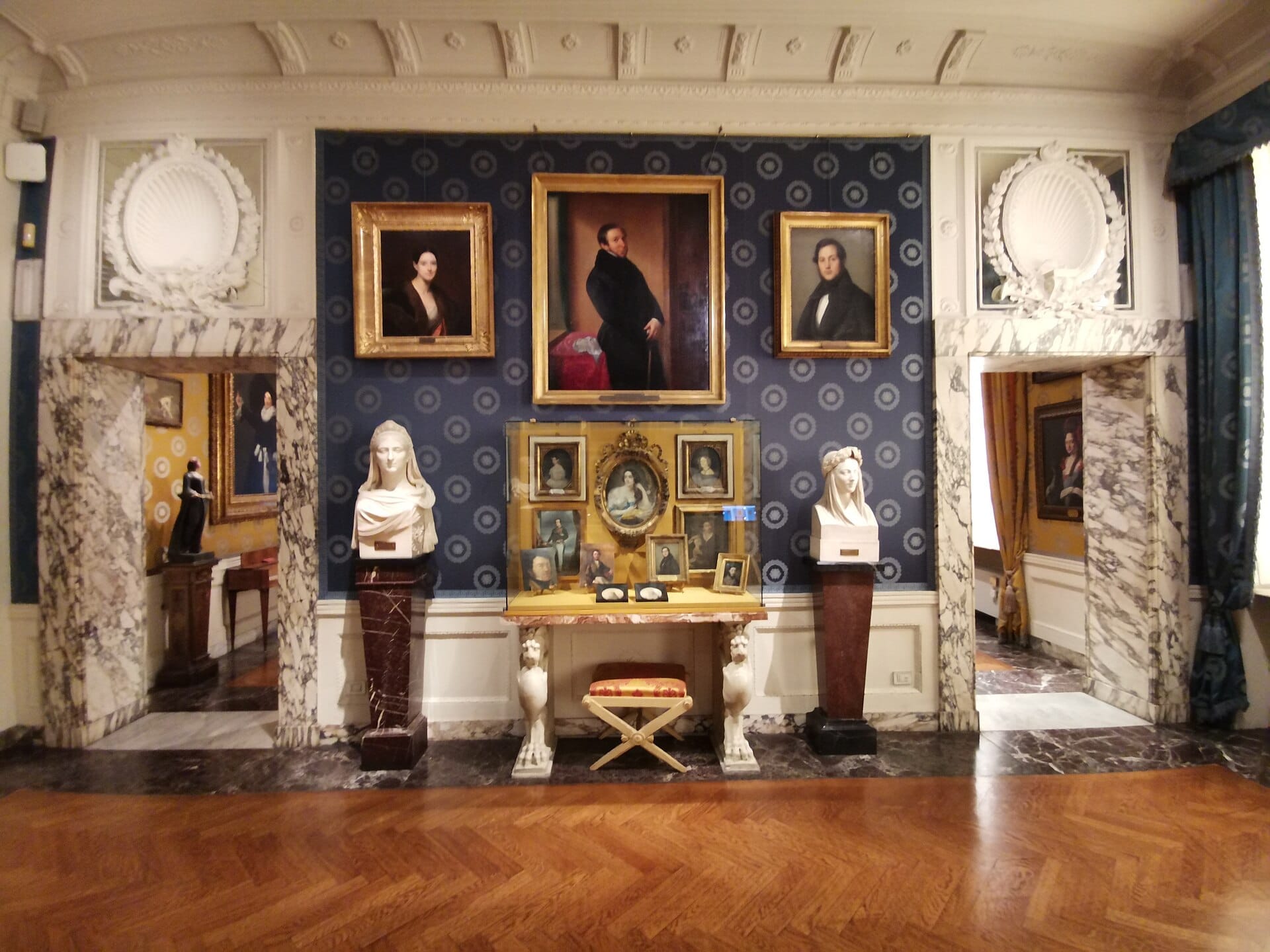
14. Peek Inside La Scala at the Teatro alla Scala Museum
Opera memorabilia, historic costumes, instruments, and portraits spanning four centuries, plus a view into La Scala's gilded auditorium. A compact but rewarding stop adjacent to one of the world's great opera houses.
Explore14. Peek Inside La Scala at the Teatro alla Scala Museum
Opera memorabilia, historic costumes, instruments, and portraits spanning four centuries, plus a view into La Scala's gilded auditorium. A compact but rewarding stop adjacent to one of the world's great opera houses.
Explore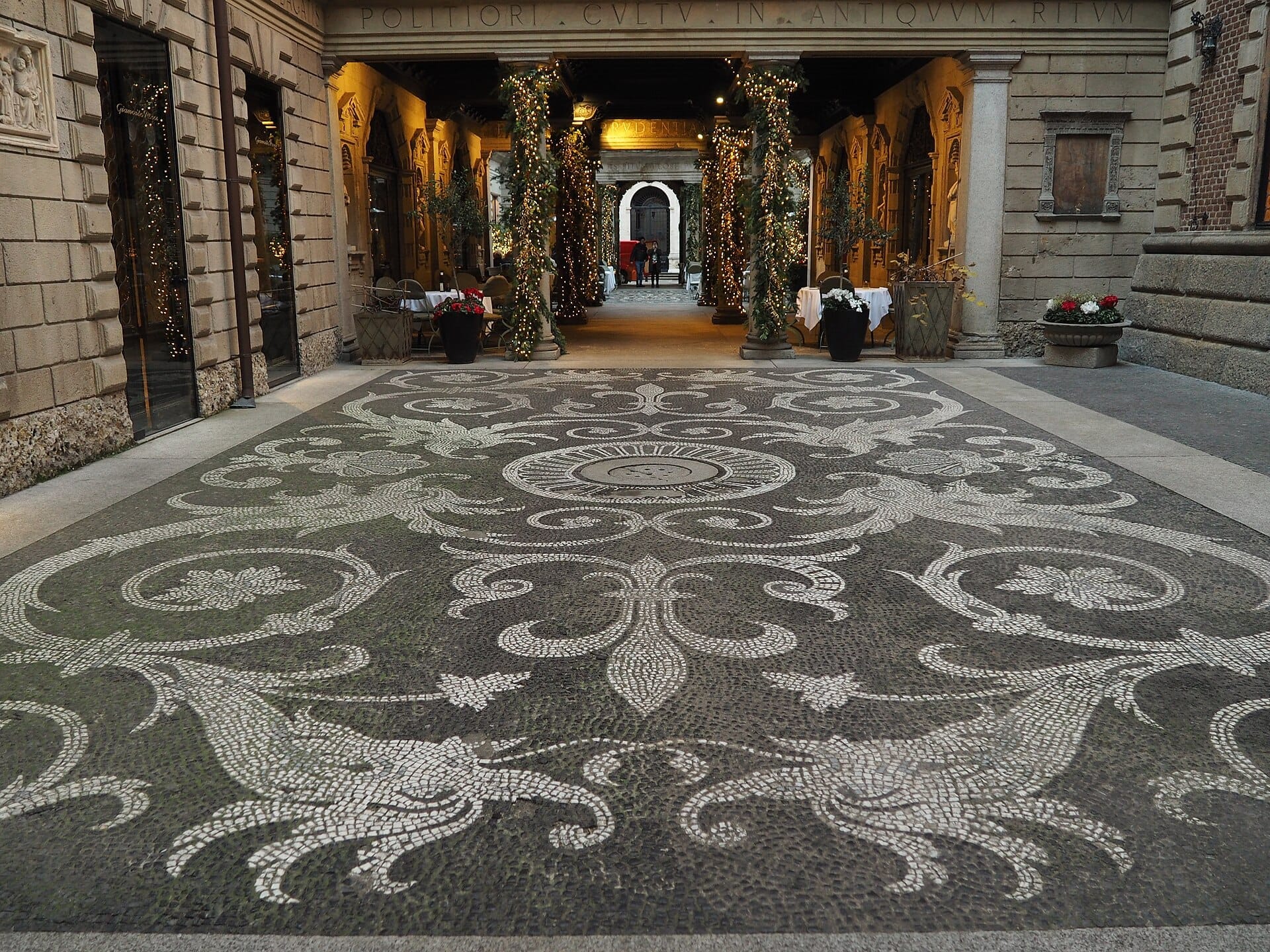
15. Tour a Perfectly Preserved 19th-Century Palazzo at Casa Bagatti Valsecchi
Two aristocratic brothers built this neo-Renaissance home in the 1880s and filled it with authentic 15th and 16th-century furniture, tapestries, and ceramics. It remains one of Milan's most atmospheric and undervisited museums.
Explore15. Tour a Perfectly Preserved 19th-Century Palazzo at Casa Bagatti Valsecchi
Two aristocratic brothers built this neo-Renaissance home in the 1880s and filled it with authentic 15th and 16th-century furniture, tapestries, and ceramics. It remains one of Milan's most atmospheric and undervisited museums.
Explore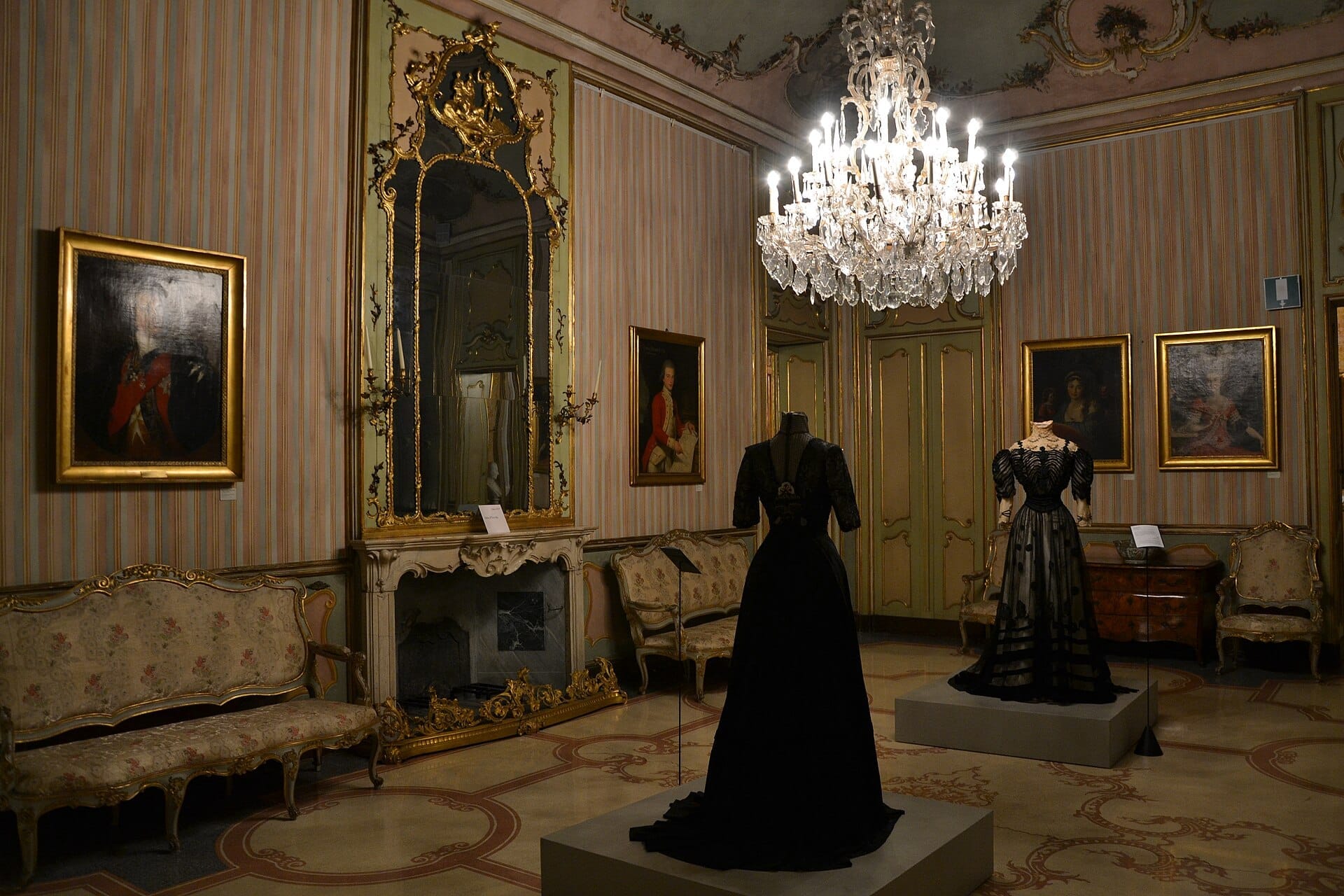
16. See Milanese Fashion History Free at Palazzo Morando
This 18th-century palazzo near the Fashion Quadrilateral traces Milan's social and sartorial history through paintings, photography, and historic garments. Free admission makes it one of the best-value cultural stops in the city.
Explore16. See Milanese Fashion History Free at Palazzo Morando
This 18th-century palazzo near the Fashion Quadrilateral traces Milan's social and sartorial history through paintings, photography, and historic garments. Free admission makes it one of the best-value cultural stops in the city.
Explore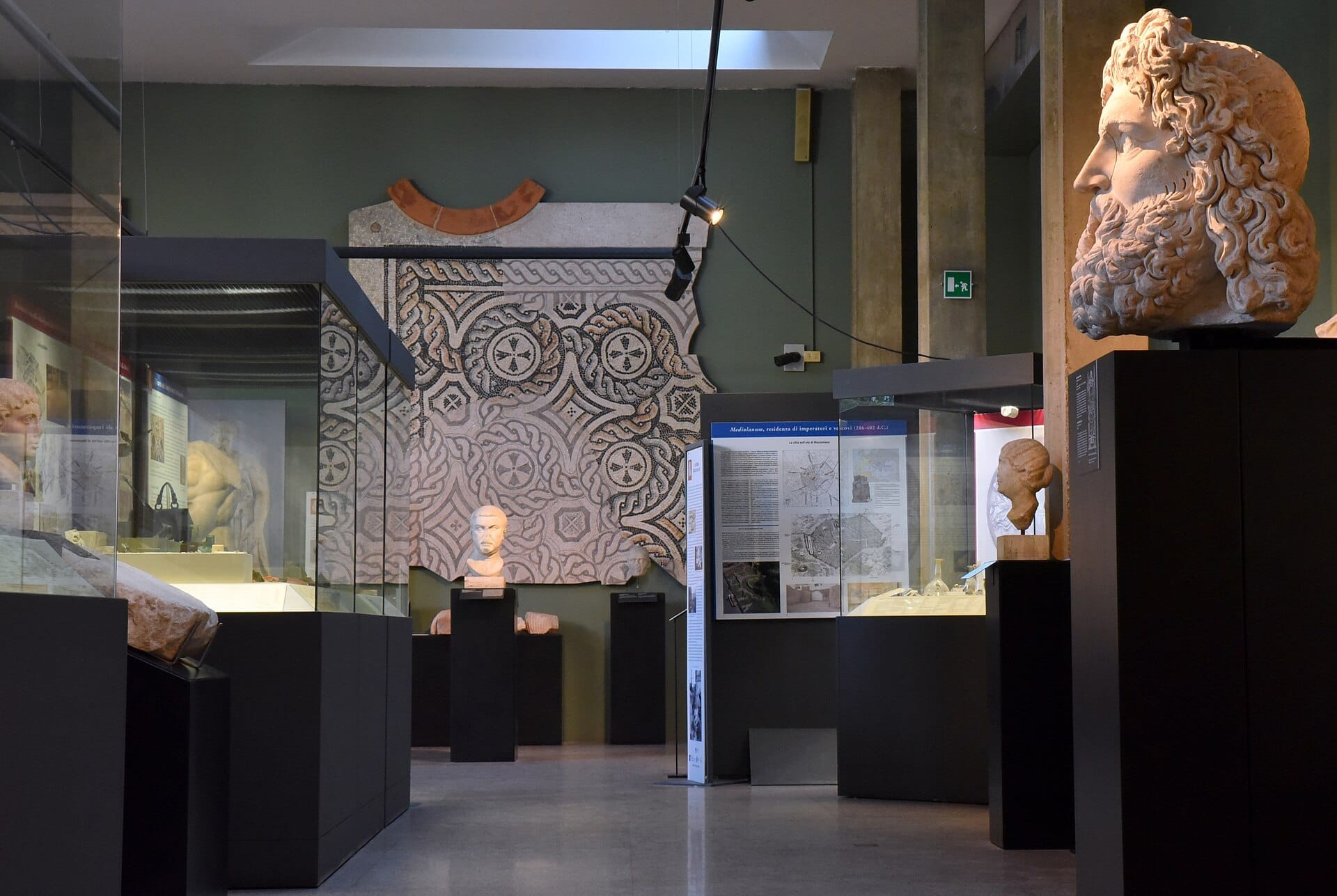
17. Walk Through Roman Milan at the Civic Archaeological Museum
Housed in a former monastery, the collection covers Roman, Greek, Etruscan, and Gandharan objects. The basement reveals actual sections of ancient Roman city walls, offering a rare glimpse of Mediolanum beneath modern Milan.
Explore17. Walk Through Roman Milan at the Civic Archaeological Museum
Housed in a former monastery, the collection covers Roman, Greek, Etruscan, and Gandharan objects. The basement reveals actual sections of ancient Roman city walls, offering a rare glimpse of Mediolanum beneath modern Milan.
Explore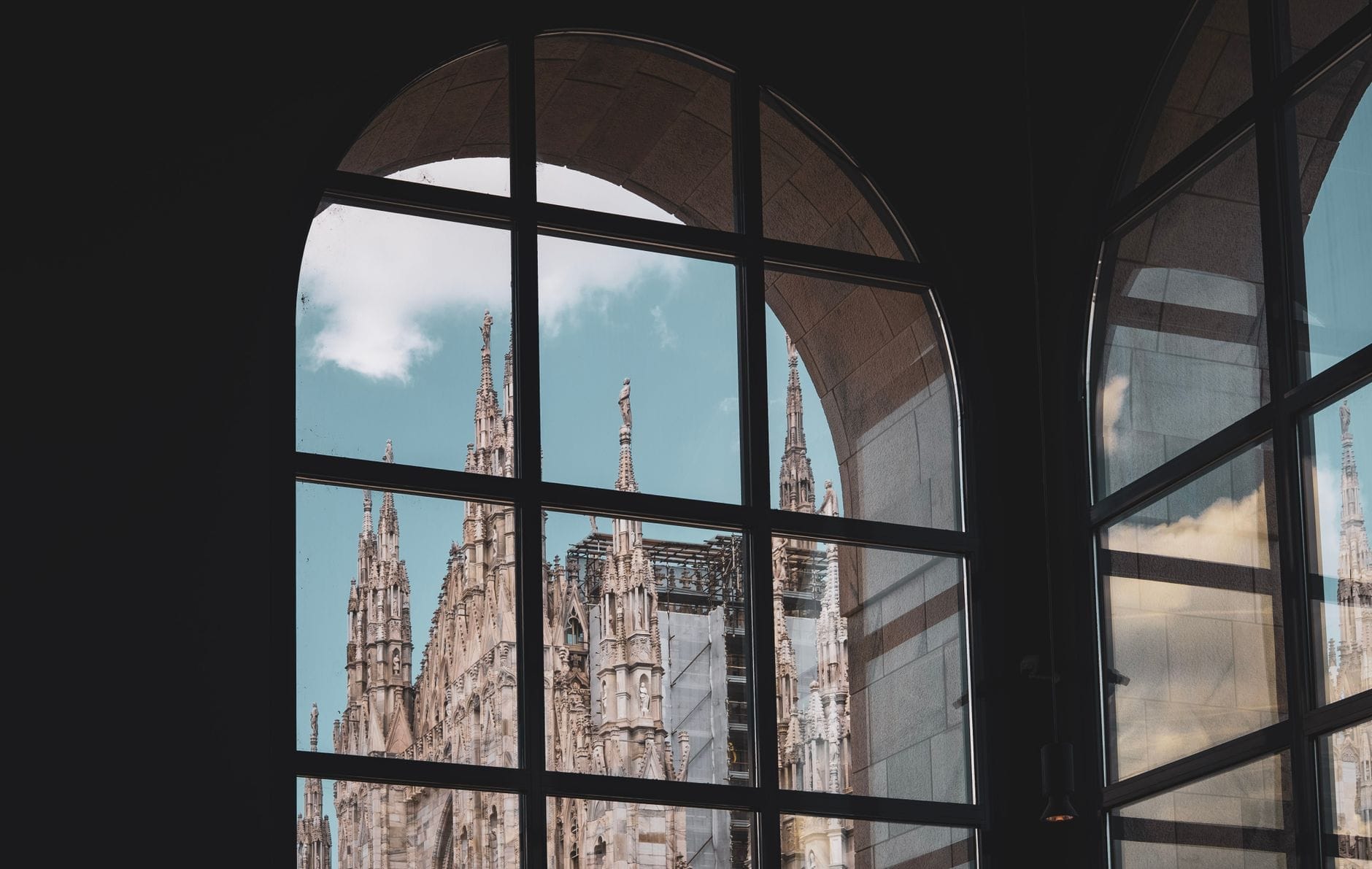
18. Understand the Duomo's 600-Year Story at the Museo del Duomo
Original gargoyles, stained glass, spire decorations, and architectural models trace the cathedral's construction from the 1380s to the 20th century. Often overlooked in favor of the rooftop, but essential context for the building's scale.
Explore18. Understand the Duomo's 600-Year Story at the Museo del Duomo
Original gargoyles, stained glass, spire decorations, and architectural models trace the cathedral's construction from the 1380s to the 20th century. Often overlooked in favor of the rooftop, but essential context for the building's scale.
Explore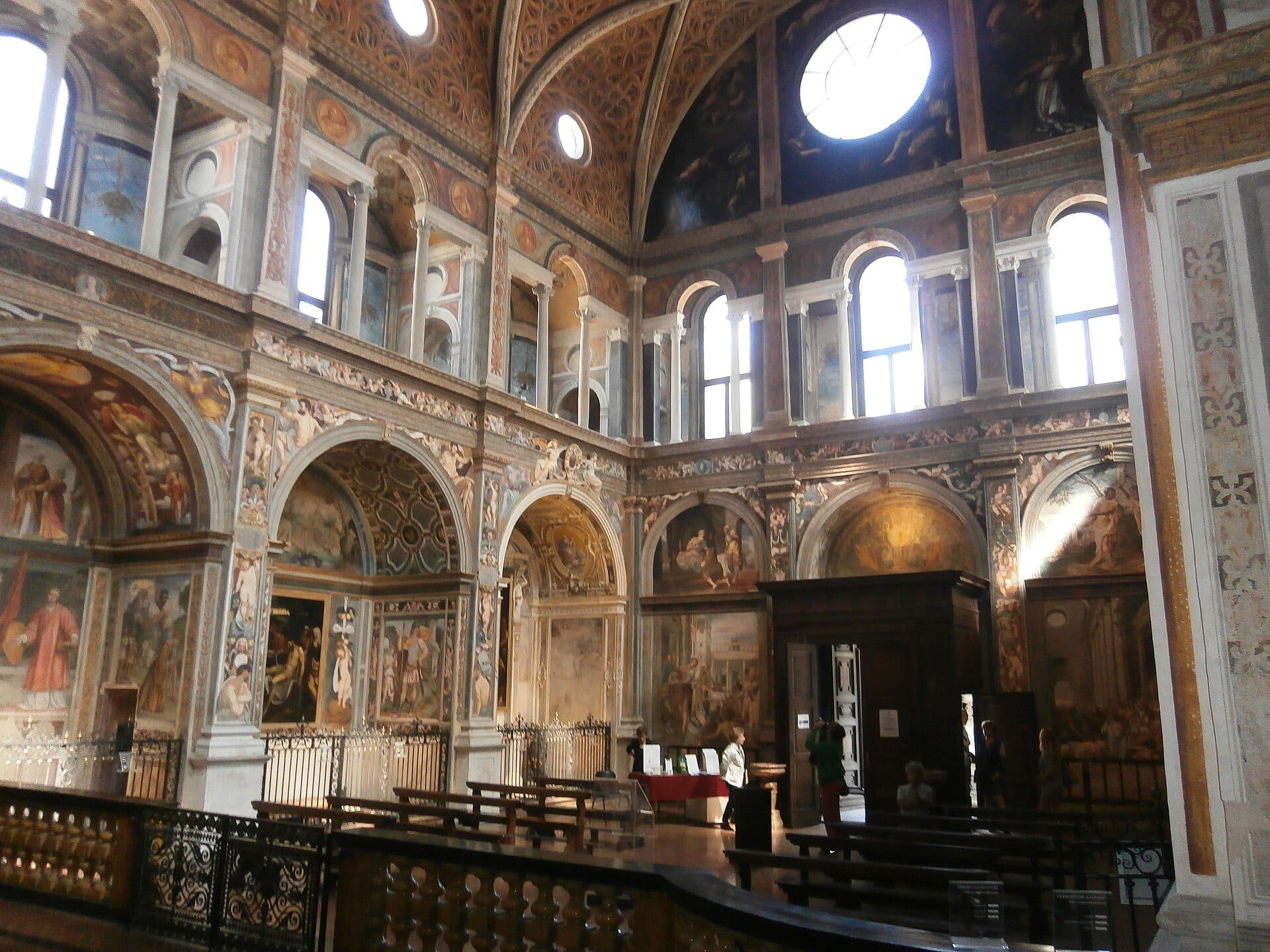
19. Stand Inside Milan's 'Sistine Chapel' at San Maurizio
Every wall and ceiling of this 16th-century church is covered in Renaissance frescoes by Bernardino Luini. Extraordinarily beautiful and almost always quiet. Entry is free, making this one of Milan's great overlooked cultural experiences.
Explore19. Stand Inside Milan's 'Sistine Chapel' at San Maurizio
Every wall and ceiling of this 16th-century church is covered in Renaissance frescoes by Bernardino Luini. Extraordinarily beautiful and almost always quiet. Entry is free, making this one of Milan's great overlooked cultural experiences.
ExploreFamily-Friendly Museums
Several of Milan's museums work especially well with children, combining hands-on exhibits, large spaces, and affordable entry. These three are the most reliably engaging for families visiting the city.
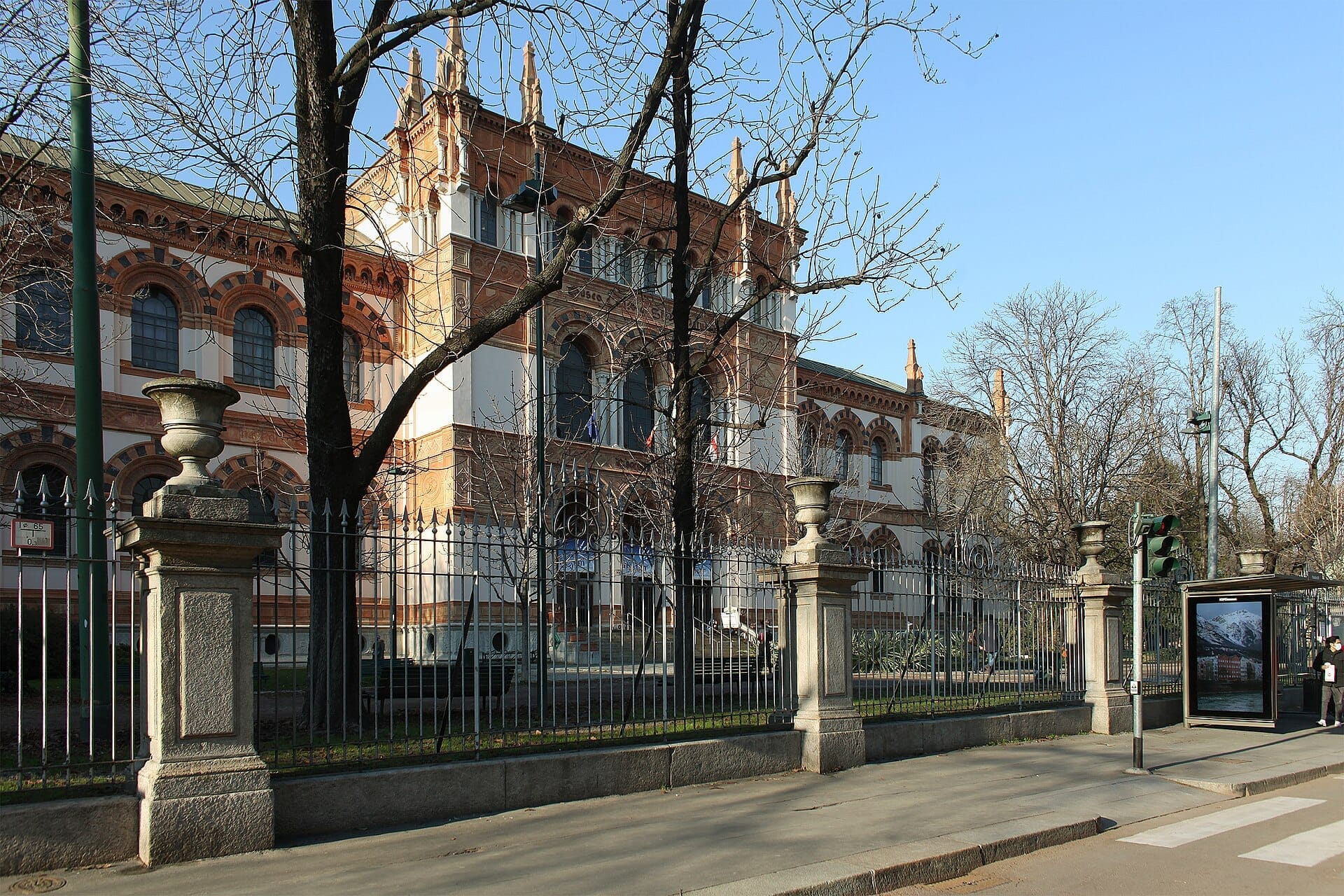
20. Explore Fossils and Dinosaurs at the Natural History Museum
Milan's natural history museum in Porta Venezia holds dinosaur skeletons, mineral collections, and global ecosystem dioramas in a grand neo-Romanesque building. One of the most complete collections of its kind in northern Italy.
Explore20. Explore Fossils and Dinosaurs at the Natural History Museum
Milan's natural history museum in Porta Venezia holds dinosaur skeletons, mineral collections, and global ecosystem dioramas in a grand neo-Romanesque building. One of the most complete collections of its kind in northern Italy.
Explore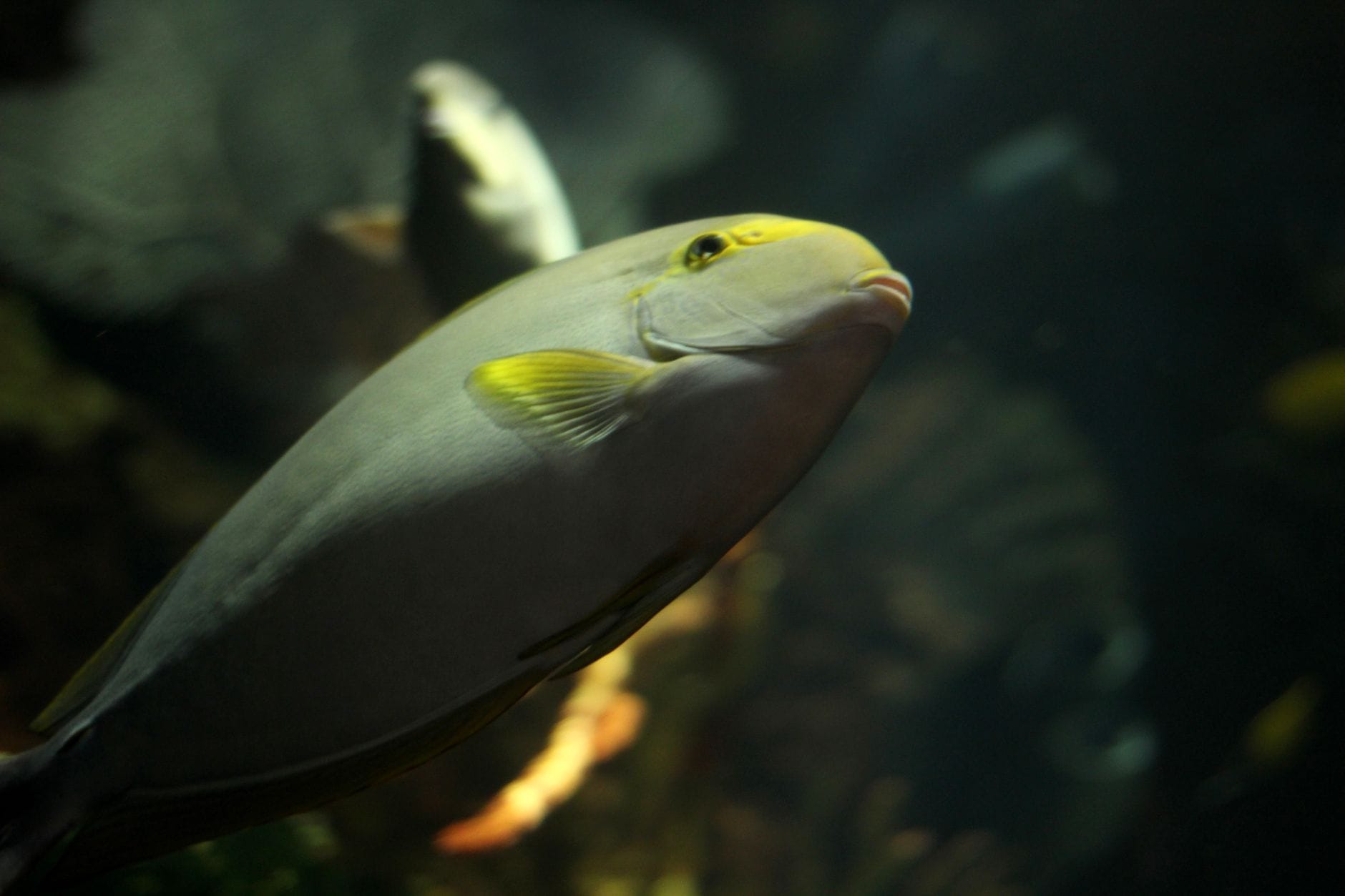
21. Visit One of Europe's Oldest Aquariums in Parco Sempione
Built for the 1906 International Exposition in a beautiful Art Nouveau building, the Civic Aquarium houses freshwater and marine species. Small, charming, and affordable, it works well as part of a half-day in Parco Sempione.
Explore21. Visit One of Europe's Oldest Aquariums in Parco Sempione
Built for the 1906 International Exposition in a beautiful Art Nouveau building, the Civic Aquarium houses freshwater and marine species. Small, charming, and affordable, it works well as part of a half-day in Parco Sempione.
Explore💡 Local tip
The first Sunday of each month brings free admission to the Last Supper Museum (Cenacolo Vinciano) and to many Milan civic museums, including Museo del Novecento and the Castello Sforzesco collections. Plan accordingly if your dates align.
FAQ
Do you need to book Milan museums in advance?
The Last Supper at Santa Maria delle Grazie absolutely requires advance booking, often several weeks ahead. Most other major museums, including the Pinacoteca di Brera, Fondazione Prada, and Museo del Novecento, can be visited without pre-booking, though online tickets save time queuing.
Which Milan museums are free to enter?
Pirelli HangarBicocca is always free. The Castello Sforzesco's courtyard is free, though the museums inside charge entry. Many civic museums offer free admission on the first Sunday of each month, including Museo del Novecento and Gallerie d'Italia.
Which day are most Milan museums closed?
Monday is the standard closing day for most major museums in Milan, including the Pinacoteca di Brera, Museo del Novecento, and Gallerie d'Italia. Always check official sites before visiting, as holidays can also affect opening times.
How many museums can you realistically visit in one day in Milan?
Two to three is realistic if you plan geographically. The Duomo area clusters the Museo del Novecento, Gallerie d'Italia, and Duomo Museum together. In Brera, the Pinacoteca di Brera and Poldi Pezzoli are a short walk apart. Trying to mix neighborhoods in a single day tends to waste time in transit.
Is the Fondazione Prada worth visiting?
Yes, especially if you have a full afternoon. The complex is large and spread across multiple buildings, with permanent collection works by Arte Povera masters and rotating international shows. The Bar Luce, designed by Wes Anderson, is a genuine attraction in itself. Allow at least two hours.