Gallerie d'Italia – Piazza Scala: Milan's Most Architecturally Stunning Museum
Spread across three interconnected 19th-century palazzi steps from La Scala opera house, Gallerie d'Italia – Piazza Scala offers approximately 8,300 square metres of art ranging from Neoclassical painting to 20th-century Italian masters. The buildings themselves are as compelling as what hangs on their walls.
Quick Facts
- Location
- Piazza della Scala 6, 20121 Milano (Duomo District)
- Getting There
- Metro M1/M3 Duomo or M3 Montenapoleone; Trams 1 & 2 at Teatro alla Scala
- Time Needed
- 2 to 3 hours for a thorough visit
- Cost
- €10 full price / €8 reduced; free first Sunday of each month
- Best for
- Italian painting from Neoclassicism to the 20th century, historic interiors, architecture lovers
- Official website
- gallerieditalia.com/en/milan
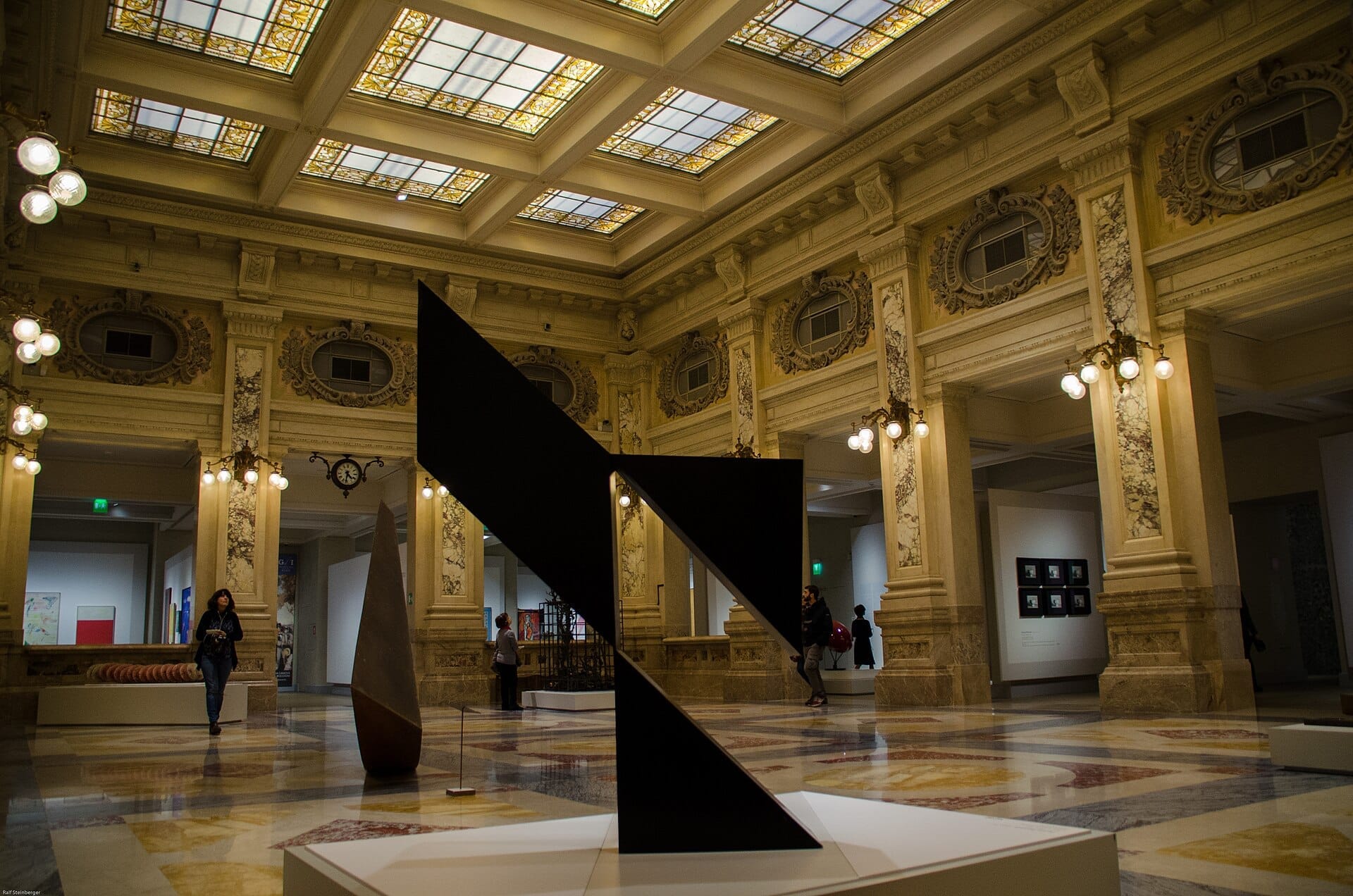
What the Gallerie d'Italia Actually Is
Gallerie d'Italia – Piazza Scala is a museum complex operated by Intesa Sanpaolo, one of Italy's largest banking groups, inside three contiguous historic buildings on the north side of Piazza della Scala: Palazzo Brentani, Palazzo Anguissola Antona Traversi, and the former headquarters of Banca Commerciale Italiana. Together they amount to 8,300 square metres of exhibition and cultural space, making this substantially larger than most visitors expect from a bank-sponsored cultural institution.
The collections span Italian art from the Neoclassical period through to the mid-20th century, with particular depth in Lombard and Venetian Neoclassical painting, Antonio Canova's sculpture, and works associated with the Scapigliatura movement, an anti-academic artistic revolt centred in Milan during the 1860s and 1870s. A separate section in the former Banca Commerciale Italiana building, completed in 2012, covers 20th-century Italian art alongside rotating contemporary photography exhibitions.
ℹ️ Good to know
On the first Sunday of each month, admission is free for all visitors as part of the national #Domenicalmuseo initiative. Expect higher foot traffic on those days, especially in the late morning.
The museum sits on one of the most culturally loaded squares in Europe. Directly across Piazza della Scala stands Teatro alla Scala, the opera house that defines Milan's cultural identity. Visiting both on the same afternoon is entirely practical.
The Buildings: Why the Architecture Matters Here
Most museums in Milan occupy purpose-built or heavily adapted spaces. The Gallerie d'Italia is unusual because the buildings themselves are the first exhibit. Palazzo Brentani and Palazzo Anguissola Antona Traversi are fine examples of Lombard Neoclassical residential architecture, with coffered ceilings, frescoed reception rooms, and the kind of enfiladed room sequence that reads like a deliberate demonstration of 19th-century domestic grandeur.
The contrast between the intimate scale of the residential palazzi and the formal banking hall of the former Banca Commerciale Italiana is one of the more interesting spatial experiences in the museum. The banking hall retains its original proportions and decorative detail, giving the 20th-century art installed within it an unusual institutional backdrop. The weight of marble and the height of the ceilings make even small canvases feel significant.
For visitors with a serious interest in Milan's architectural heritage, the Gallerie d'Italia forms a natural pair with the Pinacoteca Ambrosiana, located a short walk southwest, which occupies an equally historic palace complex. Together they illustrate the range of institutional patronage that shaped central Milan's built environment over four centuries.
Tickets & tours
Hand-picked options from our booking partner. Prices are indicative; availability and final rates are confirmed when you complete your booking.
Exclusive guided tour of Milan with La Scala, Duomo Square and the Galleria
From 50 €Instant confirmationFree cancellationMilan Leonardo da Vinci Exploration Game and Tour
From 12 €Instant confirmationFree cancellationThe Milan Pass
From 0 €Instant confirmationThe Milan Pass
From 0 €Instant confirmation
The Collections: What You Will Actually See
Neoclassical Painting and Sculpture
The Neoclassical holdings are the core of the museum and the section that rewards the most time. Works by Andrea Appiani, the official court painter to Napoleon in Italy, appear in considerable depth, including large-format allegorical canvases that give a clear picture of how Napoleonic ideology translated into visual culture in Lombardy. Antonio Canova's sculptural presence throughout this section provides a counterpoint in white marble to the warm tonality of the painted works around them.
The Lombard Romantic painters represented here, including Francesco Hayez, bridge the gap between the Neoclassical room sequences and the more emotionally turbulent works that follow. Hayez is primarily known for the iconic painting 'Il Bacio' (The Kiss), which hangs in the Pinacoteca di Brera, but his works at the Gallerie d'Italia show the full range of his historical and portrait output.
Scapigliatura and the 19th-Century Lombard Avant-Garde
The Scapigliatura section is the most rewarding for visitors who arrive knowing little about it. The movement, whose name loosely translates as 'the dishevelled ones', produced work of genuine technical originality: loose, almost sfumato brushwork, unconventional subject matter, and a deliberate rejection of the academic painting that dominated official exhibitions. Artists including Tranquillo Cremona and Daniele Ranzoni represent this tendency well in the collection. Their work looks surprisingly modern for the 1860s and 1870s.
The 20th-Century Section
The section housed in the former Banca Commerciale Italiana building covers the major Italian art movements of the 20th century, from Futurism through to the postwar period. The depth here varies, but the space itself is worth walking through regardless. Temporary exhibitions, particularly those focused on documentary and fine art photography, are frequently strong, and the museum's programming in this area tends toward internationally recognised photographers rather than purely Italian-centric shows.
How the Experience Changes by Time of Day
The museum opens at 9:30 and the first 90 minutes are consistently the quietest.
Between midday and 14:00, visitor numbers increase as the area around La Scala and the Duomo fills with tourists finishing morning itineraries. The rooms in the Brentani and Anguissola palazzi can feel congested during this period, particularly if a school group is present. The 20th-century section in the former banking building tends to absorb overflow better, given its more open floor plan.
Late afternoon visits, from 16:30 onward, offer a reasonable balance of good light and reduced crowds. The museum closes at 19:00 with last admission at 18:00, so arriving at 16:30 leaves enough time for a complete circuit without rushing.
💡 Local tip
Tuesday and Wednesday mornings are reliably the least crowded days. Avoid Saturday afternoons and the first Sunday of the month if you want the rooms to yourself.
Practical Information for Visiting
Getting There
The most direct metro connection is the Duomo stop, served by both M1 (red line) and M3 (yellow line). From Piazza del Duomo, the museum entrance on Piazza della Scala is a short walk north along Via Tommaso Grossi or through the Galleria Vittorio Emanuele II. The Montenapoleone stop on M3 also works and deposits you slightly north of the museum. Trams 1 and 2 stop directly at Teatro alla Scala, placing you immediately outside the museum.
The museum is inside Milan's Area C restricted traffic zone, so arriving by private car is impractical. The entire area is walkable: the Galleria Vittorio Emanuele II and Duomo di Milano are both within a five-minute walk, making it easy to combine visits on the same morning.
Tickets and Admission
Full admission is €10. Reduced tickets at €8 and special reduced tickets at €5 apply to various visitor categories listed on the official site. The first Sunday of each month is free for all, as part of the national Domenica al Museo programme. Audio guides are available and can be accessed through the Gallerie d'Italia app, which can be downloaded in advance.
Accessibility
The museum has invested specifically in accessibility design. Exhibitions are adapted for visitors with reduced mobility and for those with cognitive or sensory impairments. Cultural mediators are available for guided visits, and the app provides additional assistance. Visitors with specific accessibility requirements should check the museum's current provision directly through the official site before their visit.
Photography
Photography is generally permitted in the permanent collection areas for personal use without flash. Temporary exhibitions may have different rules depending on the exhibition agreement. The frescoed ceilings of the palazzo rooms are among the most photographically interesting elements of the visit, and wide-angle lenses will serve you better than long focal lengths in these spaces.
Who This Museum Suits and Who Might Leave Disappointed
The Gallerie d'Italia rewards visitors with even a passing interest in Italian art history, particularly those who want to move beyond the Renaissance and Baroque periods that dominate most Italian museum tourism. If your frame of reference for Italian painting stops at the 17th century, the collections here will open up a less familiar but genuinely interesting century and a half of artistic production.
Visitors primarily interested in Renaissance masters or the kind of collection found at the Pinacoteca di Brera may find the Gallerie d'Italia's holdings less immediately satisfying. The museum is not trying to compete with Brera on depth of Old Master material; it occupies a different and more specific art-historical niche.
Families with young children will find the building interesting to move through, but the collections are text-heavy and conceptually demanding. Children who engage with art education programmes may do well here; those who need interactive or activity-based exhibits will likely find the format slow.
⚠️ What to skip
The museum is closed every Monday and open from 9:30 to 19:00 Tuesday through Sunday, with last admission one hour before closing. If you are planning a tight itinerary that includes the Gallerie d'Italia, check the day of the week and any special holiday hours carefully on the official site before visiting.
Insider Tips
- Download the Gallerie d'Italia app before arriving. It functions as a self-guided audio tour and reduces the need to read wall text while standing, which makes moving through the smaller palazzo rooms much less congested.
- The museum café and bookshop are located in the former banking hall section. If you want a quiet spot mid-visit, the bookshop area tends to be calm and well-stocked with Italian art monographs that are difficult to find elsewhere.
- The frescoed ceilings in Palazzo Brentani are worth pausing for even if you walk through the rooms quickly. Tilt your phone horizontally and shoot with a wide angle for the best results without a tripod.
- If you plan to visit on the free first Sunday of the month, arrive at 9:30 when the doors open. Numbers build quickly from 10:30 onward and the smaller palazzo rooms can feel uncomfortably full by midday.
- The temporary photography exhibitions in the 20th-century section often feature international names and are updated more frequently than the permanent collection. Check the current programme on the official site before your visit, as the temporary show can be a deciding factor in timing your trip.
Who Is Gallerie d'Italia – Piazza Scala For?
- Art enthusiasts interested in Italian Neoclassicism, Romanticism, and the Scapigliatura movement
- Architecture and interior design lovers drawn to 19th-century Lombard palazzo spaces
- Travellers who want a serious museum experience without the crowds of Brera or the Duomo circuit
- Photography enthusiasts looking for frescoed ceilings and dramatic period interiors
- Visitors returning to Milan who have already covered the major Renaissance and Baroque collections
Nearby Attractions
Other things to see while in Duomo District:
- Chiesa di San Bernardino alle Ossa
Tucked into Piazza Santo Stefano a short walk east of the Duomo, the Chiesa di San Bernardino alle Ossa is one of Milan's most arresting and least-crowded historic interiors. Its 17th-century ossuary chapel is lined floor to ceiling with human skulls and bones, crowned by a luminous baroque fresco. Entry is free.
- Duomo di Milano
The Duomo di Milano is one of the largest Gothic cathedrals in the world, nearly six centuries in the making and still the physical and symbolic heart of the city. This guide covers what to expect inside, how to reach the rooftops, when to visit, and the practical details that make the difference between a rushed stop and a memorable experience.
- Museo del Duomo
The Museo del Duomo di Milano, housed inside Palazzo Reale on Piazza del Duomo, holds six centuries of sculpture, stained glass, and architectural models that the cathedral itself can no longer display. It is quieter than the church next door, considerably less crowded than the rooftop terraces, and far more revealing about how one of the world's most complex Gothic buildings actually came to be.
- Galleria Vittorio Emanuele II
Built between 1865 and 1877 and inaugurated in 1867, the Galleria Vittorio Emanuele II connects Piazza del Duomo to Piazza della Scala beneath a soaring 47-metre glass dome. Entry is free and the arcade never closes, making it one of the most accessible landmarks in northern Italy. Whether you stop for an espresso at a historic café or simply pass through on foot, the architecture alone rewards the detour.