Milan Design Week (Salone del Mobile): The Complete Visitor Guide
Milan Design Week is the world's largest design festival, combining the professional Salone del Mobile furniture fair at Rho Fiera with hundreds of free Fuorisalone events across the city's design districts. This guide covers dates, tickets, neighborhoods, transport, and practical planning advice.
Plan and book this trip
Tools from our partner Travelpayouts help you compare flights and hotels. If you book through them, we may earn a commission at no extra cost to you.
Flights
Hotels map
TL;DR
- Milan Design Week runs every April, typically over eight days, with Salone del Mobile at Rho Fiera (ticketed, industry-focused) and 1,000+ free Fuorisalone events across the city.
- The 2026 edition is scheduled for 19–26 April, with Salone del Mobile running 21–26 April at Fiera Milano Rho, about 15 km from the city center.
- Book accommodation months in advance — hotels fill up faster during design week than during Milan Fashion Week, and prices spike sharply.
- Fuorisalone events in districts like Brera, Tortona, Isola, and 5VIE are free to attend and often more creatively ambitious than the fair itself.
- Plan at least three full days: one for Salone del Mobile at Rho Fiera, and two for exploring the city districts.
What Is Milan Design Week?
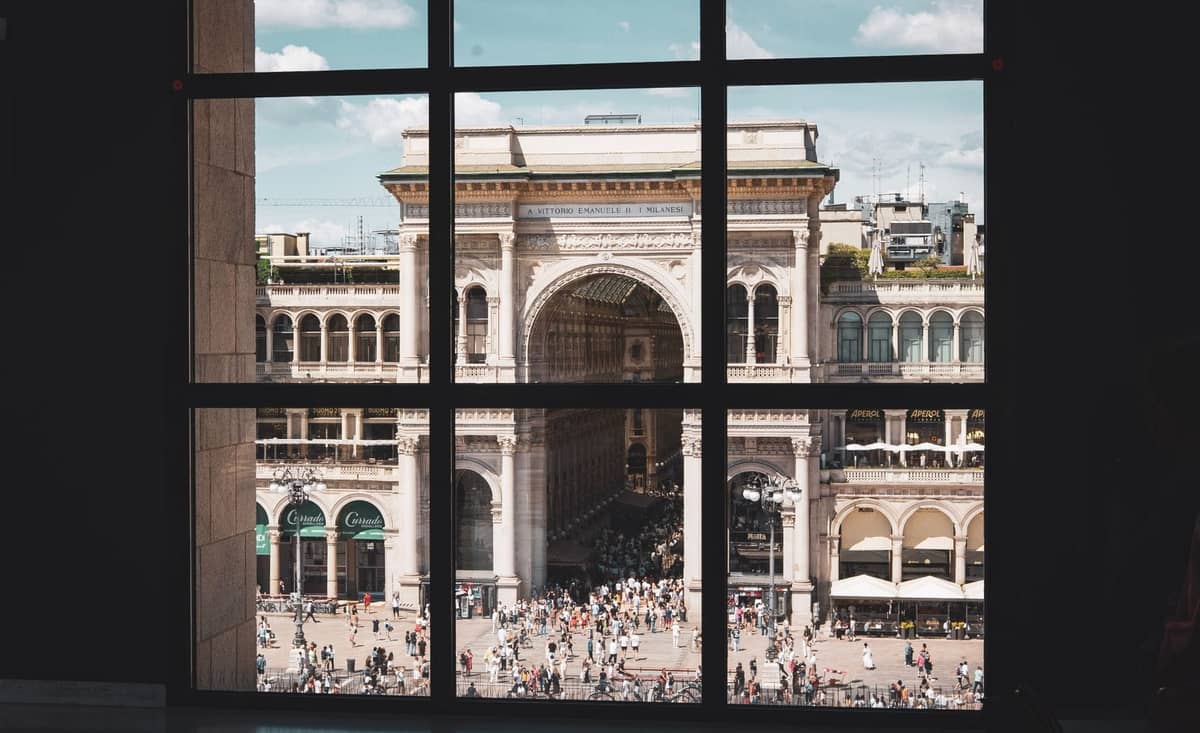
Milan Design Week is an annual festival that turns the entire city into a design laboratory every April. At its core is the city's most important event: Salone del Mobile.Milano, the international furniture and design fair held at the Fiera Milano Rho fairgrounds. But the fair is only half the story.
Running in parallel across the city, Fuorisalone (literally 'outside the fair') is a sprawling program of exhibitions, installations, brand activations, and open studios organized by hundreds of companies, design schools, cultural institutions, and independent collectives. These events occupy every major district, from historic courtyards in Brera to converted industrial spaces in Tortona. The combination makes Milan Design Week unlike any other design event in the world: a professional trade fair wrapped inside a city-wide cultural festival.
The scale is genuinely staggering. In recent editions, over 1,000 Fuorisalone events have been registered across at least 10 designated design districts, with participation from global brands, emerging studios, and major institutions including Triennale Milano and the ADI Design Museum. The entire metropolitan area of Milan, home to around 3.3 million people, shifts into design mode for the week.
Dates and Key Facts
The 2026 edition of Salone del Mobile.Milano is confirmed for 21–26 April 2026 at Fiera Milano Rho. Looking further ahead, the 2027 edition of Salone del Mobile is planned for 13–18 April 2027. The festival always takes place in April, so building your travel plans around that month is a safe starting point, though exact dates shift slightly each year.
- Milan Design Week 2026 19–26 April 2026 (full festival period, including Fuorisalone events)
- Salone del Mobile 2026 Tuesday 21 – Sunday 26 April 2026, Fiera Milano Rho — 9:30–18:30 daily. Trade visitors all days; general public Saturday 25 and Sunday 26 only; students admitted Friday 24, Saturday 25, and Sunday 26 (confirm on salonemilano.it before attending)
- Salone del Mobile 2027 13–18 April 2027 — already confirmed for planning purposes
- Fuorisalone events Run across the full festival week, often beginning the Sunday before Salone opens
- Venue for fair Fiera Milano Rho, approximately 15 km northwest of central Milan, accessible via M1 metro (Rho Fiera stop)
⚠️ What to skip
Do not assume dates are fixed until confirmed by the official organizers. Always check salonemilano.it and fuorisalone.it for the current year's exact schedule before booking flights or hotels.
Salone del Mobile vs. Fuorisalone: Understanding the Difference
These are two distinct events that happen simultaneously, and confusing them is the most common planning mistake visitors make. Salone del Mobile is a professional trade fair. It takes place inside the massive Fiera Milano Rho exhibition center, which covers several hundred thousand square meters of exhibition space, making it one of Europe's largest fairgrounds. Access requires purchasing tickets in advance through salonemilano.it, and the fair is primarily aimed at architects, interior designers, buyers, press, and industry professionals. That said, individual visitors can attend, and the scale of the exhibitor presentations often justifies the trip.
Fuorisalone is different in almost every way. It is decentralized, free (with a few exceptions for special exhibitions), and spread across the entire city. There is no single organizer controlling Fuorisalone; it is an ecosystem of independent events registered under a common identity. A luxury car brand might install an immersive experience in a Renaissance courtyard in Brera. A Scandinavian design school might take over a Navigli warehouse. A Japanese ceramics collective might exhibit in a 5VIE palazzo that is closed to the public every other week of the year. The variety is what makes Fuorisalone particularly exciting, and you do not need to spend a euro to experience most of it.
ℹ️ Good to know
Fuorisalone events are free for the majority of visitors. Some installations by major brands or at ticketed venues (like certain Triennale exhibitions) may require advance booking. Check fuorisalone.it for specific event details each year.
The Design Districts: Where to Go in the City
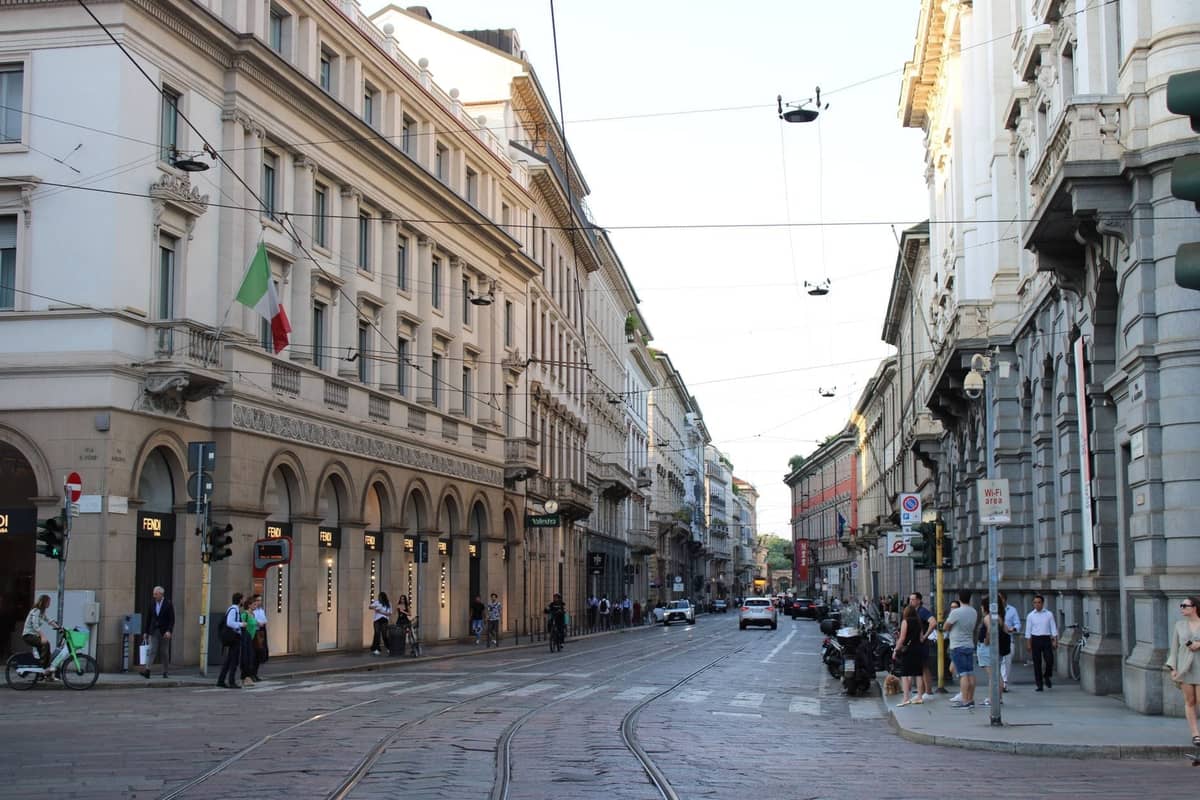
Milan's Fuorisalone events are organized into named design districts, each with its own character and programming focus. Knowing which districts suit your interests saves significant time during a week when every hour competes with something else. The Brera district is the most central and consistently one of the most photographed, with installations spilling into its narrow streets and the courtyard of the Pinacoteca di Brera.
- Brera Design District Central Milan's arts neighborhood. Galleries, showrooms, and street installations. Very walkable, extremely crowded on peak days. Best explored early morning or after 18:00.
- Tortona / Zona Tortona Former industrial area southwest of the center, now packed with brand showrooms, concept stores, and large-scale installations. This is where many global brands set up their flagship Design Week experiences.
- 5VIE Five streets near Sant'Ambrogio. Focused on craft, heritage, and experimental design. Smaller scale, less crowded, higher curatorial quality. Recommended for serious design enthusiasts.
- Isola Northeast of Garibaldi station, this neighborhood mixes emerging designers with independent studios. More local feel, less commercial than Tortona.
- Porta Venezia Broad, architecturally eclectic district east of the center. Growing in Design Week prominence, with a mix of established brands and independent events.
- Alcova A curated design platform that typically occupies a large historic venue outside the main districts — in recent editions, the Baggio Military Hospital and Villa Pestarini. Requires a specific trip but consistently delivers the most provocative work.
The Navigli canal district also sees Design Week activity, and its bars and restaurants are natural gathering points for evening aperitivo after long days of exhibition-hopping. The canals along Naviglio Grande are particularly lively during the festival week.
Getting There and Getting Around
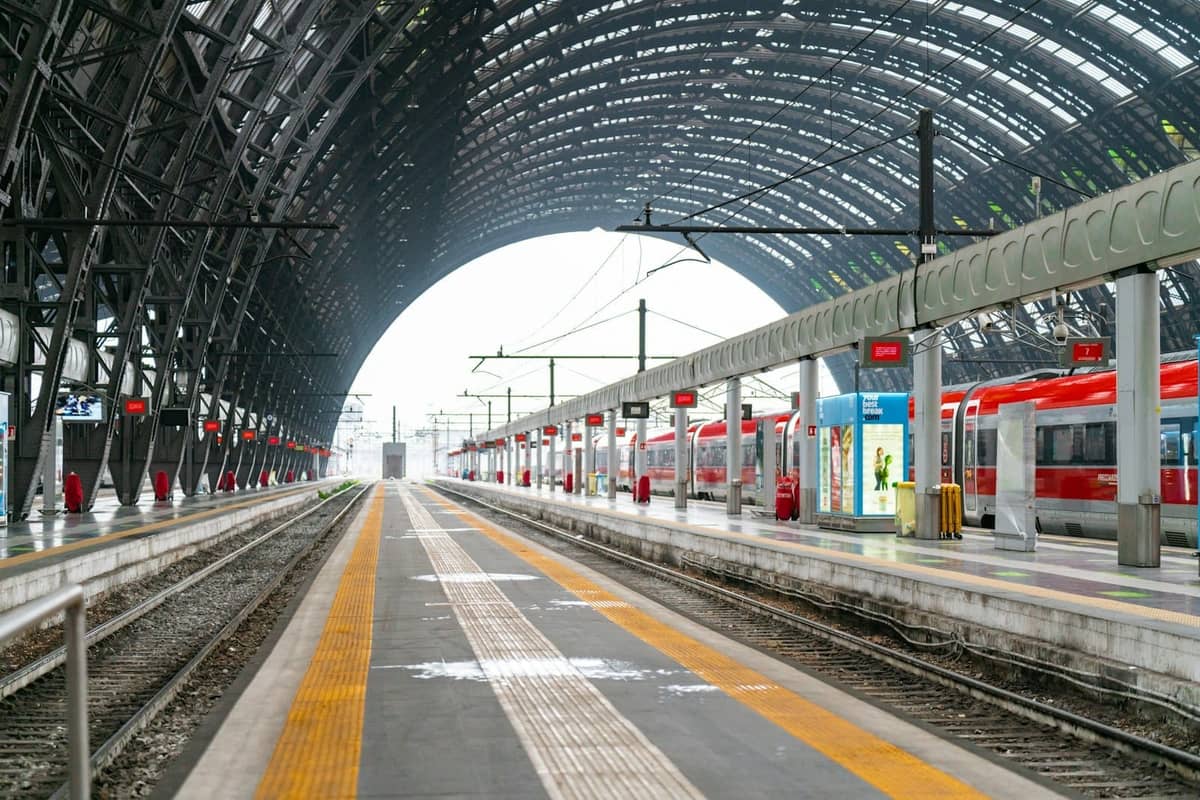
Most international visitors arrive at Milan Malpensa Airport (MXP), about 45–50 km from the city center. The Malpensa Express train connects directly to Milano Centrale and Cadorna stations. If you are flying on a budget carrier, you may land at Bergamo Orio al Serio (BGY), around 45–50 km east of Milan, served by coach shuttles to Centrale. Milan Linate (LIN), about 7 km from the center, handles many European routes and is the most convenient arrival point.
Within the city, Milan's metro and tram network handles most of the Fuorisalone districts well. For Salone del Mobile at Rho Fiera, take the M1 red metro line to the Rho Fiera stop — the fairground is directly connected. Buy a multi-day transport pass at the start of your trip rather than single tickets; during Design Week you will use public transport constantly. For more detail on navigating the city, the guide to getting around Milan covers all transport options in depth.
✨ Pro tip
On the busiest days (typically Tuesday and Wednesday of Design Week), the metro to Rho Fiera gets severely congested during morning rush hours. Aim to arrive at the fair either before 10:30 or after 14:00 to avoid the worst queues at the entrance gates.
Planning Your Visit: Practical Advice
Three days is the minimum to do Milan Design Week justice. One full day at Salone del Mobile (the fair is enormous and requires planning which halls to prioritize), and two days divided between design districts in the city. If you have four or five days, you can add Alcova, cover more ground in each neighborhood, and actually absorb what you are seeing rather than racing through it.
Accommodation is the most logistically critical factor. Hotels book out months in advance, and prices during Design Week can reach two to three times normal rates. Staying in Milan itself is strongly advisable over commuting from other cities: events run late, the atmosphere of the city during the week is part of the experience, and losing two hours daily on train travel to Como or Bergamo is a poor trade. Districts like Brera, Porta Garibaldi, and Porta Venezia put you within walking or short tram distance of most Fuorisalone activity.
Beyond design, Milan in late April is very pleasant to navigate. Daytime temperatures typically sit between 15–22°C, the city has not yet heated into summer humidity, and daylight extends into the evening. If you are combining Design Week with broader Milan sightseeing, the 3-day Milan itinerary can help you structure time around the festival schedule. Key cultural sites like the Last Supper require booking weeks ahead even outside Design Week — during the festival, securing tickets becomes even more competitive.
Dress code during Design Week skews creative. Milan is always more style-conscious than most European cities, and during the festival that dynamic intensifies considerably. Comfortable but considered shoes matter more than most visitors expect: you will easily walk 15–20 km per day across cobblestoned streets and large exhibition halls.
💡 Local tip
Download the Fuorisalone app before you arrive and build a personal shortlist of events by district. The full program lists hundreds of events and is overwhelming without pre-filtering. Prioritize events that require advance booking first, then fill in with walk-in options.
Beyond the Festival: Milan's Permanent Design Scene
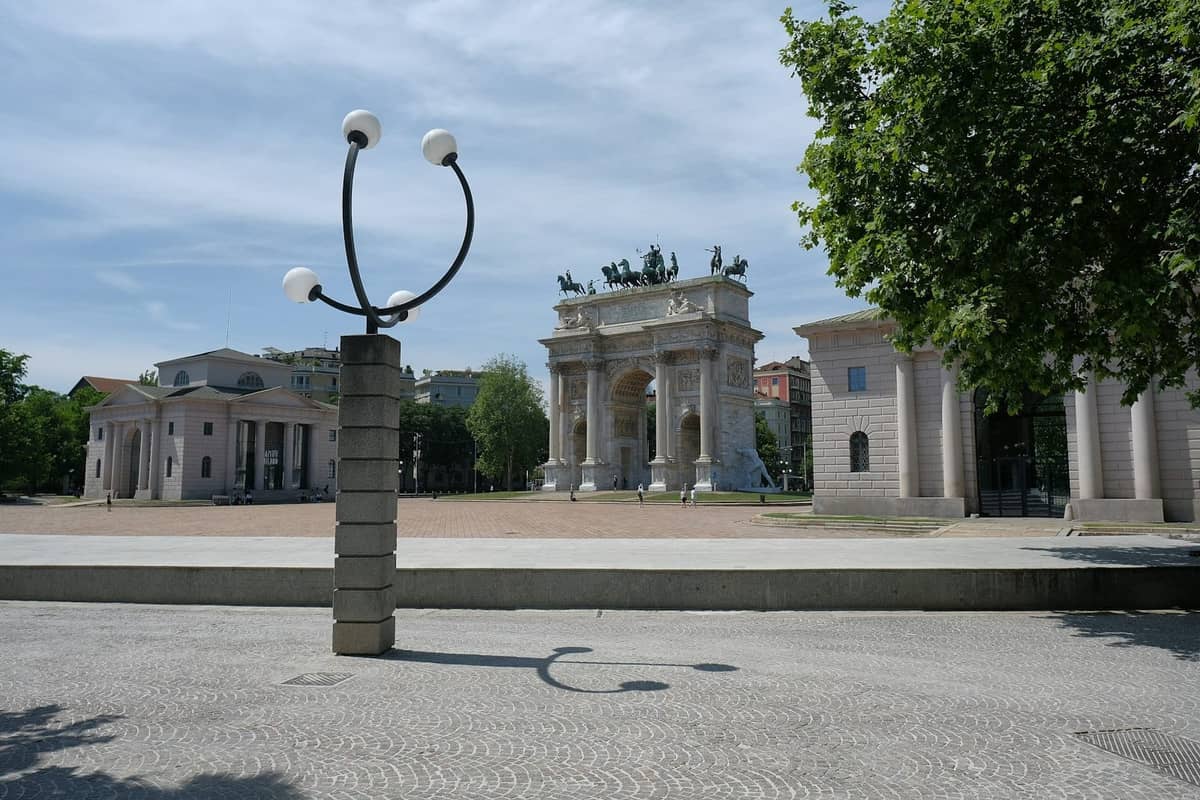
Milan's design credentials do not begin and end with one week in April. The city is home to some of Europe's most significant permanent design institutions. The Triennale Design Museum in Parco Sempione runs major design exhibitions year-round and serves as one of the main Fuorisalone venues during the festival.
The Fondazione Prada in the south of the city combines art, architecture, and design in an ambitious venue that is worth visiting regardless of whether Design Week is happening. The Quadrilatero della Moda, Milan's luxury fashion district, also sees significant brand installations during the festival, blending Milan's fashion identity with its design culture in ways that are visible nowhere else.
For those interested in architecture alongside design, Milan rewards extended exploration. The Milan architecture guide covers everything from Roman ruins to the Bosco Verticale in Porta Nuova, one of the most internationally recognized recent buildings in Europe.
FAQ
Is Salone del Mobile open to the public or only to trade professionals?
Salone del Mobile is primarily a professional trade fair, but individual visitors can attend by purchasing tickets through the official site salonemilano.it. Trade visitors (architects, designers, press, buyers) register through a different professional category. Check the current ticketing structure on the official site, as categories and pricing are updated each year.
Do I need tickets for Fuorisalone events?
The vast majority of Fuorisalone events are free and open to anyone who walks in. Some special exhibitions, particularly at ticketed venues like Triennale Milano or immersive brand installations, may require advance registration or ticket purchase. Check individual event listings on fuorisalone.it before attending.
How far in advance should I book accommodation for Milan Design Week?
As early as possible — ideally 6 to 9 months in advance. Hotels at reasonable prices are routinely fully booked 4–5 months before the event. If you are searching close to the dates, consider apartments or short-term rentals as an alternative, and prioritize staying within Milan rather than commuting from nearby cities.
How many days do I need for Milan Design Week?
A minimum of three days is recommended by most guides covering the event: one day for Salone del Mobile at Rho Fiera, and two days for Fuorisalone events across the city districts. Five days allows a thorough experience of both the fair and the main city districts, including less central venues like Alcova.
How do I get from central Milan to Salone del Mobile at Rho Fiera?
Take the M1 (red metro line) to the Rho-Fieramilano stop. The fairground entrance is directly accessible from the station. Journey time from central stations like Duomo or Cadorna is typically 25–40 minutes depending on your starting point. Buy a multi-day transport pass rather than single tickets — you will use the metro constantly throughout the week.