Milan Fashion Guide: Shopping, Fashion Week & Style
Milan is one of the world's four fashion capitals, home to storied design houses, serious shopping districts, and four Fashion Weeks a year. This guide covers everything from navigating the Quadrilatero della Moda to understanding what tourists can actually access during Milan Fashion Week 2026.
Plan and book this trip
Tools from our partner Travelpayouts help you compare flights and hotels. If you book through them, we may earn a commission at no extra cost to you.
Flights
Hotels map
TL;DR
- Milan hosts four official Fashion Weeks per year: menswear and womenswear, each for Fall/Winter and Spring/Summer collections.
- The Quadrilatero della Moda (Via Montenapoleone area) is the epicenter of luxury shopping, but serious shoppers also explore Brera, Porta Nuova, and the Tortona district.
- Official runway shows are invitation-only for press and buyers. Public access means street events, presentations, trade shows like WHITE, and open-to-public brand activations.
- Milan Fashion Week 2026 key dates: Women's F/W runs 24 February to 2 March; Women's S/S 2027 runs 22–28 September.
- For the full picture on what to do around Fashion Week, combine this guide with the Milan shopping guide and our breakdown of the best time to visit Milan.
Why Milan Is a Fashion Capital
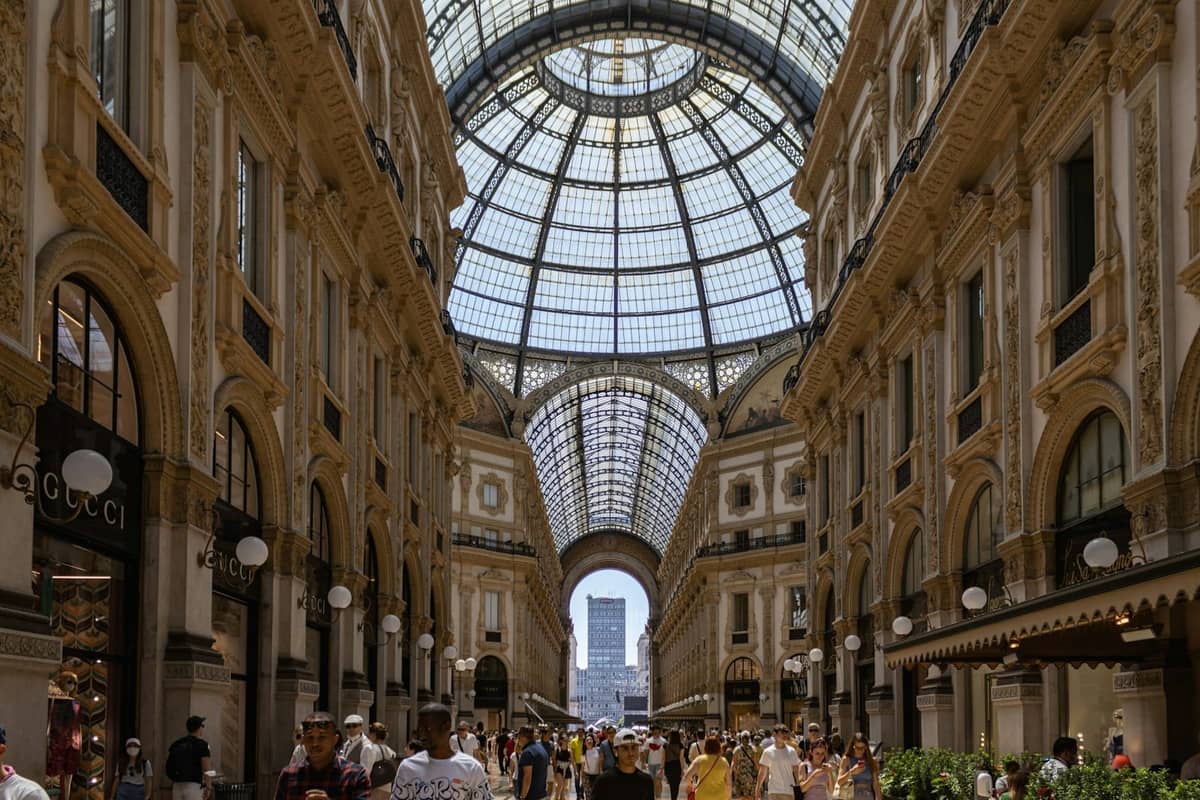
Milan's status as a global fashion capital is not just marketing. The Globalization and World Cities Research Network classifies Milan as an Alpha global city, and the fashion industry sits at the core of that designation. Italy's textile and garment sector has historically been concentrated in Lombardy, and Milan evolved as the business hub where design, manufacturing, retail, and media converged. Houses like Prada, Versace, Armani, Gucci (whose global HQ moved to Milan), and Dolce & Gabbana are not just headquartered here in a nominal sense. Their design studios, flagship stores, foundations, and event spaces are physically embedded in the city.
This commercial infrastructure means fashion in Milan is visible year-round, not just during Fashion Week. The Armani Silos in the Tortona district functions as a permanent exhibition of Giorgio Armani's archive. Fondazione Prada blends contemporary art with the brand's aesthetic identity. These are serious cultural institutions, not retail annexes, and they're worth visiting entirely on their own terms.
For visitors, this concentration matters practically. Unlike Paris, where fashion houses are spread across arrondissements, Milan's luxury retail is tightly clustered. You can cover the core shopping circuit on foot in a single morning, then spend an afternoon in a design museum without taking any transport at all.
Milan Fashion Week 2026: Dates, Access, and What to Expect
Milan Fashion Week (MFW) runs four times a year, not two, which surprises many first-time visitors. There are separate weeks for menswear and womenswear, each covering Fall/Winter and Spring/Summer collections. The official calendar is published and managed by Camera Nazionale della Moda Italiana (CNMI) on the Milano Fashion Week portal.
- Men's Fall/Winter 2026–27 16–20 January 2026
- Women's Fall/Winter 2026–27 24 February – 2 March 2026
- Men's Spring/Summer 2027 19–23 June 2026
- Women's Spring/Summer 2027 22–28 September 2026
⚠️ What to skip
Official runway shows are reserved for press, buyers, and personally invited guests. No ticket platform can legally sell seats to a Prada or Versace catwalk. If you see such offers, treat them with serious skepticism. What reputable partners do sell are access to off-schedule events, presentations, trade show floor passes, and curated fashion week experiences.
What tourists can genuinely access during MFW is more interesting than many realize. The CNMI runs the Fashion Hub at Spazio Cavallerizze inside the Museo Nazionale della Scienza e della Tecnologia, which hosts presentations and events from emerging designers with a more open format than the main runway shows. The trade fair WHITE, held across several venues on Via Tortona during the women's weeks, focuses on womenswear and accessories from independent and emerging brands. Entry to trade fair floors often requires industry accreditation, but the surrounding Tortona district transforms during these weeks with installations, pop-ups, and street activity that anyone can experience.
Practically speaking, Fashion Week affects the entire city. Hotels in the center charge peak rates during February/March and September. Book accommodation at least two to three months ahead for those windows. Restaurants near the Quadrilatero fill fast at lunch. Traffic and security around show venues can disrupt normal movement through the centre, particularly in the areas around Via Montenapoleone, Via della Spiga, and Palazzo Reale. If you are visiting Milan for the atmosphere rather than the industry access, the September women's week is the most pleasant: warm weather, outdoor events, and more street activity than the cold January and February editions.
✨ Pro tip
The CNMI publishes the official show calendar and a map of venues at milanofashionweek.cameramoda.it. Check it two to three weeks before your trip. Many presentations and minor events are listed there that never appear on general travel sites. Some are open to the public or require only a free registration.
Where to Shop: Milan's Fashion Districts
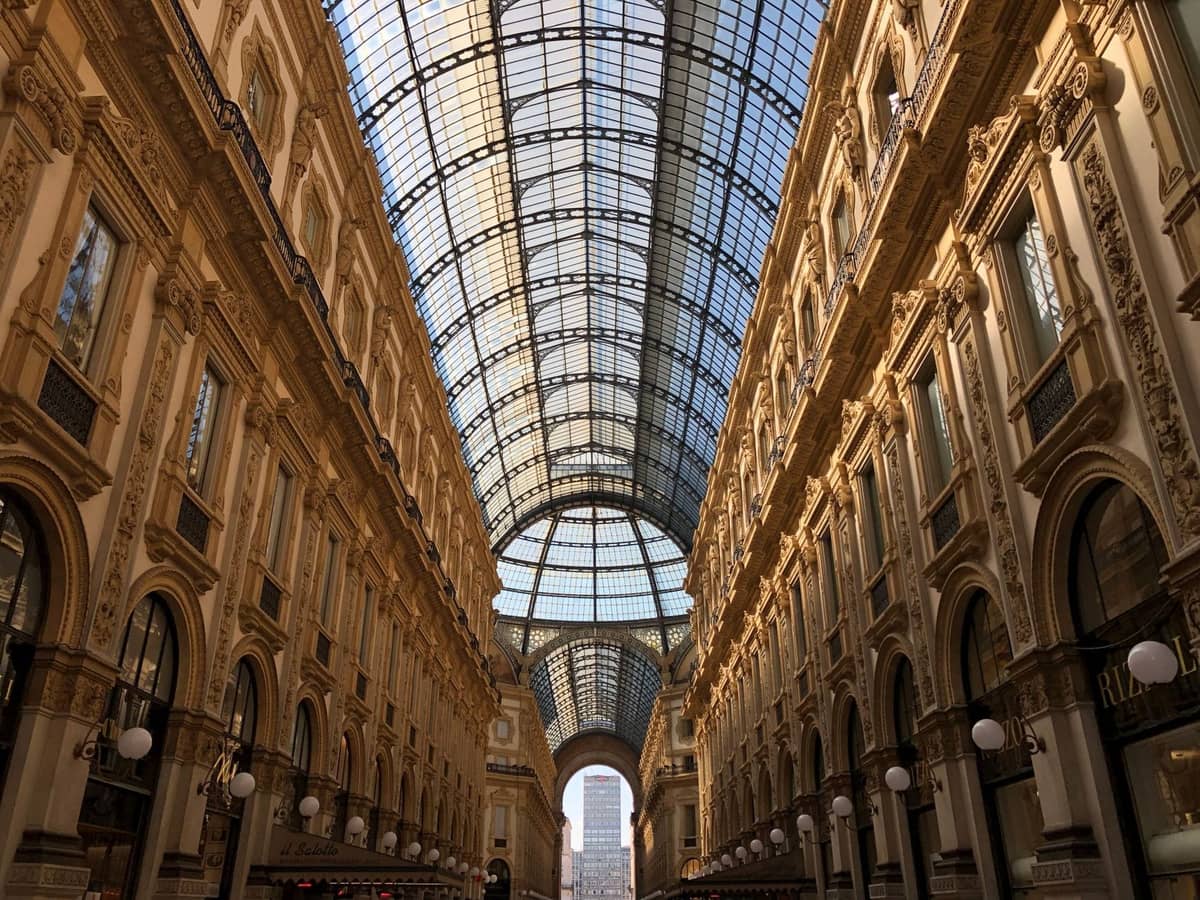
The Quadrilatero della Moda is the obvious starting point. The four streets forming this rectangle, Via Montenapoleone, Via della Spiga, Corso Venezia, and Via Sant'Andrea, contain the flagship stores of virtually every significant Italian and international luxury house. Via Montenapoleone is consistently ranked among the most expensive retail streets in the world. The shops here are worth entering even without an intention to buy: the spaces themselves are designed experiences, and the staff in the major houses are generally knowledgeable rather than dismissive, particularly outside peak tourist season.
For something less scripted, Brera is the better choice. The district's narrow streets around Via Brera and Via Fiori Chiari have independent boutiques, contemporary Italian designers, and concept stores that wouldn't survive on Via Montenapoleone rents. Prices are high by any normal standard, but the selection is more distinctive. The Brera Design District, which activates fully during Milan Design Week in April, runs year-round as a loose network of showrooms and galleries that blends fashion with furniture and objects.
- Quadrilatero della Moda Luxury flagship stores, heritage Italian houses, international brands. Best for window shopping, statement purchases, and understanding the city's fashion identity.
- Brera Independent boutiques, contemporary designers, concept stores. More browsable and less pressured than the Quadrilatero.
- Corso Buenos Aires One of Europe's longest shopping streets, with mid-range Italian and international chains. Good for accessible pricing and a local crowd rather than tourists.
- Via Tortona / Zona Tortona Creative district southwest of the centre. Home to multi-brand showrooms, the Armani Silos, and the epicenter of MFW off-schedule activity.
- Porta Nuova / Corso Como 10 Corso Como remains one of the world's best concept stores: small, curated, and well-edited. The surrounding Porta Nuova district adds contemporary retail alongside the neighbourhood's new architecture.
The department store La Rinascente on Piazza del Duomo deserves specific mention. It is not a typical department store. The fashion floors carry a exceptionally well-curated selection of Italian and international designers, and the food hall in the basement is good enough to justify a visit on its own. The rooftop bar has a direct view of the Duomo's spires, which is one of the better vantage points in the city centre.
Street Style, Dress Codes, and Fashion Culture
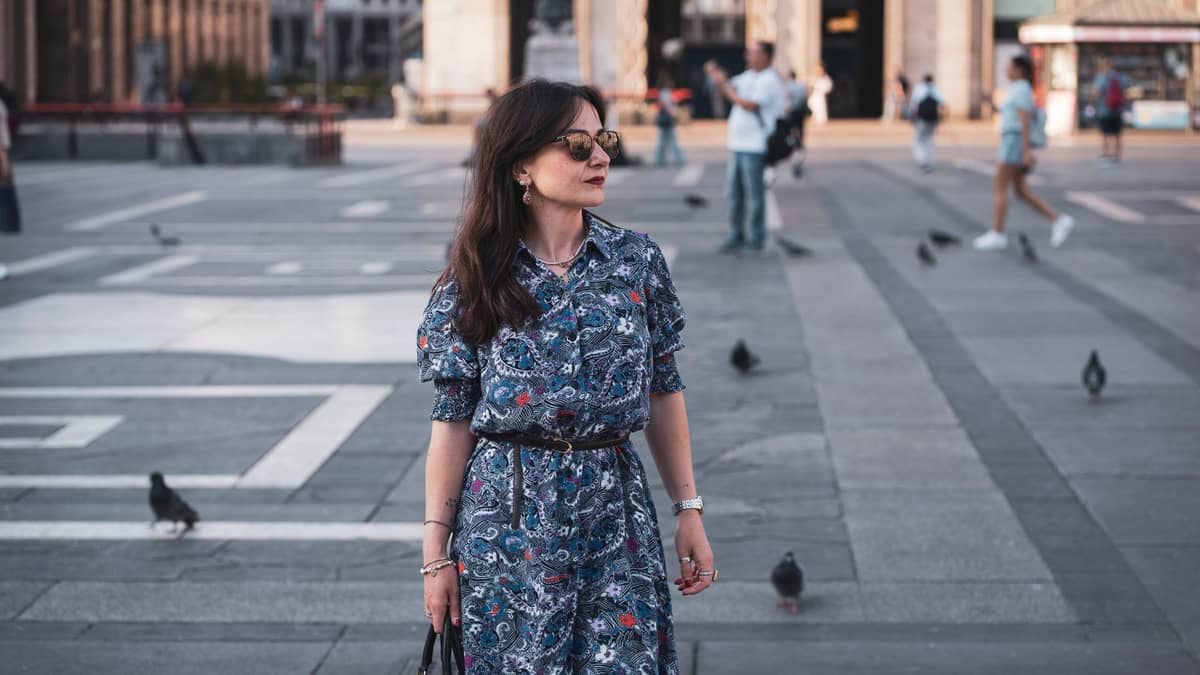
Milan has a reputation for being Italy's most formally dressed city, and in the business districts that reputation is earned. Milanese professionals dress with a consistency and precision that stands out even by European standards. The look tends toward tailored, restrained, and tonal rather than loud or branded. Logos are less common than quality of fabric and cut. Outside the centre, in neighborhoods like Navigli or Isola, the dress code relaxes considerably into something closer to standard European urban casual.
For visitors, this matters in a few specific contexts. Restaurants with a serious reputation, particularly at dinner, expect smart casual at minimum. Churches require covered shoulders and knees, which applies to the Duomo, Sant'Ambrogio, and San Lorenzo among others. Nightlife venues in the better-known aperitivo areas expect guests to make some effort. None of this requires expensive clothing, but visibly careless presentation does get noticed in a way that it might not in Rome or Venice.
💡 Local tip
Aperitivo culture is fashion culture in Milan. Between 6pm and 9pm, the bar scene in Brera, Navigli, and Porta Venezia is where Milanese style is most openly on display. Arrive looking considered rather than tourist-casual and you will have a better experience at the better venues.
Fashion and Culture: Beyond Shopping
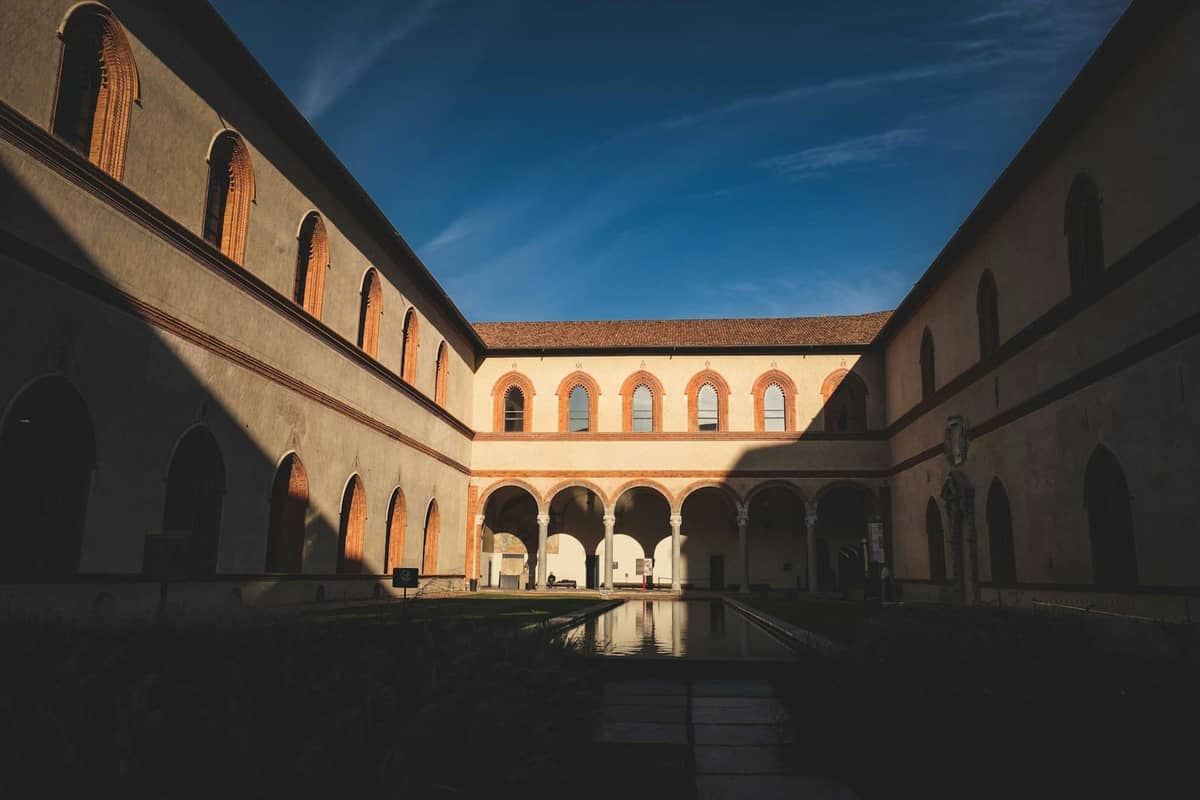
Milan's fashion culture has a serious institutional dimension that most visitors miss. The Triennale Design Museum in Parco Sempione has a permanent collection and rotating exhibitions that frequently address the intersection of Italian fashion, design, and visual culture. It is significantly undervisited relative to its quality and almost never crowded.
The MUDEC (Museo delle Culture) in Via Tortona, designed by David Chipperfield, regularly hosts major fashion retrospectives alongside its permanent ethnographic collection. Past exhibitions have covered figures like Frida Kahlo (whose influence on fashion is substantial) and major Italian houses. Check the exhibition schedule before your visit because the programming changes significantly across the year.
Fondazione Prada, in the Lodi district, is the most architecturally ambitious fashion-adjacent institution in Milan. The Rem Koolhaas-designed complex transforms a former distillery into a multi-building campus for art, film, and design. It operates on its own logic, more art foundation than brand showcase, and the permanent installations include works by Damien Hirst and Louise Bourgeois. Allow at least two hours and check the calendar for temporary exhibitions running during your visit.
Practical Tips for Fashion Visitors
Sales in Italy, known as saldi, run in two official windows: winter sales from early January and summer sales from early July. Exact dates are set by regional authorities and vary slightly year to year, but the first two weekends see the deepest discounts and heaviest crowds. Milanese boutiques and department stores on Corso Buenos Aires and in the Quadrilatero both participate. The Quadrilatero saldi are worth navigating despite the crowds because the discounts on Italian luxury goods are genuine and hard to replicate outside the country.
- Book hotels well in advance for the February/March and September Fashion Week windows. Prices roughly double in central Milan during these periods.
- The Milan Metro (Metropolitana di Milano) connects all the major fashion districts. Line M3 stops at Montenapoleone for the Quadrilatero; M2 stops at Garibaldi for Porta Nuova and Corso Como.
- VAT refunds (Tax Free shopping) apply to non-EU visitors on purchases above the threshold at participating retailers. Ask at the point of sale and have your passport ready.
- Most flagship stores on Via Montenapoleone are closed on Sunday mornings and some open only in the afternoon. Plan shopping days for Tuesday through Saturday.
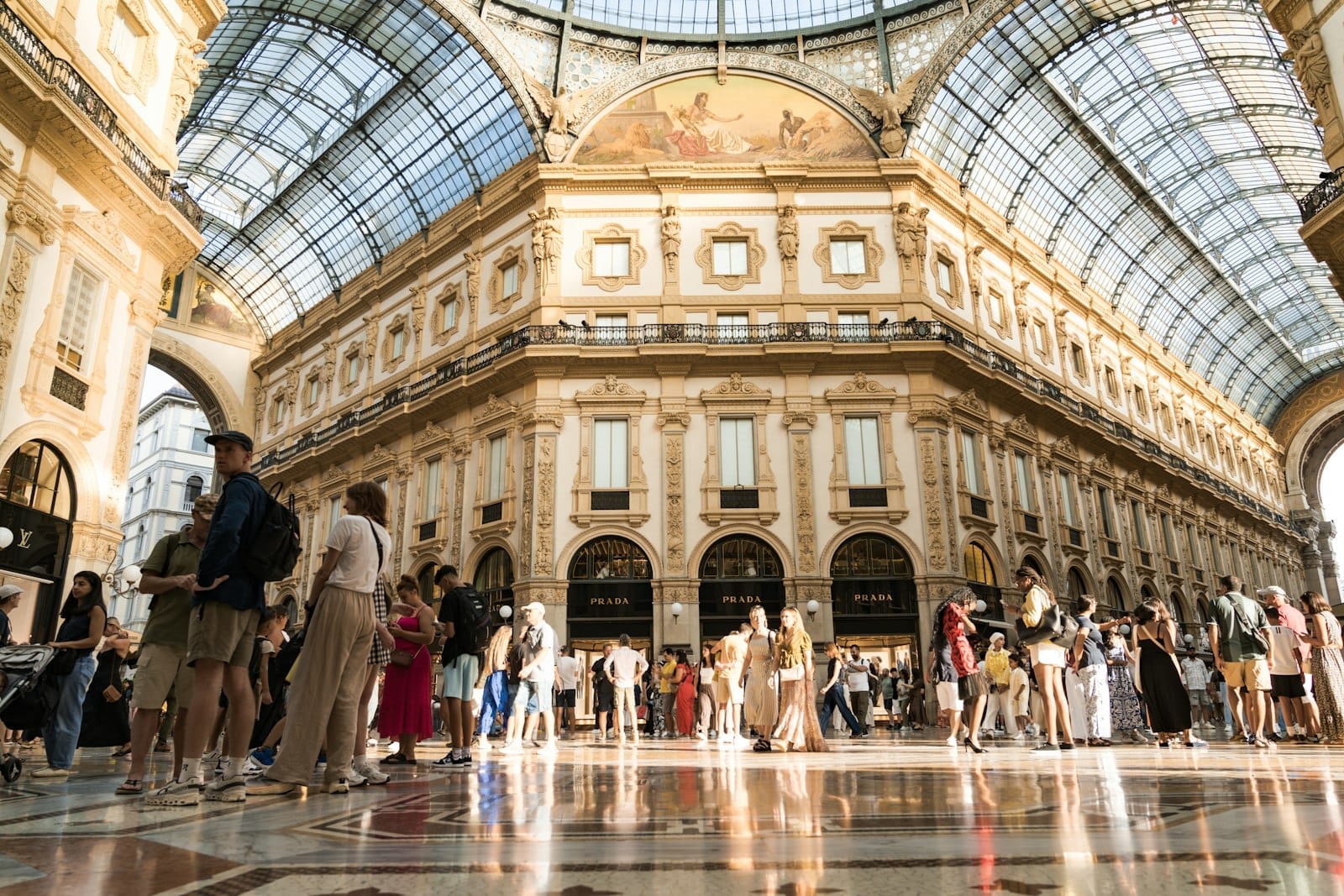
- The Galleria Vittorio Emanuele II connects Piazza del Duomo to Piazza della Scala and contains Prada, Louis Vuitton, and other houses in historic 19th-century arcade settings. It is a shopping destination and a monument simultaneously.
Getting to Milan is straightforward. Malpensa (MXP), about 50 km northwest of the city, handles most intercontinental flights and connects to the city via Malpensa Express trains to Milano Centrale and Cadorna. Linate (LIN), only 7–8 km east of the centre, serves European routes and is the faster option if available on your route. For full details on all three airports and transfers, see the Milan airports guide. Once in the city, the metro, tram network, and walkable centre mean you rarely need a taxi in the fashion districts.
FAQ
Can tourists attend Milan Fashion Week runway shows?
Not the official catwalk shows. Runway shows at Milan Fashion Week are reserved for press, buyers, and personally invited guests. Legitimate access for visitors includes off-schedule presentations, the Fashion Hub events at Spazio Cavallerizze, trade shows like WHITE on Via Tortona, and brand activations that are open to the public. Check the official CNMI calendar at milanofashionweek.cameramoda.it for events with public access.
When is Milan Fashion Week in 2026?
There are four editions in 2026: Men's F/W on 16–20 January; Women's F/W on 24 February to 2 March; Men's S/S 2027 on 19–23 June; and Women's S/S 2027 on 22–28 September. The September women's week is generally the most accessible and atmospheric for visitors, with warm weather and extensive street activity.
What is the best shopping district in Milan for luxury fashion?
The Quadrilatero della Moda, the rectangle formed by Via Montenapoleone, Via della Spiga, Corso Venezia, and Via Sant'Andrea, is the primary luxury shopping destination. For independent Italian designers and a less tourist-heavy atmosphere, Brera and the Tortona district are better alternatives.
Is Milan Fashion Week the same as Milan Design Week?
No. Milan Fashion Week (MFW) runs four times a year focused on clothing and accessories collections. Milan Design Week, officially called Salone del Mobile and Fuorisalone, runs once a year in April and focuses on furniture, interior design, and product design. Both take over the city in their respective periods and attract very different industry audiences, though there is significant crossover in the creative community.
What should I wear in Milan as a tourist?
Milan is Italy's most formally dressed major city. Smart casual is appropriate for most restaurants, aperitivo bars, and evenings out. Churches require covered shoulders and knees. Comfortable, presentable shoes matter because the fashion districts involve significant walking on cobblestones. During Fashion Week, the streets around show venues attract serious style-watching, so visitors who enjoy fashion should dress accordingly.