Milan Shopping Guide: Best Areas, Markets & Stores
Milan shopping covers far more than luxury fashion. This guide breaks down the city's best shopping districts, from the Quadrilatero d'Oro's flagship stores to Navigli's vintage markets, with practical advice on what to skip, what to budget, and when to go.
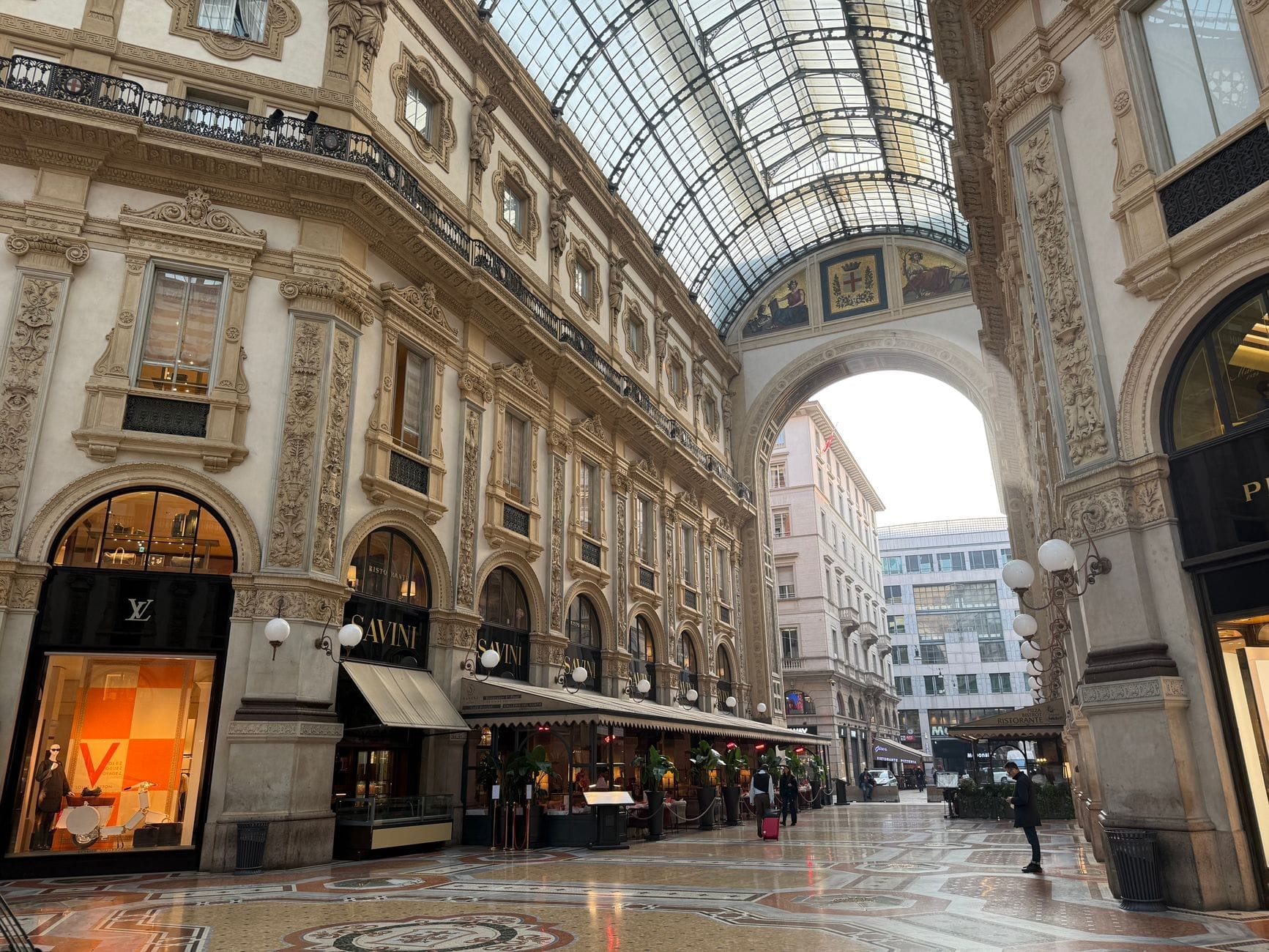
Plan and book this trip
Tools from our partner Travelpayouts help you compare flights and hotels. If you book through them, we may earn a commission at no extra cost to you.
Flights
Hotels map
TL;DR
- The Quadrilatero d'Oro (Via Montenapoleone and surrounding streets) is the luxury core, with Armani, Prada, Gucci, and Versace flagships clustered within a few walkable blocks.
- For mid-range shopping, Corso Buenos Aires and Via Torino offer mainstream brands, shoe shops, and department stores without the designer price tags.
- The Galleria Vittorio Emanuele II is worth visiting as an architectural landmark, but its prices are extreme even by Milan standards.
- Saturday flea markets (Fiera di Sinigaglia) and monthly events like East Market are the best bets for vintage finds, vinyl, and second-hand designer pieces.
- Italy's regulated sales periods (saldi) in January and July bring genuine discounts across the city. See the best time to visit Milan for timing your trip around these.
Why Milan Ranks as a Global Shopping Destination
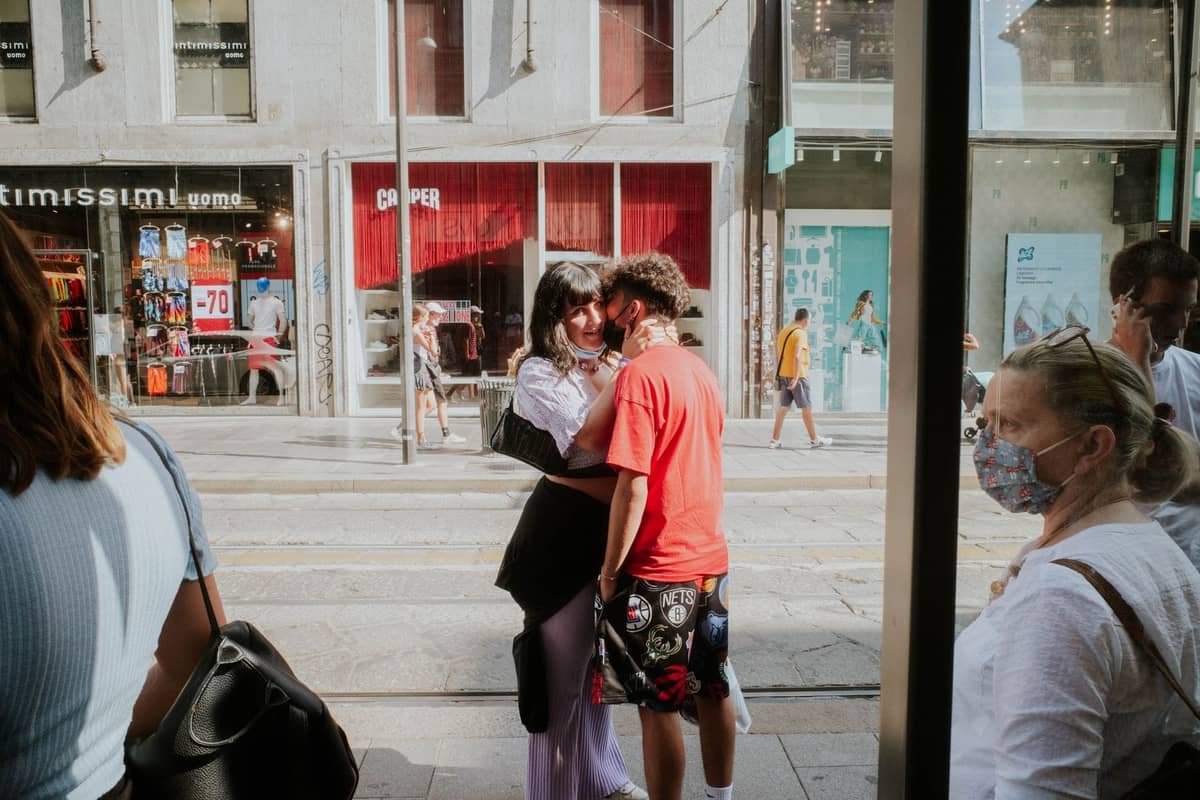
Milan is recognized alongside Paris, New York, and London as one of the world's four major fashion capitals, a status supported by its role in global fashion media and industry rankings. The city hosts two major fashion weeks per year and is home to the headquarters of Italy's most influential luxury houses. But the reputation for exclusivity can mislead visitors into thinking Milan shopping is only for the wealthy. The reality is more layered. The city has one of Italy's longest dedicated shopping streets in Corso Buenos Aires, a sprawling department store in La Rinascente, and weekend markets where you can find vintage Versace for well under €200 if you know where to look.
Shopping in Milan also intersects heavily with design culture. The city that helped popularize the modern 'concept store' (10 Corso Como opened in 1990 and is widely credited as an early example) still produces retail experiences that blur the line between boutique, gallery, and café. Understanding which district serves which purpose is the key to making the most of a shopping day here.
The Quadrilatero d'Oro: Luxury Fashion's Epicenter
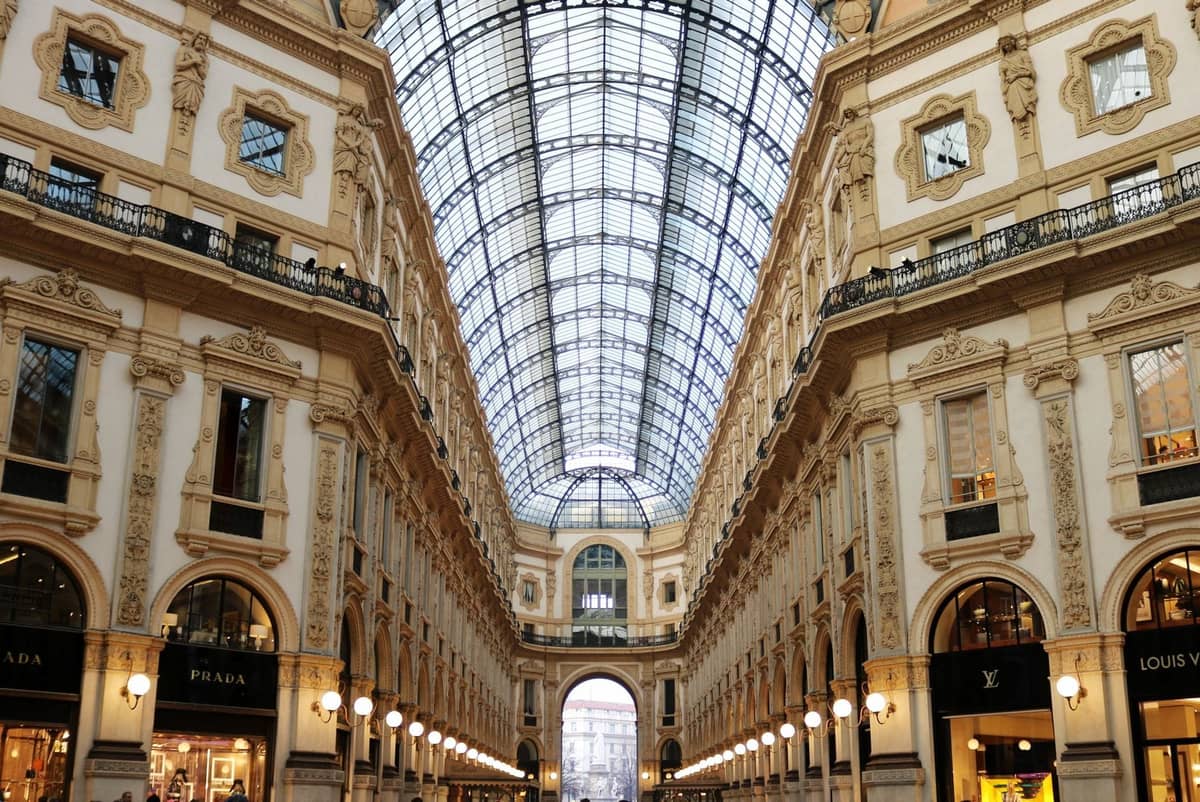
The Quadrilatero della Moda, or 'Golden Quadrilateral,' is bounded roughly by Via Montenapoleone, Via della Spiga, Via Sant'Andrea, and Via Manzoni, all within walking distance of the Duomo. This is where global fashion houses maintain their flagship stores, and the concentration is genuinely remarkable: you can walk from Armani to Valentino to Dior to Hermès in under ten minutes. The Quadrilatero della Moda is not a tourist trap in the way that some luxury districts can be. The stores are real flagships, often featuring exclusive pieces not available elsewhere.
ℹ️ Good to know
Via Montenapoleone is consistently ranked among the most expensive retail streets in the world. Window shopping is free and worthwhile for the architecture and display design alone, but do not expect to browse casually inside flagships without staff attention.
Via della Spiga is slightly quieter and considered by many Milanese to be the more elegant of the two main streets, with a higher proportion of Italian labels. Via Sant'Andrea sits between them and includes some of the most striking store interiors in the city. For visitors not planning to buy, the architecture and visual merchandising in this district are deeply impressive — the storefronts function almost as installations during Fashion Week in February and September.
- Best for Designer ready-to-wear, accessories, shoes, fine jewelry, and luxury leather goods from Italian and international houses.
- Price range Accessories from several hundred euros upward; ready-to-wear typically starting in the four-figure range for major labels.
- When to go Weekday mornings are quietest. Avoid Saturday afternoons, which get crowded with tourists and local weekend shoppers.
- Practical tip Non-EU residents can claim VAT refunds (typically around 22%) on purchases above the minimum threshold. Ask for a tax refund form at the point of sale.
Galleria Vittorio Emanuele II and the Duomo District
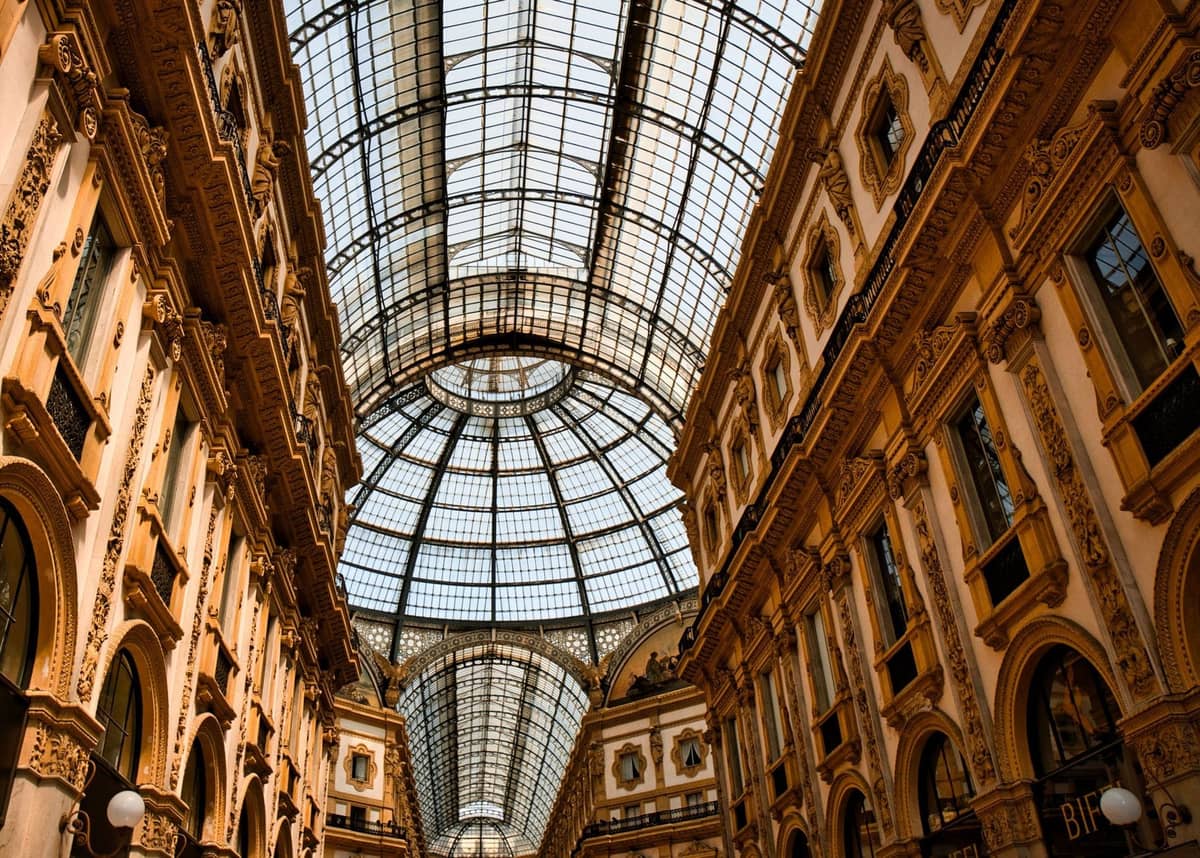
The Galleria Vittorio Emanuele II is one of the world's oldest shopping malls, completed in the 1870s, and its iron-and-glass barrel vault is spectacular. Prada's original store has been here since 1913. The Galleria connects Piazza del Duomo to Piazza della Scala and is worth walking through regardless of whether you intend to shop. The mosaic floor, the central octagon with its glass dome, and the café terraces make it a landmark experience.
That said, practical advice: the Galleria is not where you should plan your shopping if budget is a concern. Brands here include Louis Vuitton, Prada, Gucci, and Versace, all at full retail price with no particular advantage over their standalone stores. The cafés and restaurants inside the Galleria are notably expensive even by central Milan standards. The real shopping value in the Duomo district is along Corso Vittorio Emanuele II, the pedestrian street running east from the Galleria. This street has Zara, H&M, Mango, Uniqlo, and other international chains alongside Italian mid-market brands, making it the city's main accessible shopping artery.
La Rinascente, directly beside the Duomo, deserves specific mention. This eight-floor department store stocks everything from cosmetics and food to designer clothing and homeware. The food hall and rooftop bar offer views of the Duomo's spires that rival any paid attraction. It bridges the gap between the luxury district and the high street, stocking both Italian labels and international brands across a wide price range. It is open daily, including Sundays, which makes it particularly convenient. Check the official La Rinascente Milan page for current hours.
Mid-Range & Everyday Shopping: Corso Buenos Aires and Via Torino
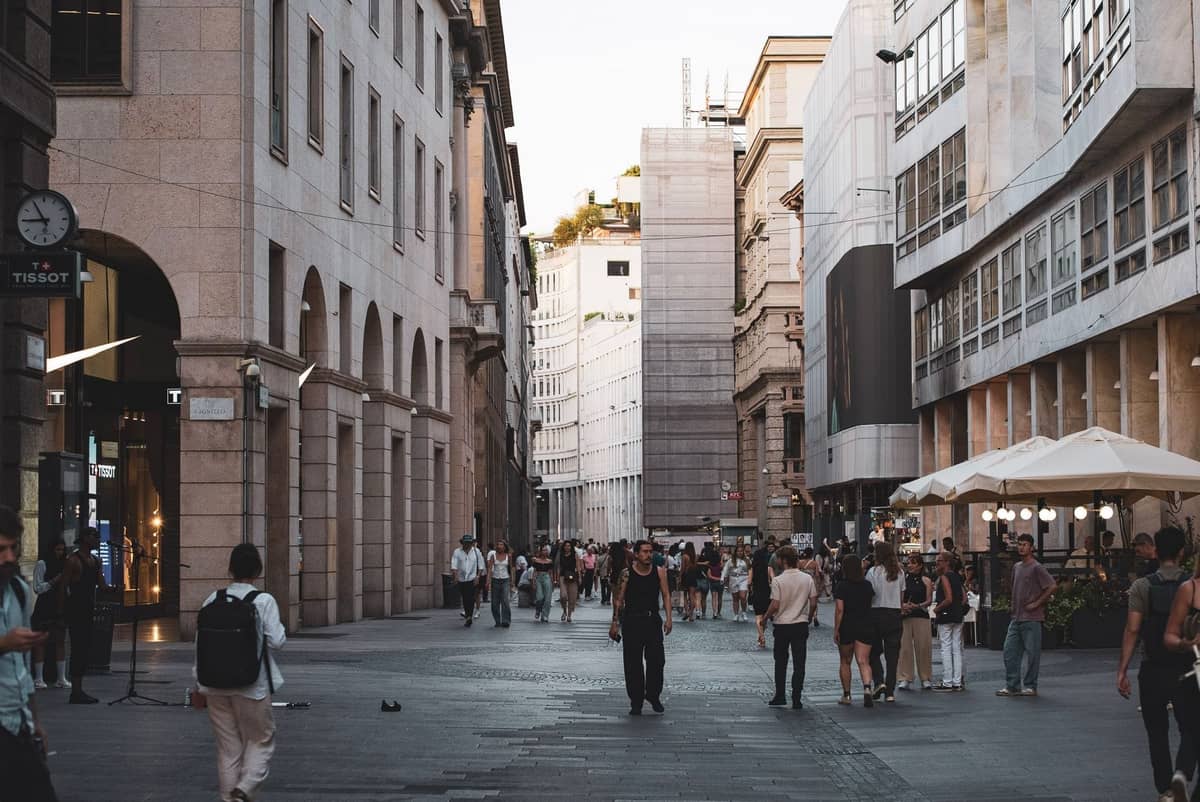
Corso Buenos Aires runs northeast from Piazza Oberdan into the Porta Venezia neighborhood and is one of the longest shopping streets in Europe by retail store count. Over a kilometer of shoes, clothing, sportswear, and accessories shops line both sides. This is where Milanese actually do their everyday shopping. You will find Italian chains like OVS and Calzedonia alongside international brands and independent shoe stores at all price points. It is noisy, crowded on weekends, and not particularly atmospheric, but for pure shopping efficiency it is hard to beat.
Via Torino, running southwest from the Duomo toward Porta Ticinese, offers a different profile. The street itself has affordable chain stores and some larger-format shops, but the real draw is what happens when you continue into the Ticinese neighborhood. Here, smaller streets branch off with independent boutiques, streetwear shops, and stores that would be described as 'alternative' in tone. The area around Corso di Porta Ticinese and the Colonne di San Lorenzo has a younger, more experimental retail culture. Prices are noticeably lower than anywhere near the Quadrilatero.
💡 Local tip
Via Torino toward Ticinese and Navigli is best visited on a weekday afternoon. Weekend evenings in this area shift toward bars and aperitivo crowds, making shopping less comfortable. Save the evening for canal-side drinks instead.
Independent Boutiques: Brera, Navigli, and Isola
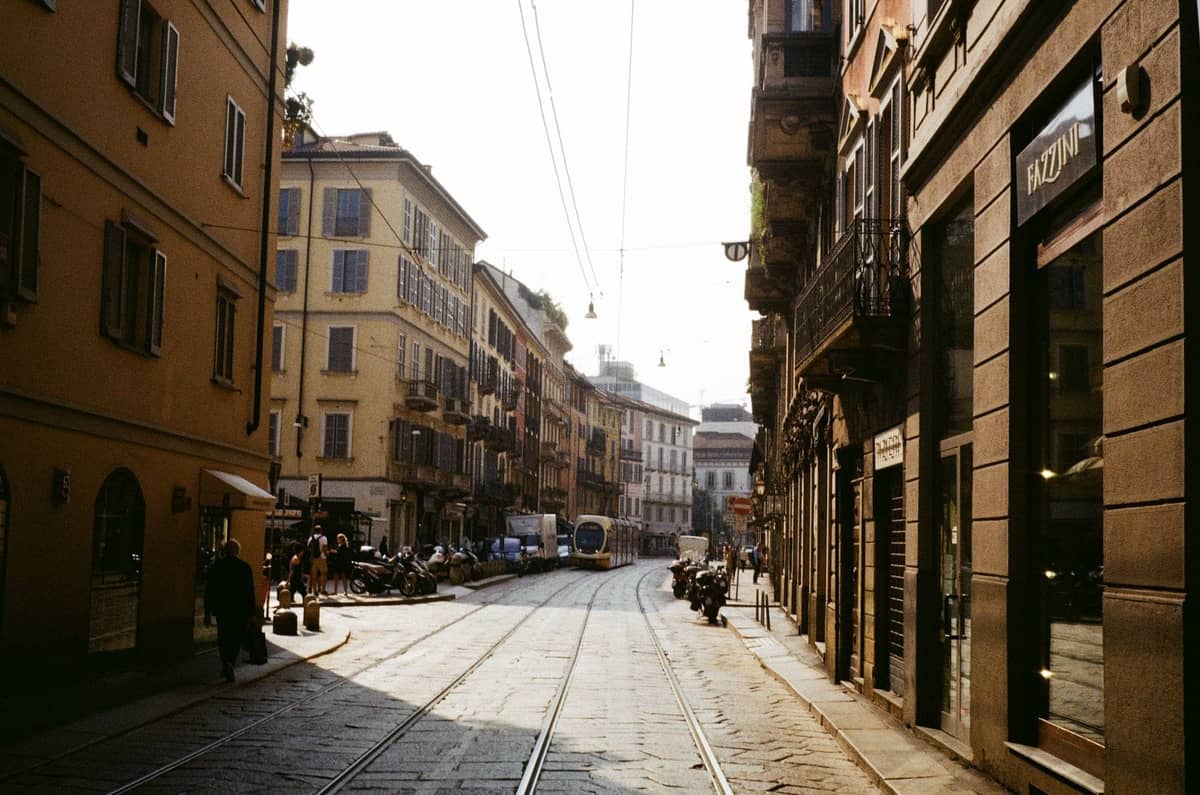
If you are looking for pieces that do not appear in chain stores anywhere else in the world, the neighborhoods of Brera and Navigli are where to focus. Brera in particular has been Milan's arts and design district for decades, and its streets are lined with galleries, design shops, specialist bookstores, and boutiques selling locally produced jewelry, ceramics, and clothing. The neighborhood is compact and walkable, centered around Via Fiori Chiari and Via Fiori Oscuri.
The concept store 10 Corso Como deserves its own mention. Located near Porta Garibaldi in the Porta Nuova and Isola area, it stocks a curated selection of fashion, art books, design objects, music, and photography. It also has a gallery, a café, and a small hotel. The prices are high but the curation is genuine. Hours vary by season, so check the official website before visiting.
The Isola neighborhood itself, just north of Porta Garibaldi, has developed a strong independent retail scene over the past decade. Vintage stores, small design studios, and locally run boutiques sit alongside bars and restaurants. It is less polished than Brera and more interesting for it. Prices here reflect a neighborhood clientele rather than a tourist one.
- Brera Best for design objects, art books, independent jewelry, and Italian craft goods. Slightly elevated prices but strong quality.
- Navigli Good for vintage clothing, antiques, and weekend market browsing. Best combined with an evening aperitivo along the canal.
- Isola Best for emerging Italian designers, streetwear, and locally produced goods. Less tourist-facing than Brera.
- Cinque Vie A small historic district between the Duomo and the Castello Sforzesco with antique dealers, specialist jewelers, and old-school Milanese craft shops. Easy to miss but worth seeking out.
Markets, Vintage, and Flea Shopping
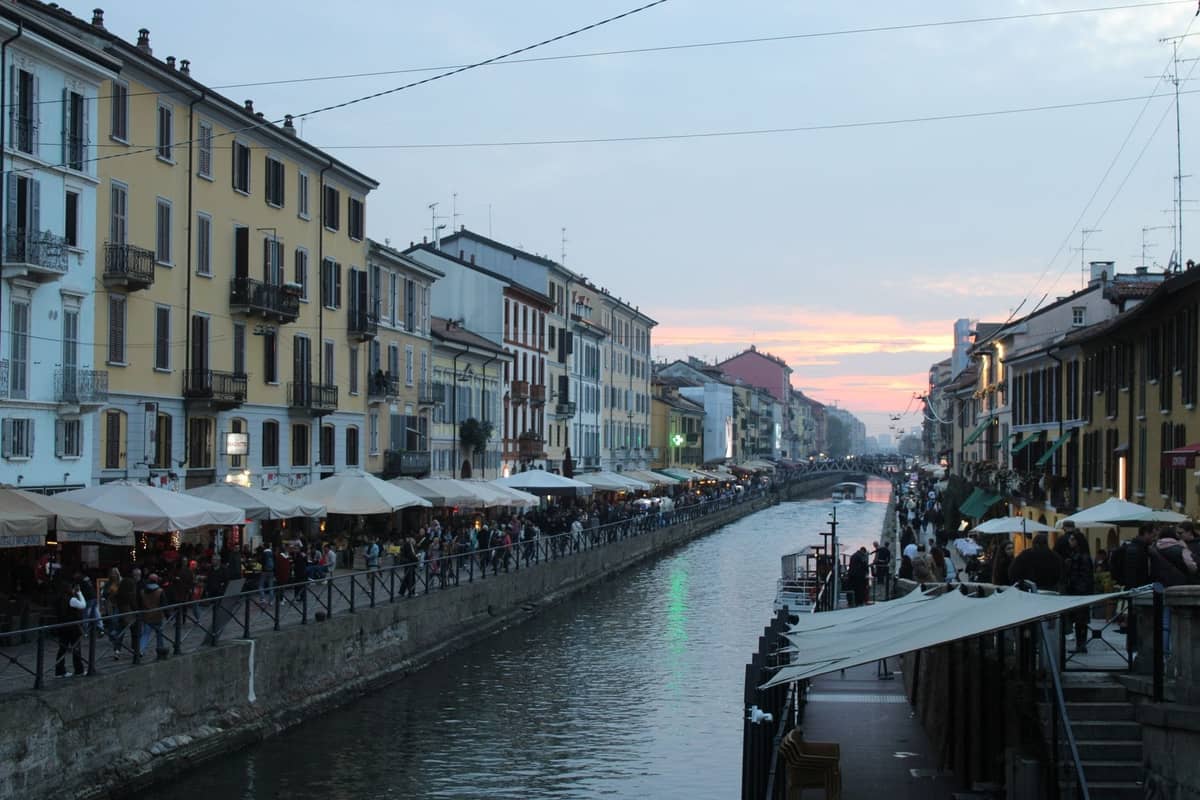
Milan's market scene is underrated by visitors who focus entirely on the luxury districts. The city has a well-established flea market and vintage culture, and for those willing to browse, the returns can be significant. Italian vintage, in particular, tends to be high quality because Italian families historically kept clothing in good condition and have only recently begun selling through second-hand channels.
The Fiera di Sinigaglia, near Porta Genova metro station on the edge of the Naviglio Grande, runs every Saturday and is Milan's longest-established flea market. Stalls sell second-hand clothing, vinyl records, books, furniture, ceramics, and general bric-a-brac. Prices depend heavily on your negotiating willingness. Arrive early (before 10:00) for the best selection. The market can close on public holidays, so check the current municipal calendar before planning a visit around it.
East Market, held in the Taliedo area, is a larger indoor event with around 300 stalls covering vintage clothing, accessories, art, design objects, and street food. It typically runs on select Sundays through the year and stays open until around 20:30. The format is more curated than a traditional flea market and attracts a younger, design-aware crowd. Entry may have a small fee; check the East Market Milano website for current event dates and admission.
For designer vintage specifically, a cluster of dedicated stores operates in the Brera and Porta Venezia areas. Cavalli e Nastri (with locations on Via Brera and Via Voghera) is one of the most respected, known for Italian designer pieces from the 1960s through 1990s, with prices that reflect the curation. Vintage Delirium near Piazza Missori is another well-regarded option. For vintage jewelry, small shops in the Brera district and around Cinque Vie sometimes stock Italian gold and silver pieces well below antique dealer prices, with select items available under €200.
⚠️ What to skip
Counterfeit goods are sold openly in tourist areas near the Duomo and around Navigli on market days. Buying counterfeit branded items is illegal in Italy, with fines applicable to buyers as well as sellers. If a 'Prada' bag is being sold from a blanket for €30, it is not Prada.
Practical Shopping Logistics: Timing, Tax Refunds, and Sales
Most central Milan boutiques and concept stores open around 10:00 or 10:30 and close between 19:00 and 19:30, Tuesday through Saturday. Many smaller independent shops close on Monday mornings, and some close entirely on Sundays, particularly in the Brera district. Department stores and chains on major shopping streets tend to operate seven days a week with extended hours.
Italy's saldi (regulated sales periods) run in January (typically starting the first or second week of the month) and July, according to regional regulations. These are legislated periods when stores are permitted to discount seasonal stock, and discounts are genuine rather than manufactured. The winter saldi in particular coincide with a quieter tourist season, making it an excellent time to shop if you can handle Milan's cold, damp January weather. For a full seasonal breakdown, the Milan in winter guide covers what to expect in terms of crowds and conditions.
Non-EU visitors can claim a VAT refund on purchases above €154.95 (the threshold can change, so verify current rules). Request a tax refund form from the retailer at the time of purchase, have it stamped at customs on departure, and process the refund at the airport refund desk. The standard Italian VAT rate on clothing is 22%, making this worthwhile for any significant purchase in the Quadrilatero. For more on managing your budget in Milan, the Milan on a budget guide has practical strategies.
✨ Pro tip
If you are shopping in the Quadrilatero d'Oro, visit the flagship stores of Italian brands like Marni, Etro, or Bottega Veneta for their archive sale sections, which some flagships maintain at the back of the store. These carry past-season pieces at reduced prices not widely advertised.
FAQ
What is the best area for luxury shopping in Milan?
The Quadrilatero della Moda, centered on Via Montenapoleone and Via della Spiga, is Milan's luxury shopping core. Within a few walkable blocks you will find the flagships of Armani, Gucci, Prada, Versace, Dior, Hermès, and dozens of other houses. It is the most concentrated luxury retail district in Italy.
Is shopping in Milan only for wealthy tourists?
No. Corso Buenos Aires is one of Europe's longest mid-range shopping streets, with mainstream brands and shoe shops at everyday prices. Via Torino near the Duomo also has affordable options. Weekend flea markets like the Fiera di Sinigaglia and monthly events like East Market offer second-hand and vintage finds across all price points.
When are the sales in Milan?
Italy has two legislated sales periods (saldi): winter sales typically start in early January and run for several weeks, and summer sales begin in early July. These are the best times to find genuine discounts across both luxury and mid-range stores throughout the city.
Can tourists get tax refunds on shopping in Milan?
Yes. Non-EU residents can claim a VAT refund (Italian VAT on clothing is 22%) on purchases above the minimum threshold, which is approximately €154.95 but should be verified before travel. Request a tax refund form from the retailer, have it stamped at customs when leaving the EU, and process the refund at a refund desk at the airport.
What markets in Milan are worth visiting for vintage and second-hand shopping?
The Fiera di Sinigaglia near Porta Genova runs every Saturday and is Milan's main flea market, covering clothing, vinyl, books, and furniture. East Market is a larger indoor event held on select Sundays in the Taliedo area, with around 300 curated stalls. For dedicated vintage designer clothing, Cavalli e Nastri in Brera and Vintage Delirium near Piazza Missori are among the best-regarded shops.