Best Time to Visit Milan: A Season-by-Season Breakdown
Milan rewards visitors who time their trip well. This guide covers every season in detail — temperatures, crowd levels, key events, and what to skip — so you can make the most informed decision about when to go.
Plan and book this trip
Tools from our partner Travelpayouts help you compare flights and hotels. If you book through them, we may earn a commission at no extra cost to you.
Flights
Hotels map
TL;DR
- The best time to visit Milan is April to June or September to October: mild temperatures (15–26°C), fewer crowds than peak summer, and the city fully operational.
- July and August are the hottest months (highs around 29–30°C with high humidity), and many locals leave in August, causing some smaller businesses to close.
- Winter (December–February) is cold and often foggy, but hotel prices drop and crowds thin — a good option for budget travelers focused on museums and shopping.
- Milan hosts major fashion and design events including Milan Fashion Week and Milan Design Week (April) — these drive prices up but add real cultural value.
- October is the rainiest month (around 94 mm); January is actually one of the driest, which surprises most first-time visitors.
Milan's Climate at a Glance
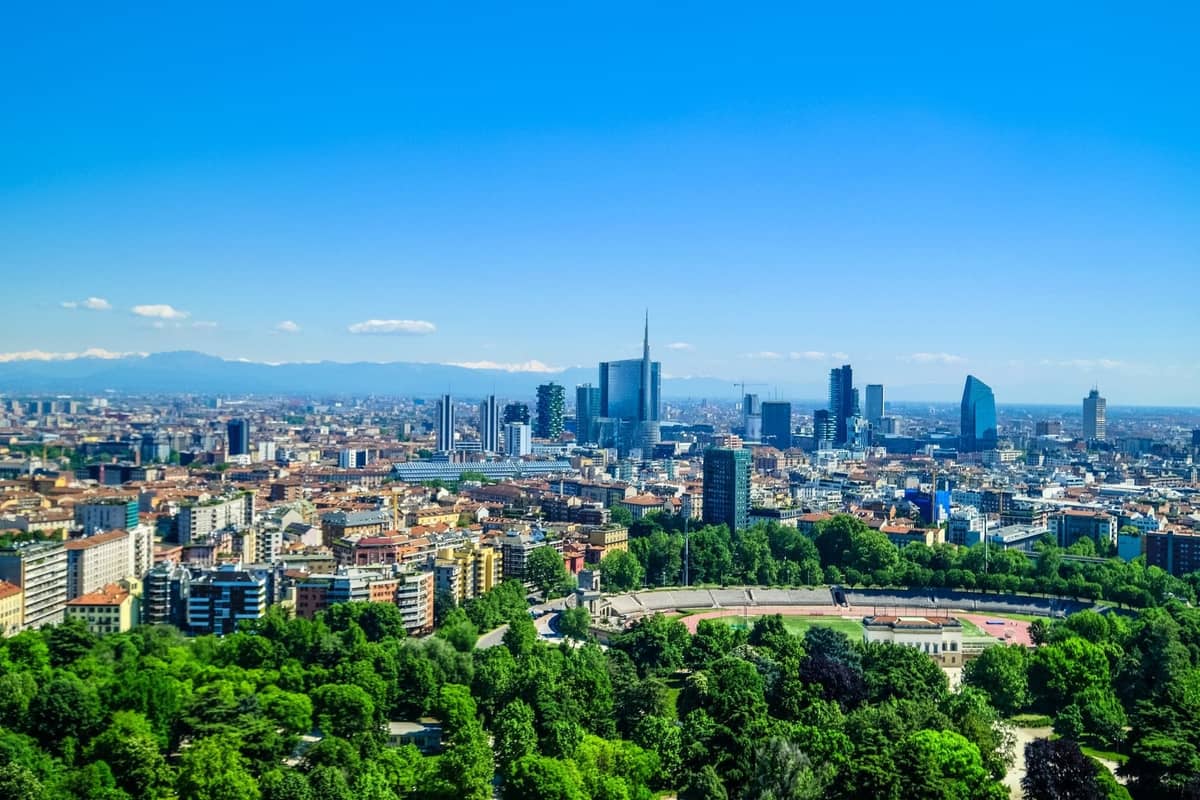
Milan sits in the Po Valley at roughly 120 meters above sea level, near the foothills of the Alps to the north. This geography creates a humid subtropical climate (Köppen Cfa) with sharper seasonal extremes than most Italian cities further south. Summers are hot and humid; winters are cold, grey, and often foggy. There is no true dry season — precipitation is spread fairly evenly across the year, peaking in autumn.
January is the coldest month, with lows around -0.6°C and highs rarely above 6–8°C. July is the hottest, averaging highs of 29°C with overnight temperatures staying around 19°C. The hot season runs from roughly June 1 to September 13, when daily highs consistently exceed 25°C. October is the wettest month, averaging around 94 mm of rainfall, while January is comparatively dry at about 43 mm.
ℹ️ Good to know
Milan's fog is a genuine factor from November through February. It is not just atmospheric — it reduces visibility on roads and can delay flights at Linate Airport. If you're arriving by car or have an early departure, factor this in.
Spring (March to May): The Strongest Case for an Early Trip
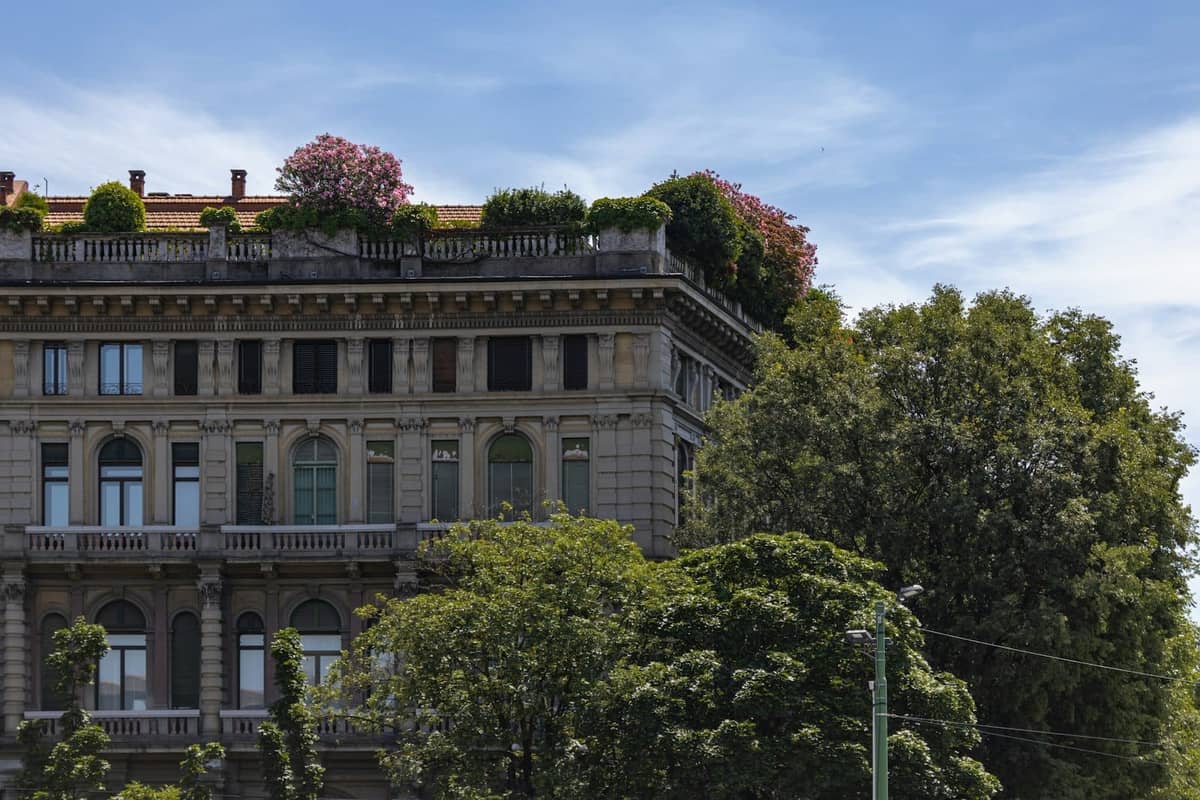
Spring is the most consistently rewarding season for visiting Milan, and April and May stand out as the best individual months. Temperatures climb from around 10°C in March to a comfortable 20–22°C by May. Crowds are present but not overwhelming before the June school-holiday surge hits. Hotel prices are moderate outside of event weeks.
April brings two events that transform the city. Milan Design Week (Salone del Mobile) typically falls in mid-April and draws over 300,000 visitors from around the world, inflating hotel rates significantly and filling central neighborhoods like Brera and Porta Nuova and Isola with installations and events. If design culture interests you, this is the best possible week to visit. If it doesn't, book for late April or early May instead.
Milan Fashion Week also takes place in February and September (womenswear), with menswear in January and June. These events affect central hotels and restaurants around the Duomo district and the fashion quadrilateral, but their footprint is smaller than Design Week and the impact on a standard tourist itinerary is more limited.
- March Still cool (10–15°C), occasional rain, but very manageable crowds. Good for budget travelers who want shoulder-season prices without January's fog.
- April The sweet spot — 15–20°C, gardens and parks in bloom, but watch for Design Week pricing spikes in mid-April.
- May Arguably the single best month: warm without being hot, long daylight hours, outdoor dining season fully underway, and attractions accessible without summer queues.
✨ Pro tip
If you're visiting during Milan Design Week, book accommodation at least 3 months in advance. Prices for central hotels can double or triple. Staying in neighborhoods like Navigli or near Porta Romana and using the metro is a smarter strategy than paying a premium for a central room.
Summer (June to August): Peak Season With Real Trade-offs
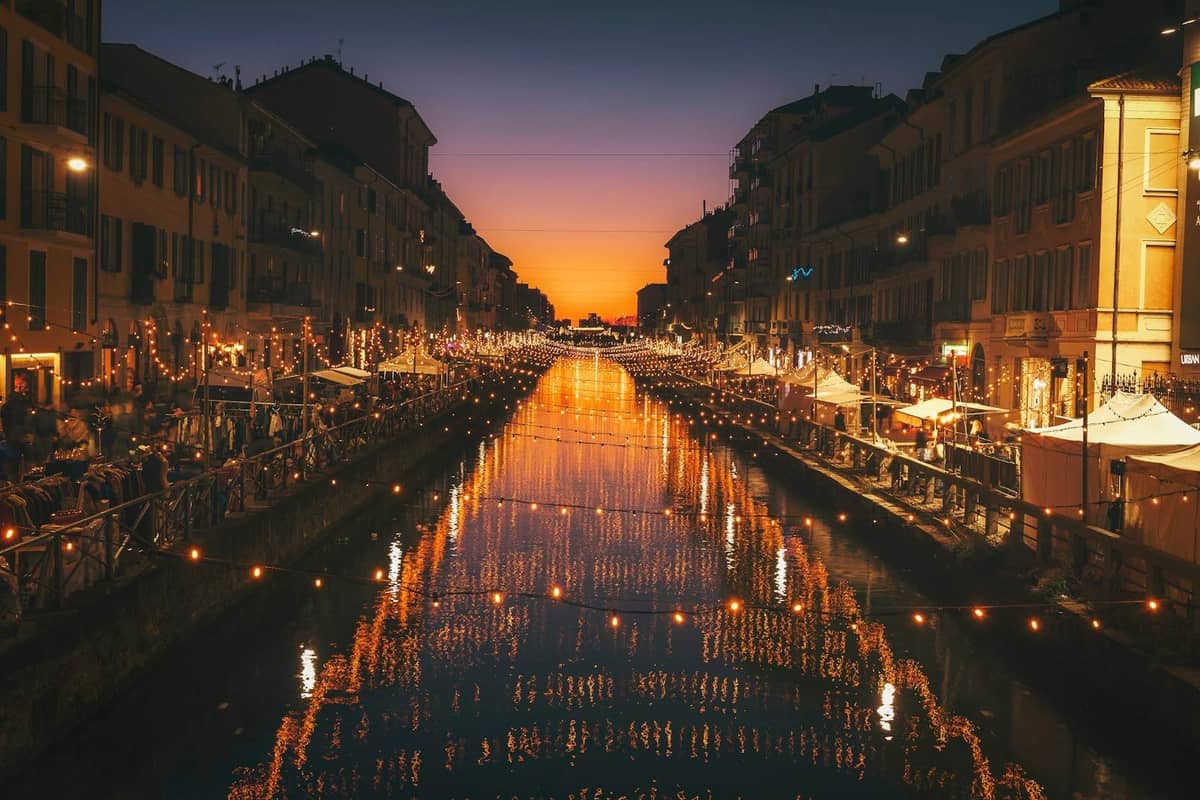
June is still excellent. Temperatures are warm (22–27°C), the city is lively, and daylight stretches to around 9pm. Major attractions are open late, rooftop terraces are in full swing, and the Navigli canals become a focal point for evening social life. This is genuinely good travel territory.
July and August are a different proposition. The heat becomes relentless — highs regularly touch 30°C with humidity that makes outdoor sightseeing seriously uncomfortable between noon and 4pm. Climbing to the Duomo rooftop terraces in midday July heat is an exercise in discomfort, not pleasure. July also sees heavy tourist pressure: queues for the Last Supper extend weeks in advance, and prices at hotels near the Duomo district are at their annual peak.
August is specifically problematic. Milan empties out as Milanese residents migrate to the coast or mountains for ferragosto (the August holiday period centered on August 15). Many family-run restaurants, boutiques, and neighborhood bars simply close for two to four weeks. What remains open is often more tourist-oriented and less representative of the city. That said, some visitors use August deliberately: prices at larger hotels sometimes soften due to lower business travel, and the major museums remain open. If your priority is air-conditioned museum time rather than neighborhood exploration, August is manageable — just set expectations appropriately.
⚠️ What to skip
Book Last Supper tickets at least 2–3 months ahead for summer visits, and ideally further. The Cenacolo Vinciano operates strict timed entry with very limited daily capacity (around 1,250 visitors per day). Summer slots disappear faster than almost any other attraction in Italy.
Autumn (September to November): Arguably the Best Kept Timing Secret
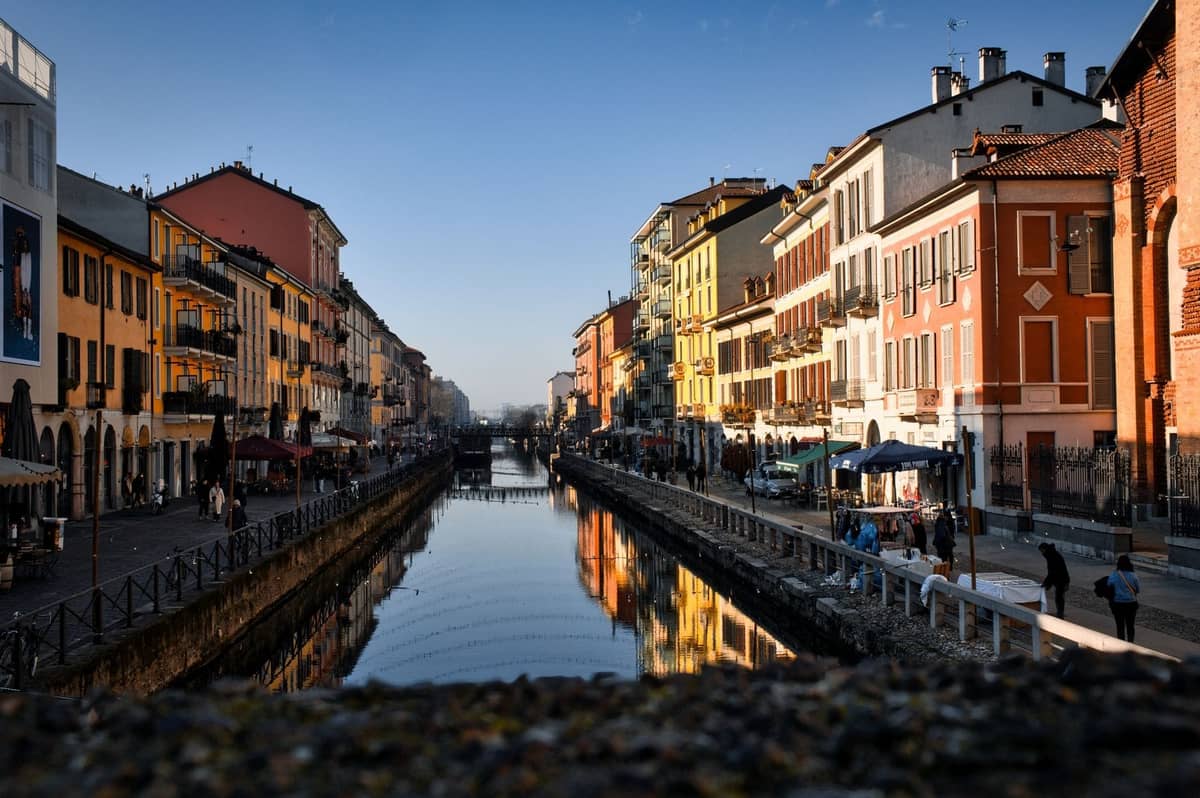
September might be the single best month to visit Milan, and it is consistently underestimated by first-time visitors who default to summer. The heat breaks after mid-August, temperatures settle into the very comfortable 20–25°C range, and the city returns to full energy after the summer exodus. Restaurant kitchens reopen, seasonal menus shift to autumn produce, and the pace of the city feels distinctly Milanese again rather than tourist-stage.
October brings cooler temperatures (around 15–18°C) and the year's highest rainfall. It is still a strong month for cultural visits — the Pinacoteca di Brera and Fondazione Prada are at their best in grey autumn light, and queues are shorter than summer. Carry a compact umbrella and a mid-layer and October is perfectly workable.
November gets noticeably colder and the fog begins to roll in. It is not the most inspiring time visually, but hotel prices drop, the city is calm, and if you are focused on Milan's world-class food scene, its fashion archives, or its architecture, the weather is a minor factor. November is a legitimate option for repeat visitors or those with specific cultural goals.
Winter (December to February): Cold, Quiet, and Underrated for the Right Traveler
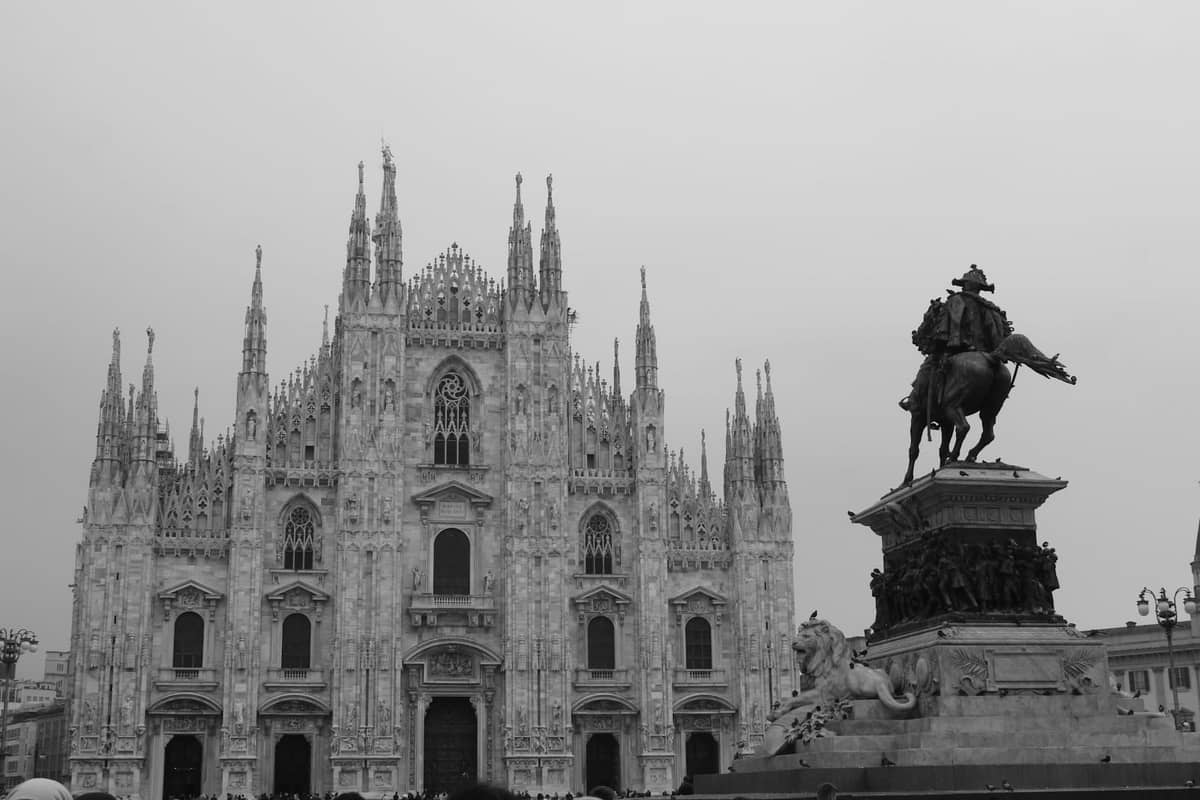
Milan in winter is not for everyone. Temperatures regularly drop to 0°C or below overnight, fog is persistent, and the city's flat Po Valley setting means there is no mountain backdrop to make the cold feel photogenic. But winter has a real case to make. December brings the Fiera degli Obei Obei, a traditional Christmas market held around the Castello Sforzesco, and the city decorates extensively. The Duomo district and Galleria Vittorio Emanuele II are particularly atmospheric under Christmas lighting.
January and February are the quietest and most affordable months. Hotel rates drop substantially, major museums like the Museo del Novecento and Pinacoteca Ambrosiana have minimal queues, and you can experience Milan's extraordinary food culture in the restaurants where locals actually eat rather than in tourist-facing establishments. The trade-off is real: outdoor sightseeing is limited by cold and fog, and the city's outdoor spaces lose much of their appeal.
- Dress in proper layers for winter visits: temperatures below 0°C are common overnight, and the fog adds a damp chill that penetrates light jackets.
- January is Fashion Week month (menswear), so hotel prices spike briefly in mid-January in central neighborhoods.
- Milan's tram and metro network is fully operational year-round and is the best way to cover distances when it's cold.
- Christmas markets run from late November through early January, concentrated around Castello Sforzesco and Piazza del Duomo.
- The Last Supper is far easier to book in winter — November through February often has availability within a few weeks.
Practical Timing Decisions: By Travel Priority
The best time to visit Milan depends significantly on what you want from the trip. A traveler focused on fashion and design events needs different timing than someone who wants comfortable outdoor sightseeing or the lowest possible prices. Here is a straightforward breakdown by priority.
- Best for outdoor sightseeing May or September. Temperatures are ideal, hours are long, and the city is fully engaged without peak summer crowds.
- Best for culture and museums November through March. Minimal queues, full program at major institutions, and the Last Supper is bookable with shorter lead times.
- Best for fashion and design April (Design Week) or February/September (Fashion Week). Expect premium hotel prices and book early.
- Best for budget travelers January or February. Lowest hotel rates of the year, good flight deals, and the city is fully functional if cold.
- Best for food and nightlife September or October. The city is back in rhythm, outdoor aperitivo culture extends into warm evenings, and seasonal menus are at their best.
- Worst overall timing Mid-July to mid-August. Peak heat, peak prices, and a city that is partly closed and partly performing for tourists rather than living normally.
For those combining Milan with broader Italian travel, the guidance broadly aligns: the best time to visit Italy as a whole is April through June or September through October, avoiding the punishing July-August heat that affects not just Milan but Florence, Rome, and other major cities. If you are planning day trips from Milan to lakes or smaller cities, spring and autumn also give you the best lake weather and manageable crowds at destinations like Como and Orta.
FAQ
What is the best month to visit Milan?
May and September are the strongest individual months. May offers warm weather (18–22°C), long days, and the city in full swing before the summer rush. September combines post-summer relief from the heat with the city returning to its normal rhythm after August closures. Both offer good hotel availability at reasonable prices outside of event weeks.
Is Milan worth visiting in winter?
Yes, for the right traveler. Winter means cold temperatures (often below 5°C) and persistent fog, but also the lowest hotel prices of the year, minimal museum queues, and a more authentic city experience. December adds Christmas markets around Castello Sforzesco. January and February suit travelers focused on indoor culture, shopping, and food rather than outdoor exploration.
How hot does Milan get in summer, and is it a problem?
July highs average around 29°C with significant humidity. During heat waves, temperatures can exceed 35°C. The humidity is the real issue — it makes midday sightseeing oppressively uncomfortable. Air conditioning is standard in hotels and museums, but outdoor attractions like the Duomo rooftop or Parco Sempione are best visited in early morning or evening. August adds the complication of partial city closures during the ferragosto holiday period.
When should I avoid visiting Milan?
Mid-July through August is the weakest period for most visitors: peak heat, peak prices at hotels near the tourist center, and a city that is partly closed or tourist-facing rather than locally authentic. October is the rainiest month, so if wet weather is a dealbreaker, check the forecast carefully or shift your trip to September.
How does Milan Design Week affect travel timing?
Milan Design Week (Salone del Mobile) typically takes place in mid-April and is the largest design event in the world, drawing over 300,000 visitors. Central hotel rates can double or triple, the city is extremely busy, and neighborhoods like Brera and Tortona become showrooms. If design interests you, it is the most culturally rich week to visit. If it doesn't, shift your April trip to late April or early May when prices and crowds return to normal.