What to Eat in Milan: A Complete Guide to Milanese Food & Cuisine
Milanese food is not what most visitors expect. Rice trumps pasta, butter beats olive oil, and the city's signature dishes carry centuries of culinary history. This guide covers every essential dish, realistic price expectations, seasonal eating patterns, and practical advice for dining well in Milan.
Plan and book this trip
Tools from our partner Travelpayouts help you compare flights and hotels. If you book through them, we may earn a commission at no extra cost to you.
Flights
Hotels map
TL;DR
- Milanese cuisine is built on rice, butter, and slow-braised meats, not pasta. Expect risotto, polenta, and veal as the backbone of traditional menus.
- The four dishes every visitor should try: risotto alla milanese, cotoletta alla milanese, ossobuco, and panettone. See the full Milan travel guide for broader context.
- A traditional trattoria dinner costs around €30–40 per person including wine. Michelin-starred tasting menus start at €100 and go significantly higher.
- Cassœula and polenta are winter dishes. If you visit between October and February, these should be on your radar.
- Book ahead for Friday and Saturday dinners, especially in Navigli and Porta Romana, where demand regularly exceeds availability.
Why Milanese Food Surprises Most Visitors
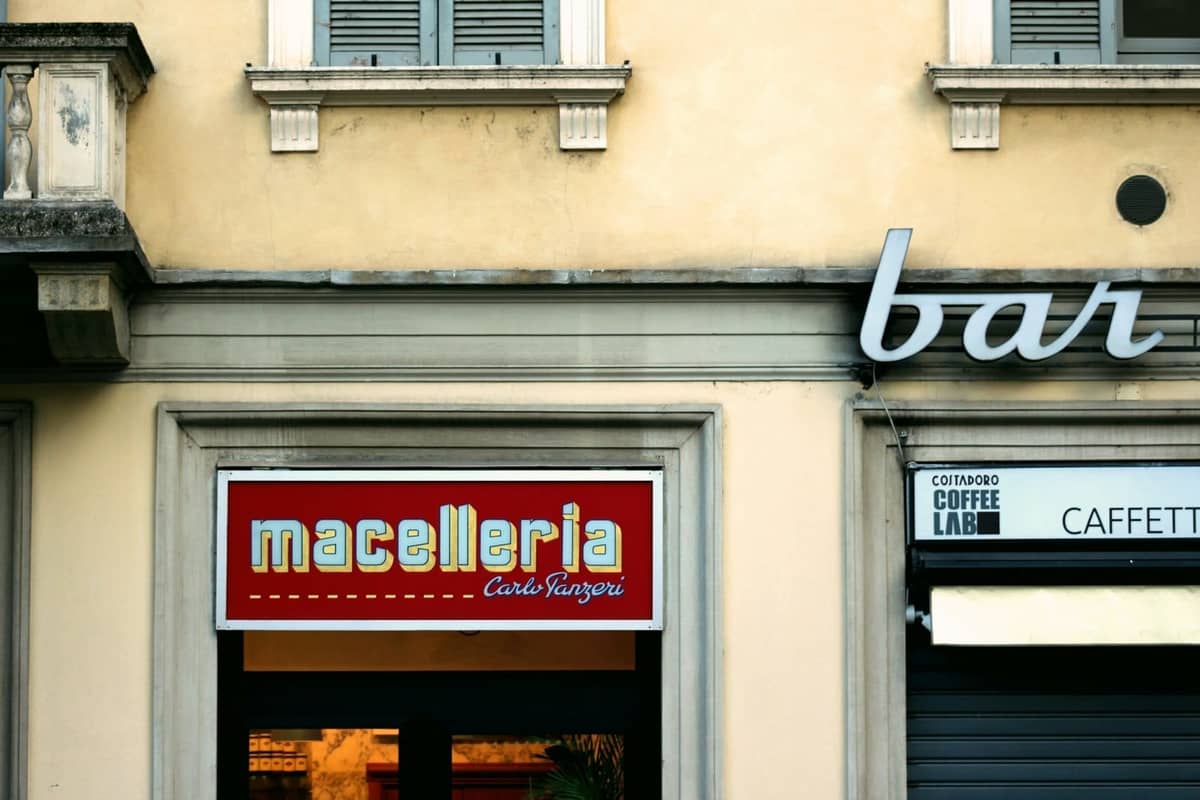
The most common misconception about Milan food is that it follows the same rules as the rest of Italy. It does not. In Lombardy, rice is the staple grain, not pasta. The cooking fat is butter, not olive oil. The proteins lean toward veal, pork, and braised meats rather than seafood or cured charcuterie. This reflects the region's geography: the Po Valley's flat, irrigated fields made rice cultivation dominant for centuries, and the Alpine foothills supplied dairy in abundance.
Milan also has a genuinely distinct culinary identity within Lombardy itself. The city developed its own preparations, including the saffron-laced risotto, the bone-in veal chop, and the leavened Christmas bread that the whole world now recognizes. Eating in Milan is not just about finding good Italian food in general; it is specifically about understanding what Lombard and Milanese cooks have been making for generations.
ℹ️ Good to know
Milan is significantly more expensive for dining than most other Italian cities outside Rome. A small cover charge (often labeled coperto or servizio) of around €1.50–2.50 per person is common but not universal and may be itemized on the bill.
The Essential Dishes: What to Order and Why
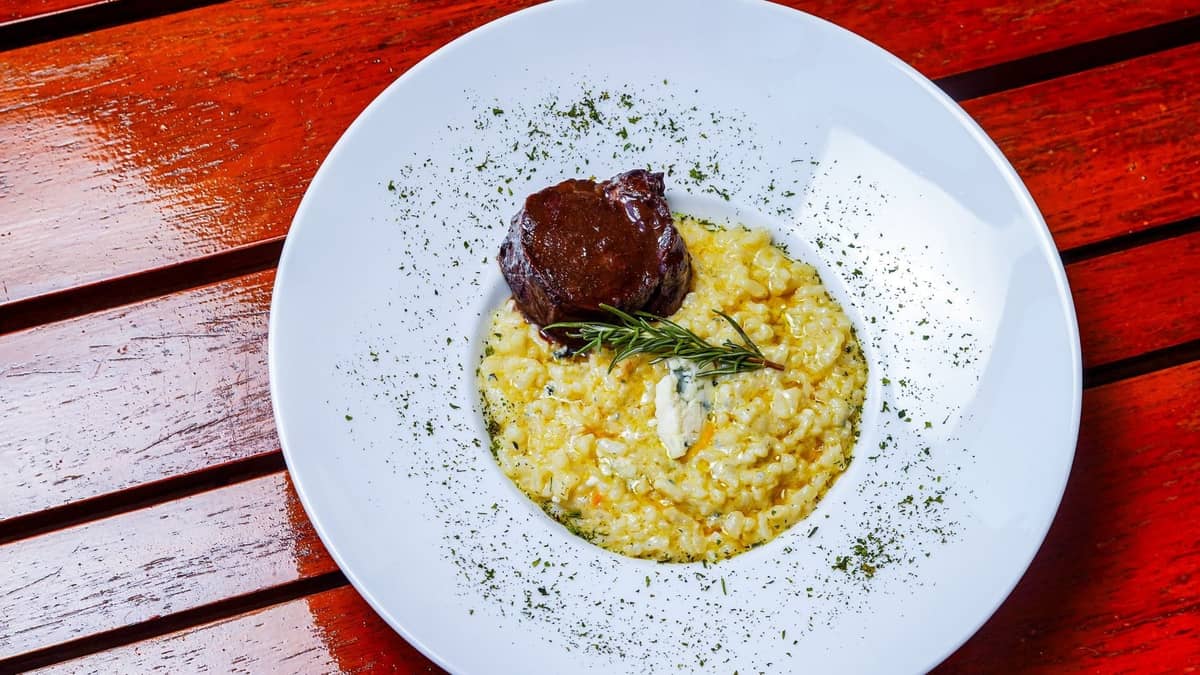
Risotto alla milanese is the dish that defines the city. Made with Carnaroli rice cooked in beef broth, finished with bone marrow, butter, and a substantial amount of saffron, it has a deep golden color and a richness that sets it apart from other risotto styles. The saffron is not a garnish; it is structural to the flavor. Any version that looks pale yellow rather than vivid gold has been made with too little. A proper portion runs around €14–18 at a mid-range restaurant.
Cotoletta alla milanese is one of the most misunderstood dishes in Italian cooking. The authentic Milanese version uses a thick veal chop on the bone, breaded and fried in butter. This is not the same as a thin, boneless cutlet, and it is not the same as Wiener Schnitzel, despite the visual similarity. The bone-in preparation is a deliberate choice that keeps the meat juicy. If you see cotoletta on a menu priced at €22–30, that price reflects the quality of the cut, not a tourist markup.
Ossobuco translates literally as 'hollow bone,' referring to the cross-cut veal shank braised slowly with white wine, broth, and vegetables until the meat falls away and the marrow softens inside the bone. The classic accompaniment is risotto alla milanese, making the combination one of the most celebrated pairings in regional Italian cuisine. Gremolata, a condiment of lemon zest, garlic, and parsley, is traditionally served alongside. Do not skip the marrow from the bone center; it is the best part.
- Risotto alla milanese Saffron, bone marrow, Carnaroli rice, butter, and aged cheese. The city's signature primo. Expect €14–18 at a sit-down restaurant.
- Cotoletta alla milanese Thick, bone-in veal chop, breaded and fried in butter. Order it with a squeeze of lemon. Typically €22–30.
- Ossobuco Slow-braised veal shank, often paired with risotto. Rich, filling, and deeply savory. A full portion with risotto runs €25–35.
- Cassœula Pork shoulder, ribs, and sausage braised with savoy cabbage. A cold-weather dish found primarily October to March.
- Busecca (trippa alla milanese) Tripe cooked with tomato, vegetables, and cheese. Traditionally eaten on Saturdays. Not for everyone, but a genuine piece of Milanese food culture.
- Panettone Tall leavened bread studded with raisins and candied citrus, documented in Milan since 1606. Buy from a bakery rather than a supermarket for the real version.
⚠️ What to skip
Restaurants near the Duomo and Galleria Vittorio Emanuele II frequently charge a significant premium for average food. For traditional Milanese cooking at fair prices, move at least 10 minutes from the cathedral square. The Navigli canal district and Porta Romana neighborhood offer far better value for the money.
Seasonal Eating in Milan: When to Order What
Milanese cuisine has always followed the seasons closely, and this is still visible on restaurant menus today. Cassœula, the slow-braised pork and cabbage stew, is strictly a cold-weather dish. It appears on menus from roughly October through March and disappears when temperatures rise. The savoy cabbage is traditionally harvested after the first frost, which softens it and reduces bitterness. Ordering cassœula in July at a place that has it year-round should be treated as a warning sign about the kitchen's approach to seasonality.
Polenta is another winter staple. In its traditional form it is slow-cooked and creamy, served beneath braised meats or alongside game birds. In summer, restaurants sometimes serve it grilled or as a firm slab, which is a completely different product. Spring and autumn are ideal seasons for visiting Milan from a food perspective: the markets carry excellent produce, restaurant terraces open up, and menus shift between the richness of winter and the lighter preparations of summer.
Panettone is technically a Christmas product, and the finest versions are still produced for the holiday season between November and January. Year-round panettone exists and is perfectly decent, but the best Milanese bakeries produce their most careful batches for the festive window. If you visit during this period, compare it to the standard supermarket version and the difference is significant. For a broader look at when to plan your trip, the best time to visit Milan guide covers seasonal crowd patterns and events across the year.
Where to Eat: Neighborhoods Worth Knowing
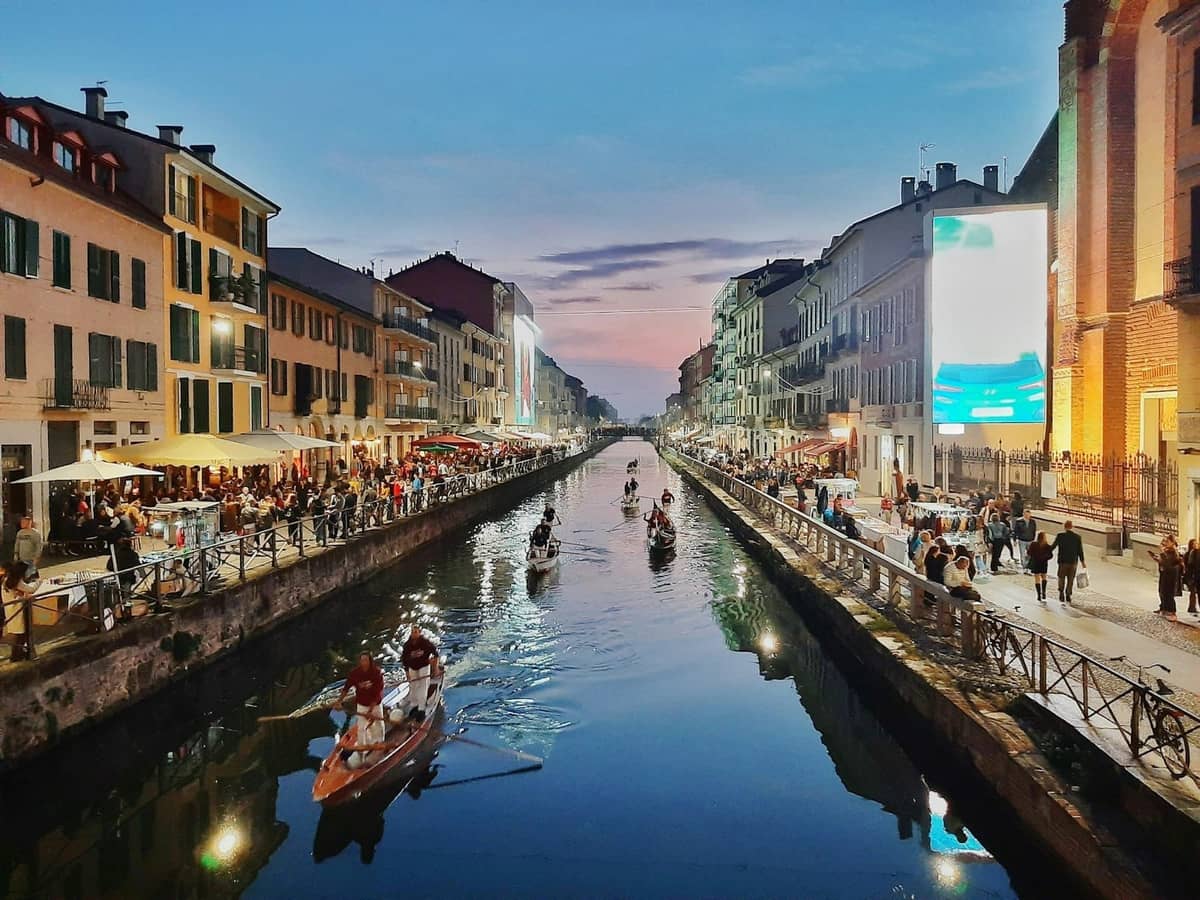
The Navigli district along the historic canals is one of the most popular areas for dining in Milan, particularly in the evening. The canal-side streets fill up from around 7:30pm, and the range of restaurants covers traditional Lombard cooking, contemporary Italian, and international options. The atmosphere is genuine rather than manufactured for tourism, though the area has become busy enough that weekend reservations are essential.
The Brera neighborhood offers a different dining experience: smaller streets, a higher concentration of independent restaurants, and a slightly more elevated price point that reflects the area's reputation as Milan's art and design quarter. It is particularly good for lunch if you are visiting the Pinacoteca di Brera and want to eat nearby without falling into a tourist trap.
Porta Romana and the Ticinese area south of the center consistently deliver good food at more reasonable prices than the historic core. The Ticinese and Sant'Ambrogio zone in particular has a dense concentration of traditional osterie and contemporary spots that attract locals more than tourists. It is worth the 15-minute walk or metro ride from the Duomo.
Prices and Practical Dining Logistics
Eating out in Milan follows a fairly predictable structure. Lunch (pranzo) is typically served from 12:30 to 2:30pm, and dinner (cena) begins around 7:30pm, with most kitchens closing orders by 10:30pm. Restaurants that serve continuously through the afternoon are usually tourist-oriented. A kitchen that closes between lunch and dinner service is usually a better sign.
- Espresso at the bar €1.00–1.50. Standing at the counter is always cheaper than sitting at a table, often by €1 or more.
- Pastry (cornetto, brioche) €1.00–2.00 at a bar. Bakery versions are slightly more but often better quality.
- Casual trattoria lunch (two courses, no wine) €18–28 per person, including the coperto.
- Full trattoria dinner (two courses, shared wine) €30–45 per person, depending on the neighborhood and the wine order.
- Mid-range restaurant with reservations €50–80 per person for a full meal with wine in a well-regarded establishment.
- Michelin-starred tasting menu €100–200+ per person, before wine pairing, at starred restaurants in the city center.
✨ Pro tip
The 'menù del giorno' (set lunch menu) offered by many traditional restaurants is one of the best value propositions in Milan. For €12–18 you typically get a first course, main, bread, water, and sometimes a glass of wine included. It is how locals eat lunch on weekdays and it exposes you to seasonal cooking at prices far below the à la carte dinner menu.
Tipping in Italy is not obligatory in the way it is in the United States. The coperto (cover charge) covers the table service. Leaving €1–2 per person when you were particularly pleased with the service is appreciated but not expected. Rounding up the bill to a convenient number is common practice. For broader budget planning across the city, the Milan on a budget guide covers food alongside accommodation, transport, and free attractions.
Beyond the Classics: Aperitivo and the Milanese Food Ritual
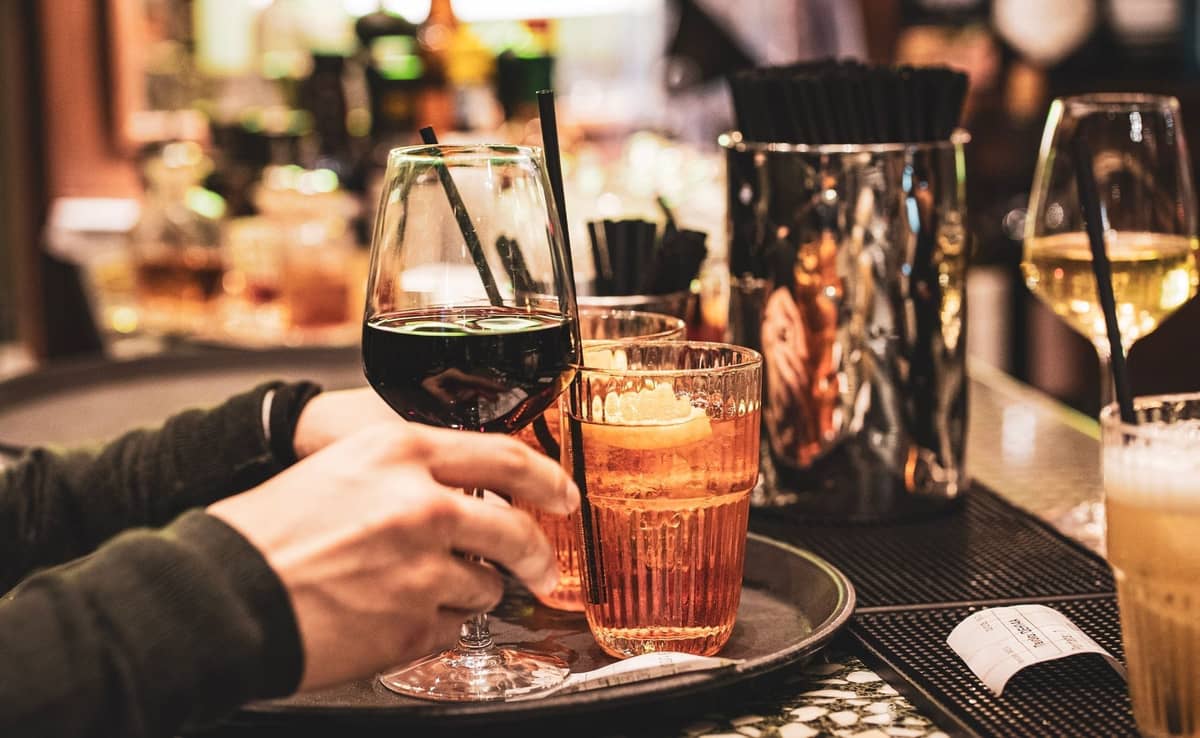
One aspect of Milan food culture that does not appear on most trattoria menus is aperitivo. Between approximately 6pm and 9pm, a large number of bars across the city offer a drink accompanied by a spread of snacks, sometimes substantial enough to count as a light dinner. A Campari Spritz or Negroni costs around €8–12 and typically includes access to a buffet of finger food, charcuterie, bruschette, or small hot dishes, depending on the bar.
The aperitivo tradition is most embedded in the Navigli area and along Corso Como near Porta Nuova and Isola. It is not a tourist invention; it is a genuine part of how Milanese professionals decompress after work. The quality varies significantly: some bars put out impressive food spreads, others offer little more than crisps and olives. Walking through the area and checking what is on display before committing to a stool is a reasonable strategy.
💡 Local tip
If you are watching your budget, a well-chosen aperitivo at a bar with a generous food spread can substitute for dinner entirely. Two drinks at €10 each with a solid buffet is a €20 dinner that many Milanese students and young professionals do routinely.
FAQ
What is the most traditional food in Milan?
Risotto alla milanese, made with saffron, bone marrow, and Carnaroli rice, is the most iconic Milanese dish. Cotoletta alla milanese (breaded bone-in veal chop) and ossobuco (braised veal shank) are equally central to traditional Milanese cooking. All three appear on the menus of serious Lombard restaurants throughout the city.
Is food in Milan expensive compared to the rest of Italy?
Yes, Milan is one of the more expensive cities in Italy for dining, alongside Rome and Venice. A mid-range trattoria dinner typically costs €30–45 per person including wine. That said, the set lunch menu (menù del giorno) at many traditional restaurants offers two courses with a drink for €12–18, which is competitive with other Italian cities.
Is pasta a big part of Milanese cuisine?
Not particularly. Unlike much of southern and central Italy, Milanese cuisine is rice-based. Risotto is the primary first course, with polenta also playing a significant role. Pasta dishes do appear on menus in Milan, but they are not native to the local culinary tradition in the way risotto is.
When should I visit Milan to eat the best seasonal dishes?
Autumn and winter (October to March) offer the richest Milanese eating: cassœula, slow-braised meats, polenta, and the best panettone of the year. Spring (April to May) brings lighter preparations and excellent produce in the markets. Summer is the least interesting season for traditional Milanese food, as heavy braised dishes largely disappear from menus.
Do I need to make reservations at restaurants in Milan?
For dinner on Friday and Saturday, reservations are strongly recommended at any restaurant with a reputation to protect, particularly in the Navigli, Brera, and Porta Romana areas. For lunch on weekdays, walk-ins are generally fine at trattorie, though popular spots can fill up by 1pm. Booking 2–3 days in advance is usually sufficient for most mid-range restaurants.