Things to Do in Milan: The Definitive Guide
Milan rewards visitors who look beyond the fashion weeks and luxury boutiques. This guide covers the essential things to do in Milan Italy, from cathedral rooftops and Renaissance masterpieces to canal-side aperitivo and contemporary architecture, with practical advice on what to book in advance and what to skip.
Plan and book this trip
Tools from our partner Travelpayouts help you compare flights and hotels. If you book through them, we may earn a commission at no extra cost to you.
Flights
Hotels map
TL;DR
- Book the Last Supper (Cenacolo Vinciano) months ahead — tickets sell out, and walk-ins are essentially impossible.
- The Duomo, Galleria, Sforza Castle, and Brera are all within walking distance of each other — structure your first day around the Duomo district and work outward.
- April to June and September to October offer the best combination of pleasant weather (15–26°C) and manageable crowd levels.
- Milan is far more than shopping: the museum scene is world-class, the architecture spans 2,000 years, and the food and nightlife hold their own against any Italian city.
- A 72-hour visit is enough to cover the major sights; a week reveals the neighborhoods, day trips, and cultural depth that most visitors miss.
Why Milan Deserves More Than a Weekend Stopover
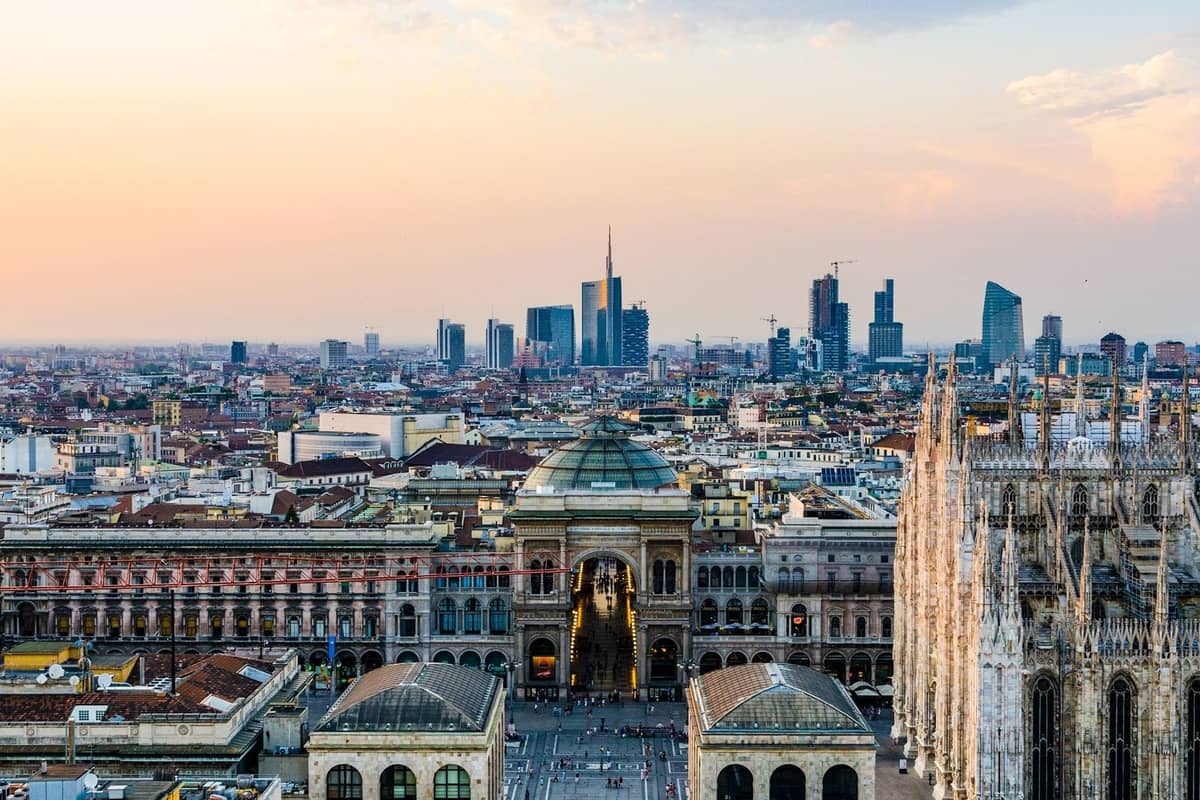
Milan is Italy's second-most populous city and the capital of Lombardy, sitting in the Po Valley roughly halfway between the Alps and the Po River. Romans knew it as Mediolanum, meaning roughly 'in the middle of the plain', and it has been a commercial and cultural center ever since. Today its metropolitan area of around 3.3 million people makes it one of the largest urban concentrations in Italy and among the larger ones in the EU. That scale matters for visitors: Milan has the infrastructure, the cultural institutions, and the sheer variety of a genuine world city.
What many first-time visitors underestimate is how concentrated the historic core is. The Duomo di Milano, the Galleria Vittorio Emanuele II, La Scala, Sforza Castle, and the Brera art district are all within a roughly 20-minute walk of each other. The canal district of Navigli sits about 3 km south. Modern Milan, including the Porta Nuova towers and Fondazione Prada, extends outward from there. The metro, trams, and a grid of walkable streets tie it all together efficiently.
ℹ️ Good to know
Milan operates on Central European Time (CET, UTC+1) and switches to CEST (UTC+2) in summer. Emergency services: dial 112. Country code: +39, city code: 02. The currency is the Euro (EUR). Electricity is 230V, 50Hz, with Type C/F/L plugs.
The Unmissable Landmarks: What to See First
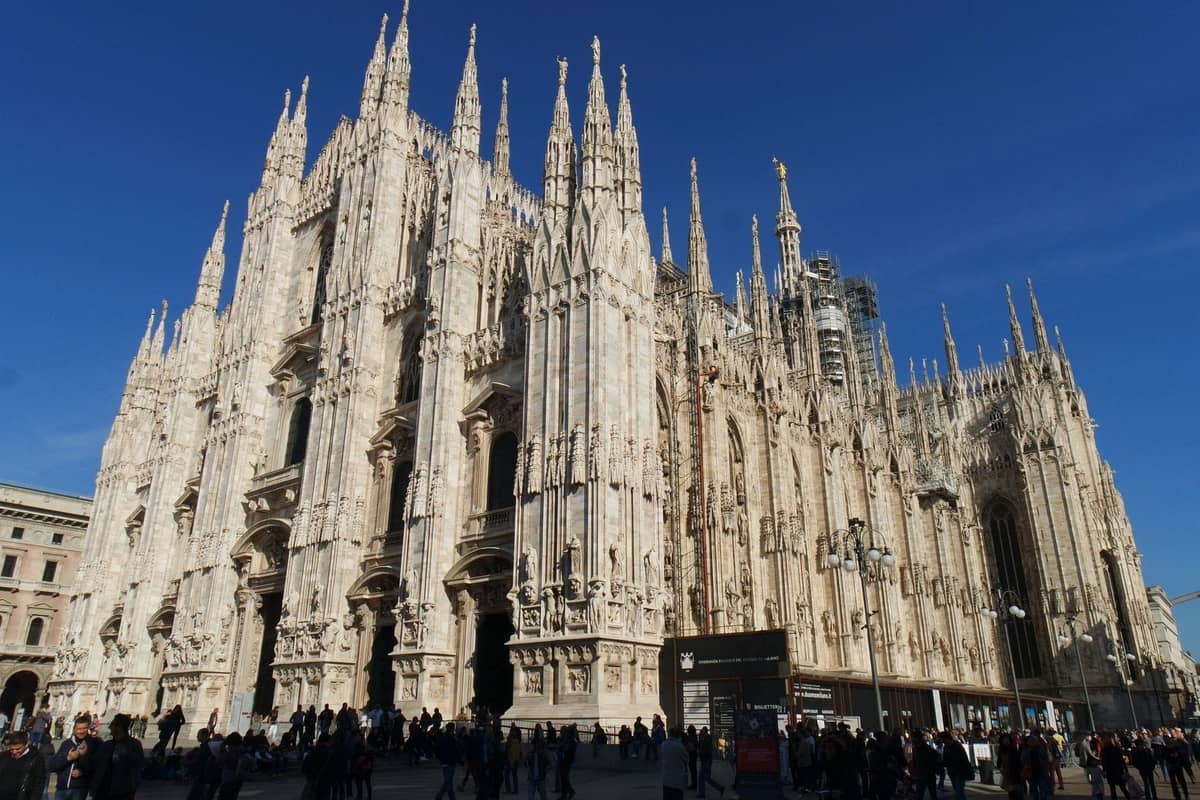
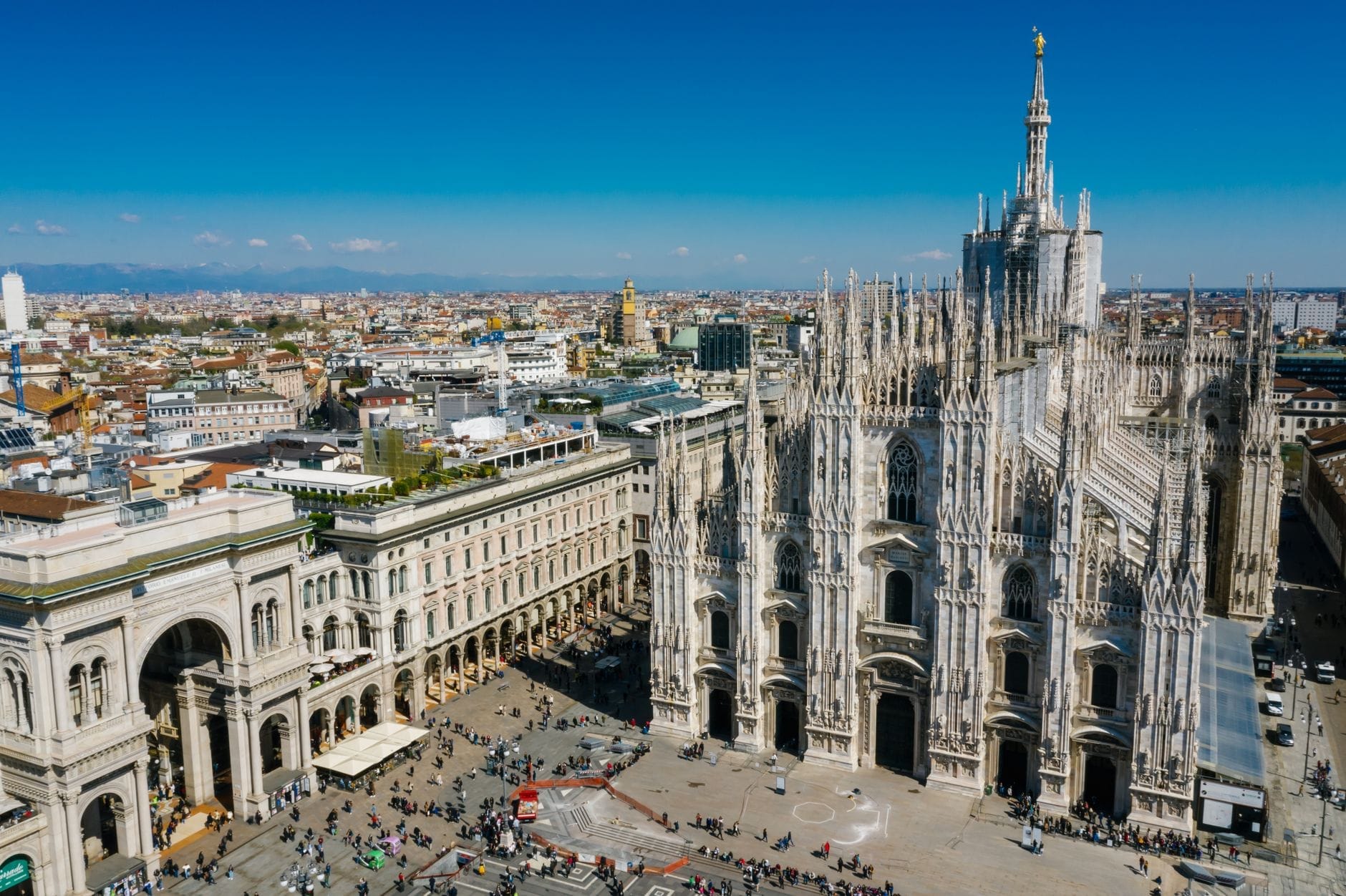
The Duomo di Milano is the starting point for almost every visit, and rightly so. Construction began in 1386 and continued for nearly six centuries, producing a Gothic facade of extraordinary detail: 3,400 statues, 135 spires, and a marble exterior that shifts color through the day. The cathedral itself charges a modest entrance fee (around €7), and the rooftop terraces require a separate ticket. Walking among the spires with views over the city is a different experience from the interior, and worth the extra cost. Tickets are available at the piazza or, better, online in advance to avoid queues.
The Last Supper (Cenacolo Vinciano) in the refectory of Santa Maria delle Grazie is the single most strictly managed attraction in Milan. Leonardo da Vinci painted it directly onto a dry plaster wall between 1495 and 1498, which is precisely why it has been deteriorating for centuries and why access is so tightly controlled. Groups of around 25-30 people are admitted for exactly 15 minutes in climate-controlled conditions. Tickets routinely sell out three to six months in advance. Book through the official Cenacolo Vinciano website (cenacolovinciano.org) as soon as your travel dates are confirmed. There is no walk-in option worth counting on.
The Castello Sforzesco is the other anchor of central Milan. Built in the 15th century by Francesco Sforza, the castle now houses seven civic museums including collections of sculpture (with Michelangelo's unfinished Rondanini Pietà), ancient art, furniture, and musical instruments. The grounds are open from approximately 07:00 daily; the museums open Tuesday to Sunday, 10:00 to 17:30, and are closed on Mondays and public holidays including December 25, January 1, and May 1. Entry to the castle courtyard is free; museum tickets cost €5. Behind the castle, Parco Sempione offers 47 hectares of parkland and a useful escape from the city's stone streets.
⚠️ What to skip
The Duomo is not free. The cathedral charges for entry, and the rooftop is a separate paid ticket. Budget at least €15–20 for a full Duomo experience including both floors and the rooftop. Combined passes are available and worth checking on the official duomomilano.it website.
Art, Culture, and Museums Worth Your Time
The Pinacoteca di Brera is one of Italy's great painting collections, housed in a Baroque palace in the Brera district. The permanent collection runs from medieval altarpieces to Raphael's Marriage of the Virgin, Mantegna's Dead Christ, and major Caravaggio works. Unlike Florence's Uffizi, it rarely feels impossibly crowded, and a focused two-hour visit covers the highlights without fatigue. The surrounding neighborhood, with its art galleries, independent bookshops, and a regular Sunday antiques market in the surrounding streets, is one of the most pleasant corners of the city.
For 20th-century Italian art, the Museo del Novecento in Palazzo dell'Arengario overlooks Piazza del Duomo and contains a strong collection of Futurism, Arte Povera, and postwar Italian movements. The Pinacoteca Ambrosiana holds Leonardo's Codex Atlanticus and Raphael's cartoon for the School of Athens. The Museo Nazionale della Scienza e Tecnologia Leonardo da Vinci is the largest science museum in Italy and works well for visitors traveling with children or with a serious interest in engineering and industrial history.
- Pinacoteca di Brera Old Masters collection including Raphael, Mantegna, and Caravaggio. Tue–Sun, around €15 entry.
- Museo del Novecento Italian art from Futurism to the present. Overlooks Piazza del Duomo. Closed Mondays.
- Fondazione Prada Major contemporary art foundation in a converted distillery complex in the south of the city. Irregular hours by exhibition — check ahead.
- Pinacoteca Ambrosiana Leonardo's Codex Atlanticus and Raphael's School of Athens cartoon. Small but high-quality collection.
- MUDEC (Museo delle Culture) Ethnographic and world culture museum in Tortona, with strong temporary exhibitions.
- Triennale Design Museum Design-focused museum in Parco Sempione. Relevant and well-curated, especially during Design Week.
Neighborhoods Worth Exploring on Foot
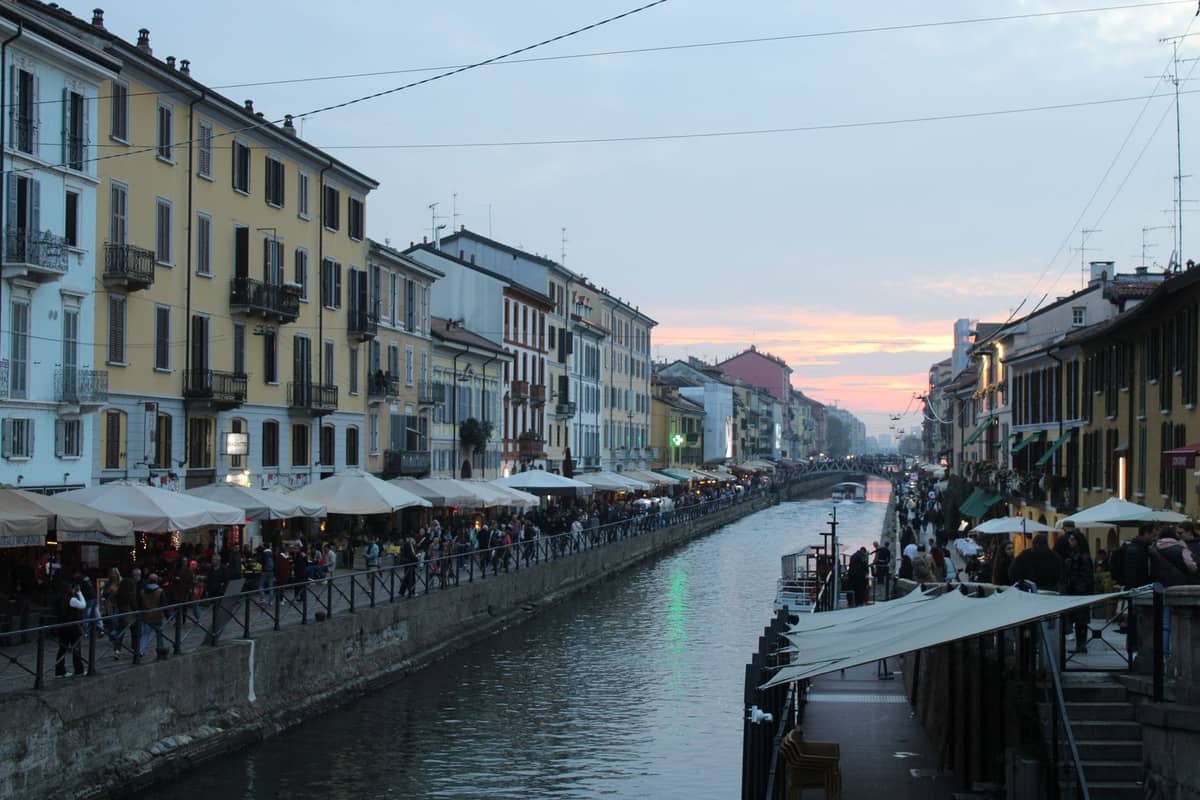
The Navigli canal district is the social center of Milan's evening life. The Naviglio Grande and Naviglio Pavese are the two main canals, lined with bars, trattorias, and independent shops. Aperitivo culture is strong here: most bars serve complimentary snacks with drinks from around 18:00, which effectively functions as an affordable early meal. The area gets lively on weekday evenings and crowded on weekends. On the last Sunday of each month, a large antiques and flea market runs along Ripa di Porta Ticinese, drawing thousands of visitors and locals.
North of the center, Porta Nuova and Isola represent Milan's most significant urban transformation of the past two decades. The Bosco Verticale (Vertical Forest), two residential towers covered in roughly 900 trees and 20,000 plants, has become one of the most photographed buildings in the country. The Biblioteca degli Alberi park below it is a genuine public space, not a tourist trap. The Isola neighborhood adjoining it retains an independent, mixed character that stands in contrast to the corporate towers nearby.
CityLife, to the west, is the other major contemporary development. Built on the former Fiera Milano fairgrounds, it features three distinctive skyscrapers by Hadid, Libeskind, and Isozaki, plus a large pedestrianized park and a shopping district. It is a serious piece of 21st-century urban planning and worth half an afternoon if architecture interests you, though the overall atmosphere is quieter and more residential than central Milan.
✨ Pro tip
The Navigli antiques market on the last Sunday of the month draws large crowds that can make navigation slow. Go in the morning before 10:00 for the best selection and manageable crowds. Many stalls begin packing up by mid-afternoon.
Practical Milan: Getting Around, Timing, and Avoiding Common Mistakes
Milan is served by three airports. Malpensa (MXP), about 50 km northwest, handles most international long-haul traffic and connects to the city via the Malpensa Express train to Milano Centrale and Cadorna, as well as coach services. Linate (LIN), about 7 km east of the center, is the most convenient option for intra-European flights. Bergamo Orio al Serio (BGY), about 45 km east, is the main base for Ryanair and other low-cost carriers, served by shuttle buses to Milano Centrale. Travel times and fares change regularly, so confirm connections via the official ATM Milan or Trenord websites before you travel.
Within the city, the metro (Metropolitana di Milano) is fast and covers the main tourist corridors. Line 1 (red) links Duomo to Castello and the northwest; Line 2 (green) runs between the southern suburbs and the northeastern suburbs via Garibaldi and Cadorna; Line 4 (blue) connects Linate Airport to the center; Line 3 (yellow) connects the central station to the south. Trams are slower but cover more of the inner city and are an atmospheric way to move around. ATM operates a comprehensive network of buses as well. Single tickets, daily passes, and multi-day passes are available. For context on navigating the city efficiently, the getting around Milan guide covers routes, costs, and transport cards in detail.
- September to October: warm days (18–24°C), fewer tourists than summer, excellent conditions for walking the city.
- April to June: reliable good weather, active cultural calendar, Fashion Week in late February and September affects hotel prices.
- July to August: hot (often above 30°C), humid, many Milanese leave the city — some smaller restaurants close.
- December to February: cold and frequently foggy, but Christmas markets are active and museum queues are shorter.
- Design Week (Salone del Mobile, typically April): the city fills with design professionals and events citywide — book accommodation months ahead.
On the budget side, several attractions are free or low cost: the cathedral courtyard at Parco Sempione, the Colonne di San Lorenzo and their piazza, the Basilica di Sant'Ambrogio, and the exterior of Santa Maria delle Grazie. The budget Milan guide covers free entry days at state museums (the first Sunday of each month), reduced-price combined tickets, and neighborhoods where eating and drinking costs significantly less than in the tourist center.
💡 Local tip
Dress codes apply in churches across Milan, including the Duomo. Cover shoulders and knees before entering. Carrying a scarf or light layer resolves this quickly and avoids being turned away at the door. The same applies to Sant'Ambrogio and San Lorenzo Maggiore.
Day Trips and How Milan Fits Into a Wider Italy Itinerary
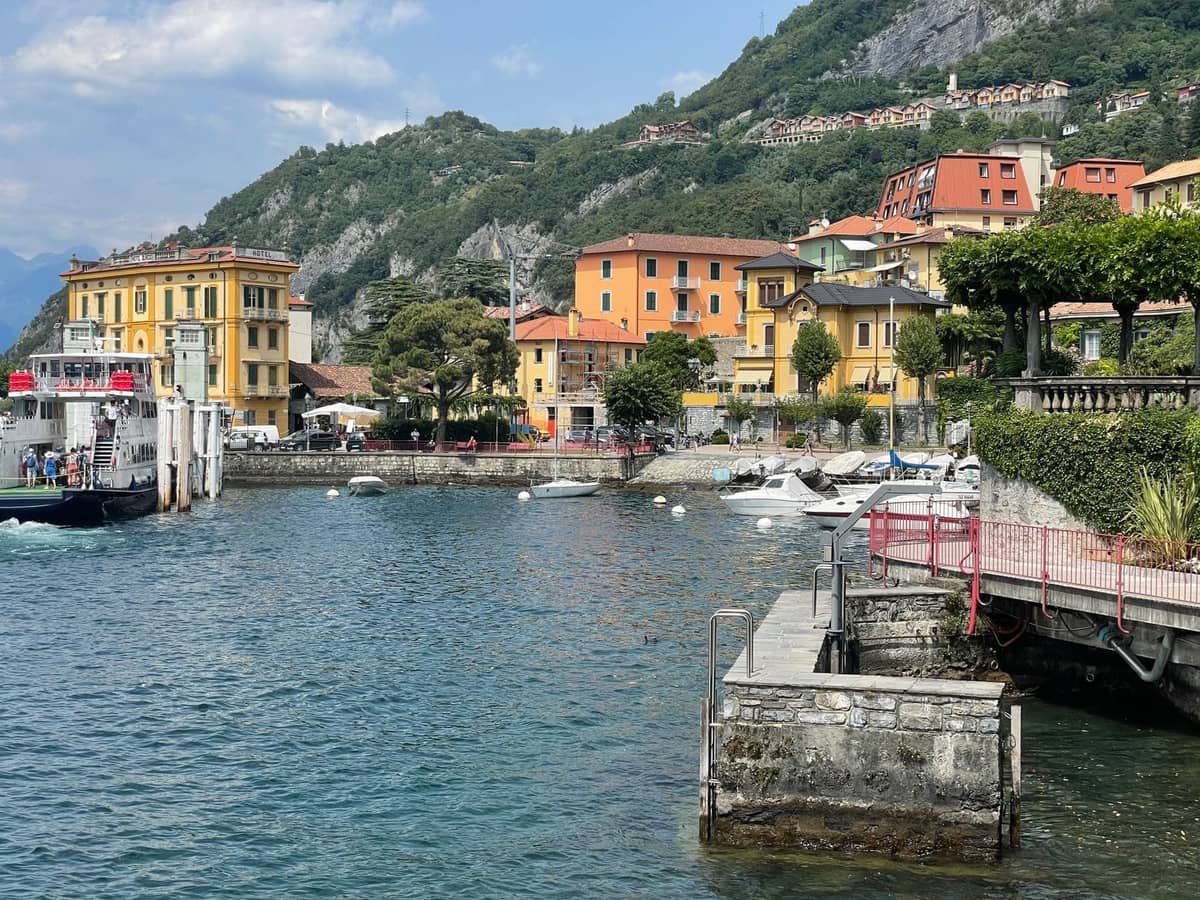
Milan's position in northern Italy makes it an excellent base for day trips. Lake Como is around 45–50 minutes by train from Milano Centrale to Como San Giovanni, with boats connecting the lakeside towns. Bergamo, Brescia, Verona, and the Borromean Islands on Lake Maggiore are all reachable within 90 minutes. For longer travel, Venice is around 2.5 hours by high-speed train and Rome is 3 hours. Milan works well as an entry or exit point for a wider Italy trip rather than just a standalone destination.
If you are planning a 3-day visit, the Milan 3-day itinerary sequences the major sights efficiently and avoids the common mistake of trying to cover too much ground in a single day. First-timers who spread the Duomo complex, the Last Supper, Sforza Castle, and Brera across two full days will have a much better experience than those who rush all four into one. Reserve the third day for a neighborhood like Navigli or Isola, or a day trip.
FAQ
Do you need to book the Last Supper in advance?
Yes, absolutely. The Cenacolo Vinciano admits only around 35 people at a time in strictly timed 15-minute slots. Tickets regularly sell out two to six months ahead. Book through the official cenacolovinciano.org website as soon as your dates are confirmed. Do not rely on last-minute availability or unofficial resellers.
How many days do you need in Milan?
Two full days covers the major landmarks: Duomo complex, Last Supper, Sforza Castle, Pinacoteca di Brera, and an evening in Navigli. Three days allows a more relaxed pace plus one contemporary district or a half-day trip. A week is enough to feel you have genuinely explored the city, including its less-visited neighborhoods and at least one day trip.
What is the best time of year to visit Milan?
April to June and September to October offer the most pleasant conditions: temperatures between 15–26°C, manageable crowds, and a full cultural calendar. July and August are hot and humid, with temperatures regularly exceeding 30°C, and many local businesses close for summer holidays. December and January are quiet and cold, with occasional fog, but far shorter queues at major attractions.
Is Milan expensive compared to other Italian cities?
Yes, Milan is generally the most expensive city in Italy for accommodation, dining, and shopping. However, many major attractions offer free or reduced entry on the first Sunday of the month (state museums), and aperitivo culture means you can eat well cheaply in the evenings. Neighborhoods away from the Duomo, such as Navigli, Isola, and Porta Venezia, have more affordable options for food and drink.
Is Milan walkable, or do you need public transport?
The historic center is highly walkable. The Duomo, Galleria, Sforza Castle, Brera, and La Scala are all within a 20-minute walk of each other. For Navigli, Porta Nuova, and CityLife, the metro and trams are convenient. The Milan Metro (Metropolitana di Milano) is clean, frequent, and easy to navigate. A single ATM ticket covers metro, tram, and bus within the urban area for 90 minutes.