Milan to Venice: Train, Bus & Day Trip Options
The Milan to Venice route is one of Italy's most popular corridors, served by frequent high-speed trains that cover the distance in around 2 hours 15 to 30 minutes. This guide breaks down every option, from Frecciarossa tickets to bus alternatives, with practical advice on what's worth it and what to skip.
Plan and book this trip
Tools from our partner Travelpayouts help you compare flights and hotels. If you book through them, we may earn a commission at no extra cost to you.
Flights
Hotels map
TL;DR
- High-speed trains (Trenitalia Frecciarossa or Italo) cover Milan to Venice in around 2 hours 15 to 30 minutes, with around 20–25 daily high-speed departures from Milano Centrale.
- Always book to Venezia Santa Lucia, not Venezia Mestre. Only Santa Lucia puts you in the historic city.
- Advance economy fares typically start around €20–€30 one way. Prices rise sharply closer to travel date, especially in peak season. See the day trips from Milan guide for more context on what to pair with this route.
- Venice is absolutely feasible as a day trip, but you need an early start. Take the 07:00–08:30 departure from Milano Centrale to maximize your time.
- Buses exist but are not worth it for this route. Trains are faster, more comfortable, and often similarly priced.
The Route: What You're Actually Traveling
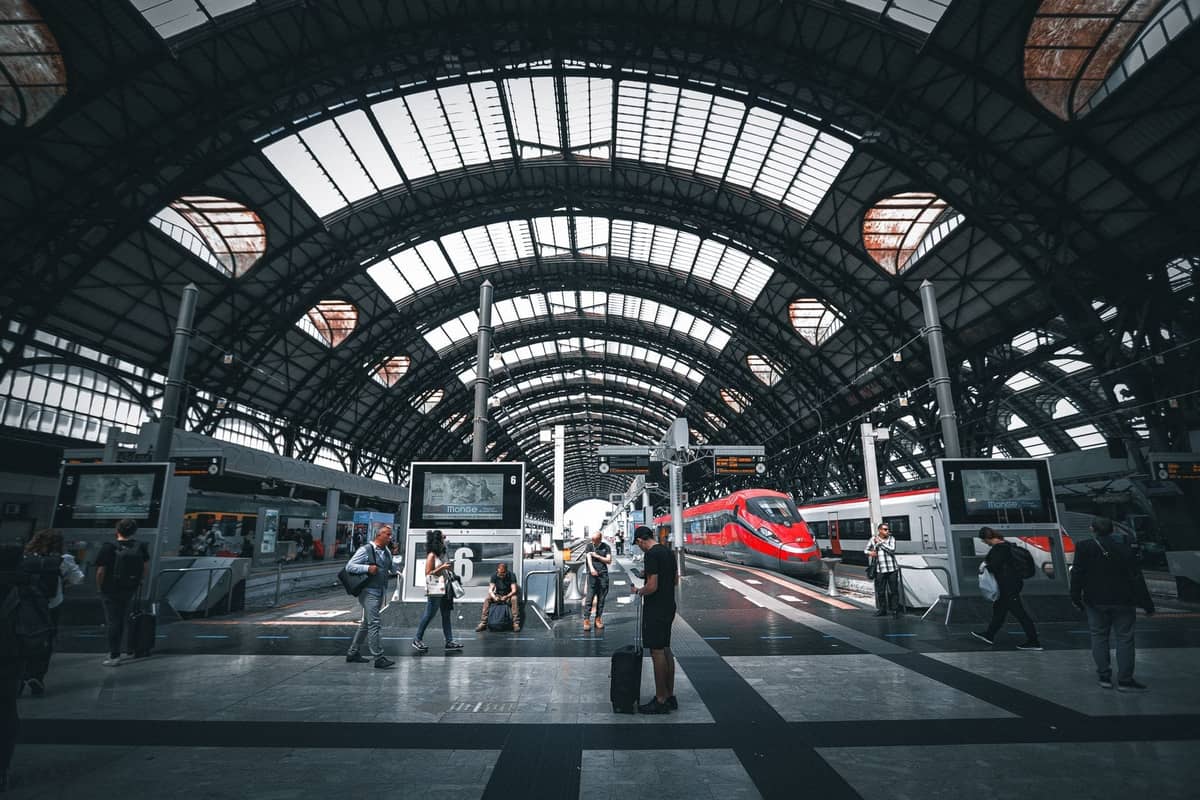
The main rail corridor runs from Milano Centrale to Venezia Santa Lucia, covering approximately 267 kilometers (about 166 miles) across the Po Valley and into the Veneto. On the fastest high-speed services, that translates to around 2 hours 15 to 30 minutes of travel time, making it one of the most efficient city pairs in northern Italy.
One point that causes consistent confusion: Venice has two train stations, and they are not interchangeable. Venezia Santa Lucia sits at the western tip of the island, meaning you step off the train and you are immediately in the historic lagoon city. Venezia Mestre, on the mainland, requires a further connection and is mostly useful for people staying on the terraferma. For any day trip or short visit, always book to Santa Lucia.
⚠️ What to skip
Double-check your ticket destination before booking. Some aggregator sites default to Venezia Mestre when tickets are cheaper or seat availability is limited. Santa Lucia is the correct destination for the city center.
Train Options: High-Speed vs. Regional
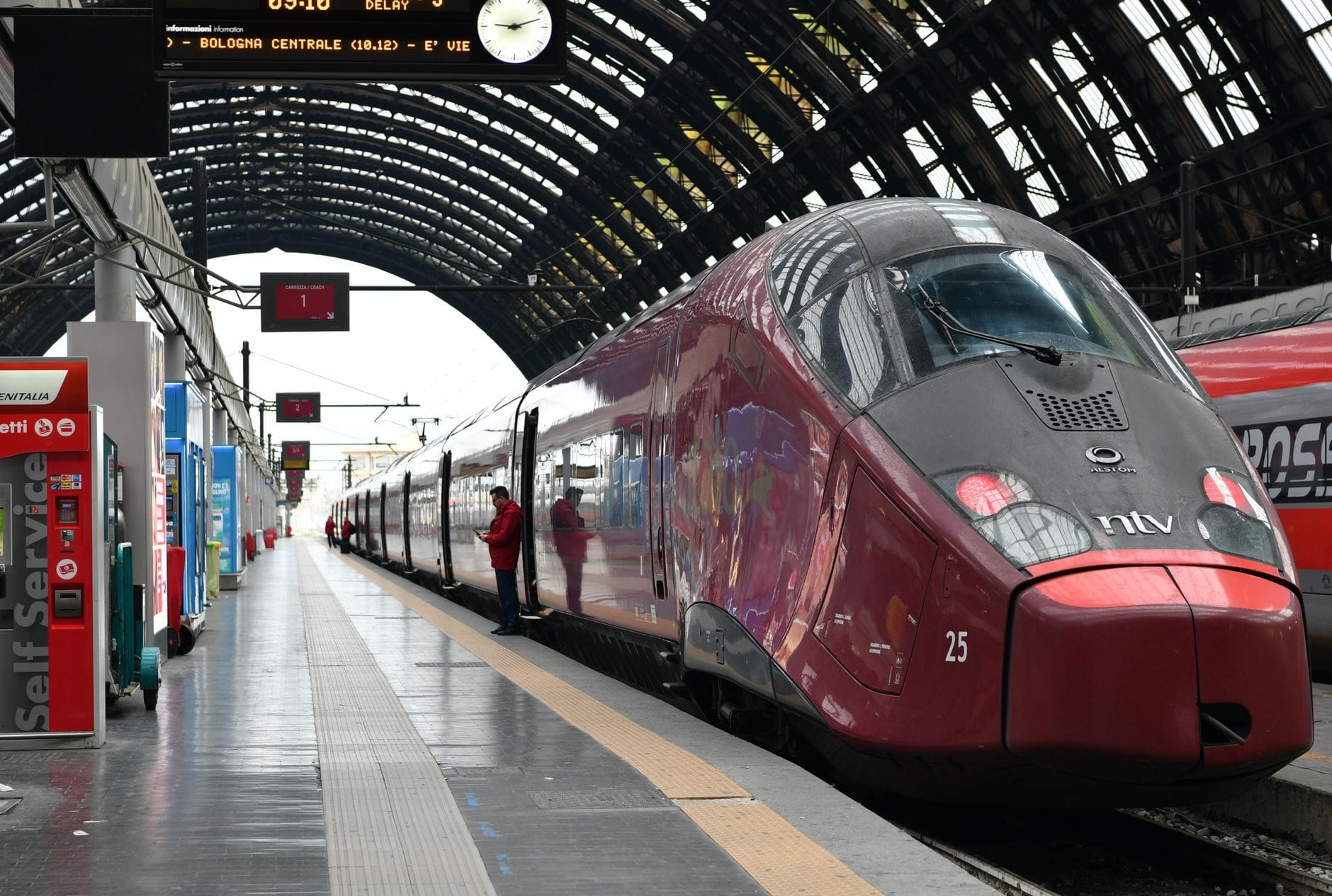
Two operators run high-speed services on this corridor: Trenitalia with its Frecciarossa trains, and Italo. Both offer modern, comfortable rolling stock with standard, business, and premium cabin options. The experience is broadly comparable, though Italo's seating configurations differ slightly and it sometimes offers more competitive promotional fares. Around 20–25 daily high-speed trains connect Milan and Venice, spread across early morning to late evening, so scheduling flexibility is not an issue.
- Trenitalia Frecciarossa Italy's flagship high-speed service. Tickets from around €20–€30 in economy (Base or Economy fares) booked in advance. Flexible fares and business class options available. Book at trenitalia.com or the Trenitalia app.
- Italo Private high-speed operator with competitive pricing on promotional fares. Similar travel times to Frecciarossa. Book at italotreno.it. Worth comparing prices, especially for off-peak travel.
- Trenitalia Regionale Slower regional trains exist but take considerably longer (3.5–4 hours or more with possible changes), and the fare savings over advance high-speed tickets are often minimal. Not recommended for day trips.
For the high-speed services, advance booking is the standard advice, and it is mostly correct. Economy fares are released far in advance and sell out; once they do, the next pricing tier kicks in and costs more. That said, regional train fares are largely fixed regardless of when you book, so buying a regional ticket early mainly just reduces your flexibility. If you are committed to a specific date, book your high-speed seat early. If you prefer flexibility, look at Italo's refundable fare categories or Trenitalia's flexible tickets, which cost more but allow changes. For a broader look at how to structure your trip, the Milan 3-day itinerary can help you figure out where Venice fits best.
✨ Pro tip
Italo often runs flash sales that undercut standard Trenitalia fares by 30–40%. If your travel dates are flexible, sign up for Italo's email alerts or check the site in the weeks before you travel. Midweek departures almost always have more availability at lower fare tiers.
Bus Options: Slower and Rarely Worth It
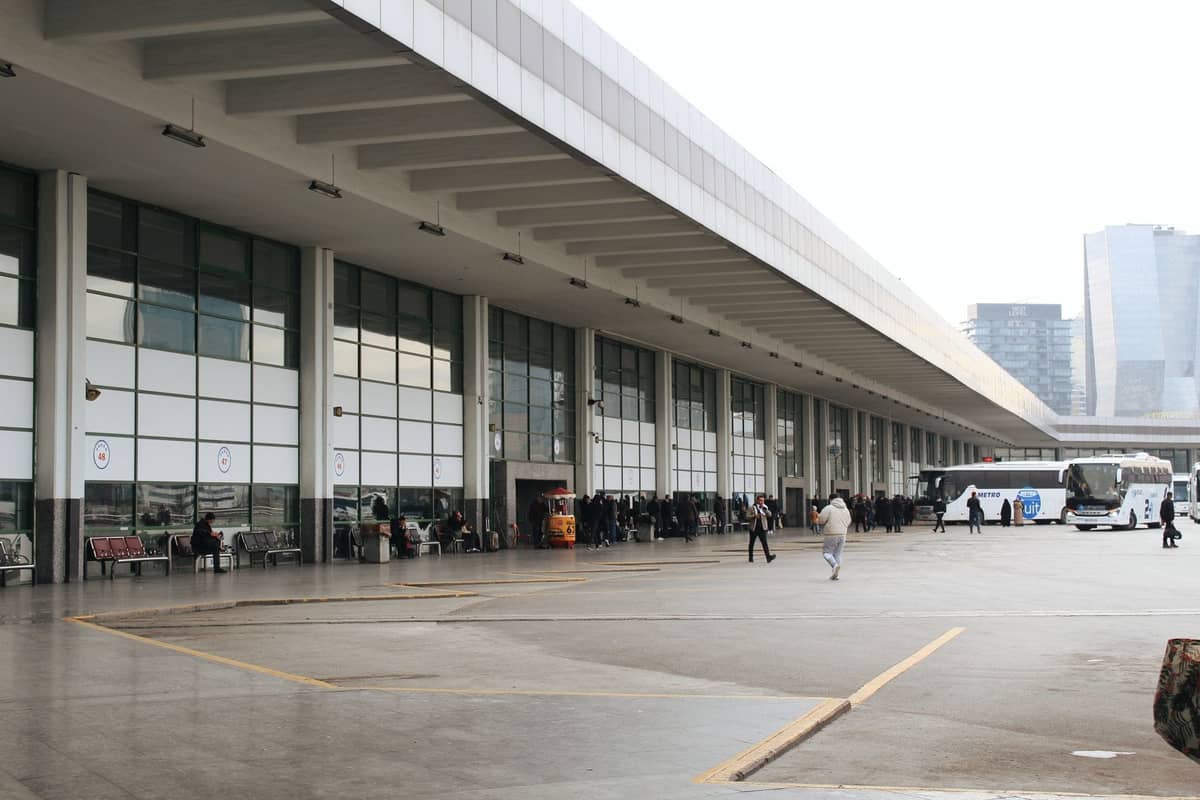
Long-distance coaches do connect Milan and Venice, operated by companies like FlixBus and others. Journey times are typically 3 to 4 hours or more depending on traffic and routing, compared to around 2 hours 15–30 minutes on a high-speed train. Prices can occasionally undercut economy train fares, but not reliably, and the comfort difference is significant. For a route this well-served by fast rail, the bus rarely makes sense unless you are on an extremely tight budget and have a flexible schedule.
One practical note: most Milan bus departures operate from Lampugnano bus terminal (reachable by Metro line 1), not from Milano Centrale. That is worth factoring into your total journey time.
Doing Venice as a Day Trip from Milan
The straightforward answer is that Venice is feasible as a day trip from Milan, but it requires discipline. A 2.5-hour train each way leaves you roughly 5 to 8 hours in the city depending on your departure. That is enough time to walk the main districts, cross the Rialto Bridge, reach the Doge's Palace area, and get lost in a few quieter calli, which is actually quite a reasonable Venice experience. What it does not allow for is a slow, meandering visit or any significant day trips within Venice itself, like the islands of Murano or Burano.
Departure time matters more than any other variable. Taking an 07:00–08:30 train from Milano Centrale gets you into Santa Lucia by 10:00–11:00 at the latest, leaving a solid block of afternoon and early evening in Venice before a return around 20:00–22:00. Some evening Frecciarossa services from Venice depart as late as around 22:43, which is genuinely useful. Crowds in Venice are at their worst between 11:00 and 16:00, especially around San Marco. Arriving early and staying late sidesteps the worst of it.
- Take the earliest feasible train, ideally before 08:30 from Milano Centrale.
- Book your return train before you go, not in Venice. Same-day tickets are available but prices spike and availability tightens.
- Walk from Santa Lucia station rather than taking water taxis everywhere. The main walking route to San Marco takes 30–40 minutes through quieter streets.
- Avoid peak midday crowds around San Marco by visiting early or saving it for early evening when the light is better anyway.
- Eat away from the immediate San Marco waterfront. The markup on anything within eyeline of the Doge's Palace is substantial.
💡 Local tip
Several tour operators offer guided day trip packages from Milan that include round-trip high-speed train tickets and a walking tour of Venice. If you prefer not to plan every detail yourself, these packages are competitively priced and handle the seat reservations. They typically depart around 08:00 from Milano Centrale and return in the evening.
Seasonal Timing and Crowd Patterns
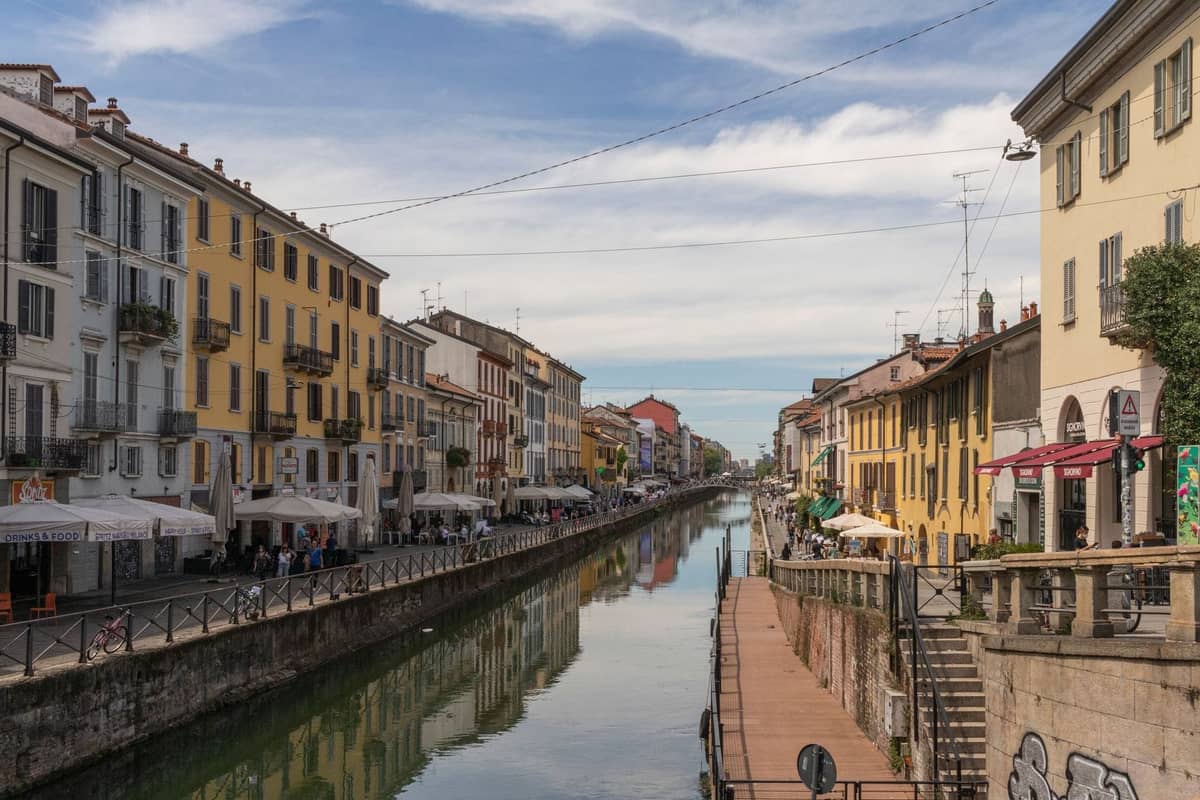
Venice is among the most overtouristed destinations in Europe, and the difference between visiting in April versus August is dramatic. Spring (late March through May) and early autumn (September through October) offer the best balance of weather and manageable crowds on both ends of the route. Milan itself follows a similar pattern: the best time to visit Milan guide covers the seasonal nuances in detail, but the short version is that April through June and September through October are generally the most comfortable months for travel in northern Italy.
During peak summer months (July and August), high-speed fares climb and trains fill up faster. Booking 4 to 6 weeks ahead is a reasonable minimum for this period. Milan's August is also notably quieter within the city itself, as many Milanese leave for the coast or mountains, but tourist sites remain busy. Venice in August is deeply uncomfortable: heat, humidity, and extraordinary crowds. If you have a choice, push the Venice day trip to September.
Italian national holidays and long weekends (known as ponti, or bridge holidays) also create travel surges. Around Easter, 25 April (Liberation Day), and 1 November, trains between major cities sell out quickly and prices spike. The same applies to the Venice Carnival period in February, when the city is exceptionally busy.
Practical Booking Logistics
For independent travelers, booking directly through the Trenitalia or Italo official websites or apps is the most straightforward approach. Aggregators like ItaliaRail and Trainline are useful for comparing operators and schedules in one place, though they may charge booking fees. Either way, you need to select your seats and print or download your ticket before boarding. High-speed trains in Italy require seat reservations, unlike some regional services. For context on how to navigate the city once you are back from Venice, the getting around Milan guide covers metro, tram, and taxi options in detail.
If you are planning a longer itinerary that connects multiple Italian cities, the Milan to Venice leg pairs naturally with onward travel south. For reference, the Milan to Rome route is another high-speed corridor worth comparing. Venice and Rome in a single trip from Milan is ambitious but possible with the right rail bookings.
FAQ
How long does the train from Milan to Venice take?
The fastest high-speed trains (Frecciarossa or Italo) cover the route in approximately 2 hours 15 to 25 minutes. Slower regional services take 3.5 hours or more. For any practical visit, use the high-speed option.
How much does a Milan to Venice train ticket cost?
Economy advance fares on high-speed trains typically start around €20–€30 one way. Prices rise as the departure date approaches and seats fill. Flexible or business class tickets cost more but allow changes or cancellations. Compare Trenitalia and Italo for the best price on your specific date.
Is Venice doable as a day trip from Milan?
Yes, logistically it works. Take an early morning high-speed train (aim for before 08:30 from Milano Centrale), spend 6 to 8 hours in Venice, and return on a late evening service. It is a long day, and Venice deserves more time if you have it, but the combination of travel time and cost is manageable for a single day.
Which station should I book to in Venice?
Always book to Venezia Santa Lucia, which is located on the island in the historic center. Venezia Mestre is the mainland station and requires an additional journey into the city. Some booking platforms default to Mestre when Santa Lucia availability is limited, so always check the destination before confirming.
Is the bus from Milan to Venice worth it?
Rarely. Buses take 3 to 4 hours or more, offer less comfort, and depart from a different terminal (Lampugnano, not Centrale). Unless the fare is significantly cheaper than available train options, the train is the better choice for almost every traveler on this route.