Milan to Rome: Best Ways to Travel Between Italy's Two Capitals
The journey from Milan to Rome covers roughly 565-570 km and can take anywhere from 3 hours to 6+ depending on how you go. This guide breaks down every realistic option, with clear price comparisons, booking strategies, and the city-center-to-city-center math that makes the train far more competitive than most people expect.
Plan and book this trip
Tools from our partner Travelpayouts help you compare flights and hotels. If you book through them, we may earn a commission at no extra cost to you.
Flights
Hotels map
TL;DR
- High-speed train (Frecciarossa or Italo) is the best option for most travelers: about 3 hours city center to city center, fares from €30 booked in advance.
- Two competing rail operators, Trenitalia and Italo, run up to 50 trains per day on this route, so last-minute seats are usually available, just at higher prices.
- Flying looks faster on paper (1–1.5 hours in the air) but airport transfers, security, and check-in often make the total door-to-door time longer than the train.
- Buses are the cheapest option (from around €15) but take over 8 hours. Only worth it if budget is the overriding factor.
- Book rail tickets at least 2-3 weeks ahead for the best fares. Check both Trenitalia and Italo separately, as prices on the same departure time can differ significantly.
The High-Speed Train: Why It Wins for Most Travelers
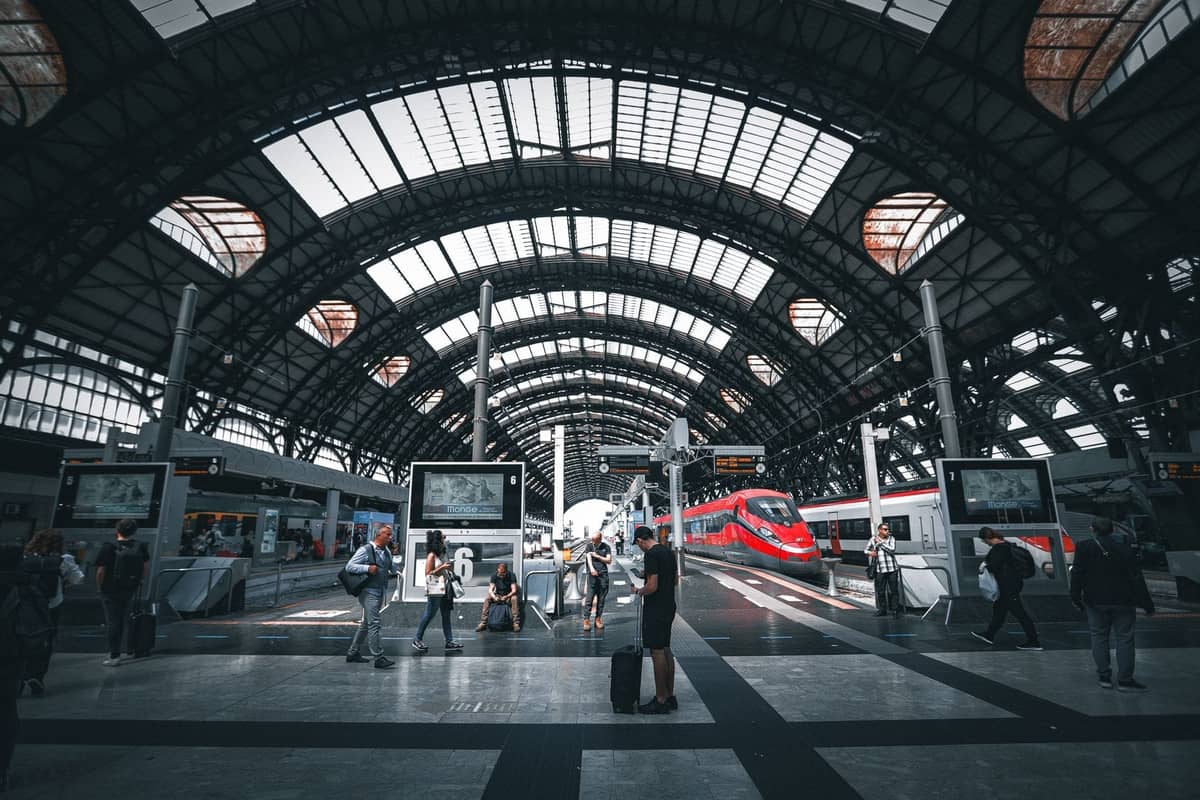
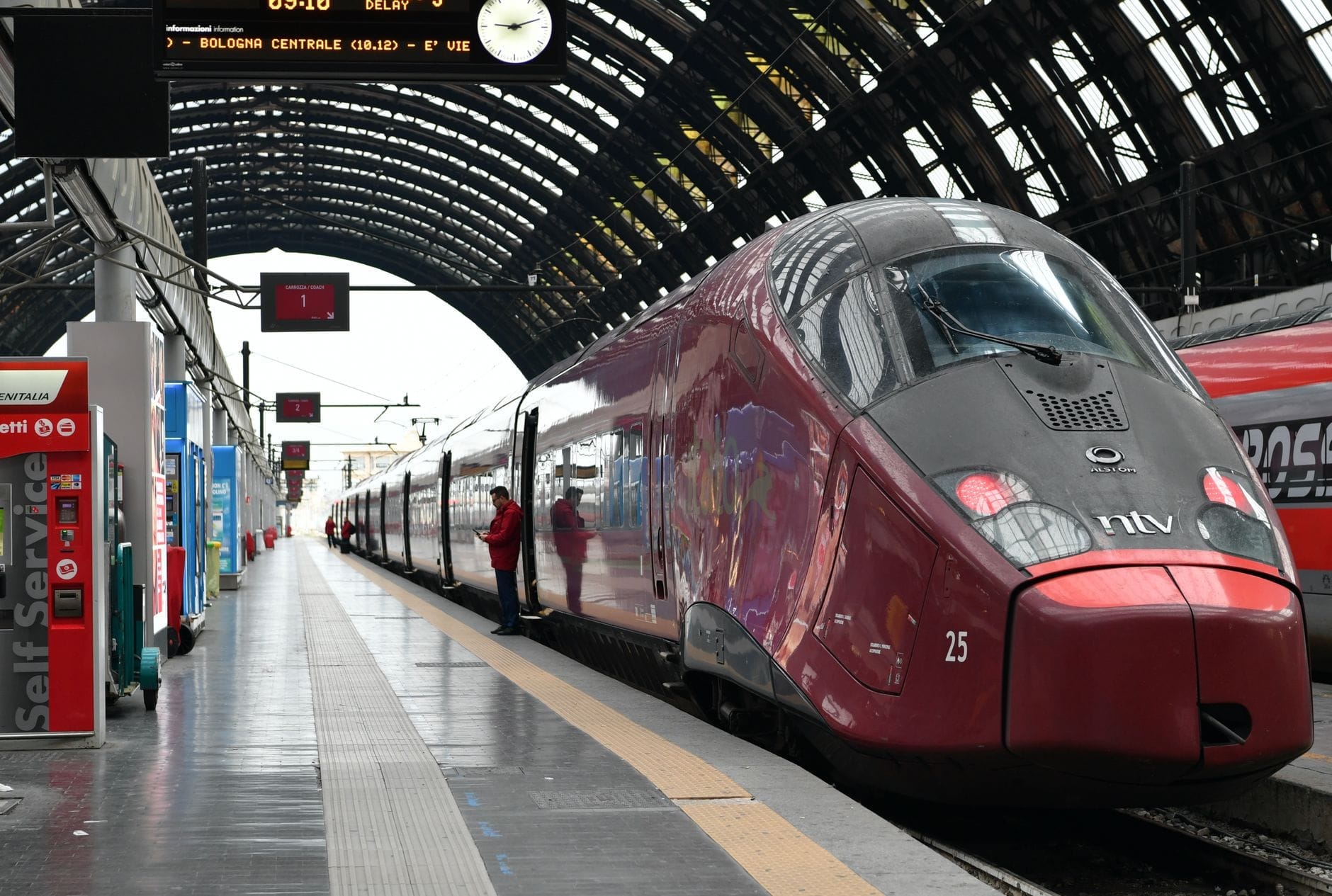
The Milan to Rome high-speed train route is one of the best-served corridors in Europe. Two competing operators, Trenitalia (primarily Frecciarossa services) and Italo, run trains nearly every 30 minutes from Milano Centrale to Roma Termini throughout the day. Journey times range from 2 hours 50 minutes to 3 hours 15 minutes depending on the service and number of stops.
Fares vary significantly based on how far in advance you book. Italo regularly advertises promotional fares from €29.90 one way. Trenitalia's advance 'Super Economy' tickets start around €29.90, while walk-up 'Base' fares in second class can reach €90-95. If you're flexible on timing and booking 3-4 weeks out, budget €35-55 per person in second class as a realistic target for either operator.
✨ Pro tip
Always check both Trenitalia and Italo separately before booking. They don't always price-match on identical time slots, and Italo often has promotional fares that undercut Trenitalia by €10-20 on the same day. Aggregators like Trainline show both, but booking direct with the operator avoids additional booking fees.
The trains themselves are comfortable and modern. Frecciarossa trains run at up to 300 km/h and have four classes: Standard, Premium, Business, and Executive. Business class includes a welcome drink, snacks, and wider seats, worth considering on a longer booking window when the price premium narrows. Italo offers Smart, Prima, and Club Executive classes on its newer EVO trains. Both operators provide free Wi-Fi, though reliability in tunnels is inconsistent.
- Milano Centrale to Roma Termini The main route and the most frequent. Both Trenitalia and Italo serve this pair of stations directly, with no connection needed.
- Milano Centrale to Roma Tiburtina Some services stop at Tiburtina before or instead of Termini. Useful if your accommodation is in the eastern or northern parts of Rome, but less central otherwise.
- Milano Rogoredo to Roma Termini Some Frecciarossa services stop at Rogoredo in Milan's south, which is faster to reach from parts of the city via Metro Line 3. Worth knowing if you're staying south of the centre.
Flying: When It Actually Makes Sense (and When It Doesn't)
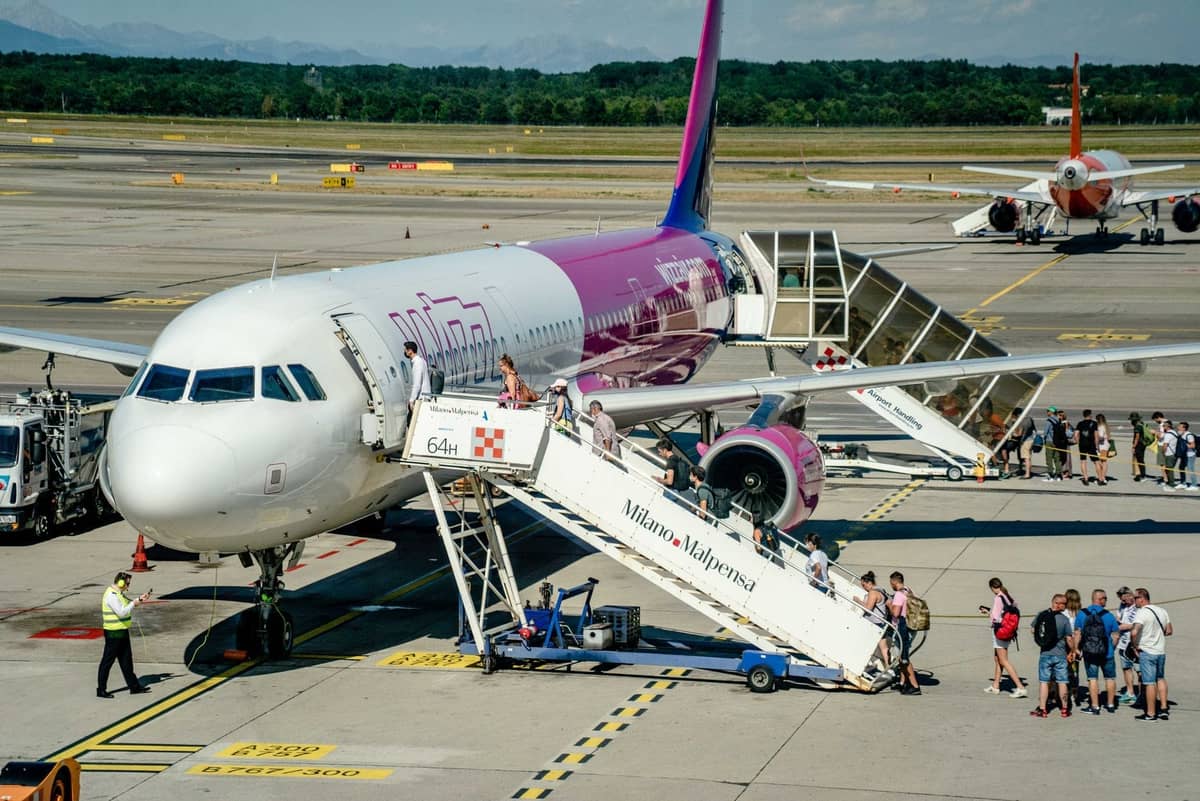
The flight time from Milan to Rome is 1 to 1.5 hours. That number, taken in isolation, makes flying look like the obvious choice. The reality is more complicated. Milan's main international airport, Malpensa (MXP), is 45-50 km northwest of the city centre. Getting there takes about 50 minutes by Malpensa Express train, or longer by road in traffic. Rome's Fiumicino airport (FCO) is about 30 km from the city, adding another 30-35 minutes by Leonardo Express or longer by taxi.
Add security queues, boarding time, and the standard recommendation to arrive 90 minutes before departure, and a 'one-hour flight' becomes a 4 to 5 hour commitment door-to-door. The high-speed train from Milano Centrale to Roma Termini takes 3 hours and drops you directly in the center of Rome. For most travelers, the train is faster in practice.
Flying does make sense in specific situations: if you're already at or near Malpensa for another reason, if you find a sub-€30 fare during a flash sale, or if you're traveling with luggage that would cost extra on the train. Low-cost fares from easyJet and others can drop to €25-30 in off-peak periods, and Skyscanner data suggests November tends to produce the lowest airfares on this route. But factor in airport transfers (Malpensa Express is €15 each way) and the calculation rarely favors flying.
⚠️ What to skip
Milan Bergamo (BGY, Orio al Serio) is sometimes listed for Rome flights. It's 45-50 km from central Milan and primarily serves budget carriers. The bus transfer to Milano Centrale takes 50-60 minutes. Unless the fare is substantially cheaper, the total journey time from central Milan will likely exceed 5 hours.
Bus and Car: The Long Alternatives
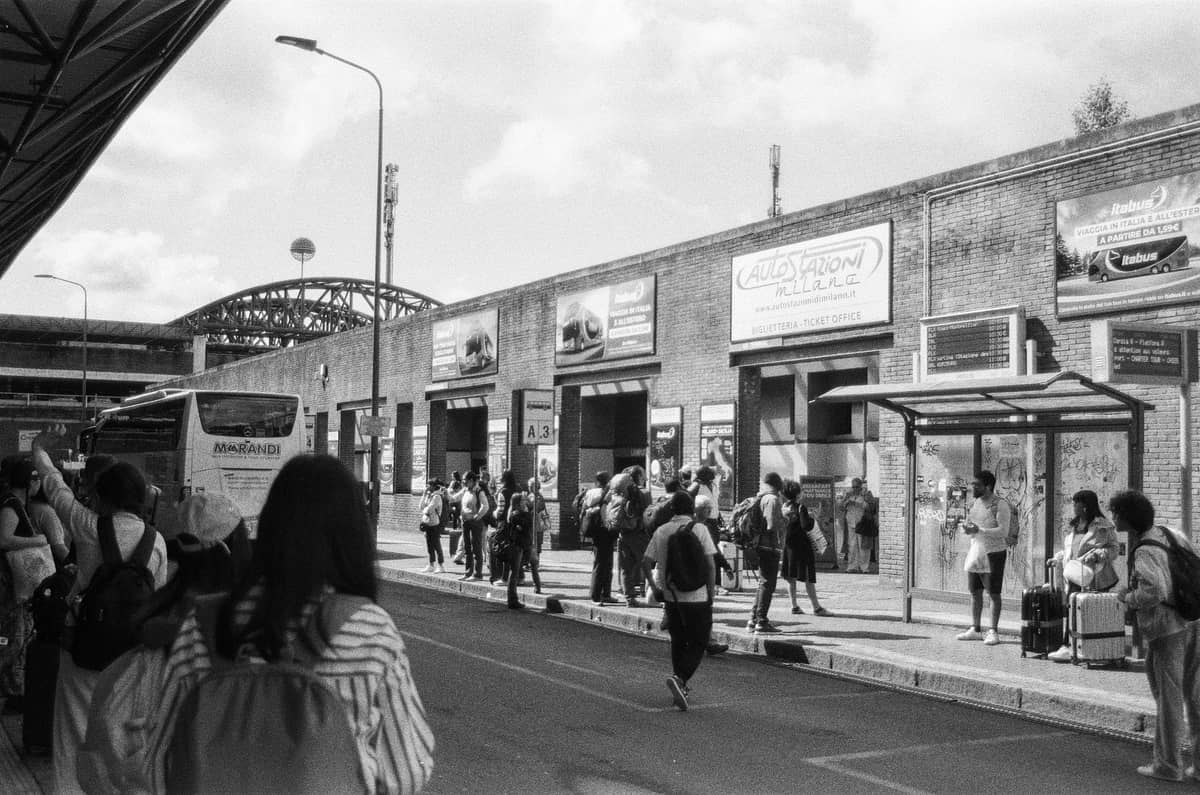
Long-distance buses connect Milan to Rome at the lowest price point of any option. Itabus runs from Milano Lampugnano (reachable by Metro Line 1) to Roma Tiburtina in around 8 hours 25 minutes. Tickets range from approximately €15 to €70 depending on timing and demand. FlixBus also operates on this corridor with similar journey times and comparable pricing.
The bus is a legitimate option for travelers on a strict budget, overnight travelers who'd otherwise pay for accommodation, or anyone who finds train booking confusing or expensive at short notice. The overnight dimension is worth considering: a late-evening departure from Milan can arrive in Rome early morning, letting you skip a night's hotel cost. That said, overnight buses are not particularly comfortable, and after 8+ hours on Italy's motorways, many travelers arrive tired rather than ready to explore.
Driving from Milan to Rome covers around 580 km via the A1 autostrada through Bologna and Florence. Under ideal conditions, the journey takes roughly 6 hours, but traffic around Florence and the approaches to Rome adds time, especially on summer Fridays and Sunday afternoons. Tolls add around €40-50 each way, and fuel costs are substantial at Italian pump prices. Unless you're planning stops along the route (Florence, Siena, or Orvieto are all viable), driving is the least efficient option for a simple point-to-point transfer.
ℹ️ Good to know
If you do drive and want to break the journey, Florence sits roughly halfway and makes an excellent overnight stop. The A1 also passes within reach of Siena (exit at Valdichiana) and Orvieto, both worthwhile for a longer road trip itinerary.
How to Book Train Tickets: Strategy and Common Mistakes
Book directly at trenitalia.com or italotreno.it for the best prices without added fees. Aggregators like Rail Europe, Trainline, and ItaliaRail are convenient and show both operators side-by-side, but they charge a small service fee per ticket. For a single trip, that fee is minor. For families or groups, it adds up. One practical approach: use Trainline to compare schedules and pricing across operators, then book direct with whichever is cheaper for your specific journey.
- Book 3-4 weeks ahead for the best fares Both Trenitalia and Italo release promotional fares early. The cheapest tickets typically sell out 2-4 weeks before departure, not days before.
- Check both operators independently Trenitalia and Italo price their tickets separately. On any given day, one may be €15-20 cheaper than the other for the same time slot.
- Avoid peak departure times if flexible Early morning (6-8am) and early evening (5-7pm) trains on Fridays and Sundays are the most popular and tend to be pricier. Midday Tuesday or Wednesday trains are often cheaper.
- Don't assume second class is uncomfortable Standard class on Frecciarossa and Italo Smart is equivalent to business class on many European airlines: wide seats, tables, air conditioning, and power sockets.
- Print or download your ticket before boarding Italian high-speed trains require a specific seat reservation, unlike some European rail systems. Inspectors check every ticket, and a missed download can cause problems.
What to Know About Each City's Main Stations
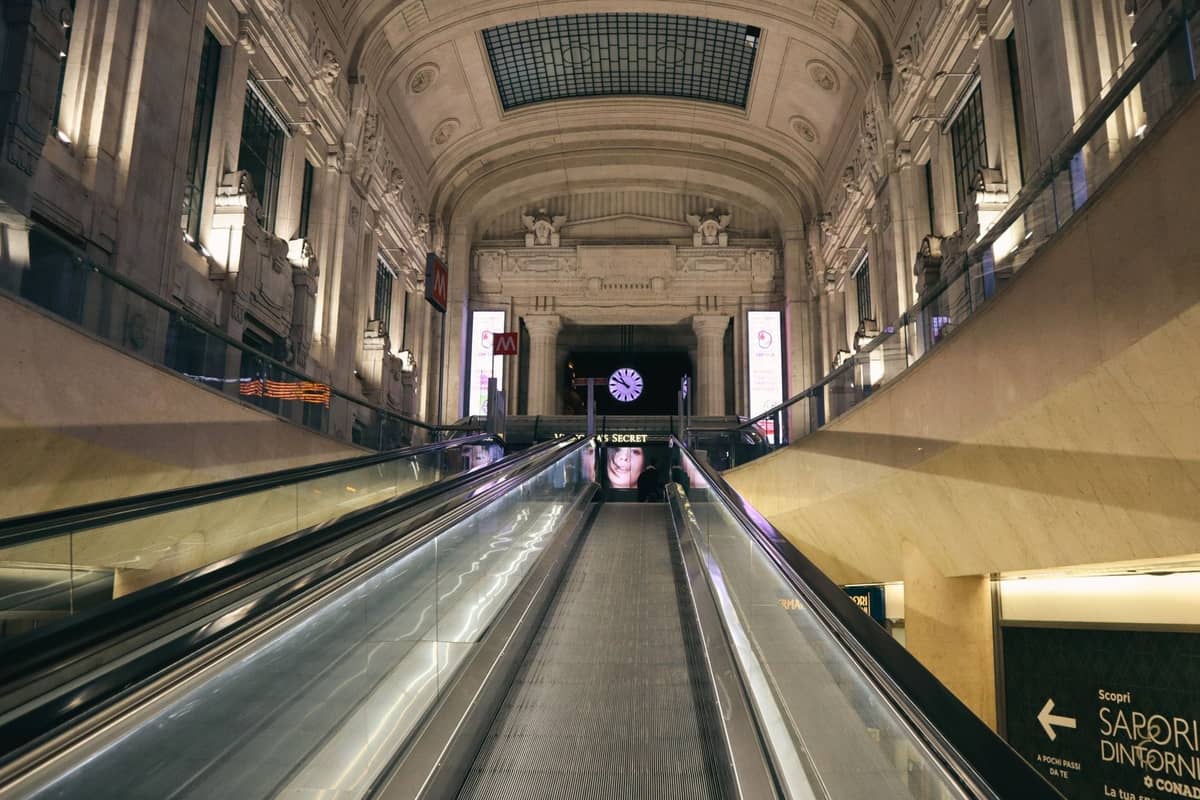
Milano Centrale is one of the most architecturally striking railway stations in Italy, with its monumental Fascist-era facade and vaulted interior. It's served by Metro Lines 2 and 3, numerous tram and bus routes, and is the departure hub for most transport connections across Milan. Arrive at least 15 minutes before departure to navigate the station and find your platform, which is only announced about 10-15 minutes before the train departs.
Roma Termini is Rome's main station and one of the largest in Europe. It connects to the Metro A and B lines, all major bus routes, and the Leonardo Express to Fiumicino airport. The station has extensive shopping, food options, and left-luggage facilities. One practical note: the area immediately outside Termini has a higher-than-average concentration of taxi touts and unofficial cab drivers. Use the official taxi queue (marked with yellow signs) or a ride-hailing app to avoid being overcharged.
Planning the Trip: Timing, Seasons, and What Fits Your Itinerary
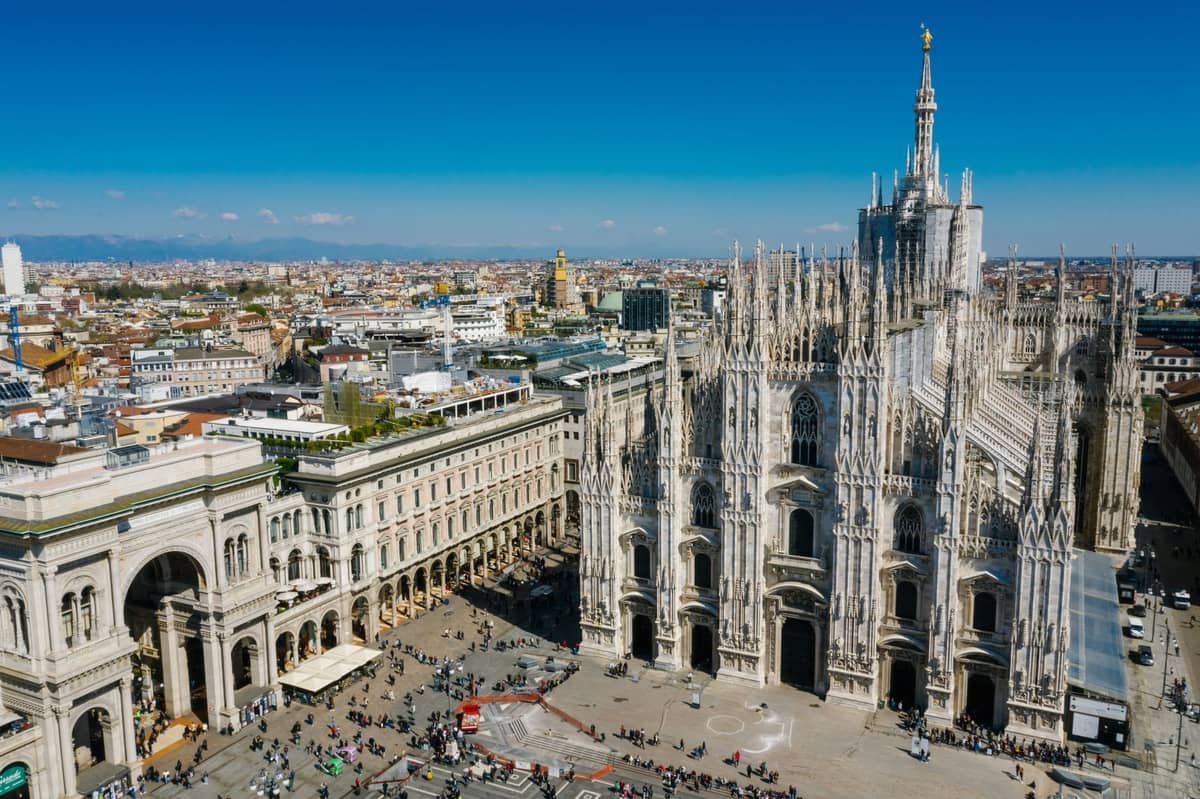
The Milan to Rome journey works equally well as a one-way transfer or as part of a loop itinerary. Given that both cities anchor very different travel experiences, many visitors combine them with stops in between. Three days in Milan followed by the train south is a common and well-paced structure, leaving Rome as a multi-day conclusion.
Seasonality affects both price and comfort. Summer (June to August) sees the highest demand, particularly on Friday afternoons and Sunday evenings when travelers move between the cities for weekend trips. Book as far ahead as possible in these months. Spring (April to May) and autumn (September to October) offer the best combination of comfortable weather, manageable crowds, and reasonable fares. For more on timing your visit to Milan itself, the best time to visit Milan guide covers seasonal patterns in detail.
If you have a day or two to spare, the route between Milan and Rome passes within range of some excellent detours. Florence is the obvious stop, but day trips from Milan can also extend the journey in the other direction, toward the lakes or into the Italian Alps before heading south.
FAQ
How long does the train from Milan to Rome take?
The fastest high-speed services take about 2 hours 50 minutes. Most trains take between 3 hours and 3 hours 15 minutes. Regional or slower intercity trains take significantly longer and are not recommended for this route.
Is it cheaper to fly or take the train from Milan to Rome?
It depends on timing and how far in advance you book. Train fares start around €30-45 booked in advance. Flights can drop below €30 in off-peak months, but airport transfers add €25-30 per person each way. For most travelers, the all-in cost is similar, but the train saves 1-2 hours of total travel time.
Do I need to book Milan to Rome train tickets in advance?
You don't need to, but advance booking saves money. Trains run every 30 minutes, so last-minute seats are almost always available. However, walk-up fares on Trenitalia's Frecciarossa can reach €90-95 in second class, compared to €30-45 booked 3-4 weeks ahead.
Which is better: Trenitalia Frecciarossa or Italo for Milan to Rome?
Both are modern, comfortable, and reliable. The main variable is price: check both operators on the same day, as one is often 10-20 euros cheaper than the other for identical departure times. Italo tends to run more promotions, while Trenitalia has more departure slots overall.
Which Milan station do trains to Rome depart from?
Almost all high-speed trains to Rome depart from Milano Centrale, the main railway station served by Metro Lines 2 and 3. A small number of services also stop at or depart from Milano Rogoredo in the south of the city, which is worth checking if you're staying in that area.