3 Days in Milan: The Perfect Itinerary
Three days in Milan is enough time to cover the cathedral district, the great art museums, the canal neighbourhood, and still fit in a day trip to Lake Como. This itinerary is built around how the city actually works: metro-first logistics, realistic opening hours, and clear advice on what to skip.
Plan and book this trip
Tools from our partner Travelpayouts help you compare flights and hotels. If you book through them, we may earn a commission at no extra cost to you.
Flights
Hotels map
TL;DR
- Three days in Milan is a realistic minimum to cover the Duomo district, Brera, Castello Sforzesco, and Navigli without rushing.
- You do not need a car: the Milan Metro plus walking connects every major attraction covered in this guide. See getting around Milan for full transport details.
- Book the Last Supper (Cenacolo Vinciano) and Duomo rooftop tickets weeks in advance, especially April through October.
- Day 3 works best as a Lake Como day trip via Trenord train to Varenna; summer daylight makes it easy to add a second lakeside village.
- Budget travellers can cover three days comfortably; for a higher-end approach, see the luxury Milan guide.
Before You Arrive: Tickets, Timing, and Logistics
Milan rewards preparation more than most Italian cities. Two attractions have timed-entry systems that genuinely sell out: the Cenacolo Vinciano (Leonardo's Last Supper) and the Duomo rooftop terraces during peak season. If you wait until you land to book these, you risk missing them entirely. Set aside 20 minutes before your trip to handle both.
The Last Supper runs strictly timed 15-minute viewing slots through an official booking portal; entry slots go months ahead in summer. The Duomo di Milano is open daily 8:00 AM to 7:00 PM (last admission 6:10 PM), and the rooftop opens at 9:00 AM with the same closing time. Full Duomo tickets are around €7 for adults, with reduced rates and free admission for under‑18s, though bundled tickets covering the cathedral, museum, and rooftop cost more. Always verify current prices at the official Duomo website before visiting.
⚠️ What to skip
The Last Supper viewing room holds only 30 people at a time and slots are released months in advance. If you cannot secure an official slot, look for small-group tours that include reserved access — they cost more but are the only realistic alternative for last-minute travellers.
For getting into the city from the airport: Malpensa (MXP), roughly 45-50 km northwest, is connected by the Malpensa Express train to Milano Centrale and Cadorna. Linate (LIN), only 7-8 km east of the centre, is the easiest airport to use. Bergamo Orio al Serio (BGY), popular with low-cost carriers, has coach shuttles running to Milano Centrale. Check current Trenord timetables before travel, as schedules and fares change regularly.
Day 1: The Historic Centre and the Cathedral District
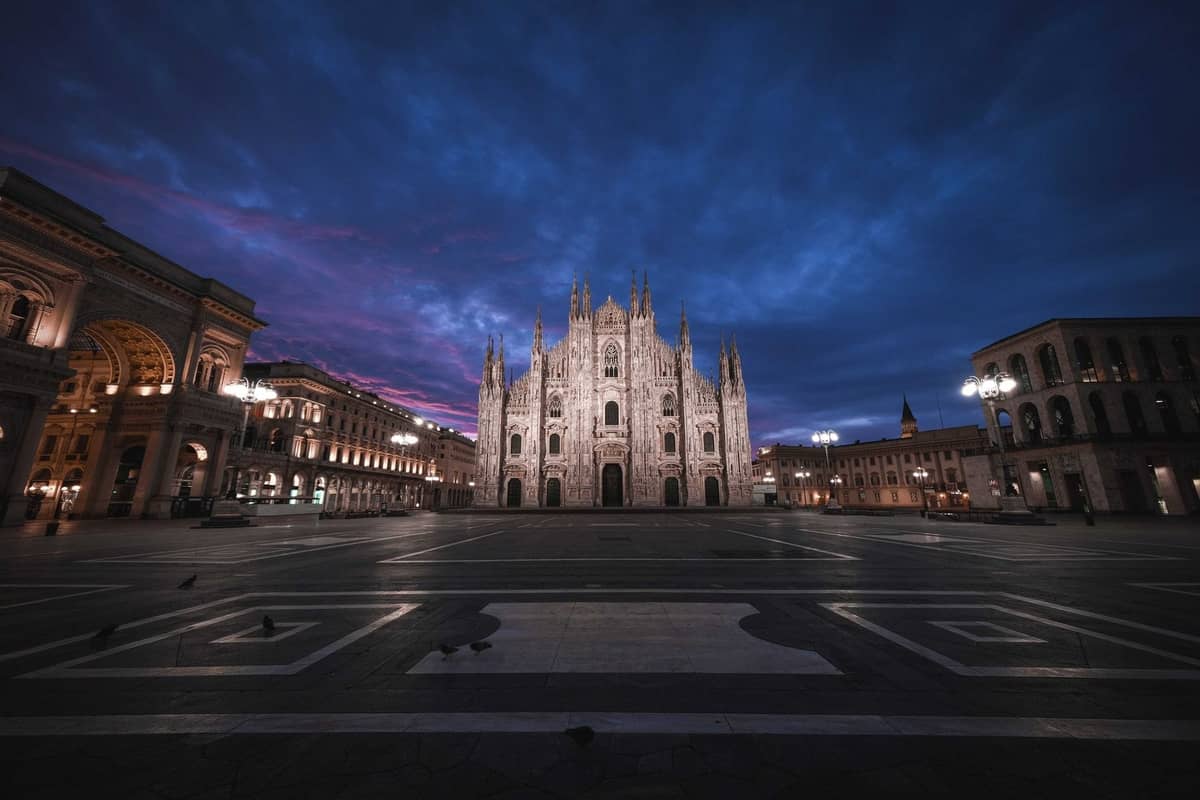
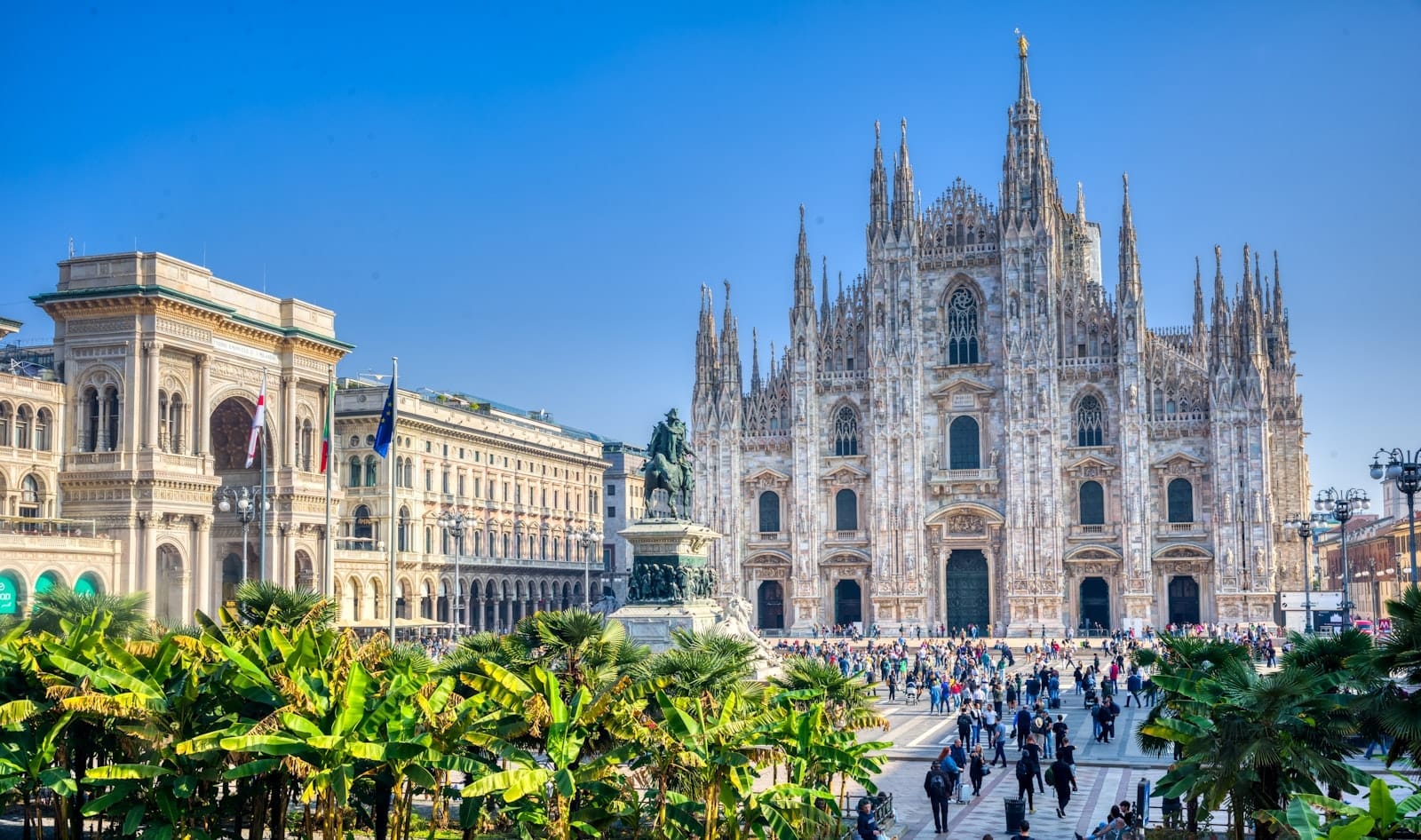
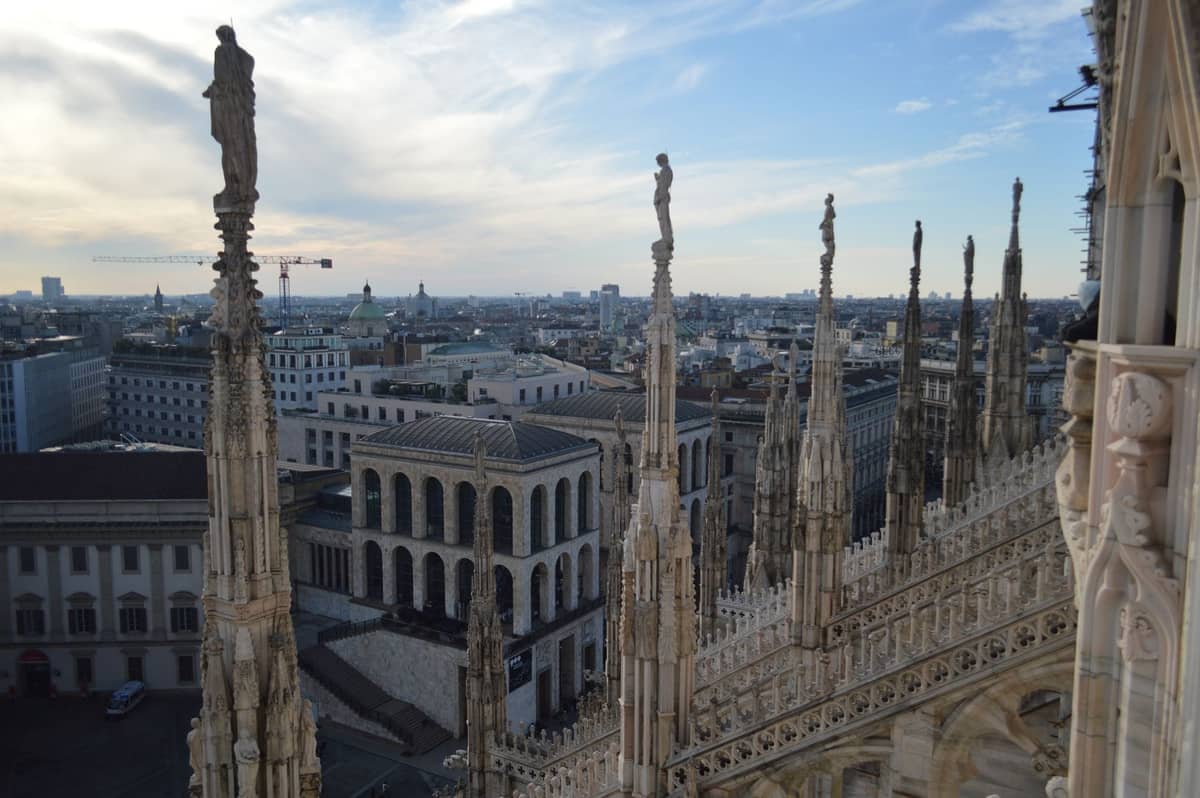
Start early at the Duomo di Milano. The cathedral opens at 8:00 AM and the first hour is noticeably quieter than midday. Spend time inside the cathedral first, then take the stairs or lift to the rooftop terraces for close-up views of the Gothic spires and a clear sightline over the city. The terraces are one of the best elevated vantage points in Milan and worth the extra ticket cost.
From the Duomo, walk north through the Galleria Vittorio Emanuele II, a 19th-century iron-and-glass arcade connecting Piazza del Duomo with Piazza della Scala. The Galleria is technically a public passage, so walking through it costs nothing. The shops and restaurants inside are expensive by any standard; treat it as architecture rather than a shopping stop unless your budget is generous. At the north end, you reach Piazza della Scala and the facade of Teatro alla Scala, arguably the most famous opera house in the world. Even if you are not attending a performance, the adjacent museum is worth 45 minutes.
💡 Local tip
Spin your heel in the mosaic of the bull on the floor of the Galleria Vittorio Emanuele II. Milanese tradition holds this brings good luck, which explains why that section of the mosaic is noticeably worn compared to the rest.
After lunch, walk or take the metro to the Castello Sforzesco and the adjacent Parco Sempione. The castle houses several civic museums, including Michelangelo's final sculpture, the Pietà Rondanini. The park behind the castle is a good place to decompress after a morning of crowds. If the weather is clear, the Torre Branca inside the park offers good views north toward the Alps on days with low haze.
End Day 1 in the Navigli canal district, roughly 20 minutes by metro from the castle. The neighbourhood shifts character after 7:00 PM: aperitivo bars along the Naviglio Grande fill up with locals, many offering buffet-style snacks with a drink purchase. This is one of the more genuine social rituals in Milan and a good way to eat cheaply before a proper dinner.
Day 2: Leonardo, Brera, and the Art Quarter
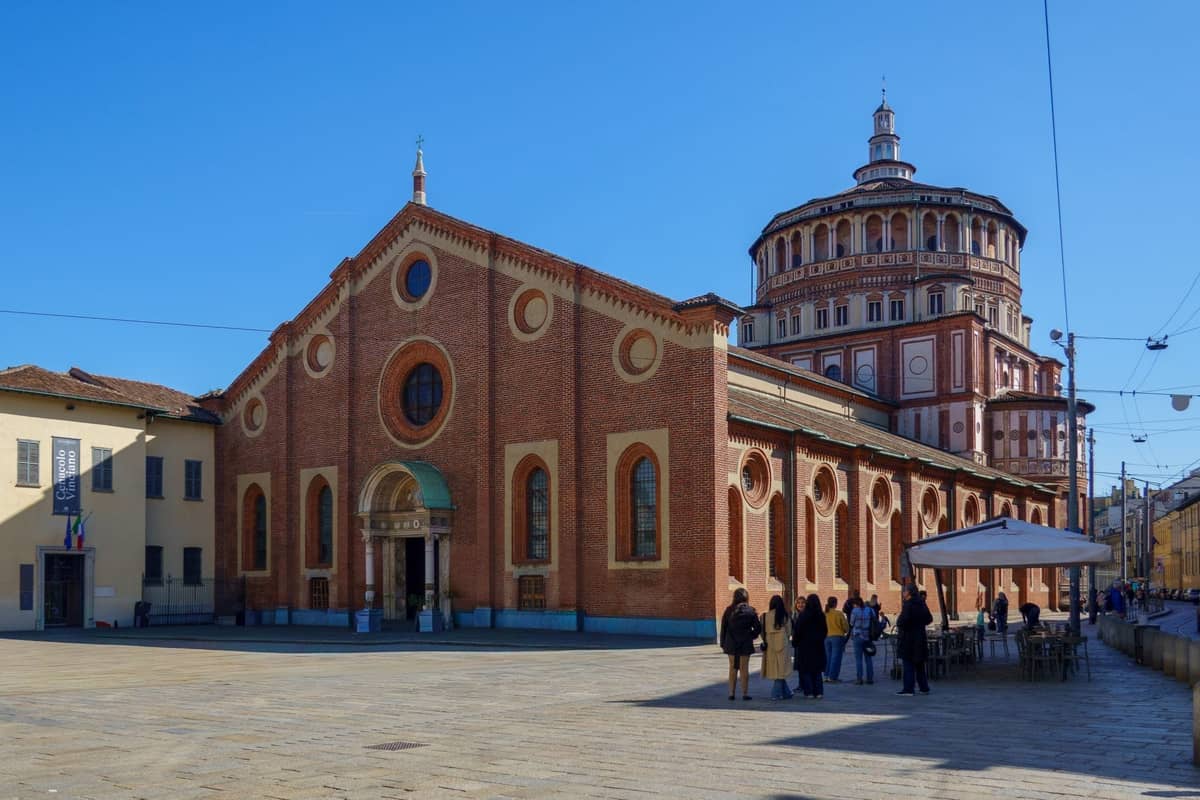
Reserve the morning of Day 2 for the Last Supper. Santa Maria delle Grazie is in the Magenta neighbourhood, walkable from the city centre. Your timed slot will specify an arrival window of around 15 minutes; arrive on time because entry is non-negotiable. The refectory is small, the painting is large, and the viewing experience is more contemplative than most visitors expect. Read about the Santa Maria delle Grazie complex before visiting, as the church itself is also architecturally significant and often overlooked.
After the Last Supper, head northeast to Brera, Milan's arts district. The Pinacoteca di Brera is one of Italy's great painting galleries: Mantegna's Dead Christ, Raphael's Marriage of the Virgin, and Caravaggio's Supper at Emmaus are all here. Budget two hours minimum. The streets around the gallery have good independent restaurants and design shops for lunch.
- Pinacoteca di Brera Major national gallery with Renaissance and Baroque masterworks. Open Tuesday to Sunday; closed Mondays. Verify current ticket prices at the official site before visiting.
- Museo del Novecento Twentieth-century Italian art housed in the Palazzo dell'Arengario, directly on Piazza del Duomo. Strong collection, manageable in 90 minutes.
- Pinacoteca Ambrosiana Smaller than Brera but containing Leonardo's Portrait of a Musician and Raphael's cartoon for the School of Athens. Good for a focused two-hour visit.
- Fondazione Prada Contemporary art foundation in a converted distillery south of the centre. Architecturally striking and intellectually demanding. Not suited to a quick visit.
For the afternoon, consider the Museo Nazionale della Scienza e della Tecnologia Leonardo da Vinci if your interests lean toward science and engineering. It holds the world's largest collection of Leonardo's technical drawings and wooden reconstructions of his machines. This is particularly worthwhile if you have children with you, but adults find it absorbing too. For the broader Leonardo context in Milan, the Leonardo da Vinci guide for Milan covers all relevant sites in detail.
✨ Pro tip
The last Sunday of the month, an antique and vintage market operates along the Naviglio Grande canal. If your three days overlap with this date, reshuffle your Navigli evening visit to include extra time along the waterfront in the afternoon.
Day 3: Lake Como Day Trip
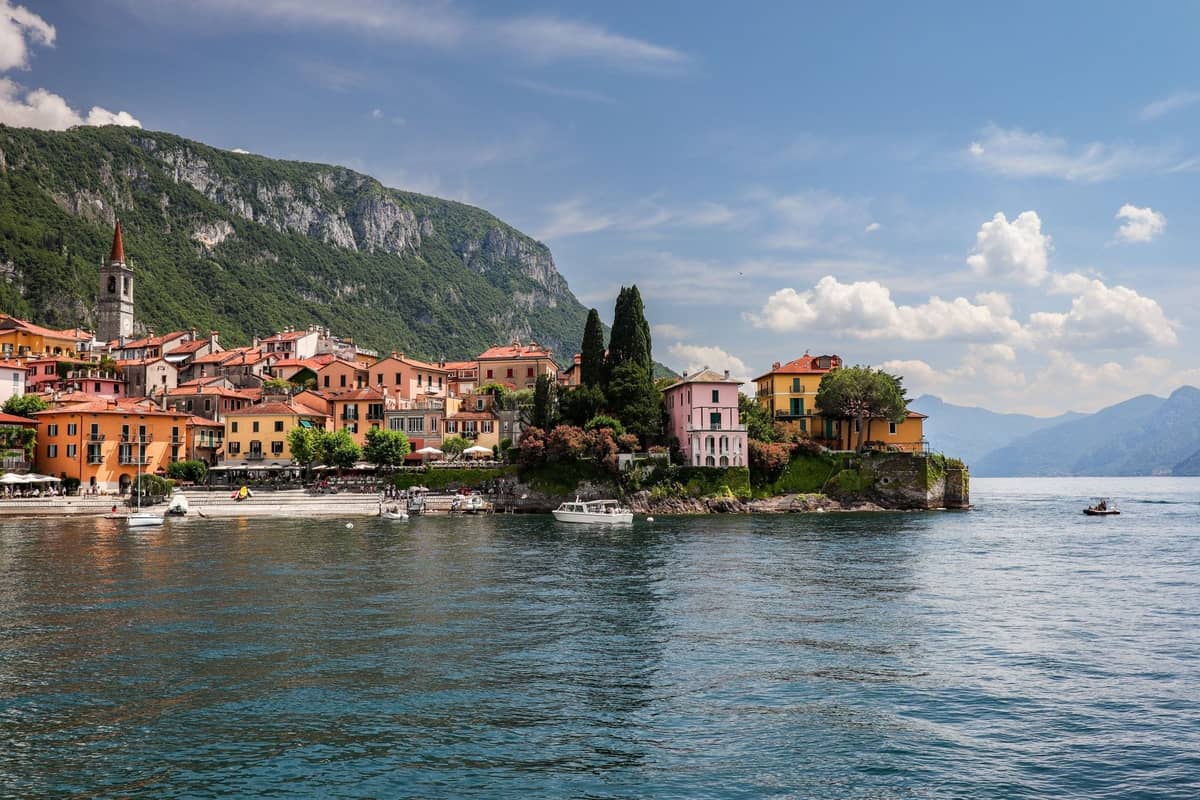
A full day at Lake Como is the most satisfying use of your third day, assuming reasonable weather. The lake is roughly 50 km north of Milan and easily reached by Trenord regional trains from Milano Centrale. Varenna is the recommended arrival point: a quieter village than Como town itself, with a ferry connection across the lake to Bellagio. Check current Trenord schedules and book tickets before your trip; the journey takes around an hour.
In summer, longer daylight hours (sunset around 8:30-9:00 PM in June and July) make it realistic to visit both Varenna and Bellagio in a single day. In spring and autumn, be more conservative: two villages is possible but means an earlier start and less time at each. Winter day trips are feasible but several lakeside restaurants and boat services reduce hours or close entirely.
If Lake Como does not appeal, or if you have already visited, Day 3 can be used for Milan's modern architecture quarter around Porta Nuova and CityLife. The Bosco Verticale (Vertical Forest) is a short walk from the Garibaldi metro stop. The surrounding area includes the Biblioteca degli Alberi park and views of the UniCredit Tower. For dedicated architecture coverage, the Milan architecture guide covers both historical and contemporary buildings across the city.
Practical Tips for Three Days in Milan
- Buy a 48-hour or 72-hour ATM (Azienda Trasporti Milanesi) travel card for unlimited metro, tram, and bus use. Single tickets work but the pass saves both money and time at ticket machines.
- Dress codes apply at religious sites including the Duomo, Sant'Ambrogio, and Santa Maria delle Grazie: covered shoulders and knees required. Carry a scarf or light layer regardless of the season.
- Restaurants in Milan typically do not open for dinner before 7:30 PM. Arriving at 7:00 PM will often result in being told the kitchen is not ready. Plan accordingly.
- The coperto (cover charge) is standard in sit-down restaurants, typically €2-4 per person. This is not a scam; it is a legal service charge that appears on printed menus.
- Emergency number across Italy, including Milan: 112. Country dialing code: +39. Milan area code: 02.
- The YesMilano tourist information office provides updated maps, event listings, and advice; their current location and hours should be confirmed at yesmilano.it before your visit, as both have changed in recent years.
ℹ️ Good to know
Milan's best months for a three-day visit are April to June and September to October: temperatures sit between 15-26°C, crowds are lighter than July-August, and most attractions run full schedules. Winter (December to February) is viable for lower prices and fashion-season atmosphere, but expect fog, cold, and shorter days.
Where to Stay for a Three-Day Visit
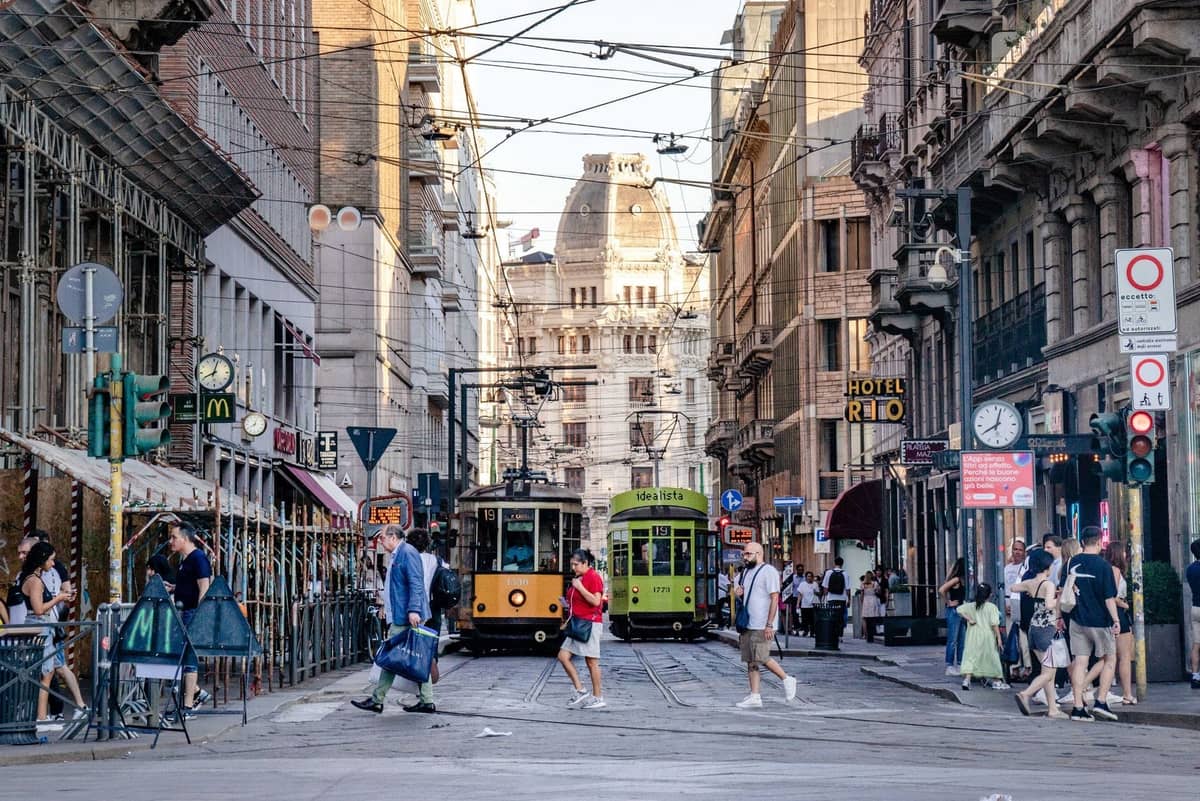
Location matters considerably in Milan. Staying in or directly adjacent to the Duomo district puts you within walking distance of Day 1 highlights and metro connections for everything else. The Brera neighbourhood is a good second choice: quieter than the centro storico at night, with better restaurant options, and still central. Avoid staying far west near San Siro unless you are specifically attending a match, as the stadium area adds significant transit time to every attraction.
For a full neighbourhood-by-neighbourhood breakdown with accommodation recommendations, the where to stay in Milan guide covers budget to luxury options with candid assessments of each area's trade-offs. Couples specifically may find the Milan for couples guide useful for hotel and restaurant shortlists.
FAQ
Is three days enough time to see Milan?
Three days is enough to cover the major highlights: the Duomo district, the Last Supper, Brera, Castello Sforzesco, Navigli, and a day trip to Lake Como. You will not exhaust Milan in three days, but you will leave with a solid understanding of the city. A week would allow deeper exploration of neighbourhoods, design museums, and day trips to multiple lakes.
Do I need to book tickets in advance for Milan attractions?
Yes, for two attractions in particular: the Last Supper (Cenacolo Vinciano) and the Duomo rooftop terraces during spring and summer. The Last Supper has strictly timed slots that sell out months ahead. The Duomo itself does not require advance booking, but rooftop queues can be long without a pre-booked time slot. All other attractions can generally be visited on a walk-in basis, though museum queues at Pinacoteca di Brera can be significant on weekends.
What is the best way to get around Milan in three days?
Metro plus walking covers every attraction in this itinerary. Milan's metro system (Metropolitana di Milano) is clean, frequent, and easy to navigate. A multi-day ATM travel card is the most convenient option. Taxis and rideshares are available but rarely necessary unless you are travelling to or from an airport. You do not need a car at any point during a city-focused three-day visit.
Can I do a Lake Como day trip from Milan in three days?
Yes, and it fits naturally as Day 3 in most itineraries. Take a Trenord regional train from Milano Centrale to Varenna (approximately one hour). In summer, you have enough daylight to also take the ferry across to Bellagio. Book your return train loosely to allow flexibility on the lake. Check Trenord's official website for current schedules and fares before travelling.
What should I avoid or be cautious about as a first-time visitor to Milan?
Avoid peak midday visits to the Duomo without a pre-booked rooftop slot; the queues are prohibitively long. The Galleria Vittorio Emanuele II restaurants are expensive relative to quality; eat elsewhere. Be cautious of unofficial 'tour guides' near the Duomo who offer free information and then demand payment. Pickpocketing exists in crowded metro cars and tourist areas; use a front-facing bag or keep valuables secure. Finally, do not underestimate Milan's food culture: eating at tourist-facing restaurants on Piazza del Duomo will disappoint. Walk two streets in any direction for dramatically better value.