Luxury Milan: The Ultimate High-End Travel Guide
Milan is Italy's most demanding city for high-end travel, where fashion weeks and design fairs can triple hotel rates overnight. This guide covers where to stay, what to spend, when to go, and how to move around Milan like someone who has done it before.
Plan and book this trip
Tools from our partner Travelpayouts help you compare flights and hotels. If you book through them, we may earn a commission at no extra cost to you.
Flights
Hotels map
TL;DR
- Milan is Italy's most expensive city: budget at least €350 per day for accommodation, dining, and incidentals at a genuine luxury level.
- The Quadrilatero della Moda and Centro Storico (Zone 1) are the epicenter of luxury hotels, flagship boutiques, and fine dining.
- Hotel rates double or triple during Fashion Week (February/March and September/October) and Salone del Mobile (April): book these periods at least 4-6 months in advance.
- Spring (April-June) and early autumn (September-October) offer the best combination of pleasant weather and active cultural programming.
- Linate Airport (LIN), just 7 km from the center, is the preferred arrival point for luxury travelers: a private transfer reaches Zone 1 in under 20 minutes. See our Milan airports guide for full transfer options.
Why Milan Sits at the Top of European Luxury Travel
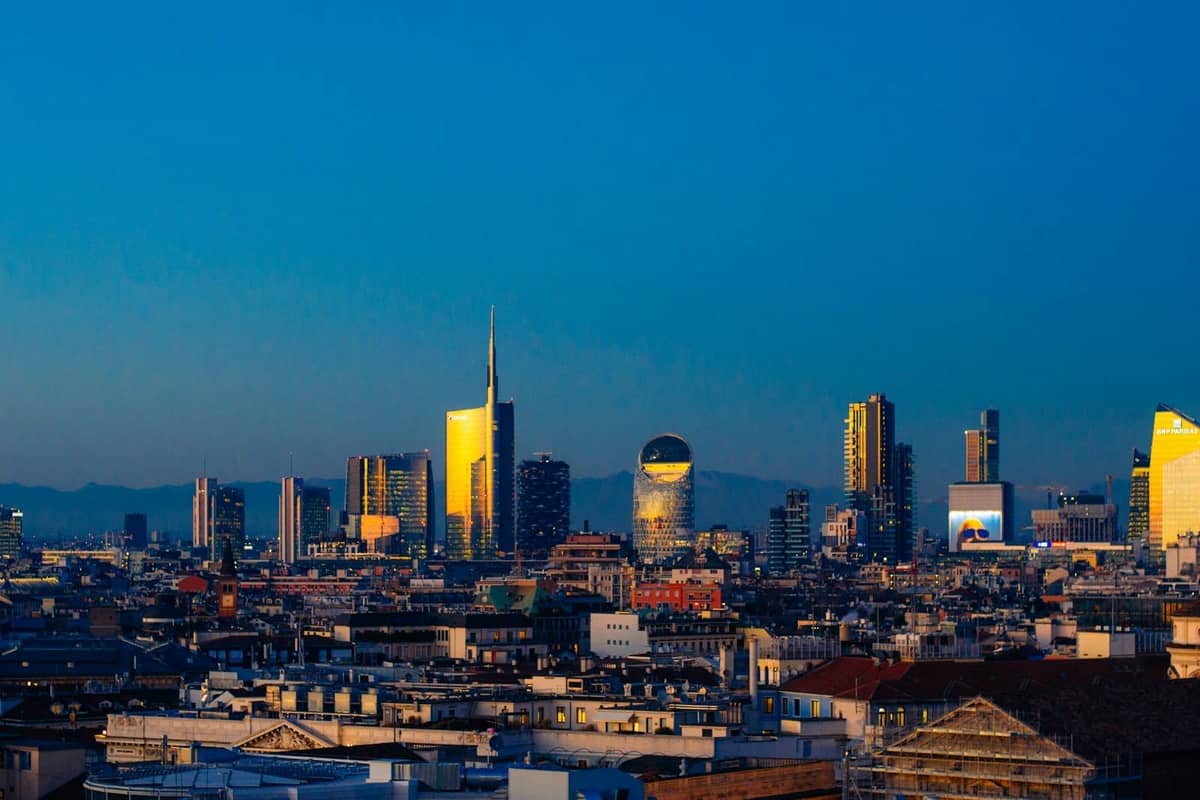
Milan is consistently ranked among the world's top Alpha cities by the Globalization and World Cities Research Network, and it generates roughly 10–13% of Italy's GDP. It is the country's financial capital, its fashion capital, and its design capital simultaneously. That concentration of wealth and cultural ambition makes it fertile ground for the kind of luxury experience that goes beyond expensive hotel rooms: think private opera boxes, couture fittings by appointment, and Michelin-starred dinners in 18th-century palazzi. For a deeper look at what the city has to offer across all budgets, the things to do in Milan guide is a useful starting point.
The city sits in the Po Valley at roughly 122 meters above sea level, flanked by the Alps to the north and the Apennines to the south. That geography shapes the climate in ways that matter for luxury travel: summers are hot and humid, winters cold and frequently foggy. The sweet spots are April through June and September through October, when daytime temperatures sit between 15 and 26°C and the city's cultural calendar is at its most active. These are also the periods when demand for high-end accommodation peaks, so early planning is not optional.
Zone 1 and the Luxury Districts: Where High-End Milan Lives
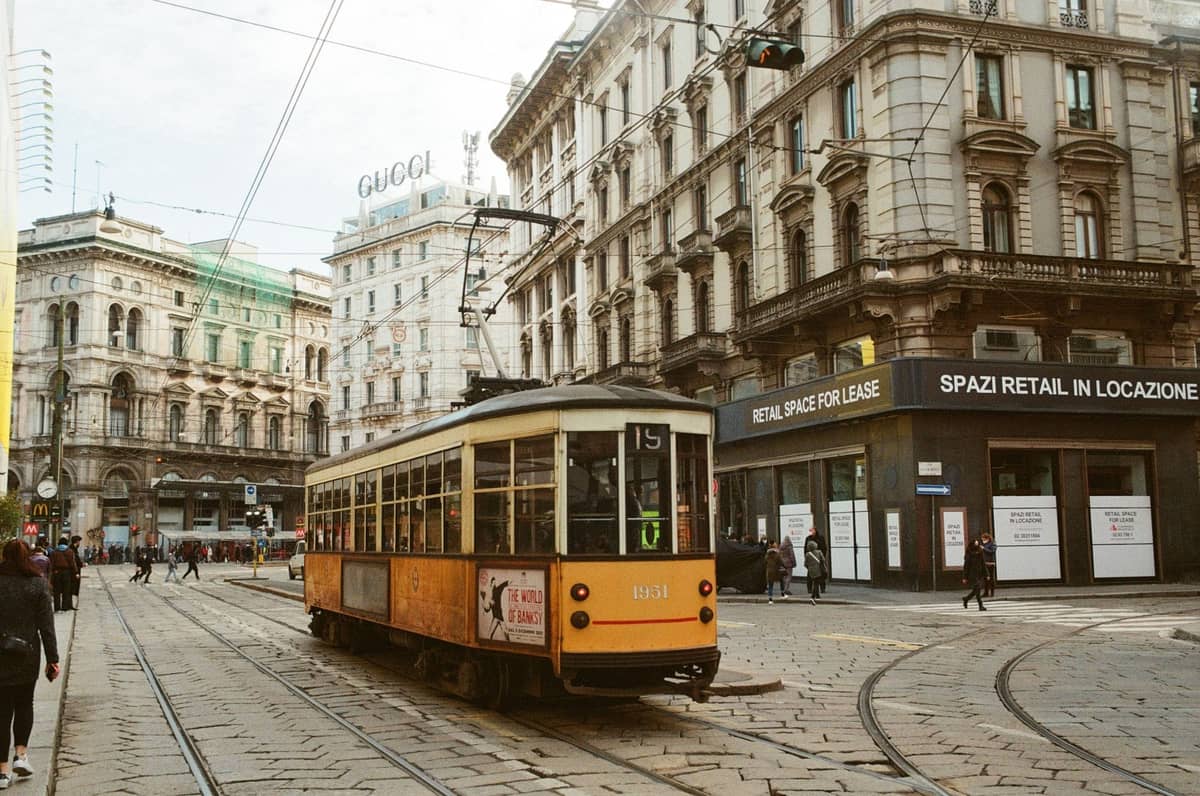
Nearly all of Milan's landmark luxury hotels, flagship stores, and premier restaurants are concentrated in Zone 1, which covers the Centro Storico and the fashion district. The heart of this area is the Quadrilatero della Moda, a roughly rectangular zone anchored by Via Montenapoleone, Via della Spiga, Corso Venezia, and Via Sant'Andrea. Every major European and international luxury house maintains a flagship here, and the streets themselves, lined with 19th-century palazzi, function as an open-air gallery of Italian architecture and retail design.
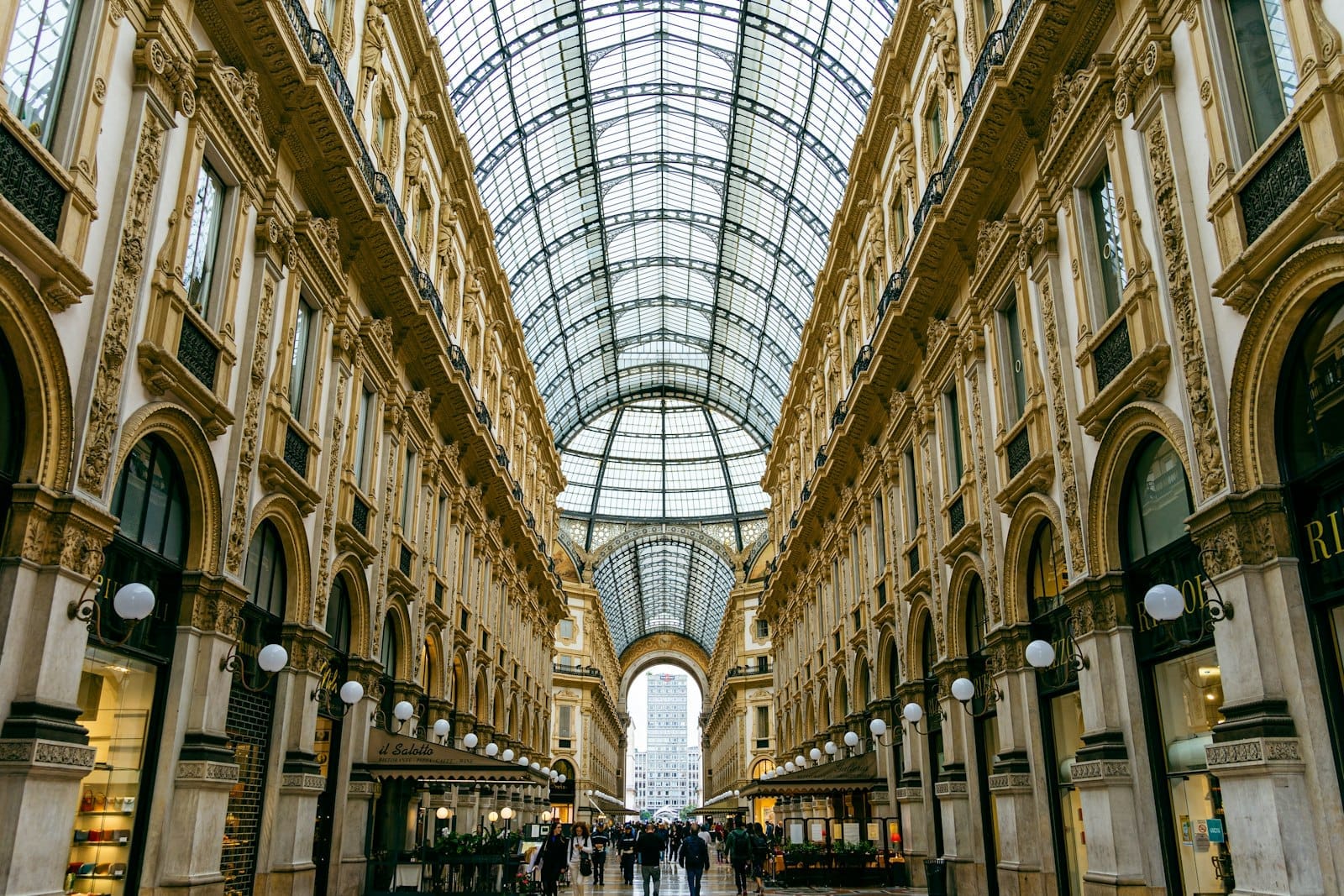
A five-minute walk west brings you to the Galleria Vittorio Emanuele II, the 19th-century iron-and-glass arcade that houses Prada, Louis Vuitton, and a handful of historic cafes. The Galleria connects directly to Piazza del Duomo, making it easy to combine shopping with a visit to the Duomo di Milano. The cathedral's rooftop terraces, accessible by lift for €18 or on foot for €16 (combo tickets with cathedral and museum are €26 by lift, €22 by stairs), offer views that no rooftop bar in the city can match.
Beyond Zone 1, the Brera district offers a quieter counterpoint: independent galleries, the Pinacoteca di Brera (one of Italy's great painting collections), and boutique hotels housed in converted historic buildings. Brera attracts a crowd that prizes cultural depth over conspicuous luxury, and its restaurant scene is exceptionally strong. For travelers who want both high design and contemporary architecture, the Porta Nuova and Isola district, home to the Bosco Verticale towers and a cluster of modern restaurants, offers a different register of upscale Milan.
⚠️ What to skip
During Salone del Mobile (typically the third week of April) and the two annual Fashion Weeks (late February and late September), hotel rates in Zone 1 can increase by 200-300% compared to the weeks immediately before or after. If your trip dates are flexible, shifting by even one week can save hundreds of euros per night.
Where to Stay: Choosing the Right Luxury Hotel
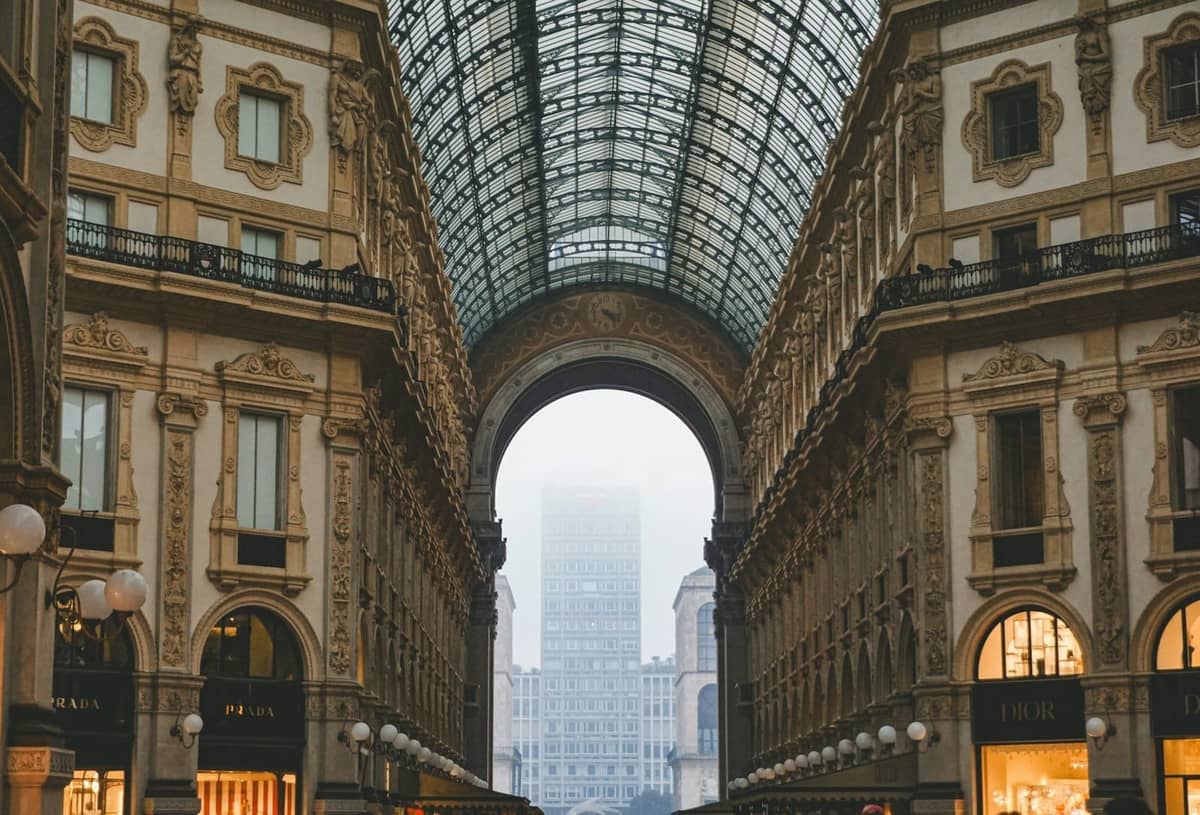
Milan's luxury hotel market is deep and competitive. The top addresses cluster around Via Manzoni, Via della Spiga, and the blocks immediately surrounding the Duomo. When choosing, the key variables are proximity to the fashion district, the quality of the restaurant and bar program, and whether the property has genuine heritage or is a modern build with premium fittings. Both categories produce excellent results, but they deliver different experiences. For a comprehensive breakdown of neighborhoods and accommodation options across all price points, the where to stay in Milan guide covers each district in detail.
- Historic palace hotels (Zone 1) Properties in converted 19th or early 20th-century buildings offer the most distinctive Milan experience: marble lobbies, frescoed ceilings, and rooms with genuine architectural character. Rates for superior rooms typically start around €500-800 per night outside peak events, rising sharply during fashion and design weeks.
- Contemporary luxury hotels (Porta Nuova / CityLife) Modern five-star properties in the new business districts offer cutting-edge design, large rooms, and excellent spa facilities. They are generally 10-15% cheaper than comparable Zone 1 addresses and are better suited to travelers whose priority is comfort and space over central location.
- Boutique luxury in Brera Smaller properties (20-50 rooms) in the Brera and Moscova areas offer a more residential feel. Rates are often 20-30% lower than comparable Zone 1 hotels, and the neighborhood's restaurant and bar scene is strong enough to make the slight distance from the Duomo irrelevant.
✨ Pro tip
If your dates overlap with Salone del Mobile or Fashion Week, book your hotel before the event program is officially announced, not after. Rates are published months in advance and sell out at lower prices first. Waiting until event details are confirmed often means paying the highest available rate or finding nothing suitable at all.
High-End Shopping: Beyond the Obvious
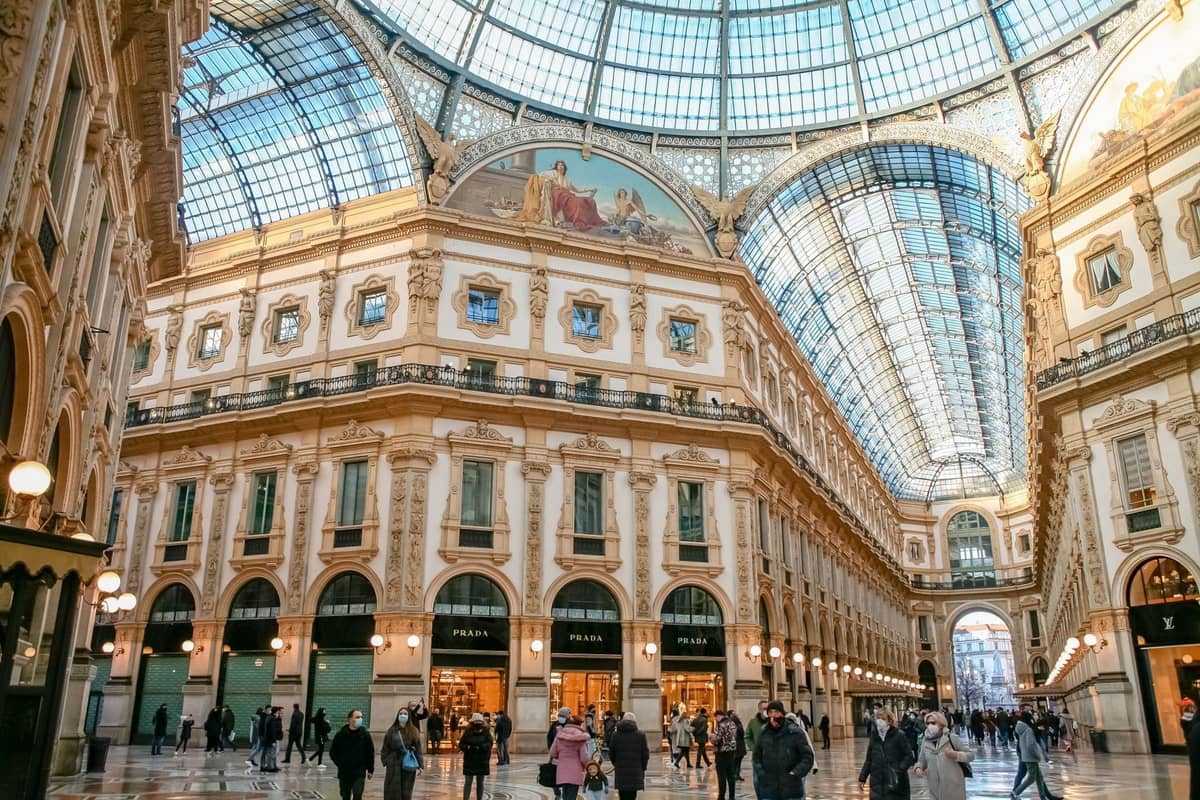
The Quadrilatero della Moda is the obvious starting point, and for good reason: the density of flagship boutiques here is unmatched outside Paris. Via Montenapoleone in particular handles the full spectrum from heritage Italian houses to the major French and British luxury brands. Via della Spiga runs parallel and tends toward slightly smaller, more curated boutiques. Serious shoppers combine both streets in a single morning, then cross into the Galleria for the larger flagship formats.
What many visitors miss is the depth of Milan's independent luxury market. The streets around Brera, particularly Via Solferino and Corso Garibaldi, house concept stores and independent designers who represent the creative edge of Italian fashion without the flagship price premiums. The Armani Silos in the Tortona district is worth a visit not as a shopping stop but as a cultural one: it functions as Giorgio Armani's personal archive and exhibition space, and it reveals how seriously Milan's fashion houses take their own history.
For luxury homeware and design objects, Milan Design Week in April transforms the entire city into a showroom, with flagship presentations, temporary installations, and trade events that are increasingly accessible to informed non-trade visitors. Outside that week, the Brera Design District and the showrooms concentrated in the Tortona and Navigli areas offer year-round access to high-end Italian furniture and objects. If the Milan shopping guide interests you, it covers specific streets, store hours, and tax-refund logistics in full.
💡 Local tip
Non-EU visitors spending over €175 in a single transaction at participating stores are eligible for a VAT refund (currently 22% on most luxury goods). Ask for the tax-free form at the point of purchase and allow extra time at the airport for customs validation. Linate has a small customs office; Malpensa handles higher volumes and is more efficient for larger refund amounts.
Fine Dining and the Luxury Food Scene
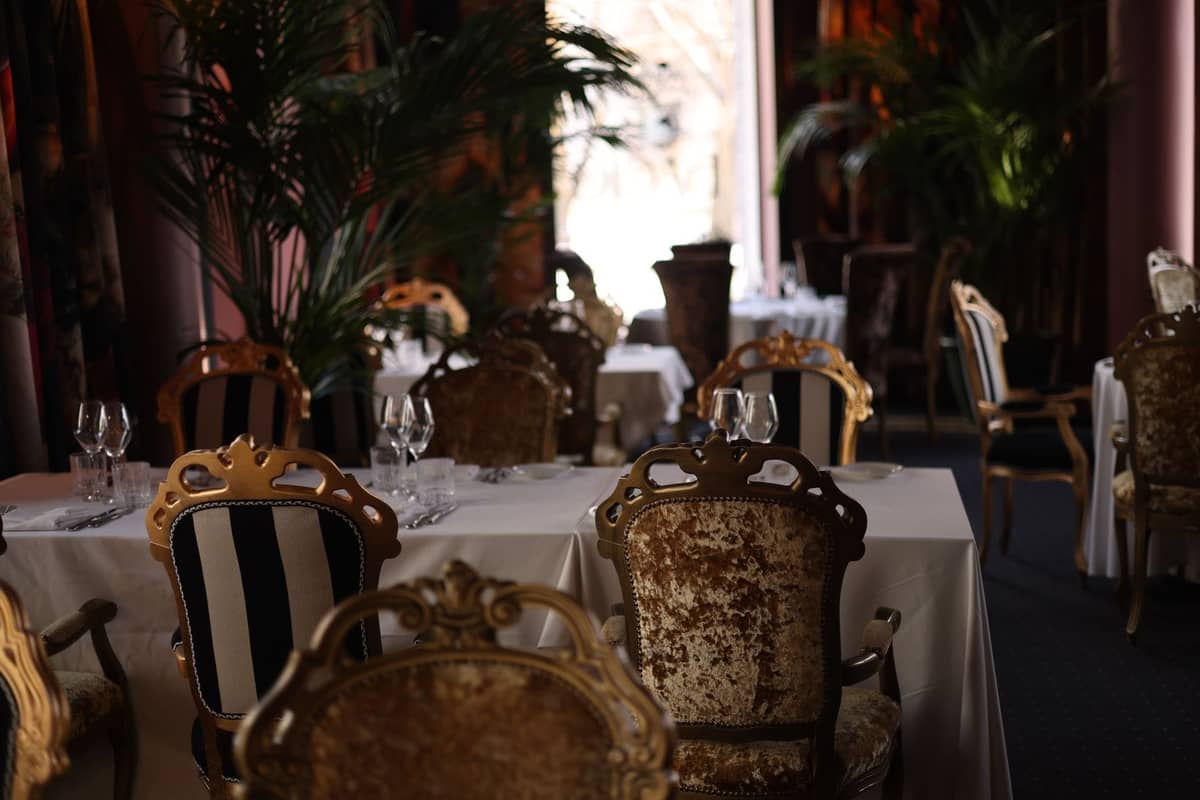
Milan has more Michelin-starred restaurants than any other Italian city, and the range runs from rigorous contemporary Italian tasting menus to relaxed brasserie formats in hotel dining rooms. For the full picture of where and what to eat, the Milan food guide is the most detailed resource available. For luxury travelers specifically, a few practical points are worth knowing upfront.
Reservations at the city's top tables are essential, and for the most in-demand addresses, booking 4-6 weeks in advance is standard, extending to 2-3 months around event weeks. Dinner at a two or three-Michelin-star restaurant typically runs €150-300 per person for a full tasting menu with paired wines, though shorter lunch formats at the same addresses can deliver comparable cooking at roughly half the price. This is one of the most under-used strategies in Milan luxury dining.
The aperitivo tradition remains relevant even at high-end price points. Several of the city's best hotel bars and upscale venues in the Brera and Porta Venezia areas serve generous aperitivo spreads from around 6:30 to 9pm, where a single drink (typically €10-20) comes with access to a substantial buffet. This is genuinely good value by luxury standards and gives you a low-commitment way to try multiple neighborhoods across an evening.
Culture, Opera, and Experiences Worth Planning Around
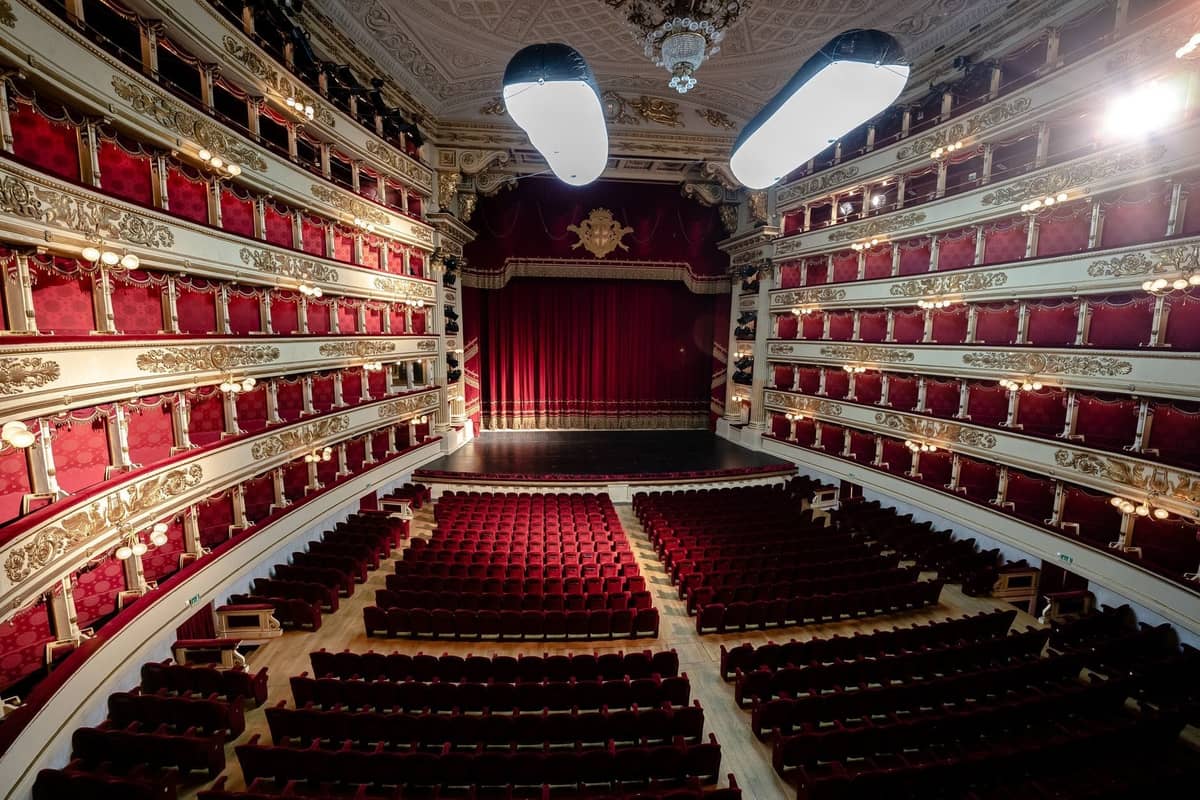
The Teatro alla Scala is one of the world's premier opera houses, and its season runs from early December through July, with the traditional opening night on December 7 (the feast of Sant'Ambrogio, Milan's patron saint). Tickets for the opening night gala are extraordinarily difficult to obtain through official channels; for the rest of the season, tickets range from around €30 for upper gallery seats to several hundred euros for stalls and boxes. Booking through the official La Scala website is the only reliable method: third-party resellers operate in this market but often charge significant premiums.
No luxury itinerary should omit the Last Supper by Leonardo da Vinci at Santa Maria delle Grazie. Access is strictly controlled: visits are capped at 30 people for 15-minute windows, and tickets typically sell out weeks in advance. Book directly through the official Cenacolo Vinciano website and treat your reservation time as a hard appointment. Missing your slot means losing access entirely. For context on Leonardo's broader legacy in the city, the Milan Leonardo da Vinci guide is worth reading before your visit.
- La Scala opera season: December through July; book tickets at least 6-8 weeks ahead for popular productions, much earlier for the December opening.
- Last Supper (Cenacolo Vinciano): book at least 3-4 weeks in advance via the official website; bring ID matching your booking.
- Salone del Mobile: third week of April; the main trade fair at Fiera Milano requires professional accreditation, but the Fuorisalone events across the city are open to the public.
- Fashion Week: late February (women's autumn/winter) and late September (women's spring/summer); shows are trade events, but the city's public programming, pop-ups, and retail activations are accessible to all.
- Duomo rooftop terraces: book online in advance during peak months (April-October); the lift option (€18 terraces only, or €26 combo with cathedral and museum) is worth the premium for the quality of the experience.
Getting Around Milan at a Luxury Level
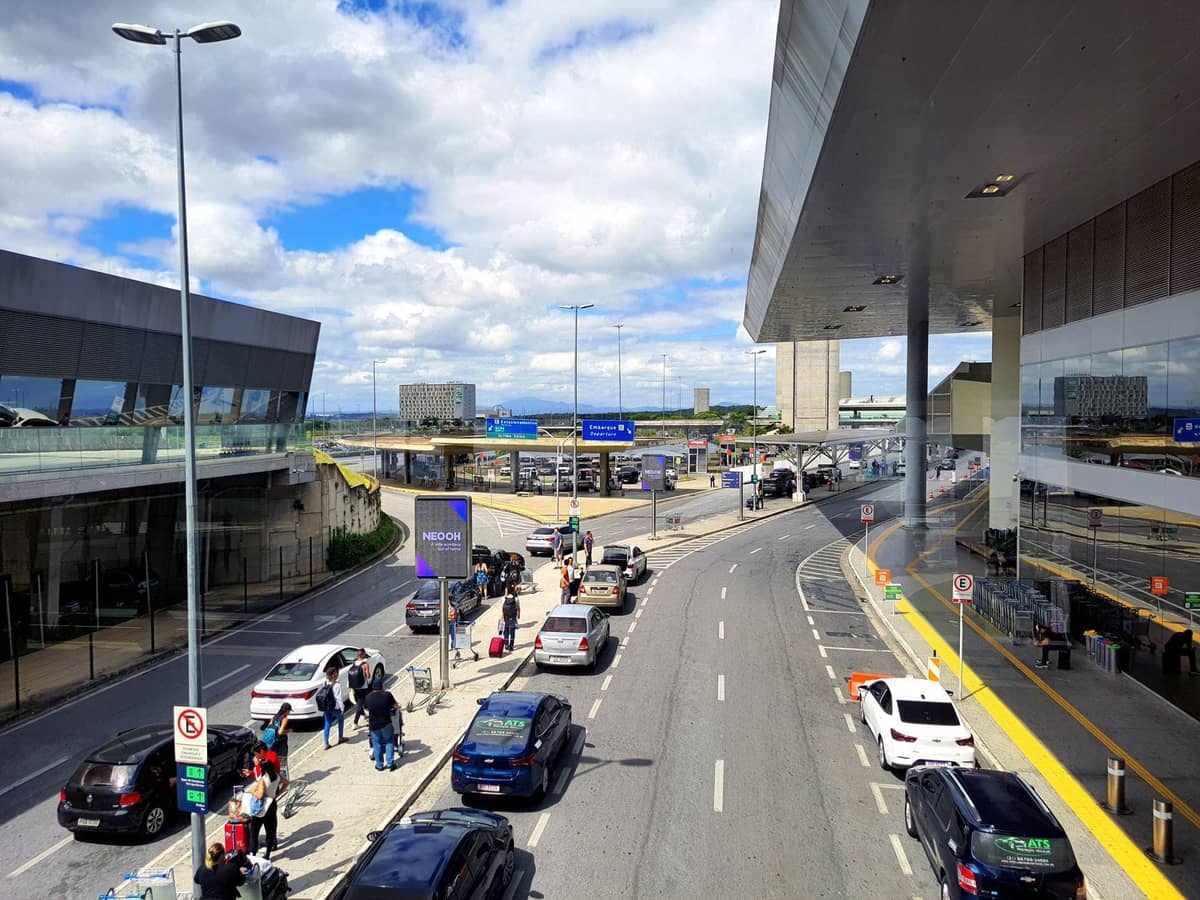
For arrivals and departures, the airport choice matters more than most travelers realize. Linate (LIN) is the closest airport to central Milan at around 7 km, and a private transfer to Zone 1 takes under 20 minutes in normal traffic. This makes it the natural choice for luxury travelers, particularly those arriving late or with significant luggage. Malpensa (MXP), roughly 50 km northwest of the city, is the larger international hub: the Malpensa Express train covers the route to Milano Centrale in around 50 minutes, and to Cadorna (the gateway to Zone 1) in a similar time. Private transfers from Malpensa take 45-75 minutes depending on traffic and typically cost considerably more than the train.
Within the city, Milan's Metro system (Metropolitana di Milano) is highly efficient and covers the key areas well, with Zone 1 accessible from multiple lines. For a luxury traveler staying in the Quadrilatero or near the Duomo, many of the key destinations, Brera, La Scala, the Galleria, are walkable. Taxis are metered and reliable; private car services with English-speaking drivers are widely available through hotels and can be booked for half-day or full-day hire. This is the most practical option for multi-stop days covering both the fashion district and outlying attractions like the Fondazione Prada or Pirelli HangarBicocca.
FAQ
What is the best time to visit Milan for luxury travel?
April through early June and late September through October offer the best combination of pleasant weather (15-26°C), active cultural programming, and manageable crowds. The catch: April overlaps with Salone del Mobile, and September with Fashion Week, meaning hotel rates spike. If your priority is value-to-experience ratio, target early May or early October, which sit just outside the peak event dates while keeping favorable conditions.
How much does a luxury trip to Milan cost per day?
A realistic baseline for genuine luxury in Milan is €350-500 per person per day, covering a five-star hotel room (outside event weeks), one fine-dining dinner, casual lunches, transport, and museum entry. During Fashion Week or Salone del Mobile, accommodation alone can push this figure significantly higher. Shopping is additional and highly variable.
Which Milan hotels are best for luxury travelers?
The strongest concentration of top-tier hotels sits in Zone 1, particularly around Via Manzoni, Via della Spiga, and the blocks adjacent to the Duomo. Properties in this zone offer direct walking access to the Quadrilatero della Moda, the Galleria, and La Scala. For a quieter, more residential experience at slightly lower rates, the Brera district has excellent boutique properties. Check the where-to-stay guide for neighborhood-by-neighborhood detail.
Do I need to book the Last Supper in advance?
Yes, without exception. The Cenacolo Vinciano operates on timed entry with a maximum of 30 visitors per 15-minute slot, and tickets routinely sell out weeks ahead. Book directly through the official website as soon as your travel dates are confirmed. No legitimate on-site purchase is available for high-demand periods, and third-party resellers charge significant markups.
Is Milan worth visiting in winter for luxury travelers?
December is a compelling month: La Scala opens its season on December 7, the city decorates elaborately for Christmas, and hotel rates are lower than spring or autumn event periods. January and February are quieter and cheaper still, with the exception of the February Fashion Week. Winters are cold (often 2-8°C by day) and frequently foggy, which suits some travelers and not others. The museums and indoor experiences are as strong in winter as any other season.