Where to Stay in Milan: The Best Neighborhoods and Hotels for Every Budget
Milan rewards travelers who choose their base carefully. This guide breaks down every major neighborhood, explains the price realities, and tells you exactly when to book to avoid paying peak-event rates.
Plan and book this trip
Tools from our partner Travelpayouts help you compare flights and hotels. If you book through them, we may earn a commission at no extra cost to you.
Flights
Hotels map
TL;DR
- Mid-range Milan hotels typically run €90–200 per night; budget options exist from €55–90 in outer districts.
- Milan Fashion Week and Salone del Mobile push rates sharply upward — book 3–6 months ahead for those periods.
- The Duomo district is the most central but most expensive base; Navigli and Brera offer better value with strong atmosphere.
- November is the cheapest month to stay; February and September are among the most expensive. See our best time to visit Milan guide for full seasonal context.
- Outer neighborhoods like Città Studi and Lambrate cut costs significantly without sacrificing metro access.
Understanding Milan's Hotel Market Before You Book
Milan hotels operate in a two-speed market. On a quiet week in November, a solid three-star near Centrale station can cost €80–100 per night. That same room during Salone del Mobile, Milan's annual design fair held each April, might cost three times as much with limited availability at any price. This isn't an exaggeration: the city hosts multiple international-scale events across the year, each creating demand spikes that compress inventory citywide.
Aggregator sites often quote average nightly rates between $245 and $473, but those figures blend luxury five-stars with budget two-stars across all seasons. The real picture: budget travelers can find private rooms from around €55–90 per night in neighborhoods like Lambrate, Bovisa, or Città Studi. Hostels start from around €20–25 for dorms, with private hostel rooms from roughly €50–60. Mid-range hotels in central districts typically start at €120–150 and rise quickly during event periods. The key variable is almost always the event calendar, not the hotel itself.
⚠️ What to skip
Milan Fashion Week (typically February/March and September/October) and Salone del Mobile (April) are the two biggest pricing events. If your dates overlap, book at least 3–6 months in advance or expect severely limited options at inflated rates. November is generally one of the most affordable months to stay in Milan.
The Duomo District: Maximum Convenience, Maximum Cost
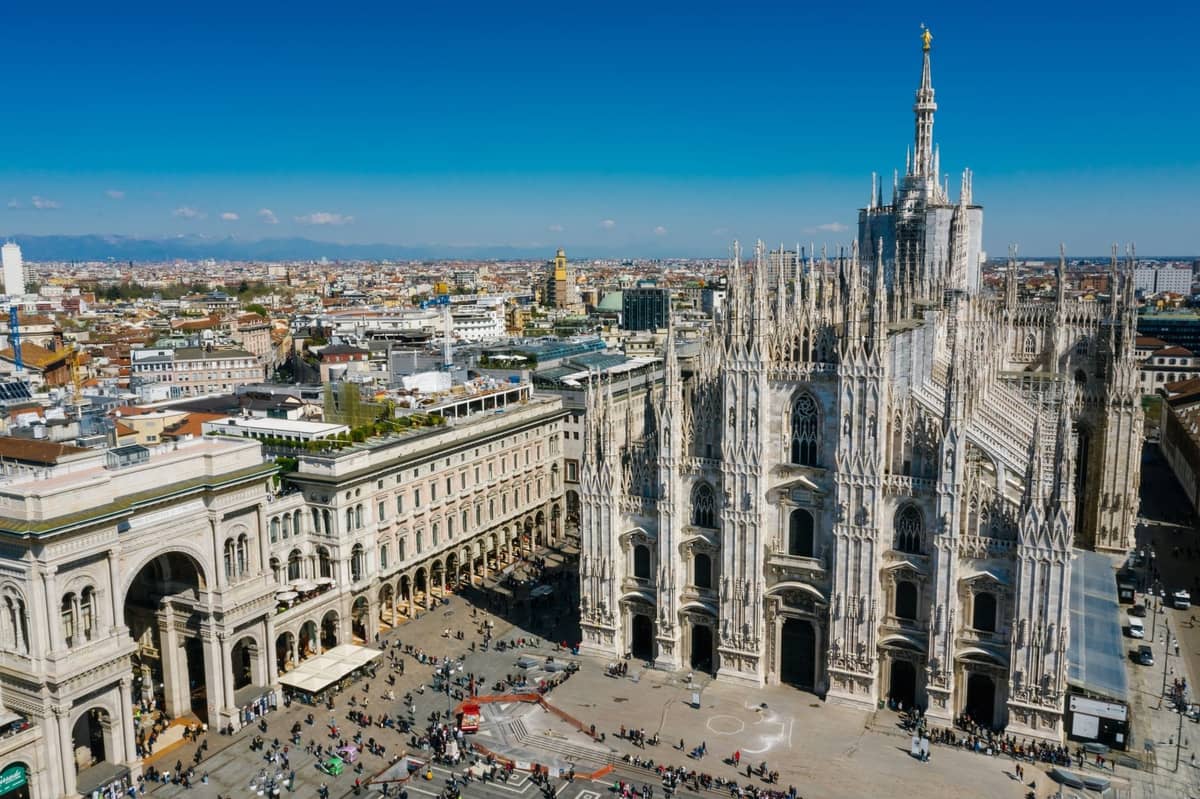
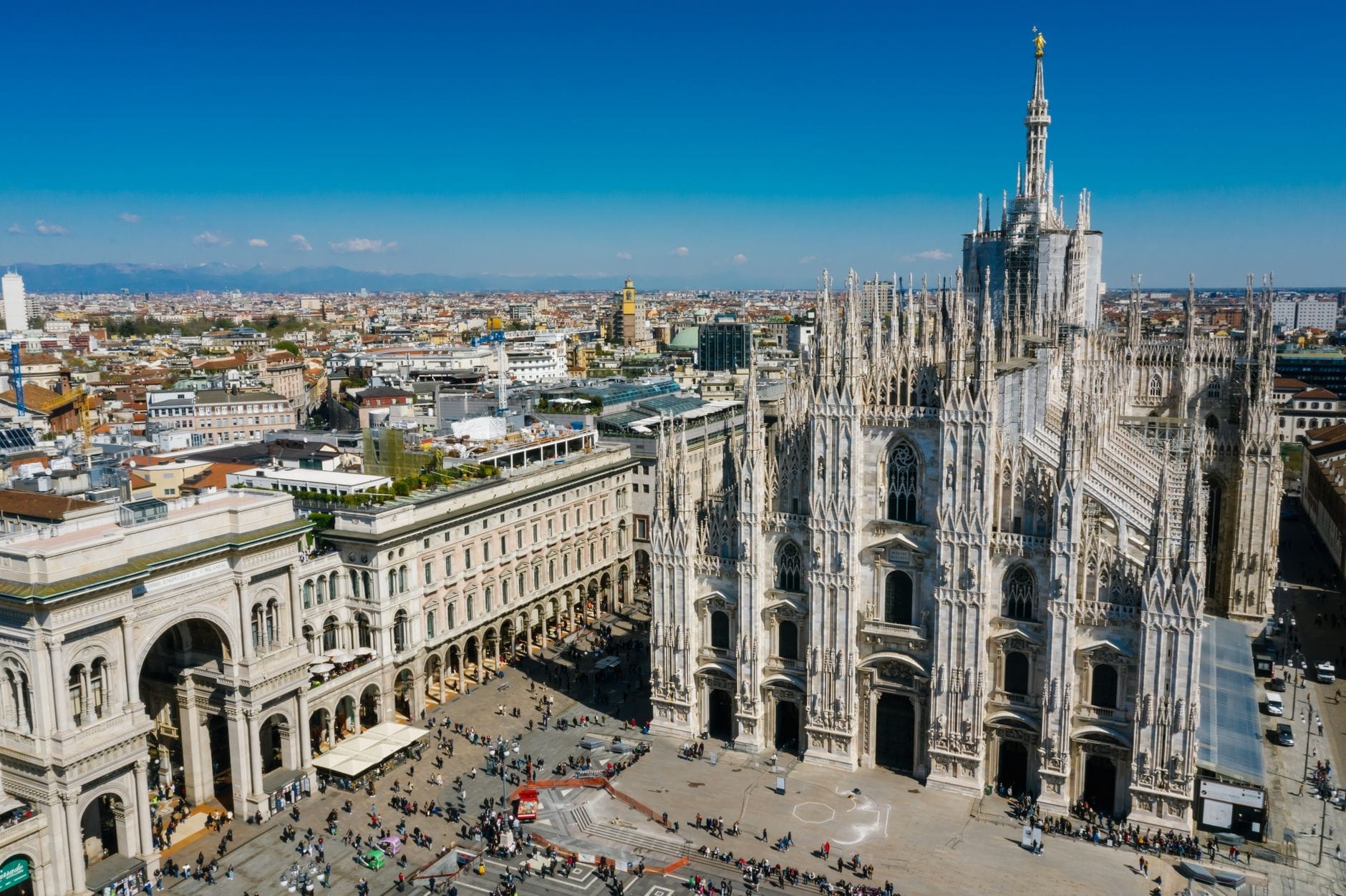
The area around the Duomo di Milano and Galleria Vittorio Emanuele II is where most first-time visitors assume they should stay. The logic is sound: you wake up a short walk from the city's most famous landmarks, the M1 and M3 metro lines intersect at Duomo station, and practically everything in central Milan is within 20–30 minutes on foot.
The trade-off is price and noise. This is the most expensive accommodation zone in the city, with decent four-star options rarely dipping below €200 per night outside low season. Boutique hotels on side streets off Via Torino or Corso Vittorio Emanuele can offer marginally better value, but you're still paying a significant location premium. If your trip is primarily about the Duomo, the fashion district, and the museums of the historic center, the premium may be worth it. If you plan to spend significant time in Navigli or exploring further afield, you're paying for proximity you won't fully use.
💡 Local tip
If you want central but not peak-central pricing, look at hotels on the western edge of the Duomo district, toward Cadorna or Sant'Ambrogio. You get metro access and walkability without the direct Piazza Duomo surcharge.
Brera and Porta Nuova: The Best All-Round Bases
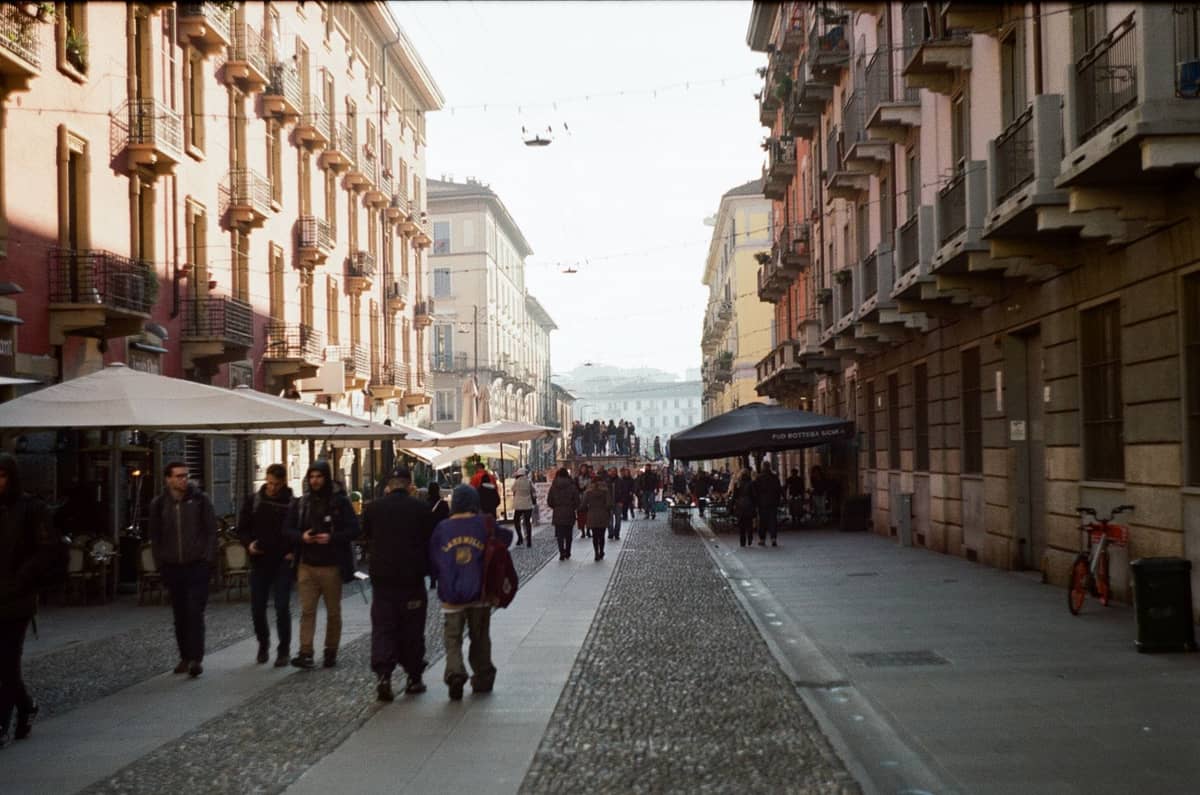
For most travelers spending more than two nights in Milan, Brera and the adjacent Porta Nuova and Isola area represent the strongest combination of location, atmosphere, and price. Brera sits immediately north of the Duomo district, centered on the cobblestone streets around the Pinacoteca di Brera. It's walkable to the historic center, quieter at night than the Duomo area, and lined with independent restaurants and bars that serve actual Milanese rather than tourists.
Porta Nuova, directly north of Brera, is Milan's contemporary business and design district, anchored by the Bosco Verticale residential towers and the Biblioteca degli Alberi park. Hotels here tend to be newer, design-forward properties with competitive pricing compared to the Duomo zone. The Garibaldi FS metro station connects you to the M2 and M5 lines, making the entire city accessible in under 15 minutes.
Isola, immediately north of Garibaldi station, has transformed into a genuinely local neighborhood with independent coffee shops, art studios, and evening bars. Accommodation here is often better value than Brera proper, and the metro connection is identical. Worth considering if you prefer a less polished, more residential feel.
Navigli and Ticinese: Best for Nightlife and Canal Atmosphere
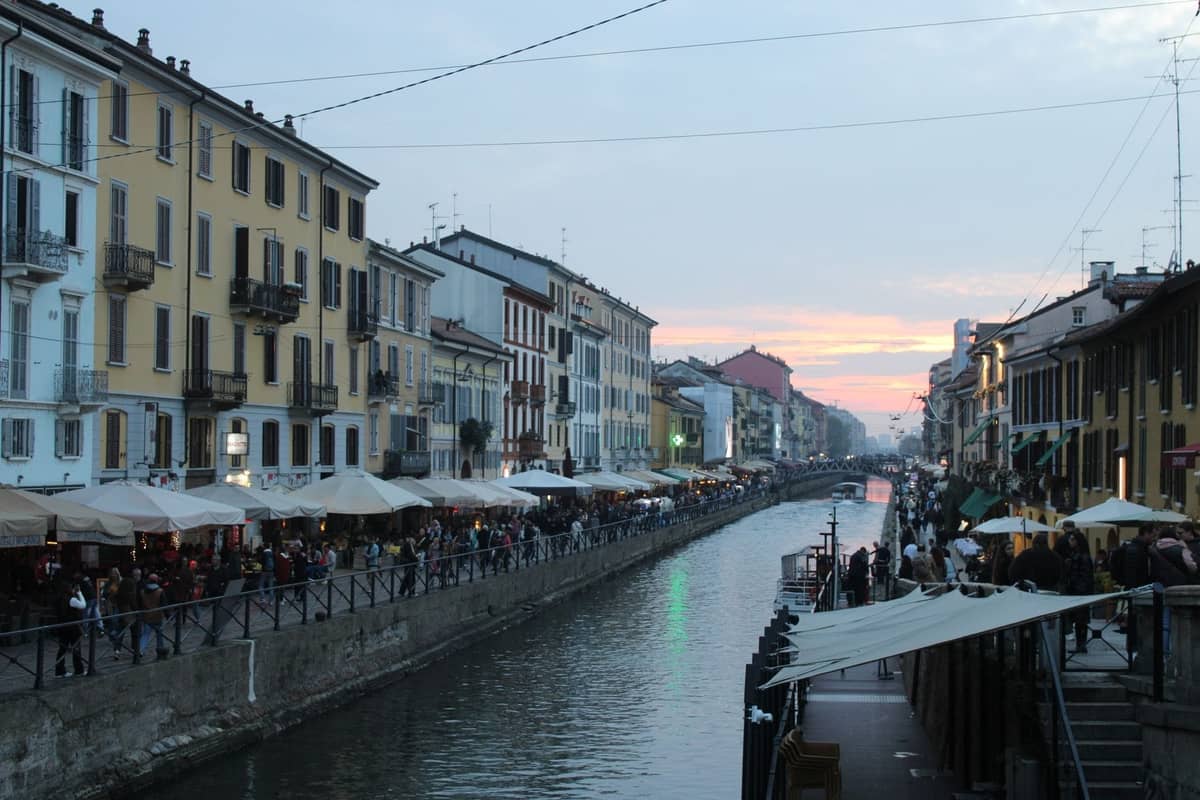
The Navigli district, built along the historic Naviglio Grande and Naviglio Pavese canals, has a distinct character unlike anywhere else in Milan. The canalside streets fill up every evening with aperitivo crowds, and the area has the highest density of bars and casual restaurants in the city. Staying here makes sense if late evenings in Milan are central to your plans.
The caveat is noise. Rooms facing the canal on weekend nights will be very loud until at least 2am. Ask specifically for rooms facing a courtyard or interior when booking, and read recent reviews carefully. Hotels here tend to be mid-range to budget, generally running €80–160 per night for decent quality, which makes the area a reasonable value proposition compared to more central zones.
The adjacent Ticinese and Sant'Ambrogio area, just north of Navigli, offers a slightly calmer alternative with good transport links and proximity to the Basilica di Sant'Ambrogio and the Colonne di San Lorenzo. Accommodation here is typically a few euros cheaper per night than central Navigli.
Budget-Friendly Neighborhoods: Where to Cut Costs Without Losing Access
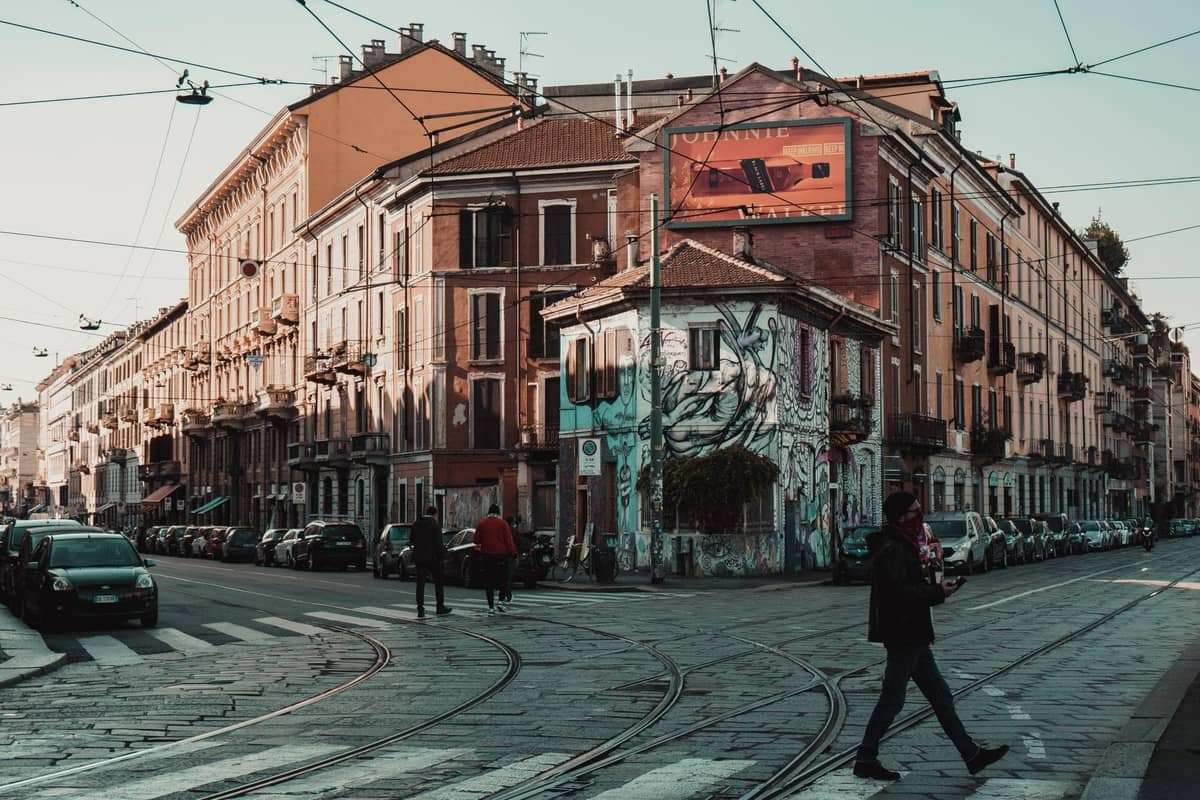
Milan's metro network is extensive enough that staying 15–20 minutes from the center by rail is a genuine strategy, not a compromise. Several outer neighborhoods consistently appear as the most affordable accommodation zones in the city, and they're worth knowing about.
- Città Studi University district east of the center, well-connected via M2 (Piola and Lambrate stations). Plenty of budget hotels and apartments; lively during term time with good affordable eating options.
- Lambrate Just east of Città Studi, now an emerging arts and creative neighborhood. Prices are noticeably lower than central zones, and the Lambrate FS station connects directly to Centrale in a few minutes.
- Bovisa and Niguarda North of the center, primarily residential areas with budget-oriented accommodation. Useful if you're focused on Malpensa airport connections or need easy access to the northern suburbs.
- Loreto area The intersection of M1 and M2 at Loreto makes this a practical hub for travelers prioritizing metro connectivity over neighborhood character. Hotels here are typically 20–40% cheaper than equivalent-quality options near the Duomo.
- Stazione Centrale area The zone around Milano Centrale has the highest density of affordable hotels in the city. Quality varies significantly — research individual properties carefully — but the transport links are unbeatable, with metro, regional trains, and airport connections all accessible from the station.
✨ Pro tip
The Stazione Centrale area has a mixed reputation, but the neighborhood quality varies block by block. Streets to the west and south of the station (toward Corso Buenos Aires and Porta Venezia) are noticeably more appealing than the immediate station surroundings. Filtering your search to those sub-areas can find solid value with better street-level experience.
Luxury and Design Hotels: What Milan Does Best
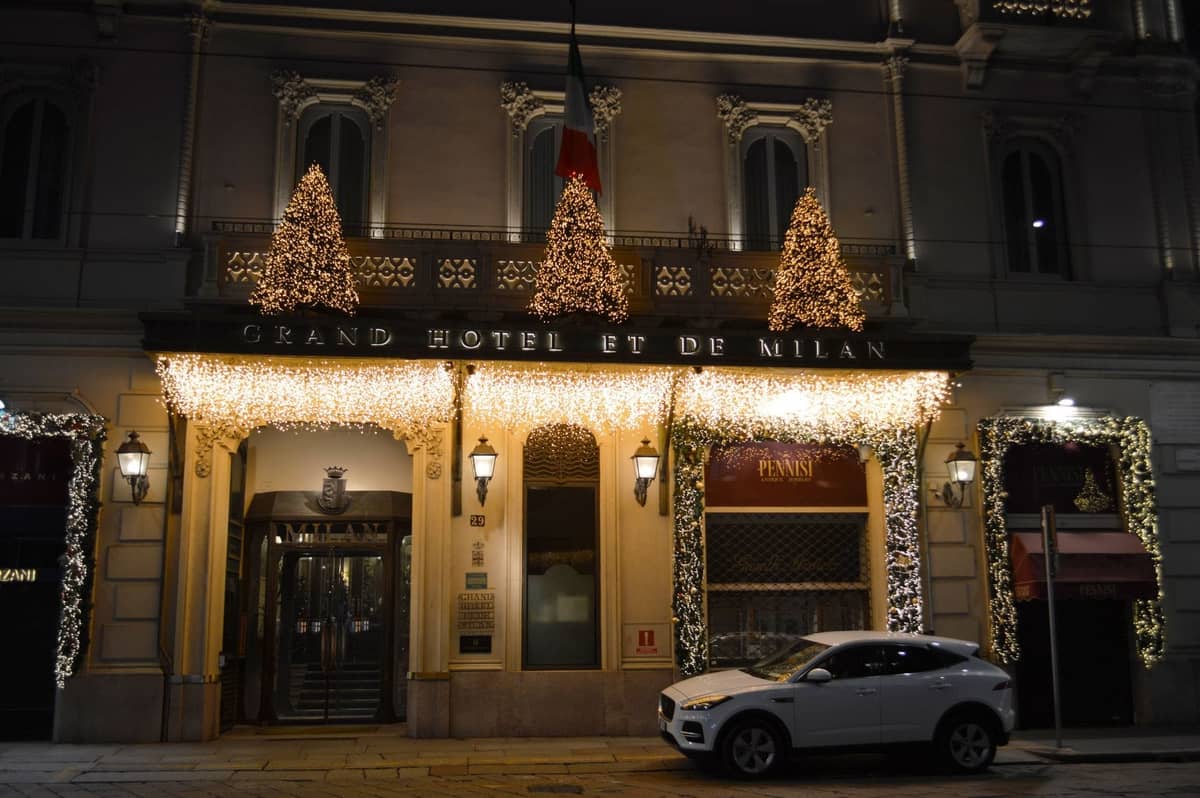
Milan's status as one of Europe's leading design cities means luxury accommodation here operates at a different standard than most Italian cities. The best design hotels don't just offer expensive rooms — they reflect the city's identity in their interiors, materials, and spatial design. The Quadrilatero della Moda, Milan's historic fashion district, is home to several flagship luxury hotels within walking distance of the major fashion houses.
For travelers with a dedicated luxury budget, Brera and the area north of the Duomo toward Via della Spiga offer boutique five-star options that are smaller and more characterful than the international chain properties near Centrale. CityLife, the regenerated district to the west anchored by the Tre Torri towers, has added contemporary luxury hotel stock that appeals to business travelers and design-focused visitors. Rates at the top end run €400–800+ per night in standard periods, with significant increases during major events.
- Book the Quadrilatero della Moda zone for the fashion district experience, proximity to top boutiques, and the most prestigious addresses.
- Choose boutique design hotels in Brera for smaller-scale luxury with more neighborhood character.
- Consider CityLife or Porta Nuova for newer builds with contemporary design credentials and slightly more competitive rates than the historic center.
- Avoid booking luxury hotels in the Stazione Centrale zone unless the property has been specifically verified — the area's general quality level is below what the star rating might suggest in other districts.
Practical Booking Strategy: Timing, Tools, and What to Watch For
The single most impactful decision in booking Milan accommodation isn't which neighborhood you choose — it's when you book relative to the event calendar. Salone del Mobile (April) and the two annual Milan Fashion Weeks (February/March and September/October) together account for the largest pricing spikes. Booking 3–6 months ahead for those dates is standard advice, not overcaution. Outside those windows, Milan's hotel market is competitive and last-minute deals are common.
November consistently reports as one of the lowest-cost months for Milan hotels. Late January (outside Fashion Week) and most of August are also quieter periods, though August sees many local restaurants and some shops close as Milanese leave for summer holidays. For travel in spring or autumn without event conflicts, you'll find the widest selection of rooms at reasonable prices. The Milan on a budget guide covers cost-saving strategies beyond accommodation.
For tools: Booking.com and Expedia provide the deepest inventory for Milan. KAYAK and Skyscanner are useful for price comparison across platforms. For design-specific or boutique properties that don't always appear prominently on aggregators, checking the hotel's own website directly can sometimes produce lower rates, particularly for longer stays.
ℹ️ Good to know
Milan is served by three airports: Malpensa (MXP, ~49–50km northwest), Linate (LIN, ~7km east), and Bergamo Orio al Serio (BGY, ~45km east). If you're arriving at Linate, staying on the eastern side of the city center reduces your transfer time significantly. Malpensa arrivals benefit most from hotels near Centrale or Cadorna for Malpensa Express access.
FAQ
What is the best area to stay in Milan for first-time visitors?
The Brera neighborhood offers the best combination of central location, atmosphere, and value for first-timers. It's walkable to the Duomo (around 15 minutes on foot), has excellent metro access, and the local streets are far more pleasant than the immediate Duomo or Centrale areas. If budget is the priority, the Loreto intersection (where M1 and M2 metro lines cross) gives strong connectivity at noticeably lower prices.
How much do Milan hotels cost on average?
Budget hotels in outer neighborhoods typically run €55–90 per night. Mid-range hotels in central districts cost around €90–200 per night in normal periods. Luxury hotels start around €300–400 and rise significantly. During Salone del Mobile and Milan Fashion Week, rates across all categories can double or triple, and availability drops sharply.
When is the cheapest time to book a hotel in Milan?
November is consistently the most affordable month for Milan hotels. Late January (before Fashion Week) and much of August are also lower-demand periods. The most expensive months are typically February, April, and September, driven by major fashion and design events.
Is it safe to stay near Milan Centrale station?
The immediate surroundings of Centrale station are busier and less polished than other central areas, but the neighborhood is not unsafe. Quality varies by property and exact location. Streets toward Corso Buenos Aires and Porta Venezia, a 5–10 minute walk from the station, are noticeably more comfortable and still within easy reach of the station's transport connections.
Is Navigli a good area to stay in Milan?
Navigli works well for travelers who want evening atmosphere and canal-side character. The bars and restaurants are excellent. The drawback is noise: canal-facing rooms on weekends can be loud until well past midnight. Always request a courtyard-facing room when booking, and read recent reviews specifically mentioning noise levels before confirming.