Milan on a Budget: How to Visit Without Breaking the Bank
Milan has a reputation for luxury fashion and fine dining, but the city is far more accessible than most travelers assume. This guide breaks down realistic daily costs, the smartest ways to use public transport, which world-class attractions are free, and how timing your visit can cut hotel prices by 25–40%.
Plan and book this trip
Tools from our partner Travelpayouts help you compare flights and hotels. If you book through them, we may earn a commission at no extra cost to you.
Flights
Hotels map
TL;DR
- Budget travelers can manage around €95–100 per person per day in Milan, covering a hostel, public transport, food, and sightseeing.
- The Malpensa Express train costs €15 from the airport to the city centre — skip the €90–110 taxi and check the Milan airports guide for full transfer options.
- Aperitivo culture is your budget superpower: one drink at around €8–12 in Navigli or Brera unlocks a generous food spread that can replace dinner.
- Many top landmarks — Piazza del Duomo, Galleria Vittorio Emanuele II exterior, Parco Sempione, the Navigli canals — cost nothing to experience.
- Travel in April–May or September–October for 25–40% lower hotel rates and pleasant weather. See the best time to visit Milan for a full seasonal breakdown.
What Does Milan Actually Cost? A Realistic Daily Budget
Milan is Italy's most expensive city, but expensive is relative. The city punishes passive travelers who don't plan, not budget-conscious ones who do. Knowing the real cost structure before you arrive makes a significant difference.
- Budget traveler (€95–100/day) Hostel dorm or budget guesthouse (€30–45), supermarket breakfast and picnic lunch (€10–15), aperitivo for dinner (€10–12 for drink plus food), metro day pass (€7), one paid attraction. Tight but very doable.
- Mid-range traveler (€150–230/day) 3-star hotel or well-located B&B (€90–140), sit-down lunch at a trattoria (€15–25), aperitivo or restaurant dinner (€25–40), transport and one or two ticketed attractions included.
- Comfortable splurge (€300+/day) 4-star hotel in the Brera or Duomo district, full restaurant meals, skip-the-line experiences, taxis. Prices climb fast here — the jump from mid-range to luxury is steep.
ℹ️ Good to know
Milan's currency is the Euro (EUR). ATMs (called 'Bancomat') are widely available across the city. Avoid airport exchange desks — the rates are consistently poor. Most restaurants, shops, and transport ticket machines accept contactless card payment.
One structural cost worth knowing: many Milan restaurants charge a coperto (cover charge) of €1.50–3.50 per person just for sitting down, separate from the food price. It's legal and standard, but it adds up. Standing at a bar counter for coffee is not just culturally authentic — it typically costs 20–50% less than table service for the same drink.
Getting to and Around Milan Without Overspending
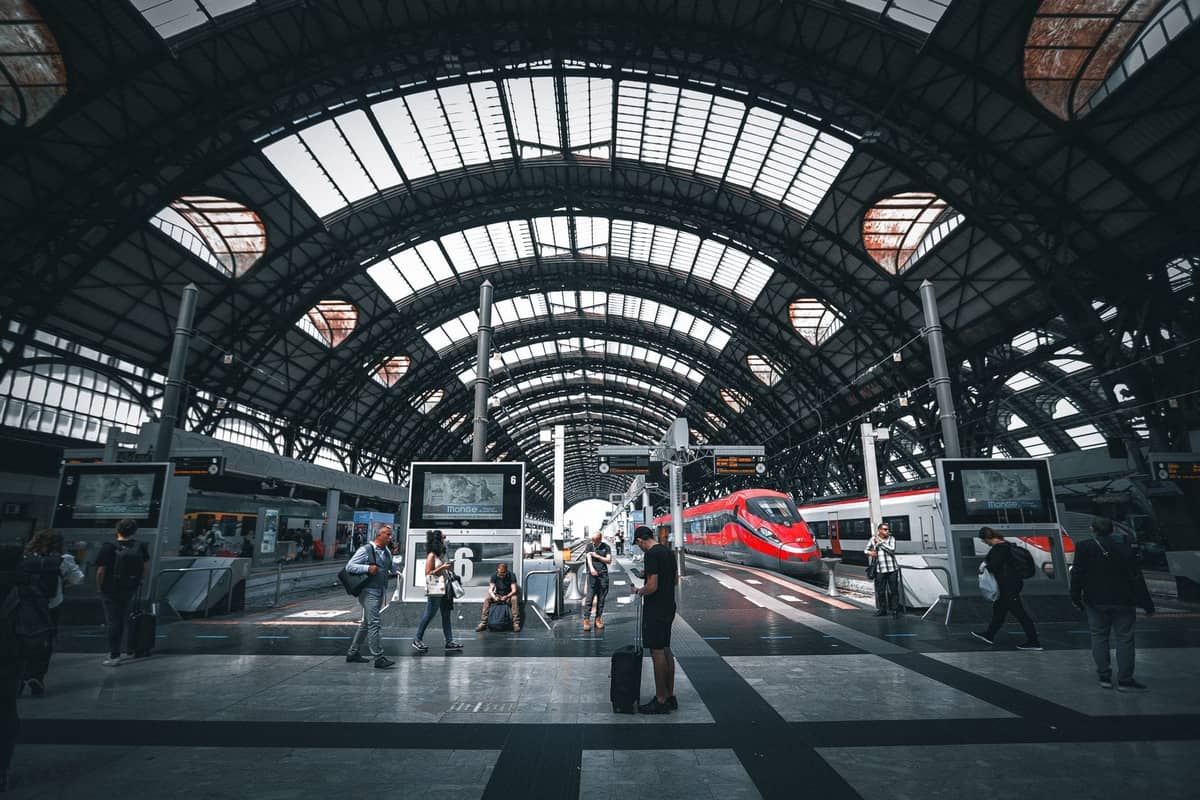
Milan is served by three airports. Malpensa (MXP), about 50 km northwest of the centre, is the main international hub. The Malpensa Express train connects directly to Milano Centrale and Cadorna stations for €15, taking roughly 40–51 minutes depending on the route. A taxi from Malpensa costs €90–110. There is no scenario in which the taxi is worth it unless you're splitting four ways with heavy luggage at 2am. Linate Airport (LIN) is only 7–8 km from the centre and far more convenient — bus connections are quick and affordable. Bergamo's Orio al Serio (BGY), used heavily by low-cost carriers like Ryanair, is about 50 km east; shuttle buses to Milano Centrale are the standard option. Check the Milan airports guide for current timetables and operators before booking.
Within the city, the ATM Milano network of metro (Metropolitana di Milano), trams, and buses covers virtually everywhere you'd want to go. A single ticket costs €2.20 and is valid for 90 minutes across all modes. A ten-trip carnet costs €19.50 — better value if you're making multiple short journeys. A 24-hour pass runs €7.60, and a 3-day pass covering zones Mi1–Mi3 is €15.50. If you're staying more than two or three days and plan to use public transport frequently, the 3-day pass is usually the smartest buy. Verify current fares on the ATM Milano official website before your trip, as prices are subject to change. For a full overview of routes and options, see the guide to getting around Milan.
💡 Local tip
The Milano Card (around €17 for 48 hours) offers discounts of around 20–30% on major attractions including the Duomo complex and La Scala Museum, with optional public transport add-ons available. Do the math before buying: if your itinerary includes two or more paid attractions plus several metro journeys, it often pays for itself within a day.
Milan's historic centre is surprisingly walkable. From the Duomo to Castello Sforzesco is about 1.5 km — 20 minutes on foot through the Galleria and along Via Dante. From the Duomo to the Navigli canal district is around 2.5 km south. Many budget travelers find they use the metro mainly for airport transfers and longer cross-city trips, while covering the central attractions entirely on foot.
Free and Low-Cost Attractions: Where Milan Surprises You
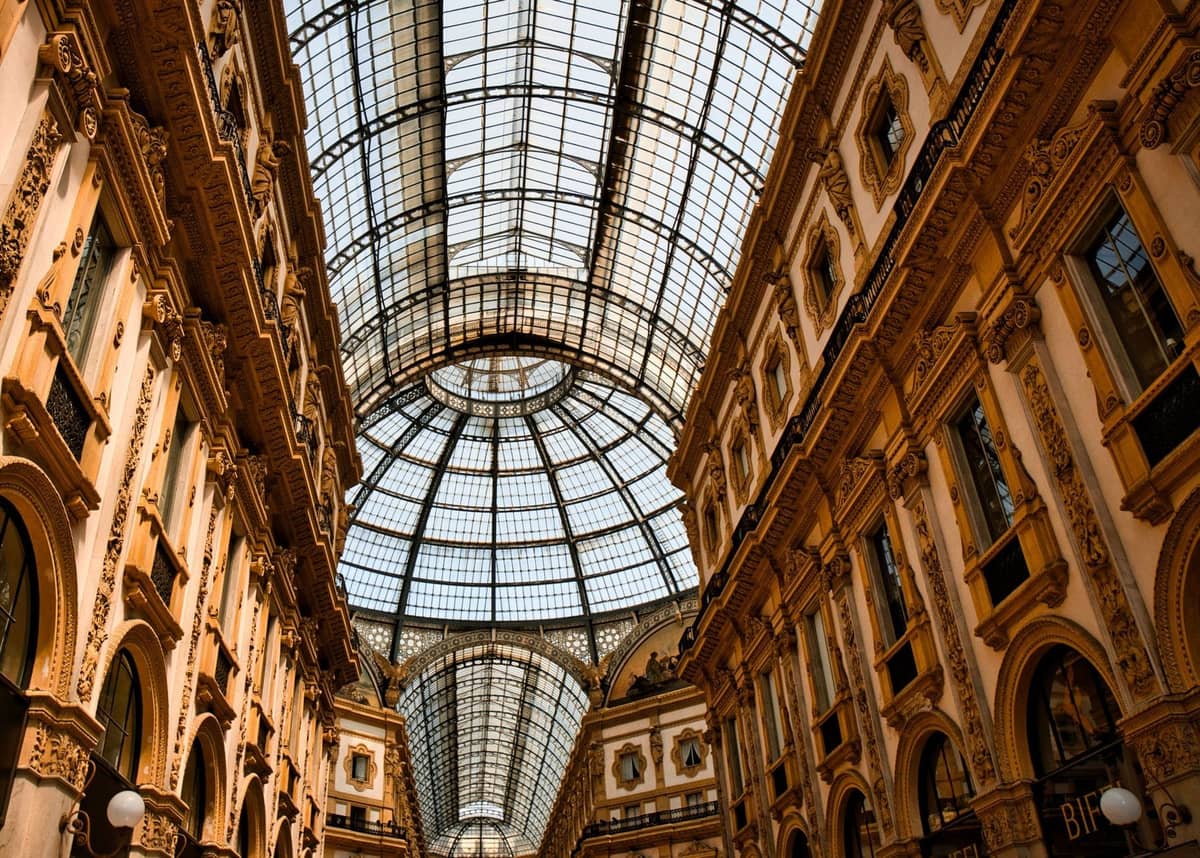
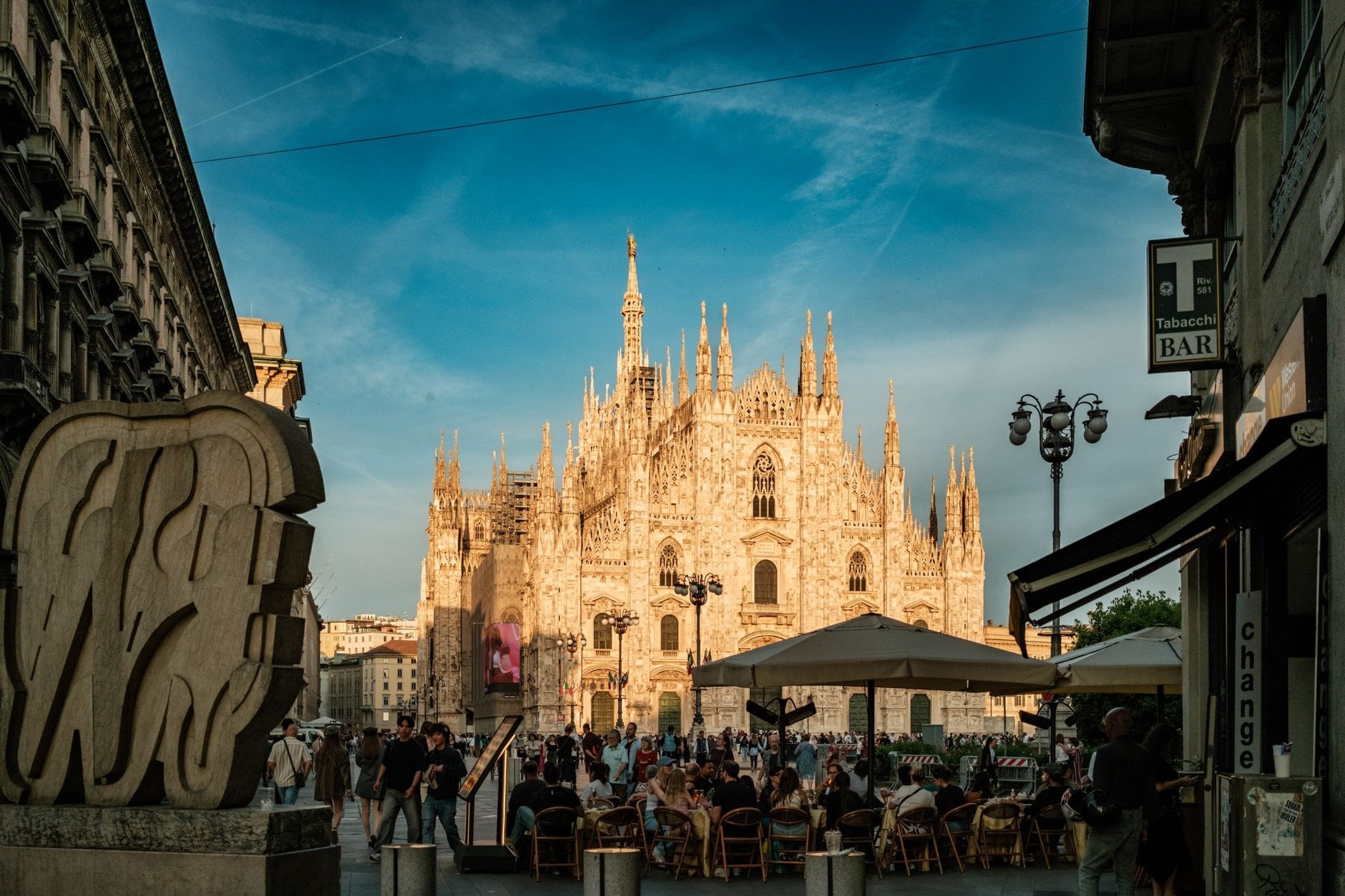
The assumption that experiencing Milan requires constant ticket purchases is wrong. Some of the city's most iconic spaces cost nothing. The Galleria Vittorio Emanuele II — the 19th-century iron-and-glass shopping arcade adjacent to the Duomo — is free to walk through at any hour. Piazza del Duomo, the main square, is always free. The exterior of the Duomo di Milano cathedral is free to admire; it's the interior and rooftop terraces that carry ticket costs (the rooftop stairs option costs around €15, cheaper than taking the lift).
The Castello Sforzesco courtyard and grounds are free year-round — you need a ticket only for the internal museums, which are themselves free on the first Sunday of every month as part of Italy's national free museum day initiative. Parco Sempione, the large public park behind the castle, is free always and is one of the better places in the city to sit down, eat a supermarket lunch, and recover from sightseeing. The Navigli canal district is an entirely outdoor experience — no entry fee, just walk the towpaths along the Naviglio Grande and enjoy the neighbourhood.
- Piazza del Duomo and Galleria Vittorio Emanuele II: always free to enter and walk through
- Castello Sforzesco courtyard and Parco Sempione: free daily
- Musei del Castello Sforzesco (internal): free on the first Sunday of each month
- Pinacoteca di Brera: free for EU citizens under 18; reduced rate for 18–25; check current discounts on the official site rather than relying on free first Sunday eligibility
- Biblioteca degli Alberi (BAM park in Porta Nuova): free public park with changing installations
- Colonne di San Lorenzo and Basilica di Sant'Eustorgio area: free to visit the piazza and explore
- Cimitero Monumentale: free entry — one of Europe's most extraordinary monumental cemeteries
For paid attractions, the strategy is straightforward: book online in advance. Leonardo da Vinci's Last Supper at Santa Maria delle Grazie is the most extreme example — the Cenacolo Vinciano has extremely limited viewing slots (only 15 minutes per group), and tickets at the standard base price of around €15 plus booking fee sell out weeks or months ahead. Buying through third-party resellers costs significantly more. Book directly through the official Musei del Cenacolo Vinciano website as early as possible.
Eating Well Without the Restaurant Bill
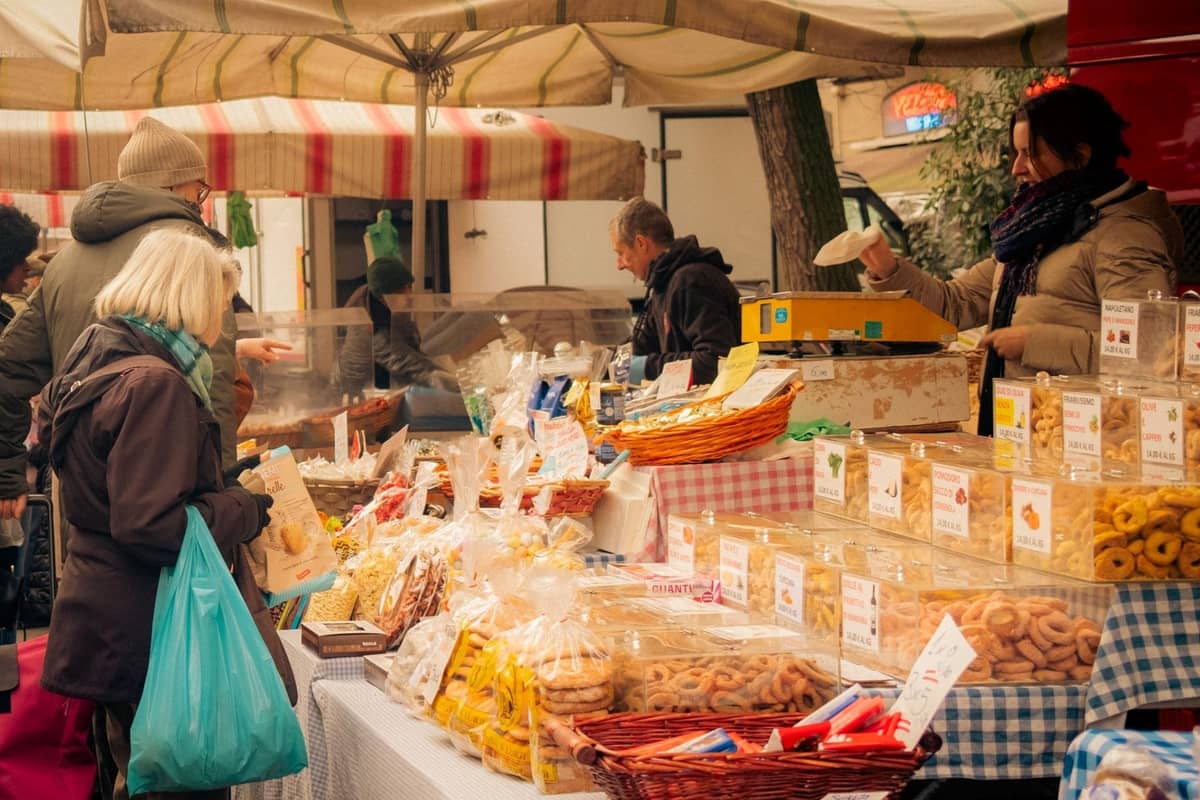
Food in Milan is where budget travelers most often overspend, largely because the city's tourist-zone restaurants are notoriously expensive and not particularly good. The solution is to eat the way locals actually eat, at least for most meals.
Breakfast at a bar counter costs €1.20–2.50 for an espresso or cappuccino with a cornetto (Italian croissant). This is the standard Italian breakfast, it's fast, and the quality at a neighbourhood bar is usually better than anything you'd get from a hotel buffet included in a budget room rate. Supermarkets (Esselunga, Carrefour, Pam) are everywhere and sell good-quality prepared foods, fresh bread, cheese, and produce at normal prices — building a picnic lunch in Parco Sempione or along the Navigli costs €6–10 per person and is genuinely pleasant in good weather.
The aperitivo is Milan's gift to budget travelers. Between roughly 18:00 and 21:00, bars throughout the city — particularly concentrated in Navigli, Brera, and Isola — offer a free or included food spread with the purchase of a drink, typically priced at €8–12. The quality and quantity varies by venue, but at the better spots it amounts to a full dinner: bruschetta, pasta, risotto, cold cuts, cheeses, and sometimes hot dishes. This single habit can cut your evening food budget dramatically compared to a sit-down restaurant meal.
⚠️ What to skip
Avoid restaurants on the immediate perimeter of the Duomo and Galleria. Prices are 30–50% higher than comparable spots two blocks away, and quality rarely justifies the premium. Walk five minutes in any direction and the value improves substantially. The same applies to cafes inside or directly adjacent to the Galleria itself.
When to Visit for the Best Prices
Milan's climate follows a clear pattern: hot and humid in summer (June–August), cold and often foggy in winter (December–February), with very pleasant shoulder seasons in spring and autumn. From a budget perspective, the shoulder seasons are also the cheapest.
April through May and September through October typically see hotel prices 25–40% lower than peak summer rates, smaller crowds at major attractions, and temperatures ranging from around 15–26°C — comfortable for walking. Summer is the worst time to visit on a budget: prices are high, the heat and humidity make sightseeing uncomfortable, and the city empties of locals in August (meaning fewer good restaurants are open, not more). Winter has its appeal — Christmas markets, fewer tourists, potentially lower prices — but fog and cold are real factors. For a detailed month-by-month breakdown, see the guide on the best time to visit Milan.
⚠️ What to skip
Avoid visiting during Milan Fashion Week (February and September) or the Salone del Mobile design fair (usually April) unless you've booked accommodation months in advance. Hotel prices during these events can triple, and even hostels fill up fast. Check the Milan Design Week guide for exact dates before planning a spring trip.
Practical Money-Saving Tips That Actually Work
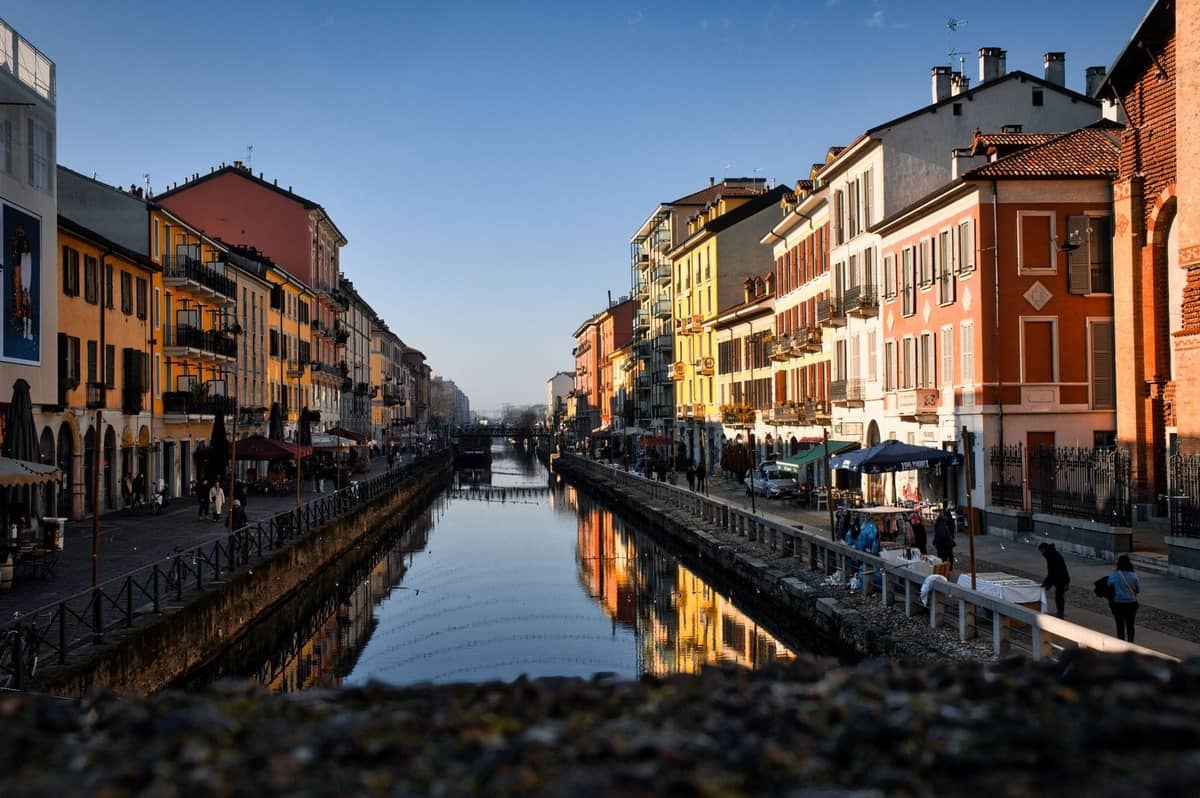
Staying slightly outside the Duomo district saves money without sacrificing access. Neighbourhoods like Porta Venezia and the Navigli area offer well-connected, genuine local environments where accommodation is cheaper and you're closer to actual neighbourhood life. The metro will get you to the Duomo in under 10 minutes from most of these areas.
- Use the ATM Milano app to plan metro and tram routes — it's free and covers all public transport in the city
- Buy metro tickets at tobacco shops (tabaccherie) to avoid queues at station machines during peak hours
- The Highline Galleria rooftop experience has been closed in recent years, so check current status carefully instead of relying on it as a lower-cost alternative to the Duomo rooftop terraces
- Visit the Pinacoteca di Brera with free entry if you are an EU citizen under 18 or on reduced tickets if you are 18–25; check the official site for any special free or reduced days
- Book the Last Supper and Duomo rooftop directly through official websites — third-party resellers charge significant markups
- Tap water in Milan is safe and good quality — carry a refillable bottle instead of buying bottled water
- For airport transfers, always check current Malpensa Express and airport bus schedules on official operator sites before your trip, as timetables and fares update periodically
If you're planning to take day trips — to Lake Como, Bergamo, or further afield — factor in that regional train tickets from Milano Centrale are often cheapest when booked in advance through Trenitalia or as part of Trenord regional connections. Lake Como, for example, is under an hour by train from Centrale. See the guide to getting from Milan to Lake Como for the most cost-effective options.
FAQ
How much money do I need per day in Milan on a budget?
A realistic daily budget for a solo traveler in Milan is around €95–100 per day. This covers a hostel dorm bed or budget guesthouse (€30–45), supermarket meals plus one aperitivo spread (€20–30 combined), a public transport day pass (€7), and one or two low-cost or free attractions. You can go lower by focusing on free sights and self-catering, or higher if you add one ticketed museum or restaurant dinner.
What is the cheapest way to get from Malpensa Airport to Milan city centre?
The Malpensa Express train is the standard budget option, connecting the airport to Milano Centrale and Cadorna stations for around €15. Journey time is roughly 37–51 minutes. Airport bus coaches are also available and sometimes cheaper. A taxi from Malpensa costs €90–110 and is not practical for budget travelers unless the cost is split between several people.
Are there free museums in Milan?
Yes. On the first Sunday of each month, many Italian state museums offer free entry, which can include museums within Castello Sforzesco and others in Milan. The Castello Sforzesco courtyard and Parco Sempione are always free. The Galleria Vittorio Emanuele II, Piazza del Duomo, and the Navigli canal district are free to explore. The Cimitero Monumentale also has free entry.
Is it cheaper to visit Milan in winter?
Winter (December–February) can offer lower hotel rates than peak summer, but prices spike around Christmas and New Year. The weather is cold and often foggy, which limits outdoor sightseeing. Shoulder seasons — April–May and September–October — typically offer the best combination of lower prices (25–40% below summer peaks), pleasant weather, and manageable crowds. Avoid Fashion Week dates in February and September, when prices surge regardless of season.
Is Milan worth visiting on a tight budget, or is it really just for luxury travelers?
Milan is very accessible on a budget. The city's reputation for luxury comes from its fashion industry and high-end retail, but the day-to-day reality includes affordable public transport, free world-class public spaces, one of Italy's best aperitivo cultures (which doubles as cheap dinner), and a network of neighbourhood bars and markets that function at normal Italian prices. Budget travelers who plan their transport, book key attractions in advance, and eat like locals will find Milan very manageable.