Porta Venezia is one of Milan's most layered neighborhoods: a residential quarter of Art Nouveau palaces, green public gardens, and one of the city's longest shopping streets, all within easy reach of the historic center. The area is also widely recognized as the heart of Milan's LGBT+ scene, with a food and nightlife culture that reflects its genuinely multicultural makeup.
Porta Venezia occupies a distinctive position in eastern-central Milan, where the elegant palazzi of Corso Venezia give way to the commercial energy of Corso Buenos Aires and the leafy expanse of the Indro Montanelli Gardens. It is simultaneously one of the city's most architecturally refined districts and one of its most diverse, a combination that makes it feel more distinctly Milanese than many neighborhoods closer to the tourist center.
Orientation: Where Porta Venezia Sits in Milan
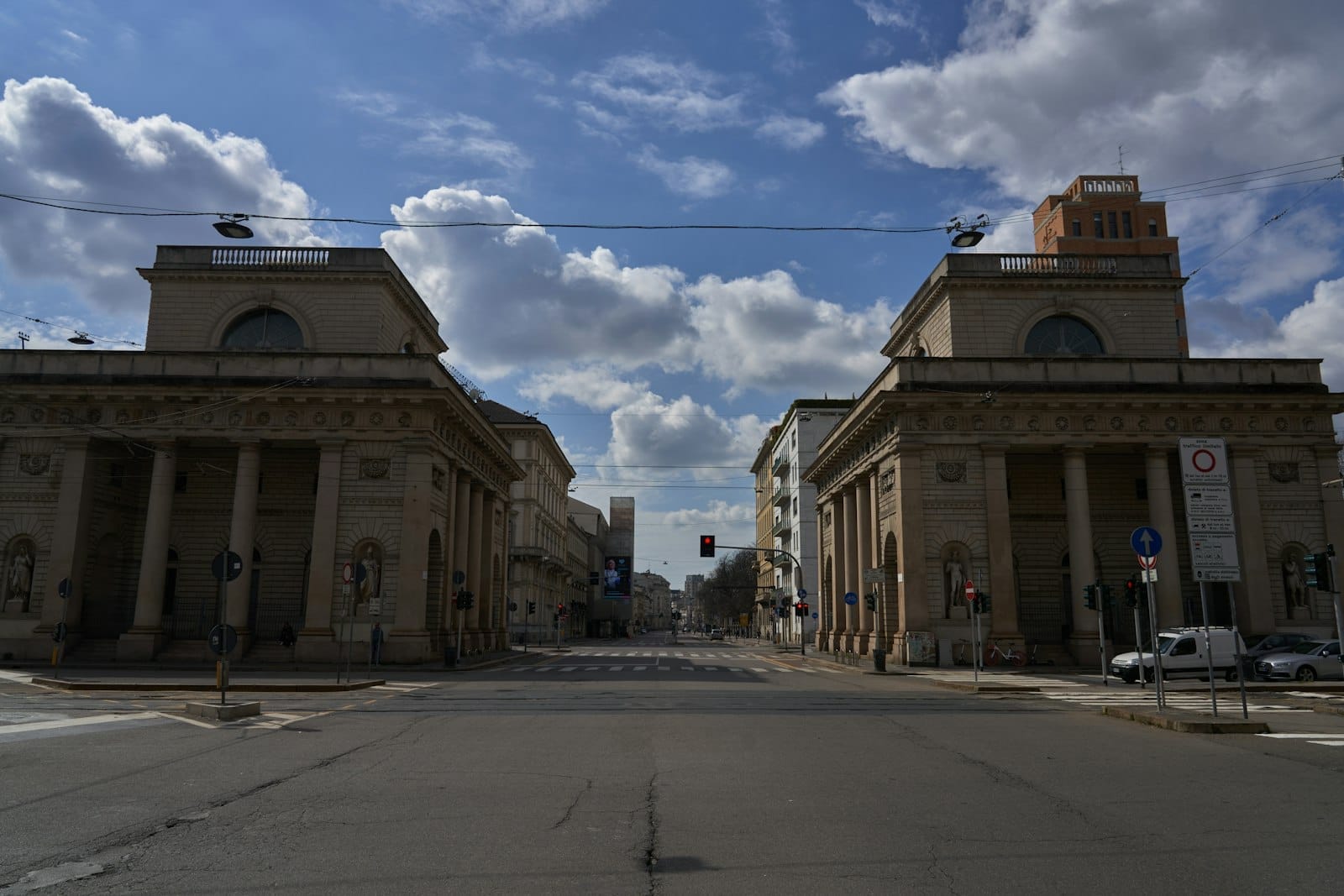
Porta Venezia sits on the eastern edge of Milan's inner ring, roughly 1.5 kilometers from the Duomo. It takes its name from the 19th-century monumental gate, originally called Porta Orientale, that marks the point where Corso Venezia meets Corso Buenos Aires. The current neoclassical caselli were designed by Rodolfo Vantini and completed in 1827–1828, replacing an earlier unfinished project by Piermarini. The gate still functions as a clear landmark separating two very different urban moods: the refined, tree-lined boulevard of Corso Venezia heading southwest toward the historic center, and the busier, more commercial Corso Buenos Aires stretching northeast toward Piazzale Loreto.
Administratively, the district belongs to Zone 3 of Milan's nine municipal zones. Its boundaries are loosely defined by Viale Vittorio Veneto and the Giardini Pubblici to the northwest, Viale Tunisia and Via Vittor Pisani to the south, and the residential streets of Via Lecco, Via Melzo, and Via Casati to the east and north. The Palestro and Lima metro stations sit at the western and eastern ends of the area respectively, while the Porta Venezia M1 station sits right at the gate itself.
Neighbors matter for orientation. To the southwest, Corso Venezia leads directly into the Quadrilatero della Moda, Milan's luxury fashion district. To the northwest, the gardens border the Palestro area and connect toward Brera. To the northeast, Corso Buenos Aires eventually feeds into the broader Loreto area and the routes toward Porta Nuova and Isola. This central position means Porta Venezia is easily walkable to a wide range of Milan's major sights.
Character & Atmosphere
At seven in the morning, Porta Venezia has the unhurried tempo of a working residential neighborhood. Locals pick up espresso at the bar on the corner, the vegetable sellers on Via Lecco arrange their displays, and the Giardini Pubblici Indro Montanelli fill with dog walkers and joggers moving through pools of morning light filtered through chestnut trees. The streets around Via Melzo and Via Casati feel thoroughly lived-in: laundry above narrow courtyards, a butcher next to a Moroccan grocery, a Pakistani tea house beside an aperitivo bar.
By midday the mood shifts. Corso Buenos Aires, which runs for about two kilometers toward Loreto, becomes one of the busiest pedestrian shopping corridors in Italy outside of a city center. It is loud and fast-moving, lined with mid-range fashion chains, shoe shops, and the occasional independent boutique. It is not particularly atmospheric for strolling, but it is useful, and Milanese residents actively use it. Contrast this with Corso Venezia heading the other way: wider pavements, restored Liberty facades, the palazzi that give the neighborhood its architectural reputation, and a noticeably quieter pace even in the middle of the day.
After dark, the area around Via Lecco and the streets radiating off it comes into its own. This is Milan's recognized LGBT+ district, sometimes called Gay Street, and on weekend evenings the bars spill onto the pavement and the atmosphere is relaxed and inclusive. The broader nightlife around Porta Venezia is younger and more international than in, say, the Navigli, and the mix of people reflects the neighborhood's deeply multicultural character: Italian, North African, Middle Eastern, South Asian, and Eastern European communities all have a presence here that shows up in the food, the shops, and the street-level energy.
ℹ️ Good to know
Porta Venezia is widely considered Milan's LGBT+-friendly district, centered on Via Lecco and the surrounding streets. The area is welcoming and inclusive year-round, and especially lively during Milan Pride events, which typically take place in June.
What to See & Do
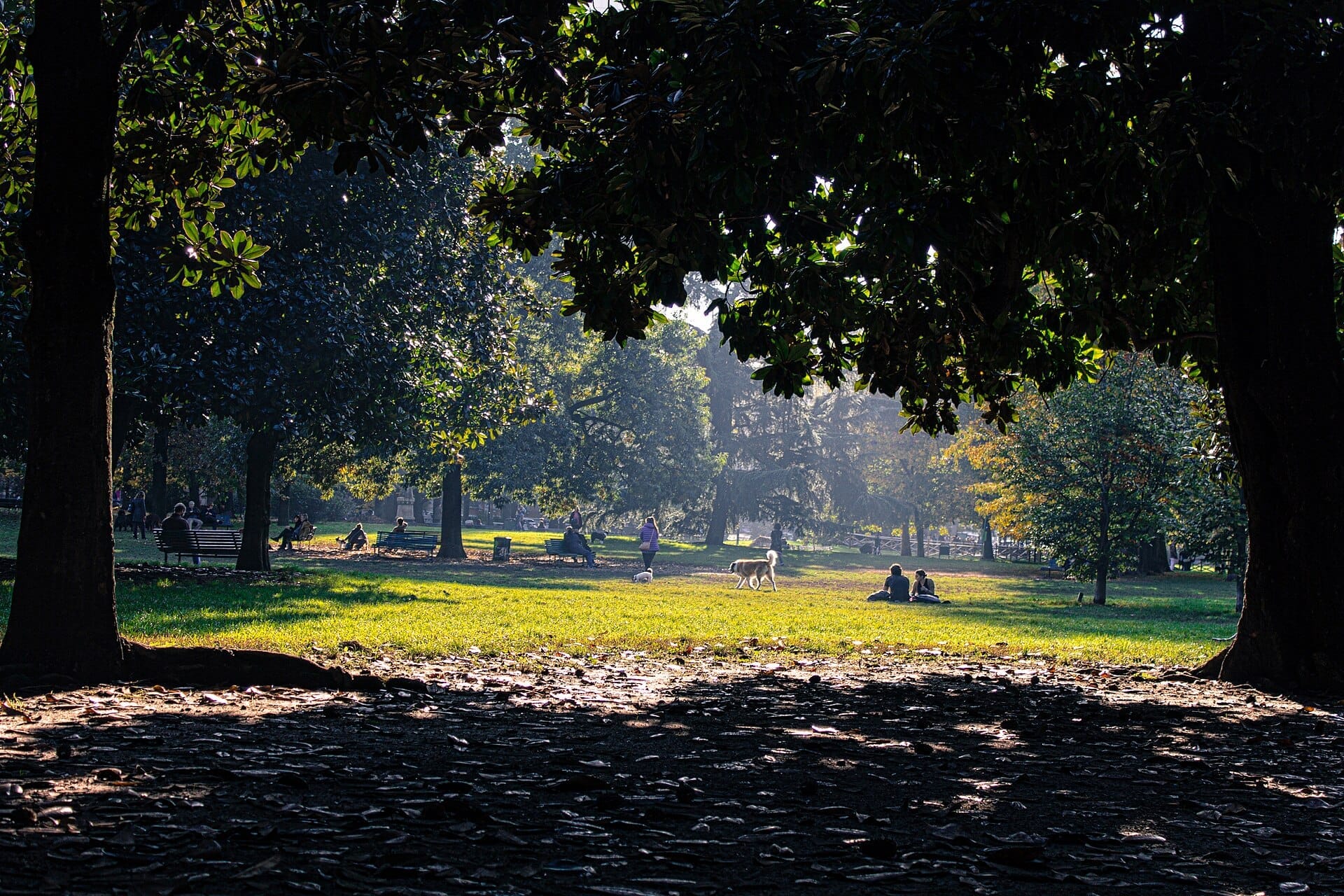
The Giardini Pubblici Indro Montanelli are the neighborhood's green anchor, and one of the oldest public parks in Milan, dating to the 18th century. The gardens stretch from Porta Venezia gate northwest toward Via Palestro, covering around 160,000 square meters of tree-lined paths, a small pond, and open lawns. On weekday afternoons, they are pleasantly uncrowded compared to most central Milan spaces.
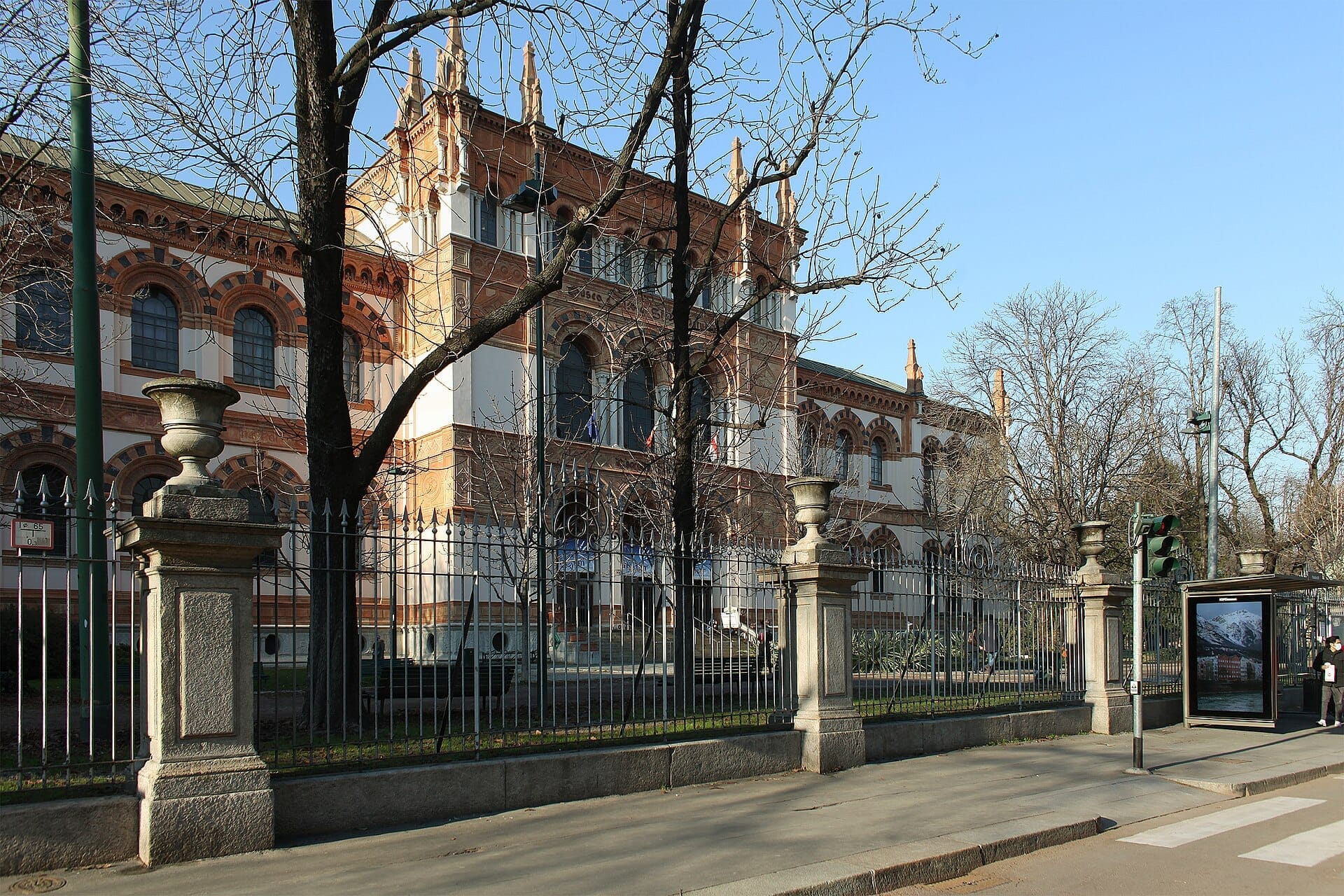
Inside or directly adjacent to the gardens sit two institutions worth knowing about. The Museo di Storia Naturale di Milano is a well-maintained natural history museum housed in a late 19th-century building, covering geology, paleontology, and zoology across a series of detailed exhibition halls. Entry prices are modest by Milan standards. The Civic Planetarium next to it, also within the gardens, hosts public astronomy sessions in Italian.
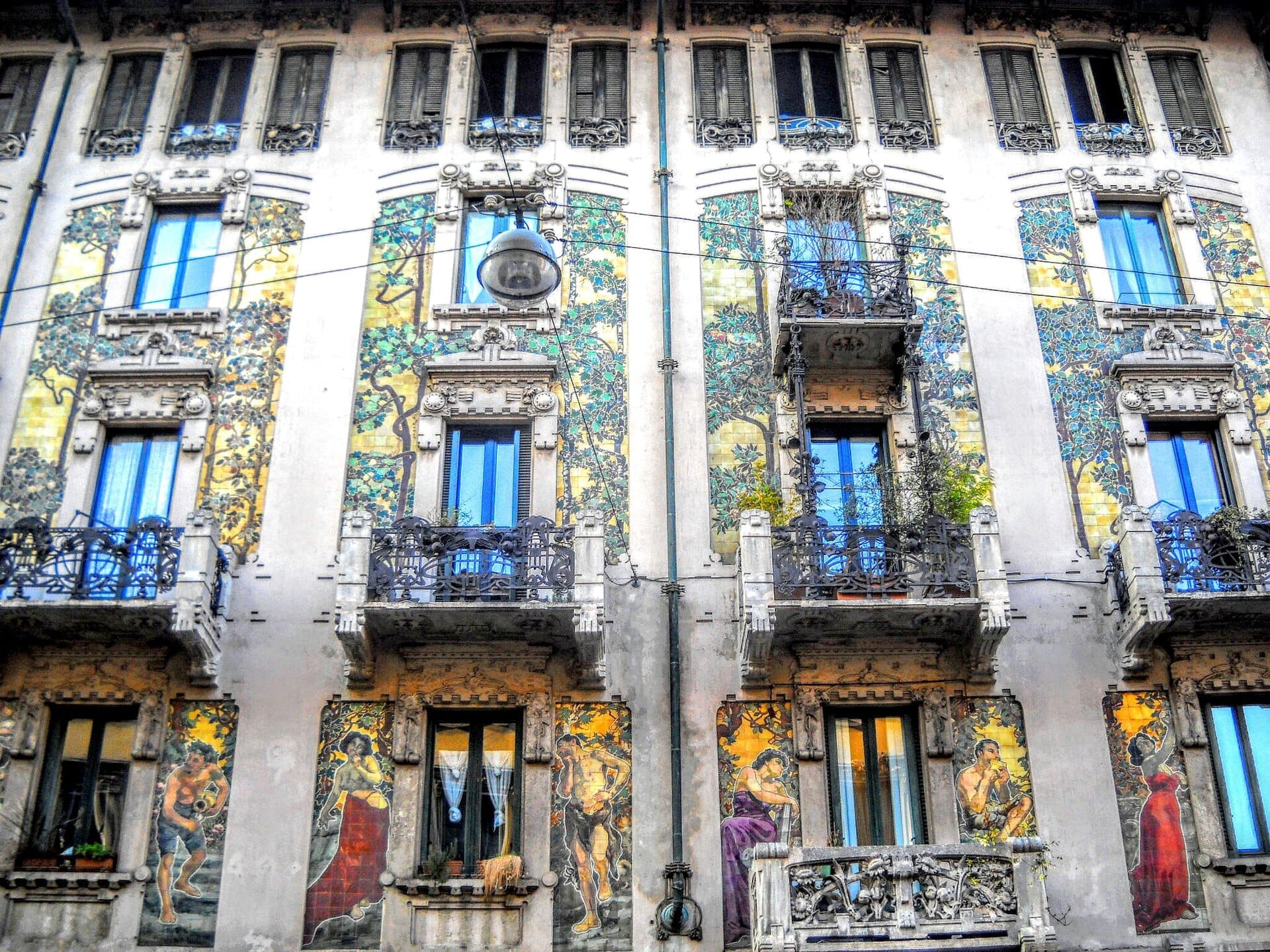
The stretch of Corso Venezia between the gate and Via Palestro deserves unhurried attention if you have any interest in Liberty architecture. The early 20th-century buildings along this boulevard, several of them designed by architects working in the Milanese version of Art Nouveau, represent some of the most intact examples of this style in the city. Look up at the ironwork balconies and the ornamental friezes; at street level the facades can be easy to miss.
Villa Necchi Campiglio, a rationalist 1930s villa now managed by the FAI (Italy's National Trust), sits just off Corso Venezia on Via Mozart. The house is preserved with its original furniture, garden, and swimming pool and gives an unusually intimate view of upper-bourgeois Milanese life in the interwar period. The Galleria d'Arte Moderna (GAM) on Via Palestro is another nearby option, a city museum housing 19th and early 20th-century Italian art, including significant works by the Macchiaioli movement.
Giardini Pubblici Indro Montanelli: best in the early morning or late afternoon
Museo di Storia Naturale: solid choice for families or rainy days
Corso Venezia Liberty facades: self-guided architectural walk
Villa Necchi Campiglio: rationalist architecture and period interiors (FAI site, check opening times)
Galleria d'Arte Moderna (GAM) on Via Palestro: 19th-century Italian art (check current admission policies)
Via Lecco and surrounding streets: the neighborhood's social heart in the evening
💡 Local tip
The Galleria d'Arte Moderna on Via Palestro is rarely crowded and makes an excellent alternative to Milan's busier museums, especially on weekday mornings; check current ticket prices before visiting.
Eating & Drinking
Porta Venezia has one of the most diverse food scenes in Milan, which reflects the demographic mix of the neighborhood rather than any deliberate curation. On a single block near Viale Tunisia or Via Lecco you can find a Milanese trattoria serving cotoletta and risotto, a Moroccan bakery, a Pakistani tea house, an Ethiopian restaurant, and a craft cocktail bar that would not look out of place in any European capital. This is not a neighborhood that has been turned into a food destination; it is a neighborhood where people actually eat.
For aperitivo, the streets around Via Lecco and Via Melzo are reliable. The Milanese aperitivo tradition, where a drink comes with a spread of snacks, is practiced seriously here, and the bars are generally less performative than in the Navigli or Brera. Prices per drink tend to be slightly lower than in the tourist-heavy center, and the ambiance skews toward regulars rather than passersby.
Corso Buenos Aires itself is not a destination for eating, but the streets branching off it, particularly heading north toward the quieter residential blocks, have trattorias and small cafes that operate at local rather than tourist prices. For coffee, the neighborhood follows Milan's universal standard: a short, strong espresso at the bar, consumed standing, paid for before you get it. Any bar on a residential side street will do this better and cheaper than anything on the main shopping strip.
If you are exploring the broader area, the Milan food guide covers the city's eating culture in more depth, including what to order and where the different neighborhoods specialize.
Getting There & Around
The M1 red metro line serves Porta Venezia directly, with the Porta Venezia station sitting at the gate itself on Corso Buenos Aires. Two adjacent stations on the same line, Palestro to the west and Lima to the east, extend coverage along the full length of the neighborhood. Journey time from the Duomo (Duomo M1 station) to Porta Venezia is around five minutes. From Milano Centrale railway station, the M2 green line connects to Loreto, from where Corso Buenos Aires is a short walk southwest.
Trams run along several of the main avenues, including Corso Buenos Aires and Viale Tunisia, and provide a slower but more scenic surface connection to other parts of the city. The tram network in Milan is extensive and the stops around Porta Venezia connect well toward the center and toward the university areas to the south.
On foot, the neighborhood is about a 20-25 minute walk from the Duomo via Corso Venezia, passing through the Quadrilatero della Moda. This is one of Milan's better walking routes. For a full overview of how to move around the city, see the guide to getting around Milan.
💡 Local tip
If you are arriving from Linate Airport, Porta Venezia is one of the closest central neighborhoods. The airport bus to San Babila drops you about 5 minutes by metro from Porta Venezia station, making it a practical first or last stop.
Where to Stay
Porta Venezia is a legitimate alternative base to staying directly in the Duomo district, particularly for travelers who want to feel less surrounded by tourist infrastructure. Hotels and apartments here tend to offer better value per square meter than comparable rooms in Brera or the historic center, and the M1 metro puts the main sights within easy reach.
The quieter residential streets between Via Lecco and Via Casati are the best part of the neighborhood for accommodation if you want easy access to the evening scene without being on top of it. The blocks closest to Corso Buenos Aires are practical but noisier, particularly on weekend nights. Corso Venezia and the streets immediately off it toward the Giardini offer a more refined character: lower noise, better architecture, and a slightly shorter walk to the Quadrilatero della Moda.
For a broader comparison of where to base yourself across Milan, the guide to where to stay in Milan covers the main neighborhoods and what type of traveler each suits.
Is Porta Venezia Right for You?
Porta Venezia works well for travelers who want to experience Milan as a functioning city rather than a set of landmark attractions. The neighborhood is not particularly photogenic in the way that the Navigli or Brera can be, and it does not have a single unmissable sight that would justify a visit on its own. What it has instead is a coherent, layered character: Liberty architecture, a functioning park with two good museums, one of the city's main shopping arteries, a notably diverse food scene, and a nightlife culture that feels organic rather than manufactured.
The main drawback is noise and congestion along Corso Buenos Aires, which is best avoided if you are looking for a relaxed afternoon. The area around the Porta Venezia gate itself can feel impersonal at peak times, more transit hub than neighborhood. But step one block off the main street and the character changes completely.
⚠️ What to skip
Corso Buenos Aires is one of the busiest shopping streets in Italy and becomes extremely crowded on Saturday afternoons. If you are exploring the neighborhood for its architectural or cultural character, weekday mornings are a significantly better option.
If you are building a broader itinerary and want to understand how Porta Venezia fits into a wider visit to Milan, the Milan 3-day itinerary and the guide to things to do in Milan both provide useful context for planning.
TL;DR
Porta Venezia sits on the eastern edge of Milan's inner ring, about 1.5 km from the Duomo, served directly by the M1 red metro line at three stations: Palestro, Porta Venezia, and Lima.
The neighborhood is best known for its Liberty (Art Nouveau) architecture on Corso Venezia, the Giardini Pubblici Indro Montanelli park with its Natural History Museum, and one of Milan's main shopping streets, Corso Buenos Aires.
It is recognized as Milan's LGBT+-friendly district, centered on Via Lecco, with a relaxed and inclusive bar scene that becomes lively on weekend evenings.
The food scene is thoroughly multicultural, with Italian, Moroccan, Pakistani, and Ethiopian options alongside traditional Milanese trattorias and aperitivo bars at local rather than tourist prices.
Best suited to travelers who want a residential feel with good transit connections, or those looking for an alternative base with better value accommodation than the historic center. Less ideal for those prioritizing postcard scenery or a single neighborhood highlight.
Milan has over 70 museums, from Renaissance masterpiece galleries to free contemporary art spaces. This guide cuts through the options and tells you exactly which ones are worth your time, what to expect inside, and how to plan your visit.
Milan rewards visitors who time their trip well. This guide covers every season in detail — temperatures, crowd levels, key events, and what to skip — so you can make the most informed decision about when to go.
Milan rewards those who look up and climb higher. This guide covers the city's best viewpoints, from the Duomo's Gothic spires and Palazzo Lombardia's 39th-floor panorama to canal-side sunset bridges and design-forward skyscrapers.
Milan sits at the center of one of Europe's most rewarding day-trip networks. Within two hours by train you can reach Alpine lakes, medieval hilltop towns, Roman amphitheaters, and UNESCO World Heritage canals. This guide covers the best destinations, how to get there, and what to prioritize once you arrive.
Milan has one of Italy's best urban transport networks, but knowing which ticket to buy, which metro line to take, and how to reach the city from three different airports saves real time and money. This guide covers everything from ATM fares and the RicaricaMi card to bike sharing and walking distances between key neighborhoods.
Milan is Italy's most demanding city for high-end travel, where fashion weeks and design fairs can triple hotel rates overnight. This guide covers where to stay, what to spend, when to go, and how to move around Milan like someone who has done it before.
Three days in Milan is enough time to cover the cathedral district, the great art museums, the canal neighbourhood, and still fit in a day trip to Lake Como. This itinerary is built around how the city actually works: metro-first logistics, realistic opening hours, and clear advice on what to skip.
Milan is served by three airports: Malpensa (MXP), Linate (LIN), and Bergamo Orio al Serio (BGY). Together the three airports form Italy's largest airport system by passenger volume, handling over 56 million passengers per year. This guide breaks down the key differences, transport links, costs, and which airport makes sense for your trip.
Milan's built environment is a genuine timeline in stone, steel, and glass. This guide walks you through every major architectural era, from the Gothic Duomo to Porta Nuova's skyscrapers, with practical routes, seasonal advice, and candid assessments of what's worth your time.
Milan's churches span seventeen centuries of history, from 4th-century basilicas built by the city's patron saint to Renaissance chapels covered floor-to-ceiling in frescoes. This guide covers the essential sacred sites, practical visiting tips, and the lesser-known churches that reward the curious traveler.
Milan Design Week is the world's largest design festival, combining the professional Salone del Mobile furniture fair at Rho Fiera with hundreds of free Fuorisalone events across the city's design districts. This guide covers dates, tickets, neighborhoods, transport, and practical planning advice.
Milan is one of the world's four fashion capitals, home to storied design houses, serious shopping districts, and four Fashion Weeks a year. This guide covers everything from navigating the Quadrilatero della Moda to understanding what tourists can actually access during Milan Fashion Week 2026.
Milanese food is not what most visitors expect. Rice trumps pasta, butter beats olive oil, and the city's signature dishes carry centuries of culinary history. This guide covers every essential dish, realistic price expectations, seasonal eating patterns, and practical advice for dining well in Milan.
Milan surprises most couples. Behind the fashion showrooms and financial towers lies a city with candlelit canals, world-class opera, cobblestone art districts, and Gothic cathedral rooftops built for golden-hour views. This guide covers the best romantic experiences in Milan, with practical details on pricing, timing, and what to skip.
Milan rewards those who look beyond the Duomo and The Last Supper. From a chapel lined with human skulls to a free panoramic skyscraper and a botanical garden tucked behind one of Italy's great art museums, these are the experiences that reveal the city locals actually love.
Spring transforms Milan from a grey winter city into one of Europe's most enjoyable urban destinations. This guide covers the real weather, the best events, crowd expectations, and everything you need to plan a smart April or May trip.
Milan transforms in winter into one of Italy's most atmospheric cold-weather destinations, with Christmas markets around the Duomo, centuries-old fairs near Castello Sforzesco, and a city that keeps its cultural calendar packed well past the holidays. This guide covers what to see, when to go, and how to get the most out of the season.
Leonardo da Vinci spent more than two decades in Milan, leaving behind some of the most extraordinary works in Western art and science. This guide covers every significant site, explains what you'll actually find there, and tells you exactly how to book before you arrive.
Milan's nightlife runs on a distinct rhythm: aperitivo first, dinner second, clubs last. This guide breaks down every major area, the best bars and clubs, what things cost, and how to get home at 3am.
Milan has a reputation for luxury fashion and fine dining, but the city is far more accessible than most travelers assume. This guide breaks down realistic daily costs, the smartest ways to use public transport, which world-class attractions are free, and how timing your visit can cut hotel prices by 25–40%.
Milan shopping covers far more than luxury fashion. This guide breaks down the city's best shopping districts, from the Quadrilatero d'Oro's flagship stores to Navigli's vintage markets, with practical advice on what to skip, what to budget, and when to go.
Lake Como sits less than an hour from Milan by direct train, making it one of the most rewarding day trips in northern Italy. This guide covers every transport option, the best villages to visit, ferry logistics, and how to avoid the most common mistakes first-time visitors make.
The journey from Milan to Rome covers roughly 565-570 km and can take anywhere from 3 hours to 6+ depending on how you go. This guide breaks down every realistic option, with clear price comparisons, booking strategies, and the city-center-to-city-center math that makes the train far more competitive than most people expect.
The Milan to Venice route is one of Italy's most popular corridors, served by frequent high-speed trains that cover the distance in around 2 hours 15 to 30 minutes. This guide breaks down every option, from Frecciarossa tickets to bus alternatives, with practical advice on what's worth it and what to skip.
Milan rewards families more than most people expect. From the interactive Leonardo da Vinci Science Museum to the free courtyards of Castello Sforzesco and the rooftop terraces of the Duomo, the city packs a serious amount of child-friendly content into a compact, walkable center. This guide cuts through the noise with specific venues, practical assessments, and logistics that actually help.
Milan rewards visitors who look beyond the fashion weeks and luxury boutiques. This guide covers the essential things to do in Milan Italy, from cathedral rooftops and Renaissance masterpieces to canal-side aperitivo and contemporary architecture, with practical advice on what to book in advance and what to skip.
Milan rewards travelers who choose their base carefully. This guide breaks down every major neighborhood, explains the price realities, and tells you exactly when to book to avoid paying peak-event rates.