Milan Nightlife Guide: Best Bars, Clubs & After-Dark Areas
Milan's nightlife runs on a distinct rhythm: aperitivo first, dinner second, clubs last. This guide breaks down every major area, the best bars and clubs, what things cost, and how to get home at 3am.
Plan and book this trip
Tools from our partner Travelpayouts help you compare flights and hotels. If you book through them, we may earn a commission at no extra cost to you.
Flights
Hotels map
TL;DR
- Milan nightlife follows a strict sequence: aperitivo (18:30–21:00), dinner (20:00–22:30), bars, then clubs from around 23:30.
- The five main nightlife zones are Navigli, Brera, Porta Venezia, Isola/Porta Nuova, and the Duomo/Galleria area.
- Aperitivo typically costs around €10 and includes a drink plus snacks — see ourMilan food guidefor the full dining context.
- Clubs open around 23:00–23:30 and run until 05:00 on weekends; Clubs open around 23:00–23:30 and run until 05:00 on weekends; the metro runs until around 00:30 on weekdays and later on Friday and Saturday nights.
- Many clubs require guest list registration online — walk-ins are possible but slower entry and often higher cover charges.
How Milan Nightlife Actually Works
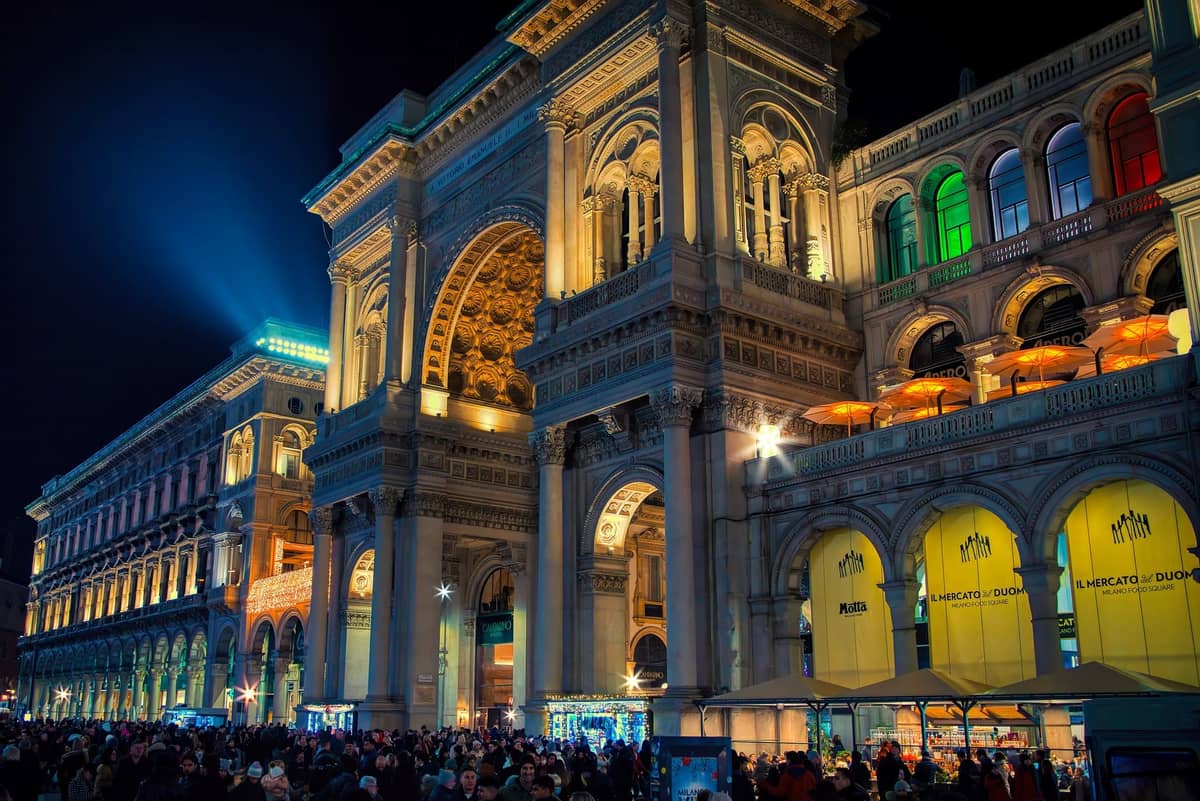
If you show up at a Milan club at 22:00 expecting a crowd, you will be standing in an empty room. The city operates on one of the latest evening schedules in Western Europe. Aperitivo begins at around 18:30 and runs until 21:00, functioning as a social ritual rather than a substitute for dinner. You pay roughly €10 for a drink, and light food — bruschette, olives, small plates — comes with it. This is not an all-you-can-eat arrangement; it is a pre-dinner social moment.
Dinner follows at 20:00 at the earliest, more commonly at 21:00 or 21:30 at restaurants that take the meal seriously. Bars pick up from around 22:00, and clubs do not fill meaningfully until around midnight. Peak hours in the main venues run from 01:00 to 03:00. On weekends, many clubs stay open until 05:00. Plan your night accordingly — arriving early anywhere is a fast track to disappointment.
ℹ️ Good to know
Aperitivo is not a cheap dinner loophole. While some bars offer more generous spreads, the social expectation is that you are having drinks with light bites before going out to eat properly. Treating it as a full meal is culturally tone-deaf and can get you quietly judged by the bar staff.
The Five Main Nightlife Areas
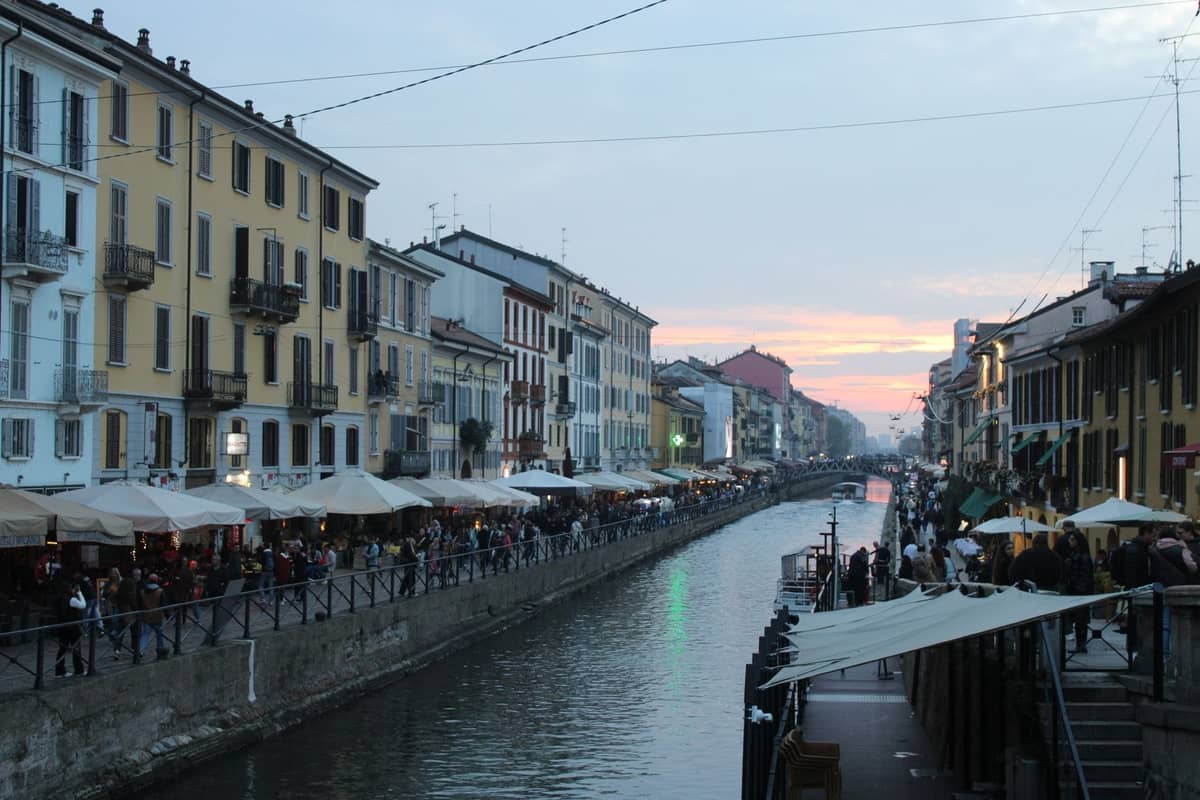
TheNavigli districtis the most immediately accessible area for nightlife newcomers. The banks of the Naviglio Grande and Naviglio Pavese are lined with bars at close enough intervals that moving between them takes about 30 seconds. The atmosphere on a Friday or Saturday night in summer is extremely packed, with crowds spilling onto the canal-side streets. In warmer months this works beautifully; in January it can feel slightly grim without the outdoor terraces. The bars here skew casual and affordable, which makes Navigli better for bar-hopping than for a refined cocktail experience.
BreraBrera is the opposite: intimate, art-world adjacent, and considerably quieter. The streets around Via Fiori Chiari and Via Madonnina fill with a slightly older, design-conscious crowd. Wine bars and cocktail lounges dominate, and the pace is slower. If you want to have an actual conversation over a good Negroni without shouting, Brera is the answer. It is also the neighbourhood most likely to have a jazz session or a low-key live acoustic set in the corner.
Porta VeneziaPorta Venezia has become Milan's most diverse and inclusive nightlife zone. The area around Corso Buenos Aires and the streets feeding off it contain a concentration of LGBTQ+-friendly bars and clubs, as well as multi-cultural venues and some of the city's more eclectic parties. The crowd is younger and the energy is less fashion-industry-anxious than in some other parts of the city. For solo travellers or anyone who finds Milan's style-consciousness exhausting, this neighbourhood tends to be more welcoming.
ThePorta Nuova and Isolaarea brings a different atmosphere altogether: rooftop bars with views over contemporary architecture, including the Bosco Verticale towers, and cocktail venues with a design-hotel sensibility. Prices are higher here and the clientele tends to be finance and fashion professionals. It is worth visiting for the views and the quality of the drinks; it is not the place for spontaneous late-night chaos.
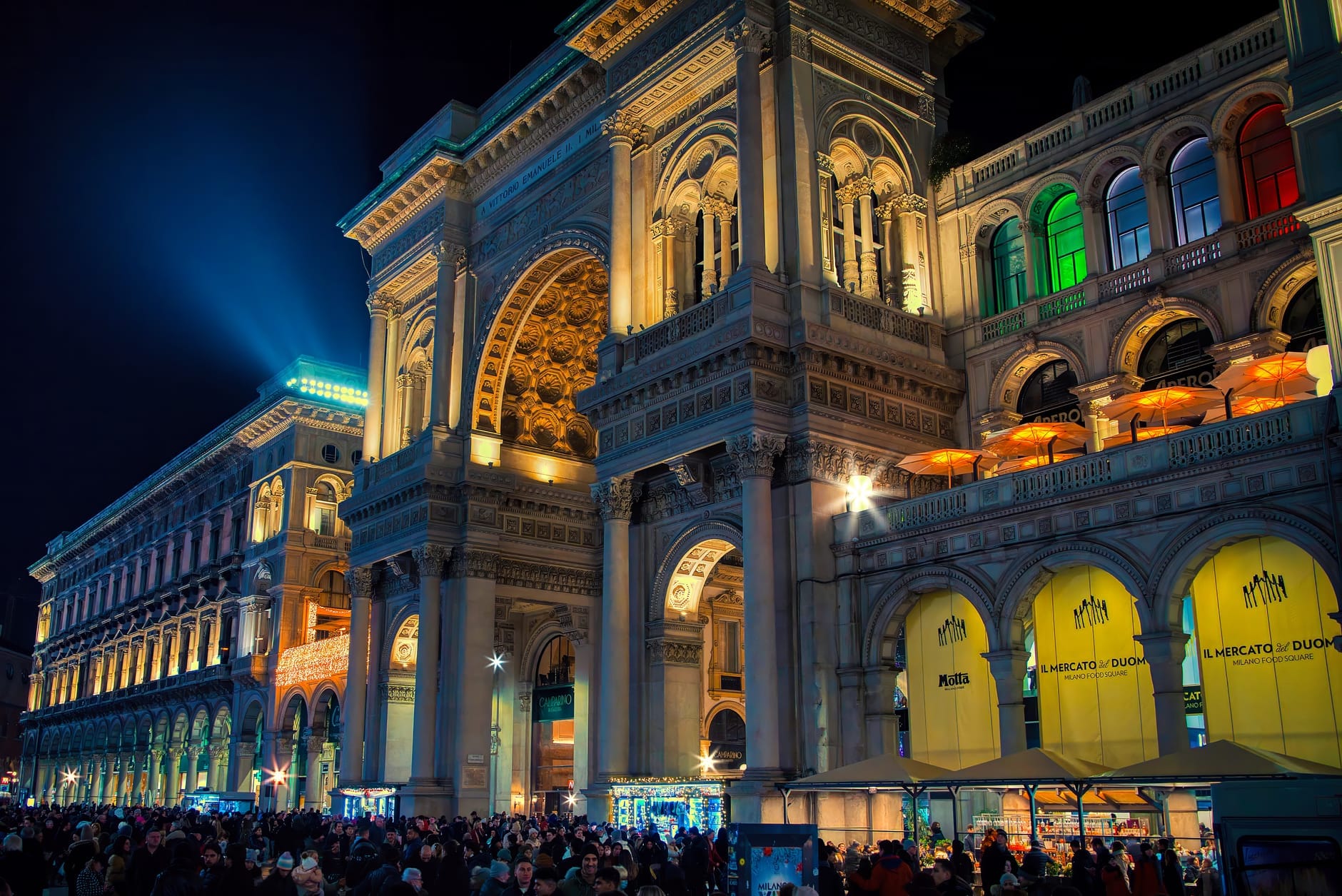
TheDuomo districtand the area around theGalleria Vittorio Emanuele IIoffer classic hotel bars and historic caffè settings. The Galleria itself has several bars, though prices reflect the location. This area works better for an early evening cocktail than a late-night session, and it makes sense as a starting point before moving to Navigli or Brera later in the night.
- Navigli Best for bar-hopping, canal-side drinking, summer evenings. Affordable, crowded on weekends, casually dressed.
- Brera Best for wine bars, cocktail lounges, quieter conversations. Art-world crowd, slightly older demographic.
- Porta Venezia Best for inclusive, diverse nightlife with a younger crowd. Strong LGBTQ+ presence and eclectic events.
- Porta Nuova / Isola Best for rooftop bars and design-forward cocktail venues. Higher prices, impressive skyline views.
- Duomo / Galleria area Best for elegant pre-dinner drinks in a historic setting. More suited to early evening than late-night.
Best Clubs in Milan
Milan's club scene is more curated than the Navigli bar crawl experience would suggest. The major venues have specific nights dedicated to electronic music, hip-hop, or house, and the crowd and dress code shift accordingly. A few names consistently appear across local recommendations and have maintained their reputations over years.
- Alcatraz One of Milan's larger live music and club venues, known for big-name concerts as well as club nights. Located in the Bovisa area, slightly outside the centre. Capacity means it handles events that smaller venues cannot.
- Plastic A Milan institution for LGBTQ+-friendly electronic music and performance nights. Not everyone's scene, but genuinely important to the city's club culture history. Small, dark, intentionally underground.
- Old Fashion Located near Parco Sempione, this venue runs both indoor and outdoor sections and covers multiple music formats across the week. The outdoor space in summer is a genuine draw.
- Hollywood Rhythmoteque Long-established venue popular with a fashion-adjacent crowd. Hip-hop and R&B nights draw significant queues on weekends. Dress code is enforced.
- Bobino Club Combines aperitivo service from 19:00 with late-night music, typically Thursday through Sunday. A useful option if you want the full evening arc in one location.
- LoolaPaloosa Popular for its mix of music formats and central location. Lively on weekends and a reliable option without extensive planning.
⚠️ What to skip
Dress codes in Milan clubs are enforced more strictly than in many other European cities. Trainers and casual sportswear will get you turned away at higher-end venues. When in doubt, dress as if you are going to a smart dinner — the city takes its style seriously at the door.
Aperitivo: The Ritual You Should Not Skip
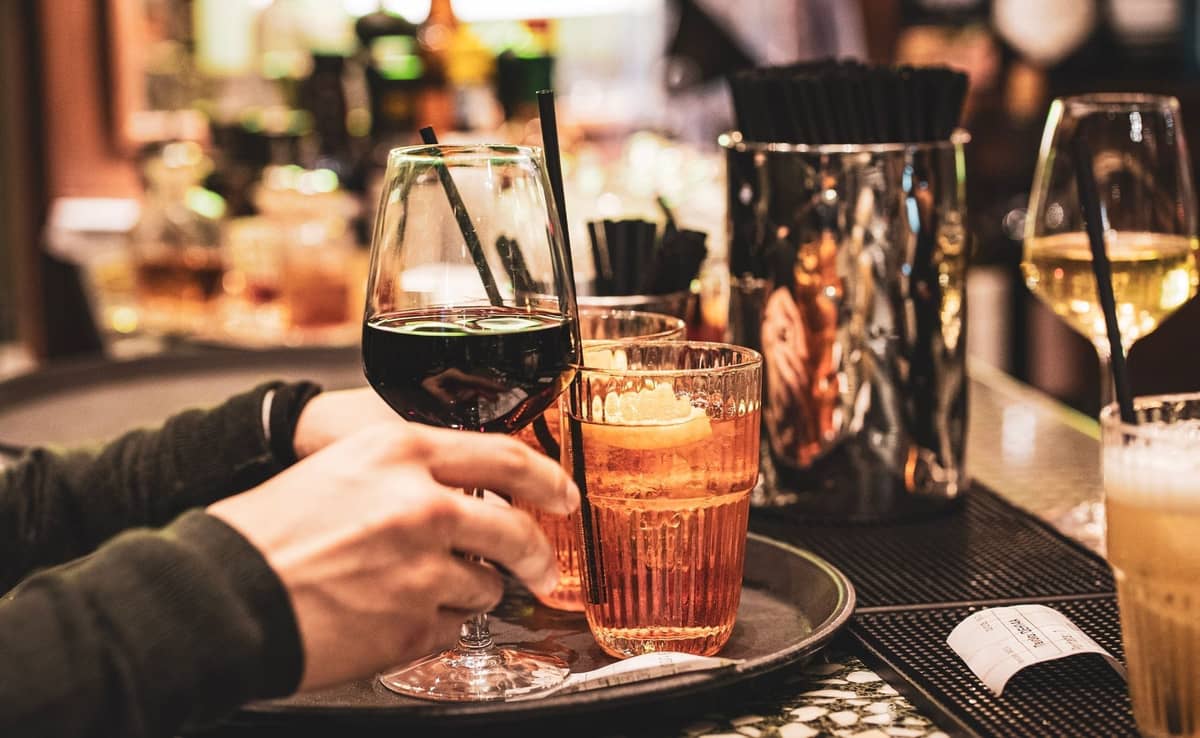
The Milanese aperitivo is one of the most specific and particularly enjoyable nightlife traditions in Italy. Across the city, from around 18:30 to 21:00, bars set out food alongside cocktail service. The standard offering includes a Negroni, Aperol Spritz, or Campari Soda alongside a selection of bruschette, olives, small fried items, and occasionally pasta or risotto in more generous establishments. The price for a drink with snacks runs around €10, though this varies significantly by area: expect to pay €8 in Navigli and €14 or more near the Duomo or in Porta Nuova.
Navigli's canal-side bars are the most popular spot for aperitivo in summer, and the atmosphere between 19:00 and 20:30 along theNaviglio Grandeis consistently good. In Brera, smaller wine bars offer a more curated aperitivo with quality natural wines and less of a crowd. Porta Venezia has some of the most generous spreads at competitive prices. Wherever you go, the custom is to linger: aperitivo is about social time, not efficiency.
✨ Pro tip
The best aperitivo value tends to be on weekday evenings, when bars are less crowded and often put out more food to attract customers. Tuesday and Wednesday aperitivo in Brera or Navigli gives you the full experience without the Friday chaos.
Prices, Booking, and Practical Logistics
A cocktail at a mid-range Milan bar costs around €10–13. At rooftop or design-hotel venues in Porta Nuova, expect €14–18. Beer on tap in Navigli runs €5–7. Many clubs charge a cover of €10–20, which sometimes includes a first drink. Weekend covers at established venues trend toward the higher end.
Guest lists are the most practical way into major clubs. Most venues publish guest list registration links on their websites or Instagram profiles, and being on the list typically means faster entry and a reduced or waived cover before a certain hour (usually midnight or 01:00). After that point, walk-in pricing applies to everyone. Event aggregators and bar crawl operators also run regular Navigli canal nights with aperitivo, bar-hopping, and access to specific venues included in a single price, which can be a reasonable option for a first night out.
For getting home, the Milan Metro (Metropolitana di Milano) runs until around midnight on weekdays and extends service on Friday and Saturday nights, though exact times vary by line and should be checked against current ATM Milan schedules before your visit. Taxis are available across the city and can be booked via app. For late-night returns from clubs that close at 04:00 or 05:00, night buses cover some routes, but a taxi or rideshare is the most reliable option.
- Aperitivo drink with snacks: around €8–14 depending on neighbourhood
- Cocktail at a mid-range bar: €10–13
- Cocktail at a rooftop or design venue: €14–18
- Beer on tap in Navigli: €5–7
- Club cover charge: €10–20, often includes first drink
- Guest list entry: free or reduced cover before 01:00 at most venues
Seasonal Patterns and When to Go
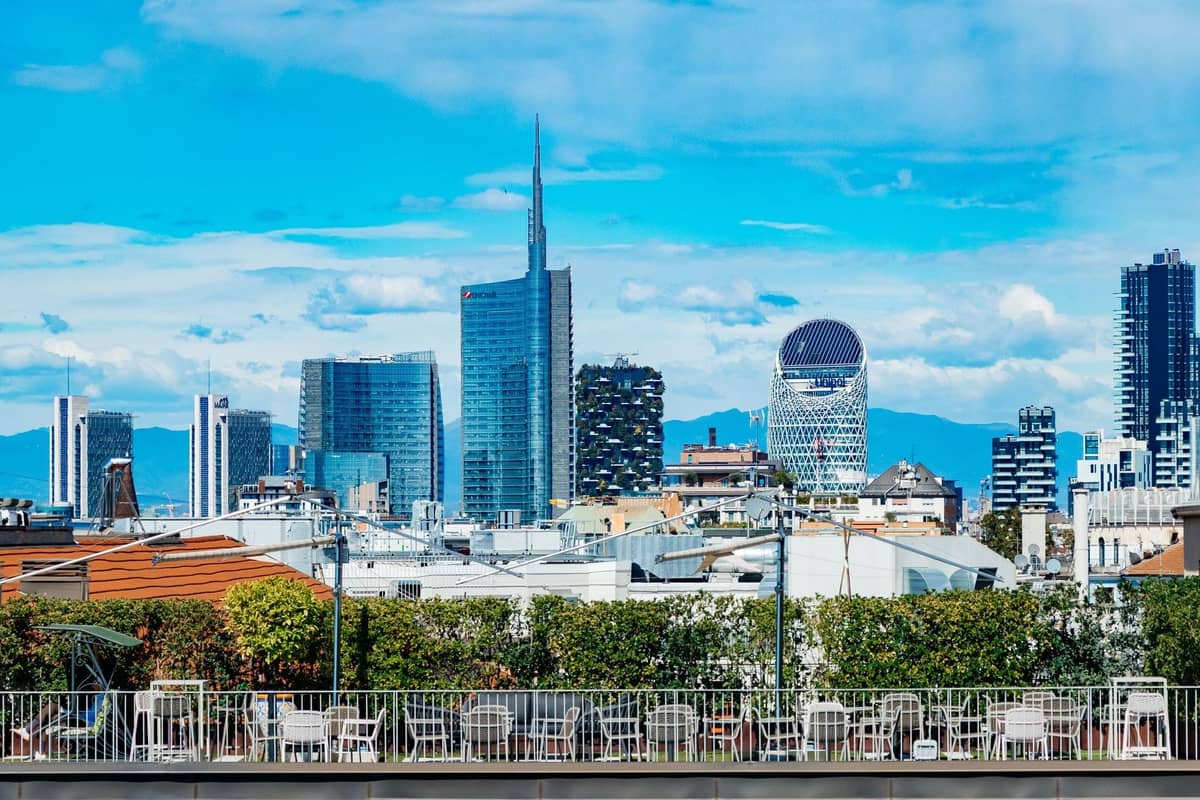
Milan nightlife is active year-round, but the experience shifts considerably across seasons. Summer (June through August) is when the canal-side bars in Navigli are at their best, outdoor terraces fill up, and rooftop venues in Porta Nuova justify the prices with warm evening air. The city also sees fewer international tourists in the nightlife areas during July and August compared to spring, as many Milanese leave for the coast, which can actually make certain venues more manageable. Forspring visits, April through June is consistently recommended: the weather is pleasant (15–25°C in the evenings), the city is energised, and events tied to design and fashion weeks in April bring a particular intensity to the nightlife calendar.
Winter nightlife concentrates indoors. The canal area is less atmospheric without the outdoor terraces, but clubs and cocktail bars in Brera and Porta Venezia operate normally and are often more intimate for it. If you are visiting in December or January, shift your focus from Navigli bar-hopping to specific venues with good indoor spaces.Winter in MilanWinter nightlife concentrates indoors. The canal area is less atmospheric without the outdoor terraces, but clubs and cocktail bars in Brera and Porta Venezia operate normally and are often more intimate for it. If you are visiting in December or January, shift your focus from Navigli bar-hopping to specific venues with good indoor spaces. Porta Nuova has its own appeal, and the nightlife does not disappear — it just moves inside.
💡 Local tip
During Milan Design Week in April (Fuorisalone), the city's nightlife peaks in ways that are hard to replicate the rest of the year. Temporary bars appear in unexpected spaces, studios host evening events open to the public, and the general energy is unusually high. Book accommodation well in advance if you plan to visit during this period.
FAQ
What time do clubs open and close in Milan?
Most Milan clubs open their doors at 23:00–23:30 but do not fill until around midnight to 01:00. Peak hours are 01:00–03:00. On weekends, many venues stay open until 04:00 or 05:00. Arriving before midnight is rarely worth it.
Is Navigli the best area for nightlife in Milan?
Navigli is the most accessible and energetic area for casual bar-hopping, especially in summer along the Naviglio Grande. However, Brera is better for wine bars and cocktails, Porta Venezia is more inclusive and diverse, and Porta Nuova has the best rooftop bars. No single area covers everything.
How much does a night out in Milan cost?
Aperitivo runs around €8–14. Cocktails at mid-range bars cost €10–13. Club entry is typically €10–20, sometimes including a drink. A full evening — aperitivo, a few drinks, and club entry — realistically costs €40–70 per person depending on the area and venues.
Do I need to book clubs in advance in Milan?
For major venues on busy weekend nights, registering on the guest list online is strongly recommended. It is usually free, gets you faster entry, and often reduces or eliminates the cover charge before 01:00. Walk-ins are generally possible but involve queuing and full-price entry.
How do I get home from a club in Milan late at night?
The Milan Metro runs until around midnight on weekdays and later on Friday and Saturday, but clubs typically run well past that. Taxis are available across the city and can be booked via app. For 04:00 or 05:00 finishes, a taxi or rideshare is the most reliable option. Night buses exist but coverage is limited and journey times are long.