Milan in Winter: Christmas Markets, Events & Everything You Need to Know
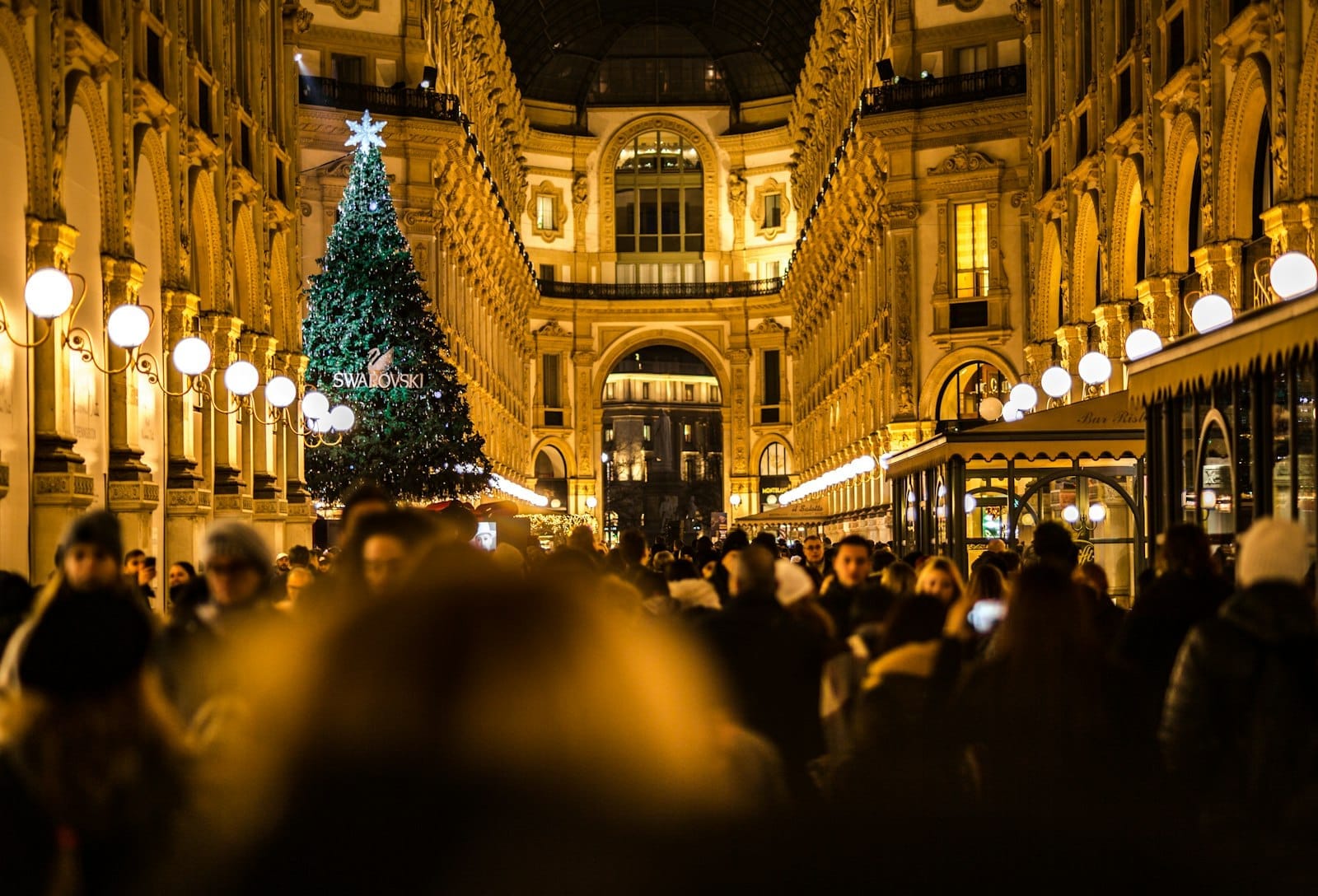
Milan transforms in winter into one of Italy's most atmospheric cold-weather destinations, with Christmas markets around the Duomo, centuries-old fairs near Castello Sforzesco, and a city that keeps its cultural calendar packed well past the holidays. This guide covers what to see, when to go, and how to get the most out of the season.
Plan and book this trip
Tools from our partner Travelpayouts help you compare flights and hotels. If you book through them, we may earn a commission at no extra cost to you.
Flights
Hotels map
TL;DR
- Milan's main Christmas markets run from late November through Epiphany (6 January), with the biggest concentration between 1 December and early January.
- The Oh Bej! Oh Bej! fair around Castello Sforzesco (typically 5-8 December) is the most historically significant event and draws large crowds on Sant'Ambrogio day (7 December).
- Most markets are free to enter; bring cash for small food and craft vendors even if card payments are increasingly common.
- Winter temperatures average 0-8°C, so pack serious layers. For a broader seasonal overview, see the best time to visit Milan guide.
- Milan hosted several events during the 2026 Milan-Cortina Winter Olympics in February 2026, including ice hockey and figure skating, adding to the city's already rich winter cultural calendar.
What Milan Is Like in Winter
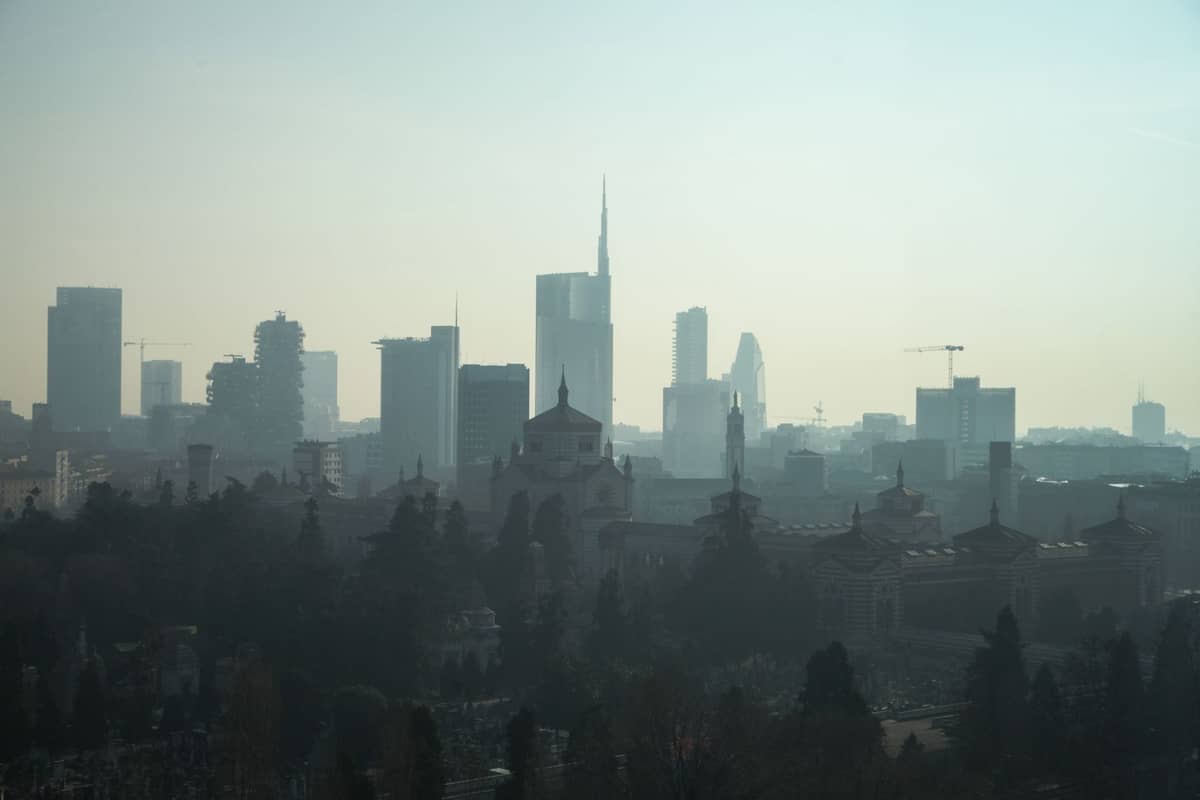
Winter in Milan is colder and greyer than many visitors expect. Situated in the Po Valley at around 120 metres above sea level, the city sits in a natural basin that traps cold air and fog, particularly from November through February. Average daytime highs run between 6-8°C in December and January, with overnight lows frequently dropping to 0°C or below. Fog is a defining feature of the Milanese winter, sometimes persisting through midday.
That said, winter has real advantages. Crowds are thinner at major museums and attractions compared to spring and summer peaks. Hotels are cheaper outside of the Christmas and New Year window. And the city's cultural and social life accelerates: La Scala's opera season is in full swing, the Christmas market circuit runs across multiple neighbourhoods, and the Sant'Ambrogio public holiday on 7 December marks one of the most locally celebrated days of the year.
💡 Local tip
Pack proper winter clothing. A light jacket is not enough for Milan in December and January. Waterproof footwear, a warm coat, and a scarf are practical necessities, especially for evening market visits when temperatures drop sharply.
Christmas Markets: The Main Events
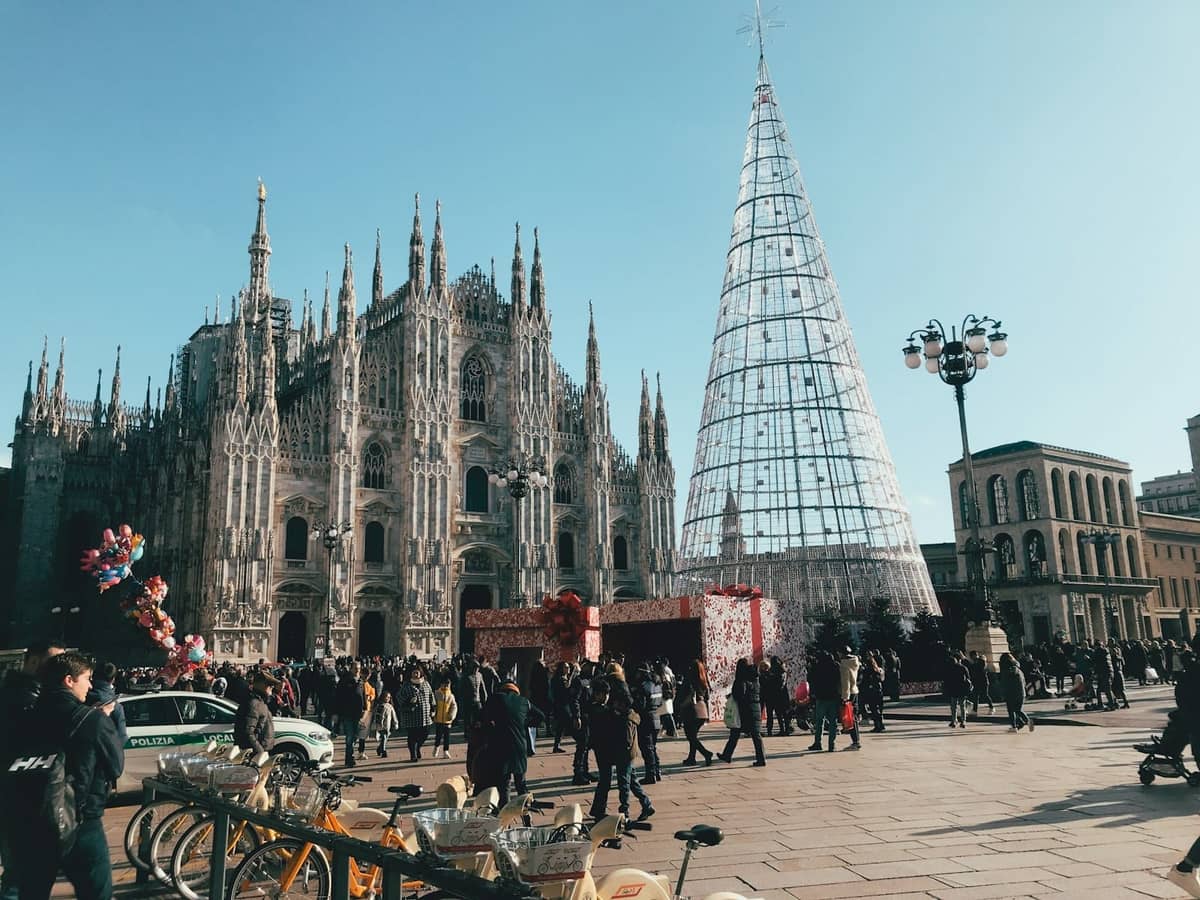
Milan runs Christmas markets across multiple neighbourhoods simultaneously, not just in one central square. The largest and most photographed is the market in Piazza del Duomo, where around 60 wooden chalets typically open from 1 December through 6 January (Epiphany). Hours run approximately 09:00-21:00 daily, though these vary by year, so check the Comune di Milano website closer to your visit. The cathedral backdrop makes this the most scenic market in the city, but it is also the most tourist-oriented, with pricing to match.
The Oh Bej! Oh Bej! fair is a different animal entirely. Dating back to the 15th century, it takes place around Castello Sforzesco and spills into Parco Sempione. It typically runs around 5-8 December, centred on Sant'Ambrogio day (7 December), Milan's patron saint holiday and a local public holiday. This market is more antiques and collectibles than crafts and mulled wine, with vendors selling vintage objects, prints, and second-hand goods alongside food stalls. It draws a genuinely local crowd and is worth attending on a weekday morning when it is less packed.
- Piazza del Duomo Christmas Market Around 60 chalets, typically 1 Dec - 6 Jan, daily 09:00-21:00. Free entry, tourist-facing vendors, excellent for atmosphere.
- Oh Bej! Oh Bej! (Sant'Ambrogio Fair) Around Castello Sforzesco, typically 5-8 December. Milan's oldest surviving Christmas market; antiques, vintage goods, local food. Free entry.
- Artigiano in Fiera Large indoor craft and artisan fair at Fiera Milano Rho, typically 6-14 December. Free entry but requires online registration. Metro-accessible via Line 1.
- Villaggio delle Meraviglie (Fairy Tale Village) Located in Giardini Indro Montanelli, typically 15 November - 6 January. Family-oriented with ice rink, rides, food stalls, and shows. Skating and ride tickets are paid separately.
- Navigli, Brera, and Piazza Gae Aulenti Markets Smaller neighbourhood markets, typically running late November through early January. More local in character, easier to navigate on foot.
⚠️ What to skip
Market dates are not fixed from year to year. The patterns above reflect recent seasons, but exact opening and closing dates shift. Always confirm current-year schedules on the official Comune di Milano website (comune.milano.it) or the individual event sites before booking travel around specific dates.
Practical Logistics: Tickets, Cash, and Crowds
Entry to Christmas markets in Milan is free across the board. You pay for what you buy, and for extras like ice skating at the Fairy Tale Village in Giardini Montanelli. Artigiano in Fiera at Fiera Milano Rho is also free but requires advance registration through the official fair website. This is a very large trade fair spanning global artisan goods, food, and crafts from dozens of countries, so allocate several hours if you go.
On the cash question: most established vendors at the larger markets accept card payments, but smaller stalls and street food vendors often prefer cash. Carrying 20-30 euros in small bills covers most impulse purchases without hassle. ATMs are plentiful near the Duomo and throughout the city centre.
Crowds are at their worst on weekends, on Sant'Ambrogio day (7 December), and between Christmas and New Year. The Oh Bej! Oh Bej! fair on 7 December is particularly packed because it coincides with a public holiday, and the streets around Castello Sforzesco fill up from late morning. If you want to browse without being shoulder-to-shoulder with other visitors, arrive at 09:00-10:00 on a weekday.
Beyond the Markets: Winter Events and Culture
Winter is peak season at Teatro alla Scala, one of the world's most famous opera houses. The season traditionally opens on 7 December (Sant'Ambrogio), and tickets for headline performances sell out months in advance. If you want to see a performance, book through the official Teatro alla Scala website as early as possible. Alternatively, the La Scala museum is open year-round and gives access to the historic auditorium outside performance hours.
Milan's museum circuit is particularly appealing in winter because queues are significantly shorter than in spring or summer. The Cenacolo Vinciano (Last Supper) still requires advance booking regardless of season, but other major collections, including the Pinacoteca di Brera and the Pinacoteca Ambrosiana, are notably less crowded from January through early March.
Milan served as a co-host city for the 2026 Milan-Cortina Winter Olympics in February 2026. The opening ceremony took place at San Siro, with ice hockey held at PalaItalia Santa Giulia and preliminary rounds at Milano Rho Arena. Figure skating and short track speed skating were hosted at the Unipol Forum in Assago. The Games brought international attention and a wave of cultural programming to the city, reinforcing Milan's standing as a major winter destination.
✨ Pro tip
January, after Epiphany, is arguably the best value month to visit Milan in winter. Christmas decorations come down, markets close, but the city is quiet, hotel rates drop, and the cultural calendar (opera, museums, theatre) remains strong. It is also prime time for winter sales (saldi invernali) in the fashion district.
Getting Around Milan in Winter
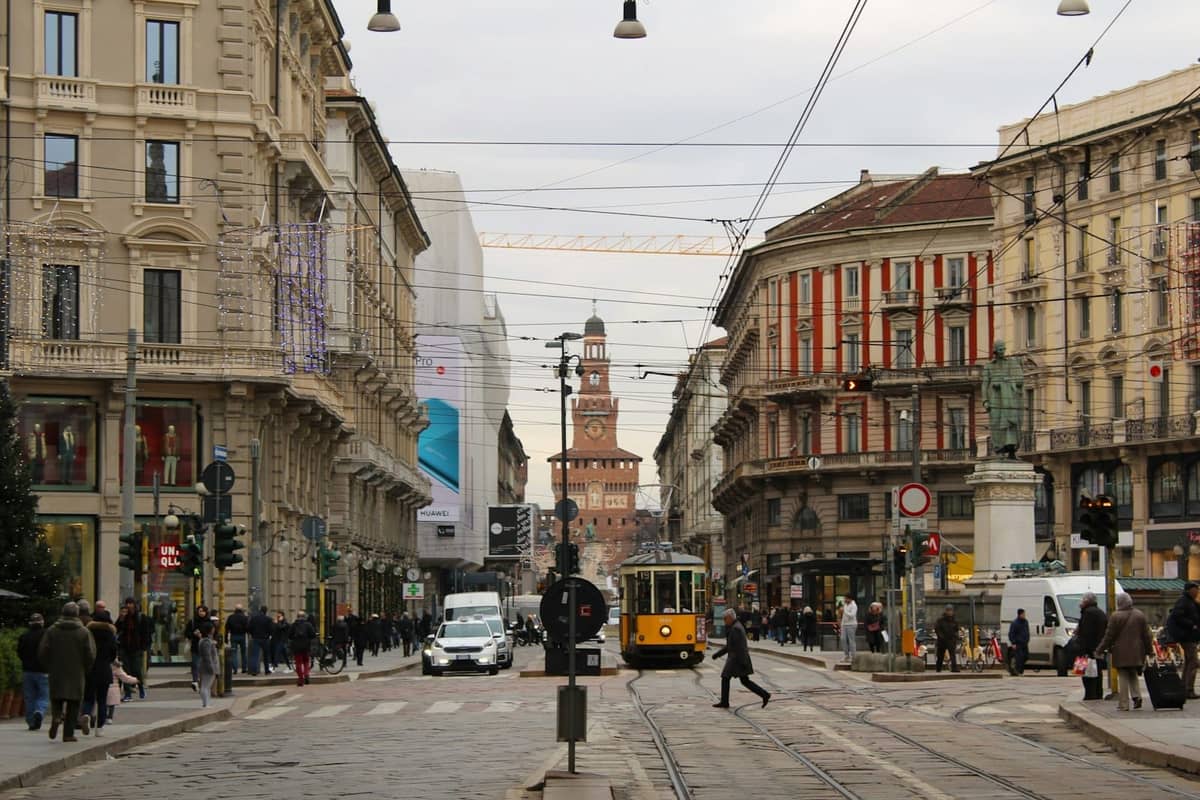
Milan's metro system (Metropolitana di Milano) runs four lines and covers the main visitor areas efficiently. For the Christmas market circuit, Line 1 (red) reaches the Duomo directly, and Castello Sforzesco is a 15-minute walk from Cadorna station or accessible via tram lines running along Corso Magenta. The Navigli neighbourhood, home to its own smaller winter market scene, is served by trams and the Porta Genova metro station on Line 2. For a full breakdown of how to move around the city, the getting around Milan guide covers all the options.
Fog and occasional ice are factors in winter, especially for those considering cycling (Milan has a bike-share scheme). Walking between the Duomo market, Brera, and the Sforzesco area is feasible in about 20-30 minutes each leg, which is a reasonable way to connect the main market sites on a single day. Public transport single tickets and day passes are available from vending machines at all metro stations.
- From Malpensa Airport (MXP, 45-50 km): Malpensa Express train to Milano Centrale or Cadorna, approximately 50-60 minutes.
- From Linate Airport (LIN, 7-8 km): Bus or metro connection to the city centre, under 30 minutes.
- From Bergamo Orio al Serio (BGY, 45-50 km): Shuttle buses run regularly to Milano Centrale, approximately 60 minutes depending on traffic.
- Within the city: Metro, tram, and bus network covers all main market and attraction zones. Single tickets and 24/48/72-hour passes available.
Where to Eat and Drink During Winter Visits
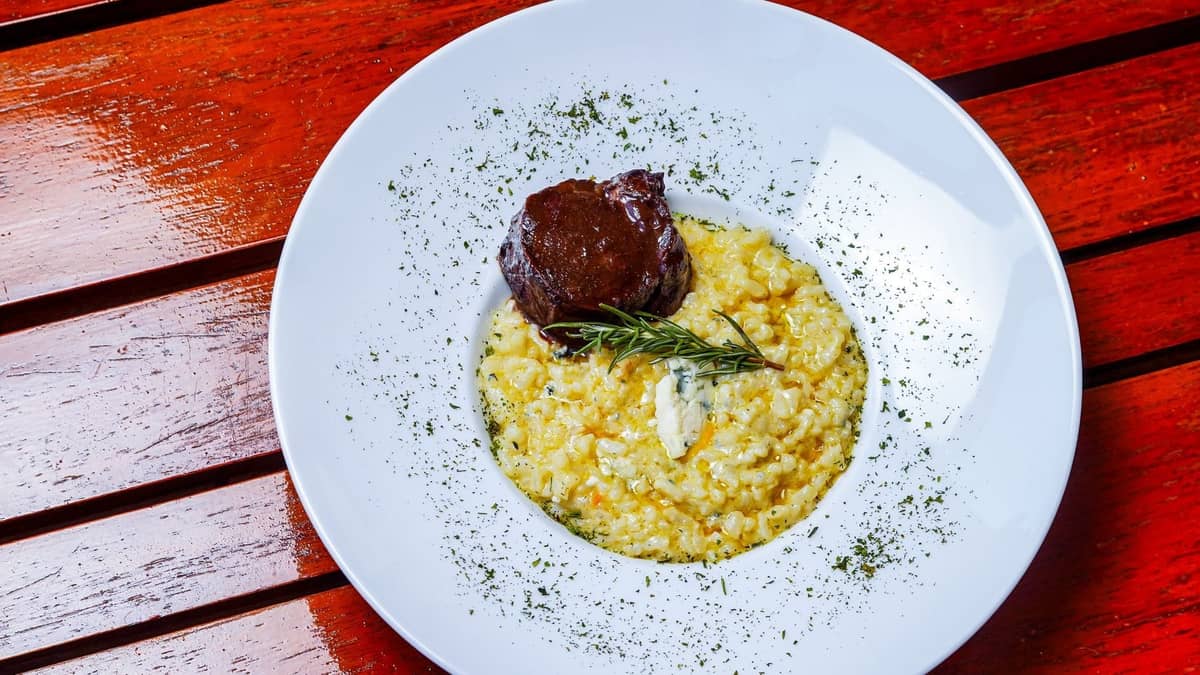
Winter food in Milan rewards those who move beyond the market stalls. The Milanese winter table centres on warming dishes: risotto alla milanese (saffron risotto), osso buco, polenta, and cassoeula (a pork and cabbage stew). These dishes appear on menus across the city from October through March. The Milan food guide covers where to find the best versions across different neighbourhoods and price points.
At the markets themselves, expect vin brulé (mulled wine), hot chocolate, roasted chestnuts, and panettone in various forms. Prices at Duomo market stalls tend to run higher than neighbourhood alternatives. The Navigli and Brera market areas generally offer better value and a less tourist-saturated atmosphere. A cup of vin brulé at a market stall typically costs around 3-5 euros.
FAQ
When do Milan Christmas markets open and close?
The main market at Piazza del Duomo typically runs from 1 December through 6 January (Epiphany), with daily hours around 09:00-21:00. The Oh Bej! Oh Bej! fair runs for a shorter window, usually 5-8 December around Sant'Ambrogio day. Smaller neighbourhood markets open from late November onward. Exact dates vary year to year, so confirm on the Comune di Milano official website before your trip.
Is Milan cold in winter?
Yes, properly cold. Milan's Po Valley location means daytime temperatures in December and January average 6-8°C, with overnight lows often at or below 0°C. Fog is common, particularly in the mornings. Pack a proper winter coat, waterproof shoes, and layers. It is not the place for a light travel jacket.
Do you need to book Christmas market tickets in advance?
Most Christmas markets in Milan are free to enter with no booking required. The exception is Artigiano in Fiera at Fiera Milano Rho, which is also free but requires online registration through the official fair website. For Teatro alla Scala opera performances, tickets sell out months in advance and must be booked as early as possible through the official website.
What is the Oh Bej! Oh Bej! market?
Oh Bej! Oh Bej! is one of Milan's oldest traditional fairs, dating back to the 15th century. It takes place around Castello Sforzesco, typically over 5-8 December around the Sant'Ambrogio public holiday (7 December). Unlike the Duomo market, it specialises in antiques, vintage items, collectibles, and local food, and attracts a more local Milanese crowd. It is one of the more culturally authentic seasonal events in the city.
Did the 2026 Winter Olympics affect Milan as a winter destination?
The Milan-Cortina 2026 Winter Olympics took place in February 2026, with the opening ceremony at San Siro, ice hockey at PalaItalia Santa Giulia (and preliminary rounds at Milano Rho Arena), and figure skating and short track speed skating at the Unipol Forum in Assago. The Games brought heightened international attention and cultural programming to the city. New and upgraded venues from the Olympics continue to host events, and the infrastructure improvements have benefited Milan as a winter destination.