Milan with Kids: Best Family-Friendly Activities
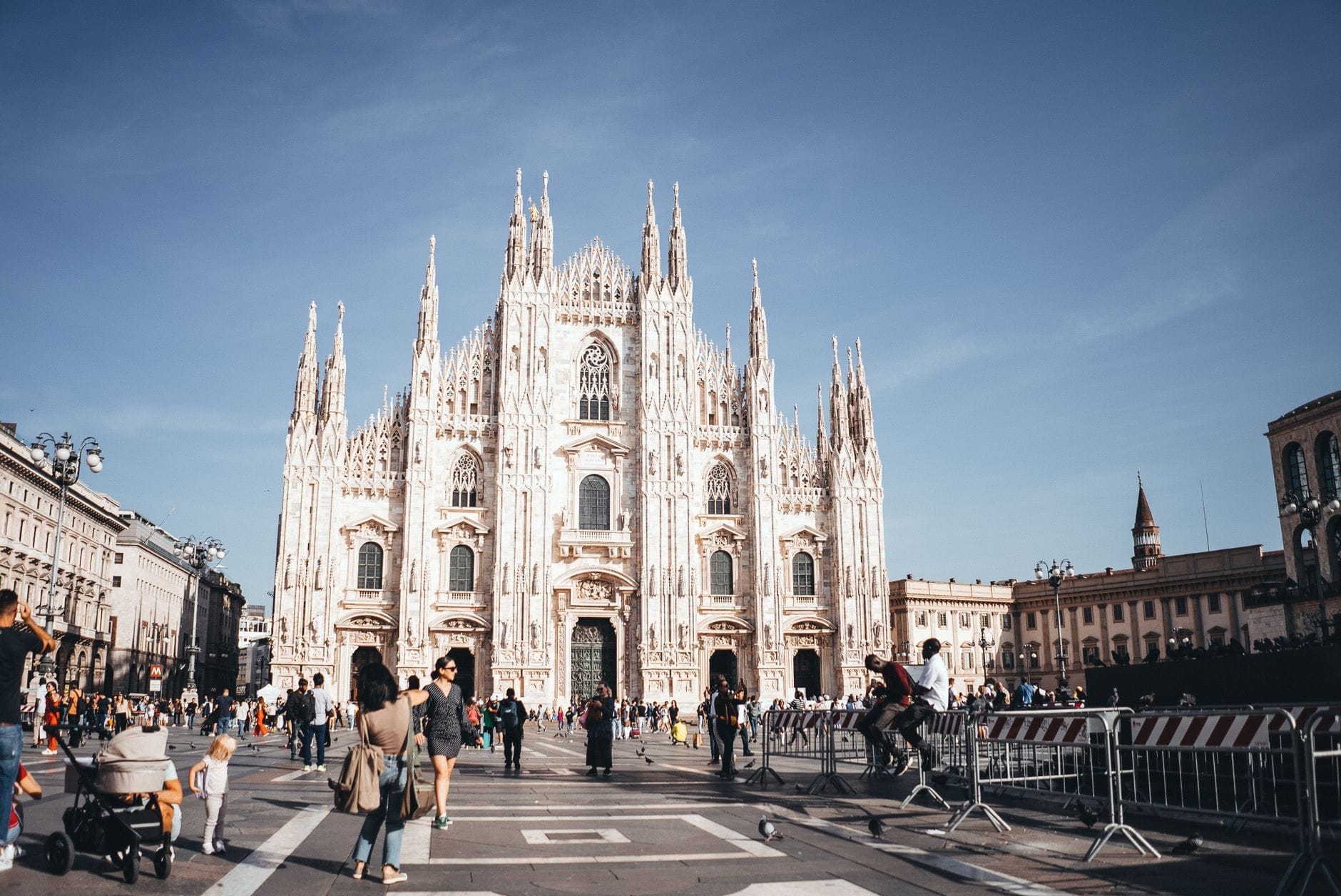
Milan rewards families more than most people expect. From the interactive Leonardo da Vinci Science Museum to the free courtyards of Castello Sforzesco and the rooftop terraces of the Duomo, the city packs a serious amount of child-friendly content into a compact, walkable center. This guide cuts through the noise with specific venues, practical assessments, and logistics that actually help.
Plan and book this trip
Tools from our partner Travelpayouts help you compare flights and hotels. If you book through them, we may earn a commission at no extra cost to you.
Flights
Hotels map
TL;DR
- Milan's most family-friendly cluster is the Castello Sforzesco and Parco Sempione area: free entry, playgrounds, and the small Acquario Civico all within walking distance.
- The Museo Nazionale Scienza e Tecnologia Leonardo da Vinci is the single best rainy-day option for kids: large, interactive, and genuinely engaging. See our Leonardo da Vinci guide for context on his Milan legacy.
- Book the Duomo rooftop and San Siro stadium tours in advance — both sell out, especially on weekends and during school holidays.
- Several top family experiences cost nothing: the Galleria Vittorio Emanuele II, castle courtyards, Parco Sempione, and Giardini Pubblici Indro Montanelli are all free to enter.
- Spring (April-June) and early autumn (September-October) are the most comfortable seasons for outdoor activities with children, with daytime temperatures typically between 15-24°C.
Why Milan Works for Families
The reputation Milan has as a fashion-and-business city leads many families to overlook it entirely, or to visit for only half a day en route to the lakes. That is a mistake. The city has a dense concentration of hands-on museums, large parks, and iconic architecture within a relatively small central zone, meaning you spend less time in transit and more time actually doing things. The metro system is clean, straightforward, and connects most major family attractions. Children under a certain age ride free on public transport — confirm the current age threshold with ATM (Azienda Trasporti Milanesi) before your trip.
The city's walkable historic center keeps logistics manageable. The route from the Duomo di Milano to Castello Sforzesco is roughly 1.5 km along Via Dante, a pedestrianized street with no traffic, shops, and gelato stops. That single corridor alone can anchor a full family day.
💡 Local tip
For families staying multiple days, the Milano City Pass or similar combo cards can reduce per-attraction costs significantly. Compare options against your planned itinerary before buying — some cards exclude the Duomo rooftop or science museum.
Top Attractions for Kids in Milan
The Museo Nazionale Scienza e Tecnologia Leonardo da Vinci is the standout choice for school-age children. It is one of the largest science and technology museums in Europe, spread across a former monastery in the Ticinese district. Exhibits cover physics, energy, space exploration, digital technology, and transport — including a full-size submarine that children can walk through. Ticket prices are around €13 for adults and €7.50 for children aged 3-14, with under-3s admitted free (verify current rates on the museum website before visiting). Plan for at least two to three hours; the museum is large enough that selective visiting by interest is the smarter approach.
The Duomo rooftop terraces are one of Milan's most memorable experiences for children old enough to appreciate height and scale. Access by elevator (the recommended option for families) costs around €10-20 depending on the ticket tier — check the official Duomo di Milano website for current prices as these change seasonally. The forest of marble spires at close range impresses even children who would otherwise find cathedral visits tedious. Book online in advance, particularly on weekends, as timed entry slots fill up.
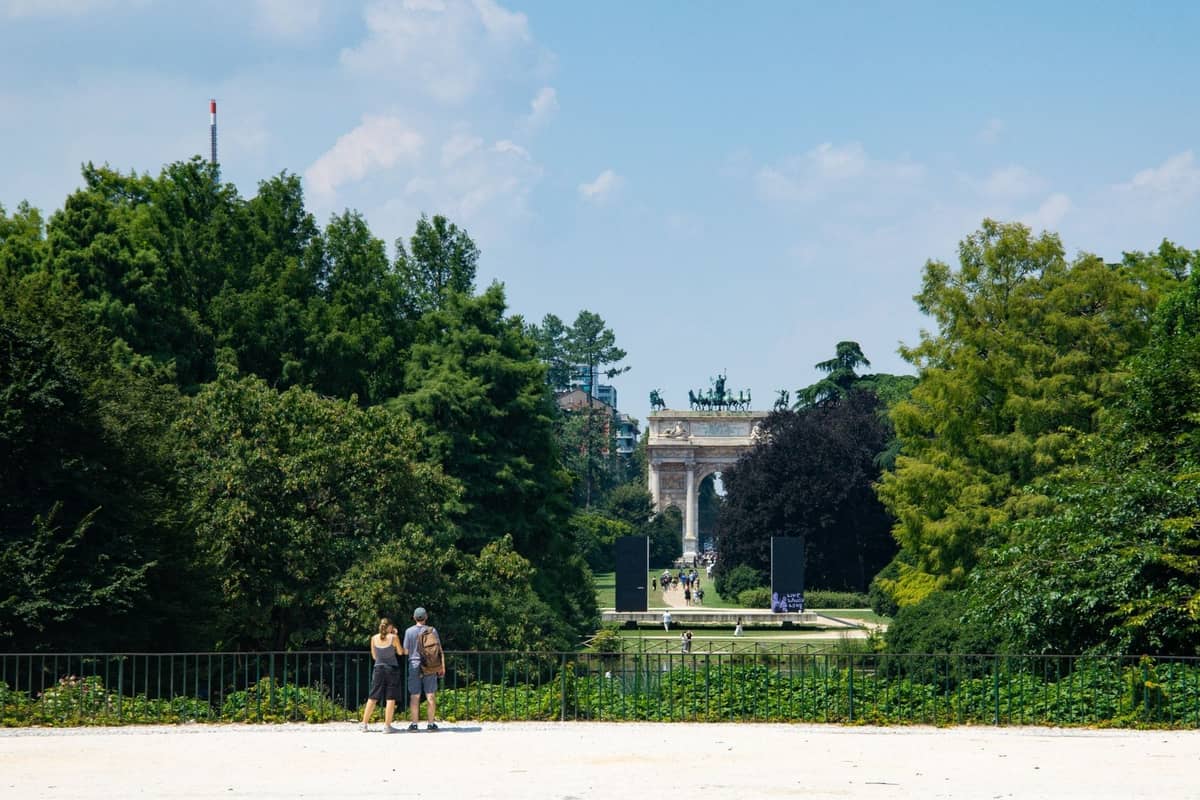
- Castello Sforzesco + Parco Sempione The castle courtyards are free to enter and connect directly to Parco Sempione, Milan's main central park. The park has playgrounds, a small lake, and enough open space for children to decompress after museum visits. Combined with the Torre Branca observation tower inside the park, this area can fill an entire morning or afternoon.
- Acquario Civico di Milano A small, manageable aquarium adjacent to Parco Sempione. Ticket prices are modest (around €5 adults, €3 children — verify before visiting). It is a short visit, roughly 45-60 minutes, which makes it ideal for younger children or as an add-on to a Parco Sempione afternoon.
- Giardini Pubblici Indro Montanelli Milan's oldest public gardens, near Porta Venezia, include a Natural History Museum and a planetarium. The park has a riding track, playgrounds, and a small carousel. Free entry to the gardens; museum and planetarium charge separately.
- MUBA – Museo dei Bambini Milano Milan's dedicated children's museum, focused on interactive workshops for ages roughly 1-11. Time-slot reservations are usually required. Not the largest children's museum you will ever visit, but well-designed and specifically calibrated for younger children in a way that generalist science museums are not.
- San Siro Stadium Tour Football-loving children will rank this among the trip highlights. The Museo Inter e Milan includes access to the dressing rooms, pitch-side tunnel, and press areas. Tours run most days when there is no match scheduled — check the official San Siro website for dates and book ahead.
⚠️ What to skip
Visiting the Last Supper (Cenacolo Vinciano) with young children requires careful thought. Entry is in small timed groups, visits last exactly 15 minutes, and children must remain quiet and still. It is a an extraordinary work of art, but it is not designed for toddlers or restless younger children. Consider whether your kids are ready for that format before booking the tickets, which are competitive and require advance reservation.
Free and Low-Cost Family Experiences
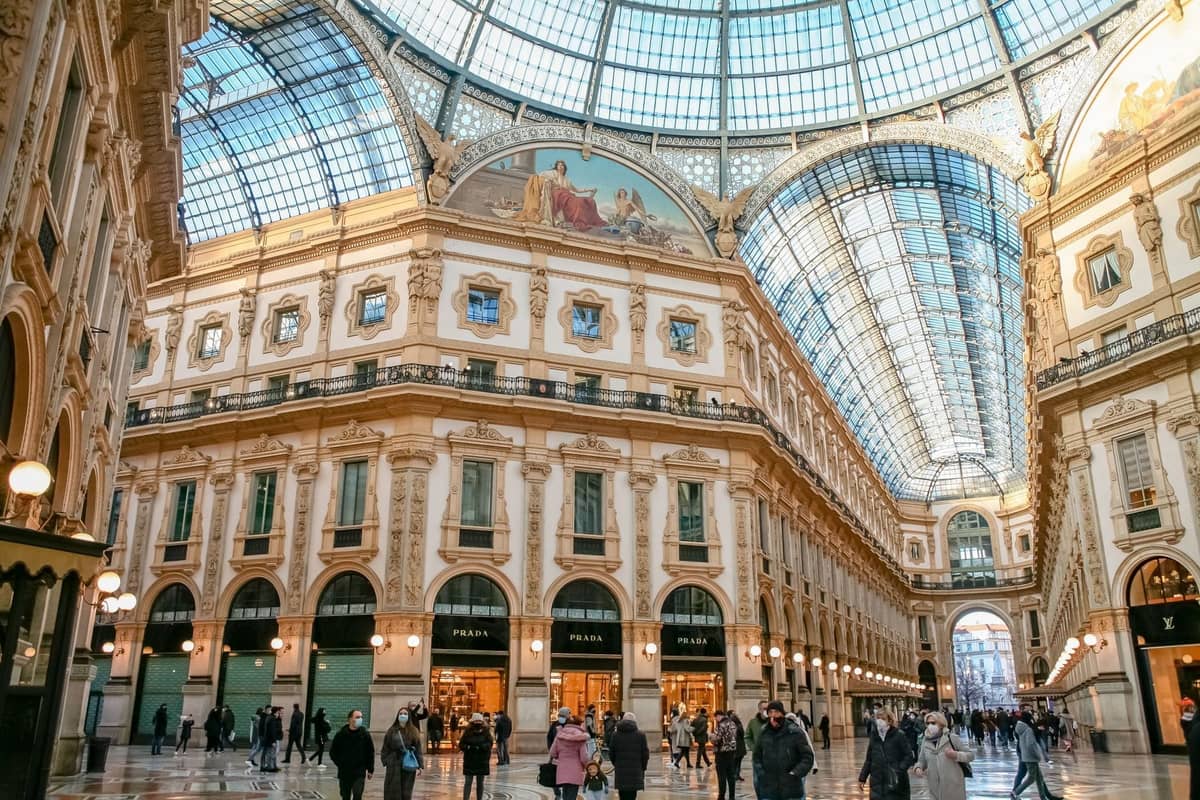
Milan's most family-friendly area costs nothing to enter. The Galleria Vittorio Emanuele II is a 19th-century glass-and-iron arcade connecting the Duomo to La Scala, and walking through it is free. Look up at the central dome and point out the mosaic floor — children respond well to the sheer scale. It leads directly into Piazza della Scala, where the facade of Teatro alla Scala provides a natural stop and photo opportunity.
The Colonne di San Lorenzo in the Ticinese district are Roman columns dating to the 2nd-3rd century AD, standing in an open piazza where children can run around freely. The adjacent Basilica di San Lorenzo Maggiore is free to enter. This area connects naturally to the Navigli canal district for an afternoon walk along the waterfront — flat terrain, good for strollers and younger children.
✨ Pro tip
Many state museums in Italy offer free entry on the first Sunday of each month. The timing varies by institution — check individual museum websites before your visit. If your dates align, this is a straightforward way to visit the Pinacoteca di Brera or other venues without paying adult admission.
Planning by Age Group
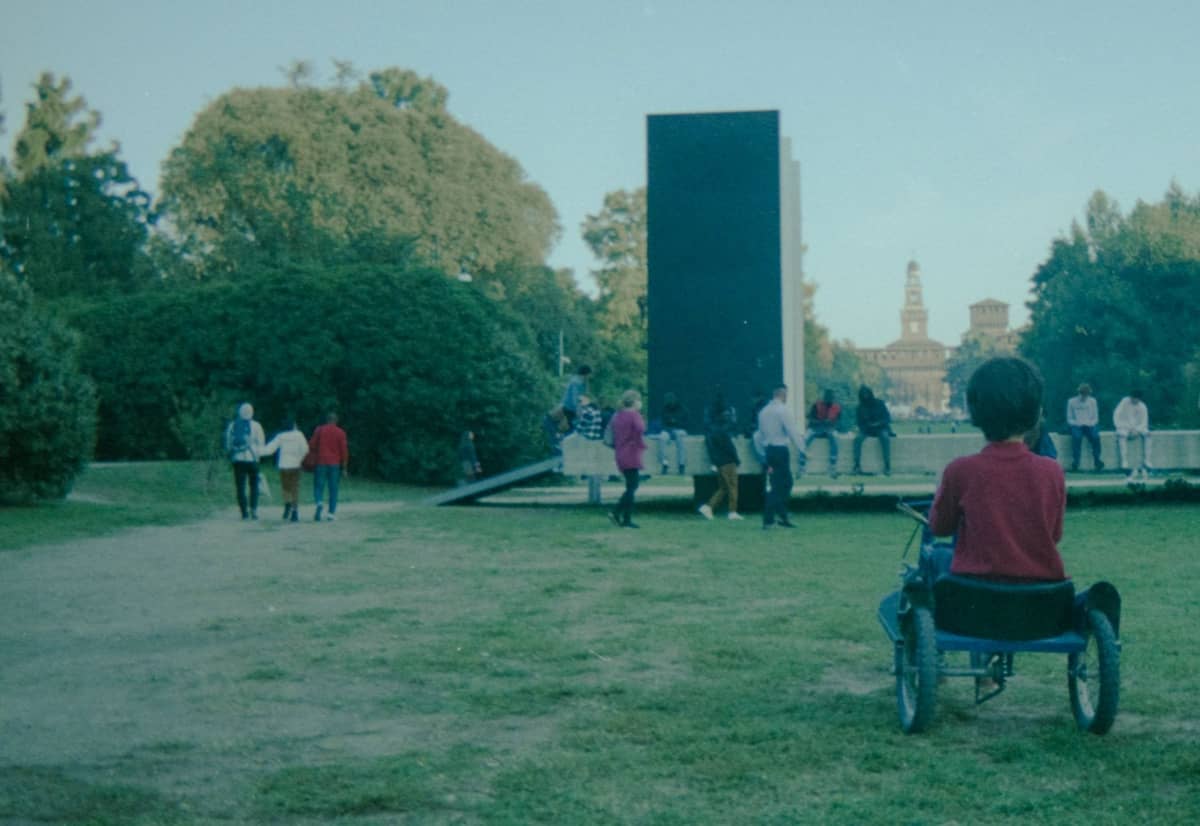
Toddlers and under-5s do best with the parks and open spaces: Parco Sempione, Giardini Pubblici Indro Montanelli, and the pedestrianized streets around the Duomo. The Acquario Civico works well for this age group because it is short, visually immediate, and not overwhelming. MUBA is specifically designed for young children and worth booking if you have kids under 7.
Children aged 6-12 are the primary audience for the Science Museum, which earns its reputation with this group. The submarine, the railway exhibits, and the energy and space sections hold attention well. The Duomo rooftop works for any child old enough to enjoy a view and not be afraid of heights. San Siro tours will resonate with this age group if they follow football at all.
Teenagers are the trickiest audience in any city. Milan's fashion and design focus can actually work in your favor here: the Triennale Design Museum near Parco Sempione addresses contemporary design and culture in ways that connect with teenagers more readily than classical art museums. For football fans, San Siro remains a draw at any age. The Navigli district, with its canal-side cafes and street food, gives older children and teenagers a degree of independence that makes the visit feel less forced.
Practical Logistics for Families in Milan
Milan's metro system makes cross-city travel straightforward. The M1 (red line) and M2 (green line) cover most family-relevant destinations: Duomo, Cadorna for the Castello area, Porta Venezia for the public gardens. For a full breakdown of routes, see the guide on getting around Milan. Single tickets cost around €2.20; a 24-hour or 48-hour pass offers better value if you are moving around frequently.
Families arriving by air should note that Linate Airport (LIN) is only 7-8 km from the city center, making it the most convenient option. Malpensa (MXP) and Bergamo Orio al Serio (BGY) are both around 45-50 km out. See the full Milan airports guide for transport options from each terminal, including current journey times and train connections.
- Book Duomo rooftop tickets and San Siro tours online at least a week ahead, more during Italian school holidays (late June-August, Christmas, Easter).
- MUBA requires advance time-slot booking through its official website — walk-up entry is rarely possible.
- The Science Museum is large enough to absorb crowds; same-day booking is usually fine except during peak periods.
- Most central attractions are within 2 km of the Duomo — a manageable walking distance for families with older children, but bring a stroller or carrier for younger ones.
- Milan in July and August is hot (frequently above 30°C) and humid. Prioritize indoor venues in the afternoon and use parks in the morning.
- Restaurants typically serve dinner from 7:30-8pm onwards; families eating earlier may find limited options in some neighborhoods. Look for trattorias rather than trendy aperitivo bars, which are not set up for children.
For accommodation, the area around Brera and the historic center keeps most attractions walkable. Families who prefer more space at a lower price point often choose neighborhoods like Porta Venezia, which sits adjacent to the public gardens and offers good metro access. For a full neighborhood breakdown, the guide on where to stay in Milan covers family considerations by district.
Seasonal Considerations for Family Visits
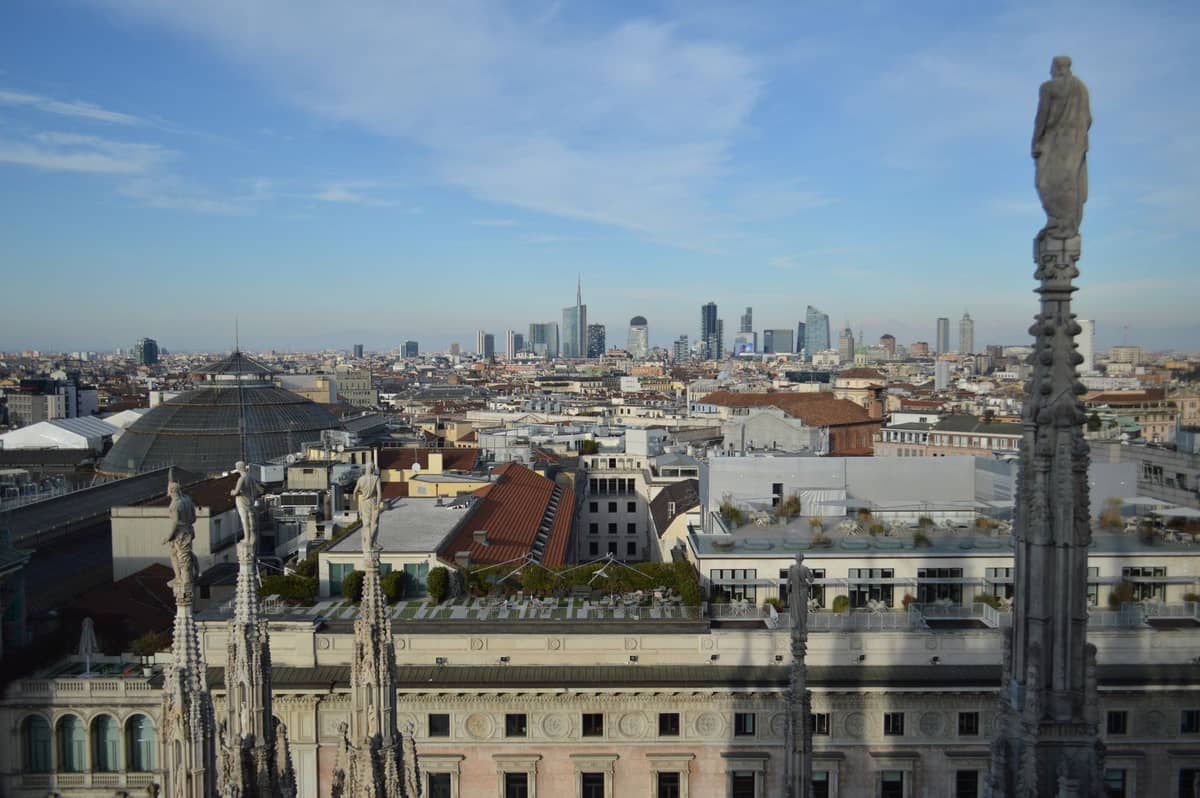
Spring (April to June) is the most comfortable season for families. Temperatures are mild (15-24°C), parks are at their best, and the outdoor rooftop visit to the Duomo is pleasant rather than sweaty. Crowds increase in May and June, particularly around the Duomo, but nothing like the peak summer levels.
Summer brings heat and humidity, which tires children quickly. The Science Museum and other indoor venues become particularly valuable in July and August. The parks are useful for early-morning or early-evening visits. Many Milanese leave the city in August, which paradoxically makes some restaurants and local spots quieter, though some smaller venues close for the month.
Autumn (September to October) is the other strong season. Temperatures drop to comfortable levels, the city is back in motion after August, and outdoor activities are again enjoyable. Winter is cold (often below 5°C in December-February) and frequently foggy. The indoor museum circuit — Science Museum, Natural History Museum, MUBA, Acquario Civico — makes a coherent winter itinerary. The Duomo rooftop is open year-round but dress children warmly for winter visits.
FAQ
Is Milan a good destination for families with young children?
Yes, more so than its reputation suggests. Milan has a dedicated children's museum (MUBA), a well-regarded science museum with interactive exhibits, multiple large parks, a walkable historic center, and a small aquarium — all concentrated in a compact area. The metro makes getting between venues easy, and several top experiences are free.
What is the best area in Milan to stay with kids?
The area around Brera, the Duomo, or Castello Sforzesco keeps most attractions within walking distance. Porta Venezia is a good budget-friendlier alternative with direct access to the Giardini Pubblici Indro Montanelli. Avoid staying in Navigli if your children are very young, as the nightlife makes it noisy in the evenings.
Do children get free or discounted entry to Milan's museums?
Most museums offer reduced children's tickets, and children under a certain age (which varies by venue — typically 5 or under) enter free. The Science Museum charges around €7.50 for ages 3-14, with under-3s free. Castello Sforzesco courtyards are free for everyone. Always verify current pricing on official venue websites before your visit.
How many days do you need to see Milan with kids?
Two full days covers the core family attractions comfortably: one day for the Duomo area and Science Museum, one day for the Castello-Parco Sempione-Acquario cluster. A third day allows for the San Siro tour, MUBA, or a half-day trip to somewhere like Lake Como for older children. For a condensed itinerary, see the three-day Milan plan.
What should I avoid when visiting Milan with children?
Avoid visiting the Last Supper with toddlers or restless young children — the 15-minute timed entry with silence required is not suited to small kids. Skip the Quadrilatero della Moda (fashion district) for a family day; it is expensive, not child-oriented, and the streets are not particularly engaging for children. Also avoid the city in late July and August if you have young children who struggle in heat and humidity above 30°C.