Hidden Gems in Milan: 18 Off the Beaten Path Experiences Most Visitors Miss
Milan rewards those who look beyond the Duomo and The Last Supper. From a chapel lined with human skulls to a free panoramic skyscraper and a botanical garden tucked behind one of Italy's great art museums, these are the experiences that reveal the city locals actually love.
Plan and book this trip
Tools from our partner Travelpayouts help you compare flights and hotels. If you book through them, we may earn a commission at no extra cost to you.
Flights
Hotels map
Most visitors to Milan follow the same circuit: Duomo, Galleria, Last Supper, Brera. These are extraordinary, but they represent only a fraction of what the city holds. Milan is dense with overlooked churches, free contemporary art spaces, atmospheric Roman ruins, and design landmarks that somehow never make the highlight reels. This guide is built for travelers who want to go deeper, organized by the kind of experience you're after. For context on how to structure your time, see our 3-day Milan itinerary, and if you want to understand the city's neighborhoods before you explore, the Ticinese-Sant'Ambrogio district and Porta Venezia are where many of these discoveries cluster.
Macabre & Mysterious: Milan's Stranger Sides
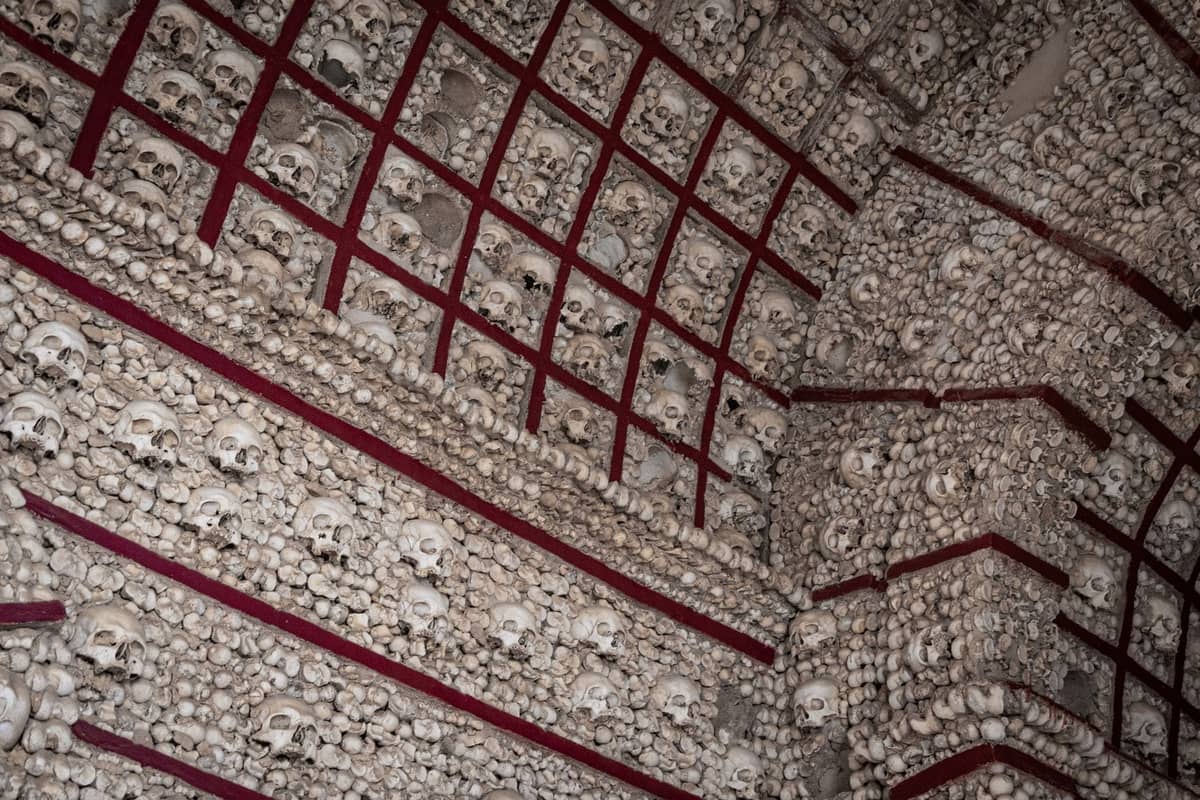
Milan keeps some of its most startling experiences quietly tucked away. The two attractions below are both close to the city center and easy to combine into a single morning, yet most visitors walk straight past them. Check opening hours in advance, particularly for churches in the Ticinese area, as many close for a midday break.
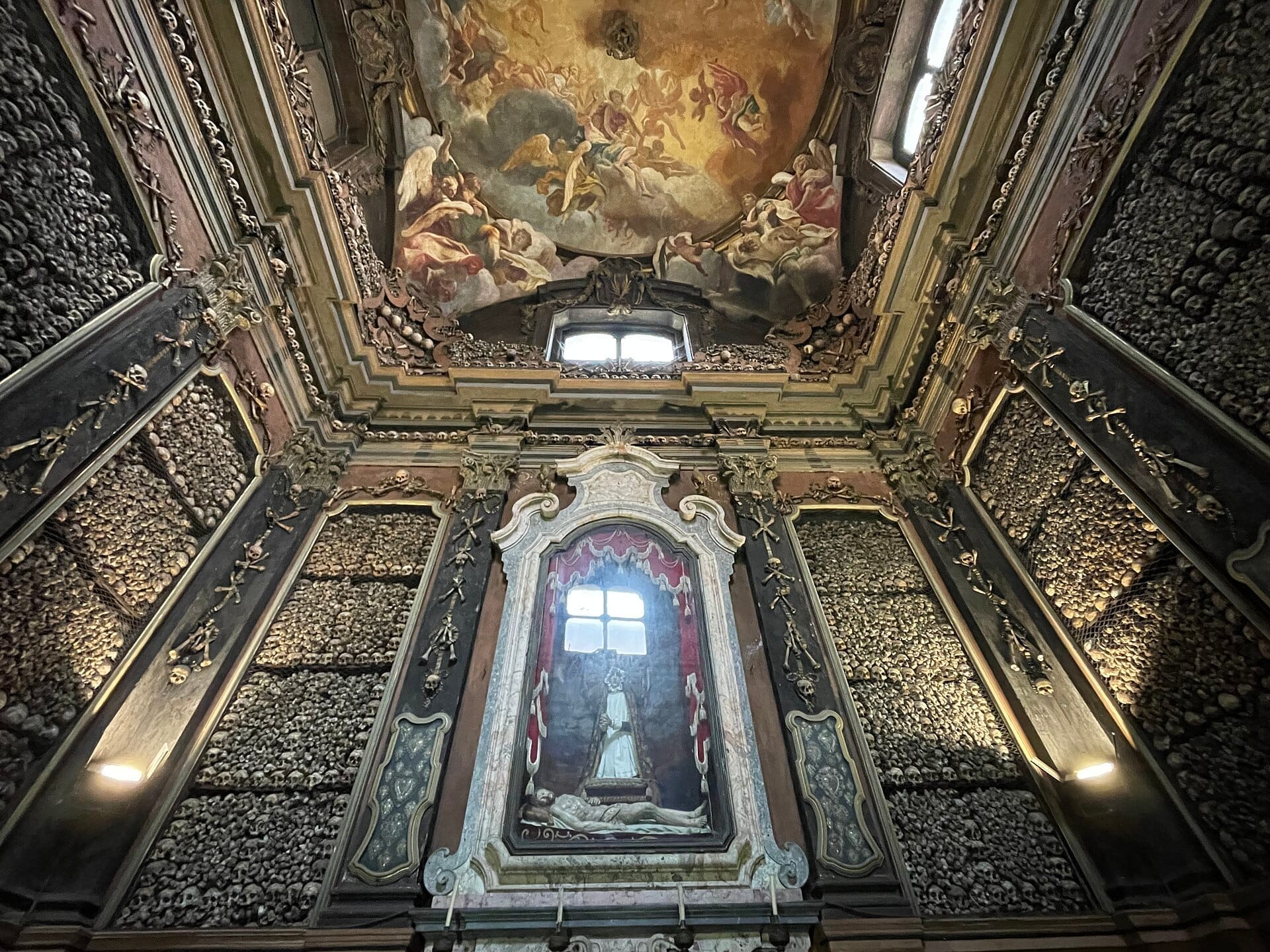
1. Step Inside Milan's Bone Chapel at San Bernardino alle Ossa
A side chapel in this 13th-century church is entirely decorated with human bones and skulls. Just a five-minute walk from the Duomo, it rivals Rome's Capuchin Crypt and entry is free. Most visitors to the area never know it exists.
Explore1. Step Inside Milan's Bone Chapel at San Bernardino alle Ossa
A side chapel in this 13th-century church is entirely decorated with human bones and skulls. Just a five-minute walk from the Duomo, it rivals Rome's Capuchin Crypt and entry is free. Most visitors to the area never know it exists.
Explore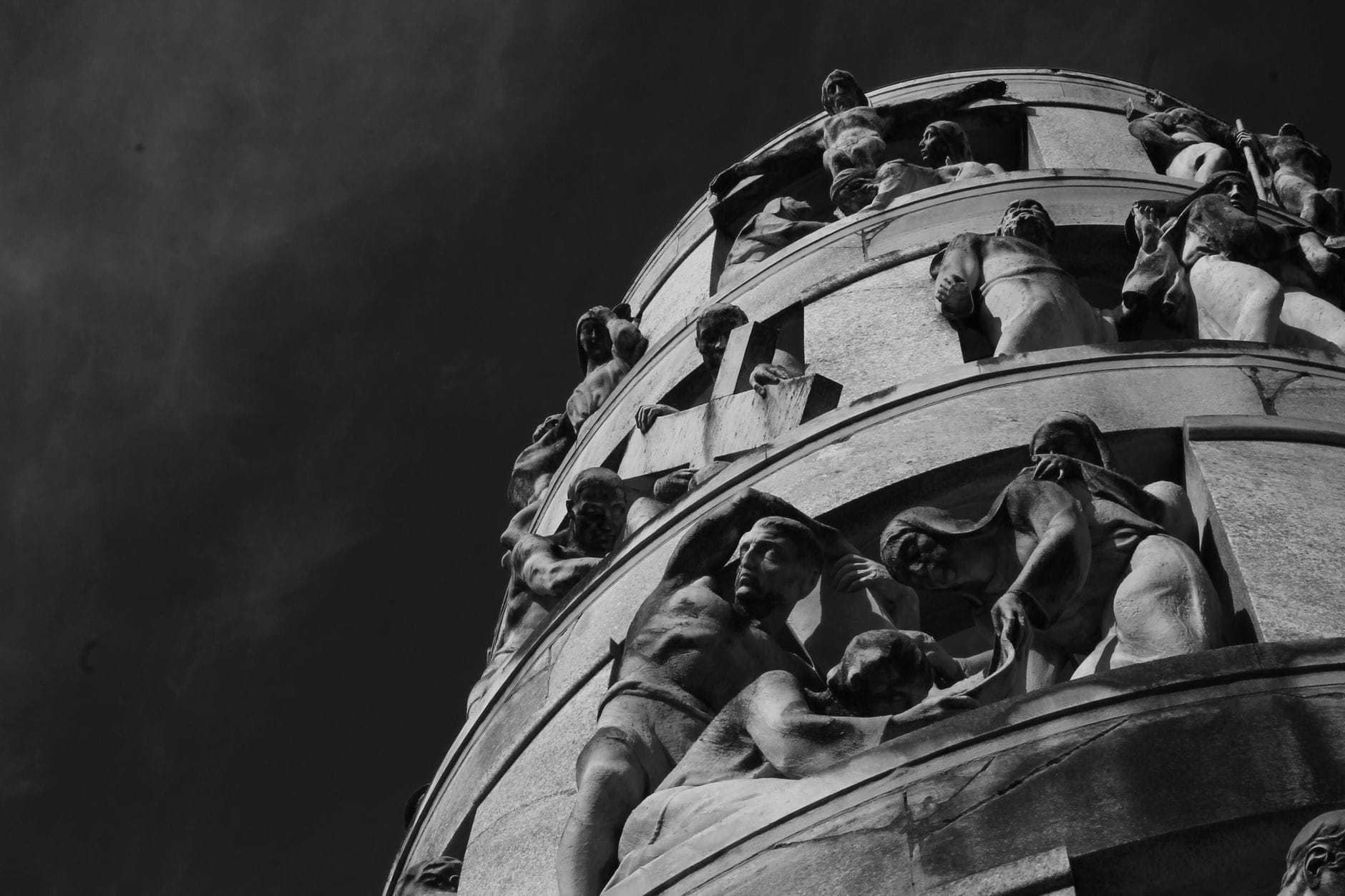
2. Explore Europe's Most Spectacular Cemetery as an Open-Air Museum
Free to enter, Milan's Monumental Cemetery is one of Italy's great sculpture parks. Elaborate mausoleums by 19th and 20th-century masters line its avenues. The Famedio pantheon honors figures including Alessandro Manzoni. Allow 90 minutes.
Explore2. Explore Europe's Most Spectacular Cemetery as an Open-Air Museum
Free to enter, Milan's Monumental Cemetery is one of Italy's great sculpture parks. Elaborate mausoleums by 19th and 20th-century masters line its avenues. The Famedio pantheon honors figures including Alessandro Manzoni. Allow 90 minutes.
ExploreArt Spaces That Few Tourists Find
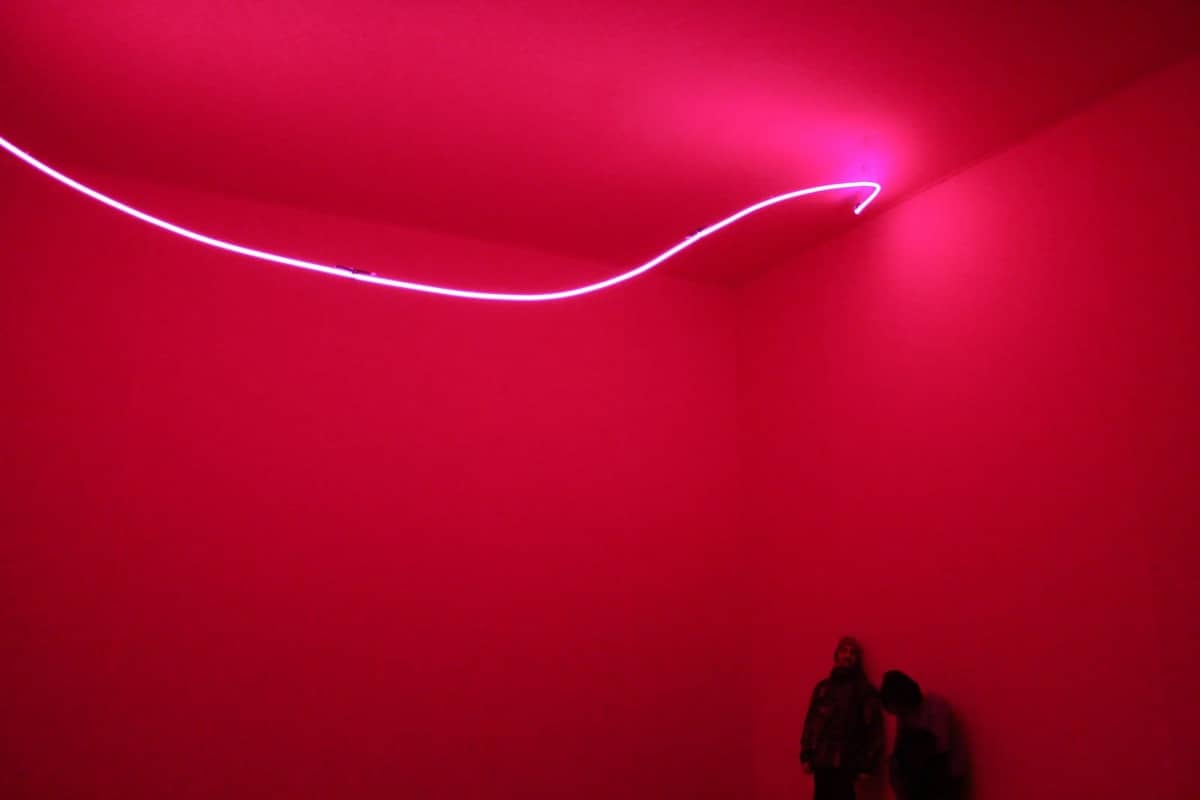
Milan punches well above its weight in contemporary and historic art, but several of its finest institutions attract only a fraction of the visitors they deserve. Pirelli HangarBicocca in particular is a remarkable experience that almost no international visitor plans for. For a broader map of the city's cultural offer, see our guide to the best museums in Milan.
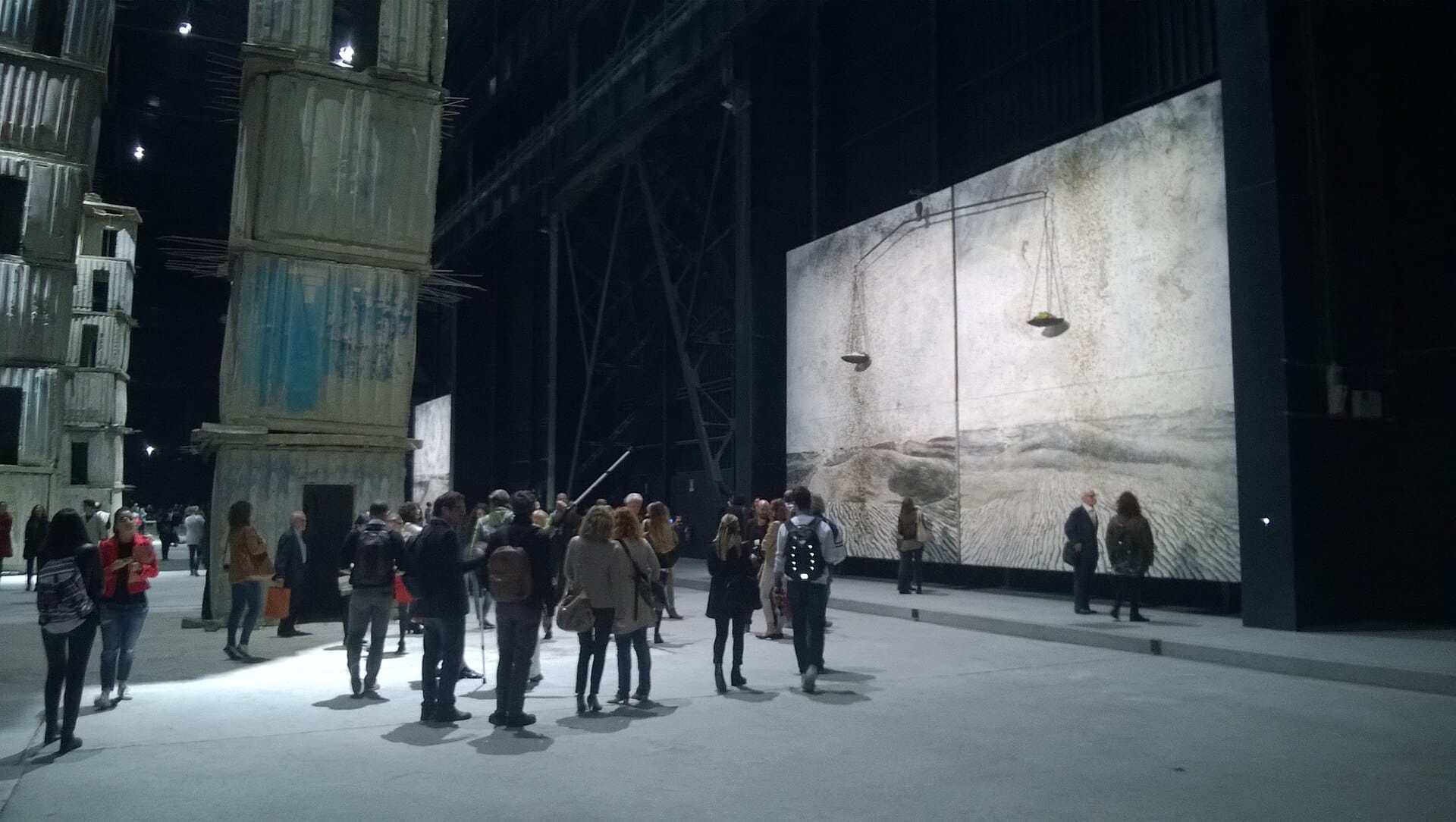
3. See Monumental Art for Free at Pirelli HangarBicocca
One of Europe's largest contemporary art spaces occupies a former locomotive factory in Bicocca. Admission is free. Anselm Kiefer's permanent installation 'The Seven Heavenly Palaces' fills the vast nave with seven concrete towers up to 14 metres tall.
Explore3. See Monumental Art for Free at Pirelli HangarBicocca
One of Europe's largest contemporary art spaces occupies a former locomotive factory in Bicocca. Admission is free. Anselm Kiefer's permanent installation 'The Seven Heavenly Palaces' fills the vast nave with seven concrete towers up to 14 metres tall.
Explore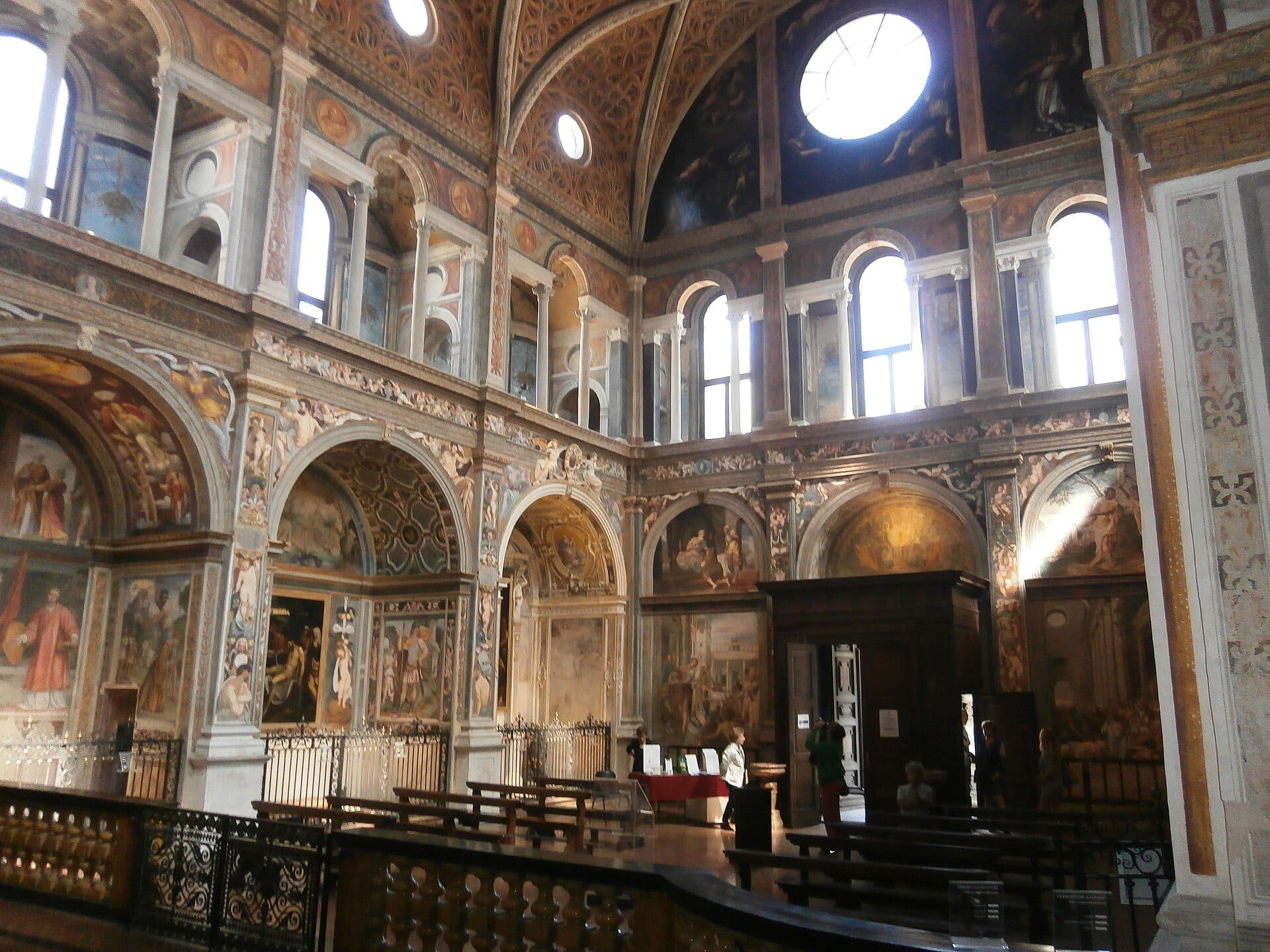
4. Discover the 'Sistine Chapel of Milan' on a Side Street
This 16th-century church is covered floor-to-ceiling in Renaissance frescoes by Bernardino Luini. It sees a fraction of the visitors that Leonardo's Last Supper attracts, despite being arguably as breathtaking. Entry is free; check hours before visiting.
Explore4. Discover the 'Sistine Chapel of Milan' on a Side Street
This 16th-century church is covered floor-to-ceiling in Renaissance frescoes by Bernardino Luini. It sees a fraction of the visitors that Leonardo's Last Supper attracts, despite being arguably as breathtaking. Entry is free; check hours before visiting.
Explore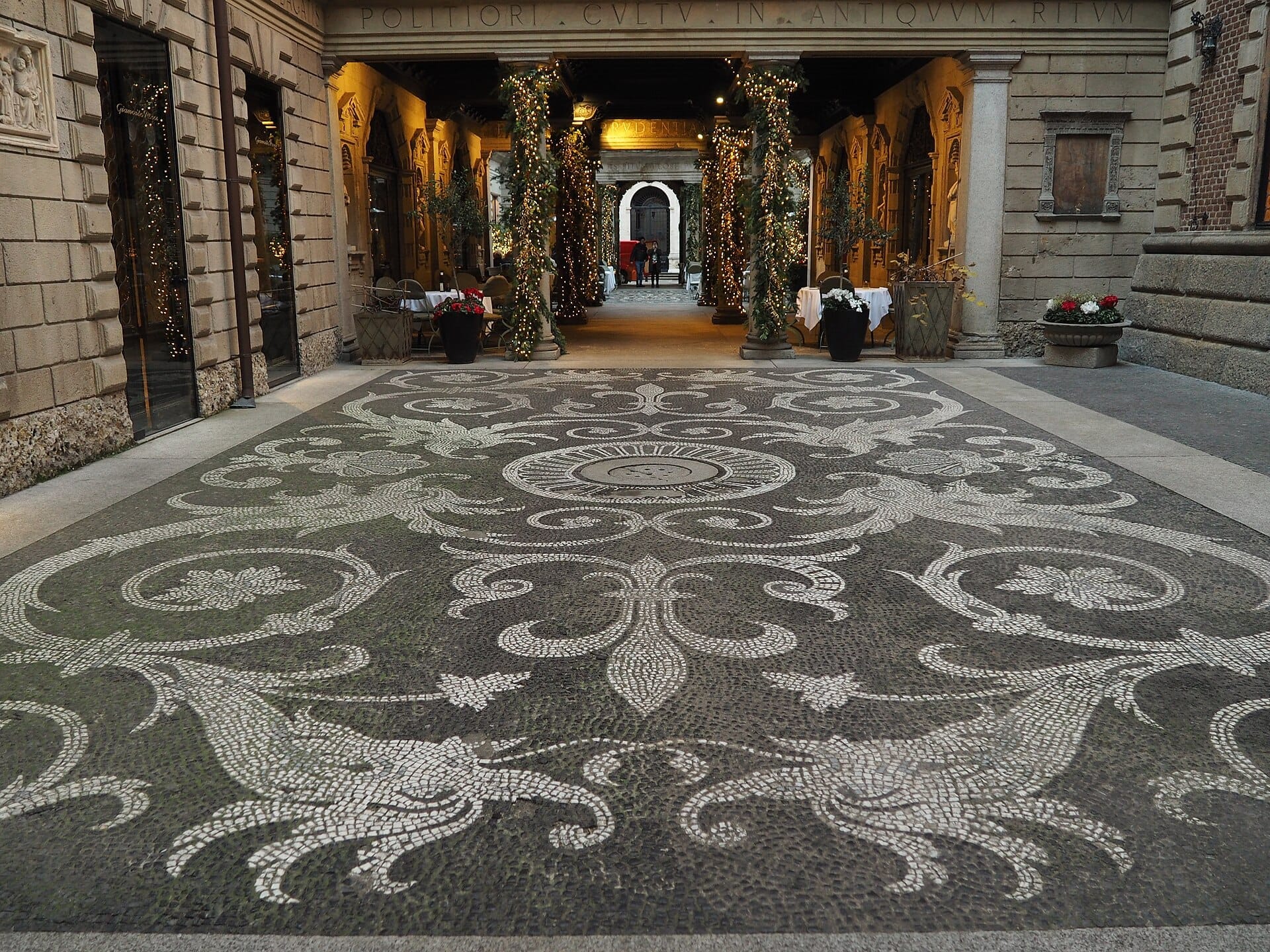
5. Walk Through a Living 15th-Century Interior at Casa Bagatti Valsecchi
Two aristocratic brothers spent decades assembling an authentic neo-Renaissance home in the Fashion Quadrilateral. Tapestries, ceramics, and furniture from the 1400s and 1500s fill the rooms. It's one of Milan's most atmospheric museums and rarely crowded.
Explore5. Walk Through a Living 15th-Century Interior at Casa Bagatti Valsecchi
Two aristocratic brothers spent decades assembling an authentic neo-Renaissance home in the Fashion Quadrilateral. Tapestries, ceramics, and furniture from the 1400s and 1500s fill the rooms. It's one of Milan's most atmospheric museums and rarely crowded.
Explore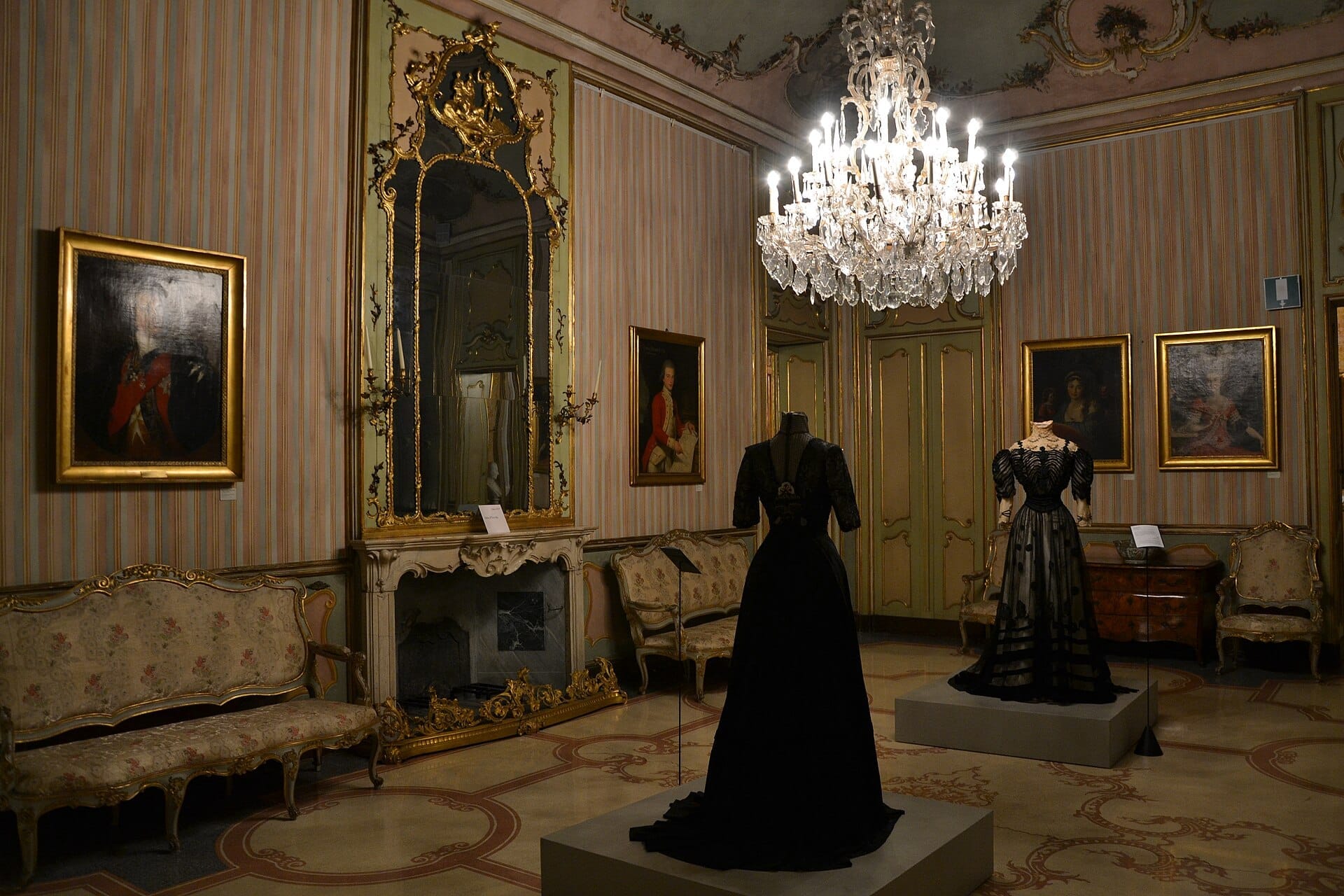
6. See 300 Years of Milanese Fashion History for Free at Palazzo Morando
This free museum in a beautifully preserved 18th-century palazzo traces Milan's sartorial history through paintings, photographs, and historic garments. It covers ground that the big fashion houses don't: the everyday dress of Milanese society across three centuries.
Explore6. See 300 Years of Milanese Fashion History for Free at Palazzo Morando
This free museum in a beautifully preserved 18th-century palazzo traces Milan's sartorial history through paintings, photographs, and historic garments. It covers ground that the big fashion houses don't: the everyday dress of Milanese society across three centuries.
Explore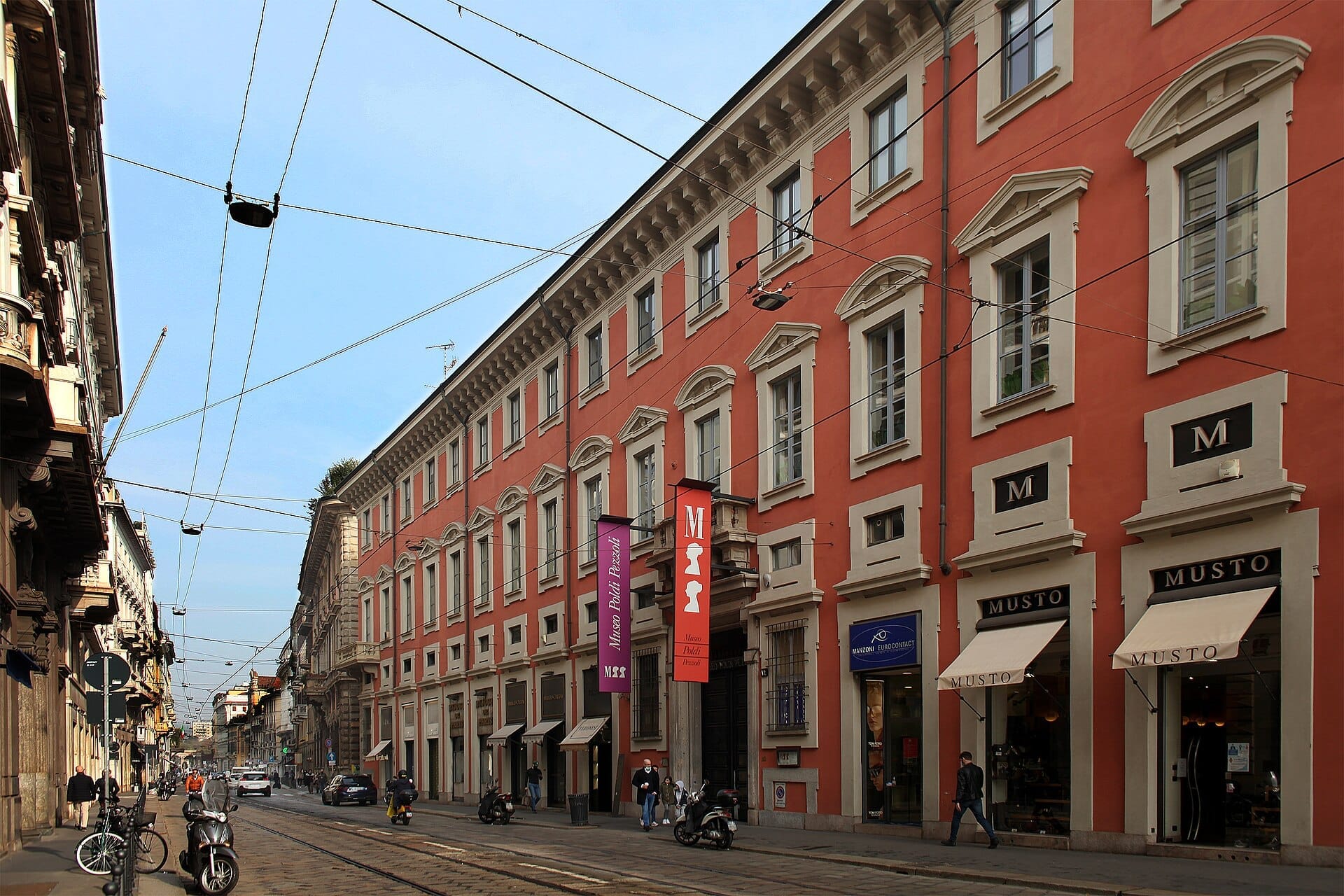
7. Find Botticelli and Bellini in an Aristocrat's Private Home
Gian Giacomo Poldi Pezzoli's 19th-century collection includes masterworks by Botticelli, Piero della Francesca, and Bellini, displayed exactly as he arranged them in sumptuously decorated period rooms. Small, personal, and far quieter than the Brera.
Explore7. Find Botticelli and Bellini in an Aristocrat's Private Home
Gian Giacomo Poldi Pezzoli's 19th-century collection includes masterworks by Botticelli, Piero della Francesca, and Bellini, displayed exactly as he arranged them in sumptuously decorated period rooms. Small, personal, and far quieter than the Brera.
ExploreArchitecture & Streetscapes Beyond the Obvious
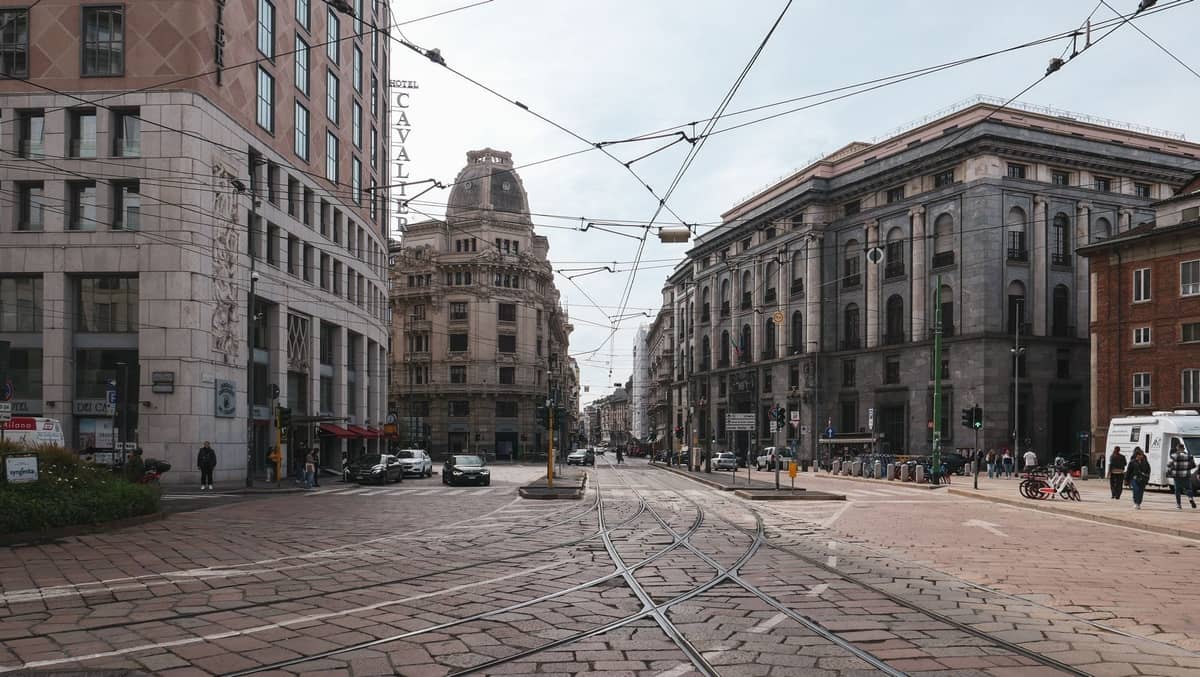
Milan's architectural story spans Roman columns to 21st-century skyscrapers, and several of its most interesting chapters are written in places most visitors skip entirely. The Milan architecture guide covers this in depth, but the spots below are the ones that consistently surprise first-time visitors to the city.
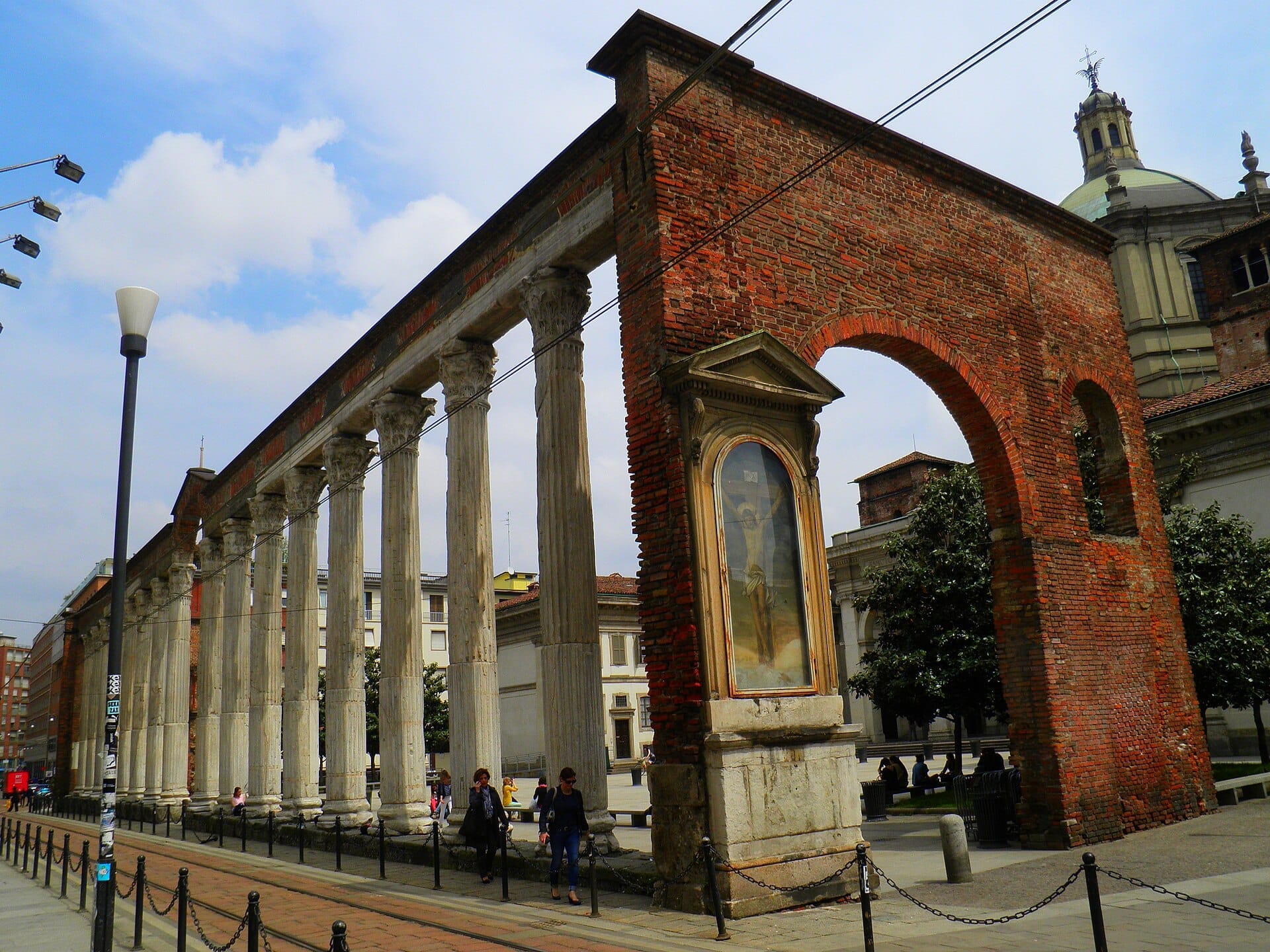
8. Stand Among 2nd-Century Roman Columns at Colonne di San Lorenzo
Sixteen Roman columns from the 2nd or 3rd century AD stand in front of the Basilica di San Lorenzo, forming one of the most evocative ancient sites in northern Italy. By evening, they become a popular local gathering spot with a genuinely atmospheric quality.
Explore8. Stand Among 2nd-Century Roman Columns at Colonne di San Lorenzo
Sixteen Roman columns from the 2nd or 3rd century AD stand in front of the Basilica di San Lorenzo, forming one of the most evocative ancient sites in northern Italy. By evening, they become a popular local gathering spot with a genuinely atmospheric quality.
Explore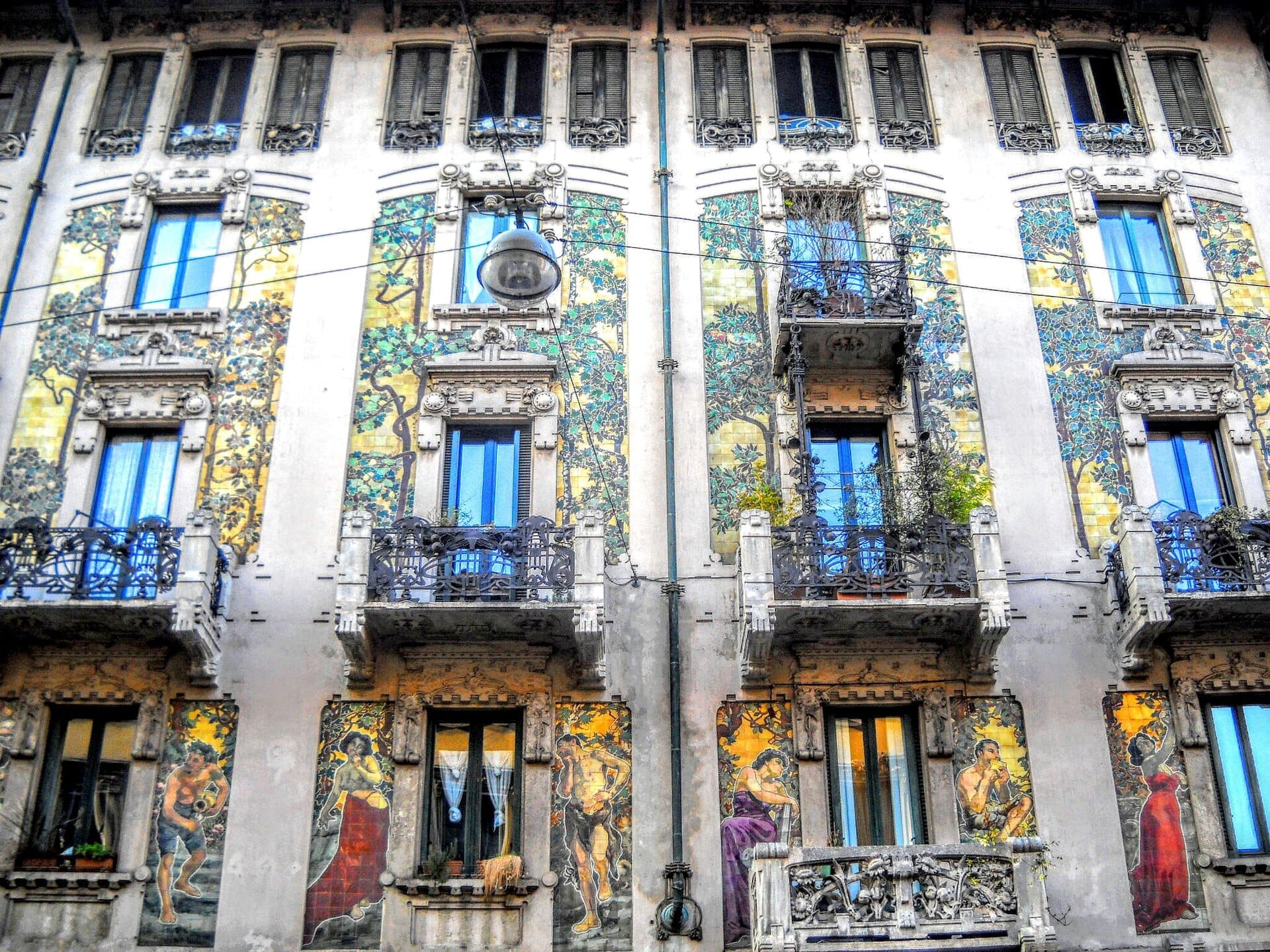
9. Photograph Milan's Extraordinary Art Nouveau Facades in Porta Venezia
Casa Galimberti and nearby Casa Guazzoni display some of the finest ceramic-tiled Art Nouveau facades in Italy. The whole Porta Venezia neighborhood rewards slow walking: there are Liberty-style buildings on nearly every block, almost entirely unvisited by tourists.
Explore9. Photograph Milan's Extraordinary Art Nouveau Facades in Porta Venezia
Casa Galimberti and nearby Casa Guazzoni display some of the finest ceramic-tiled Art Nouveau facades in Italy. The whole Porta Venezia neighborhood rewards slow walking: there are Liberty-style buildings on nearly every block, almost entirely unvisited by tourists.
Explore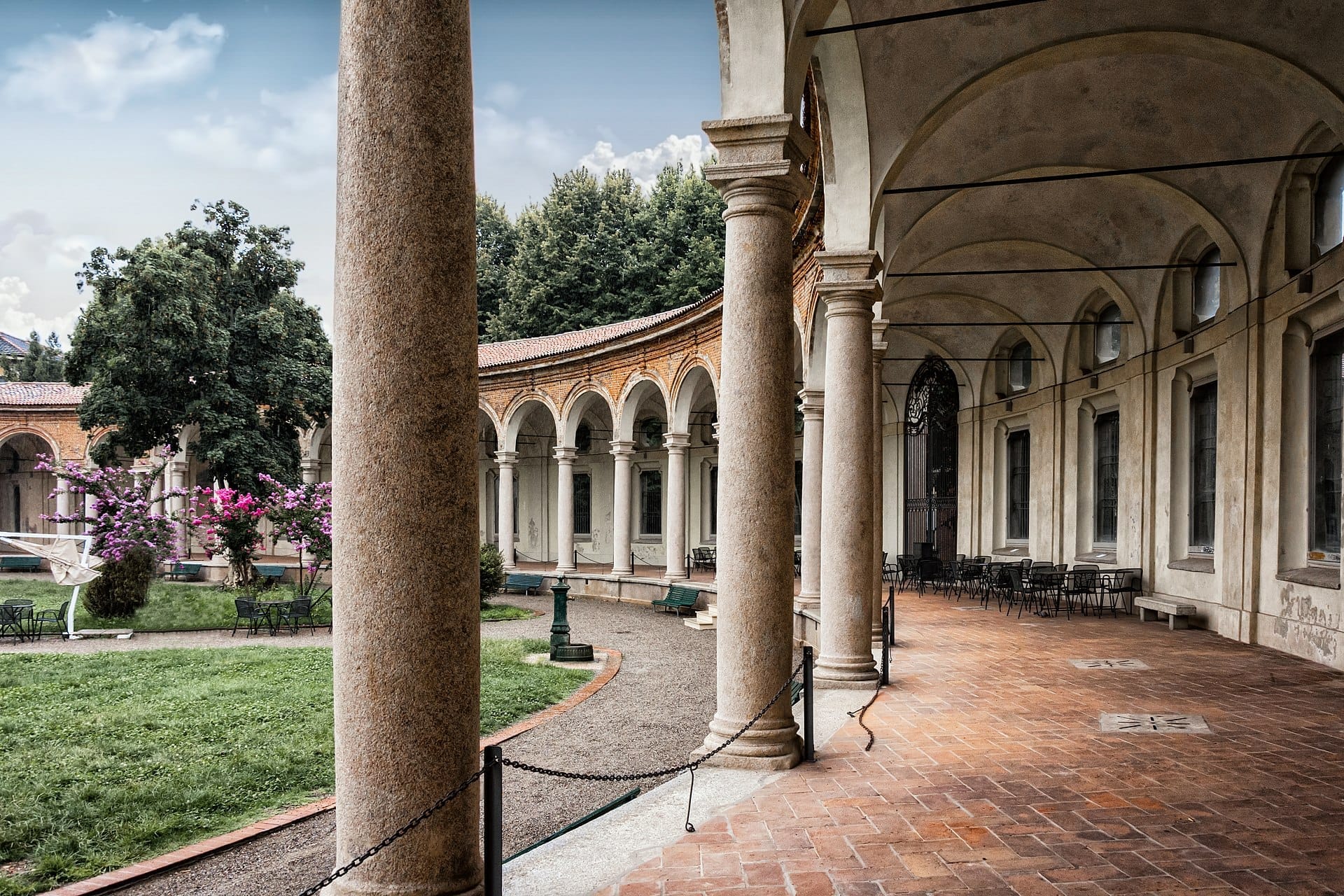
10. Find a Forgotten 18th-Century Cemetery in the Porta Romana Quarter
This circular Baroque church and portico once served as a hospital cemetery. Now a peaceful public garden and occasional events venue in Porta Romana, it's one of Milan's most atmospheric spaces and almost entirely absent from tourist itineraries.
Explore10. Find a Forgotten 18th-Century Cemetery in the Porta Romana Quarter
This circular Baroque church and portico once served as a hospital cemetery. Now a peaceful public garden and occasional events venue in Porta Romana, it's one of Milan's most atmospheric spaces and almost entirely absent from tourist itineraries.
Explore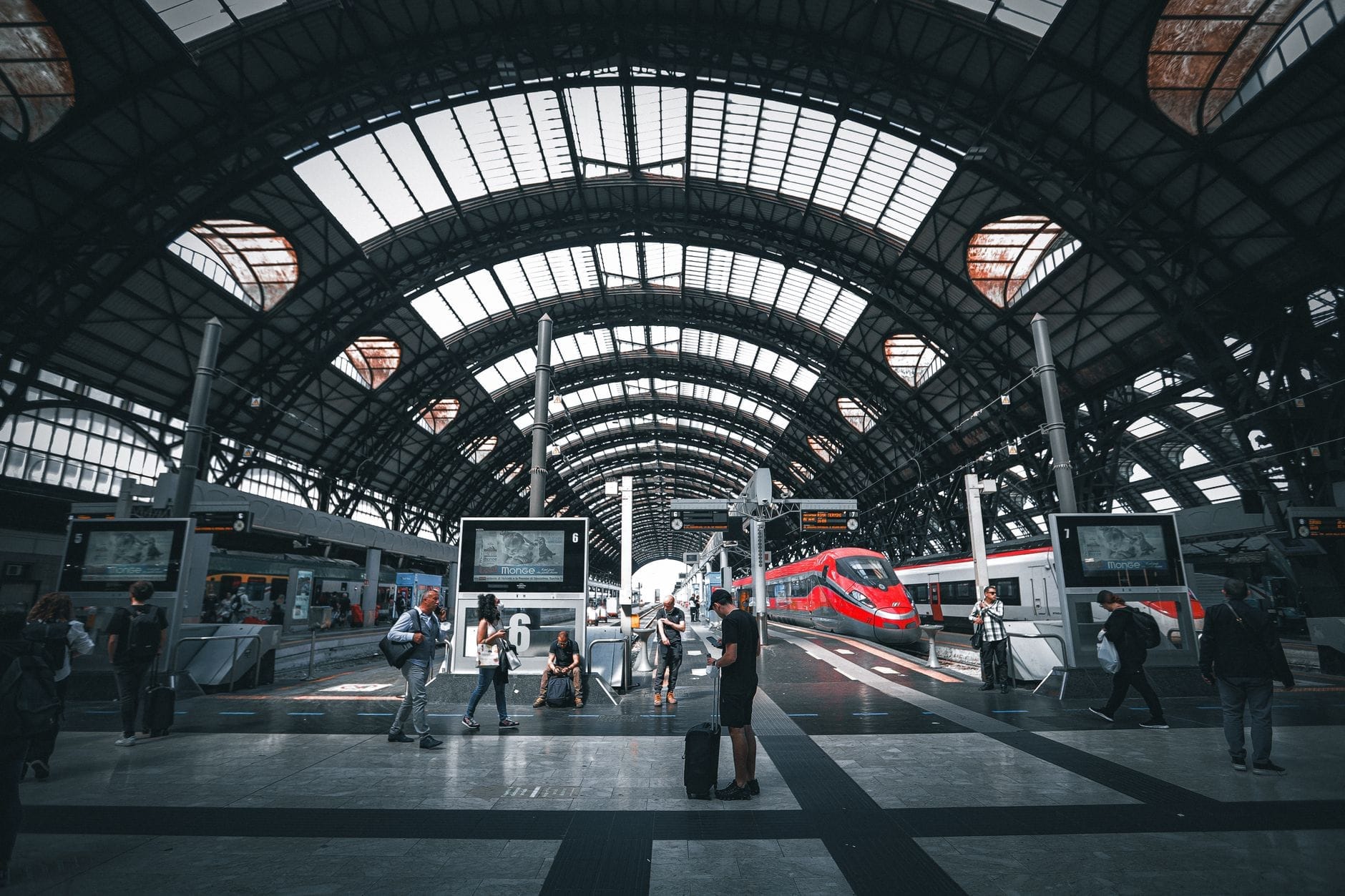
11. Look Up in Milano Centrale, One of Europe's Great Train Stations
Built between 1912 and 1931, Milan's central station has marble halls, monumental arches, and ornamentation on a scale that demands attention. Most people rush through it. Give yourself 20 minutes to explore the upper concourses and it reveals itself as a genuine landmark.
Explore11. Look Up in Milano Centrale, One of Europe's Great Train Stations
Built between 1912 and 1931, Milan's central station has marble halls, monumental arches, and ornamentation on a scale that demands attention. Most people rush through it. Give yourself 20 minutes to explore the upper concourses and it reveals itself as a genuine landmark.
Explore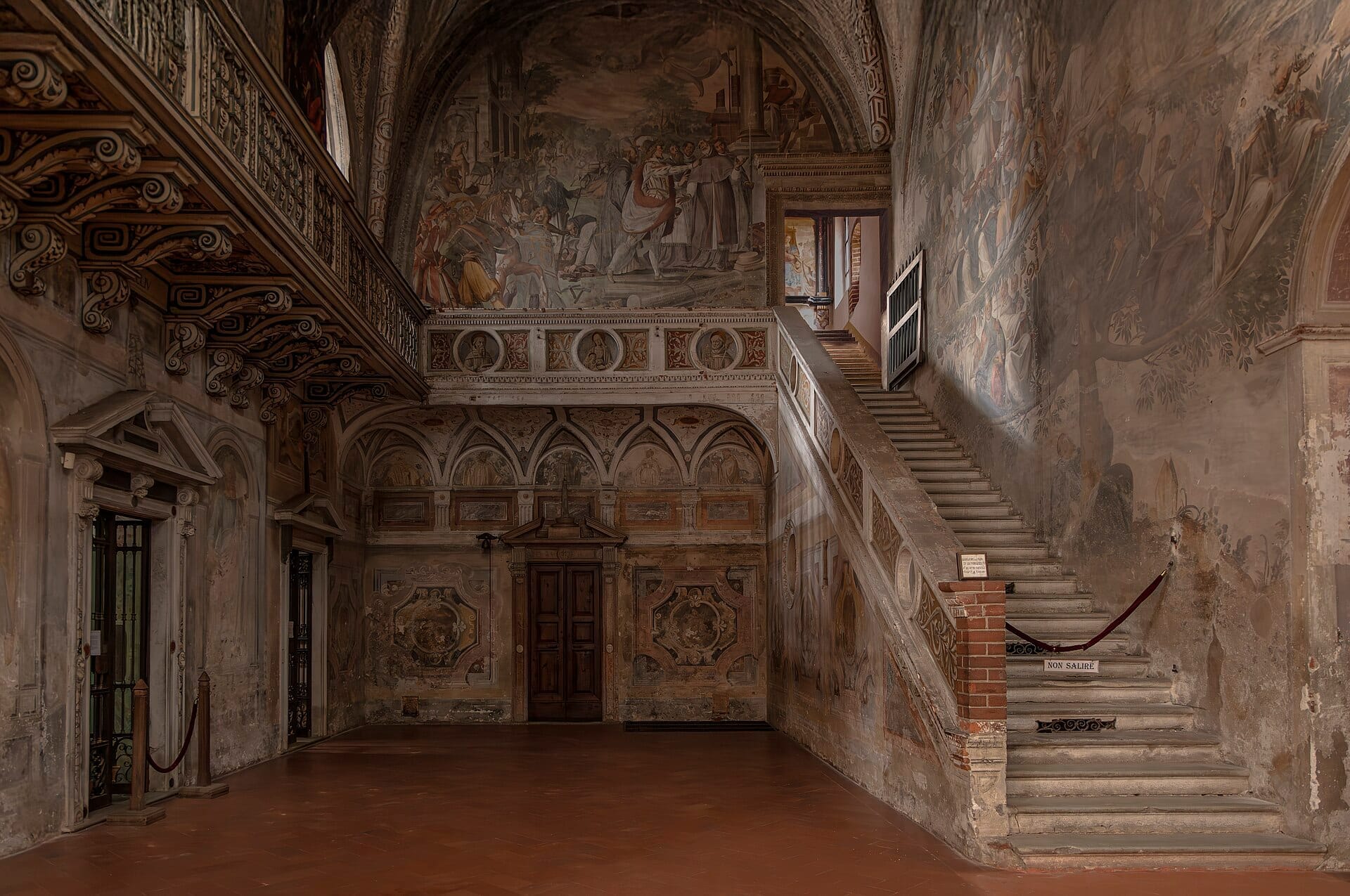
12. Take a Day-Trip to a 12th-Century Cistercian Abbey South of the City
Chiaravalle Abbey, on Milan's southern outskirts, is Lombardy's finest Romanesque-Gothic monument: a working monastery with medieval frescoes, a cloister, and an octagonal bell tower. Reachable by metro and a short walk, it feels a world away from the city center.
Explore12. Take a Day-Trip to a 12th-Century Cistercian Abbey South of the City
Chiaravalle Abbey, on Milan's southern outskirts, is Lombardy's finest Romanesque-Gothic monument: a working monastery with medieval frescoes, a cloister, and an octagonal bell tower. Reachable by metro and a short walk, it feels a world away from the city center.
ExploreSecret Green Spaces & Water
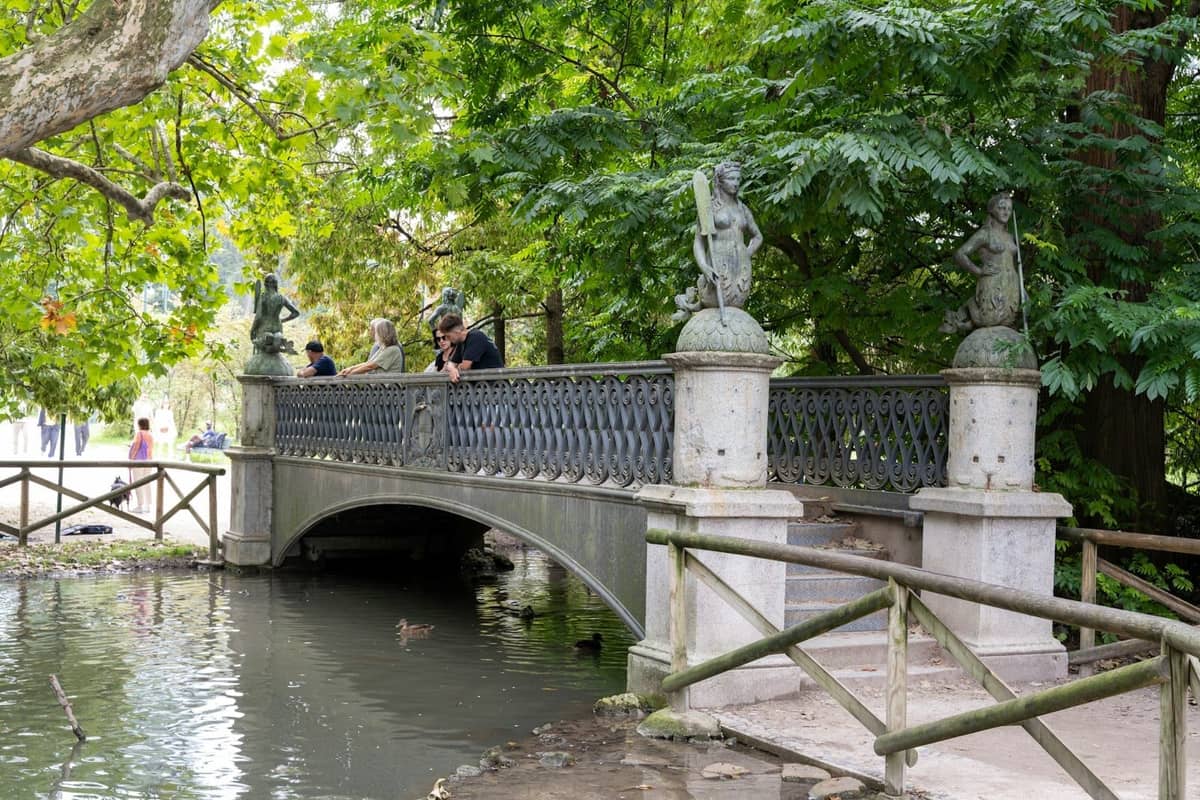
Milan's canal network and parks offer some of the city's most relaxing experiences, and not all of them are on the standard tourist map. The Navigli district is well known, but the spots below reveal a quieter, more local side of the city's relationship with water and green space.
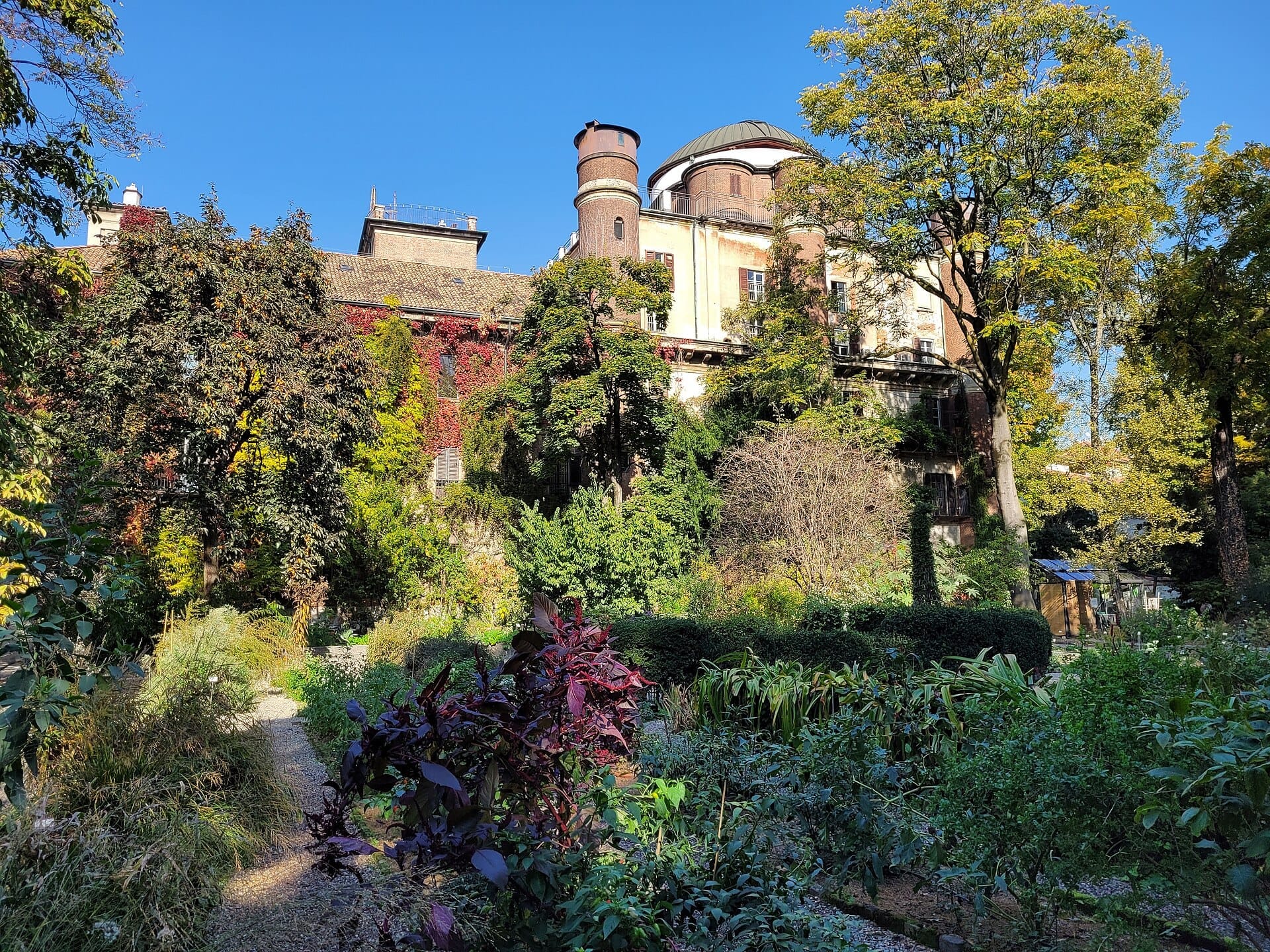
13. Find a Hidden Botanical Garden Behind the Pinacoteca di Brera
Tucked behind one of Italy's great art galleries, this small botanical garden dates to 1774 and is barely signposted. It holds rare plants and a historic greenhouse, and offers a remarkably quiet moment in the middle of a busy central Milan neighborhood.
Explore13. Find a Hidden Botanical Garden Behind the Pinacoteca di Brera
Tucked behind one of Italy's great art galleries, this small botanical garden dates to 1774 and is barely signposted. It holds rare plants and a historic greenhouse, and offers a remarkably quiet moment in the middle of a busy central Milan neighborhood.
Explore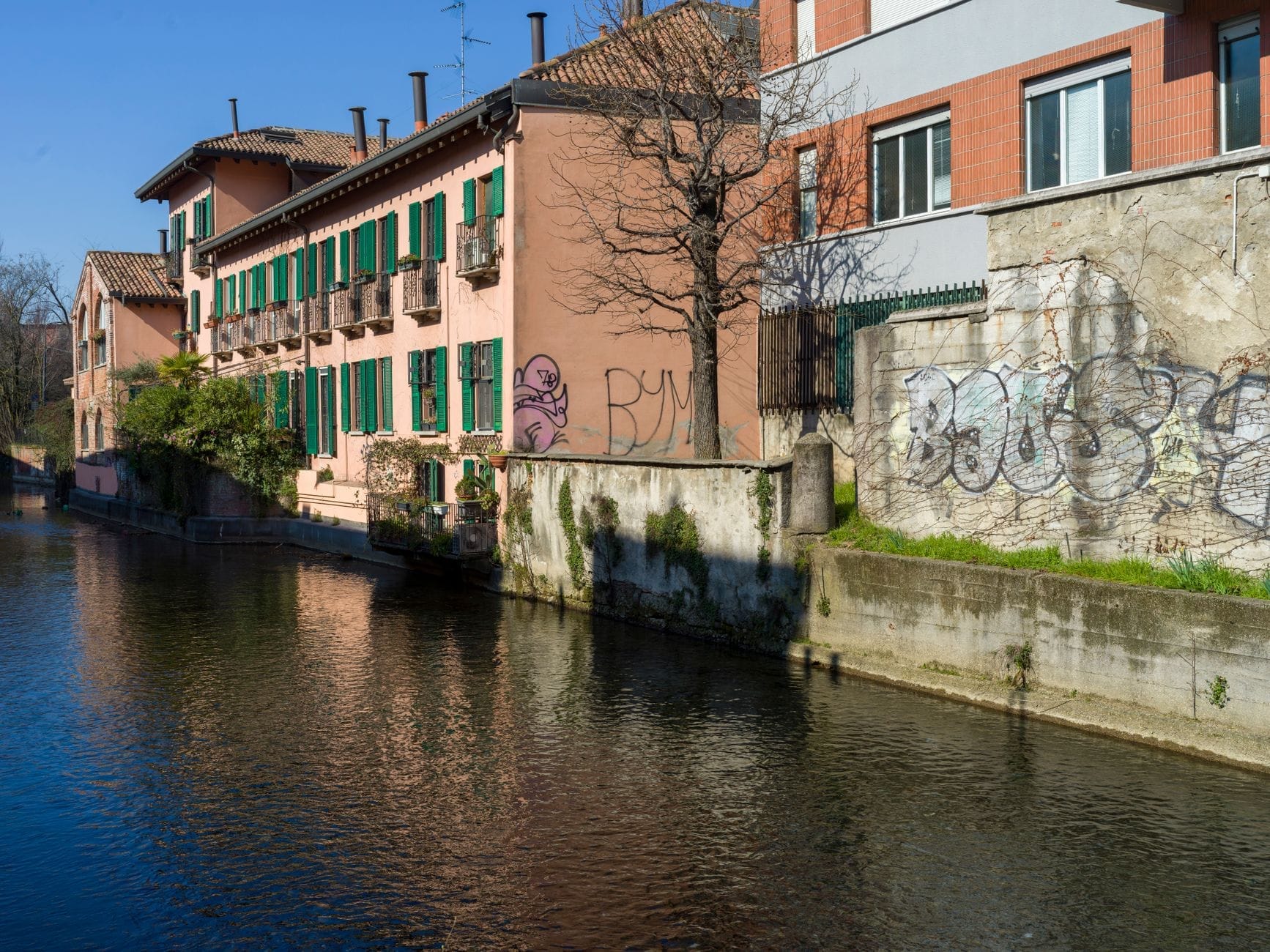
14. Walk the Quieter Canal: Naviglio Pavese Without the Crowds
While Naviglio Grande fills with tourists on weekends, the parallel Naviglio Pavese remains primarily local. Its towpath is ideal for cycling, its bars are cheaper and less posed, and the further south you walk, the more the city feels distinctly Milanese rather than tourist-facing.
Explore14. Walk the Quieter Canal: Naviglio Pavese Without the Crowds
While Naviglio Grande fills with tourists on weekends, the parallel Naviglio Pavese remains primarily local. Its towpath is ideal for cycling, its bars are cheaper and less posed, and the further south you walk, the more the city feels distinctly Milanese rather than tourist-facing.
Explore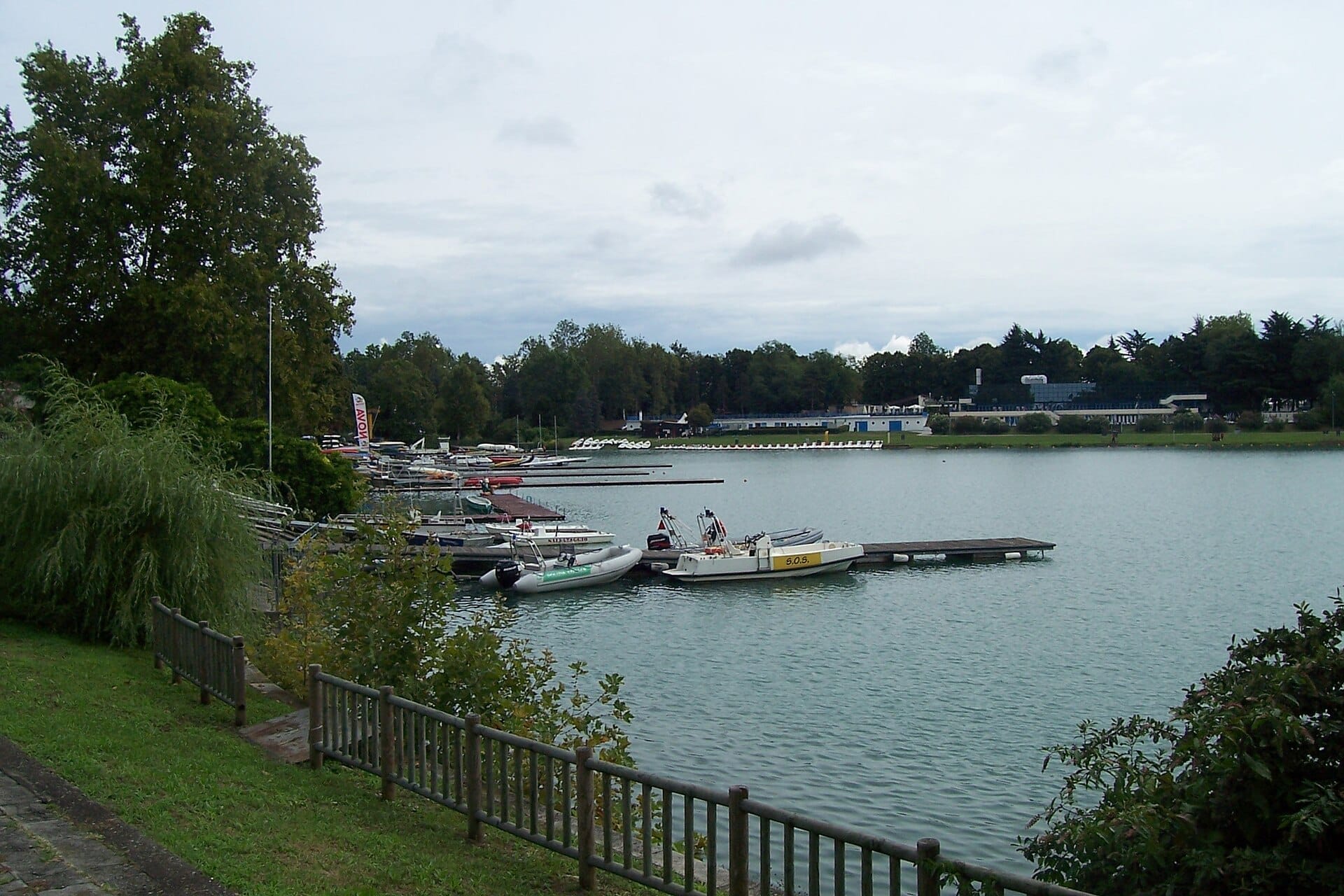
15. Swim and Cycle at Milan's Artificial Lake on the Eastern Outskirts
Built in the 1930s as a seaplane airport, the Idroscalo is now a summer recreational park east of the city with swimming, water sports, and cycling paths. Known almost exclusively to Milanese locals, it's a genuine escape from the urban heat in July and August.
Explore15. Swim and Cycle at Milan's Artificial Lake on the Eastern Outskirts
Built in the 1930s as a seaplane airport, the Idroscalo is now a summer recreational park east of the city with swimming, water sports, and cycling paths. Known almost exclusively to Milanese locals, it's a genuine escape from the urban heat in July and August.
Explore💡 Local tip
Several of the smaller churches on this list (San Bernardino alle Ossa, San Maurizio al Monastero Maggiore) close for a midday break, typically between 12:00 and 15:00. Plan morning or late afternoon visits and always check current hours via the parish or the YesMilano tourist office website before you go.
Views & Landmarks You Won't Have to Queue For
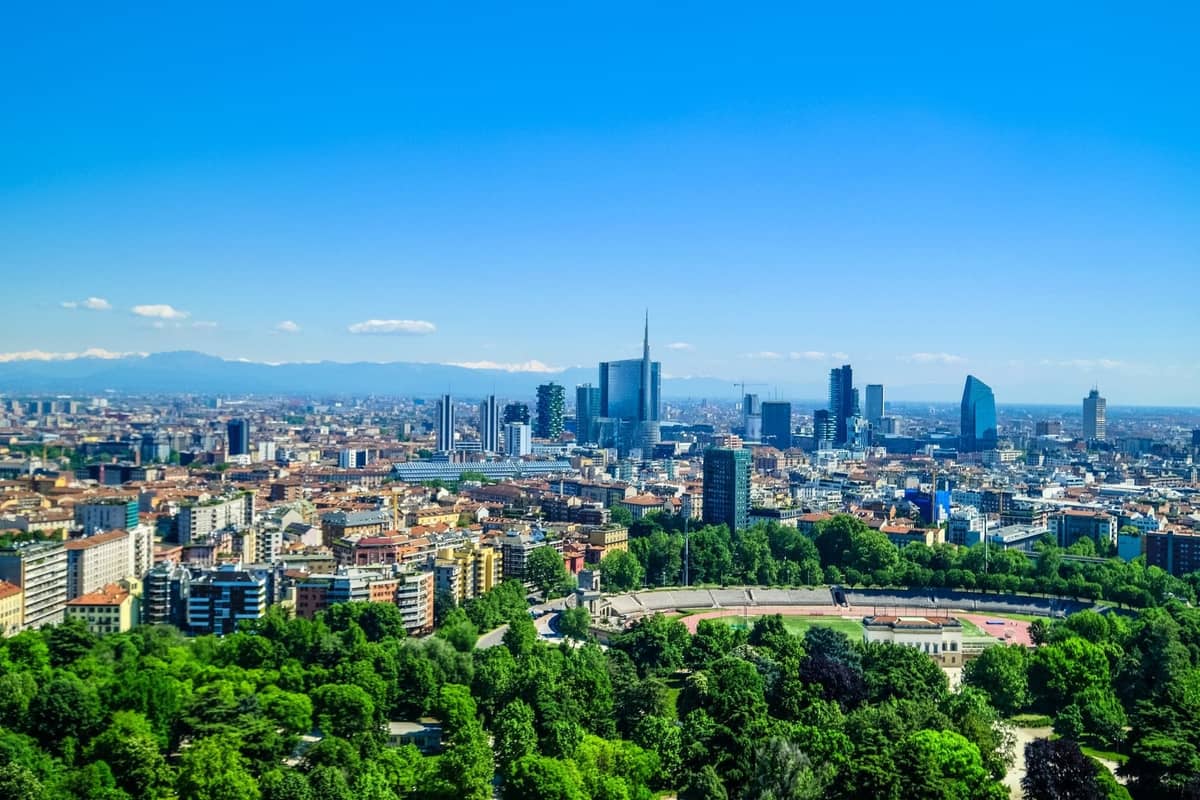
Milan has some excellent viewpoints that almost nobody knows about. The two below are free or low-cost, require no advance booking, and offer perspectives on the city that rival the famous Duomo rooftop terraces. For a full comparison of the city's best vantage points, see our guide to the best views in Milan.
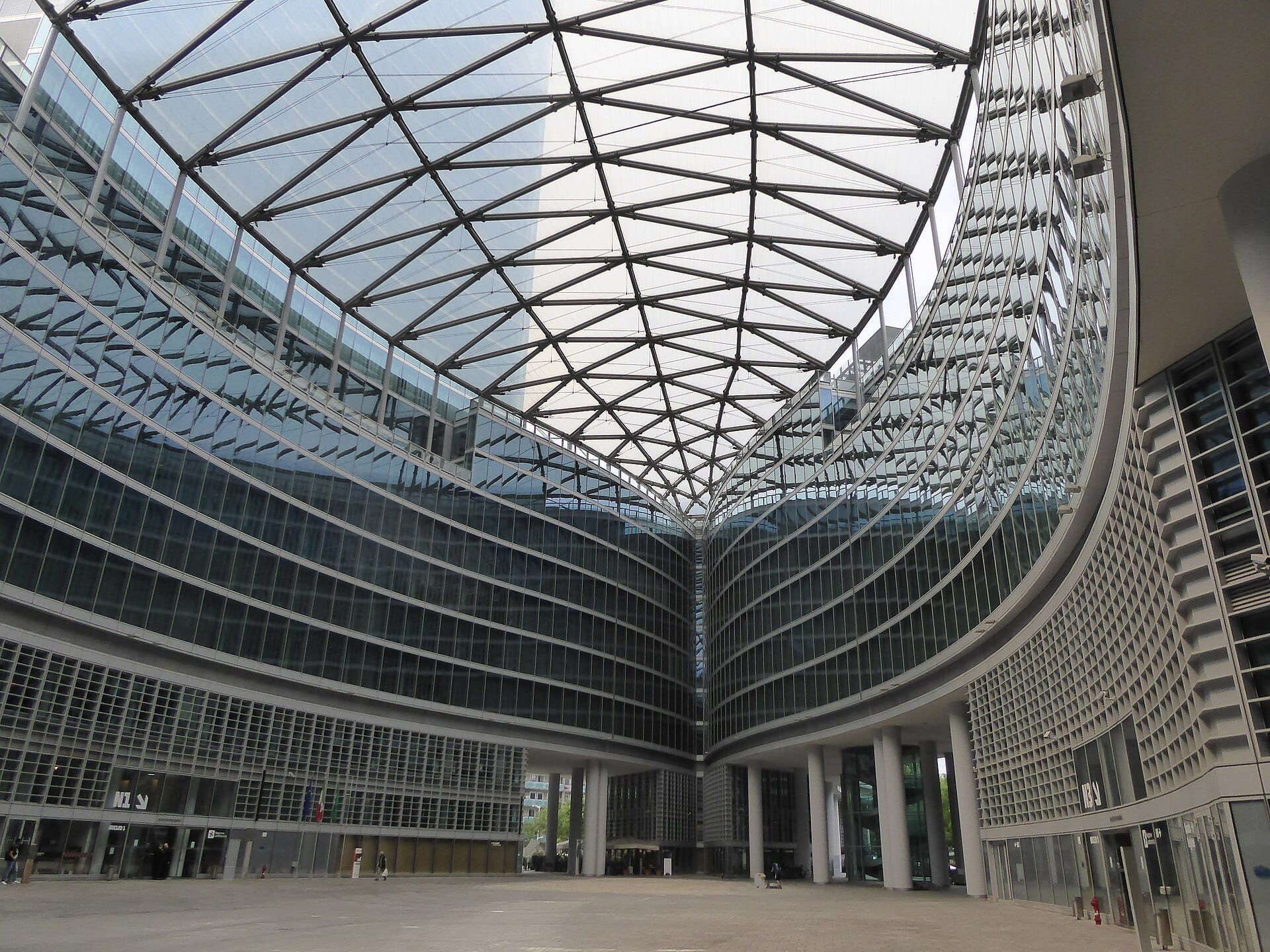
16. Ride a Free Elevator to One of Milan's Best Panoramic Views
The Lombardy regional government's 39-floor tower in Porta Nuova has a free public observation deck at the top, open on weekends. The view takes in the Alps, the Duomo, and the full sweep of the metropolitan area. No booking, no queue, no charge.
Explore16. Ride a Free Elevator to One of Milan's Best Panoramic Views
The Lombardy regional government's 39-floor tower in Porta Nuova has a free public observation deck at the top, open on weekends. The view takes in the Alps, the Duomo, and the full sweep of the metropolitan area. No booking, no queue, no charge.
Explore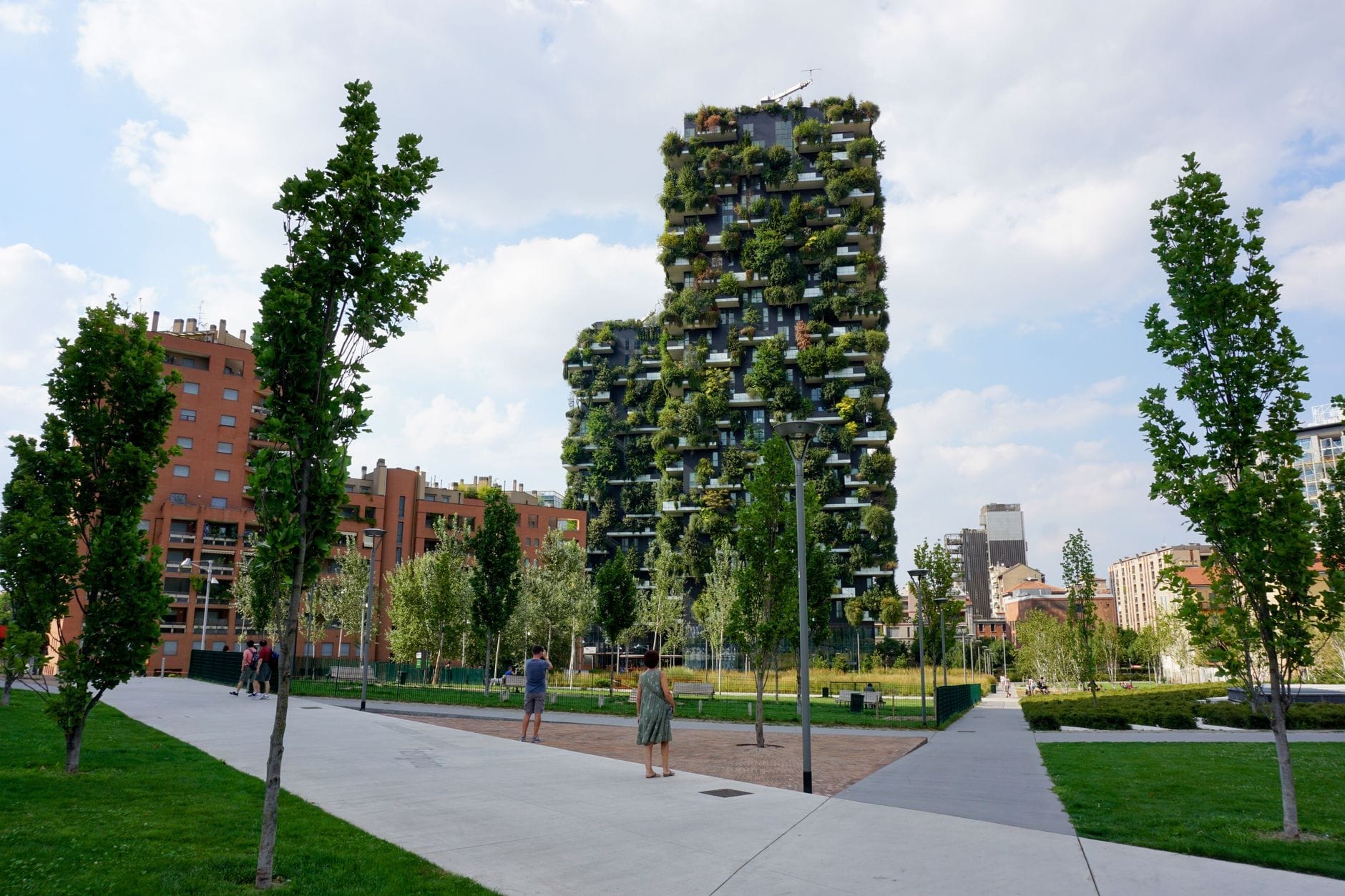
17. See Stefano Boeri's Tree-Covered Towers Up Close in Porta Nuova
Milan's most photographed contemporary landmark is best seen at street level from the Biblioteca degli Alberi park directly below. The towers are private residences, but walking around them and the surrounding design district takes less than an hour and costs nothing.
Explore17. See Stefano Boeri's Tree-Covered Towers Up Close in Porta Nuova
Milan's most photographed contemporary landmark is best seen at street level from the Biblioteca degli Alberi park directly below. The towers are private residences, but walking around them and the surrounding design district takes less than an hour and costs nothing.
ExploreUnder-the-Radar Museums Worth Making Time For
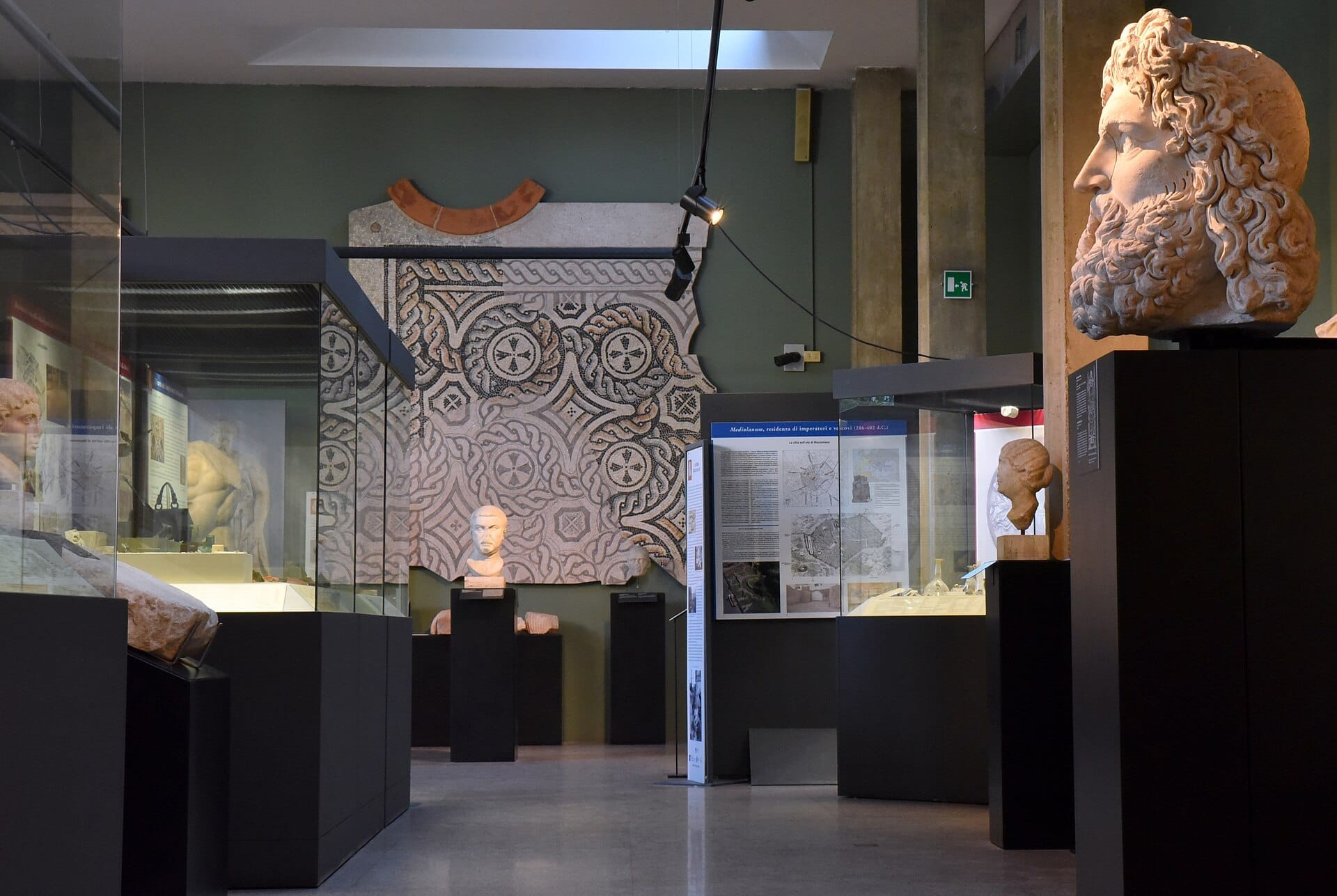
18. See Roman Milan's Ancient Walls in the Archaeological Museum's Basement
Housed in a former monastery next to San Maurizio, this museum holds strong Roman, Greek, and Etruscan collections. Its most remarkable feature is a section of the original Roman city walls visible through the basement floor. Entry is cheap and the museum is rarely busy.
Explore18. See Roman Milan's Ancient Walls in the Archaeological Museum's Basement
Housed in a former monastery next to San Maurizio, this museum holds strong Roman, Greek, and Etruscan collections. Its most remarkable feature is a section of the original Roman city walls visible through the basement floor. Entry is cheap and the museum is rarely busy.
Explore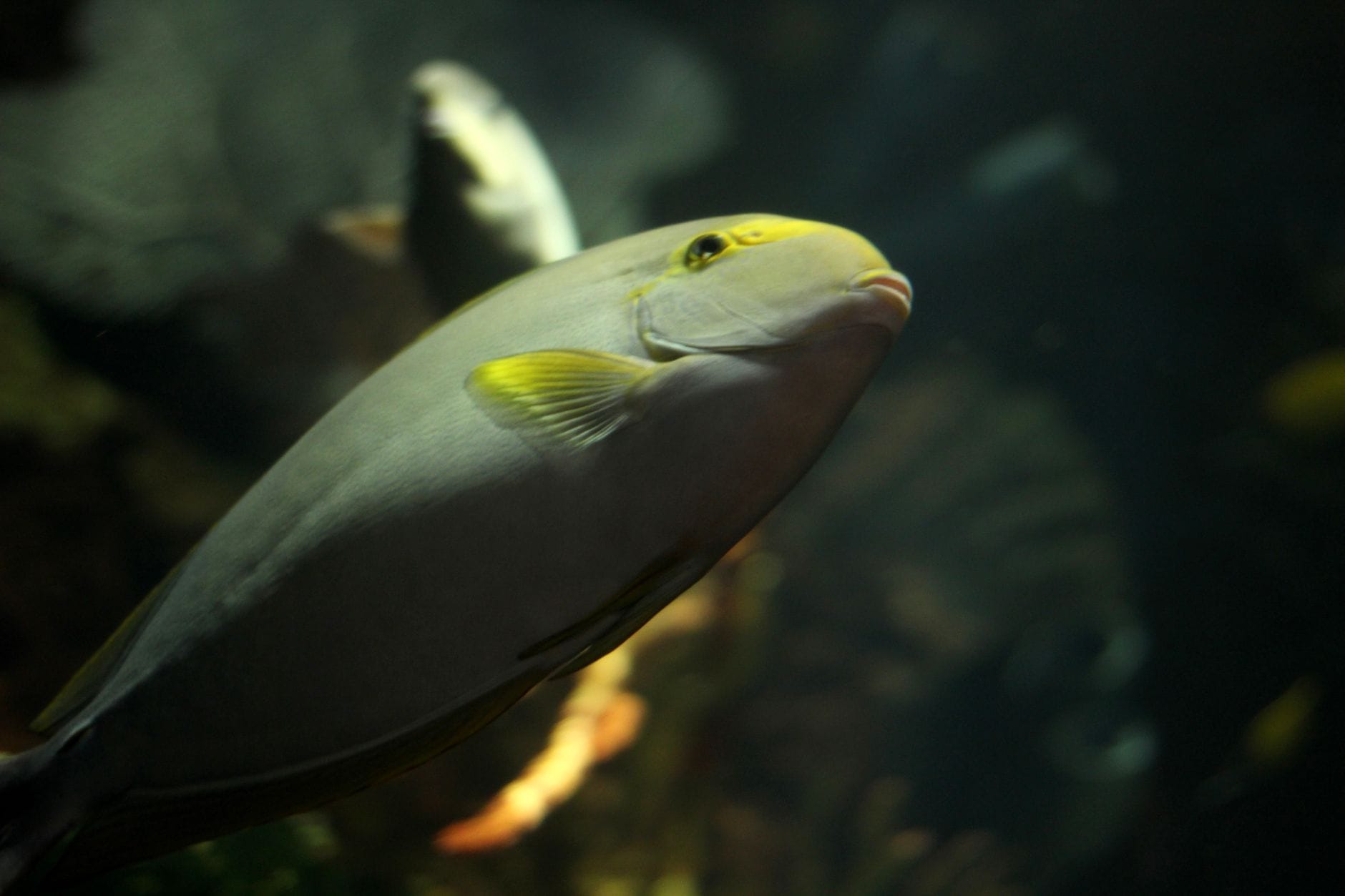
19. Visit One of Europe's Oldest Aquariums in a Gorgeous Art Nouveau Building
Built for the 1906 International Exposition in Parco Sempione, Milan's Civic Aquarium is a delightfully charming place: beautiful architecture, affordable entry, and a quiet atmosphere that makes it ideal for a couple of hours away from the more crowded central sights.
Explore19. Visit One of Europe's Oldest Aquariums in a Gorgeous Art Nouveau Building
Built for the 1906 International Exposition in Parco Sempione, Milan's Civic Aquarium is a delightfully charming place: beautiful architecture, affordable entry, and a quiet atmosphere that makes it ideal for a couple of hours away from the more crowded central sights.
Explore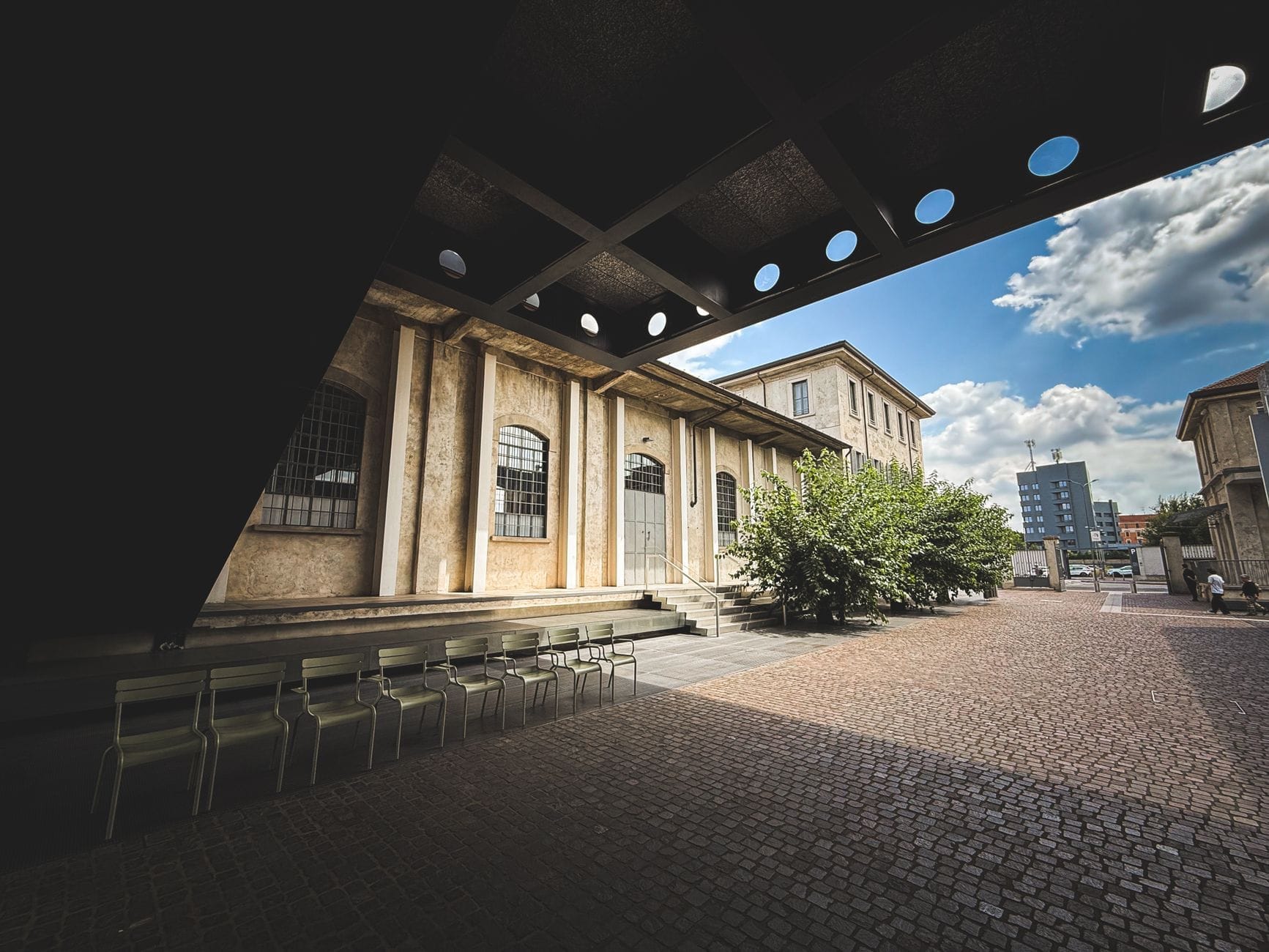
20. Explore the Fondazione Prada's Rem Koolhaas Complex in a Former Distillery
OMA's conversion of a 1910 distillery into a contemporary art campus includes multiple galleries, a Wes Anderson-designed bar, and the Torre with city views. It's further south than most visitors venture but represents one of the most ambitious cultural projects in Europe.
Explore20. Explore the Fondazione Prada's Rem Koolhaas Complex in a Former Distillery
OMA's conversion of a 1910 distillery into a contemporary art campus includes multiple galleries, a Wes Anderson-designed bar, and the Torre with city views. It's further south than most visitors venture but represents one of the most ambitious cultural projects in Europe.
ExploreFAQ
What are the best free hidden gems in Milan?
Several of Milan's best off-the-beaten-path sites are free to enter. Pirelli HangarBicocca (contemporary art in a former factory), Cimitero Monumentale (extraordinary funerary sculpture), Palazzo Morando (fashion history museum), and the observation deck at Palazzo Lombardia all cost nothing to enter. San Bernardino alle Ossa (the bone church) is also free to access. Always verify current opening hours before visiting.
How far from the city center are these hidden gems?
Most are very central or easily reached by metro. San Bernardino alle Ossa is around five minutes' walk from the Duomo. San Maurizio al Monastero Maggiore, the Colonne di San Lorenzo, and the Archaeological Museum are all in or near the Ticinese area, walkable from the center. Pirelli HangarBicocca and Abbazia di Chiaravalle require a metro or short bus journey but are reachable within roughly 30 minutes.
When is the best time to visit Milan's lesser-known attractions?
Spring (April to June) and early autumn (September to October) offer the most comfortable conditions for exploring on foot, with temperatures between roughly 15 and 26°C and fewer crowds than summer. Smaller churches and free cultural spaces are best visited on weekday mornings. Summer weekends bring Milanese locals back from holidays, making canal-side spots and parks more lively.
Are there hidden gems in Milan that are suitable for families?
The Acquario Civico in Parco Sempione is excellent for families, as is the Idroscalo for swimming and cycling in summer. The Museo di Storia Naturale in the Giardini Pubblici has dinosaur skeletons and dioramas that children enjoy, and the Cimitero Monumentale, though unusual, is particularly fascinating for older children interested in art and history.
Do I need to book in advance for these hidden gem attractions?
Most do not require advance booking. The main exception among this list is Fondazione Prada, where booking ahead is recommended for busy periods and special events. For the smaller churches, no booking is needed but checking opening hours in advance is important, as many close midday. The Palazzo Lombardia observation deck is generally open on Sundays without reservation.