Acquario Civico di Milano: Europe's Third-Oldest Aquarium in the Heart of Parco Sempione
Opened in 1906 for Milan's International Expo, the Acquario Civico di Milano is one of the oldest aquariums in Europe, housed in a Liberty-style building inside Parco Sempione. At €8 entry, it offers a quiet, unhurried contrast to the city's blockbuster attractions.
Quick Facts
- Location
- Viale Gerolamo Gadio 2, inside Parco Sempione, Milan
- Getting There
- Walk from Cadorna (M1/M2) or Lanza (M2); trams also serve the Castello Sforzesco area
- Time Needed
- 1 to 1.5 hours
- Cost
- Standard €8 / Reduced €4 (verify current prices before visiting)
- Best for
- Families, architecture lovers, rainy-day culture seekers
- Official website
- www.acquariodimilano.it
What the Acquario Civico Actually Is
The Acquario Civico di Milano is a freshwater and marine aquarium managed by the Municipality of Milan, located inside Parco Sempione, the large park that stretches behind Castello Sforzesco. It is not a large modern ocean complex with sharks and stadium-scale tanks. It is a compact, civic institution with genuine historical depth, and understanding that distinction before you arrive matters.
Founded in 1906 as part of Milan's International Exposition, it holds the distinction of being the third-oldest aquarium in Europe. The building that houses it is a fine example of Italian Liberty architecture (the local strain of Art Nouveau), decorated with maritime motifs, ceramic tiles, and Neptune-themed reliefs on the facade. The structure survived the twentieth century largely intact, with a significant renovation completed between 2003 and 2006 that updated the tank systems while preserving the original character of the interior.
ℹ️ Good to know
The aquarium is closed on Mondays. Opening hours are Tuesday to Sunday, 10:00 to 17:30. Hours can change around public holidays, so check the official site before you go.
The Building: A Piece of 1906 Milan
Before you step through the entrance, take a moment with the exterior. The facade is unusually expressive for a civic institution: sea creatures rendered in decorative tilework, stone carvings referencing the ocean, and the overall proportions of a small palazzo rather than a utilitarian box. It sits at Viale Gerolamo Gadio 2, positioned between the Arena Civica and the edge of the park, with a view toward the castle complex if you turn around.
The building is a physical document of how Milan presented itself to the world in the early twentieth century. The 1906 Expo was held to celebrate the opening of the Simplon Tunnel through the Alps, and the city used the occasion to commission permanent civic institutions it intended to keep. The aquarium was one of them. For architectural context across the broader city, the Milan architecture guide covers several buildings from the same Liberty period that are still standing.
Tickets & tours
Hand-picked options from our booking partner. Prices are indicative; availability and final rates are confirmed when you complete your booking.
Milano highlights 2 hours private tour by vintage car
From 300 €Instant confirmationFree cancellationMilano highlights 3 hours private tour by vintage car
From 400 €Instant confirmationFree cancellationMilano highlights 30 minutes private tour by vintage car
From 80 €Instant confirmationFree cancellationMilano highlights 1 hour private tour by vintage car
From 200 €Instant confirmationFree cancellation
Inside: What You Will Find
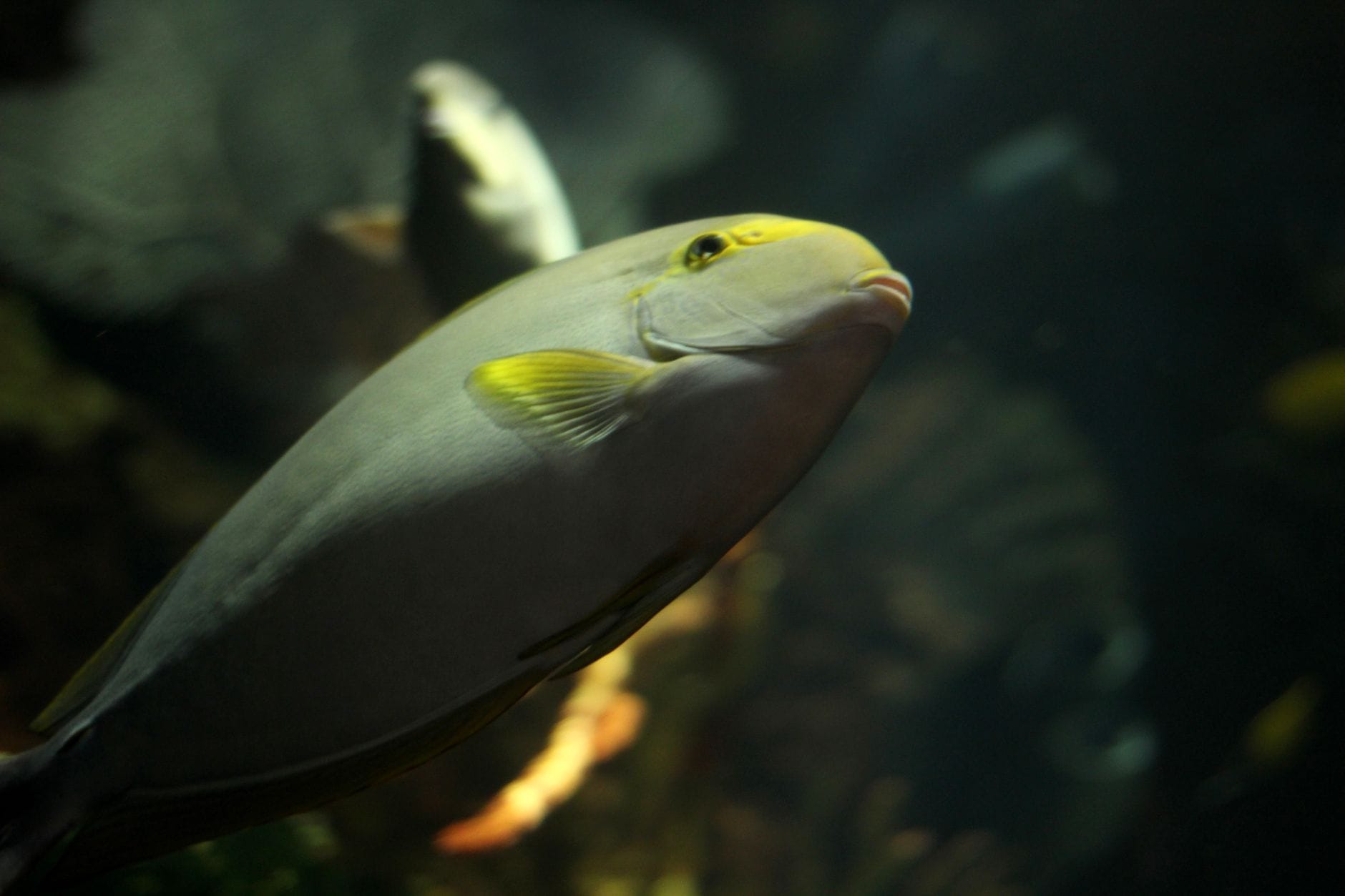
The interior is organized around a central hall with tanks running along the walls and some freestanding displays. The lighting is low, as is standard in any aquarium, which gives the space a calm, almost aquatic atmosphere of its own. The tanks hold species from Mediterranean coastal waters, Italian rivers and lakes, and some tropical marine environments. Displays are labeled in Italian, though many include at least some English text.
The collection includes moray eels, cuttlefish, sea horses, octopuses, and various freshwater fish from northern Italian river systems, including species that would be native to the Po Valley waterways surrounding Milan. There is also a section dedicated to marine invertebrates. The tanks vary in scale: some are large enough to watch schools of fish circulate, while others are smaller focused displays. The overall number of species is modest compared to larger modern facilities, but the quality of the displays, particularly after the 2006 renovation, is respectable.
One detail worth noting: the interior retains original architectural elements from 1906 alongside the updated tank infrastructure, creating an unusual layering of eras. Iron railings, tiled floors, and the ceiling structure all carry the feel of the original building. This is not a place that has been stripped back and rebuilt in corporate modernism. That continuity is part of what makes it interesting.
💡 Local tip
Photography without flash is generally possible and the low-light conditions reward a little patience. Mornings on weekdays, especially Tuesday through Thursday, tend to be quietest. On weekends, school-age groups can fill the central hall by late morning.
How the Experience Changes by Time of Day
Arriving at opening, around 10:00 on a weekday, the aquarium is close to empty. The halls are quiet enough that you can hear the circulation systems working in the tanks and the ambient sound of water. The light entering through upper windows catches the glass of the tanks at a low angle. This is the version of the place that rewards slow movement and close observation.
By midday, particularly on weekends, the dynamic shifts. Families with young children, occasional school groups, and tourists who have walked over from Castello Sforzesco fill the space considerably. The atmosphere remains manageable given the building's size, but the quieter contemplative experience is harder to sustain. If your primary interest is the architecture and the history rather than the tanks themselves, the morning window is clearly preferable.
Late afternoon, in the hour before closing, sees a natural thinning of crowds again. The light is different by this point, more orange and softer on the facade if you exit into Parco Sempione afterward. Pairing the aquarium with a walk through the park to Torre Branca or across to the castle makes for a coherent half-day in this part of Milan.
Getting There and Practical Logistics
The aquarium sits inside the Castello Sforzesco and Parco Sempione area, one of the most walkable parts of central Milan. From Cadorna station, served by Metro lines M1 and M2, it is roughly a 10-minute walk north through the park entrance. From Lanza on M2, the approach takes you past the castle itself, which is a natural pre- or post-visit stop.
Trams also stop nearby: several lines run along the roads bordering Parco Sempione, so depending on where you are starting from, a tram connection may be more direct than the metro. The area is flat and navigable without a map for anyone familiar with the castle as a reference point.
Admission is €8 for a standard ticket and €4 for a reduced ticket. Given the scale of the institution, this is a fair price for what is offered. The aquarium is a valid addition to a broader itinerary for the area but should not be the sole reason for a dedicated journey across the city unless you have a specific interest in the history or the building.
⚠️ What to skip
Accessibility information for visitors with mobility requirements is not comprehensively detailed in publicly available sources. Contact the aquarium directly before visiting if step-free or other accessible access is a requirement.
The Aquarium in Context: What Surrounds It
The Acquario Civico sits in one of Milan's most landmark-dense zones. Castello Sforzesco is immediately to the east, with its courtyard museums and tower. Parco Sempione wraps around the aquarium and extends westward toward the Arena Civica and the viewpoint at Torre Branca. This is not a neighborhood where you run out of things to see.
For visitors building a fuller day in this part of the city, the Musei del Castello Sforzesco house a significant collection including Michelangelo's unfinished Rondanini Pietà. The Triennale Design Museum is also within walking distance on the western edge of the park, and offers a sharply different cultural lens on Milan's creative legacy.
Who Should Temper Their Expectations
Visitors expecting a large-format modern aquarium with immersive tunnel walkways, tropical reef displays at scale, or interactive technology will find the Acquario Civico modest by those standards. It does not compete with major marine aquariums in coastal cities. The collection is selective rather than comprehensive, and the signage is primarily in Italian.
Travelers with only two or three days in Milan and a long list of priorities may find that the aquarium does not rise to the top. For those visitors, the time might go further at the nearby Castello Sforzesco or at one of Milan's major art collections. However, for anyone with children, an interest in early twentieth-century civic architecture, or a desire to spend an hour away from the crowds of the Duomo district, it earns its place on the itinerary.
Insider Tips
- The exterior facade is worth photographing in morning light when shadows are low and the ceramic details read clearly. Most visitors walk straight in without pausing outside.
- The aquarium participates in the Abbonamento Musei card scheme, which covers many Lombardy museums. If you are visiting multiple institutions over several days, a card may reduce your per-entry cost significantly.
- After the aquarium, walk northwest through Parco Sempione rather than retracing your route. The park opens up into a large green space that most first-time visitors to Milan underestimate. It is a good 15-minute walk from the aquarium to the park's far edge.
- The building is not air-conditioned in the conventional sense, but the combination of low lighting, water-cooled tanks, and thick Liberty-era walls keeps the interior noticeably cooler than the streets in summer. It is a practical refuge on a hot July afternoon.
- If you read Italian, the tank labels include local ecological context about species distribution in Italian waterways. It is a more specific kind of information than you find in tourist-oriented displays.
Who Is Acquario Civico di Milano For?
- Families with primary school-age children looking for an affordable, sheltered activity
- Architecture enthusiasts interested in Milan's Liberty period and early civic building
- Visitors pairing a half-day in Parco Sempione with Castello Sforzesco and Torre Branca
- Travelers seeking a calm, low-stimulation experience away from the Duomo crowds
- Anyone curious about Italy's freshwater ecosystems and Po Valley native species
Nearby Attractions
Other things to see while in Castello & Sempione:
- Arco della Pace
The Arco della Pace stands at the northwestern edge of the city, marking the historic entrance to Milan via Corso Sempione. Built over five decades, started under Napoleon and finished under Austrian rule, it tells the story of a city pulled between empires — and looks striking doing it. Entry is free, the surrounding square is open daily, and the arch connects directly to Parco Sempione.
- Castello Sforzesco
Castello Sforzesco is a major castle complex in Milan, housing nine civic museums within its Renaissance walls, including Michelangelo's unfinished Pietà Rondanini. The castle grounds are free to enter daily, making it one of Milan's most rewarding and accessible attractions.
- Musei del Castello Sforzesco
The Musei del Castello Sforzesco pack nine civic museum collections into one of northern Italy's most striking 15th-century fortresses. From Michelangelo's unfinished final sculpture to Egyptian mummies and Renaissance tapestries, this is Milan's most underrated museum complex — and one of its best-value cultural experiences.
- Parco Sempione
Parco Sempione is Milan's answer to a proper city park: 386,000 square metres of English-garden landscape tucked directly behind Castello Sforzesco, free to enter, and open late in the evening. From morning joggers to aperitivo crowds, it shows a different side of the city entirely.