Best Churches in Milan: A Complete Guide to the City's Sacred Architecture
Milan's churches span seventeen centuries of history, from 4th-century basilicas built by the city's patron saint to Renaissance chapels covered floor-to-ceiling in frescoes. This guide covers the essential sacred sites, practical visiting tips, and the lesser-known churches that reward the curious traveler.
Plan and book this trip
Tools from our partner Travelpayouts help you compare flights and hotels. If you book through them, we may earn a commission at no extra cost to you.
Flights
Hotels map
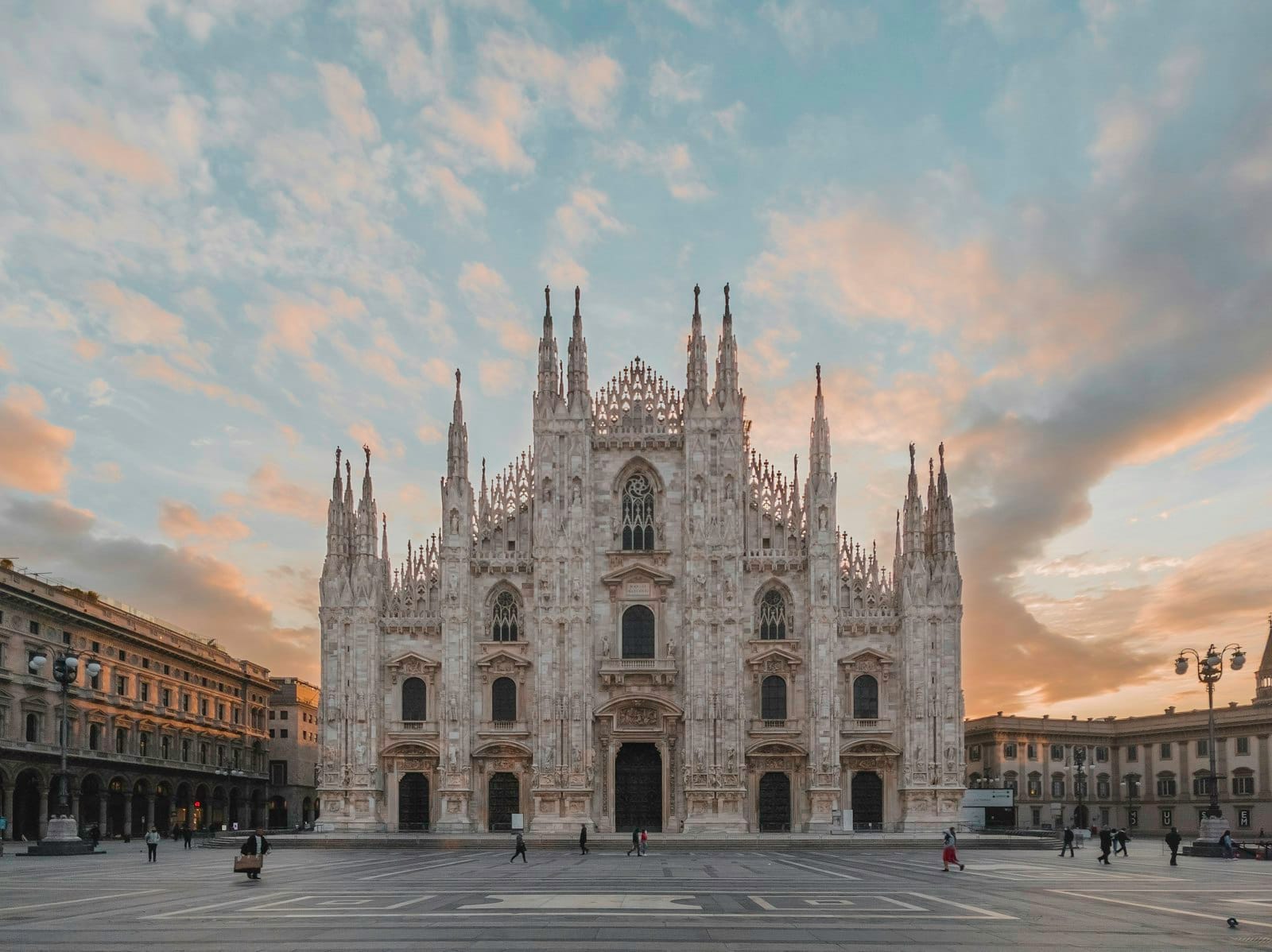
Milan is not the city most visitors associate with churches, yet its sacred architecture rivals Rome and Florence for sheer range and quality. The Ticinese and Sant'Ambrogio district is home to Sant'Ambrogio and other historic churches. The Duomo district anchors the city around one of the world's largest Gothic cathedrals, while quieter neighborhoods hide bone-chapel ossuaries, Renaissance fresco cycles, and an ancient Cistercian abbey on the city's southern edge. Many of these churches are free to enter; a few require advance booking. All have dress code requirements: shoulders and knees must be covered.
✨ Pro tip
Book the Last Supper (Cenacolo Vinciano) well in advance. Tickets sell out fast and walk-ins are not permitted. The adjacent Santa Maria delle Grazie church is free and open separately.
The Cathedral & Its Surrounding District
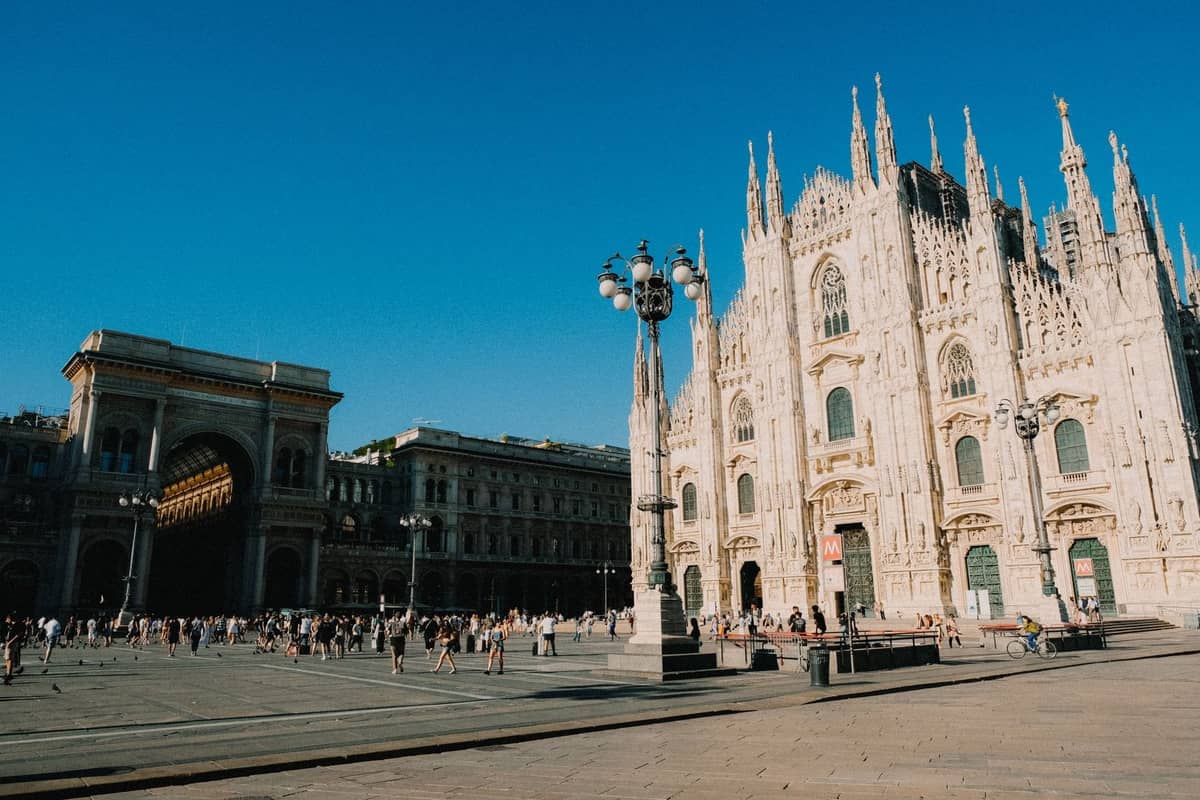
The Duomo is the undisputed center of Milan's religious life and one of the great architectural achievements of the Western world. Before or after visiting, the surrounding district rewards exploration: the architecture around Piazza del Duomo includes the Galleria, historic palaces, and a small church with one of the most macabre interiors in Italy.
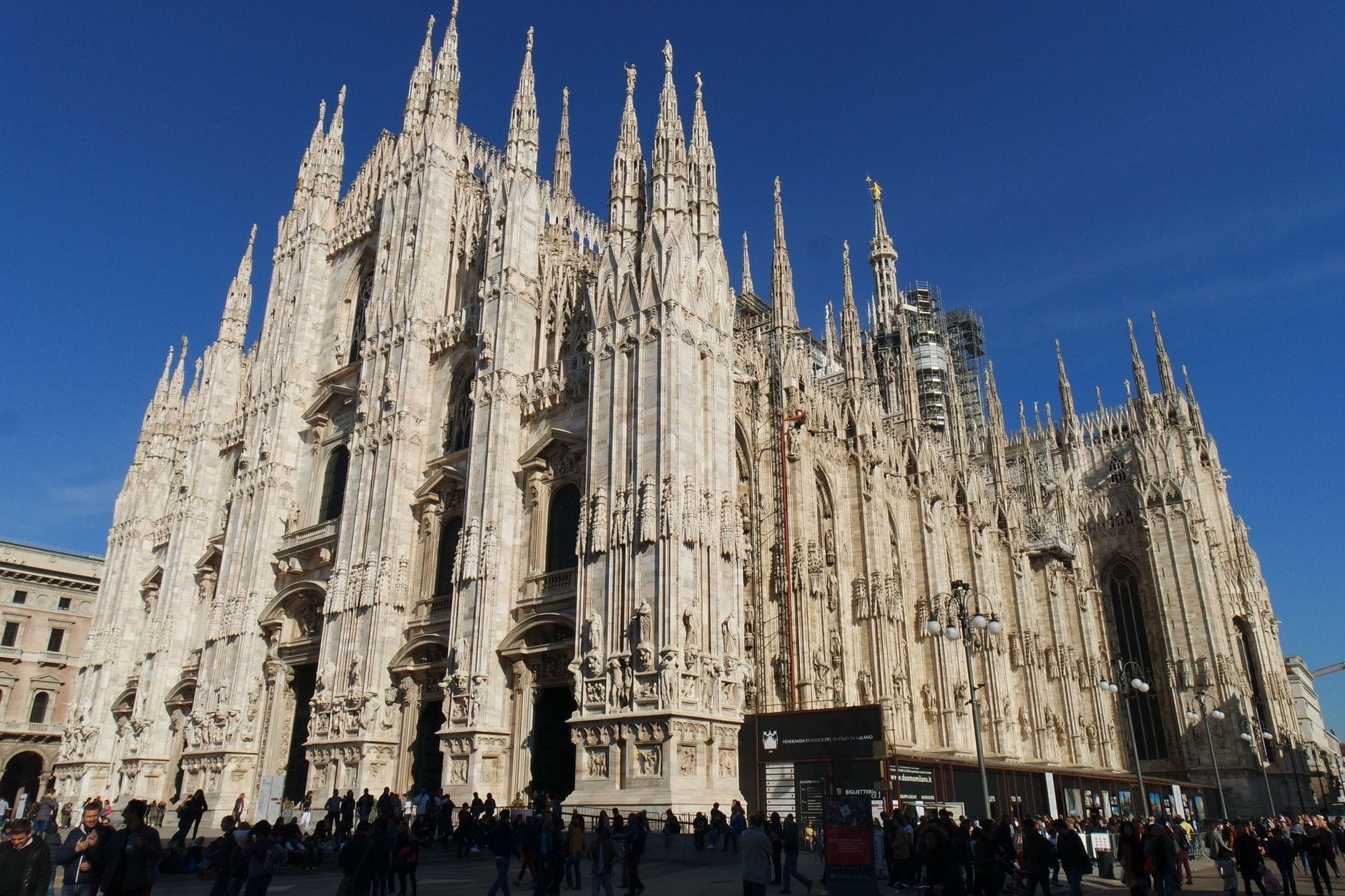
1. Stand Inside One of the World's Largest Gothic Cathedrals
Construction began in 1386 and took five centuries. The interior holds 3,400 statues, soaring 16th-century stained glass, and a serene marble nave 157m long. Arrive early to avoid queues; combined tickets cover the rooftop terraces and museum.
Explore1. Stand Inside One of the World's Largest Gothic Cathedrals
Construction began in 1386 and took five centuries. The interior holds 3,400 statues, soaring 16th-century stained glass, and a serene marble nave 157m long. Arrive early to avoid queues; combined tickets cover the rooftop terraces and museum.
Explore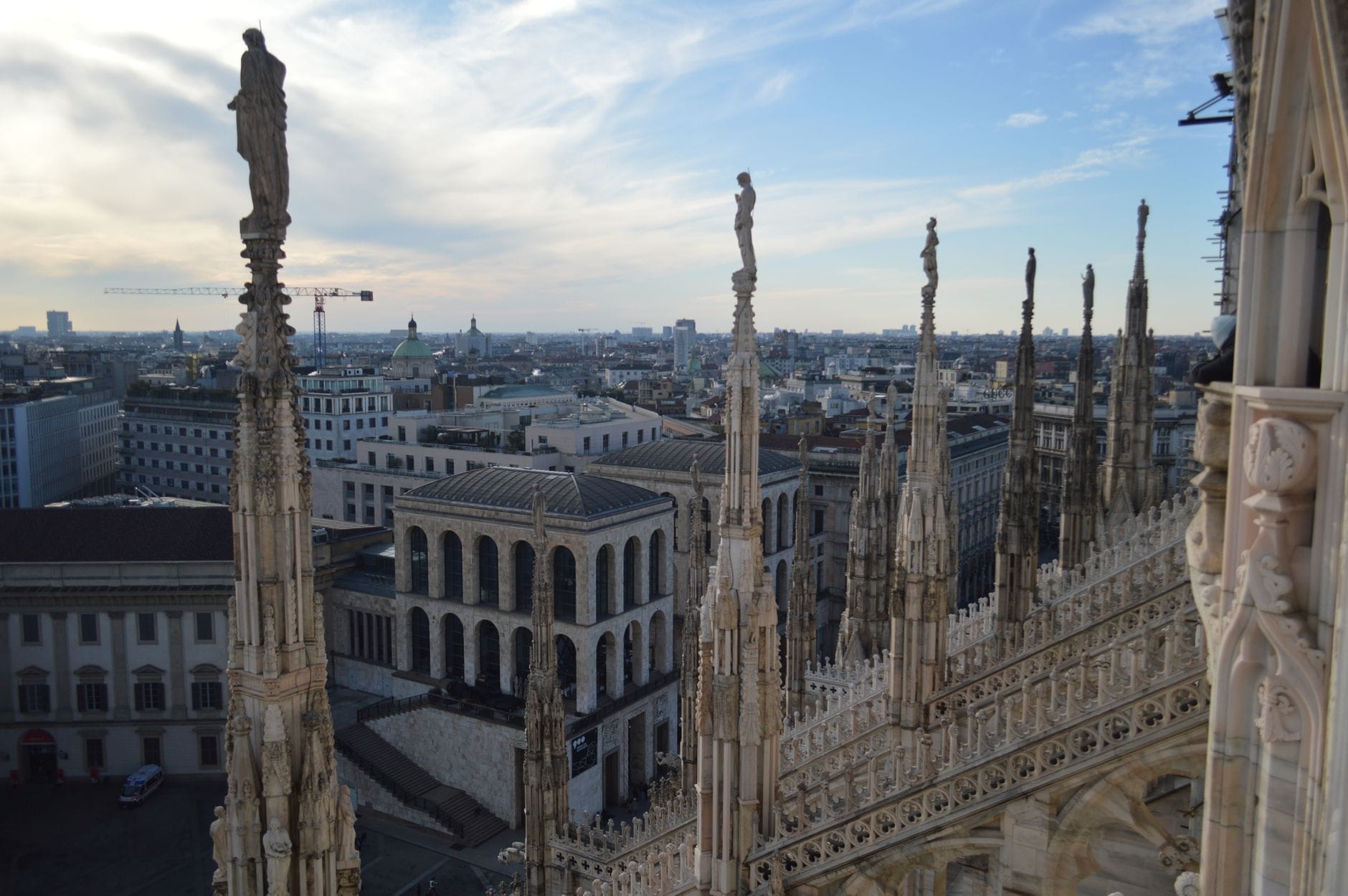
2. Walk Among Gothic Spires on the Duomo's Rooftop Terraces
Take the elevator or stairs to walk among the cathedral's 135 spires at close range. On clear days the Alps are visible from the terrace. The rooftop ticket is separate from the cathedral interior and worth every cent for the views alone.
Explore2. Walk Among Gothic Spires on the Duomo's Rooftop Terraces
Take the elevator or stairs to walk among the cathedral's 135 spires at close range. On clear days the Alps are visible from the terrace. The rooftop ticket is separate from the cathedral interior and worth every cent for the views alone.
Explore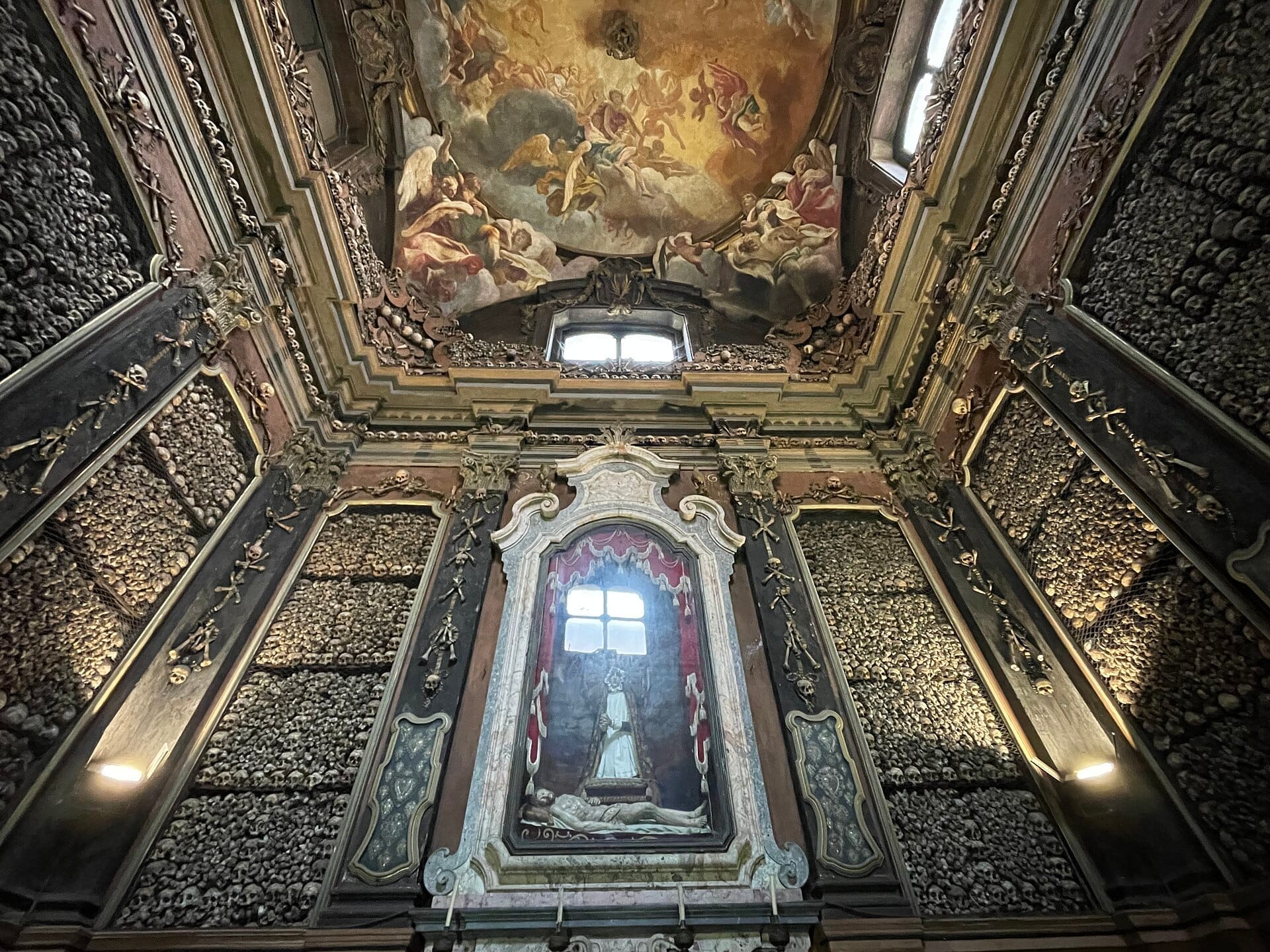
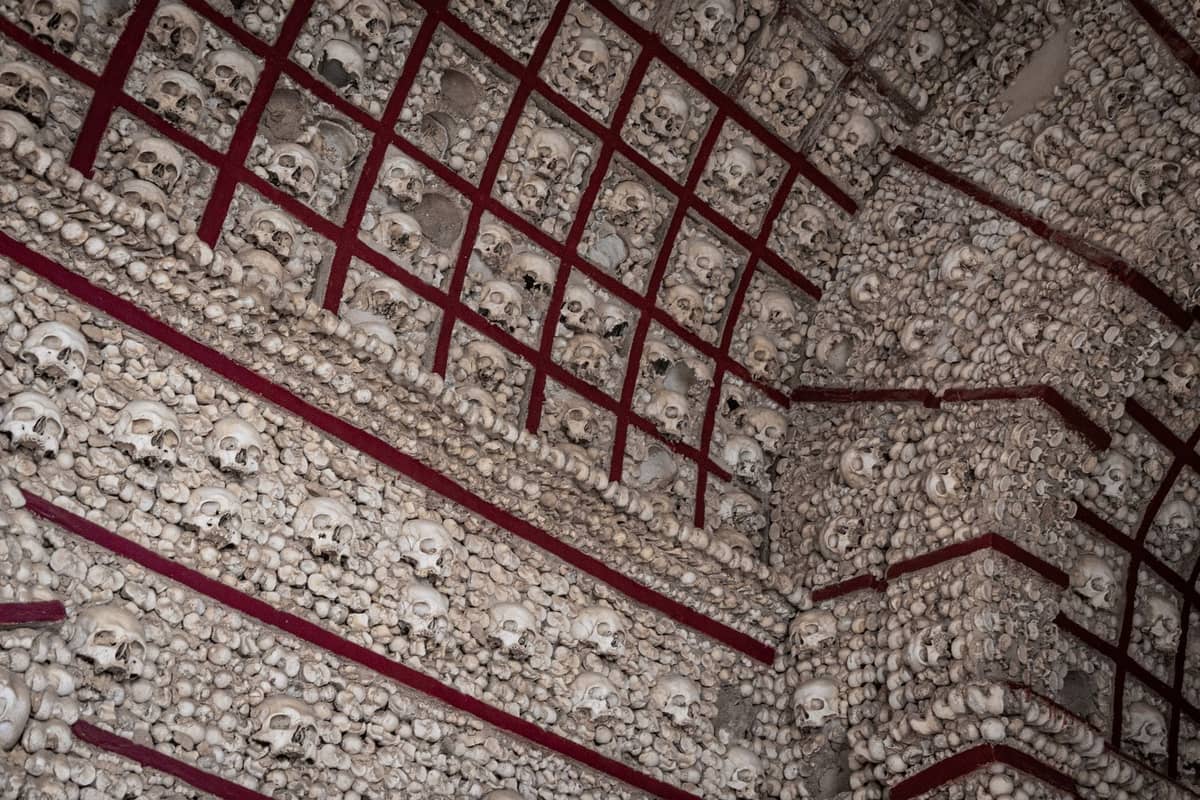
3. Visit Milan's Macabre Ossuary Chapel Near the Duomo
A 13th-century church with a side chapel whose walls and ceiling are completely covered with human bones and skulls. Free to enter and five minutes from the Duomo, it is one of Milan's most extraordinary and undervisited spaces. Open mornings only.
Explore3. Visit Milan's Macabre Ossuary Chapel Near the Duomo
A 13th-century church with a side chapel whose walls and ceiling are completely covered with human bones and skulls. Free to enter and five minutes from the Duomo, it is one of Milan's most extraordinary and undervisited spaces. Open mornings only.
ExploreRenaissance Masterpieces: Frescoes, Bramante & Leonardo
The late 15th and early 16th centuries were Milan's artistic golden age, when Ludovico Sforza's court attracted Leonardo da Vinci, Donato Bramante, and Bernardino Luini. Their work survives in several churches within a compact area near Corso Magenta. For a broader look at Milan's Renaissance heritage, the Leonardo da Vinci guide maps out all the key sites.
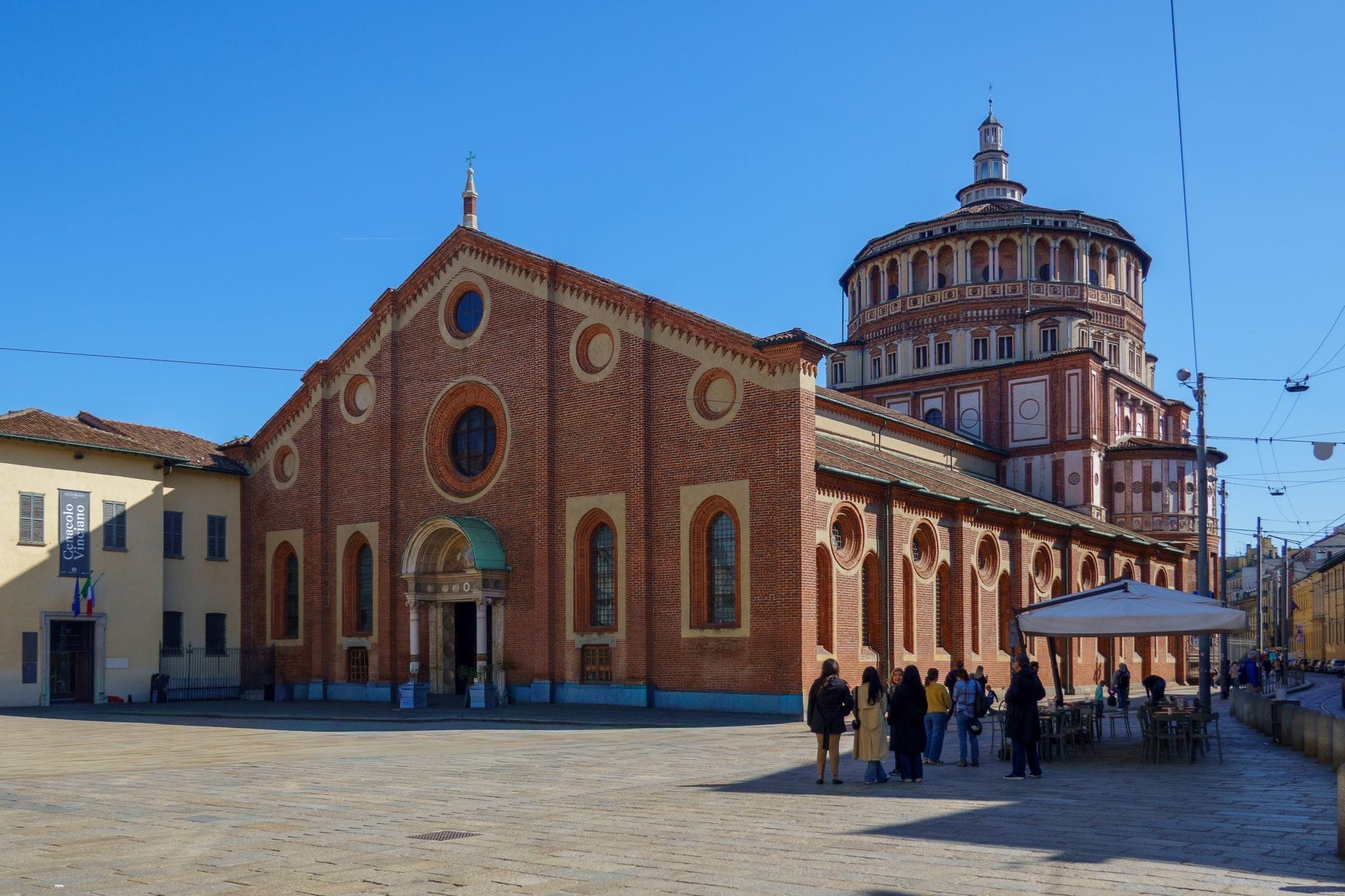
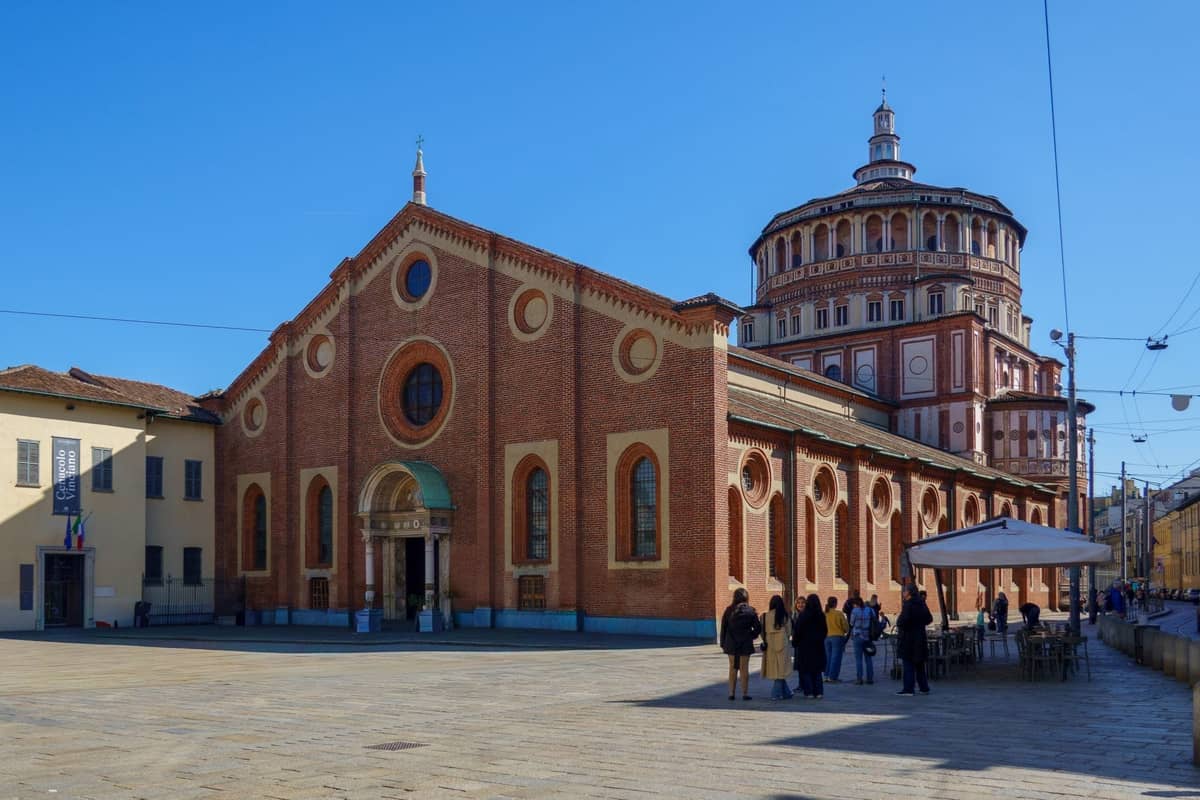
4. See Leonardo's Last Supper in Its Original Refectory Setting
Leonardo's mural, completed around 1498, occupies the north wall of Santa Maria delle Grazie's refectory. Visits are timed to 15 minutes with a maximum of 25 people. Book 2-3 months ahead online; walk-in tickets are not available.
Explore4. See Leonardo's Last Supper in Its Original Refectory Setting
Leonardo's mural, completed around 1498, occupies the north wall of Santa Maria delle Grazie's refectory. Visits are timed to 15 minutes with a maximum of 25 people. Book 2-3 months ahead online; walk-in tickets are not available.
Explore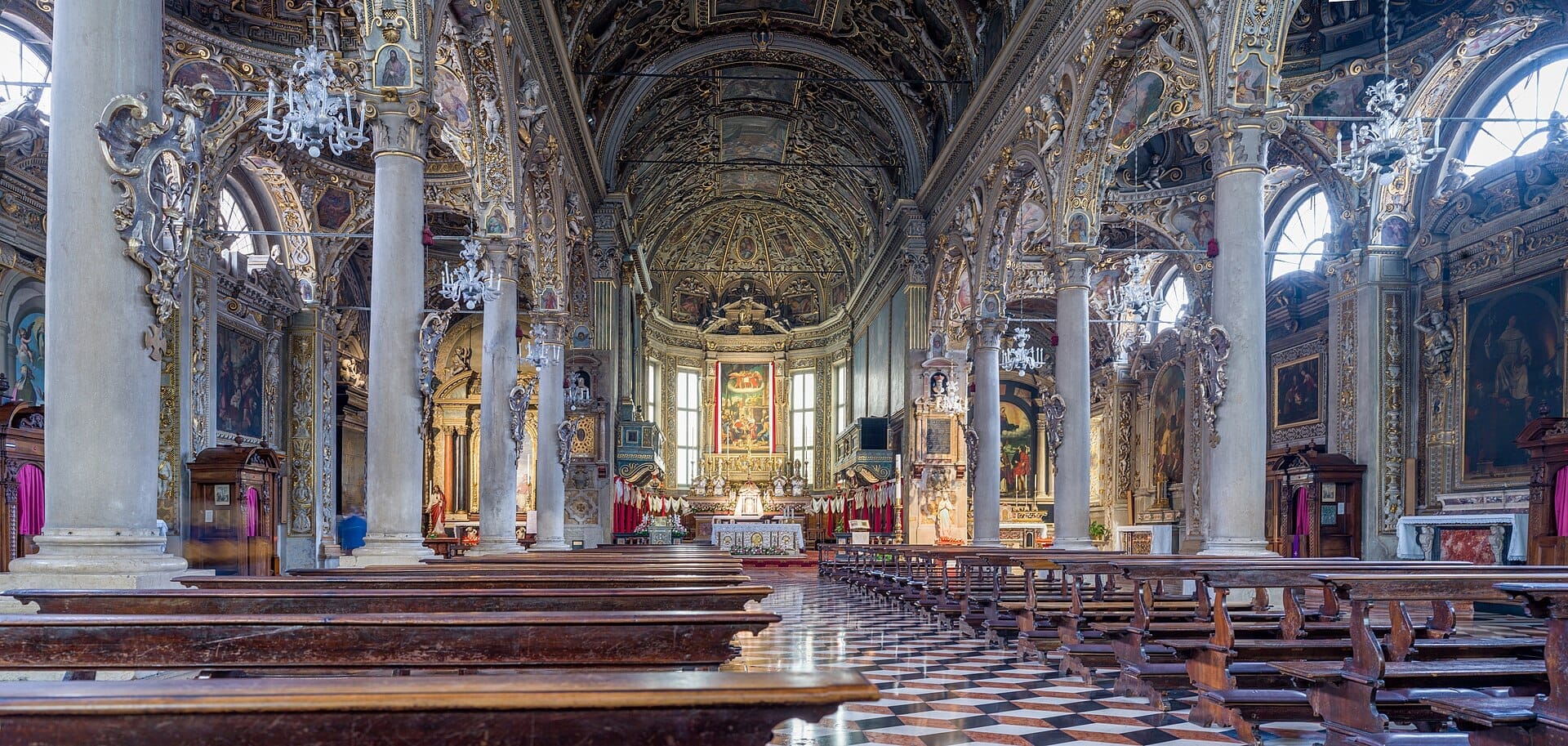
5. Explore Bramante's Renaissance Architecture at Santa Maria delle Grazie
This UNESCO-listed church is worth visiting independently of the Last Supper ticket. Bramante's elegant tribune at the east end, added around 1492, is one of the purest expressions of Early Renaissance architecture in northern Italy. Entry to the church is free.
Explore5. Explore Bramante's Renaissance Architecture at Santa Maria delle Grazie
This UNESCO-listed church is worth visiting independently of the Last Supper ticket. Bramante's elegant tribune at the east end, added around 1492, is one of the purest expressions of Early Renaissance architecture in northern Italy. Entry to the church is free.
Explore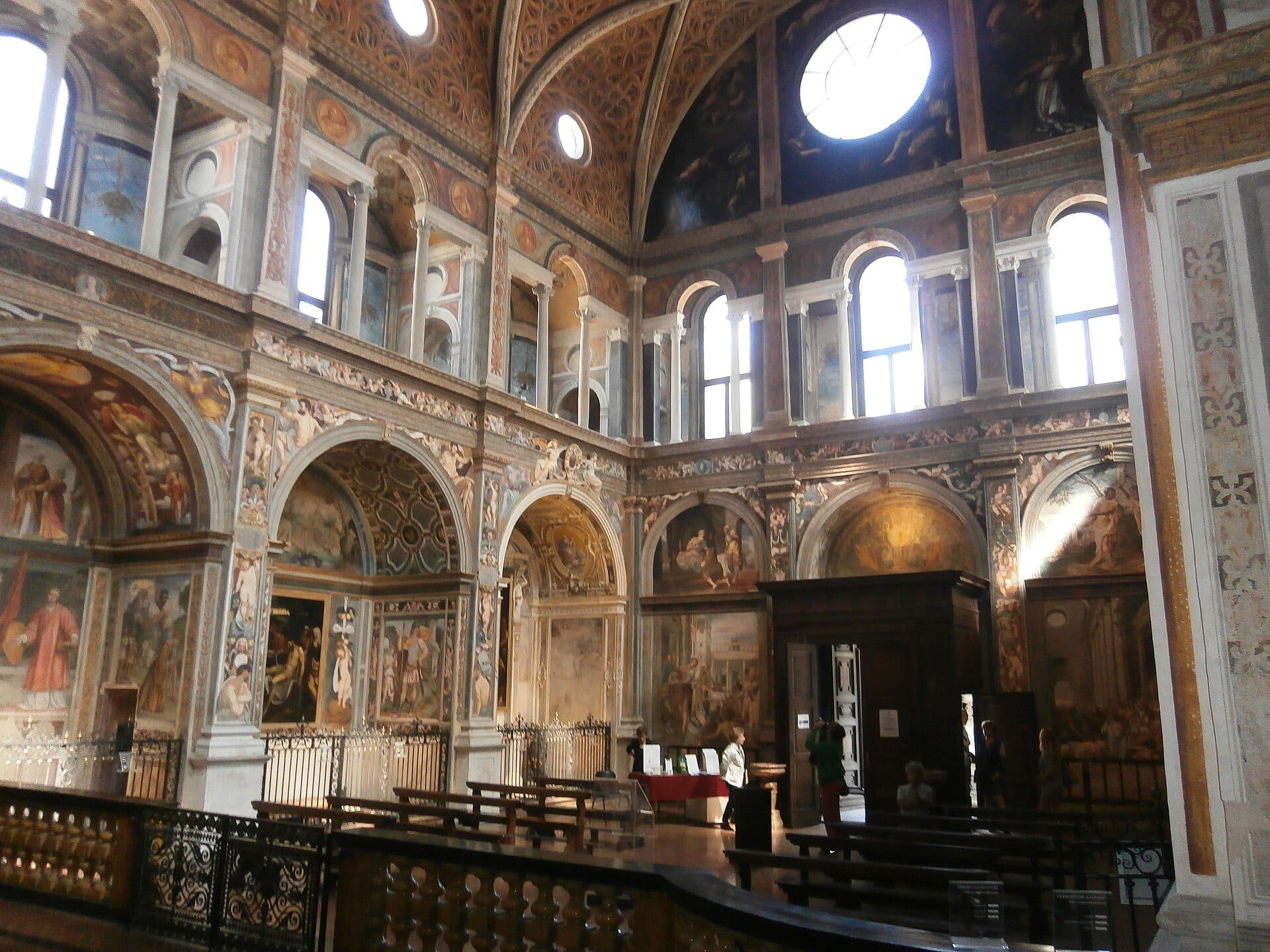
6. See the 'Sistine Chapel of Milan' Covered in Renaissance Frescoes
Every surface of this 16th-century church is painted with frescoes by Bernardino Luini and his school, covering two interconnected halls. Entry is free, hours are Tuesday to Sunday 09:00-17:00, and it is consistently one of Milan's most underrated artistic experiences.
Explore6. See the 'Sistine Chapel of Milan' Covered in Renaissance Frescoes
Every surface of this 16th-century church is painted with frescoes by Bernardino Luini and his school, covering two interconnected halls. Entry is free, hours are Tuesday to Sunday 09:00-17:00, and it is consistently one of Milan's most underrated artistic experiences.
Explore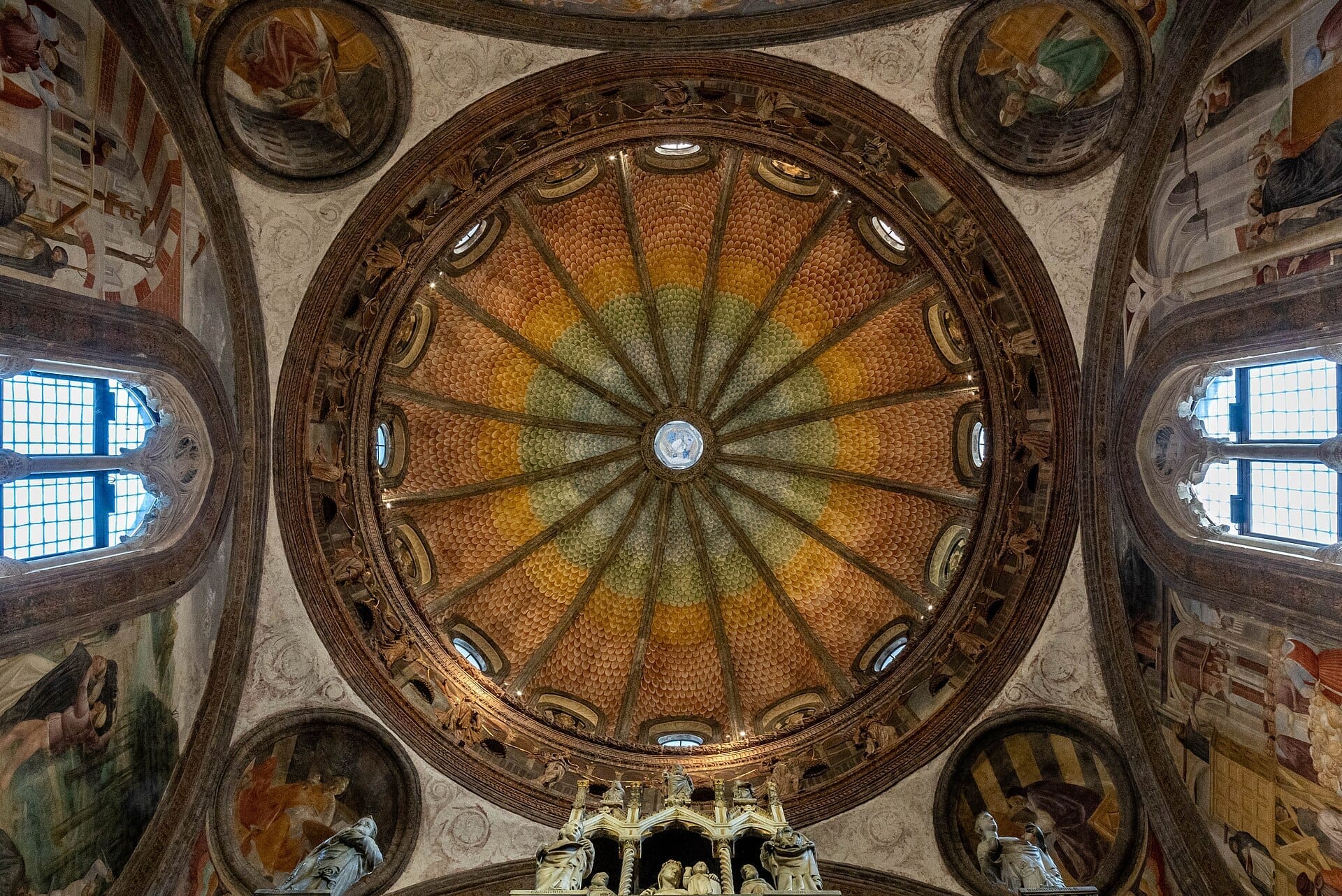
7. Find the Portinari Chapel, a Renaissance Gem Inside Sant'Eustorgio
The main church is ancient and atmospheric, but the Portinari Chapel (separate ticket) is the highlight: a perfectly preserved 15th-century Renaissance interior by Michelozzo with extraordinary frescoes by Vincenzo Foppa. Also claims to house the relics of the Three Magi.
Explore7. Find the Portinari Chapel, a Renaissance Gem Inside Sant'Eustorgio
The main church is ancient and atmospheric, but the Portinari Chapel (separate ticket) is the highlight: a perfectly preserved 15th-century Renaissance interior by Michelozzo with extraordinary frescoes by Vincenzo Foppa. Also claims to house the relics of the Three Magi.
ExploreAncient Milan: Churches from the 4th to 12th Centuries
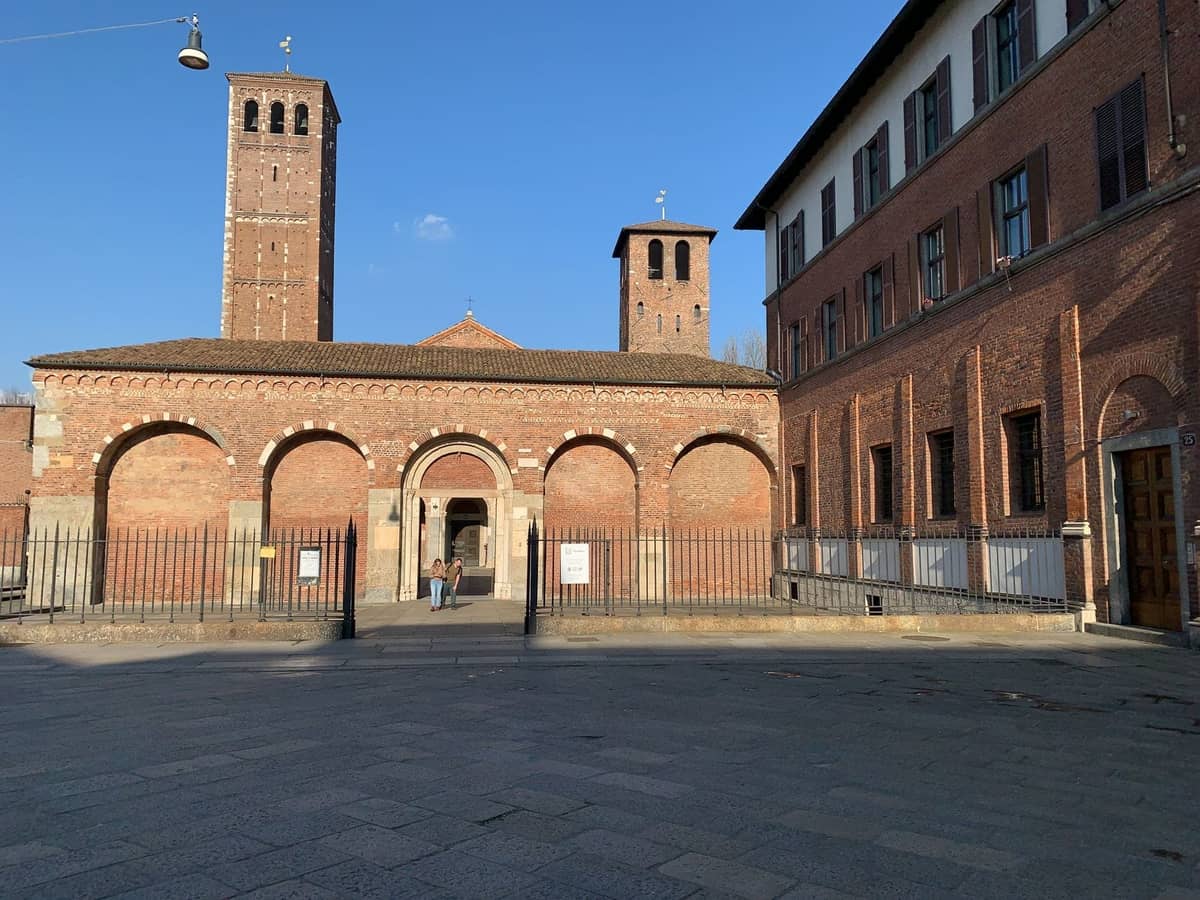
Milan was the western capital of the Roman Empire from the late 3rd century to 402 AD, a fact reflected in the age of its oldest churches. a fact reflected in the age of its oldest churches. The Ticinese-Sant'Ambrogio area is the place to trace this deep history, with the Colonne di San Lorenzo providing a Roman street-level backdrop for the early Christian basilicas behind them. For anyone following a three-day Milan itinerary, dedicating a half-day to this district rewards visitors with some of the city's most layered history.
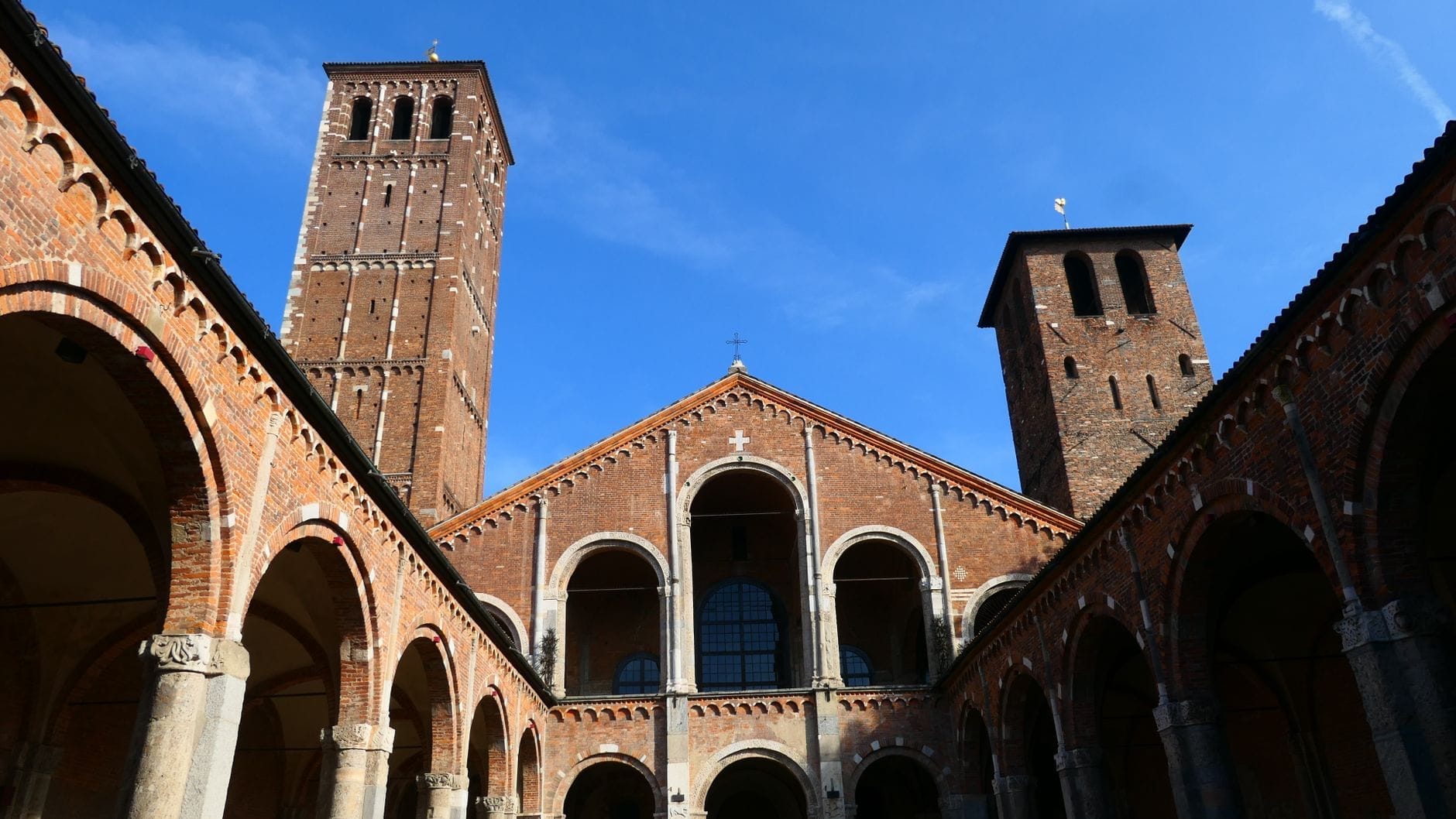
8. Step Inside the Basilica Built by Milan's Patron Saint in 379 AD
Founded by Bishop Ambrose and rebuilt between the 9th and 12th centuries, this Romanesque basilica contains a 9th-century golden altar, ancient mosaics, a crypt holding Ambrose's remains, and one of Milan's oldest and most atmospheric atriums. Free to enter.
Explore8. Step Inside the Basilica Built by Milan's Patron Saint in 379 AD
Founded by Bishop Ambrose and rebuilt between the 9th and 12th centuries, this Romanesque basilica contains a 9th-century golden altar, ancient mosaics, a crypt holding Ambrose's remains, and one of Milan's oldest and most atmospheric atriums. Free to enter.
Explore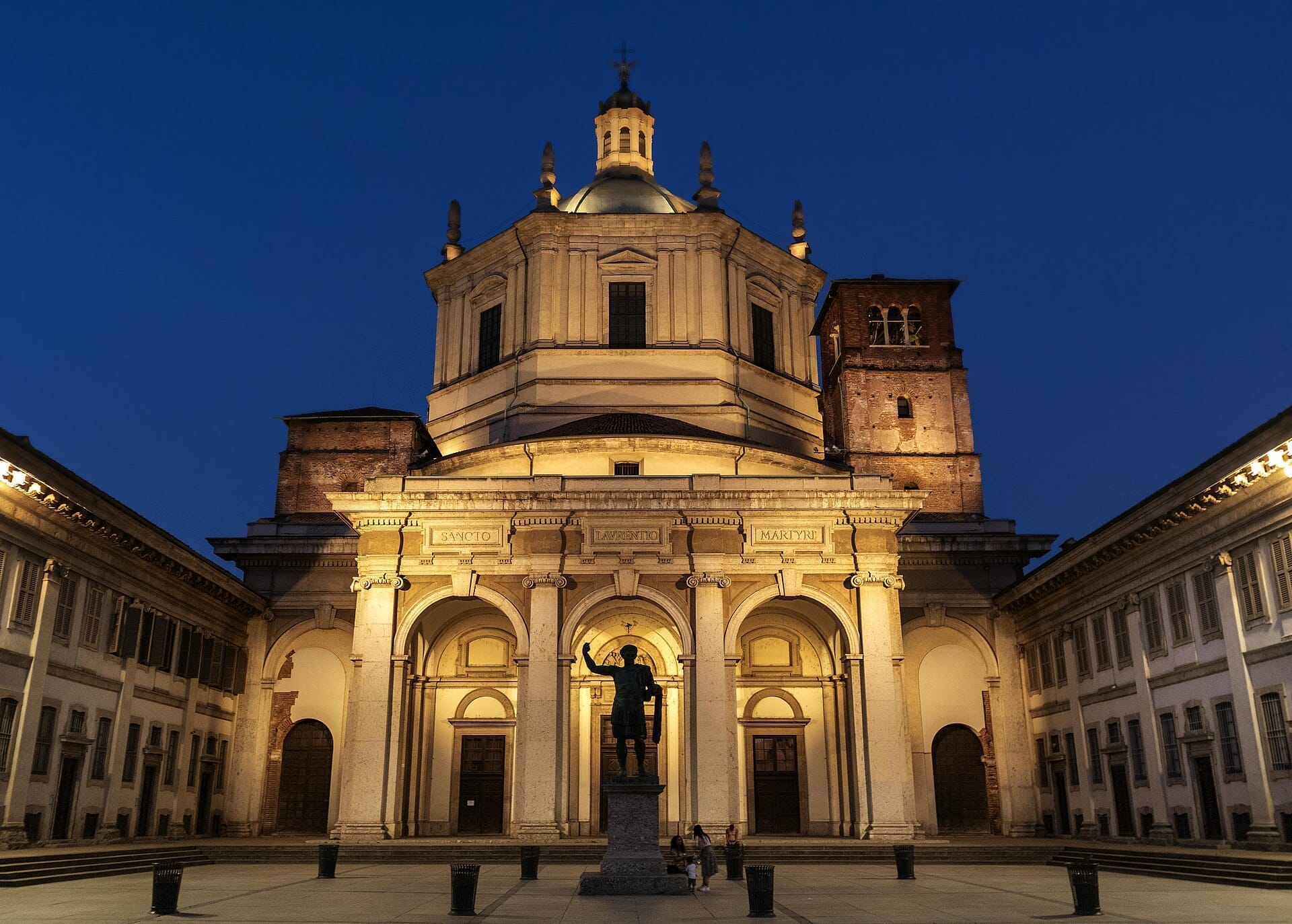
9. Discover Byzantine Mosaics at Milan's Oldest Church Complex
Dating to the 4th century, San Lorenzo retains its original octagonal plan and ancient scale. The Cappella di Sant'Aquilino (small ticket required) contains remarkable early Christian mosaics. The Roman columns outside are free to admire at any hour.
Explore9. Discover Byzantine Mosaics at Milan's Oldest Church Complex
Dating to the 4th century, San Lorenzo retains its original octagonal plan and ancient scale. The Cappella di Sant'Aquilino (small ticket required) contains remarkable early Christian mosaics. The Roman columns outside are free to admire at any hour.
Explore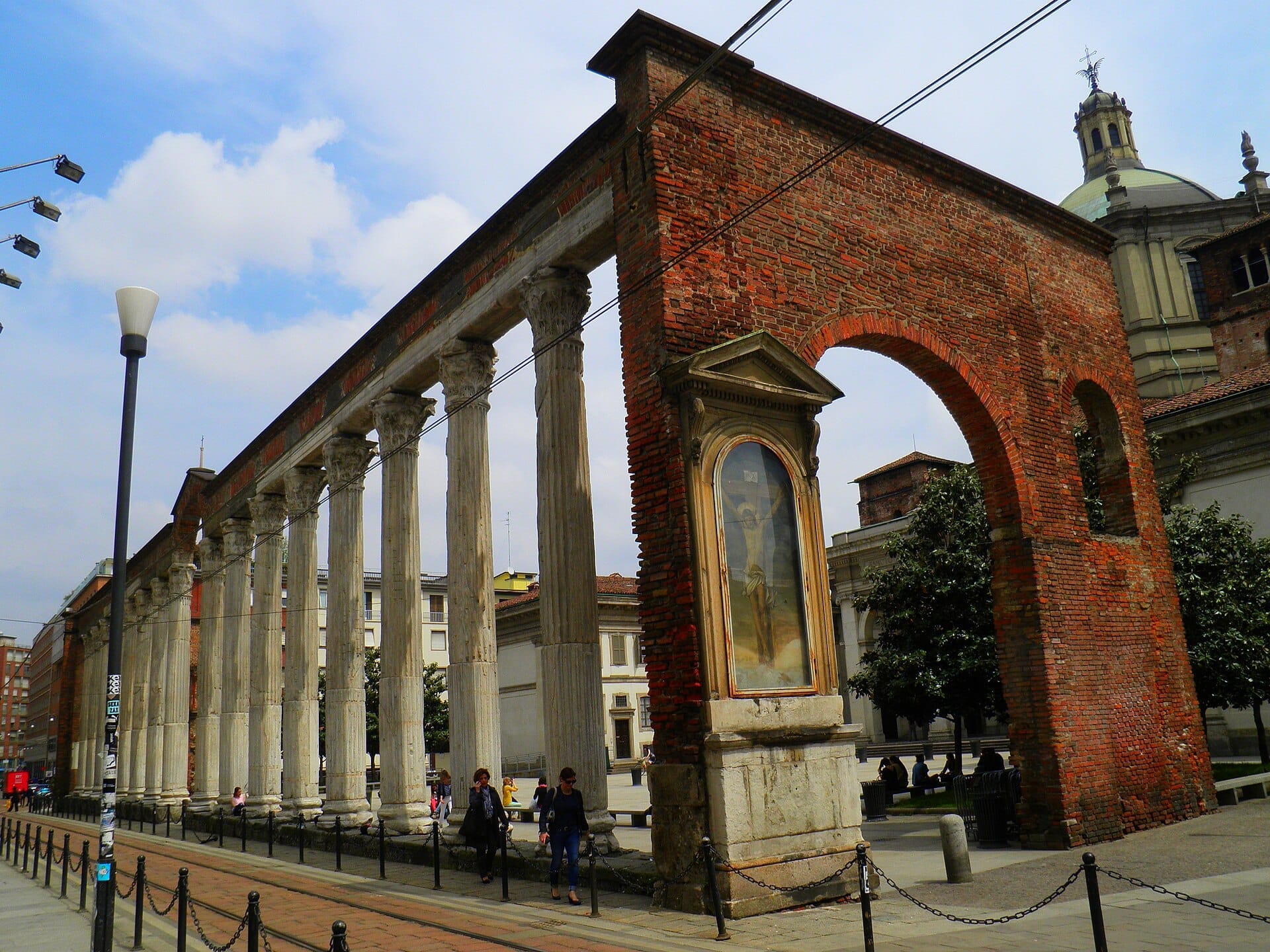
10. Linger Among Rome-Era Columns on Milan's Most Evocative Street
Sixteen Roman columns from the 2nd-3rd century AD stand directly in front of San Lorenzo, forming the most visible remnant of ancient Milan. They are free, always accessible, and particularly atmospheric at dusk when locals gather on the steps for aperitivo.
Explore10. Linger Among Rome-Era Columns on Milan's Most Evocative Street
Sixteen Roman columns from the 2nd-3rd century AD stand directly in front of San Lorenzo, forming the most visible remnant of ancient Milan. They are free, always accessible, and particularly atmospheric at dusk when locals gather on the steps for aperitivo.
Explore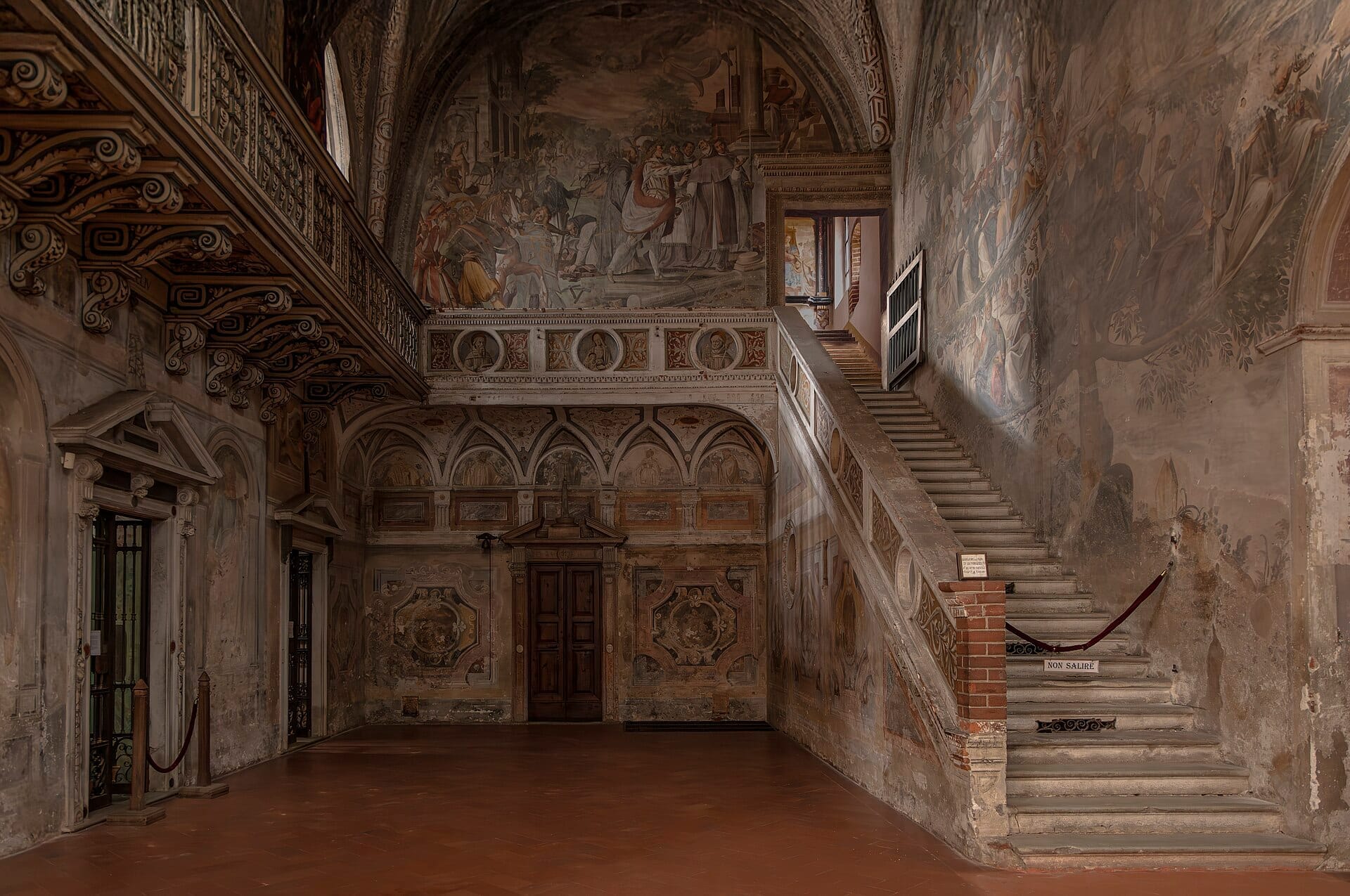
11. Make the Trip to Chiaravalle, a Perfect 12th-Century Cistercian Abbey
Founded in 1135, this abbey on Milan's southern outskirts is Lombardy's finest Romanesque-Gothic monument. Its octagonal bell tower, medieval cloister, and frescoed chapter house survive intact. Reachable by tram and bus; allow half a day for the journey and visit.
Explore11. Make the Trip to Chiaravalle, a Perfect 12th-Century Cistercian Abbey
Founded in 1135, this abbey on Milan's southern outskirts is Lombardy's finest Romanesque-Gothic monument. Its octagonal bell tower, medieval cloister, and frescoed chapter house survive intact. Reachable by tram and bus; allow half a day for the journey and visit.
ExploreArchitectural Curiosities & Hidden Sacred Spaces
Beyond the main pilgrimage circuit, Milan rewards those who wander off the standard route. Several sacred and quasi-sacred spaces in the city combine architectural distinctiveness with near-total absence of tourist crowds. The guide to Milan's hidden gems covers several of these in more depth.
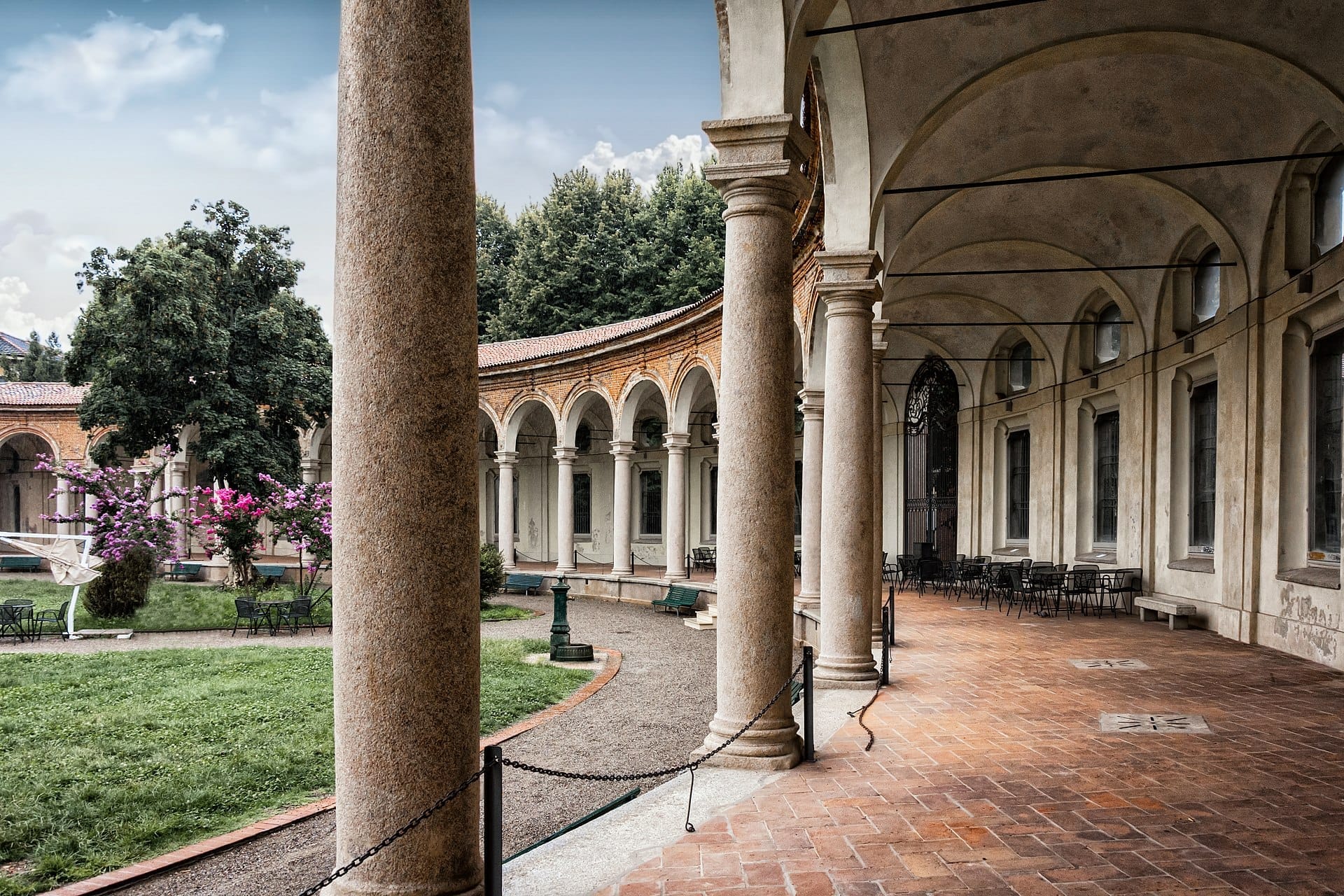
12. Find the Forgotten 18th-Century Church Turned Public Garden
Built as a hospital cemetery church in 1713, the Rotonda della Besana is a circular baroque building with a porticoed courtyard now used as a peaceful public garden. Rarely visited by tourists, it is one of Milan's most serene and atmospheric hidden spaces.
Explore12. Find the Forgotten 18th-Century Church Turned Public Garden
Built as a hospital cemetery church in 1713, the Rotonda della Besana is a circular baroque building with a porticoed courtyard now used as a peaceful public garden. Rarely visited by tourists, it is one of Milan's most serene and atmospheric hidden spaces.
Explore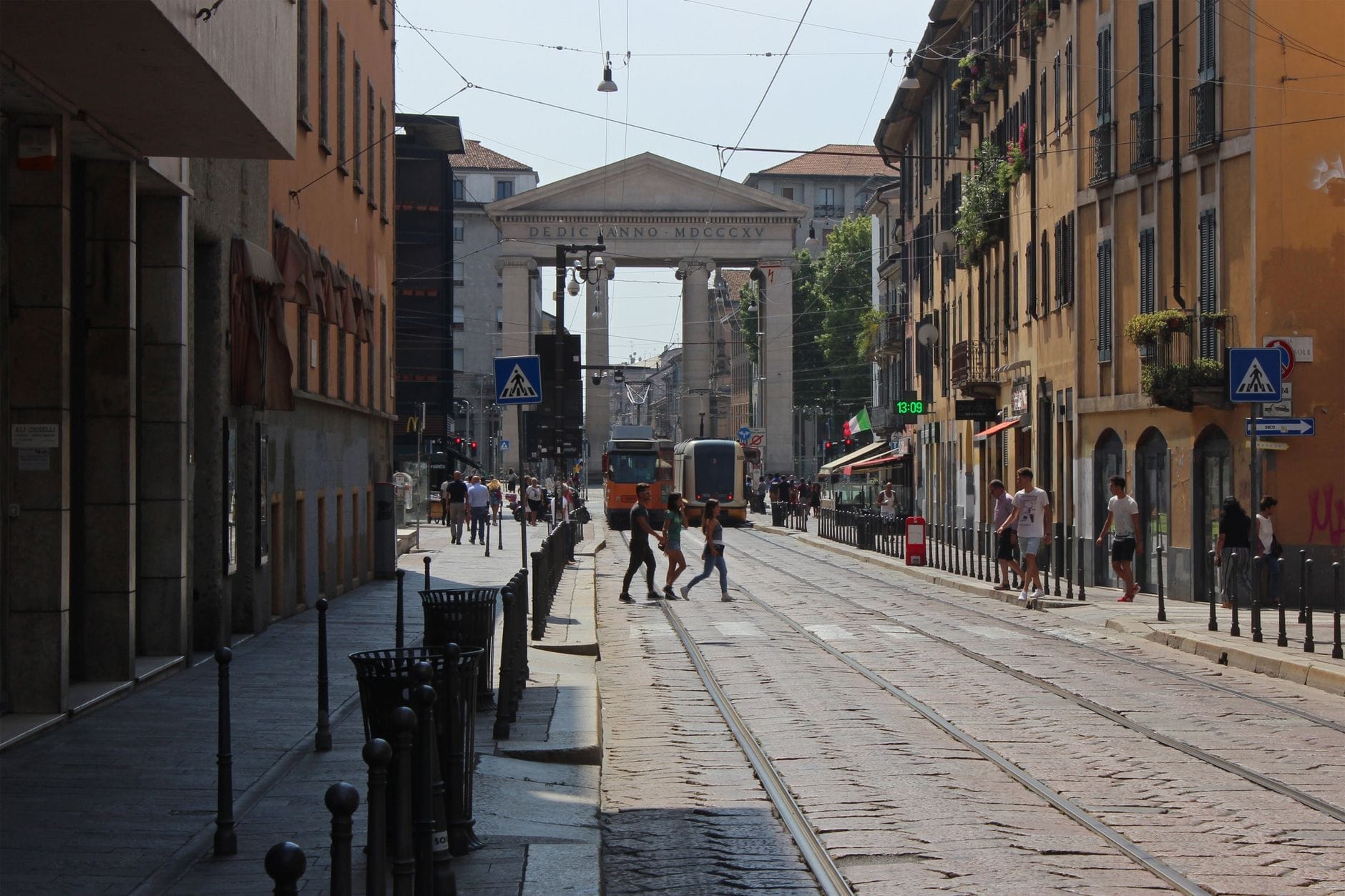
13. Walk Through Milan's Best-Preserved Medieval City Gate
The 14th-century Porta Ticinese is not a church but marks the historic entrance to the district containing many of Milan's oldest sacred sites. Its Gothic marble arches frame the view toward Sant'Eustorgio and give a sense of the medieval city's scale.
Explore13. Walk Through Milan's Best-Preserved Medieval City Gate
The 14th-century Porta Ticinese is not a church but marks the historic entrance to the district containing many of Milan's oldest sacred sites. Its Gothic marble arches frame the view toward Sant'Eustorgio and give a sense of the medieval city's scale.
Explore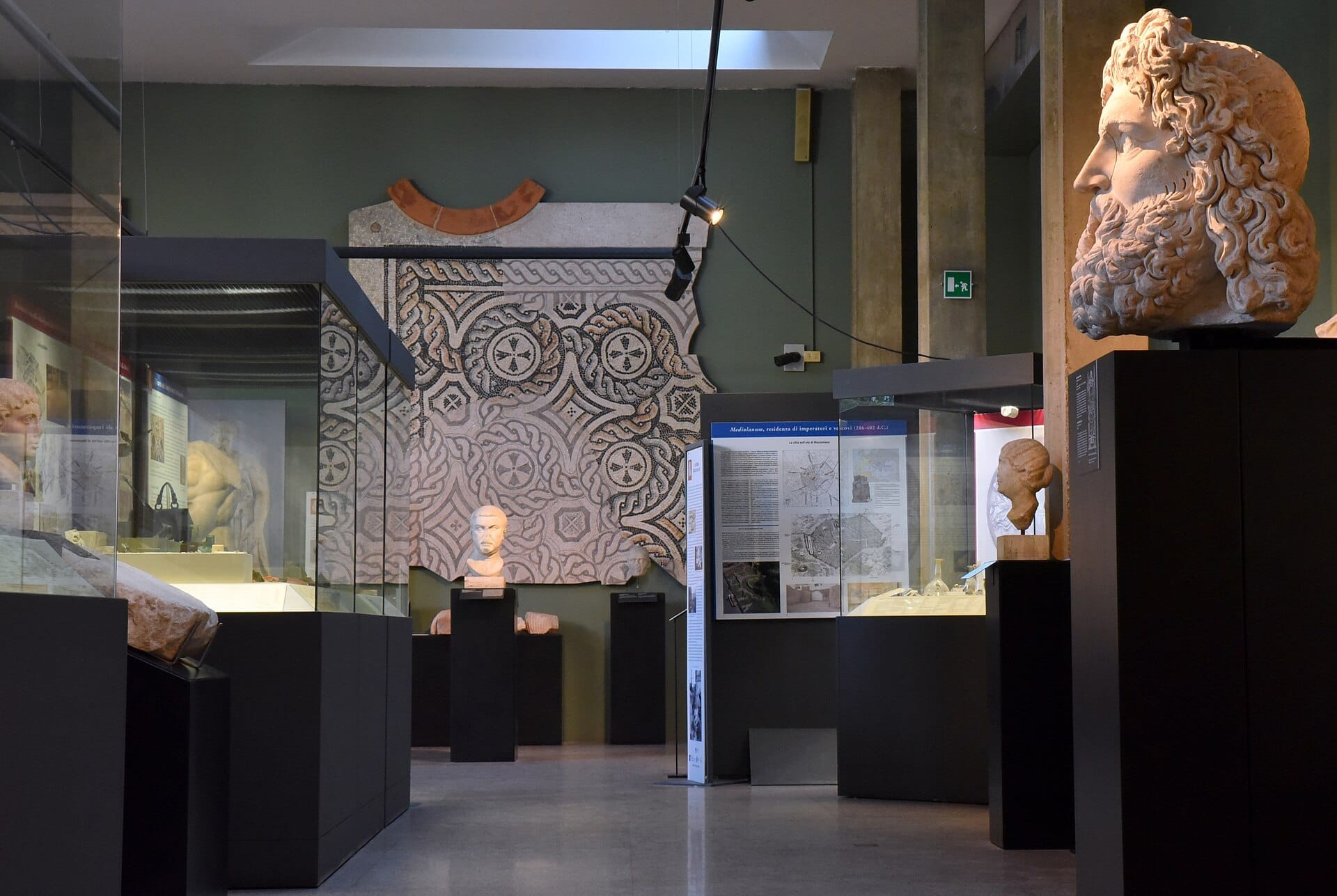
14. See Roman Milan Under a Former Monastery Adjacent to San Maurizio
Housed in the monastery attached to San Maurizio, this archaeological museum includes a visible section of the original Roman city walls in the basement. Pair it with the church next door for a complete picture of Milan from the 1st century AD onward.
Explore14. See Roman Milan Under a Former Monastery Adjacent to San Maurizio
Housed in the monastery attached to San Maurizio, this archaeological museum includes a visible section of the original Roman city walls in the basement. Pair it with the church next door for a complete picture of Milan from the 1st century AD onward.
Explore💡 Local tip
Many Milan churches close for a midday break, often around 12:00-15:00. Plan morning or late-afternoon visits to avoid finding them shut. Hours shorten further in winter, so always check official websites before traveling to a specific site.
Context & Collections: What to See Before or After
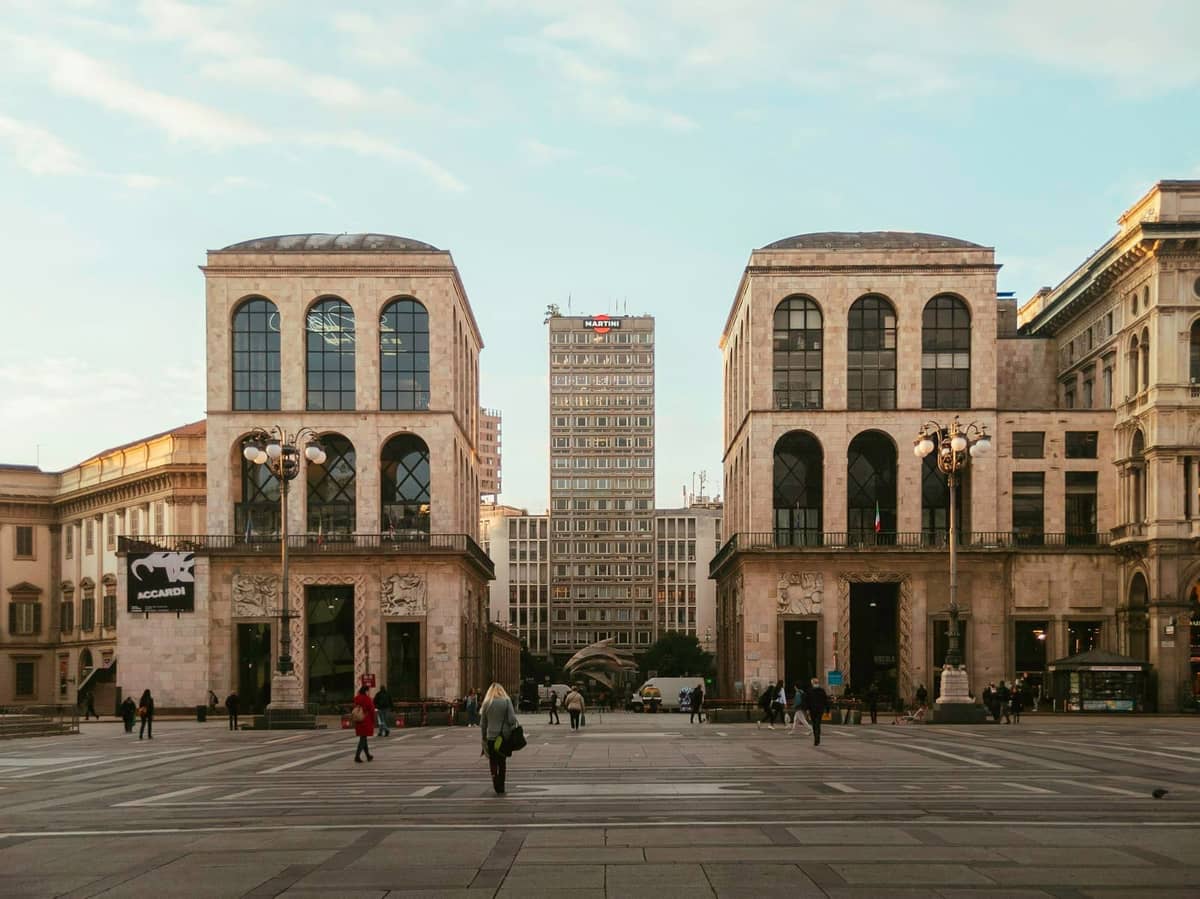
Several Milan museums deepen the experience of visiting the city's churches, offering the original sculptures removed from the Duomo, collections of early Christian art, or documentation of the city's religious history. The best museums in Milan guide covers the full landscape.
15. See Original Duomo Sculptures Up Close at the Museo del Duomo
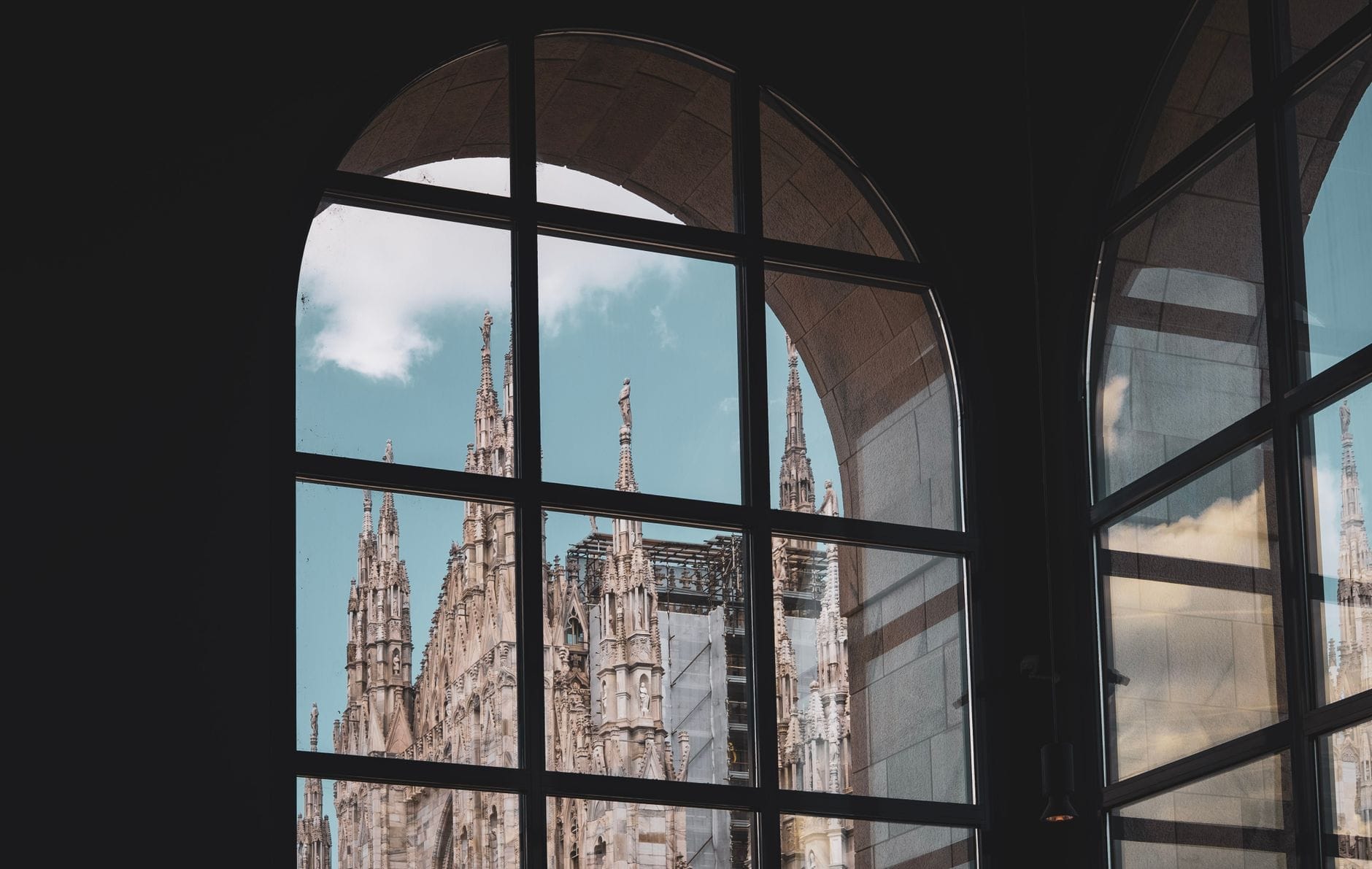
The cathedral museum holds gargoyles, spire decorations, original medieval sculpture, stained glass, tapestries, and scale models removed from the Duomo for preservation. It gives essential context for the building's 600-year construction history and is included in many combined tickets.
Explore15. See Original Duomo Sculptures Up Close at the Museo del Duomo
The cathedral museum holds gargoyles, spire decorations, original medieval sculpture, stained glass, tapestries, and scale models removed from the Duomo for preservation. It gives essential context for the building's 600-year construction history and is included in many combined tickets.
Explore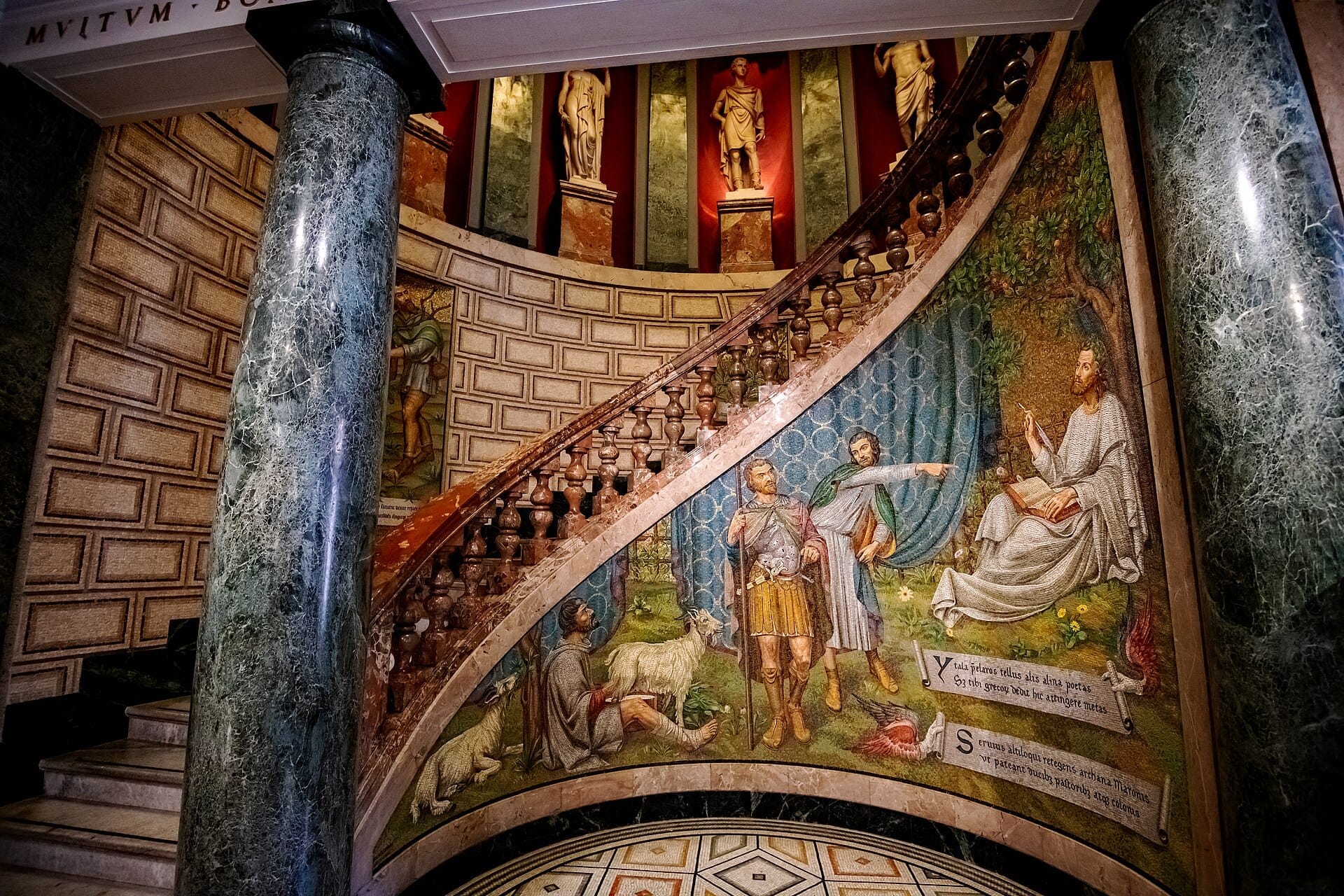
16. Visit the Ambrosiana for Religious Art and Leonardo Manuscripts
Founded in 1618 adjacent to the basilica of Sant'Ambrogio's neighborhood, the Ambrosiana holds Raphael's School of Athens cartoon, Leonardo's Portrait of a Musician, Caravaggio's Basket of Fruit, and priceless manuscripts. One of Italy's oldest and greatest collections.
Explore16. Visit the Ambrosiana for Religious Art and Leonardo Manuscripts
Founded in 1618 adjacent to the basilica of Sant'Ambrogio's neighborhood, the Ambrosiana holds Raphael's School of Athens cartoon, Leonardo's Portrait of a Musician, Caravaggio's Basket of Fruit, and priceless manuscripts. One of Italy's oldest and greatest collections.
ExploreFAQ
Do you need to book tickets in advance for Milan's churches?
Most churches are free and require no booking. The major exception is the Last Supper (Cenacolo Vinciano) at Santa Maria delle Grazie, which requires timed tickets booked months in advance. The Duomo rooftop and museum also benefit from advance booking to skip queues, especially in summer.
What is the dress code for Milan's churches?
Most Milan churches require visitors to cover shoulders and knees. Shorts and sleeveless tops are not permitted. Some churches provide shawls or coverings at the entrance, but bringing your own is more reliable. This applies to all visitors, regardless of nationality or religion.
What is the best area to visit multiple churches in Milan in one day?
The Ticinese and Sant'Ambrogio district is a very church-dense area in Milan. Within a 20-minute walk you can visit Sant'Ambrogio, San Lorenzo Maggiore, the Colonne di San Lorenzo, Sant'Eustorgio with the Portinari Chapel, and San Maurizio al Monastero Maggiore. Add Santa Maria delle Grazie if you have a Last Supper booking.
Is San Maurizio al Monastero Maggiore really comparable to the Sistine Chapel?
The comparison is often made locally for good reason. The church's two interconnected halls are entirely covered with Renaissance frescoes by Bernardino Luini and his workshop, creating an overwhelming decorative effect. Unlike the Sistine Chapel, entry is free and crowds are minimal.
How far is Abbazia di Chiaravalle from Milan city center?
The abbey is about 7km south of the Duomo, reachable by public transit and a short walk, or by bus. The journey takes 30-45 minutes from the center. It is worth combining with the nearby Chiaravalle district for a half-day excursion away from the tourist center.