Best Things to Do in Bilbao: The Definitive Guide
Bilbao offers a surprising amount for a city of around 350,000. This guide covers the best things to do in Bilbao, Spain, from world-class museums and Europe's largest covered market to coastal day trips and the Basque food scene, with practical advice on timing, pricing, and getting around.
Tickets & tours
Live prices and dates from our booking partner. If you book, we may earn a commission at no extra cost to you.
TL;DR
- The Guggenheim is unmissable, but Bilbao's Fine Arts Museum, Mercado de la Ribera, and Casco Viejo are equally rewarding and far less crowded.
- Most top attractions are walkable or connected by tram, so you can cover a lot in a single day. See our 2-day Bilbao itinerary for a ready-made plan.
- Peak season runs June to September — book Guggenheim tickets online in advance to skip queues.
- Bilbao is the capital of Basque Country, and the food culture alone justifies the trip. A pintxos crawl through Plaza Nueva is non-negotiable.
- Day trips to Gaztelugatxe and the UNESCO-listed Vizcaya Bridge are easy from the city. The Basque Country itinerary helps you plan further afield.
Understanding Bilbao Before You Arrive
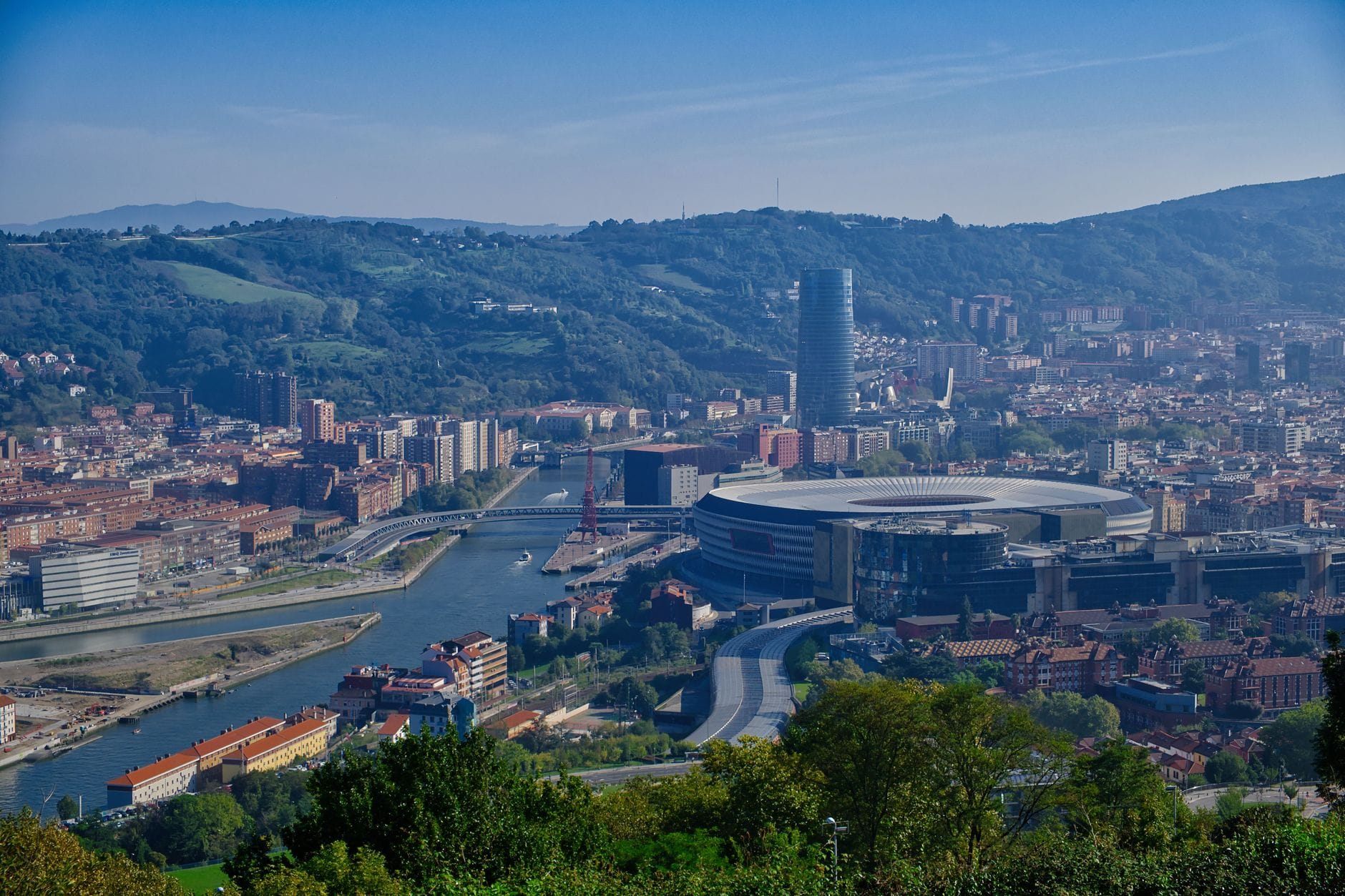
Bilbao (Basque: Bilbo) is the capital of the province of Biscay and the largest city in the Basque Country, with a municipal population of around 350,000 and a metro area of about 1 million. It sits along the Nervión estuary, roughly 11 km inland from the Bay of Biscay, surrounded by hills that rise above 400 m. The city is compact, covering just 40 sq km, which means most things to do in Bilbao are within easy reach of each other.
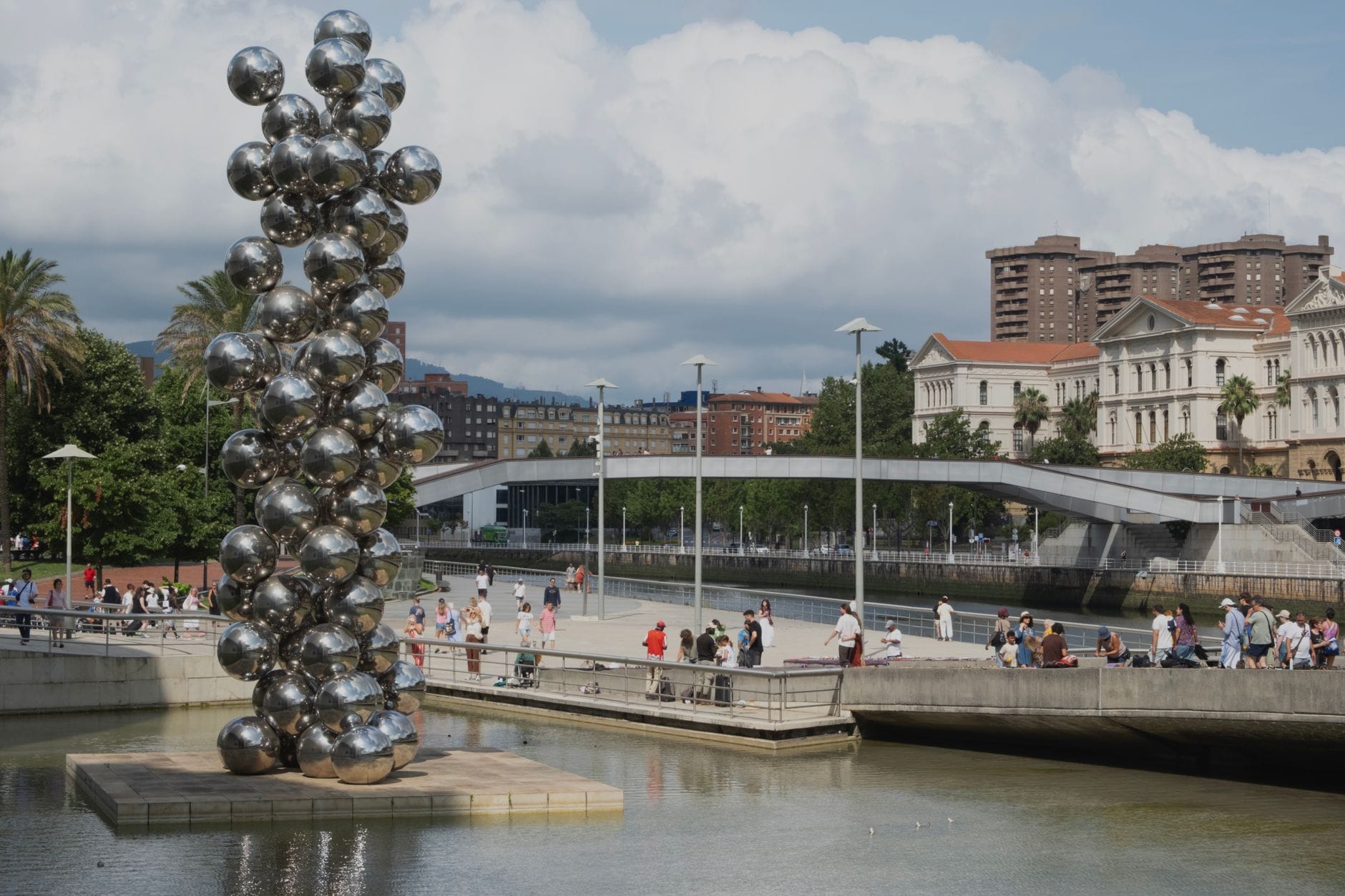
The city's transformation from a gritty industrial port into one of Europe's most interesting urban destinations is genuinely remarkable. That shift accelerated after the Guggenheim Museum Bilbao opened in 1997, but the renewal went well beyond one building. Today, the Abandoibarra waterfront is a showcase of contemporary architecture, while the medieval Casco Viejo and the 19th-century Ensanche district retain their own distinct characters.
ℹ️ Good to know
Bilbao has a humid oceanic climate (Cfb), meaning rain is possible any time of year. May to September is warmer and relatively drier, but pack a light waterproof regardless of when you visit. Average summer temperatures sit in the low-to-mid 20s°C, while winters are mild, typically 8–10°C.
The Guggenheim and the Waterfront District
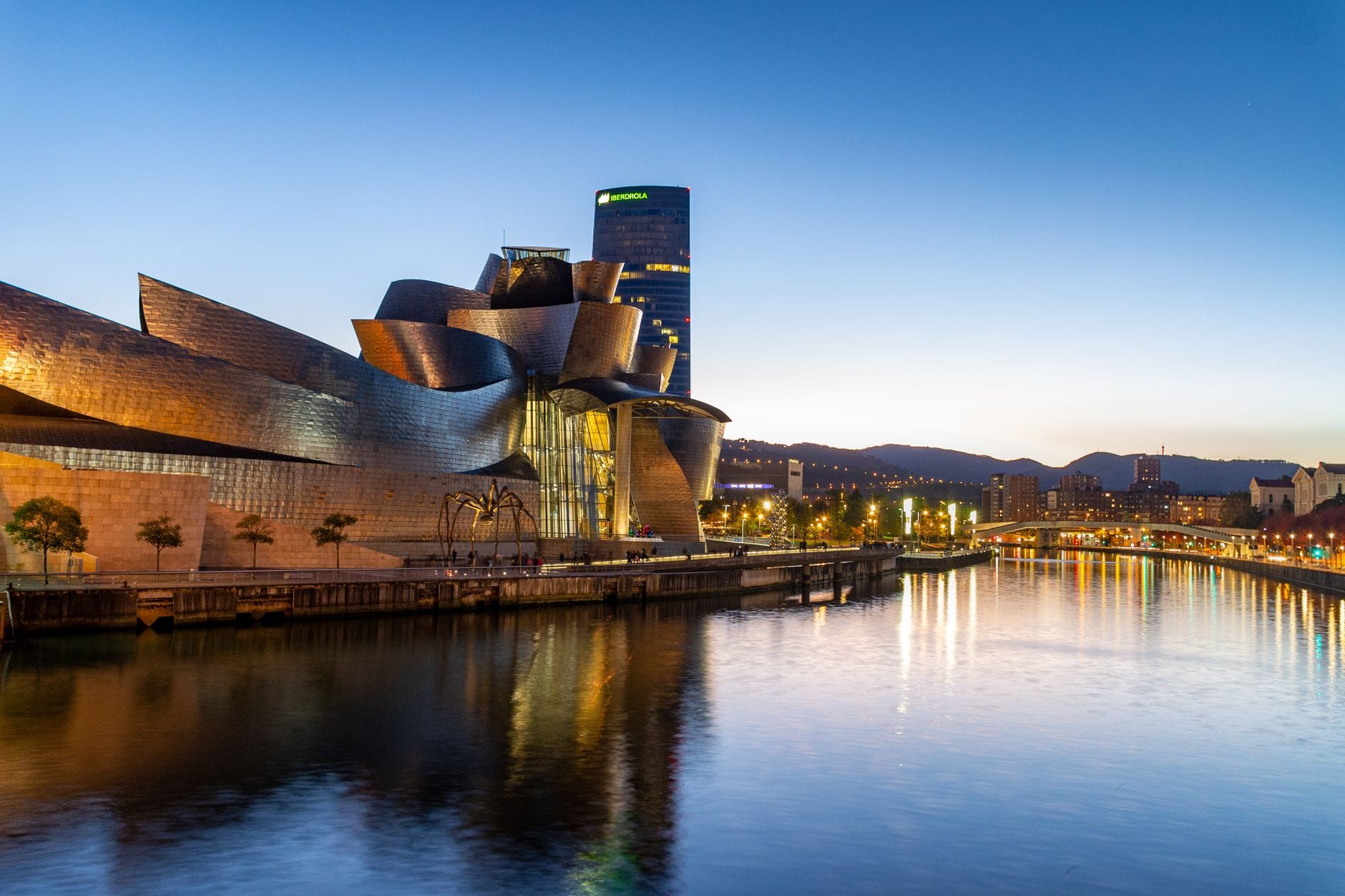
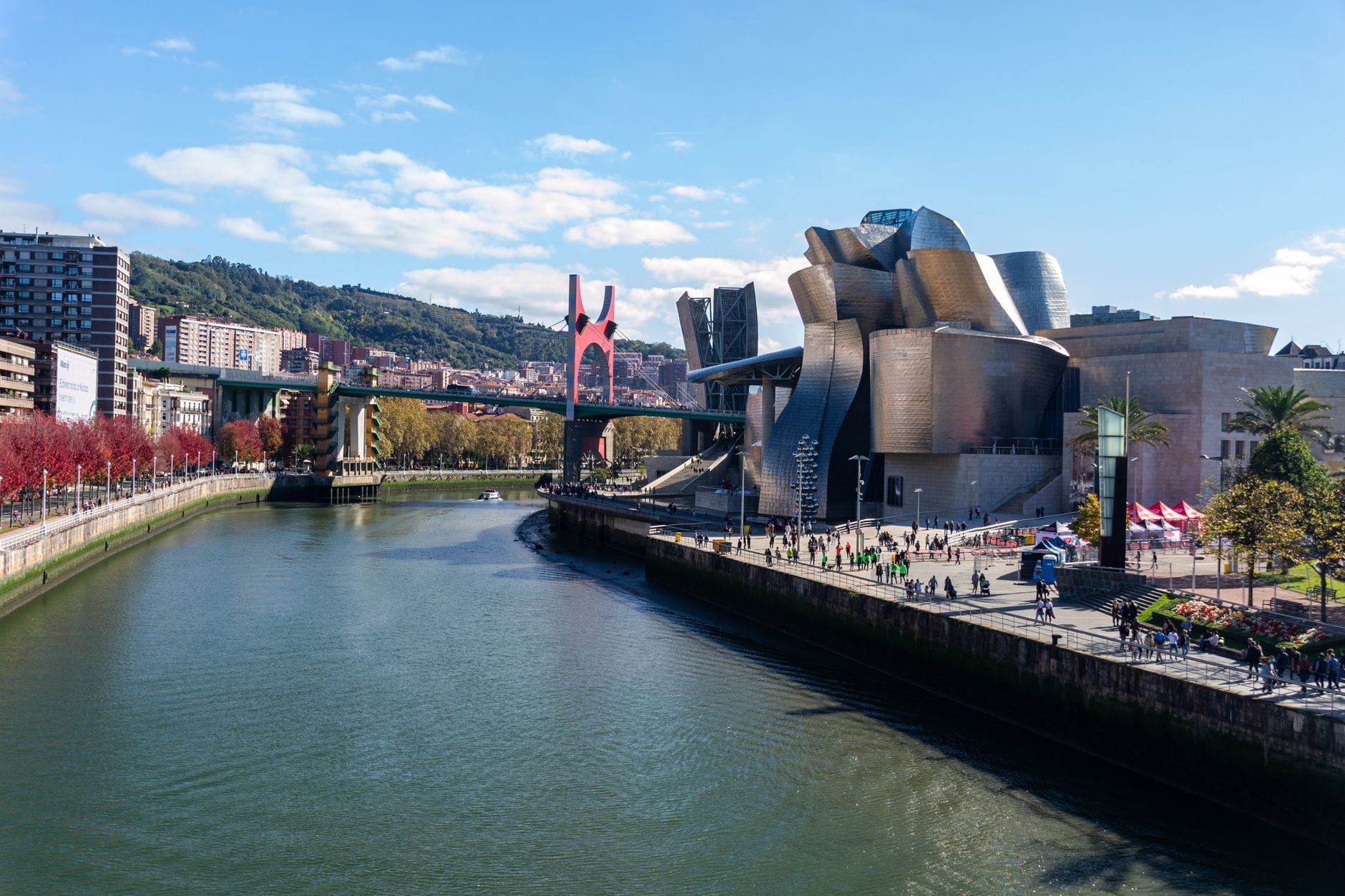
The Guggenheim Museum Bilbao is the obvious starting point, and it earns its reputation. Frank Gehry's titanium-clad building opened in 1997 and remains one of the most significant works of architecture built anywhere in the world in the last 30 years. Standard adult admission currently costs around €18, with reduced rates for students and seniors. Buy tickets on the official museum website to avoid the queue at the desk, especially during peak season.
Before or after the museum, spend time outside on the riverbank. The giant floral dog sculpture Puppy by Jeff Koons sits at the entrance and is as much a Bilbao landmark as the building itself. Walk east along the waterfront and you'll reach the Zubizuri Bridge, a striking pedestrian footbridge designed by Santiago Calatrava. The entire riverside walk between the Guggenheim and the Casco Viejo takes around 25–30 minutes on foot.
💡 Local tip
The Guggenheim is closed most Mondays, with exceptions in Easter week and from mid-June to mid-September when some Mondays open. Tuesday to Sunday, doors open at 10:00. If you're visiting in late summer, check the museum's official site for major temporary exhibitions, which often draw larger crowds and may require timed entry.
Adjacent to the Guggenheim, the Euskalduna Concert Hall is worth seeing from the outside even if you're not attending a performance. Built on the site of a former shipyard, its industrial-referencing design complements the waterfront's broader story of reinvention. For a different perspective on the whole district, Itsasmuseum Bilbao (the Basque Maritime Museum) tells the story of how the estuary and shipbuilding shaped the city's identity.
Casco Viejo: The Old Town Done Right
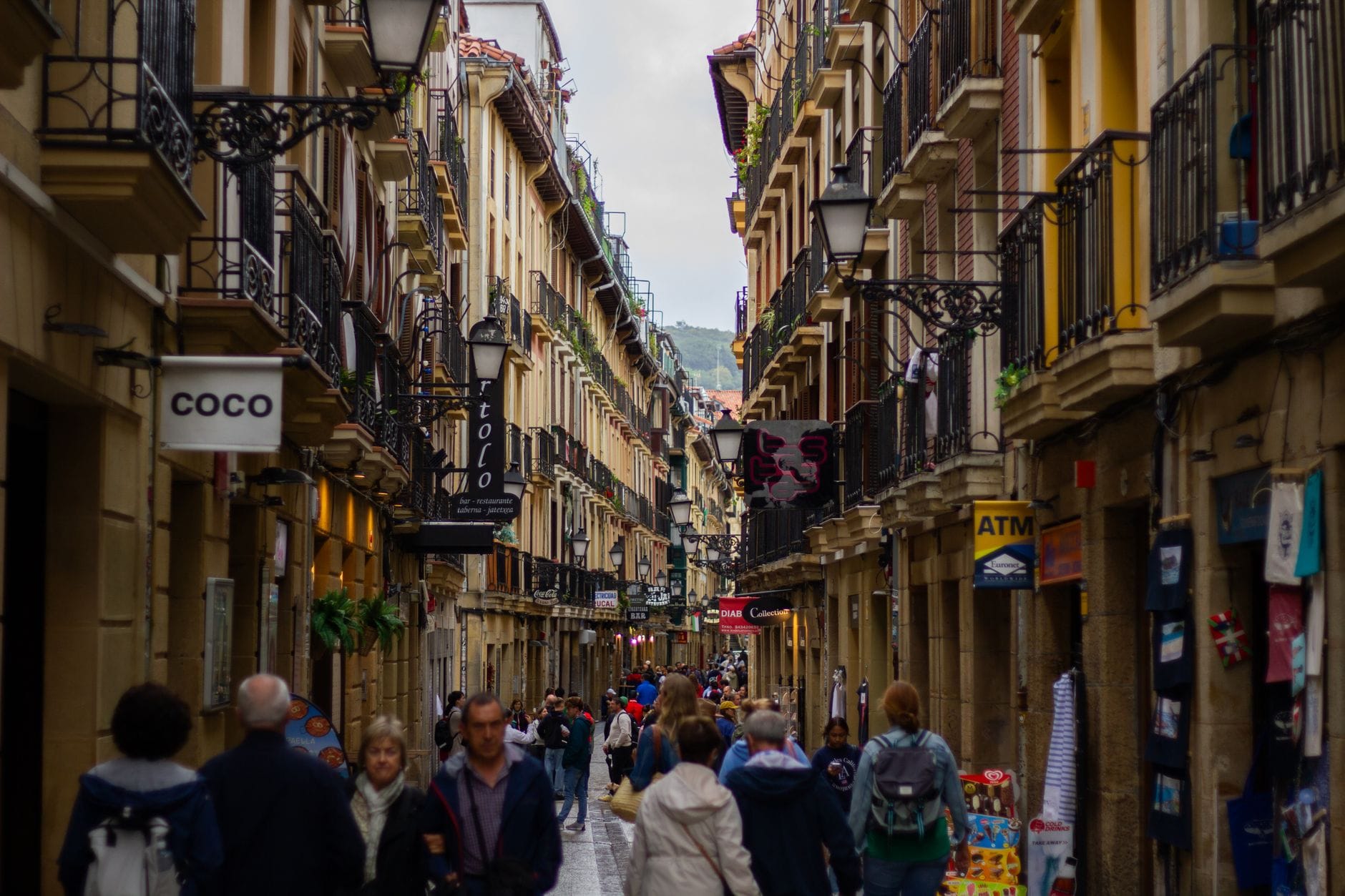
The Casco Viejo is Bilbao's medieval core, built around the 'Zazpikaleak' or Seven Streets on the right bank of the Nervión. It's compact, walkable, and packed with pintxo bars, independent shops, and civic landmarks. Most visitors do it in a loop of two to three hours, but if you're eating and drinking your way through, plan for longer.
The arcaded Plaza Nueva is the social heart of the old town. The bars lining its arcades serve pintxos (Basque bar snacks) from around midday. Sunday mornings bring a book and coin market to the square. A few minutes' walk away, the Mercado de la Ribera sits on the riverbank and is consistently listed as Europe's largest covered food market, covering around 2.5 acres with close to 200 businesses across three floors. The ground floor gastro plaza is good for a mid-morning pintxos stop with a glass of txakoli.
Don't overlook the Euskal Museoa (Basque Museum), housed in a 17th-century cloister on Plaza Miguel de Unamuno. It provides solid context on Basque culture, history, and maritime heritage, and admission is considerably cheaper than the Guggenheim. Nearby, the Santiago Cathedral is a Gothic structure dating to the 14th century, modest in scale but historically significant as a stop on a lesser-known Camino de Santiago route.
Art, Architecture, and Culture Beyond the Guggenheim
The Museo de Bellas Artes de Bilbao (Fine Arts Museum) is, in the opinion of many frequent visitors, the most underrated major museum in Spain. It holds an impressive collection ranging from 12th-century Flemish panels to 20th-century Basque masters and contemporary works. The building sits next to Doña Casilda Park, a formal green space that provides a calm counterpoint to the urban energy of the Ensanche district. Admission is free on certain days — check the official site before visiting.
Azkuna Zentroa is a cultural and leisure centre housed in a former wine warehouse, redesigned by architect Philippe Starck. The interior columns, each decorated differently, are genuinely worth seeing. There's a rooftop pool, a cinema, exhibition spaces, and a library. Entry to the public areas is free. It's the kind of place locals actually use, which makes it a good indicator of daily life in the Ensanche district.
- Guggenheim Museum Bilbao Contemporary art in a landmark building. Adult tickets around €18. Buy online. Closed Mondays outside summer.
- Museo de Bellas Artes Classical to contemporary Basque art. Often free on specific days. Beside Doña Casilda Park.
- Euskal Museoa Basque cultural history in a 17th-century cloister in Casco Viejo. Lower admission than major museums.
- Azkuna Zentroa Free public areas in a Starck-designed cultural centre. Good for architecture lovers.
- Teatro Arriaga Bilbao's grand 19th-century opera house on the edge of the old town. Check the programme for evening performances.
Food, Pintxos, and Eating Like a Local
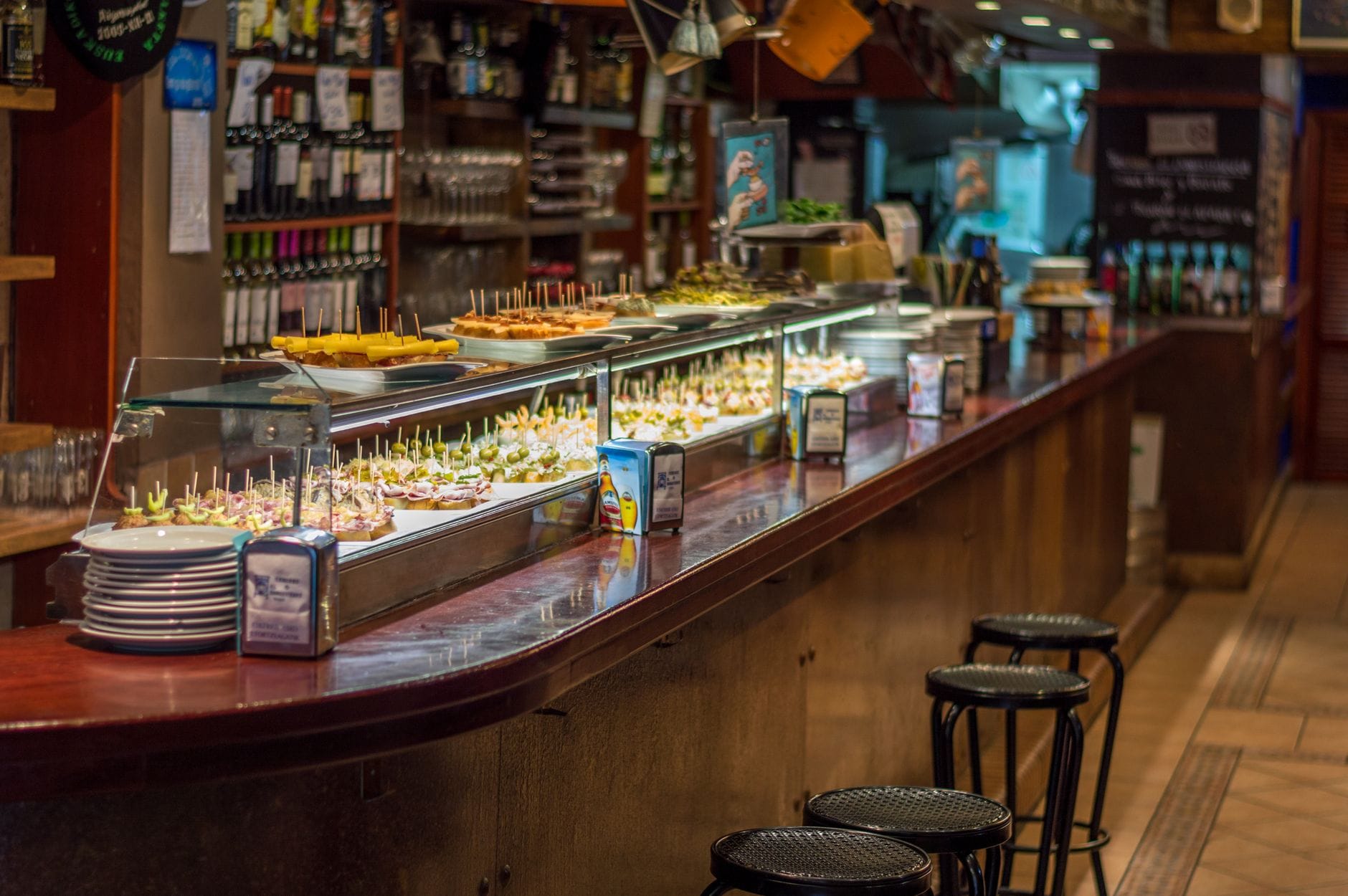
Bilbao's food scene is the real reason many people return. The Basque Country has more Michelin stars per capita than almost anywhere else in the world, but you don't need a reservation at a fine-dining restaurant to eat exceptionally well here. The pintxos culture, explored in depth in our pintxos guide to Bilbao, is democratic: stand at a bar, pick what you want from the counter or order from the kitchen, and pay a few euros per piece.
The main pintxos zones are Plaza Nueva and the surrounding streets in Casco Viejo, and Calle Ledesma and its parallel streets in the Ensanche. The Ensanche bars tend to be slightly more contemporary in style and draw a mix of locals and visitors. Casco Viejo gets busier with tourists but the quality remains high. Lunch (14:00–16:00) and early evening (19:00–21:00) are when locals eat. Going at those times puts you in a better crowd and usually gets you fresher pintxos.
⚠️ What to skip
Avoid pintxo bars immediately surrounding the Guggenheim — they cater almost entirely to tourists and charge a premium for significantly lower quality. Walk five minutes in any direction and you'll find far better value.
For a more structured food experience, the Basque food guide for Bilbao covers everything from txakoli wine bars to traditional cod-based dishes. Mercado de la Ribera is also worth visiting beyond the gastro plaza: the fresh produce stalls on the upper floors show exactly what Basque cooking is built on.
Getting Above the City and Out into Nature
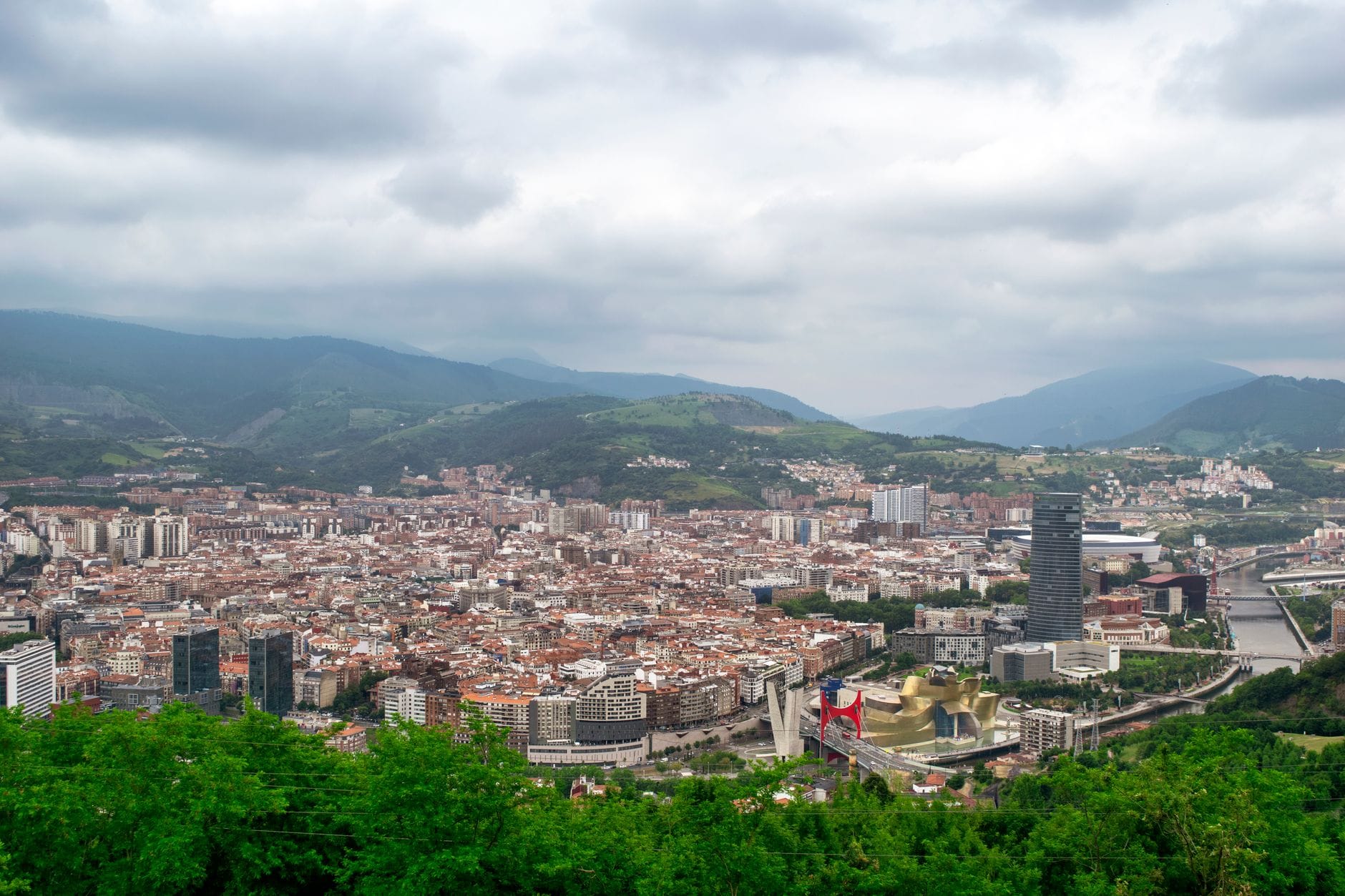
The Artxanda Funicular has been running since 1915 and takes just three minutes to climb from the Casco Viejo side of the city to Mount Artxanda, 300 m above. The views over the Nervión valley and the city bowl are the best you'll get without hiking. There are restaurants and a park at the top. The funicular runs daily and the fare is low — a round trip costs around €2–€4, though verify current pricing locally.
If you want to walk rather than ride, Pagasarri Mountain is accessible directly from the city by trail and gives a longer hike with views that stretch to the coast on clear days. It's a genuine mountain walk, not a tourist stroll, so wear appropriate footwear. The trailhead is reachable by bus from central Bilbao.
- Take the Artxanda Funicular for quick city views without hiking — ideal if time is short.
- Pagasarri Mountain is for those wanting a proper half-day hike from the city.
- The Bilboats river cruises on the Nervión offer a water-level view of the Guggenheim and surrounding architecture — good for photography and context.
- Doña Casilda Park is the best central green space for a break between museums.
- Etxebarria Park sits above the Casco Viejo and has panoramic views with far fewer visitors than Artxanda.
Day Trips Worth Taking from Bilbao
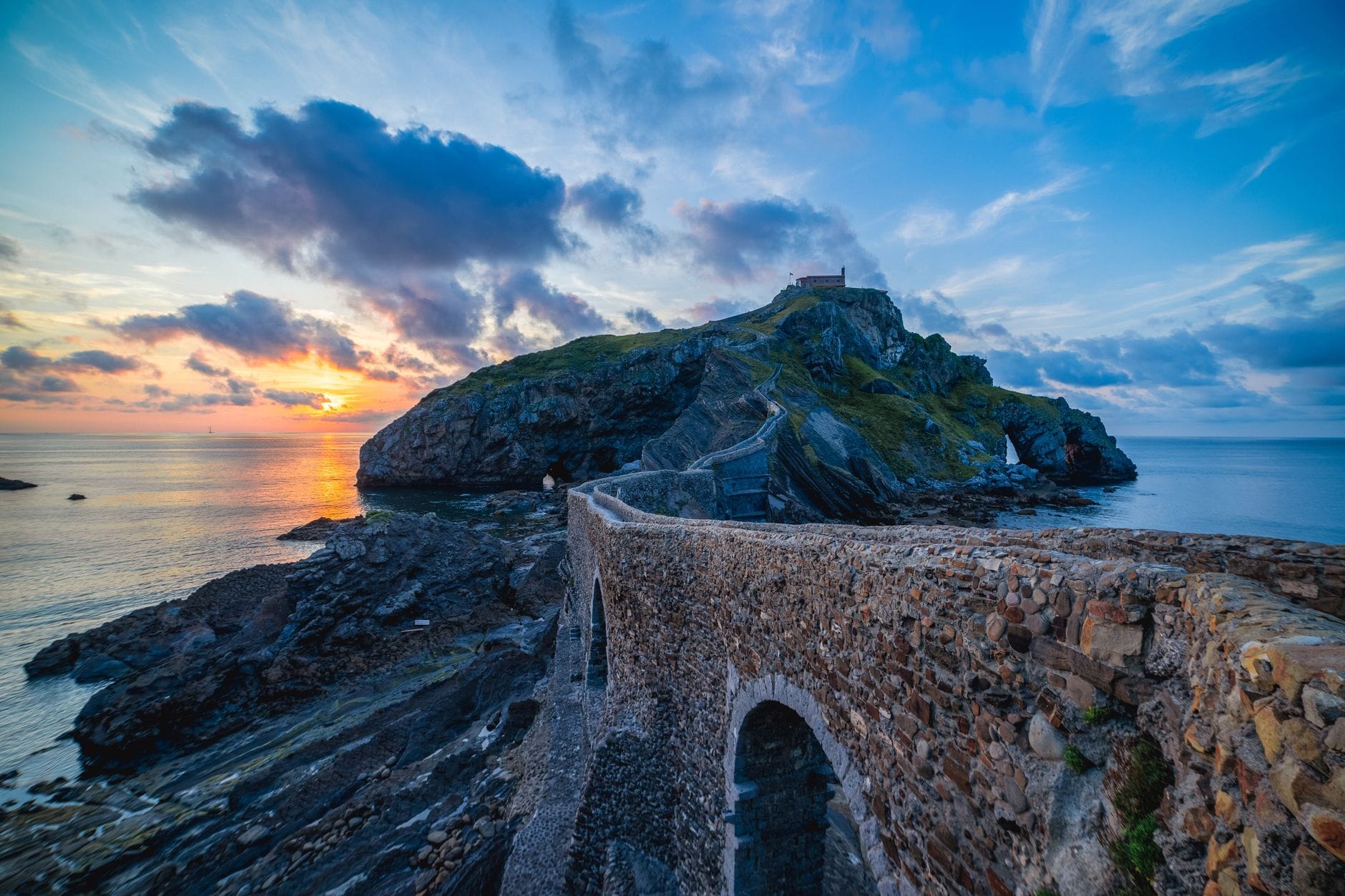
Bilbao's location makes it an excellent base for coastal and rural day trips. The most dramatic is Gaztelugatxe, a tidal islet topped by a hermitage church, connected to the mainland by a stone stairway of 241 steps. It sits on the Bay of Biscay coast, about 35 km from Bilbao by road. The approach requires a reservation system managed by the Basque government in peak season — check the official portal before going.
Closer to the city, the Vizcaya Bridge (Puente Colgante) in Portugalete is a UNESCO World Heritage Site and the world's oldest operating transporter bridge, built in 1893. It's around 20 minutes from central Bilbao by metro. You can cross the estuary at water level on the gondola (a few euros) or pay to walk across the high catwalk for panoramic views over the estuary. The town of Getxo on the opposite bank has a pleasant seafront promenade and is a straightforward half-day extension.
For a full day out, Guernica is 33 km east of Bilbao and holds deep significance in Basque and European history. The town has a good market on Mondays and a museum dedicated to the 1937 bombing that inspired Picasso's painting. The Urdaibai Biosphere Reserve is adjacent to Guernica and covers one of the most ecologically rich estuaries in northern Spain, with good walking and birdwatching.
Practical Information for Getting Around
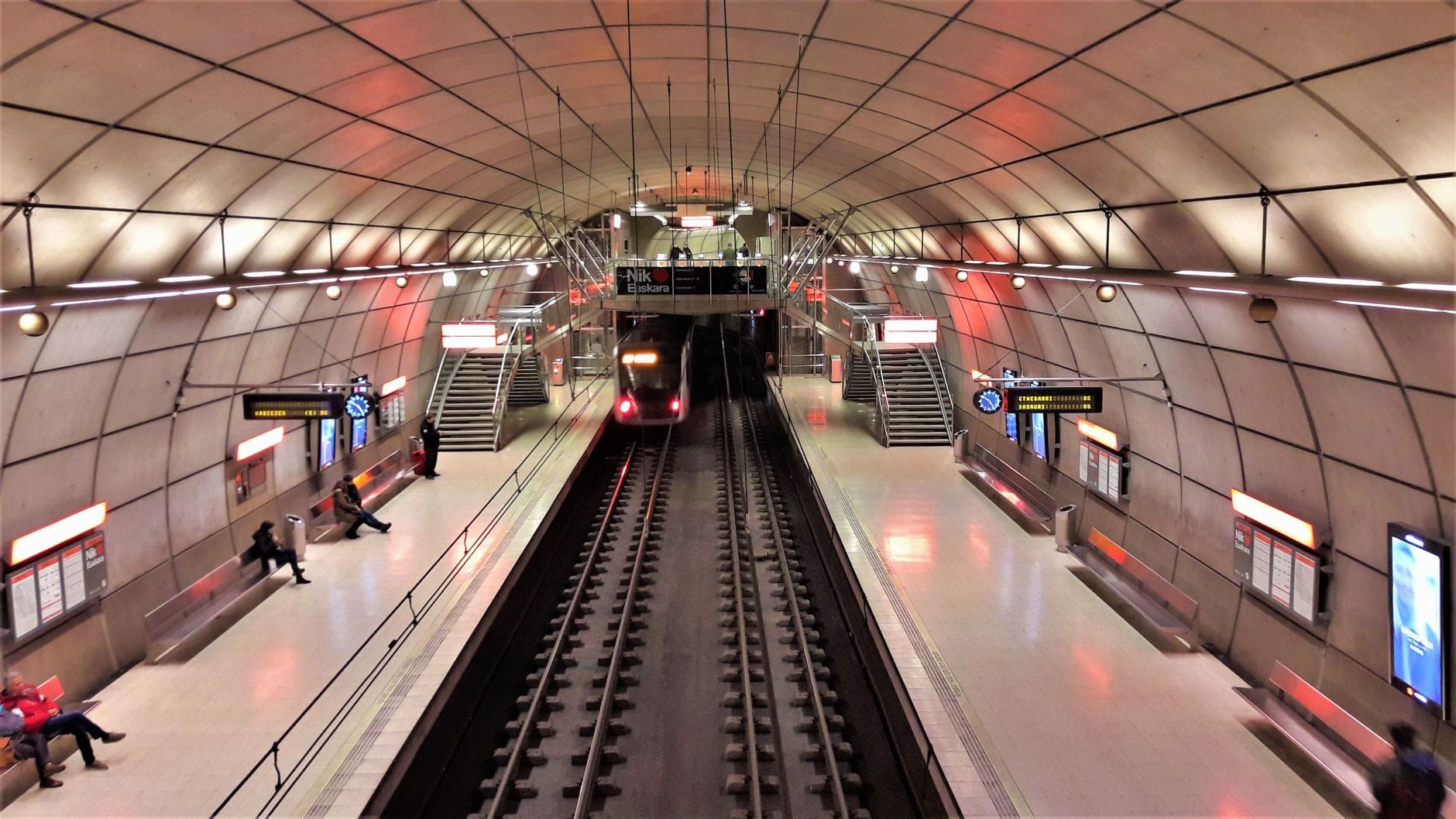
Bilbao's public transport network is well-organized and reasonably priced. The Metro Bilbao has three lines and runs from around 06:00 to 23:00 on weekdays, extending to roughly 02:00 on Friday nights and offering extended late-night services on Saturdays. The Euskotren tram line connects the Guggenheim, the main railway station (Abando), and several key points in between. For buses, the Bilbobus urban network covers the city, while Bizkaibus covers the wider province.
The Barik card is a rechargeable smart card that works across the metro, tram, urban buses, and some regional lines. It offers meaningfully cheaper fares than single tickets and is worth getting if you're staying more than a couple of days. For a full breakdown of routes and options, the getting around Bilbao guide covers everything from airport transfers to metro zone maps. From Bilbao Airport (IATA: BIO), the Bizkaibus line A3247 connects to Plaza Moyúa in the city centre, running every 15–30 minutes for a fare in the range of about €3.50–€4.
✨ Pro tip
If you're visiting for a weekend, consider basing yourself in the Ensanche district rather than right next to the Guggenheim. You'll be equidistant from the waterfront and the Casco Viejo, within walking distance of both, and in a more authentically local neighbourhood. For detailed neighbourhood comparisons, the where to stay in Bilbao guide breaks down the options clearly.
FAQ
How many days do you need in Bilbao?
Two full days is enough to cover the main attractions — the Guggenheim, Casco Viejo, Mercado de la Ribera, a museum, and the waterfront — without rushing. Three days lets you add a day trip to Gaztelugatxe, the Vizcaya Bridge, or the Basque coast. A single day is possible but means making hard choices.
Is Bilbao worth visiting just for the Guggenheim?
The Guggenheim is exceptional, but limiting your visit to it would be a mistake. The Fine Arts Museum, the food culture, the medieval old town, and the surrounding Basque landscape make Bilbao a destination in its own right. Most visitors who come expecting just an art museum leave with a much higher opinion of the city overall.
What is the best time to visit Bilbao, Spain?
May, June, and September offer warm temperatures (often 18–24°C), manageable crowds, and generally drier weather compared to winter. July and August are peak season with higher prices and more tourists, though the Aste Nagusia festival in mid-August is a major event worth planning around if festivals appeal to you. Winter is mild and much cheaper, though rainier.
Do I need to book the Guggenheim Bilbao in advance?
During peak season (June to September) and around major temporary exhibitions, booking online in advance is strongly recommended. Queues at the ticket desk can be significant on weekends. The museum's official website allows timed entry booking. Outside peak season, walk-in is usually fine.
Is Bilbao easy to get around without a car?
Yes. The city is compact, and the metro, tram, and bus network covers all the main areas. Most central attractions are walkable between each other. For day trips like Gaztelugatxe, a car or organized tour is more practical since public transport connections are limited. The Vizcaya Bridge and Getxo are easily reachable by metro.
Tickets & tours
Live prices and dates from our booking partner. If you book, we may earn a commission at no extra cost to you.
Planning a trip? Discover personalized activities with the Nomado app.