What to Eat in Bilbao: The Complete Basque Cuisine Guide
Bilbao sits at the heart of the Basque Country, one of Europe's most serious food cultures. This guide covers the essential dishes, where to eat them, how the pintxos bar system actually works, and what to skip — so you eat well from your first meal to your last.
Plan and book this trip
Tools from our partner Travelpayouts help you compare flights and hotels. If you book through them, we may earn a commission at no extra cost to you.
Flights
Hotels map
TL;DR
- Basque cuisine in Bilbao centers on pintxos, salt cod (bacalao), fresh seafood, and aged beef — not generic Spanish tapas.
- The best pintxos bars are concentrated in Casco Viejo and the Ensanche district — both are walkable and easy to combine in one evening.
- A menu del día at a neighborhood bar costs around €12–15 and is the best-value way to eat like a local at lunch.
- Guided food tours run €85–120 per person and are worth it if you want context alongside the food — solo bar-hopping works fine without one.
- Seafood is at its most interesting in coastal towns a short drive from Bilbao — check Bermeo and Lekeitio for marmitako made with freshly caught fish.
Why Basque Food Is Different
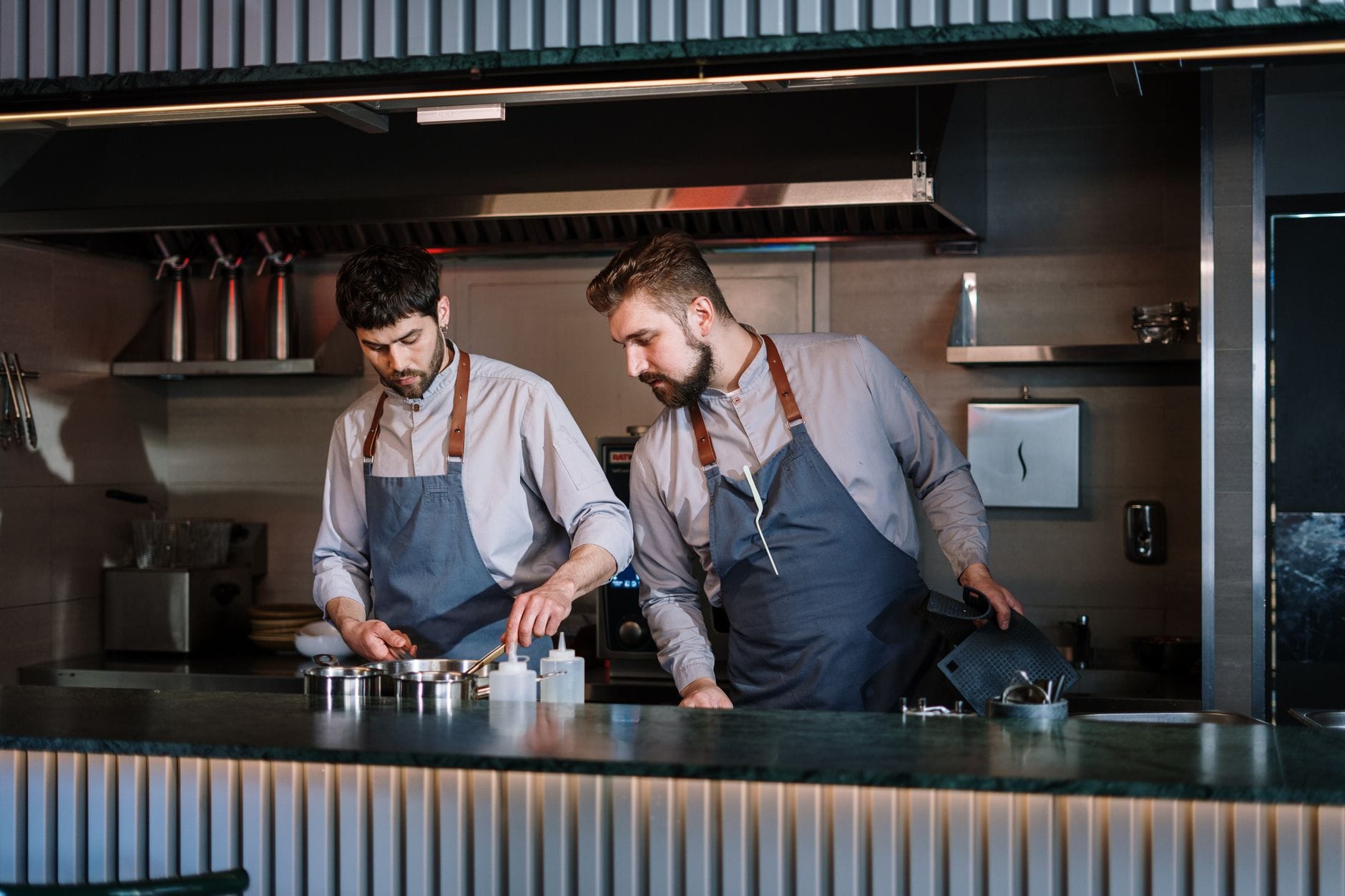
The Basque Country has more Michelin stars per capita than almost anywhere on earth, and Bilbao — the region's largest city, capital of the province of Biscay (Bizkaia) and home to around 345,000 people — is where that culinary culture plays out at every price level. This is not a food scene built around tourism. Bilbao residents eat seriously, eat late, and have strong opinions about where to go. The city's position on the Atlantic coast, about 14 km inland from the Bay of Biscay via the Nervión estuary, gives it direct access to some of Spain's best seafood. The surrounding hills and farmland supply dairy, lamb, and vegetables. That geography shapes everything on the plate.
A common mistake is assuming Basque cuisine is just a regional variation on standard Spanish food. It is not. The Basque language (Euskara) has no known relatives, and Basque food traditions are equally distinct. Pintxos are not tapas with a different name. Bacalao al pil-pil is a technique that exists nowhere else. The food culture here has its own logic, its own timing, and its own rituals — and understanding those basics will make your eating significantly better.
Pintxos: How the System Works
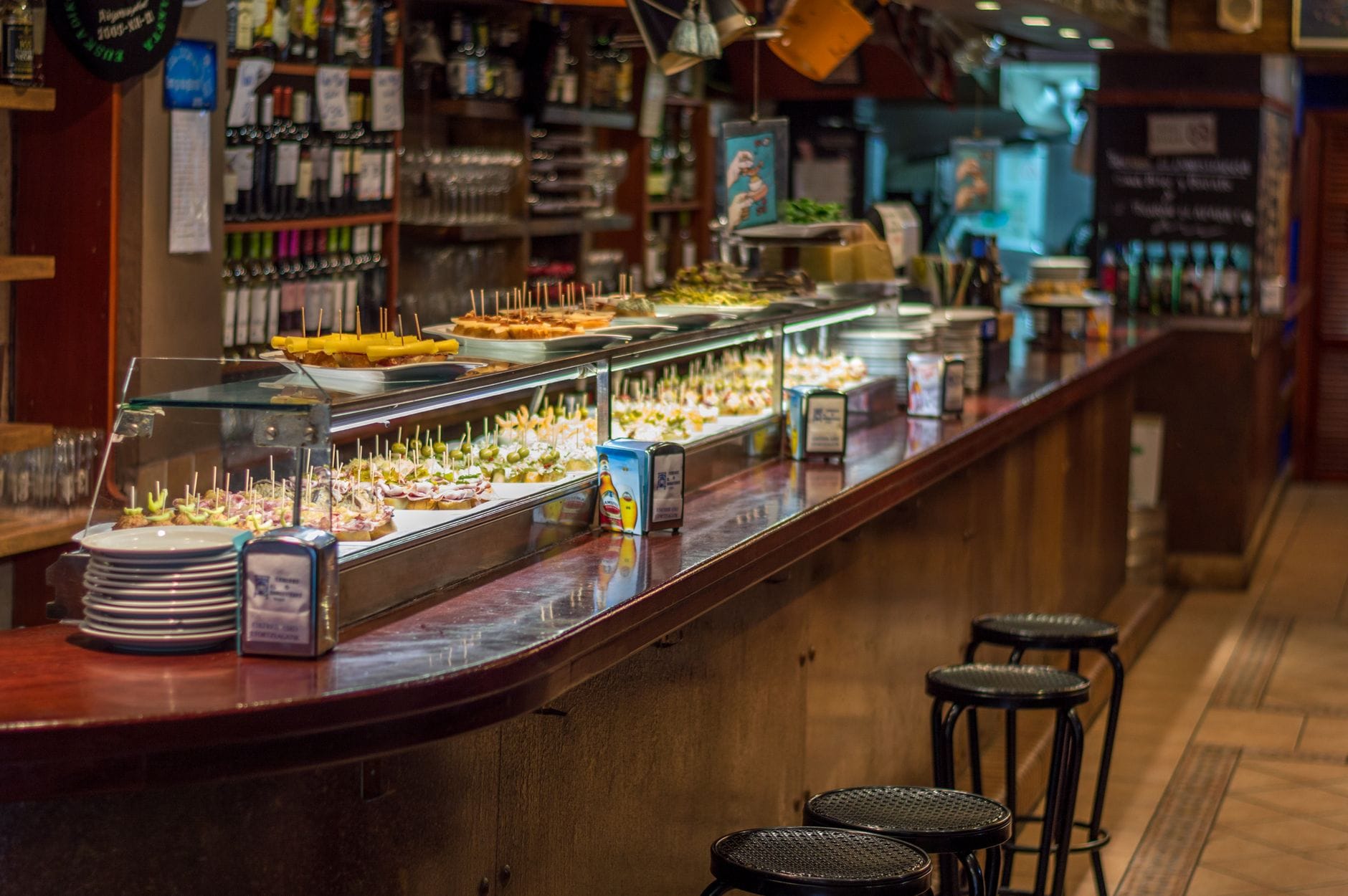
Pintxos (pronounced peen-chos) are Bilbao's defining street food format. The name comes from the Basque word for 'spike' — many are skewered with a toothpick. They are small, precise, and often elaborate, served on slices of bread or as standalone bites. The experience is different from sitting down for tapas in Andalusia: you walk into a bar, survey what's laid out on the counter, order drinks, and eat standing. You move to the next bar when you're ready. This pattern — called a txikiteo or poteo — is social as much as culinary.
The best pintxos bars cluster in two areas: Casco Viejo (the medieval Old Town, known locally as Zazpikaleak) and the streets around the Ensanche grid. In Casco Viejo, Plaza Nueva and the surrounding streets like Calle del Jardín (known as the Seven Streets area) are the most concentrated. The Ensanche bars, particularly around Calle Ledesma and Calle Licenciado Poza, tend to attract more locals and fewer tourists.
- Gure Toki Reliably good traditional pintxos on Plaza Nueva — the counter displays are worth a look even if you move on.
- El Globo A Ensanche institution, particularly strong on hot pintxos made to order. Arrive early or expect to wait.
- Bikandi Etxea Creative pintxos with more modern technique, good for variety if you've already done a few traditional bars.
💡 Local tip
Don't fill up at your first bar. The txikiteo works best when you eat one or two pintxos per stop and keep moving. Budget around €2–3 per pintxo and €2–4 per drink, and plan for four to six bars over an evening.
The Essential Dishes to Order
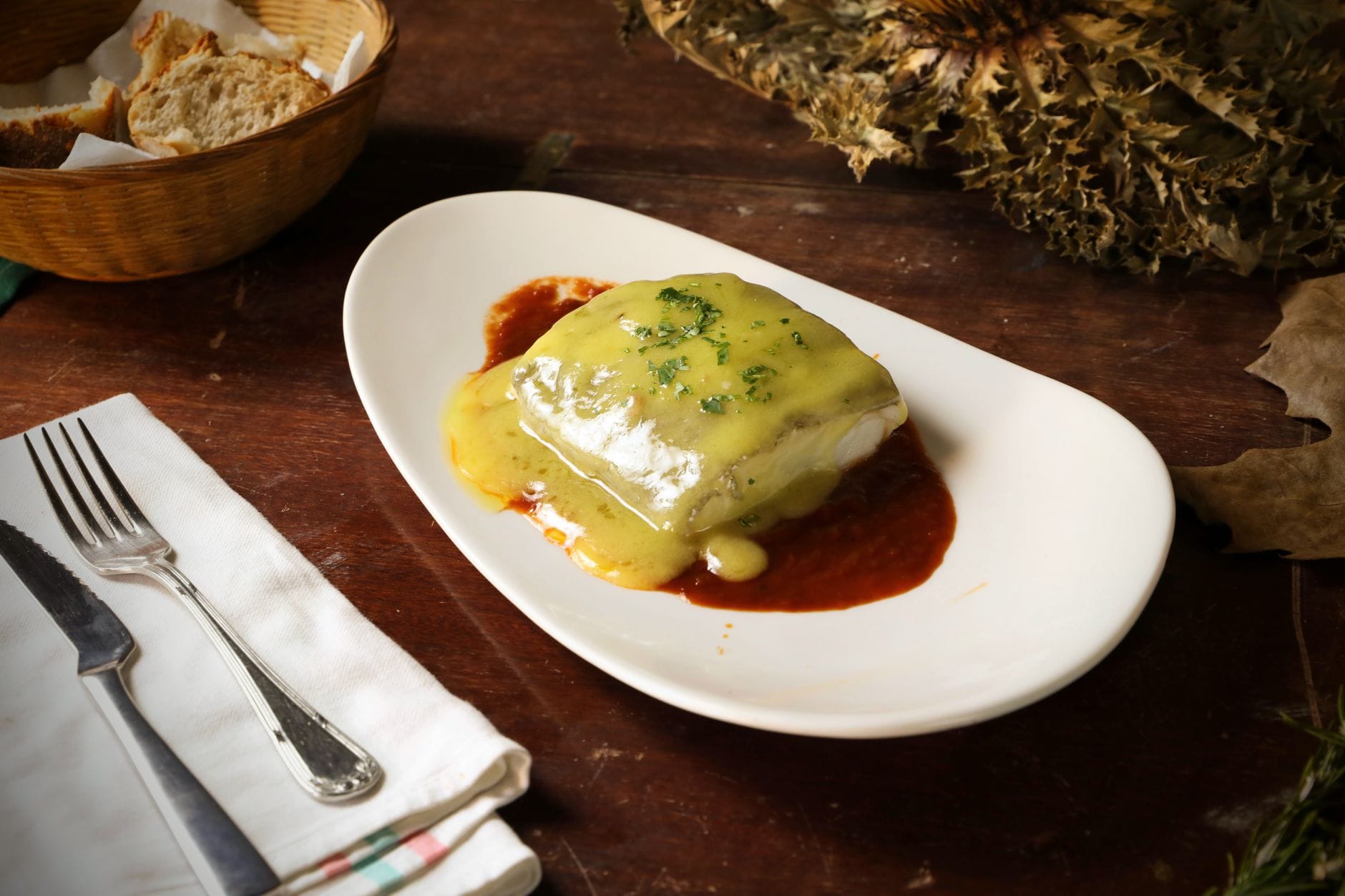
Salt cod — bacalao in Spanish, bakailao in Basque — is the cornerstone of traditional Bilbao cooking. Two preparations dominate. Bacalao al pil-pil is a deceptively simple dish: salt cod cooked slowly in olive oil and garlic, emulsified by the natural gelatin of the fish into a thick, trembling sauce. The technique requires patience and a specific wrist motion to shake the pan. Bacalao a la vizcaína uses a red pepper and onion sauce, deeper and more robust, traditionally made with dried choricero peppers. Both appear in restaurants across the city; quality varies, but the dish is hard to fake badly when the cod is properly desalted.
Marmitako is a fisherman's stew of tuna (bonito del norte) and potatoes, seasoned with choricero pepper and sometimes tomato. It is a summer and early autumn dish, tied to the bonito season. In the coastal towns nearest Bilbao — Bermeo, Mundaka, Lekeitio — versions made with fish landed that day are noticeably better than what you'll find year-round in city restaurants. Txangurro is spider crab, typically baked in its shell with a reduced sauce of its own meat, brandy, and tomato. It is rich, expensive, and not for everyone, but it represents Basque coastal cooking at its most distinctive.
For meat, txuleta is the word to know. These are thick-cut steaks from old dairy cows — txuleton refers to bone-in rib cuts — aged and grilled over charcoal, typically served with nothing more than salt and a dressed salad. The beef is marbled differently from what most visitors expect: darker, more intensely flavored, sometimes with a slight funky edge from the aging. Asador Ibañez de Bilbao is one of the more frequently recommended spots for this style. Portions are large and prices are high; sharing is normal.
- Bacalao al pil-pil: salt cod in garlic-olive oil emulsion — order it in a sit-down restaurant, not a pintxos bar
- Bacalao a la vizcaína: salt cod in red pepper sauce, the heartier of the two classic preparations
- Marmitako: tuna and potato stew, best in coastal towns during bonito season (July–October)
- Txangurro: baked spider crab, rich and expensive — a genuine splurge dish
- Txuleta or txuleton: thick-cut aged beef, grilled over charcoal, served simply
- Kokotxas: cod cheeks, either al pil-pil or in green sauce (salsa verde) — mild, gelatinous, polarizing in texture
- Pantxineta: a custard-filled puff pastry tart with pine nuts, the most distinctly Basque dessert you'll find
⚠️ What to skip
Kokotxas (cod cheeks) are a legitimate local specialty but have a gelatinous, slippery texture that many visitors find off-putting. If you're unsure about texture-forward seafood, try a small portion as a pintxo before committing to a full restaurant serving.
Where to Eat: Neighborhoods and Formats
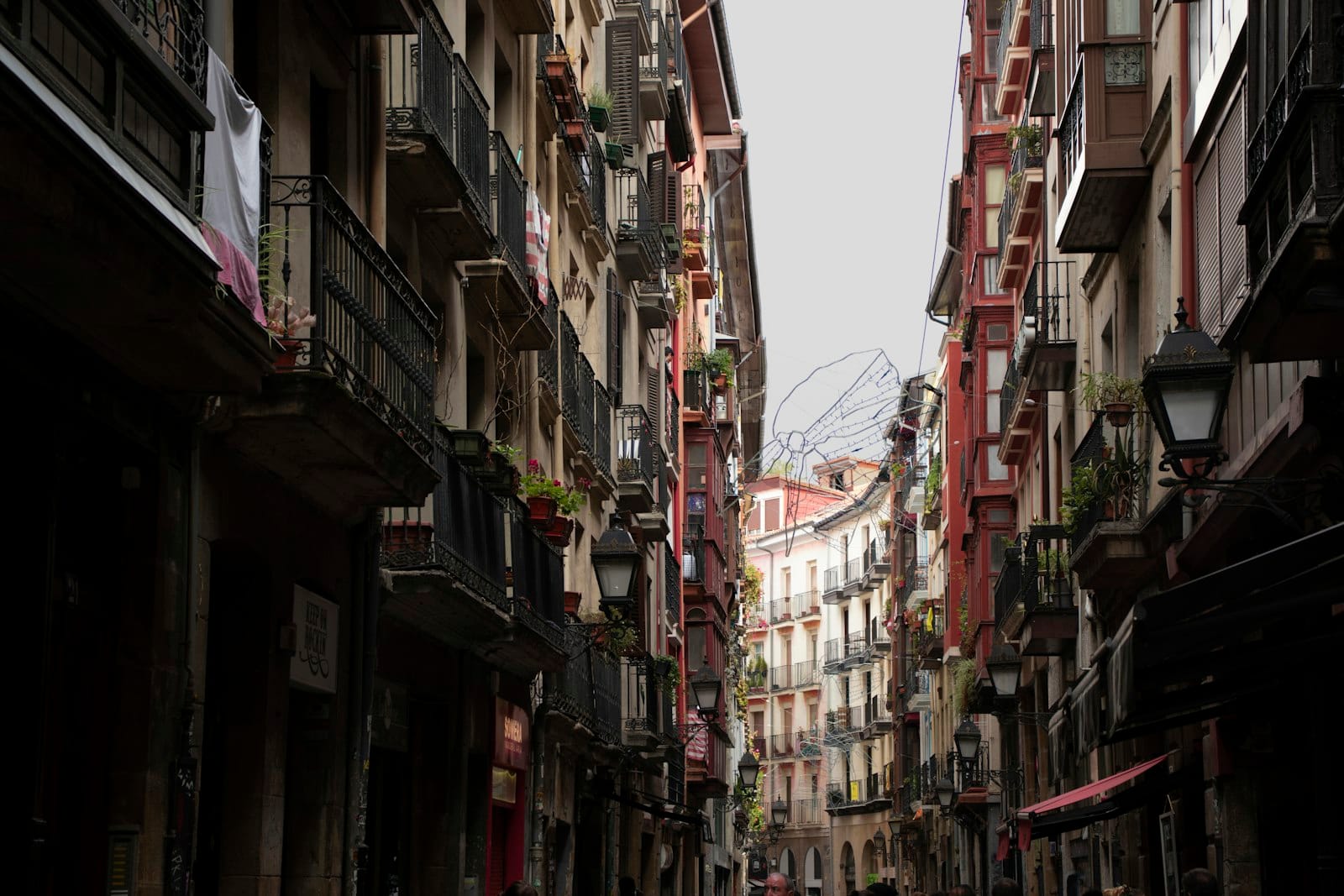
Casco Viejo is the obvious starting point, and it delivers — but it also prices accordingly in the most tourist-facing bars. For a more balanced experience, cross into the Ensanche (the 19th-century expansion grid around Gran Vía) where bars cater more to office workers and residents. The Ensanche has fewer decorative displays of pintxos and more bars where you order hot food from a short menu — often the better approach for quality.
For a sit-down lunch, the menu del día is the format to use. Most restaurants in Bilbao offer a fixed three-course lunch — starter, main, dessert, bread, and usually a drink included — for around €12–15 at neighborhood spots. This is how locals eat their main meal of the day. Dinner in Spain starts late: kitchens typically open around 8:30–9pm, and Bilbao follows that rhythm. Showing up at 7pm expecting a full restaurant is a mistake.
The Mercado de la Ribera on the riverfront in Casco Viejo is worth visiting in the morning when the market is active. It is one of the largest covered markets in Spain and gives a clear picture of what's in season: the fish counters alone are instructive. There are also bars inside the market serving pintxos and coffee. It's a functioning food market, not a food hall designed for tourists, which is precisely what makes it useful.
Food Tours and Guided Eating
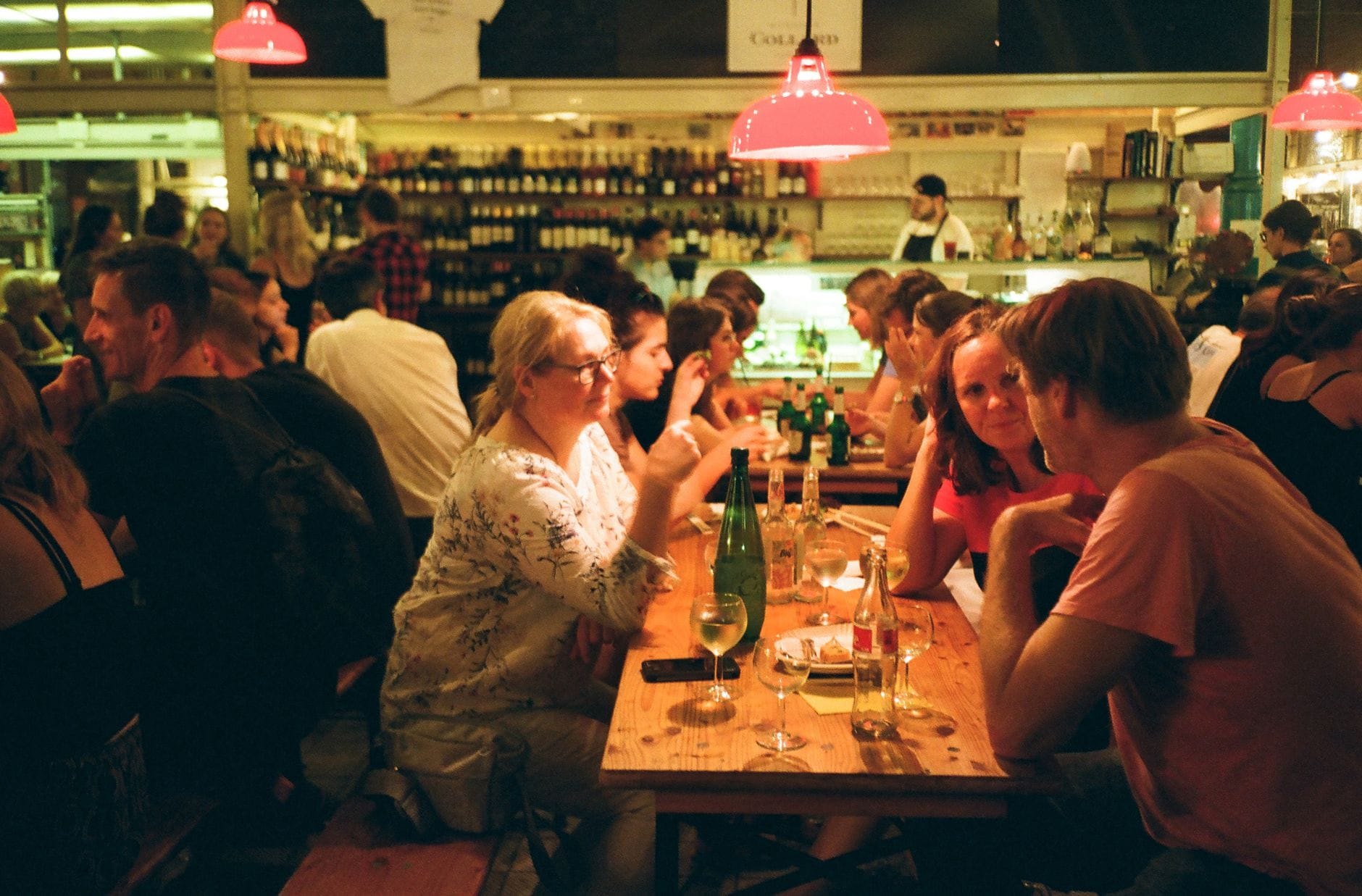
Organized food tours in Bilbao typically run €85–120 per person for two to three hours and include four to six bar stops with pintxos and drinks, plus a guide explaining what you're eating and the cultural context. The price looks steep compared to doing it yourself, but for first-time visitors who don't want to guess at which bars are worth entering, the investment is reasonable. Good guides will take you off the most obvious tourist circuit and into bars you'd walk past on your own.
If you prefer exploring independently, the pintxos guide for Bilbao covers the bar-hopping format in more detail, including specific streets and timing. The short version: go out between 7–9pm on weekdays when bars are busy but not overwhelming, start in Casco Viejo, and migrate toward the Ensanche after the first two or three stops.
✨ Pro tip
Thursday and Friday evenings are the best nights for pintxos in Bilbao. Bars restock displays more frequently, the atmosphere is livelier than Monday or Tuesday, and you avoid the compressed weekend crowds that can make counter navigation genuinely difficult.
Drinks, Desserts, and What to Avoid
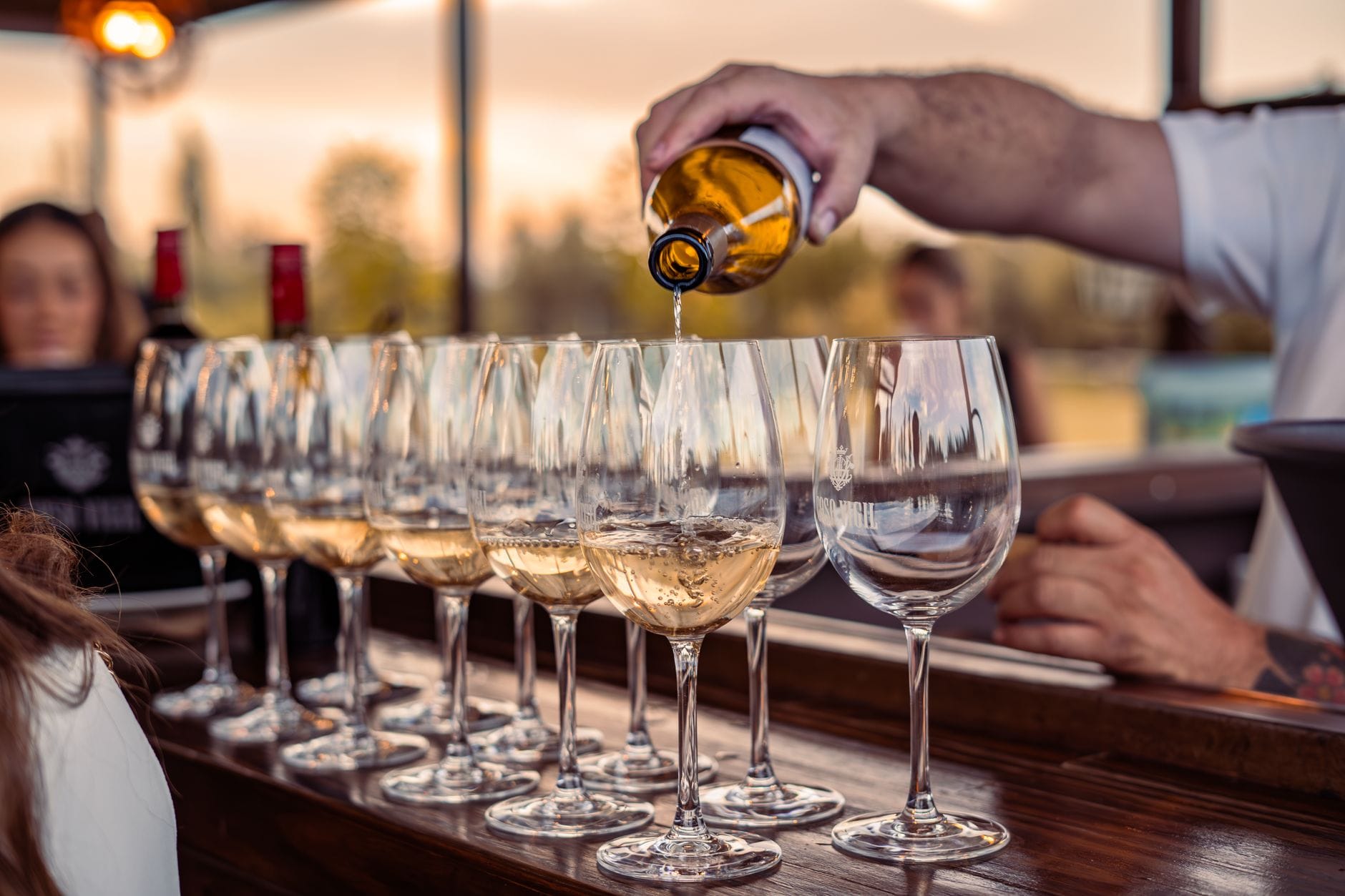
Txakoli (or txakolina) is the local white wine: very dry, slightly sparkling, low in alcohol (around 11%), and traditionally poured from a height to aerate it. It pairs well with seafood pintxos and is refreshing on its own. It is produced in the hills around Bilbao and in coastal zones of the Basque Country. Rioja is also widely available and heavily consumed — this is not a region that limits itself to local wine, despite what the txakoli fans will tell you.
For dessert beyond pintxos bars, look for Basque cheesecake (tarta de queso al horno). This is the style that spread internationally in recent years: burnt, creamy, with no crust, closer to a baked custard than a conventional cheesecake. La Viña in San Sebastián is credited with the original, but good versions exist throughout Bilbao. Pantxineta — a custard-filled puff pastry with pine nuts and icing sugar — is the more specifically Bilbaíno choice and harder to find outside the Basque Country.
What to avoid: restaurants directly adjacent to the Guggenheim Museum Bilbao tend to charge premium prices for mediocre food aimed at tourists who've just left the museum and don't want to walk far. The Abandoibarra waterfront area has improved significantly since redevelopment, but it's still not where you go for serious eating. Walk ten minutes in any direction and your options improve considerably.
For a longer stay that combines food with the wider region, the Basque Country itinerary guide covers day trips to San Sebastián (the undisputed pintxos capital), the coast, and inland food destinations that make excellent additions to a Bilbao base.
FAQ
What is the difference between pintxos and tapas?
Pintxos are a specifically Basque bar-food tradition, typically small bites served on bread or skewered with a toothpick, eaten standing at a bar counter. Tapas is a broader Spanish term for small dishes, often ordered to accompany drinks. In Bilbao, calling pintxos 'tapas' marks you as an outsider — the locals will understand, but the distinction matters culturally. Pintxos also tend to be more elaborate and more expensive per piece than typical tapas elsewhere in Spain.
Is Bilbao food expensive compared to the rest of Spain?
Moderately more expensive, yes. Pintxos typically cost €2–3 each, drinks €2–4 in bars. A menu del día at a neighborhood restaurant runs €12–15 for three courses including a drink. Fine dining and traditional restaurants serving bacalao or txuleta will charge more: €30–60 per person is realistic for a full sit-down dinner with wine. Compared to San Sebastián, Bilbao is generally slightly less expensive.
When is the best time to eat pintxos in Bilbao?
For the best experience, go out between 7–9pm on weekday evenings, particularly Thursday or Friday. Bars are well-stocked, the atmosphere is good, and you're not competing with weekend crowds. Weekend lunch (1–3pm) also works well. Avoid arriving at Spanish dinner time by Northern European or American standards — showing up at 6pm will find most pintxos bars either closed or setting up.
Are there good options for vegetarians eating in Bilbao?
Basque cuisine is heavily seafood and meat-focused, so vegetarians need to be proactive. That said, pintxos bars almost always have vegetable-based options: peppers stuffed with cheese, mushroom preparations, tortilla española, and various bread-based combinations without fish or meat. Some bars have expanded vegetarian and vegan selections in recent years. Sit-down restaurants with a menu del día will usually have a vegetarian starter option and can often accommodate requests. It's not the easiest city for strict vegetarians, but it's manageable.
Do I need to book restaurants in advance in Bilbao?
For pintxos bars, no — you just walk in. For sit-down restaurants, especially at dinner or on weekends, booking a day or two ahead is sensible for anywhere with a good reputation. For high-end or Michelin-starred restaurants, reservations several weeks in advance are often necessary. The menu del día format at lunch is generally walk-in friendly at most neighborhood spots.