Casco Viejo is the medieval heart of Bilbao, built on the right bank of the Nervión estuary and anchored by the famous Seven Streets. With around 500 shops, dozens of pintxos bars, and landmarks spanning Gothic cathedrals to neoclassical arcaded squares, it is the most historically layered neighborhood in the city.
Casco Viejo, also called Las Siete Calles or Zazpikaleak in Basque, is where Bilbao began: a compact grid of medieval streets on the right bank of the Nervión that has been the city's social and commercial core for over 700 years. Declared a Historical and Artistic Heritage Site in 1972 and fully pedestrianised by 1979, it wears its age openly — in the Gothic stonework of Santiago Cathedral, the arcaded geometry of Plaza Nueva, and the daily theatre of the Mercado de la Ribera.
Orientation
Casco Viejo occupies roughly 52 hectares on the right bank of the Nervión-Ibaizabal estuary, directly across the river from the Ensanche, Bilbao's 19th-century expansion district on the left bank. The neighborhood's medieval DNA is clearest in its street plan: seven parallel streets running roughly north to south — Somera, Artecalle, Tendería, Belosticalle, Carnicería Vieja, Barrencalle, and Barrencalle Barrena — give the area its traditional name, Las Siete Calles. These are the streets that defined Bilbao when it was founded in 1300.
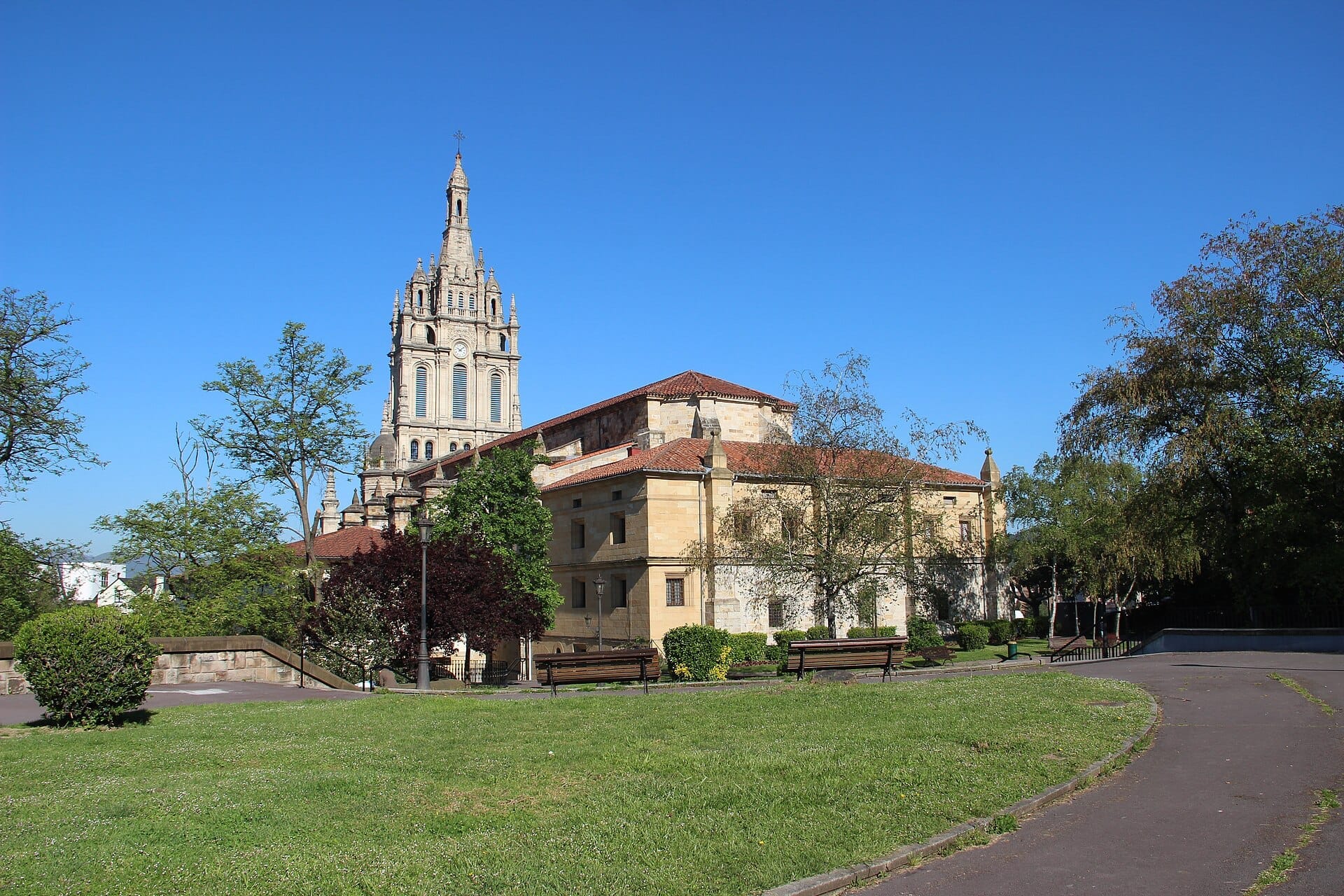
The neighborhood is bounded by the Nervión river to the south and west, where the Mercado de la Ribera and the church of San Antón face the water. To the north, the ground rises toward the Basílica de Begoña, which sits above the old town on a hill and is technically separate but closely linked in the city's mental geography. Atxuri railway station marks the northeastern edge, while the ornate Teatro Arriaga anchors the southwestern corner at the bridgehead where Casco Viejo meets the rest of the city.
Understanding Bilbao's layout requires seeing Casco Viejo as the right-bank counterweight to the left-bank districts. The Ensanche (Abando) sits directly across the river — a ten-minute walk over one of the estuary bridges — while the modern waterfront of Abandoibarra with the Guggenheim Museum is about 20 minutes on foot heading upstream along the left bank. Casco Viejo is the logical starting point for any first visit to Bilbao.
Character & Atmosphere
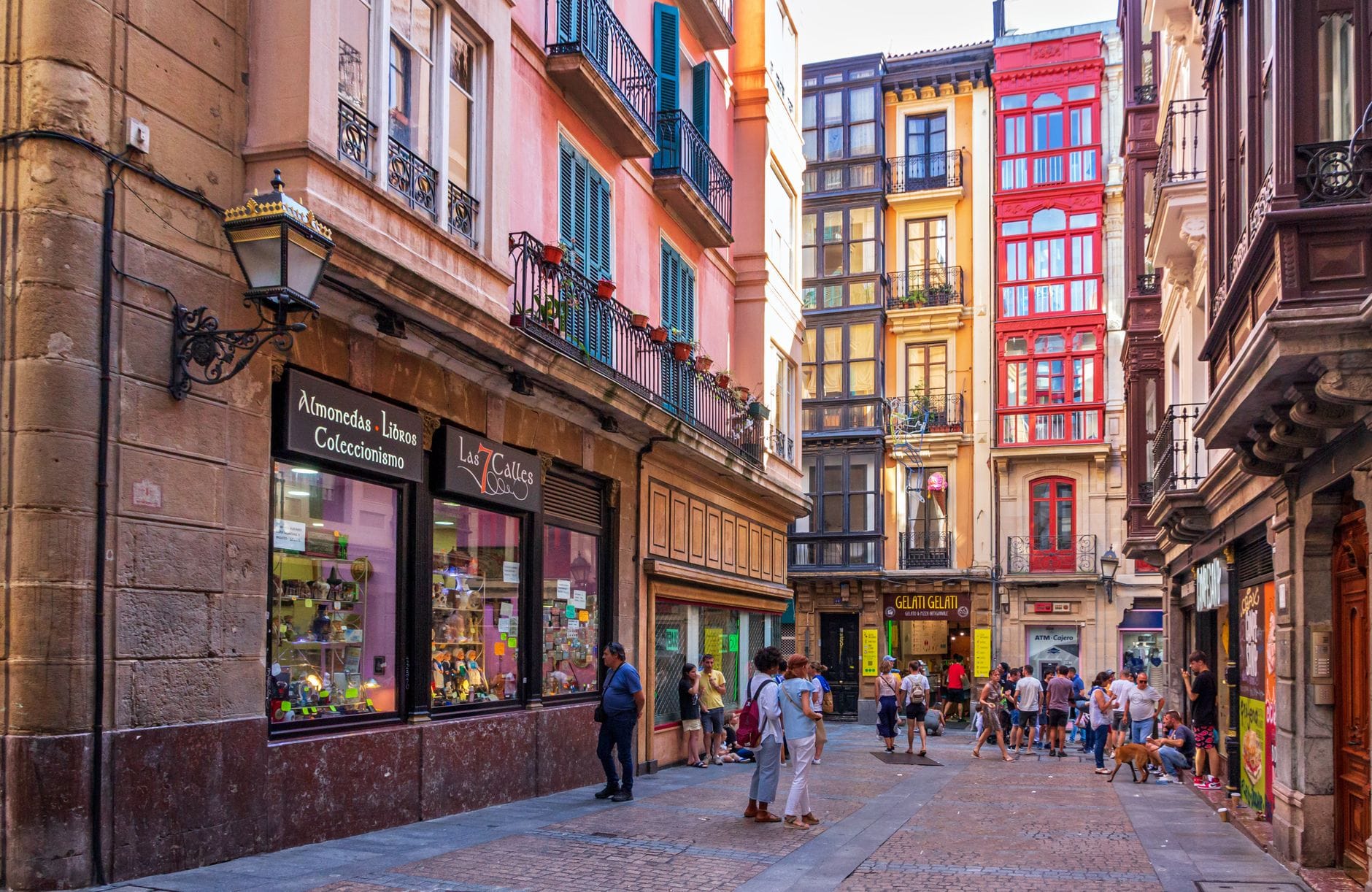
The first thing you notice in Casco Viejo is the scale: the streets are genuinely narrow, sometimes barely wide enough for four people to pass comfortably, and the buildings lean close overhead in the older sections. This is not a reconstructed old town; the layout is medieval even where the facades have been repaired and updated. The full pedestrianisation means the only sounds are footsteps, conversation, and the particular acoustics of stone-paved alleys — sounds that shift completely depending on the time of day.
Mornings in Casco Viejo belong to residents and market-goers. By 8am the Mercado de la Ribera is already deep into its working rhythm: the low hum of traders setting out produce, the smell of salt cod and fresh vegetables mixing with café con leche from the market bar, shafts of morning light coming through the large riverside windows. The Seven Streets feel distinctly local at this hour — shopkeepers raising shutters, elderly residents crossing Plaza Nueva with string bags, the occasional delivery trolley navigating Artecalle.
By midday the character shifts. Tour groups arrive, the pintxos bars on Calle Somera and Jardines begin filling, and the open arcades of Plaza Nueva fill with people eating and watching the world go by. The afternoon light in late spring and summer falls at a low angle through the narrow streets, catching the ironwork balconies and worn stone thresholds in a way that makes even a simple walk feel compositionally interesting. From around 5pm onward the bar culture takes over completely, and on Friday and Saturday evenings Casco Viejo becomes one of the loudest, most energetic neighborhoods in northern Spain.
⚠️ What to skip
Weekend nights in Casco Viejo — particularly on Calle Barrencalle and around Plaza Nueva — can get rowdy until the early hours. If you are a light sleeper, consider staying in the Ensanche or Indautxu and visiting Casco Viejo during the day. Accommodation inside the neighborhood itself is limited precisely because the narrow streets amplify noise.
The neighborhood is not a museum piece. Around 8,000 people live here, and the commercial density is real: roughly 500 shops ranging from old-fashioned hardware stores and independent bookshops to fashion boutiques and souvenir stalls. Tourist activity is concentrated around the most photogenic streets and plazas, but turn off Tendería into Carnicería Vieja on a Tuesday morning and you are likely to find locals rather than visitors.
What to See & Do
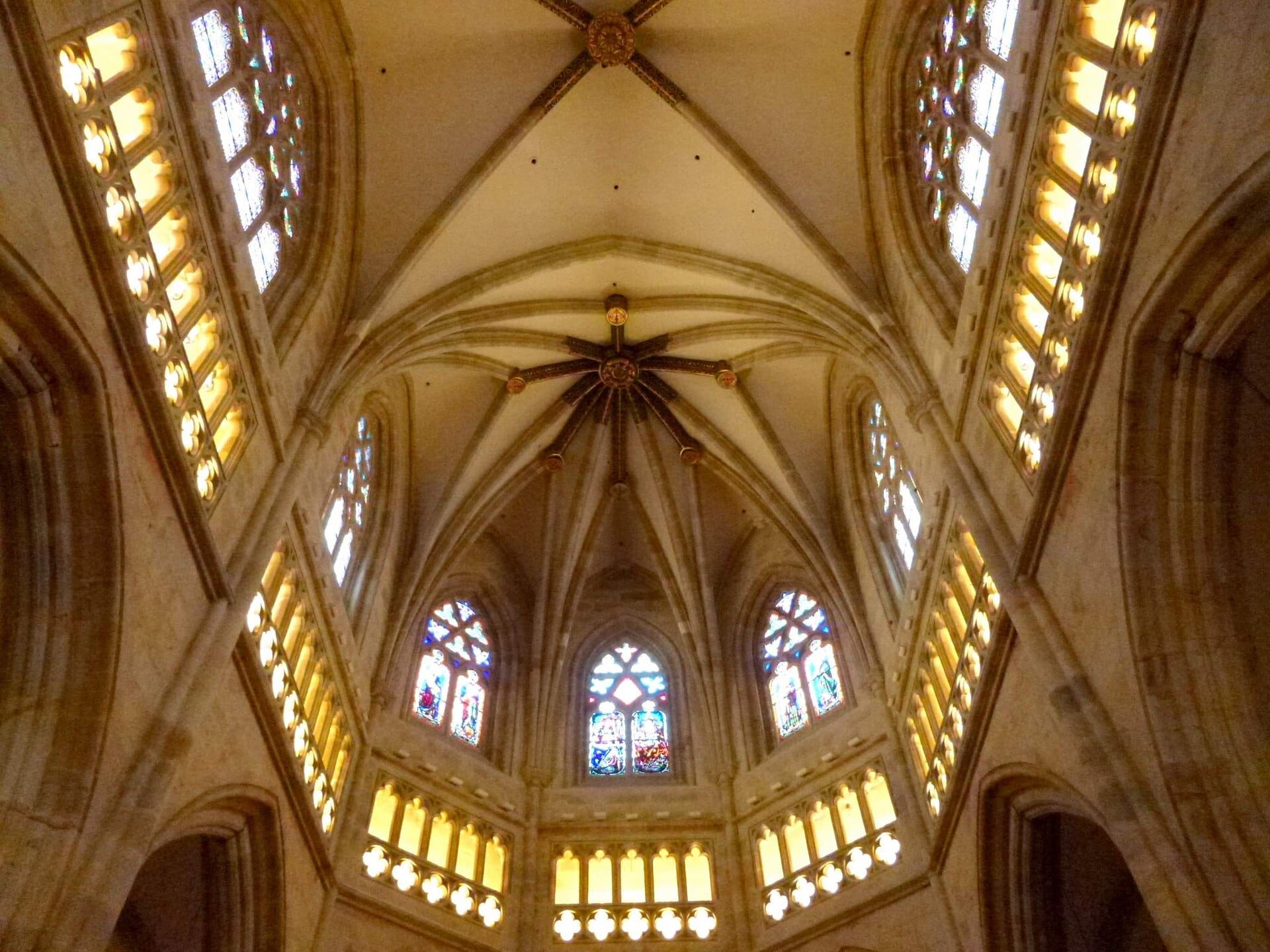
The Cathedral of Santiago is the architectural centerpiece of the old town, a Gothic structure begun in the 14th century that took centuries to complete. Its cloister is particularly worth finding — quieter than the main nave and giving a clear sense of the building's age. Entry is inexpensive and the interior is surprisingly restrained for a Spanish cathedral, which makes the Gothic vaulting all the more effective.
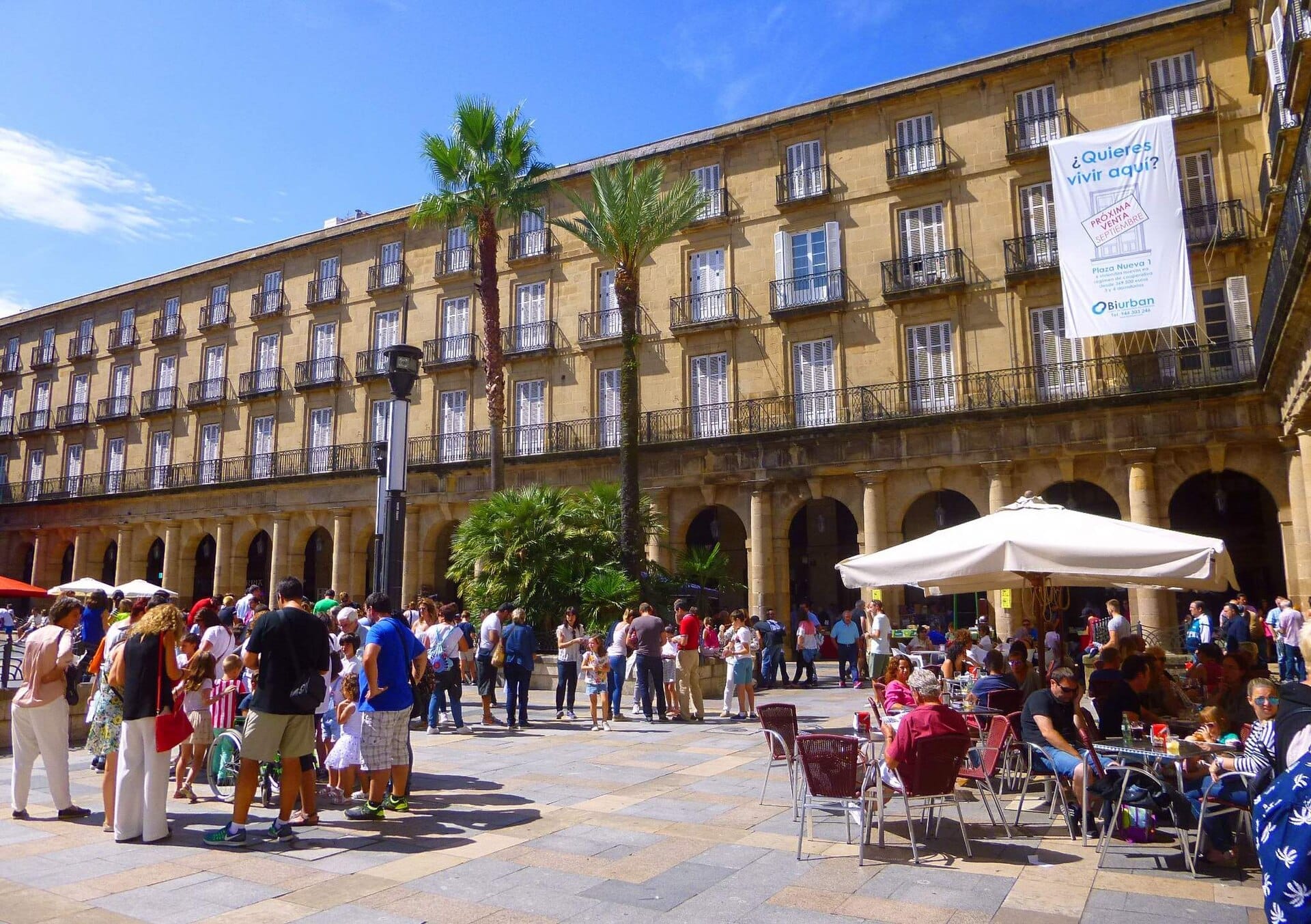
Plaza Nueva is the social hub of Casco Viejo and a handsome neoclassical arcaded square by Basque standards. Built in the early 19th century, its uniform colonnaded facades enclose a square that functions as an outdoor living room for the neighborhood. The Sunday morning flea market here is excellent for browsing antiques, books, and curiosities. The pintxos bars under the arcade are among the best-positioned in the city for people-watching.
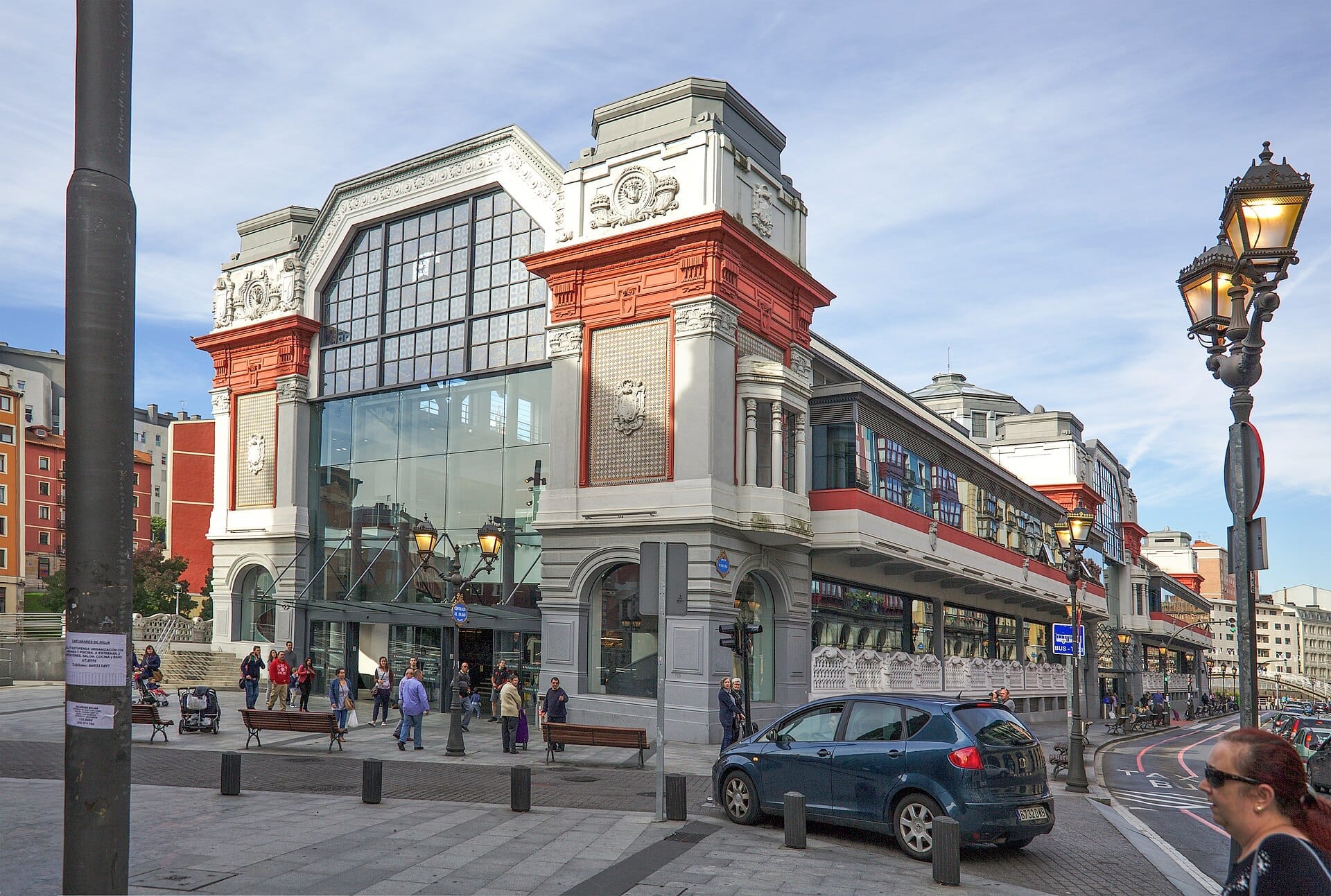
The Mercado de la Ribera deserves more than a passing look. Built in the 1920s in an Art Deco style facing the river, it is frequently described as the largest covered food market in Europe by floor area. The ground floor is the working market — fish, meat, vegetables, cheese — while upper levels have been renovated to include a pintxos bar and event space with views over the Nervión. Come before noon if you want to see it functioning as a market rather than a tourist attraction.
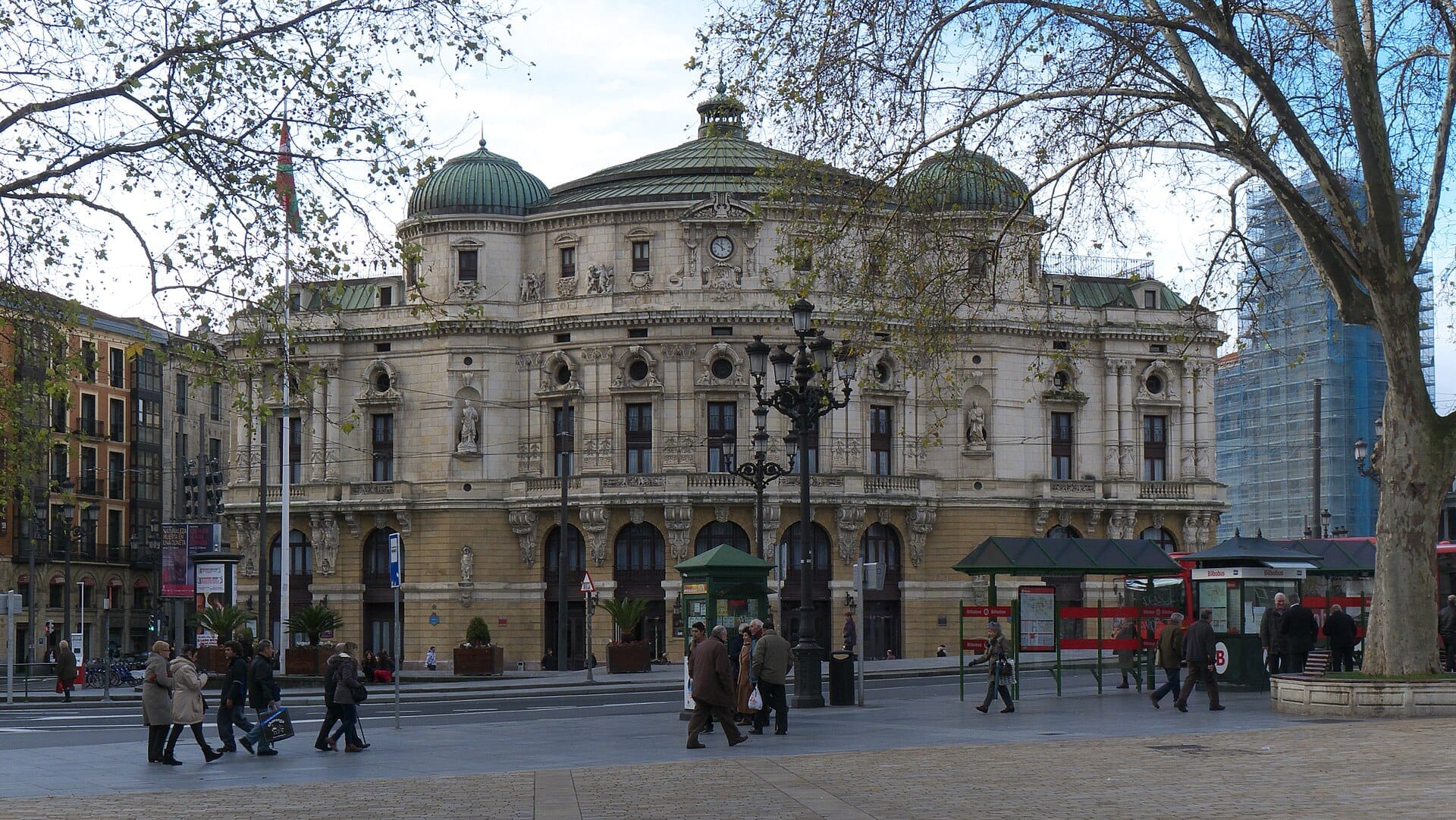
The Teatro Arriaga sits at the gateway to Casco Viejo: an ornate neo-Baroque building completed in 1890, facing the river at the foot of the old town. Even if you do not attend a performance, it is worth pausing here to understand the neighborhood's relationship with the rest of Bilbao — this is the threshold point, with the modern city on one side and seven centuries of urban history on the other.
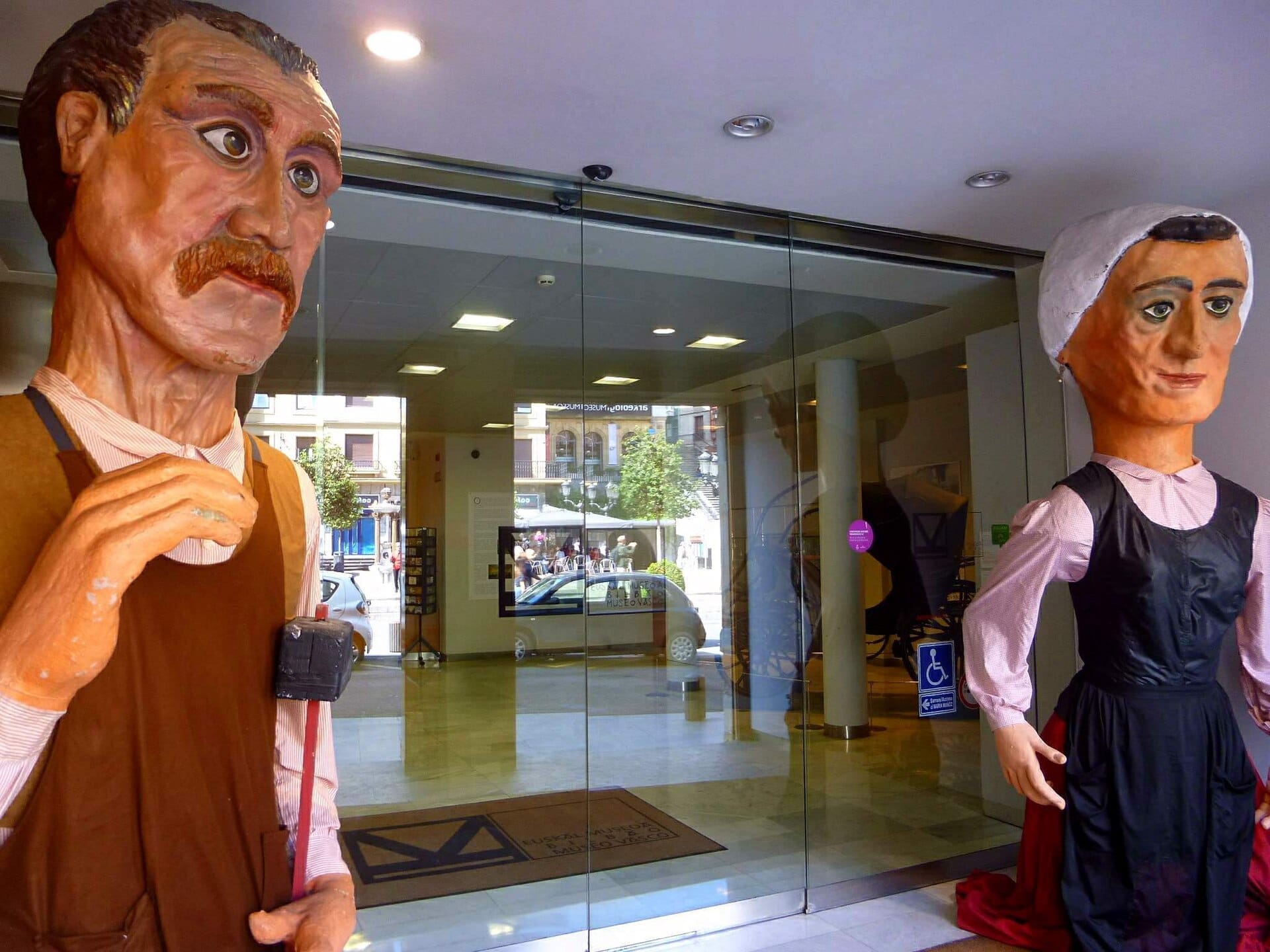
The Euskal Museoa (Basque Museum) is housed in a former Jesuit college near Plaza Nueva and covers the history, culture, and traditions of the Basque people from prehistoric times to the modern era. It is one of the better ethnographic museums in northern Spain and provides useful context for understanding the Basque identity you will encounter throughout Bilbao. The museum's courtyard contains a remarkable pre-Christian stone idol known as the Mikeldi.
Walk the Seven Streets end to end — the full loop takes about 30 minutes without stops
Climb to the Basílica de Begoña for views over the rooftops of Casco Viejo and the estuary
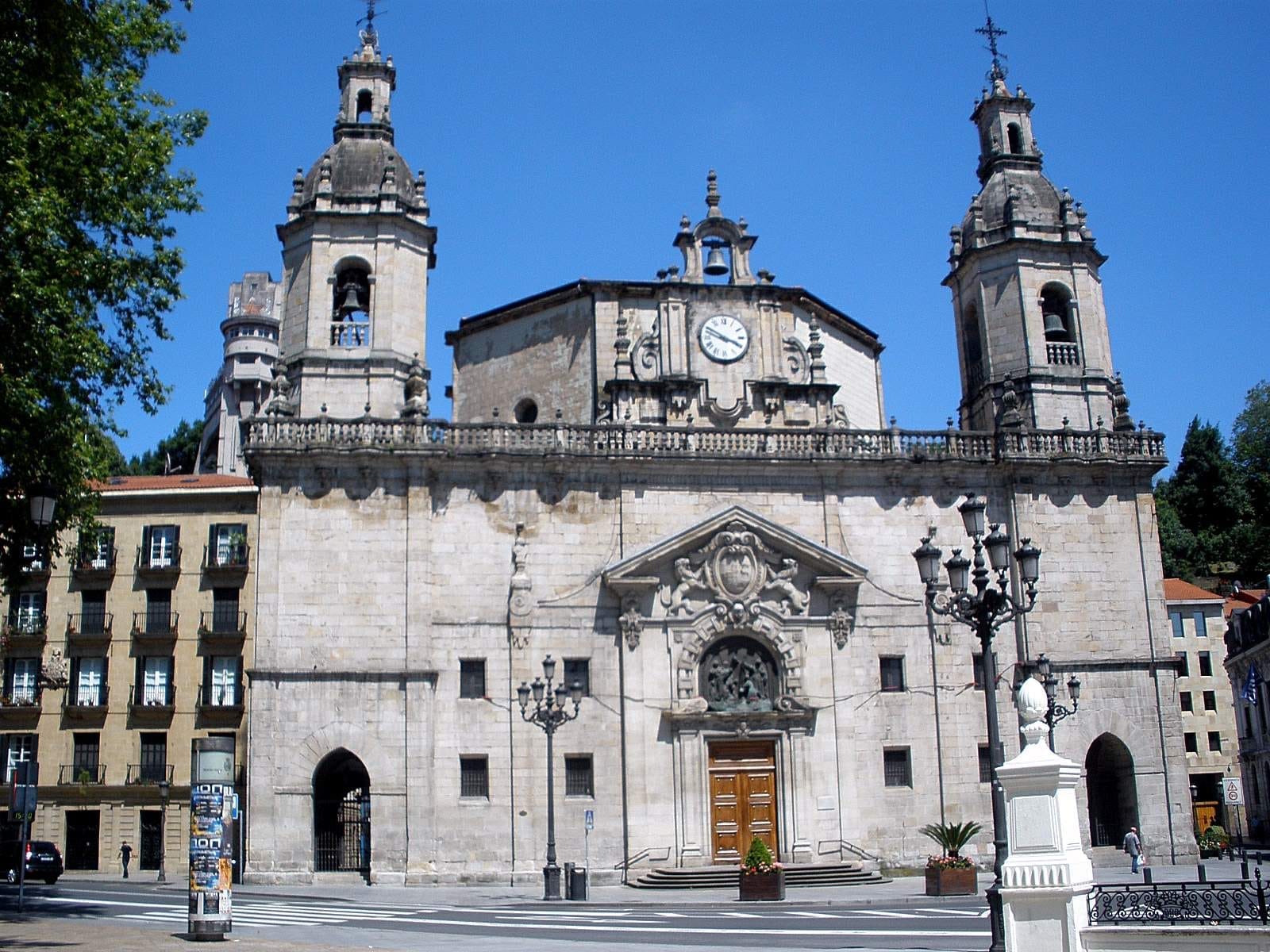
Visit the Church of San Nicolás, a Baroque church facing the river near the Teatro Arriaga
Check the Sunday flea market at Plaza Nueva (morning hours, typically until early afternoon)
Cross the Puente del Arenal to see Casco Viejo's skyline from the left bank
💡 Local tip
The Bilbao Walking Tour run by the city's tourism office typically starts at the Teatro Arriaga and covers Casco Viejo in depth. It is one of the most efficient ways to absorb the neighborhood's history in two hours, and guides provide context that is hard to find in guidebooks.
Eating & Drinking
Casco Viejo is the original home of Bilbao's pintxos culture, and the concentration of bars along Calle Somera, Jardines, and the streets around Plaza Nueva is the densest in the city. The tradition here predates the tourist boom: these bars were feeding locals long before Bilbao became an international destination. For a practical introduction to how pintxos culture actually works, the Bilbao pintxos guide covers etiquette, pricing, and the best approaches.
The standard format in Casco Viejo bars is a counter loaded with pintxos at lunchtime and early evening: small slices of bread topped with anchovies, jamón, tortilla, bacalao preparations, and increasingly creative modern variations. You point and pay as you go, washing everything down with a txakoli (the local slightly sparkling white wine, poured from a height to aerate it) or a small glass of red. Prices are generally lower here than in the tourist-facing bars near the Guggenheim: expect around €2-3 per pintxo.
Calle Somera and Calle Jardines are the pintxos epicenter and get extremely packed between 8pm and 11pm on weekends. The bars around Plaza Nueva tend to have slightly more space and cater to a mixed local-tourist crowd. For sit-down dining, the streets behind Plaza Nueva have several mid-range restaurants serving Basque cuisine — grilled fish, slow-cooked meats, bean stews — at prices that reflect a neighborhood where people actually live rather than just visit.
The Mercado de la Ribera's bar level is worth a stop for a morning coffee or a pre-lunch pintxo while watching the market below. For something more leisurely, the cafés along the river-facing Paseo del Arenal, just at the edge of Casco Viejo near the Teatro Arriaga, offer outdoor seating with estuary views and a slightly slower pace than the pintxos scrum inside the Seven Streets.
ℹ️ Good to know
Basque food culture runs on specific timing. Most pintxos bars replenish their counter at around 1pm (for the lunchtime txikiteo bar crawl) and again at around 7:30-8pm (for the evening round). Arriving mid-afternoon, especially outside summer, often means stale or limited options. Time your visits accordingly.
Getting There & Around
Casco Viejo is well served by public transport and is straightforward to reach from any part of Bilbao. The Zazpikaleak/Casco Viejo metro station, named directly after the neighborhood, sits on Metro Bilbao Lines 1 and 2 and places you at the heart of the old town within seconds of exiting. From the Ensanche, this is a single stop from Abando; from the Guggenheim area (Moyúa station), it is two stops. The metro is the fastest option from most parts of the city.
The Euskotren Tranbia tram serves Casco Viejo with three stops: Arriaga (at the Teatro Arriaga, the main gateway), Ribera (at the Mercado de la Ribera, useful for the market and riverside), and Atxuri (at the northeastern edge near the Atxuri railway station). The tram runs along the riverfront and connects Casco Viejo with the Guggenheim museum area and the Basque rail network at Atxuri station.
On foot, Casco Viejo is about 15-20 minutes from the Guggenheim Museum following the riverside Paseo Uribitarte upstream along the left bank, then crossing a bridge. From the Ensanche's Gran Vía, the walk across the Puente del Arenal takes around 10 minutes. The neighborhood is entirely pedestrianised once you enter the Seven Streets, so navigation inside is on foot. A rechargeable Barik card covers metro, tram, and bus fares across the city at a discounted rate — practical for any stay longer than a day or two. For full transit details, the guide to getting around Bilbao covers all options including the Barik card setup.
From Bilbao Airport (BIO), there is no direct metro connection to Casco Viejo. The most practical public option is the Bizkaibus A3247 line to Plaza Moyúa in the Ensanche, from which the Zazpikaleak/Casco Viejo metro station is two stops. A taxi from the airport takes roughly 15-20 minutes depending on traffic. The full pedestrianisation of Casco Viejo means taxis and private vehicles cannot enter the core streets, so any drop-off point will require a short walk.
Where to Stay
Accommodation inside Casco Viejo is limited in volume and concentrated mainly in small hotels, boutique guesthouses, and apartment rentals. The neighborhood's narrow medieval streets and protected heritage status mean large hotel developments are rare. For a full comparison of Bilbao's accommodation options across all neighborhoods, the where to stay in Bilbao guide provides a detailed breakdown by area and traveler type.
Staying in Casco Viejo puts you immediately inside the city's historic core, which is especially useful for atmosphere and walking access to the old town's attractions. The trade-off is noise: the area around Calle Barrencalle and Plaza Nueva can be extremely loud on Thursday, Friday, and Saturday nights until 3am or later, and stone-built narrow streets amplify sound rather than absorbing it. If you are a light sleeper, a hotel on the quieter eastern edge of the neighborhood near Atxuri, or just across the river in the Ensanche, is a more practical choice.
Casco Viejo suits travelers who prioritize walkability and historical atmosphere over comfort amenities — independent travelers, couples on short city breaks, and visitors primarily interested in Basque food culture and architecture. Families with young children and anyone on an early rising schedule may find the weekend noise levels disruptive. Business travelers are generally better served by the Ensanche, which has better transport connections and a higher concentration of larger hotels.
Practical Notes
Casco Viejo is a working neighborhood with genuine daily rhythms, not a theme park. Most shops open around 9:30-10am and close for a long lunch (roughly 2-4:30pm) before reopening until 8pm or later — a schedule that catches visitors who arrive expecting continuous trading hours. The Sunday flea market at Plaza Nueva is a reliable exception to the general Sunday quiet, drawing locals and visitors alike.
The neighborhood experienced serious flooding in 1983 when the Nervión burst its banks, causing extensive damage that led to major restoration works throughout the 1980s and 1990s. This explains why some facades in the lower sections of the Seven Streets look newer than their setting suggests. The area sits at the edge of the estuary's flood plain — not a current safety concern, but useful context for understanding the built fabric. During August's Aste Nagusia festival, Casco Viejo becomes one of the most active areas in the city; the Bilbao in August guide explains what to expect during the city's biggest annual celebration.
💡 Local tip
Both Spanish and Basque (Euskara) appear on street signs throughout Casco Viejo. The neighborhood's two names — 'Casco Viejo' (Spanish) and 'Zazpikaleak' (Basque, meaning 'Seven Streets') — are both in common use. Neither is more correct; they simply reflect the city's bilingual identity.
TL;DR
Casco Viejo is Bilbao's medieval Old Town: 52 pedestrianised hectares of Gothic churches, neoclassical squares, and some of the best pintxos bars in the Basque Country.
Key landmarks include Santiago Cathedral, Plaza Nueva, the Teatro Arriaga, and the Mercado de la Ribera — all within easy walking distance of each other.
The neighborhood is ideal for travelers focused on Basque food culture, history, and architecture; less suitable for light sleepers, as weekend nights can get loud.
Transport access is excellent: the Zazpikaleak/Casco Viejo metro station (Lines 1 and 2) and three tram stops connect the old town to the rest of Bilbao in minutes.
Best visited in the morning for the market and cathedral calm, and again from early evening for the pintxos crawl — the midafternoon lull is real and worth planning around.
Bilbao rewards a focused weekend with world-class architecture, one of Spain's best food cultures, and a walkable city centre that packs serious depth into 48 hours. This itinerary covers the essential stops across two well-structured days.
The Basque Country packs extraordinary variety into a compact region: world-class museums, Gothic old towns, wild Atlantic coastline, and some of Europe's finest food. This guide covers the essential stops in and around Bilbao, from the Guggenheim to the fishing villages of the Bizkaia coast.
Bilbao sits at the heart of the Basque Country, one of Europe's most serious food cultures. This guide covers the essential dishes, where to eat them, how the pintxos bar system actually works, and what to skip — so you eat well from your first meal to your last.
Bilbao has a strong museum scene for a city of its size. This guide covers the city's top institutions, from Frank Gehry's titanium icon on the riverfront to the quiet rooms of the Basque Museum in the Casco Viejo, with practical tips to help you plan your visit.
Bilbao's Atlantic climate means rain is always possible, but some months are dramatically better than others. This guide breaks down every season by weather, crowd levels, hotel prices, and festivals so you can pick the right time for your trip.
Bilbao Airport (IATA: BIO) is the main gateway to the Basque Country, located just 9-12 km from the city centre. This guide covers every transport option into Bilbao, with real fares, journey times, seasonal timetable notes, and the common mistakes first-time visitors make.
Bilbao's architectural story spans Gothic old-town churches, grand 19th-century boulevards, and one of the most consequential buildings of the 20th century. This guide covers every major landmark, the best walking routes, seasonal tips, and what to prioritize if your time is limited.
Bilbao sits inland on the Nervión estuary, but within 40 km you'll find some of northern Spain's finest coastline. This guide covers the best beaches near Bilbao, from sheltered urban strands reachable by metro to dramatic surf breaks and picturesque fishing villages.
Aste Nagusia (Semana Grande) turns Bilbao into one of Europe's great street festivals every August. This guide covers exact dates, the free concert schedule, txosna culture, accommodation realities, and practical tips for navigating nine days of non-stop celebration.
Bilbao in winter is mild, rainy, and far less crowded than summer. This guide covers the real weather, what to do indoors and out, how to navigate the city, and why the off-season has genuine advantages for the right kind of traveler.
Bilbao's nightlife runs later and harder than most visitors expect. This guide walks you through every stage of a proper Bilbao evening, from early pintxo crawls and riverside sunset walks to cocktail bars, live music, and clubs that don't fill until 2am.
Two Basque cities, 77 kilometres apart, and both worth your time — but for very different reasons. This guide breaks down what Bilbao and San Sebastián each do best, who they suit, how much each costs, and why the real answer is often 'both'.
Bilbao is compact enough to explore on foot in a single day, but the route you choose makes all the difference. This guide covers the best self-guided walking tour of Bilbao from Casco Viejo to the Guggenheim, with practical timings, admission costs, seasonal advice, and practical tips on what to skip.
Bilbao is a strong family destination. This guide covers the best kid-friendly attractions in the city and the wider Bizkaia province, from interactive museums and funicular rides to fairy-tale castles and sheltered beaches.
Bilbao's compact centre is walkable, but its integrated public transport network — metro, tram, city buses, and regional rail — makes the whole metro area easy to navigate. This guide covers every option, from the Barik smart card to airport transfers, with practical advice on what's worth using and what to skip.
Bilbao has pulled off one of Europe's most remarkable urban reinventions, transforming from a grimy industrial port into a world-class destination for architecture, food, and culture. But is it right for your trip? This guide gives you the full picture: what genuinely impresses, what disappoints, and exactly how to make the most of it.
Pintxos are the beating heart of Bilbao's food culture. This guide covers the best neighbourhoods and bars for a classic txikiteo crawl, how ordering works, what things cost, and the etiquette mistakes most visitors make. Whether you have one evening or three, here's how to eat like a Bilbaíno.
Bilbao offers a surprising amount for a city of around 350,000. This guide covers the best things to do in Bilbao, Spain, from world-class museums and Europe's largest covered market to coastal day trips and the Basque food scene, with practical advice on timing, pricing, and getting around.
Bilbao packs a lot into 40 square kilometres. This guide breaks down the city's main neighbourhoods by traveller type, budget, and atmosphere, so you can choose where to stay with confidence, whether you're here for a weekend city break or a longer Basque Country trip.