Bilbao vs San Sebastián: Which City Should You Actually Visit?
Two Basque cities, 77 kilometres apart, and both worth your time — but for very different reasons. This guide breaks down what Bilbao and San Sebastián each do best, who they suit, how much each costs, and why the real answer is often 'both'.
Tickets & tours
Live prices and dates from our booking partner. If you book, we may earn a commission at no extra cost to you.
TL;DR
- Bilbao is the larger, more urban city with major museums, industrial-era architecture, and a grittier creative energy — better for culture-first travellers.
- San Sebastián is a compact coastal city with one of Europe's great beaches, a legendary food scene, and a polished, resort-town atmosphere — better for relaxation and scenery.
- The two cities are about 100 km apart by road (~1h20–1h30 by bus) — visiting both is easy, especially on a Basque Country itinerary.
- San Sebastián runs about 15–20% more expensive than Bilbao at the mid-range level, with the gap widening sharply in summer when beach hotels spike.
- If you only have time for one: choose Bilbao for depth and museums, San Sebastián for scenery and the beach.
The Core Difference: What Each City Actually Is
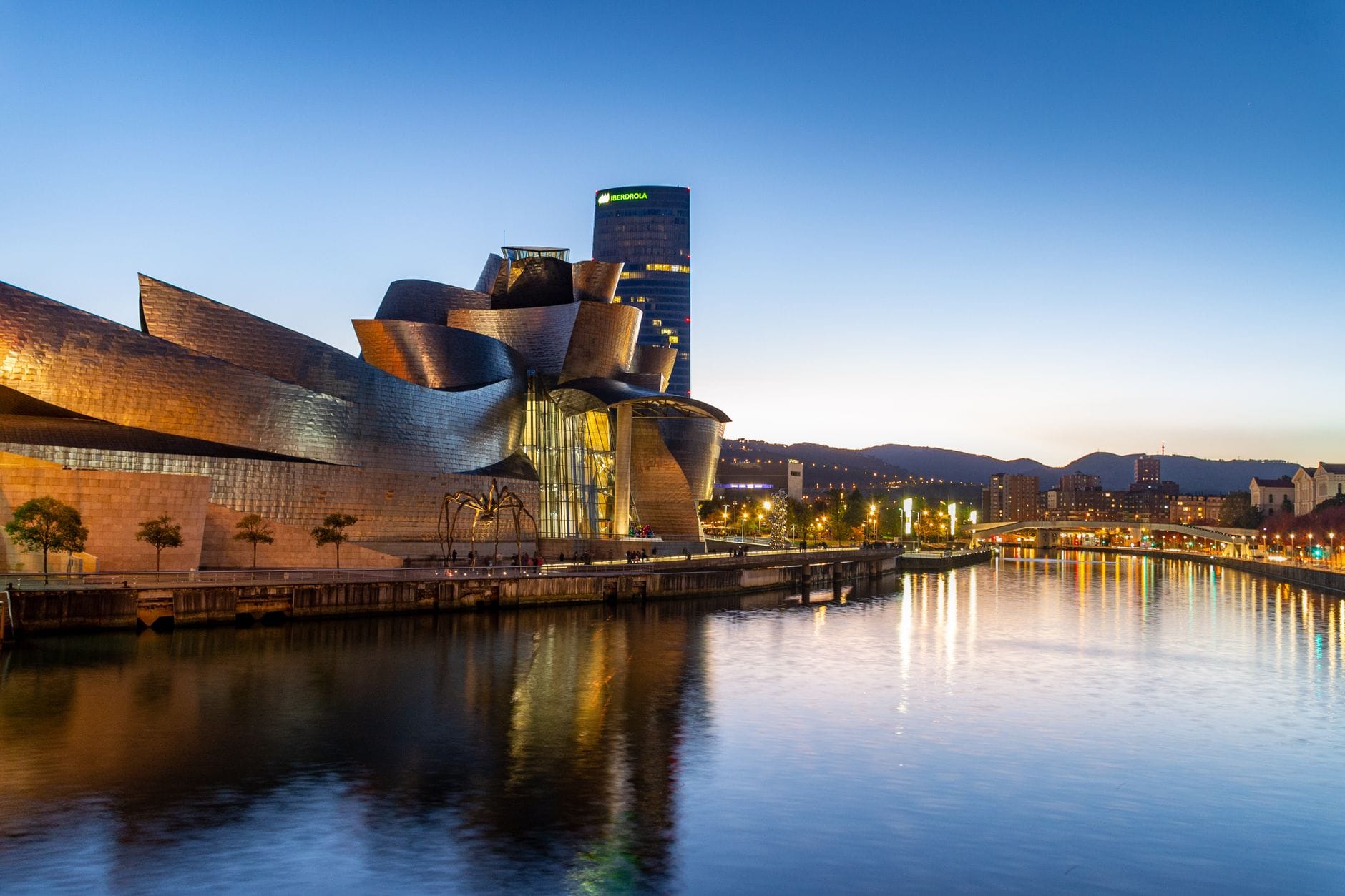
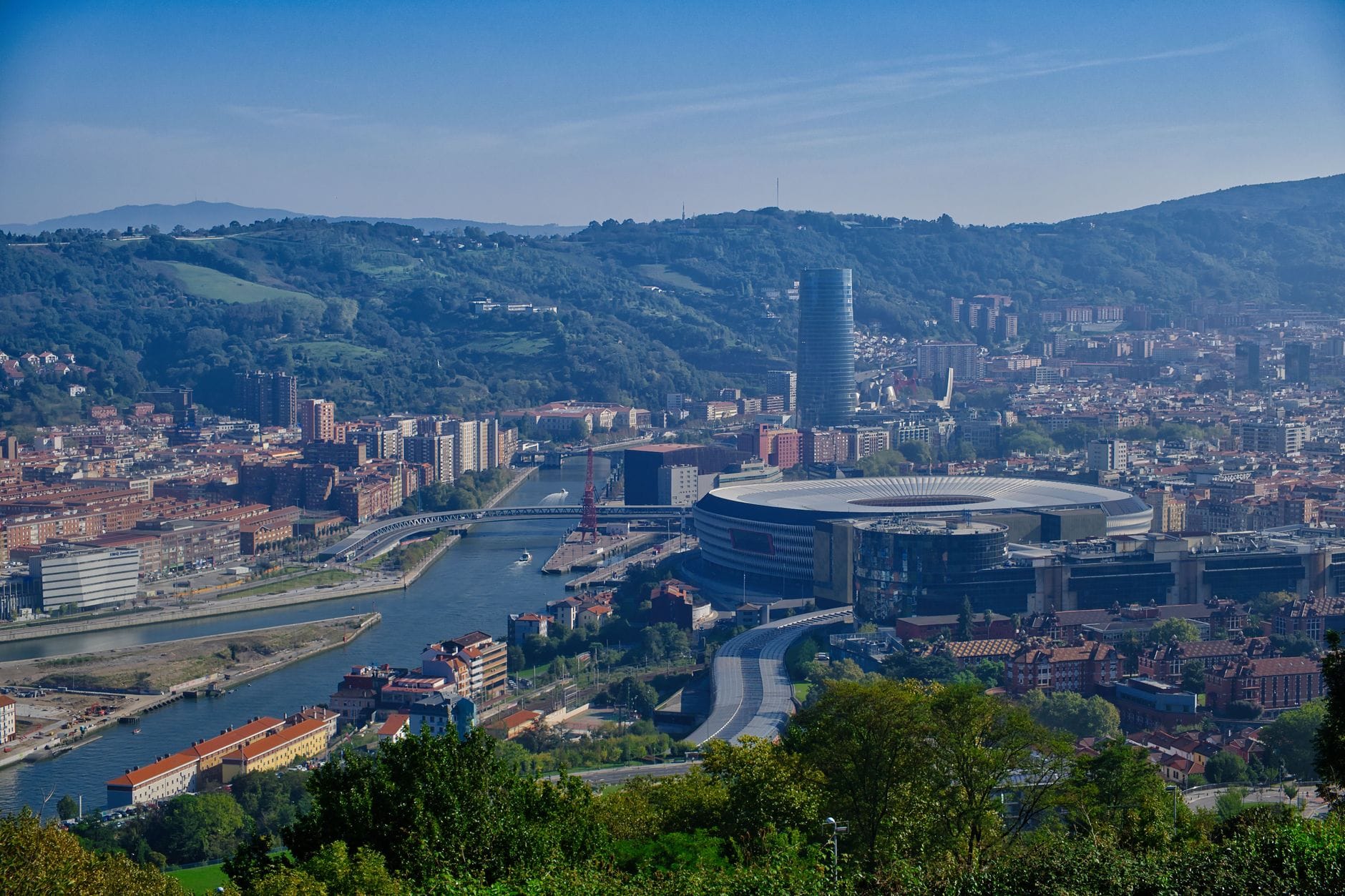
Bilbao is the capital of the province of Biscay (Bizkaia) and the largest city in the Basque Country, with around 351,000 residents in the city proper and a metropolitan area of about one million. It sits 11 kilometres inland along the Nervión estuary, which means it is not a beach destination. What it is, emphatically, is a city that reinvented itself. The Guggenheim Museum Bilbao, which opened in 1997, triggered one of the most documented urban transformations in European history — turning a declining industrial port into a reference point for contemporary architecture and culture.
San Sebastián (Donostia in Basque) sits on the Bay of Biscay, about 100 km east of Bilbao by road, with around 180,000 residents. It is compact, scenic, and built around the horseshoe-shaped La Concha bay, one of the most photogenic urban beaches in Europe. The city has a Belle Époque elegance that Bilbao deliberately shrugged off. Where Bilbao is a city that works, San Sebastián is a city that poses — in the best possible sense. It also has one of the highest concentrations of Michelin-starred restaurants per capita in the world, which makes it a pilgrimage destination for serious food travellers. For a full breakdown of what Bilbao offers on its own terms, see our guide on whether Bilbao is worth visiting.
ℹ️ Good to know
These are not interchangeable cities with the same vibe. Bilbao rewards urban exploration, museum-going, and neighbourhood wandering. San Sebastián rewards beach days, long lunches, and scenic hikes. Know which experience you're after before you book.
Attractions and Things to Do: Where Each City Wins
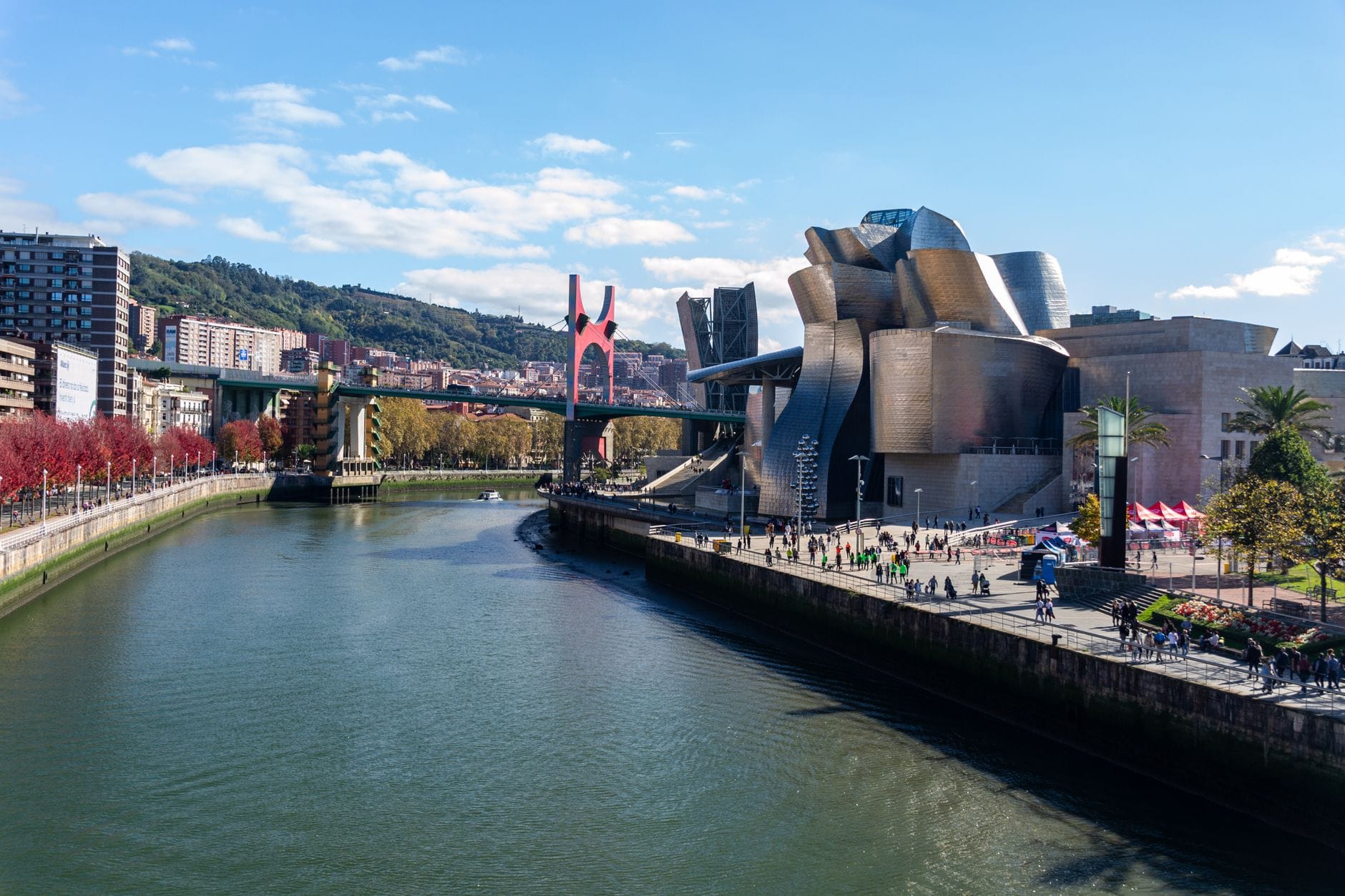
Bilbao wins decisively on the museum front. The Guggenheim Museum Bilbao is a genuinely world-class institution — not just the titanium building, but the permanent collection and rotating exhibitions. The Bilbao Fine Arts Museum is frequently underrated and holds works by El Greco, Gauguin, and Zurbarán. Add the Basque Museum (Euskal Museoa), the Maritime Museum (Itsasmuseum), and the extraordinary Azkuna Zentroa cultural centre — a Philippe Starck-designed space inside a restored 1909 wine warehouse — and Bilbao offers a cultural density that San Sebastián simply cannot match.
San Sebastián counters with scenery and lifestyle. La Concha beach is the centrepiece: a sheltered, clean, easily accessible bay with an elegant promenade. The Parte Vieja (Old Town) is lively and dense with pintxos bars. Mount Igueldo and Monte Urgull offer panoramic views over the bay. The Peine del Viento sculptures by Eduardo Chillida are genuinely moving in person, especially at dusk. In Bilbao, the equivalent architectural walk takes you through Abandoibarra, past the Guggenheim, the Zubizuri Bridge, and along the regenerated waterfront — a very different experience, more about contemporary design than natural landscape.
- Bilbao strengths Guggenheim Bilbao, Fine Arts Museum, Casco Viejo, Azkuna Zentroa, Abandoibarra waterfront, Artxanda funicular views, San Mamés stadium
- San Sebastián strengths La Concha beach, Parte Vieja, Mount Igueldo, Peine del Viento, Belle Époque architecture, film festival atmosphere in September
- Advantage for day trips Bilbao edges ahead — you can reach Gaztelugatxe, the Urdaibai Biosphere Reserve, Guernica, and the Basque coast easily by bus or car
Food: The Pintxos Question
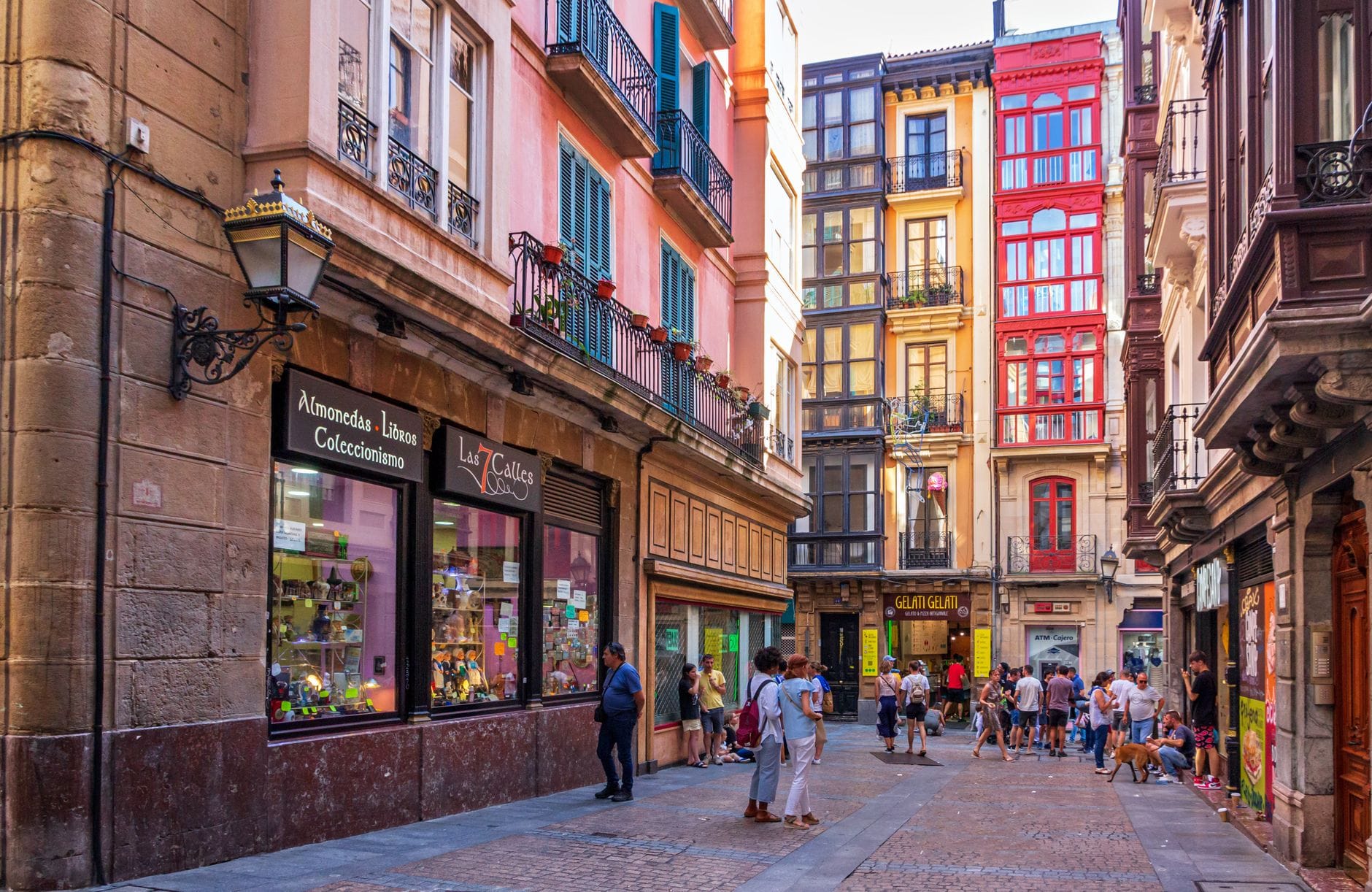
Both cities will feed you extremely well, and both have strong pintxos bar cultures. In short, San Sebastián's culinary reputation is slightly more elevated — it has a higher density of Michelin-starred restaurants and the Parte Vieja bar-hopping circuit is iconic. But Bilbao is no consolation prize. The Mercado de la Ribera, one of Europe's largest covered markets, is a serious food destination. The Casco Viejo has dense pintxos bar streets around Calle Ledesma and the area near Plaza Nueva that rival anything in San Sebastián for variety and quality. For a deeper dive into what to eat and where, the Bilbao pintxos guide covers the essentials.
The practical difference at the table: both cities run pintxos at roughly €2–4 per piece. High-end tasting menus in San Sebastián can reach €200–300 per person at the top restaurants. Bilbao's fine dining scene is strong but has fewer restaurants at that stratosphere. For everyday eating and drinking, the budget gap between the two cities is modest.
✨ Pro tip
If pintxos bar-hopping is a priority, do it in both cities — but on different nights. The bar culture peaks Thursday to Saturday in both cities, and evening pintxos hour (around 7pm–9pm) is the moment when plates are freshest and crowds are most energetic.
Costs: How Much More Expensive Is San Sebastián?
The common claim that San Sebastián is dramatically more expensive than Bilbao is somewhat overstated. At the mid-range level, comparative data suggests a difference of roughly €25–30 per person per day — meaningful but not a dealbreaker. The gap is sharpest in accommodation, particularly in July and August when San Sebastián's beach hotels charge rates that can double or triple compared to the shoulder season. A three-star hotel near La Concha in high summer can easily run €200–300 per night. Equivalent Bilbao accommodation in the same period is typically more stable, partly because Bilbao's appeal is less season-dependent.
- Budget daily spend (hostel, self-catering, free sights): Bilbao around €70–90, San Sebastián around €80–110
- Mid-range daily spend (hotel, restaurants, paid attractions): Bilbao around €140–200, San Sebastián around €170–230
- Summer hotel premium: San Sebastián adds 40–100% on beachside hotels in July–August compared to May or October
- Food and drink costs: broadly similar in both cities for everyday meals and pintxos bars
⚠️ What to skip
If you're visiting in July, San Sebastián accommodation should be booked months in advance. The city hosts international visitors at scale during summer, and last-minute availability near the beach is scarce and overpriced. Bilbao in August has its own peak around Aste Nagusia (the city's major festival), so neither city is necessarily the cheaper option mid-summer.
Getting Between Bilbao and San Sebastián
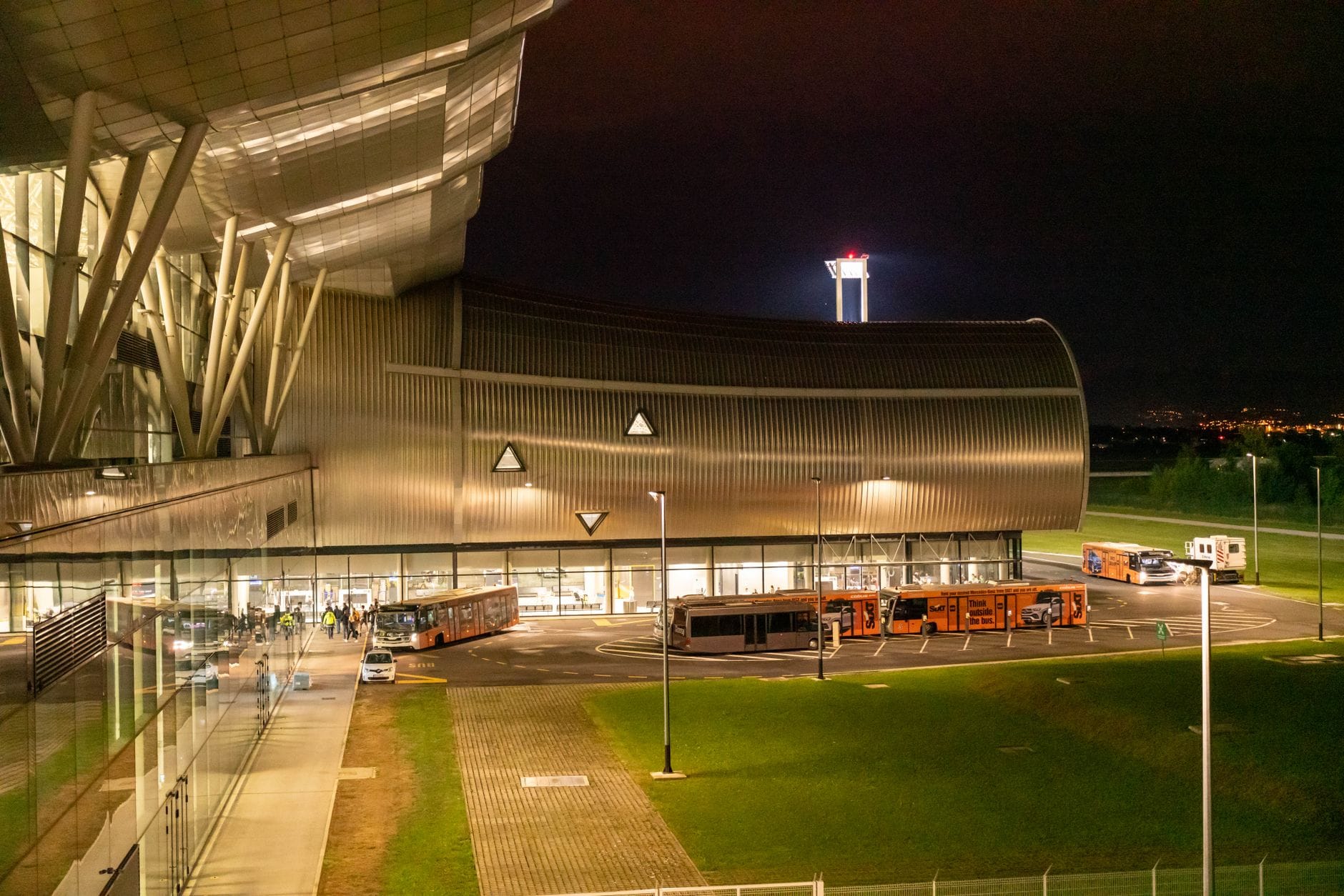
The roughly 100 km by road between the two cities is one of the most straightforward intercity connections in northern Spain. By bus, several operators including ALSA run frequent services between Bilbao Intermodal (the main bus station) and San Sebastián’s central bus station in around 1 hour 20–30 minutes, with multiple departures daily. Regional Renfe trains also connect the cities, though the bus is usually the more frequent and practical link. Both options are comfortable and affordable. If you're driving, the AP-8 motorway connects them directly, with the journey taking around 1 hour depending on traffic.
The logistics are easy enough that a day trip from one city to the other is entirely realistic. Many travellers base themselves in Bilbao for 2–3 days and take a day trip to San Sebastián, or vice versa. If you have 4–5 days in the Basque Country, splitting your stay between the two is often the smartest approach. Our Basque Country itinerary guide outlines how to structure this efficiently, and our 2 days in Bilbao guide helps you make the most of a short stay before or after San Sebastián.
Who Should Choose Which City
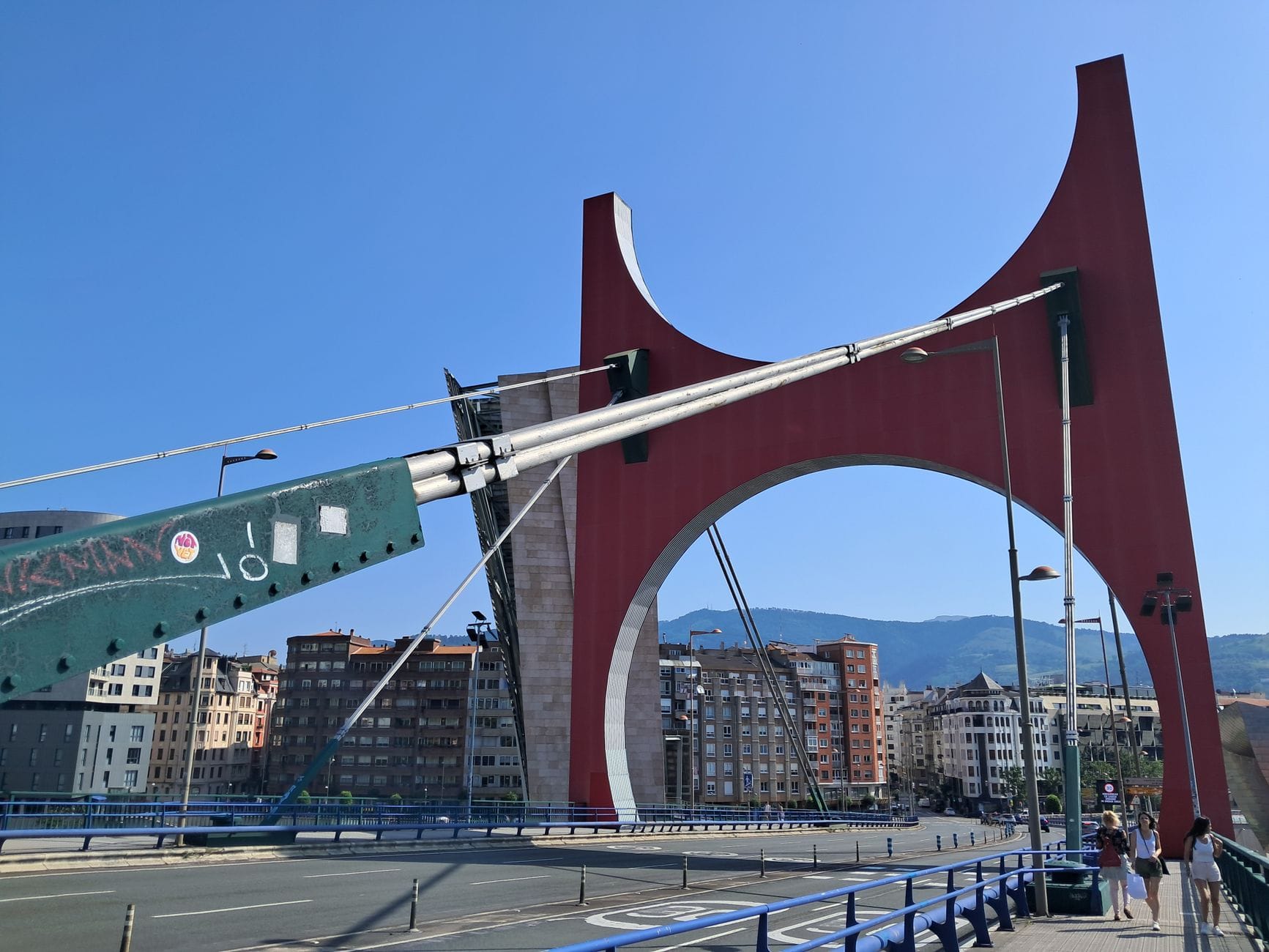
The decision usually comes down to what kind of trip you want. Bilbao suits travellers who want urban energy, world-class museums, and a city that rewards walking and exploration across different neighbourhoods. It has a gritty authenticity that San Sebastián's polished resort identity does not — the Basque working-class culture is more visible, the city feels less stage-managed for tourism, and there is more variety in terms of architecture, nightlife, and neighbourhood character.
San Sebastián suits travellers who want natural scenery combined with food and relaxation. If you are coming primarily for the beach, there is simply no contest — Bilbao has no equivalent. San Sebastián is also a better fit for travellers who prefer a smaller, easier-to-navigate city where you can cover the highlights in 2 full days. For families, both cities work reasonably well, but Bilbao has specific advantages including the Artxanda funicular, interactive museums, and parks like Doña Casilda Park. Our guide on Bilbao with kids covers family-specific options in detail.
- Choose Bilbao if: You prioritise museums, contemporary architecture, urban neighbourhood exploration, or want a base for day trips to the Basque coast and countryside
- Choose San Sebastián if: A great beach is non-negotiable, you want a more scenic and compact city, or high-end gastronomy is the main focus
- Choose both if: You have 4+ days in the region — the logistics are easy, the experiences genuinely complement each other, and you won't regret it
FAQ
Is Bilbao or San Sebastián better for a first visit to the Basque Country?
Bilbao gives you more in terms of sightseeing variety and cultural depth, and it is better connected with an international airport (BIO) served by multiple European carriers. San Sebastián has the more dramatic natural setting. For a first-time visitor with limited time, Bilbao is often the more efficient choice — though flying into Bilbao and ending in San Sebastián (or vice versa) is a popular and logical itinerary.
How long does it take to get from Bilbao to San Sebastián?
By bus (ALSA and other operators) approximately 1 hour 20–30 minutes, with multiple daily departures — this is the usual link. By train (Renfe regional services) journey times are similar but services are generally less frequent. By car on the AP-8 motorway, around 1 hour in normal traffic. Bus and train tickets are inexpensive — typically €5–12 depending on operator and advance booking.
Is San Sebastián significantly more expensive than Bilbao?
At the mid-range level, San Sebastián is roughly 15–20% more expensive per day, mainly driven by higher accommodation costs. In peak summer, the gap widens considerably — beachfront hotels in San Sebastián can charge double or triple what equivalent Bilbao hotels cost. Food and drink prices in both cities are broadly similar.
Can you do a day trip from Bilbao to San Sebastián?
Yes, easily. The ~100 km road distance and frequent bus connections (about 1h20–1h30) make a day trip entirely feasible. You won't see everything in San Sebastián in one day, but you can cover the Parte Vieja, La Concha promenade, and a pintxos lunch comfortably. The same works in reverse — day-tripping to Bilbao from San Sebastián is straightforward.
Which city has better nightlife, Bilbao or San Sebastián?
Bilbao has a more developed and diverse nightlife scene, partly because it is a much larger city. The Casco Viejo and the Ensanche neighbourhood both have active bar and club scenes running late into the weekend. San Sebastián's nightlife is more concentrated in the Parte Vieja and tends toward bars rather than clubs. For a full picture of what Bilbao offers after dark, the Bilbao nightlife guide covers the key areas and timings.
Tickets & tours
Live prices and dates from our booking partner. If you book, we may earn a commission at no extra cost to you.
Planning a trip? Discover personalized activities with the Nomado app.