Is Bilbao Worth Visiting? A Clear Assessment
Bilbao has pulled off one of Europe's most remarkable urban reinventions, transforming from a grimy industrial port into a world-class destination for architecture, food, and culture. But is it right for your trip? This guide gives you the full picture: what genuinely impresses, what disappoints, and exactly how to make the most of it.
Tickets & tours
Live prices and dates from our booking partner. If you book, we may earn a commission at no extra cost to you.
TL;DR
- Yes, Bilbao is worth visiting, especially if you care about architecture, food, and culture over beaches and nightlife.
- The Guggenheim is genuinely as impressive in person as advertised, but the city rewards you far more if you explore beyond it.
- Plan 2-3 days minimum: one for the Guggenheim and riverfront, one for Casco Viejo and the markets, one for day trips. See our 2-day Bilbao itinerary for a tight schedule.
- Bilbao is noticeably more affordable than San Sebastián or Barcelona, particularly for food and accommodation.
- The Atlantic climate means rain is always possible, even in summer. Pack layers and a compact umbrella regardless of season.
What Kind of City Bilbao Actually Is
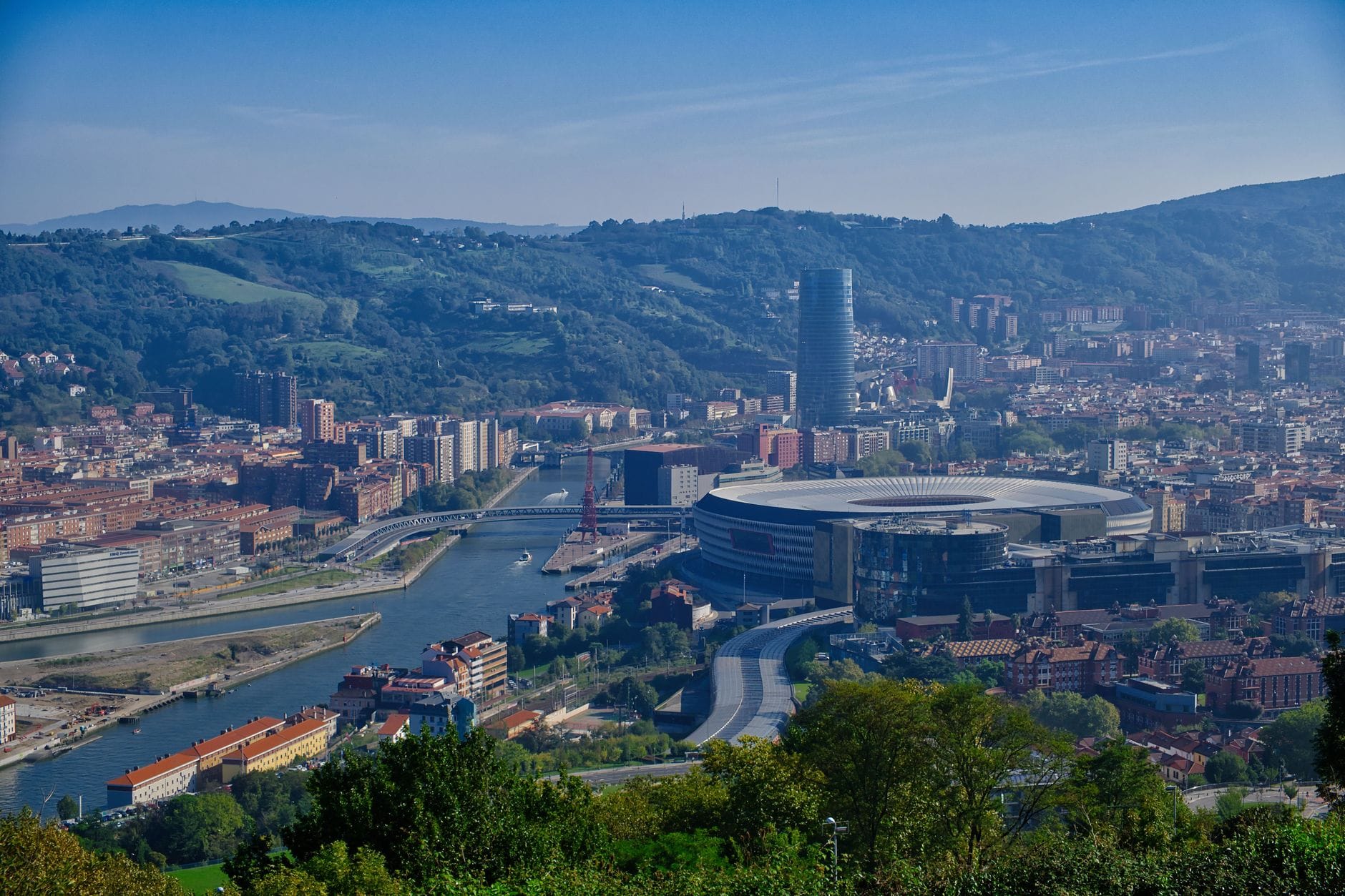
Bilbao (Basque: Bilbo) is the capital of the province of Biscay and the largest city in the Basque Country, with around 351,000 residents in the city proper and just over a million in the wider metro area. It sits along the Nervión estuary, about 11 km inland from the Bay of Biscay, hemmed in by steep green hills that shape both its climate and its character. This is not a resort city. It doesn't have a beach in the centre, it doesn't trade on sunshine, and it has no interest in performing for tourists the way Barcelona does.
What Bilbao does have is a genuinely compelling urban story. For most of the 20th century, it was one of Spain's most important industrial centres: iron, steel, and shipbuilding defined the economy and left the riverfront blackened and the estuary polluted. The collapse of heavy industry in the 1980s hit hard. The city's response, which involved tearing out decaying docklands and replacing them with world-class cultural infrastructure, is now studied in urban planning departments worldwide. The Guggenheim Museum opening in 1997 was the centrepiece, but the transformation went far deeper than one building.
ℹ️ Good to know
Bilbao has two official languages: Spanish (Castilian) and Basque (Euskara). You'll see Basque on all street signs and public transport, but Spanish is universally spoken in daily life. English is widely understood in tourist areas, hotels, and restaurants.
The Genuine Highlights: Why People Leave Impressed
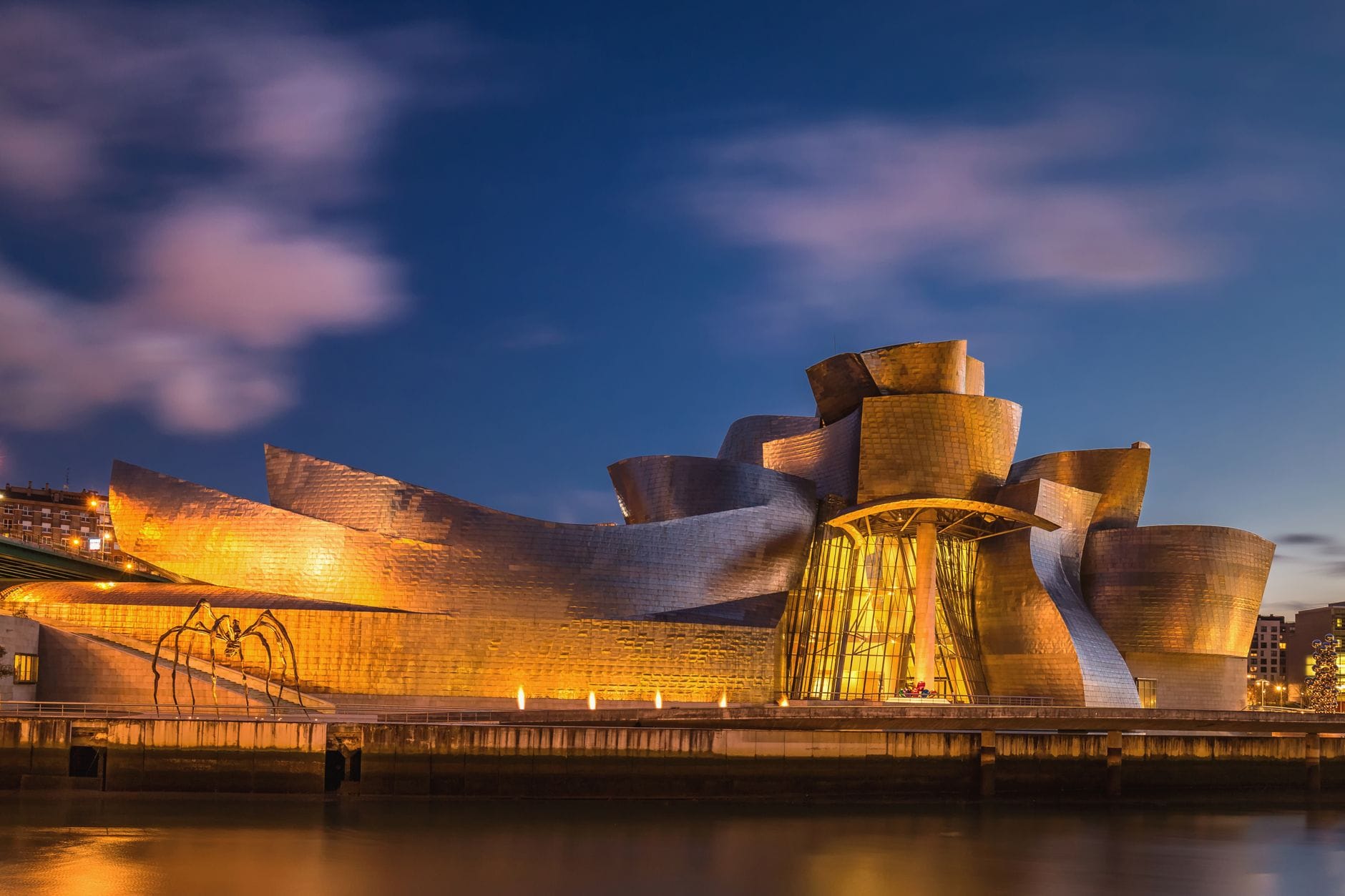
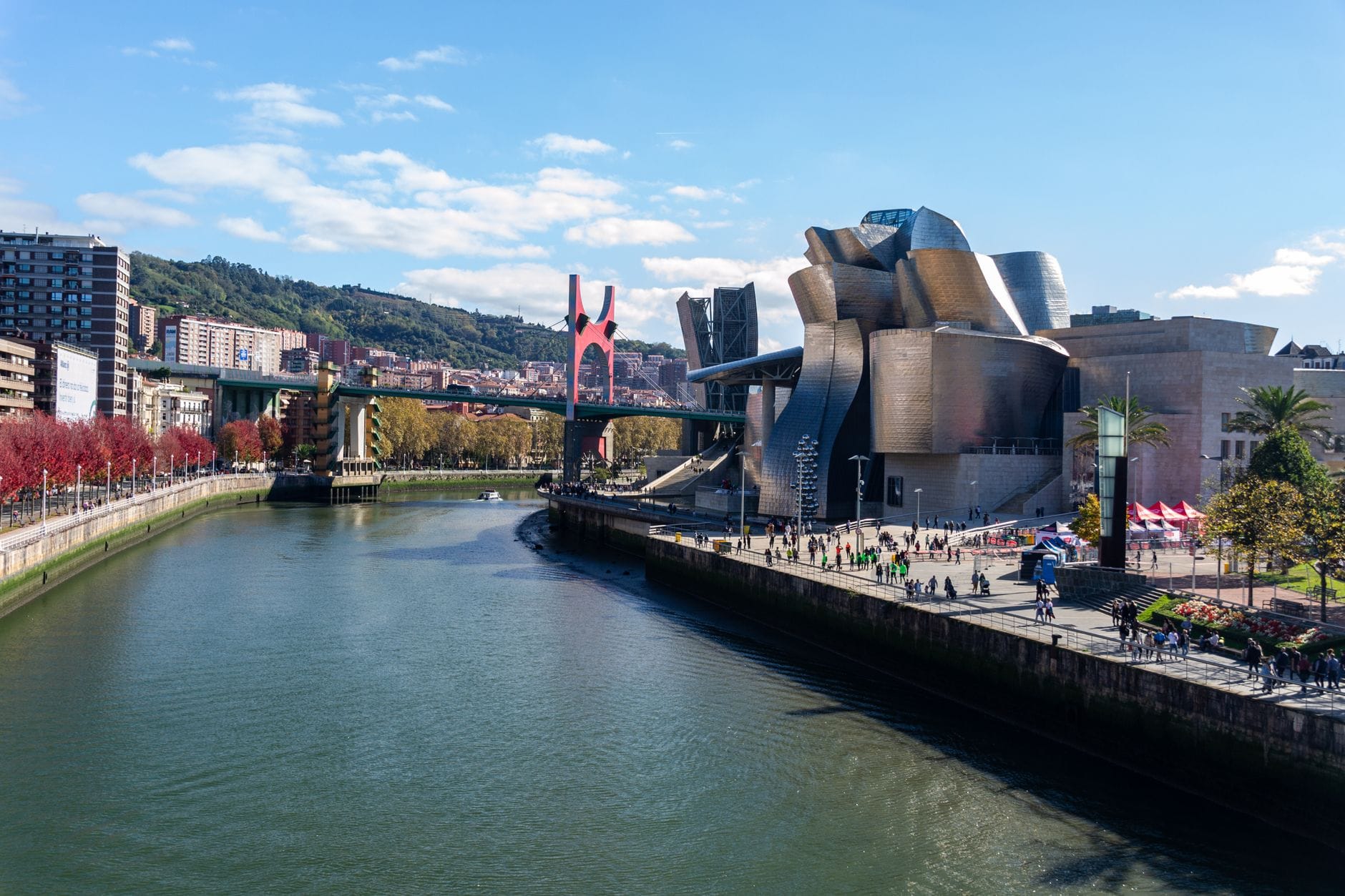
The Guggenheim Museum Bilbao is the obvious starting point, and it earns its reputation. Frank Gehry's titanium-clad building is arresting from every angle, and that effect doesn't diminish once you've seen it in photographs. Allow at least half a day, both for the building itself and for the rotating contemporary art collection inside. Even visitors who claim they're not interested in modern art tend to find it worth the admission. Book tickets online in advance, especially in summer, as queues can be significant.
The food scene is the other reason Bilbao consistently overdelivers. The Basque Country has more Michelin stars per capita than almost anywhere on earth, and that culture of obsessive cooking filters down to the pintxos bars in Casco Viejo. Pintxos are small snacks served on slices of bread, displayed across bar counters, and typically priced at around €2-4 each. The quality is exceptional relative to the cost. Calle Jardines, Calle Ledesma, and Plaza Nueva are the main hunting grounds, but don't limit yourself to the most obvious tourist-facing bars.
Beyond the Guggenheim, the riverfront architecture repays a slow walk. The Zubizuri bridge designed by Santiago Calatrava, the Euskalduna Concert Hall, and the redeveloped Abandoibarra district together make a coherent architectural statement that very few mid-sized European cities can match. For a broader overview of what makes Bilbao architecturally distinct, the range of styles across centuries is genuinely impressive.
- Guggenheim Museum Bilbao The titanium landmark that triggered Bilbao's reinvention. Book online. Plan 3-4 hours minimum, including the exterior and Puppy sculpture.
- Casco Viejo (Old Town) The medieval core, also called Las Siete Calles (The Seven Streets). Best for pintxos, Mercado de la Ribera, Plaza Nueva, and the Arriaga Theatre.
- Artxanda Funicular A five-minute funicular ride gives panoramic views over the entire city. Go late afternoon for the best light.
- Mercado de la Ribera One of Europe's largest covered markets, right on the riverbank. Worth visiting for produce, pintxos, and local atmosphere.
- Museo de Bellas Artes Often overlooked in favour of the Guggenheim, but holds an impressive collection spanning 12th-century panel paintings to 20th-century Basque artists. Admission is free on certain days.
Real Drawbacks: What Bilbao Doesn't Do Well
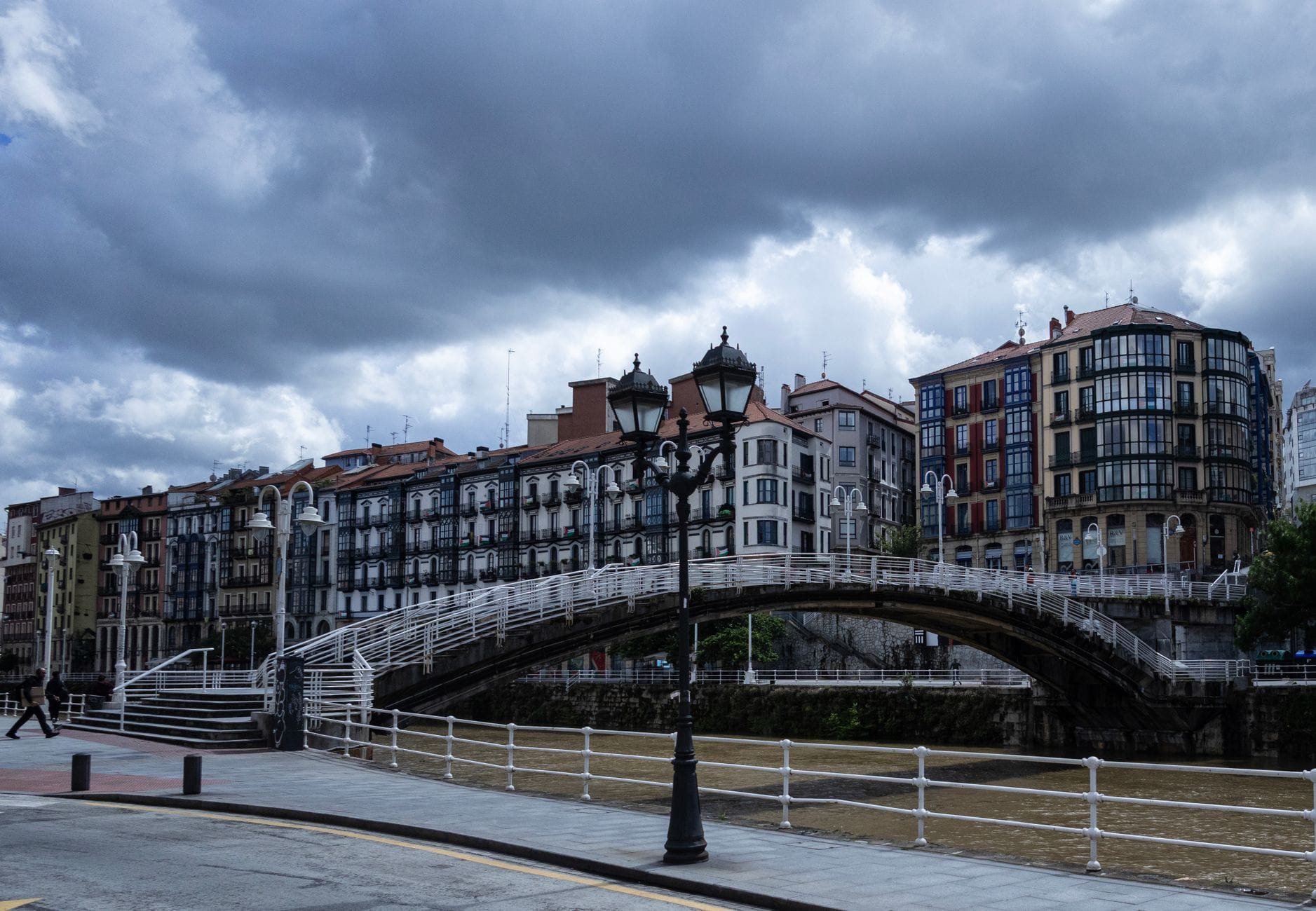
The weather is the most common complaint, and it's legitimate. Bilbao has a humid oceanic climate (Köppen Cfb), which means mild temperatures year-round but consistent rainfall. Winters average around 8-10°C, summers around 20-22°C on a typical day, with periods reaching the mid-20s. The hills around the city create their own microclimate that can produce rain even when the coast nearby is clear. Visiting in November through January means accepting that rain is likely on multiple days of your stay. This doesn't make Bilbao a bad destination, but it does mean your experience is weather-dependent in a way that Seville or Valencia is not.
Bilbao also doesn't have a strong nightlife culture by Spanish standards. The bar scene is excellent for early evening pintxos crawls, but if you're looking for late-night clubs or the kind of nightlife energy you'd find in Madrid or even San Sebastián, you'll likely be underwhelmed. The city quiets down relatively early, and the options for 2am entertainment are limited compared to other Spanish cities of similar size.
There's also a concentration risk if you're only spending one day. The Guggenheim alone can absorb most of a day, which leaves limited time for everything else. Visitors who rush through in a single day often leave feeling like they saw a world-famous museum but didn't actually experience the city. Two days is the realistic minimum for a first visit.
⚠️ What to skip
Bilbao is not a beach destination. The city sits on the Nervión estuary, not the coast. The nearest beaches, such as Sopelana or Las Arenas in Getxo, are accessible by metro but take 20-40 minutes to reach. If beach time is central to your trip, factor in travel time or consider whether Bilbao is the right base.
Getting There, Getting Around, and Practical Costs
Bilbao Airport (IATA: BIO) is in the municipality of Loiu, roughly 9-12 km from the city centre. The Bizkaibus line A3247 connects the airport to central Bilbao (Plaza Moyúa) with departures roughly every 15-30 minutes; the one-way fare is in the range of €3-4, though fares change so confirm on the Bizkaibus website before travelling. A taxi costs around €25-30 and takes 15-20 minutes in normal traffic. For everything you need to know about arriving, check our Bilbao airport guide.
Within the city, Bilbao's metro is efficient, modern, and covers most areas visitors care about. The Barik card is the rechargeable smart card that works across the metro, Bilbobus city buses, tram, and many regional lines, and it's significantly cheaper per journey than single tickets. The Euskotren tram line is useful for moving between the Guggenheim area, the Casco Viejo, and the main Abando train station. For a full breakdown of routes and tips, see our guide to getting around Bilbao.
On costs, Bilbao sits comfortably below Barcelona and San Sebastián for most categories. A pintxos dinner at a local bar rarely exceeds €15-20 per person including drinks. Mid-range restaurant meals run €25-40 per person. Budget accommodation starts around €60-80 per night for a decent private room; mid-range hotels are €90-150. The Guggenheim admission is the biggest single expense, typically around €18 for adults, but confirm on the official museum site as pricing changes.
Day Trips and the Wider Basque Country
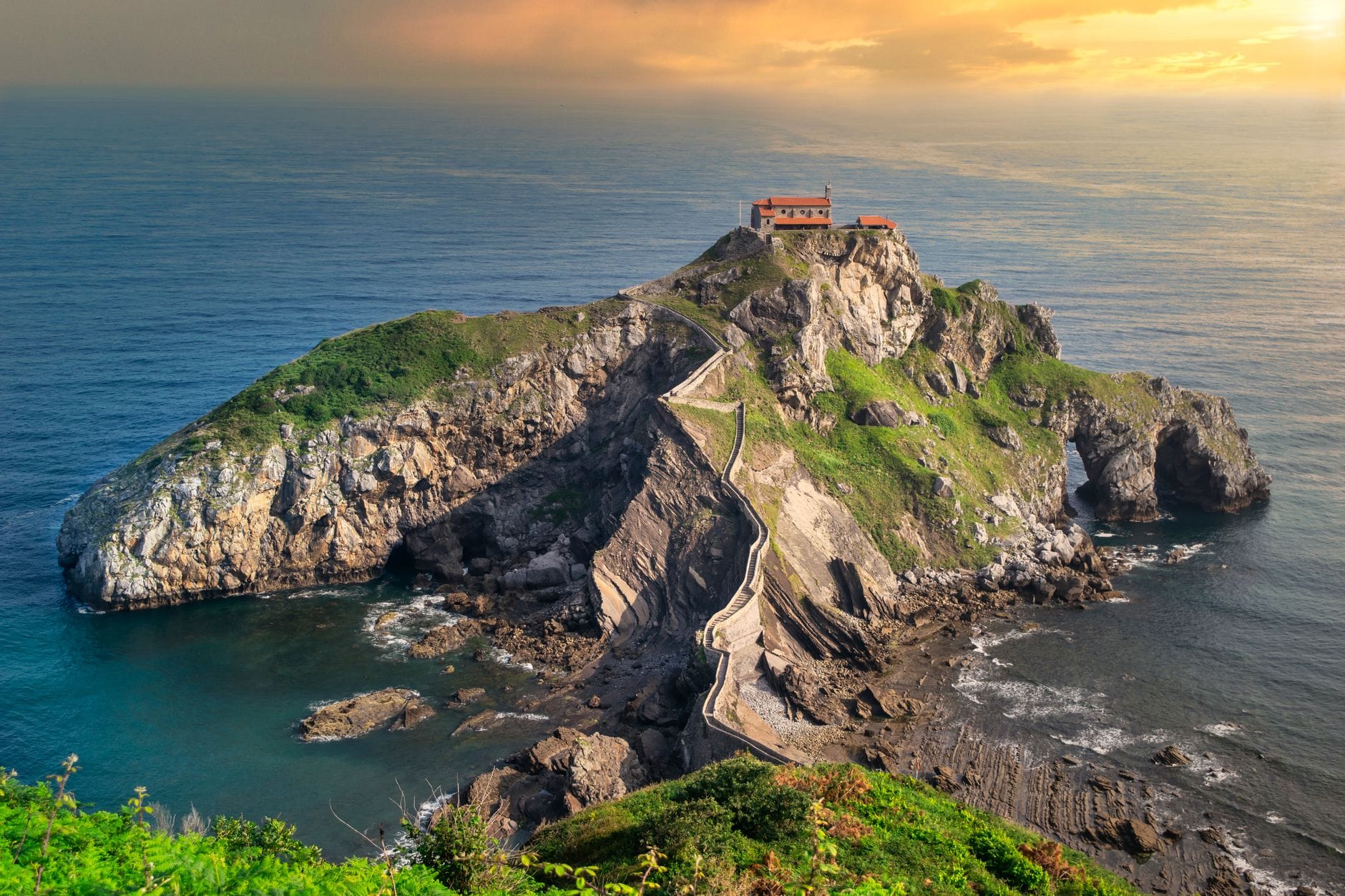
One of Bilbao's underrated strengths is its position as a base for the broader Basque Country. Gaztelugatxe, the dramatic island hermitage connected to the mainland by a stone bridge, is one of the most photographed spots in northern Spain and sits about 35 km west of Bilbao. The medieval town of Guernica is 30 minutes by Euskotren and carries profound historical significance as the site of the 1937 bombing that inspired Picasso's famous painting.
For coast and nature, Mundaka offers one of Europe's best left-hand surf breaks and sits within the Urdaibai Biosphere Reserve, a UNESCO-protected estuary about 40 km from Bilbao. The fishing town of Lekeitio has a beautiful harbour and is quieter than tourist-heavy alternatives. All of these are reachable in under an hour, which makes Bilbao a genuinely practical base for regional exploration.
✨ Pro tip
If you're deciding between Bilbao and San Sebastián, don't treat it as either/or. They're 100 km apart with regular bus services taking around 70-80 minutes. Spending two nights in each gives you a much richer picture of the Basque Country than concentrating entirely on one city.
When to Visit and What to Expect by Season
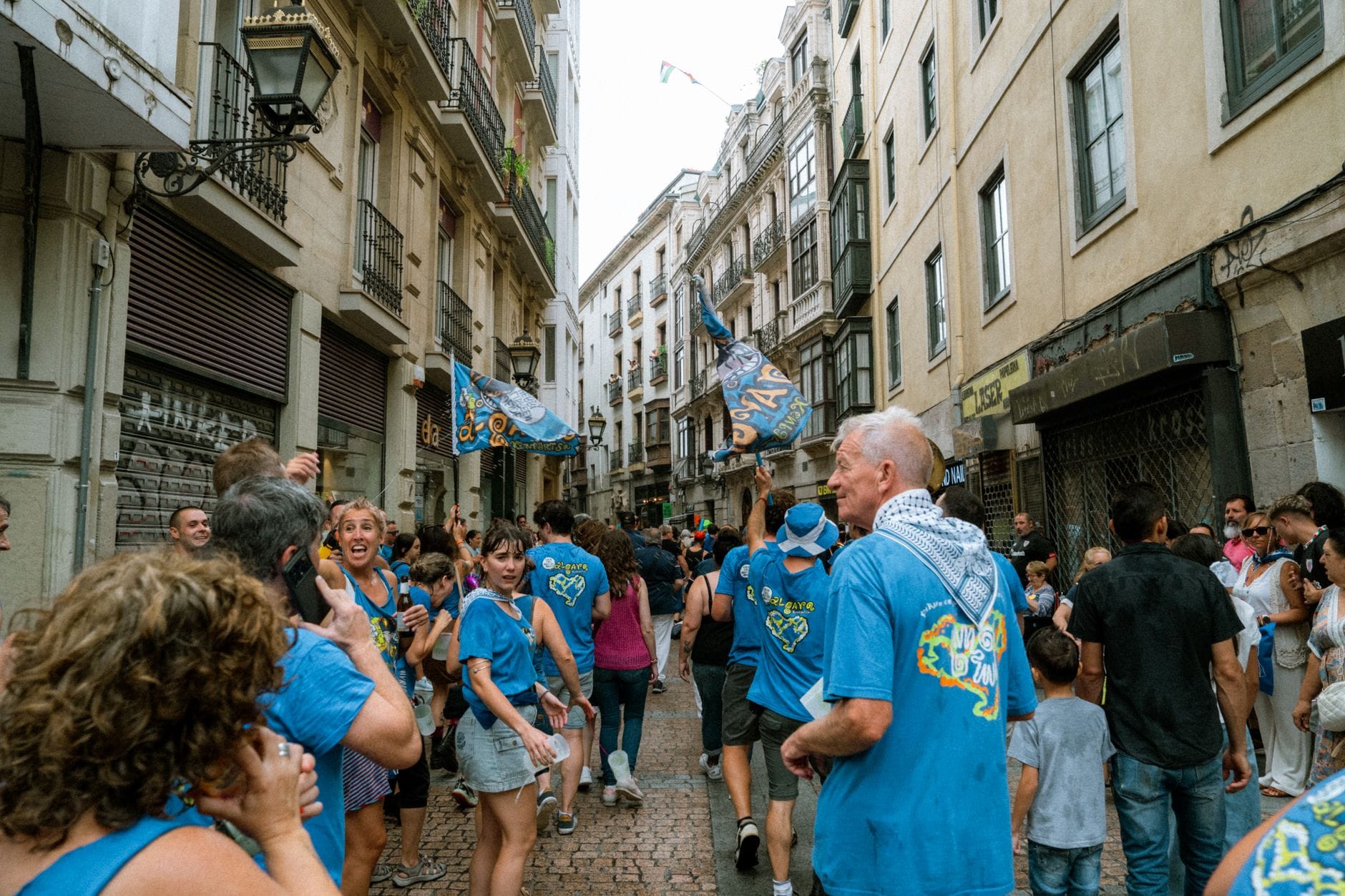
Late spring (May-June) and early autumn (September) offer the best balance of decent weather, moderate crowds, and reasonable prices. August brings Bilbao's biggest festival, Aste Nagusia, a week-long celebration in the third week of August that fills the city with concerts, street performances, and fireworks. It's spectacular if you plan for it, chaotic and expensive if you don't. Read our full guide to Bilbao in August and Aste Nagusia before booking around that period.
Winter is genuinely underrated. The Guggenheim and other museums are far less crowded between November and February, prices drop significantly, and the Christmas market around Plaza Nueva has real local character rather than tourist theatre. The rain is more likely, but indoor Bilbao, meaning the museum circuit, the pintxos bars, the food market, is completely weather-proof. See our guide to Bilbao in winter for a detailed seasonal breakdown.
- May-June: Warm enough for outdoor dining, fewer crowds than peak summer, good for coastal day trips
- July-August: Warmest and busiest, Aste Nagusia in mid-August, book accommodation well in advance
- September-October: Excellent shoulder season, harvest season in the Basque wine region (Txakoli), still mild
- November-April: Rainy and cooler but far cheaper, museums uncrowded, authentic local atmosphere
FAQ
Is Bilbao worth visiting for just one day?
One day is tight but workable if you focus. Prioritise the Guggenheim in the morning (book online the night before), walk the Abandoibarra riverfront after, then spend the late afternoon and evening in Casco Viejo for pintxos. You'll leave with a positive impression but won't have scratched the surface of the food scene or day trips. Two days is the realistic minimum to feel like you've actually experienced the city.
Is Bilbao safe for tourists?
Bilbao is generally considered a safe city for tourists by European standards. Normal city precautions apply: watch your belongings in crowded areas, particularly around the Casco Viejo and on the metro. Violent crime against tourists is rare. The emergency number across Spain is 112 for police, fire, and medical emergencies.
Is Bilbao more affordable than Barcelona or San Sebastián?
Yes, meaningfully so. Pintxos in Bilbao typically cost €2-4 each, mid-range hotel rooms run €90-150 per night in most seasons, and even restaurant meals at good-quality places rarely exceed €35-40 per head. San Sebastián runs noticeably higher across most categories, and Barcelona's tourist-facing prices are well above Bilbao's even in comparable quality tiers.
Does Bilbao have beaches?
Not in the city centre. Bilbao sits on the Nervión estuary rather than the open coast. The nearest beaches are accessed by metro: Las Arenas and Ereaga in Getxo take around 25-30 minutes, while Sopelana, which has decent surf, is around 35-40 minutes. If beach days are central to your trip, these are doable but require planning.
How many days do you need in Bilbao?
Two full days covers the Guggenheim, Casco Viejo, Mercado de la Ribera, the riverfront architecture, and multiple pintxos sessions. Three days allows you to add a meaningful day trip, such as Gaztelugatxe, Guernica, or Getxo, plus more time to explore the Ensanche neighbourhood and the Museo de Bellas Artes. More than three days requires combining Bilbao with the wider Basque Country rather than staying in the city itself.
Tickets & tours
Live prices and dates from our booking partner. If you book, we may earn a commission at no extra cost to you.
Planning a trip? Discover personalized activities with the Nomado app.