Bilbao in August: The Complete Aste Nagusia Festival Guide
Aste Nagusia (Semana Grande) turns Bilbao into one of Europe's great street festivals every August. This guide covers exact dates, the free concert schedule, txosna culture, accommodation realities, and practical tips for navigating nine days of non-stop celebration.
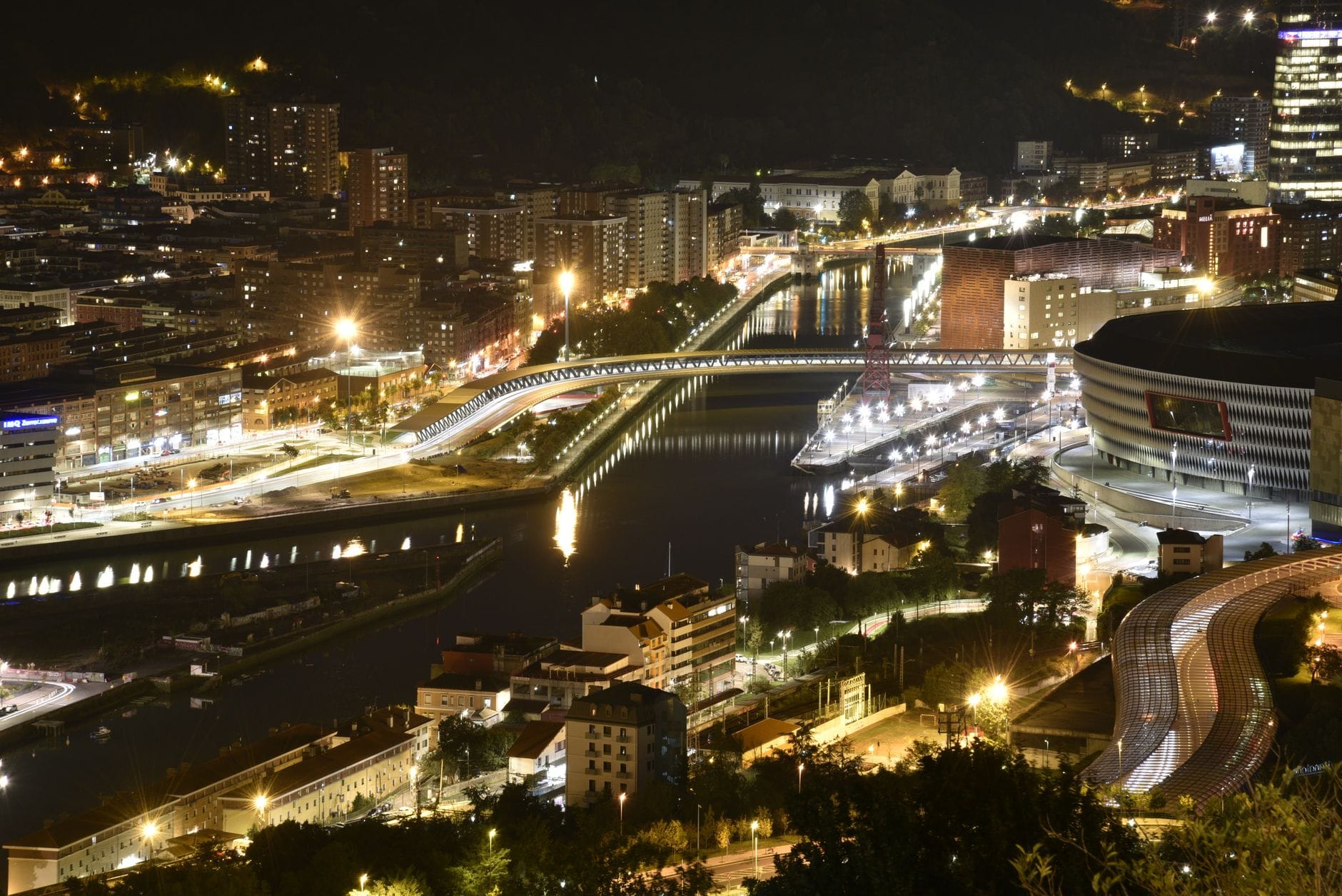
Tickets & tours
Live prices and dates from our booking partner. If you book, we may earn a commission at no extra cost to you.
TL;DR
- Aste Nagusia runs for nine days each August, starting the first Saturday after 15 August, meaning exact dates shift year to year (in 2026: 22–30 August).
- Most events are completely free: 100+ performances across 9 venues, two free concerts nightly at the main stages, and open-access street parties across both riverbanks.
- Hotels cost 40–60% more than shoulder months during festival week. Book accommodation at least 2–3 months ahead or stay outside the centre using Bilbao's excellent metro network.
- The festival is citywide, not confined to Casco Viejo: stages, txosnas, and activities spread across Arenal, Urbitarte, the riverfront, and multiple city squares.
- Marijaia, the festival mascot, opens proceedings at noon on day one from Teatro Arriaga's balcony and is ceremonially burned in the closing fireworks on day nine.
What Is Aste Nagusia? Understanding Bilbao's Biggest Festival
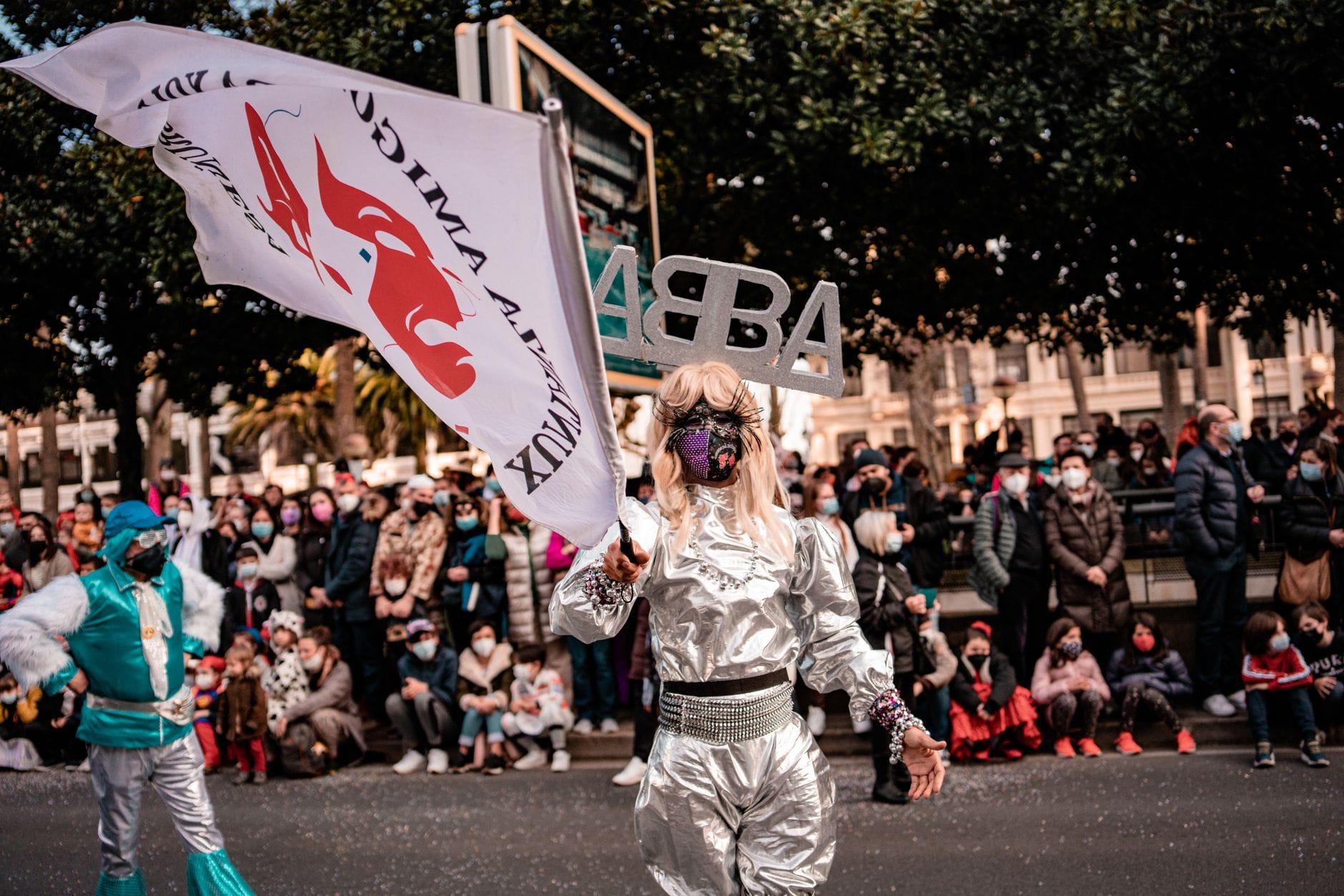
Aste Nagusia means 'Great Week' in Basque, and it is exactly that: nine consecutive days in which Bilbao effectively becomes one enormous open-air party. Known in Spanish as Semana Grande, the festival is a civic celebration rooted in Basque culture, not a commercial music festival with tickets and wristbands. That distinction matters, because it fundamentally changes how you experience it. You do not buy a pass. You show up, follow the noise, and join in.
The festival is officially tied to the Catholic feast of the Assumption (15 August), but its character is thoroughly secular and community-driven. Every year, the opening ceremony centres on the Teatro Arriaga, where a txupinazo (a rocket fired from the balcony at noon) signals the start of festivities and the mascot Marijaia makes her first appearance. Marijaia, a cheerful female figure with arms raised in celebration, is carried through the streets throughout the week and ritually burned at the closing fireworks — a bittersweet end that the bilbaínos genuinely mourn each year.
ℹ️ Good to know
Aste Nagusia is not a gated event. There are no festival grounds to enter, no general admission tickets, and no wristbands. The entire city is the venue. Street concerts, txosnas, sports events, and cultural performances are open to anyone who turns up.
Festival Dates: When Exactly Does Aste Nagusia Run?
The dates shift slightly each year because the festival always begins on the first Saturday after 15 August. This means you cannot assume it will be the same week annually. In 2026, the official dates are 22–30 August. Always verify the current year's dates on bilbaoturismo.net or the Basque Government's official events calendar before booking travel.
- Opening ceremony Txupinazo rocket and Marijaia appearance at Teatro Arriaga balcony, noon on day one
- Main concerts Two free shows nightly (typically 20:00 and 21:00) at principal stages throughout the nine days
- Txosnas Riverside food and drink booths open from early evening until the small hours, every night of the festival
- Closing night Final fireworks display followed by the burning of Marijaia in front of Teatro Arriaga on day nine
The Programme: Free Concerts, Txosnas, and Street Events
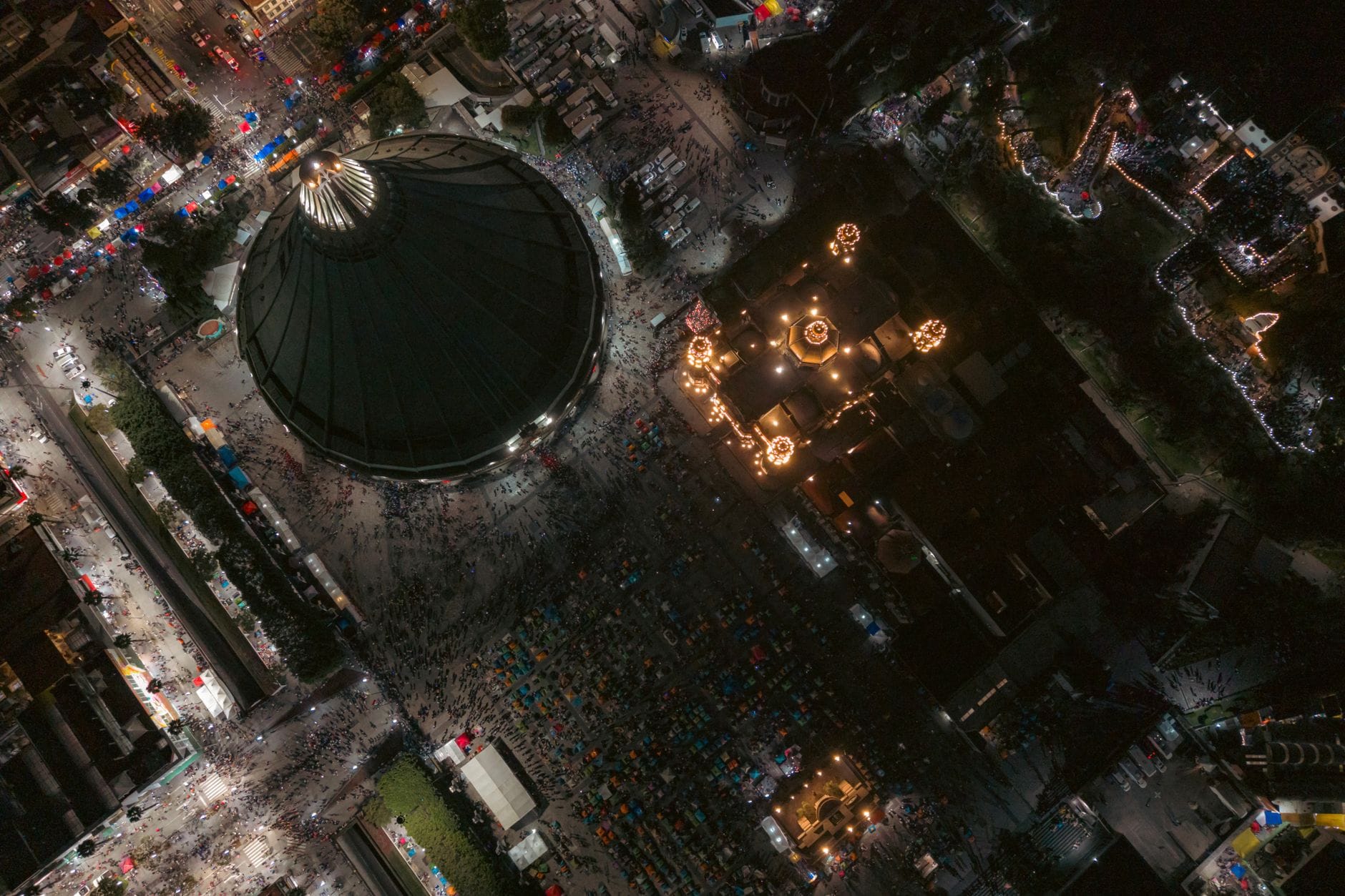
The sheer volume of free programming during Aste Nagusia is what separates it from most European summer festivals. Across nine days, the city typically schedules more than 100 free performances spread across nine dedicated venues. Music ranges from Basque folk and rock to international pop, jazz, and electronic acts. The full programme is published on the official Bilbao tourism and city websites a few weeks before the festival starts, and it is worth downloading the schedule because the best free concerts fill their areas quickly.
Txosnas deserve special attention. These are temporary timber booths erected along the riverbanks, each run by a different local social club, sports association, or neighbourhood group. Think of them as pop-up bars with a communal spirit: cheap drinks (usually txakoli wine, kalimotxo, and beer), simple snacks, live music, and dancing that continues well past midnight. The txosna zone along the Arenal and Urbitarte wharves is the nightlife engine of the festival. Non-locals are entirely welcome; the atmosphere is inclusive rather than insular.
💡 Local tip
Arrive at the main concert stages at least 45 minutes before showtime. The most popular free acts draw large crowds and the best viewing spots go fast. Weekends are significantly busier than weekdays, even within the festival week itself.
Beyond music, the programme includes Basque sports demonstrations (such as harrijasotzaile stone-lifting and aizkolariak wood-chopping), children's activities in the mornings, bullfighting at Vista Alegre (not for everyone, and worth knowing about before you go), and fireworks competitions on multiple nights. The Casco Viejo around Plaza Nueva and the Arenal area are the most concentrated activity zones, but events also spread into the Ensanche and along the riverfront toward Abandoibarra.
August in Bilbao: Weather, Crowds, and What to Expect
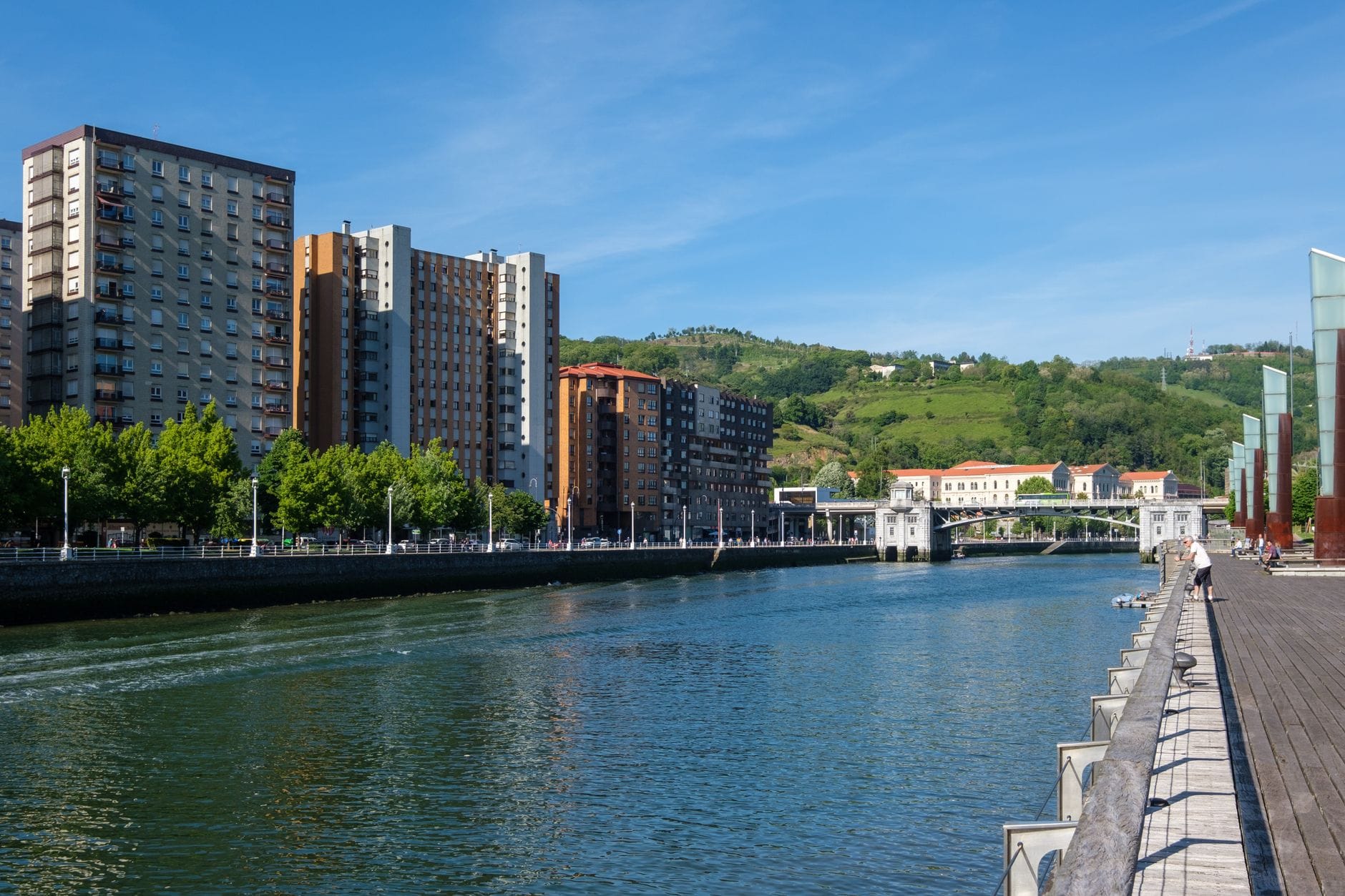
August is Bilbao's warmest month, with average temperatures in the low-to-mid 20s Celsius. The oceanic climate means occasional showers are possible even in summer, so a light layer is never a bad idea for evening events. Compared to Madrid or Barcelona, Bilbao summers are mild: you will not be dealing with 38°C heat. What you will be dealing with is crowds. August coincides with Spanish national summer holidays, and the city swells with domestic tourists alongside international visitors. During Aste Nagusia itself, the riverfront areas become genuinely dense, particularly on opening day and the closing weekend.
If you are visiting primarily for the festival, this is exactly the right time to come. If you were planning a quieter cultural trip to the Guggenheim Museum Bilbao or the Museo de Bellas Artes, consider that queues will be longer and the atmosphere in the city is decidedly festive rather than contemplative. The best time to visit Bilbao for museums and calm exploration is spring or autumn — August serves a different kind of trip.
⚠️ What to skip
Pickpocketing risk increases significantly during large public gatherings. The txosna zone and main concert areas attract large crowds in tight spaces. Keep valuables secure, use a front-pocket wallet or money belt, and be alert when crowds surge around performers or fireworks.
Accommodation: Book Early or Pay Dearly
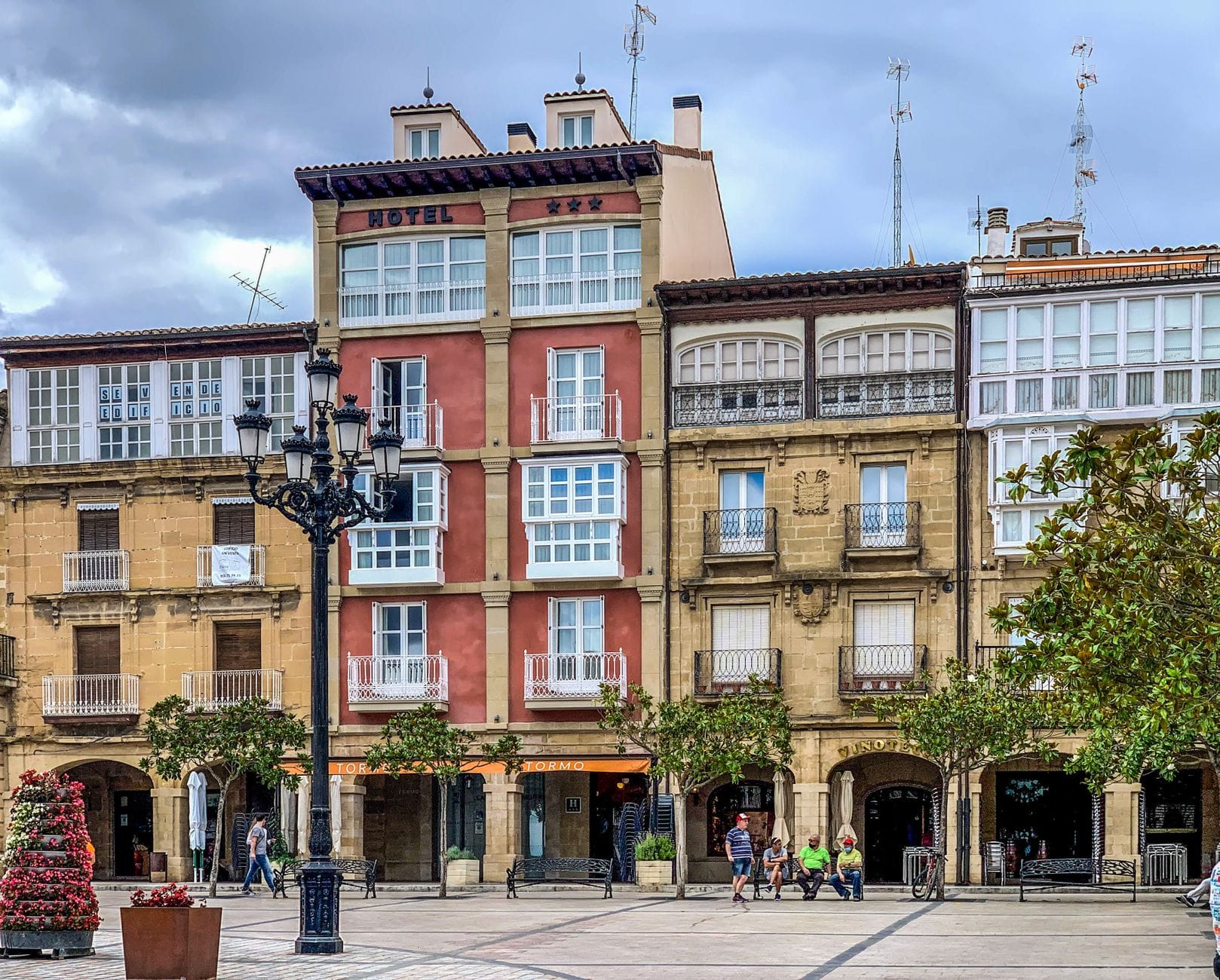
Hotel prices during Aste Nagusia are typically well above standard August rates, which are already peak-season prices. The festival week is the single most expensive time to stay in Bilbao across the entire year. Properties in Casco Viejo and along the riverfront sell out first, often months in advance. If you are planning to attend the festival, treat accommodation as the first thing to book, not the last. The festival week is the single most expensive time to stay in Bilbao across the entire year. Properties in Casco Viejo and along the riverfront sell out first, often months in advance. If you are planning to attend the festival, treat accommodation as the first thing to book, not the last.
- Book festival week accommodation at least 2–3 months ahead, ideally earlier for riverside hotels
- Consider staying in the Ensanche or Indautxu districts for slightly lower rates with easy metro access to festival areas
- Getxo, connected by Metro Line 1, offers more budget-friendly options and a short ride into the centre
- Airbnb and short-term rental supply also tightens during festival week; same booking lead times apply
- Check cancellation policies carefully: many hotels switch to non-refundable rates for peak August dates
For a full breakdown of the city's neighbourhoods and where to base yourself, see the where to stay in Bilbao guide. If you are open to staying outside the city itself, Getxo on the estuary mouth is a practical and often overlooked alternative during high season.
Practical Logistics: Getting Around During the Festival
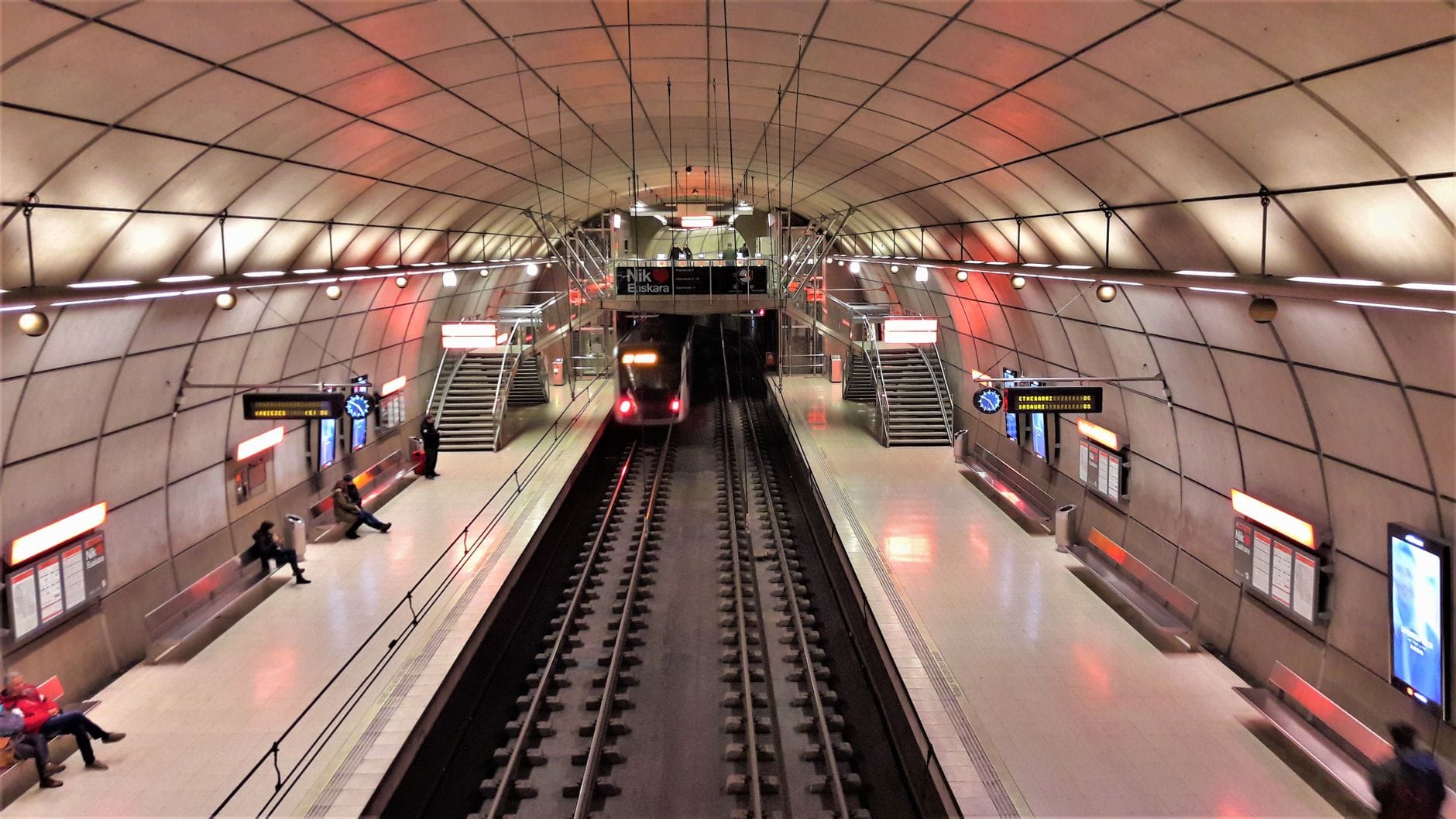
Metro Bilbao is your best friend during Aste Nagusia. The network covers the main festival zones and runs extended hours during the festival. Bizkaibus night buses (the Gautxori network) fill the gaps on other nights. Driving into the festival areas is not advisable: the city centre closes to through traffic during key events, parking is scarce, and walking between stages is usually faster anyway.
Pick up a Barik card from any metro station for discounted fares across metro, tram, and bus. Single metro tickets cost more per journey than topped-up Barik card rides. The tram line (Euskotren Tranbia) is also useful for moving between the Abandoibarra riverfront area and the main rail station. Taxis are available but harder to find after midnight during peak festival nights — plan accordingly or use the Cabify or Uber apps, which operate in Bilbao.
✨ Pro tip
If you are arriving for the festival by air, the Bizkaibus A3247 line connects Bilbao Airport (BIO) to Plaza Moyúa in the city centre, running every 15–30 minutes. Occasional tickets cost €5 (Barik is cheaper, around €1+). It is slower than a taxi but reliable and far cheaper during a period when every euro counts toward accommodation costs.
If you want to combine the festival with a day trip, both Gaztelugatxe and Guernica are reachable by Euskotren or car in under an hour. Note that August is peak season everywhere in the Basque Country, so these sites will also be busy — go on a weekday morning during the festival week, when locals are recovering from the night before.
Food and Drink: Eating Well During Aste Nagusia
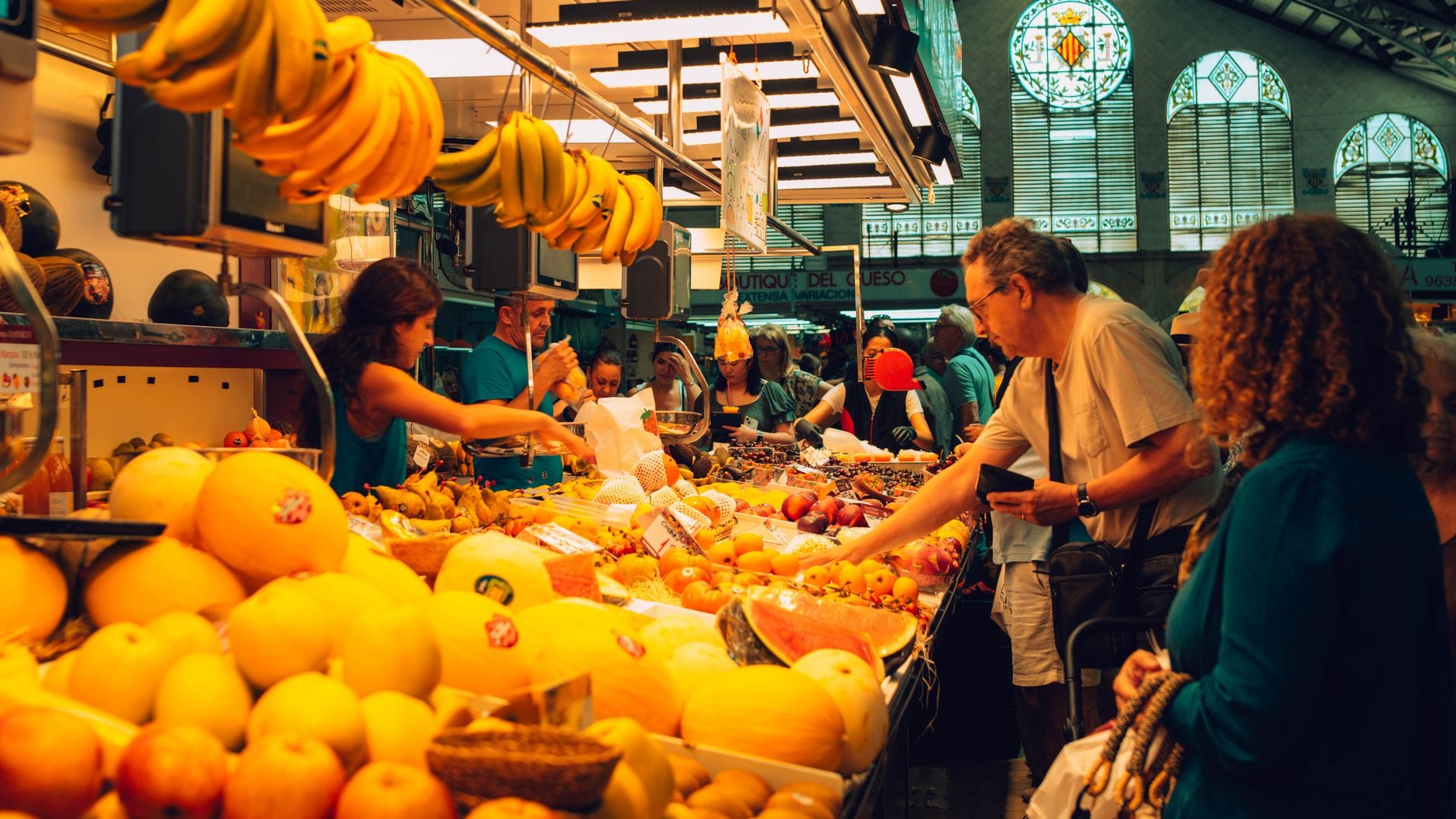
The txosnas handle most of the street eating and drinking during the festival, but Bilbao's permanent food scene does not shut down. The Mercado de la Ribera, one of Europe's largest covered markets, remains open during the festival and is a good morning stop before the evening crowds build. The pintxos bars of Casco Viejo and the Ensanche are busier than usual but still functioning — go before 20:00 to avoid the worst crush.
For a deeper understanding of what to order and where, the pintxos guide for Bilbao and the broader Basque food guide explain the local eating culture in detail. During Aste Nagusia, txosna food is intentionally simple and cheap: bocadillos (baguette sandwiches), chistorra (spiced pork sausage), and fried snacks served quickly to people who are standing and socialising rather than sitting down for a meal. It is festival eating at its most functional.
FAQ
When exactly is Aste Nagusia in 2026?
In 2026, Aste Nagusia runs from 22 to 30 August. The festival always begins on the first Saturday after 15 August, so the dates shift from year to year. Check bilbaoturismo.net for the current year's confirmed schedule before booking.
Is Aste Nagusia free to attend?
Yes, the vast majority of Aste Nagusia events are completely free. Street concerts, the opening and closing ceremonies, txosnas, and most cultural events require no ticket or payment. Some ticketed events (such as certain concerts at indoor venues or bullfighting) do charge admission, but the festival's core offering is free and open-access.
How far in advance should I book accommodation for Aste Nagusia?
At least 2–3 months in advance is strongly advisable for festival week. Prices rise 40–60% above already-elevated August rates, and riverside and Casco Viejo properties sell out first. The later you leave it, the more you will pay and the fewer options you will have.
What are txosnas and how do they work?
Txosnas are temporary riverside bars set up by local social clubs and associations during Aste Nagusia. They serve cheap drinks, simple food, and live music every evening of the festival. There is no entry charge; you simply approach, order, and join the atmosphere. The txosna zone along the Arenal and Urbitarte wharves is a major social centre of the festival after dark.
Is Bilbao in August good for things beyond the festival?
August is Bilbao's busiest and most expensive month. The city's museums, architecture, and food scene are all accessible, but expect longer queues and higher prices. If your primary goal is the Guggenheim or the Basque food scene without festival crowds, spring (May–June) or early autumn (September–October) are better choices. But if you want the festival specifically, August is obviously the time to go.
Tickets & tours
Live prices and dates from our booking partner. If you book, we may earn a commission at no extra cost to you.
Planning a trip? Discover personalized activities with the Nomado app.