Where to Stay in Bilbao: Best Areas & Hotels Guide
Bilbao packs a lot into 40 square kilometres. This guide breaks down the city's main neighbourhoods by traveller type, budget, and atmosphere, so you can choose where to stay with confidence, whether you're here for a weekend city break or a longer Basque Country trip.
Plan and book this trip
Tools from our partner Travelpayouts help you compare flights and hotels. If you book through them, we may earn a commission at no extra cost to you.
Flights
Hotels map
TL;DR
- Casco Viejo is the best base for first-time visitors who want atmosphere, pintxos, and walkable sightseeing.
- Abando and Ensanche offer the most practical central location, with Gran Vía shopping, Metro access, and proximity to the Guggenheim.
- Indautxu suits restaurant and nightlife seekers, while Deusto is the top pick for budget travellers who don't mind a short Metro ride. See our guide to getting around Bilbao for transport details.
- Expect to pay around €80-140/night for a solid 3-star, €150-220 for 4-star comfort. Prices spike during Aste Nagusia (August festival week) and long weekends.
- Bilbao's Metro system is so efficient that neighbourhood choice matters less than in many cities: you're rarely more than 15 minutes from anything.
Understanding Bilbao's Layout Before You Book
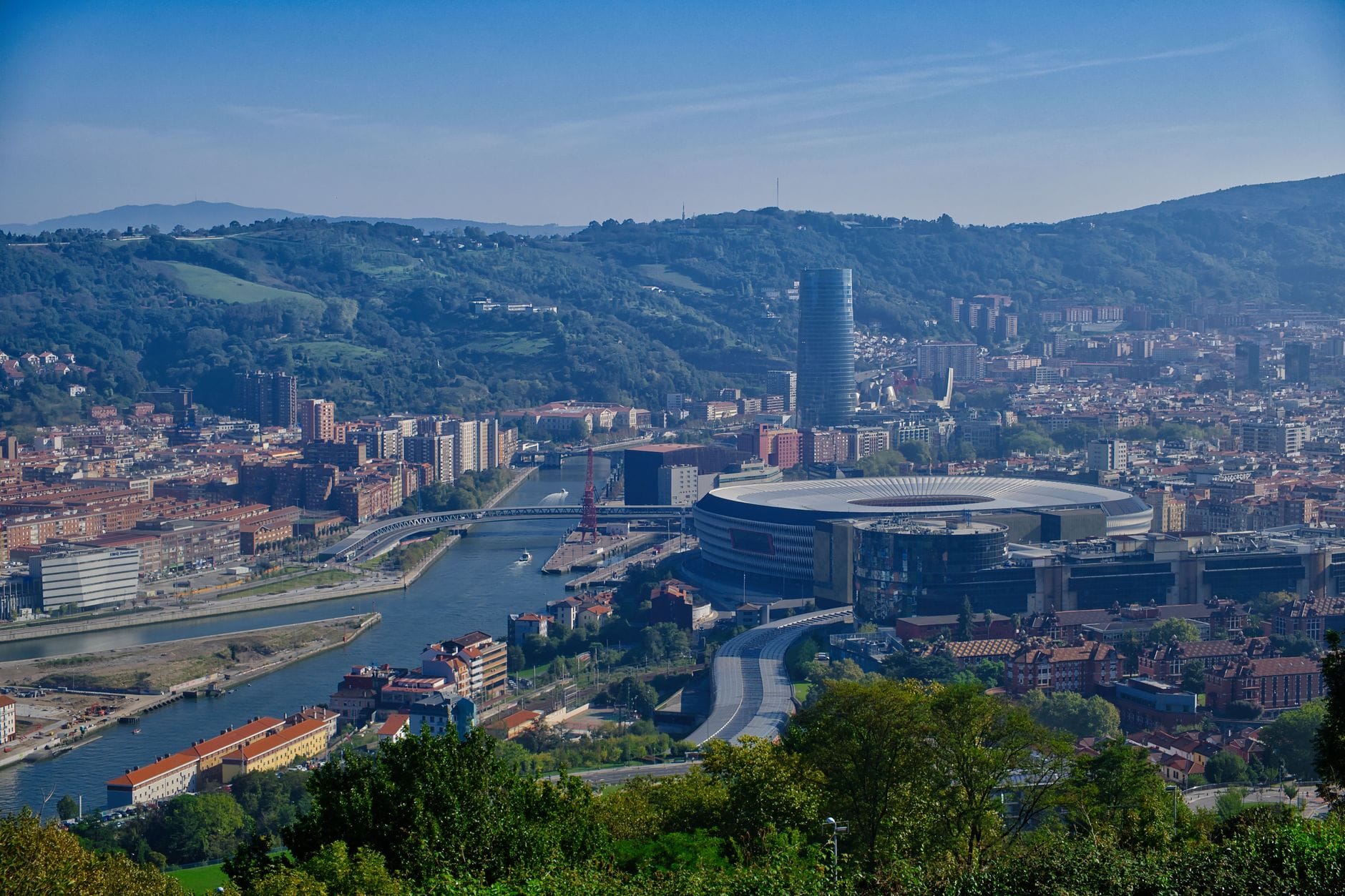
Bilbao sits along the Nervión estuary, about 11 km inland from the Bay of Biscay. The city's centre is compact: the historic Casco Viejo (Old Town) occupies the right bank, while the 19th-century Ensanche expansion, the Guggenheim waterfront in Abandoibarra, and the Indautxu neighbourhood all fan out on the left bank. Deusto sits further north across the estuary. The whole metro area covers about 40 square kilometres, which means strategic hotel placement actually matters less than it would in, say, London or Barcelona.
Metro Bilbao runs three lines (Lines 1–3) and, together with the Euskotren tram, covers all the central neighbourhoods with stops rarely more than 10 minutes apart. A Barik rechargeable card cuts single-ticket prices significantly and works across Metro, buses, and trams. This is worth knowing before deciding to pay a premium for a hotel right next to the Guggenheim: a Metro stop away is genuinely fine.
ℹ️ Good to know
Bilbao's official languages are Spanish and Basque (Euskara). You'll see both on street signs and hotel correspondence. English is widely spoken at hotels and tourist areas, but a few words of Spanish or Basque go a long way outside the centre. The local currency is the Euro (EUR).
Casco Viejo: Best for First-Timers and Atmosphere Seekers
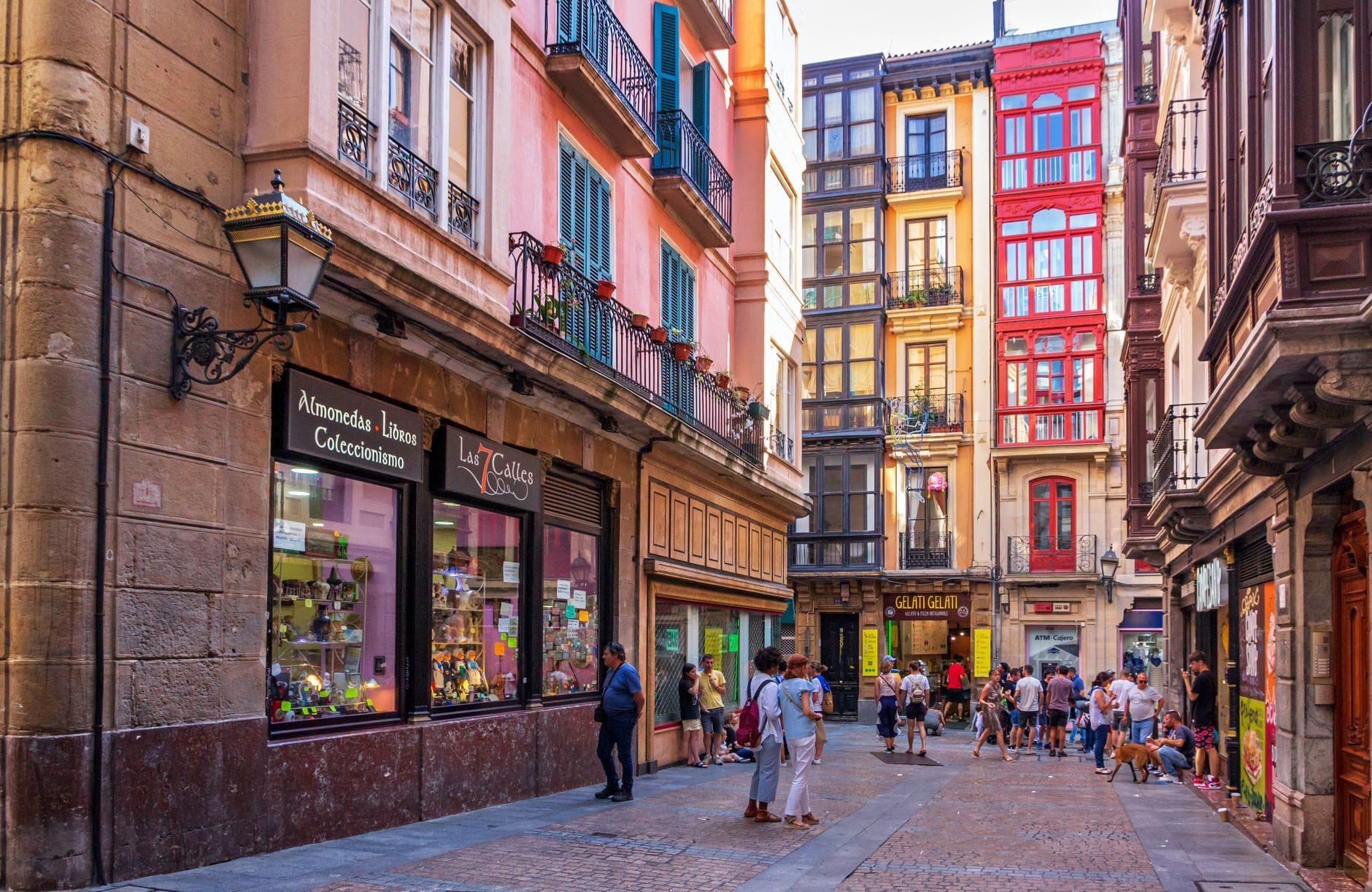
The Casco Viejo, known locally as Zazpikaleak (the Seven Streets), is Bilbao's medieval heart on the right bank of the Nervión. It's compact, pedestrianised, and dense with pintxos bars, independent shops, and key sights: the Plaza Nueva, the Mercado de la Ribera, and the Teatro Arriaga are all within a five-minute walk of each other. If you want to step outside and immediately be inside Bilbao's personality, this is where you stay.
The trade-off is noise and crowds. Weekend evenings in the Seven Streets get loud until well past midnight, especially in summer. Hotels here tend to be smaller boutique properties or converted historic buildings rather than large chains. Rooms can be tight. If you're a light sleeper or need reliable air conditioning in August, check these specifics carefully before booking.
- Best for First-time visitors, couples, pintxos enthusiasts, anyone wanting to walk everywhere.
- Price range Budget guesthouses from around €50-70/night; boutique hotels typically €90-160/night.
- Watch out for Street noise on weekends, limited parking (none in the old town itself), smaller room sizes.
- Metro access Casco Viejo Metro station on Line 1 connects directly to Abando, Moyúa, and the Guggenheim area.
Abando and Ensanche: The Practical All-Rounder
The Ensanche district (centred on Abando) is Bilbao's 19th-century expansion, built on a grid plan around the Gran Vía boulevard. It's the city's commercial and financial spine, with the highest concentration of 4-star hotels, the best department stores, and easy Metro and tram connections to everything else. The Guggenheim Museum is about a 15-minute walk from the Plaza Moyúa roundabout, which sits at the district's heart.
This is the most balanced neighbourhood choice for most travellers: quieter than Casco Viejo at night, more central than Deusto, and better served by international hotel brands and mid-range options. The Bilbao Abando railway station, which connects to Madrid by fast Alvia and regional Renfe services (with current AVE high-speed services departing from Bilbao Miribilla), is also here. If your trip involves day trips or you're arriving by train, Abando is hard to beat logistically.
💡 Local tip
The Moyúa plaza area is also where the Bizkaibus A3247 airport bus terminates. Staying near Moyúa means a single direct bus journey from Bilbao Airport (BIO) to your hotel, with no Metro change required. The airport is about 12 km away; journey time is typically around 20–40 minutes and the fare is around €3 (verify current prices before travelling).
Indautxu: For Nightlife, Restaurants, and Local Life
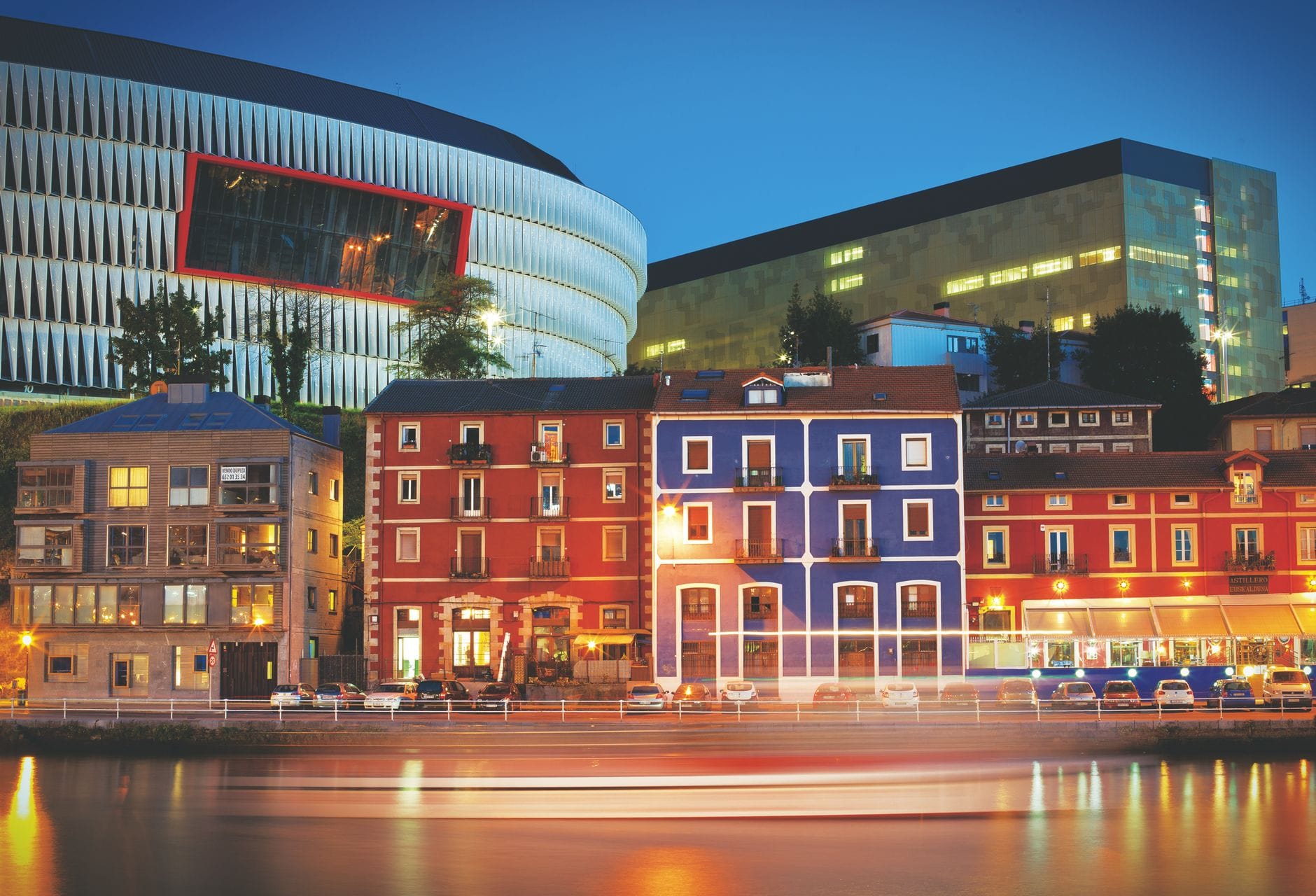
Immediately west of Abando, Indautxu is Bilbao's go-to neighbourhood for upscale restaurants, cocktail bars, and the kind of local commercial streets that aren't aimed at tourists. It's residential enough to feel authentic but central enough to be convenient. The neighbourhood has its own Metro stop (Line 2) and is within walking distance of both the Ensanche and the San Mamés stadium.
Hotel options here are slightly fewer than in Abando, but what exists tends to offer better value for the quality level. This is a good choice for travellers returning to Bilbao who already know the city, or those prioritising evening dining over sightseeing proximity.
Deusto and Beyond: Budget Stays and Residential Calm
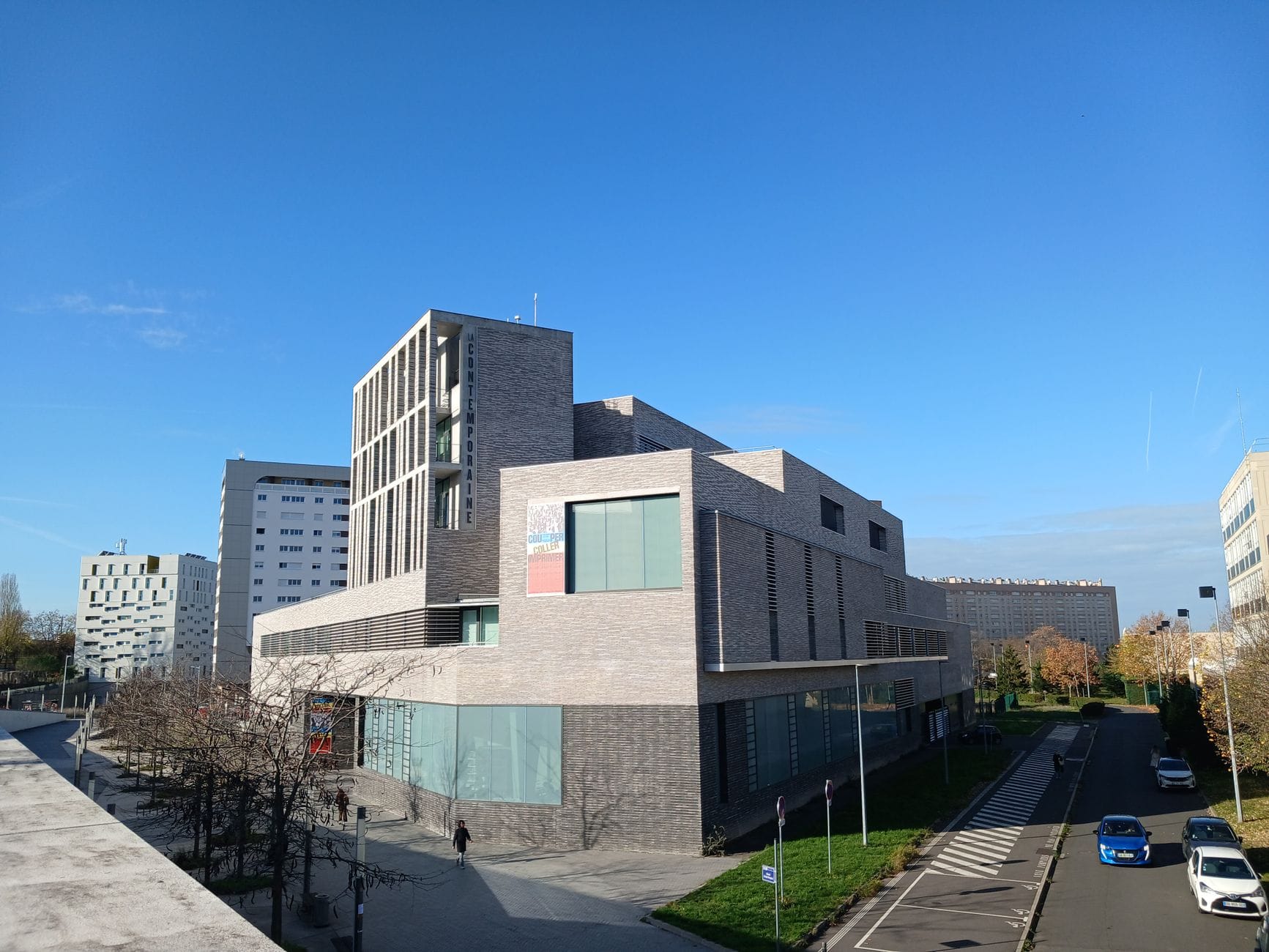
Deusto sits across the Nervión to the north, anchored by the University of Deusto campus. It's genuinely residential, with neighbourhood bars that cater to locals and students rather than tourists, and hotel prices that reflect the slight distance from the main sights. For solo travellers or those on tighter budgets, it's the most practical lower-cost option that still has good Metro connectivity.
Two other areas worth mentioning for specific traveller types: Bilbao La Vieja and the San Francisco neighbourhood, south of Casco Viejo, have developed a more creative and alternative character over the past decade, with independent cafes and arts spaces. These are affordable but best suited to travellers who know what they're getting into, as the area's character varies block by block. For families or those wanting the most peaceful surroundings, the suburb of Getxo (accessible by Metro Line 1 in about 30 minutes) offers coastal calm with direct city access.
- Casco Viejo: atmosphere, history, pintxos, walking distance to key sights
- Abando/Ensanche: central logistics, railway station, Gran Vía shopping, airport bus
- Indautxu: restaurants, nightlife, local feel, slightly better value than Abando
- Deusto: budget-friendly, quiet, university area, good Metro links
- Bilbao La Vieja: alternative culture, affordable, mixed character
- Getxo (outer): coastal setting, families, 30 min Metro to centre
Bilbao Hotel Prices, Seasons, and What to Expect
Bilbao operates as a year-round city-break destination rather than a purely seasonal one. The result is that prices don't collapse dramatically in winter: a good 3-star in Abando will run around €80-140/night in low season and €120-170 in high season. Four-star properties cluster in the €150-220 range for most of the year. The exception is August, specifically Aste Nagusia (the Great Week festival, typically mid-August), when prices across the city can double and rooms book out months in advance.
Spanish national holidays and long weekends (puentes) also create demand spikes, particularly around Easter and in June. For the most competitive rates, late autumn through February tends to offer the best value, and Bilbao's winter weather is mild enough that visiting is genuinely comfortable, with average temperatures around 8-10°C. The best time to visit Bilbao depends heavily on what you prioritise: summer has better weather but higher prices and crowds.
⚠️ What to skip
During Aste Nagusia (mid-August), Bilbao's biggest annual festival, the entire city fills up. Book accommodation at least 3-4 months ahead if you plan to visit then, and expect significant noise throughout the night in and around Casco Viejo. It's an incredible experience, but go in knowing what you're signing up for.
Most Bilbao hotels are rated in the standard Spanish classification system, from 1 to 5 stars. Unlike in some tourist destinations, a 3-star in Bilbao generally means clean, well-maintained rooms with decent service: expectations are reliably met. Design and boutique hotels have expanded significantly since the Guggenheim opened in 1997, and the city now has several internationally regarded properties. If you're looking for ultra-luxury, options exist but the selection is narrower than in Madrid or Barcelona.
Practical Tips for Booking Bilbao Hotels
Bilbao doesn't have a huge supply of parking in its central districts. If you're arriving by car, confirm whether your hotel has on-site parking or can direct you to a nearby garage: this is worth the extra cost rather than circling narrow old-town streets. Most hotels in Abando and Ensanche have arrangements with nearby car parks.
- Book direct or via OTA? Hotels in Bilbao are available on all major booking platforms. Booking direct sometimes unlocks better cancellation terms or small perks, but rates are usually similar.
- Breakfast included? Spanish hotels often charge separately for breakfast. Given that a coffee and croissant at a local bar costs €2-3, skipping the hotel breakfast and eating like a local is often the better call.
- Location within neighbourhood In Casco Viejo, a room facing an interior courtyard rather than the main street makes a significant difference to sleep quality on weekend nights.
- Air conditioning Bilbao summers are warm (mid-20s°C) but rarely brutal. Many older boutique hotels don't have AC. It's rarely essential but worth checking for July-August stays.
- Festival dates Beyond Aste Nagusia, check local event calendars. Major exhibitions at the Guggenheim and international sporting events at San Mamés stadium affect availability.
For travellers combining Bilbao with the wider Basque Country, where you stay in the city affects how easily you can reach day-trip destinations. The Guggenheim Museum is the obvious anchor, but places like Gaztelugatxe and the coastal towns require either a car or bus connections that mostly depart from Bilbao's Termibus station in Basurto. If day trips are a priority, staying in Abando keeps you close to both the Metro and bus station.
✨ Pro tip
The Barik card is the rechargeable transport card used across Metro Bilbao, Bilbobus city buses, the Euskotren tram, and some regional lines. Buy one on arrival (a small refundable deposit applies) and load credit onto it. Fares with Barik are significantly cheaper than paying per journey, and the card works across all transport you'll realistically use during a city stay.
FAQ
What is the best area to stay in Bilbao for first-time visitors?
Casco Viejo is the most popular choice for first timers because it puts you within walking distance of the main sights, the best pintxos bars, and the Mercado de la Ribera. It has strong atmosphere and is easy to navigate on foot. The main downside is weekend noise. If that concerns you, Abando (Ensanche) is the most practical alternative and still very central.
How far is the Guggenheim from the main hotel areas?
From Abando/Ensanche (around Gran Vía), the Guggenheim is about a 15-20 minute walk along the riverfront. From Casco Viejo, it's about 20 minutes on foot or one Metro stop. The Guggenheim itself sits in the Abandoibarra waterfront zone, which has a few hotels immediately adjacent for those who want to be right next door.
Are Bilbao hotels expensive compared to other Spanish cities?
Bilbao hotels are generally mid-range compared to Madrid and Barcelona, and noticeably cheaper than San Sebastián. Expect around €80-140/night for a decent 3-star and €150-220 for a 4-star in normal periods. Prices spike significantly during Aste Nagusia (mid-August) and long weekends, when booking well in advance is essential.
Is it worth staying in Deusto to save money?
Deusto can offer better value than the central districts, and Metro Line 1 connects it quickly to Casco Viejo and Abando. It's a genuinely pleasant residential area with its own local bars. The trade-off is that it lacks the immediate atmosphere of the old town and is less walkable to the main sights. For budget-conscious travellers who don't mind a short Metro ride, it's a solid choice.
When should I book Bilbao hotels in advance?
For standard periods, 4-6 weeks ahead is usually sufficient for a good selection. For Aste Nagusia (the August festival, typically the second week of August), book 3-4 months ahead at minimum. Easter week, Spanish national holidays, and any major events at San Mamés stadium or the Guggenheim also create demand peaks worth planning around.